Vacuum Cleaner Losing Suction After A Few Weeks? Causes, Fixes And Maintenance Tips
Vacuum losing suction within weeks? Clogged filters, full bins, tangled brushes and airflow leaks are common culprits. This guide explains why suction drops fast and how to fix it easily at home.
Vacuum Cleaner Losing Suction After a Few Weeks? Common Causes and Easy Fixes You Should Know.
A new vacuum cleaner often arrives with promise. Floors look spotless, sofas feel fresher, and cleaning feels almost satisfying. Then, slowly, performance dips. Within a few weeks, suction weakens, and frustration sets in. Many assume poor quality or bad luck, yet the truth sits closer to daily habits and maintenance gaps. Modern vacuum cleaners work hard, especially in homes with dust, fine soil, hair, and fabric fibres everywhere. Without basic care, even the best machine struggles.
Understanding why suction drops helps save time, money, and patience. Most fixes need no technician, no fancy tools, and no big spending. A little awareness goes a long way. The sections below explore ten common reasons for suction loss and explain how to bring that vacuum back to life, without drama or panic.

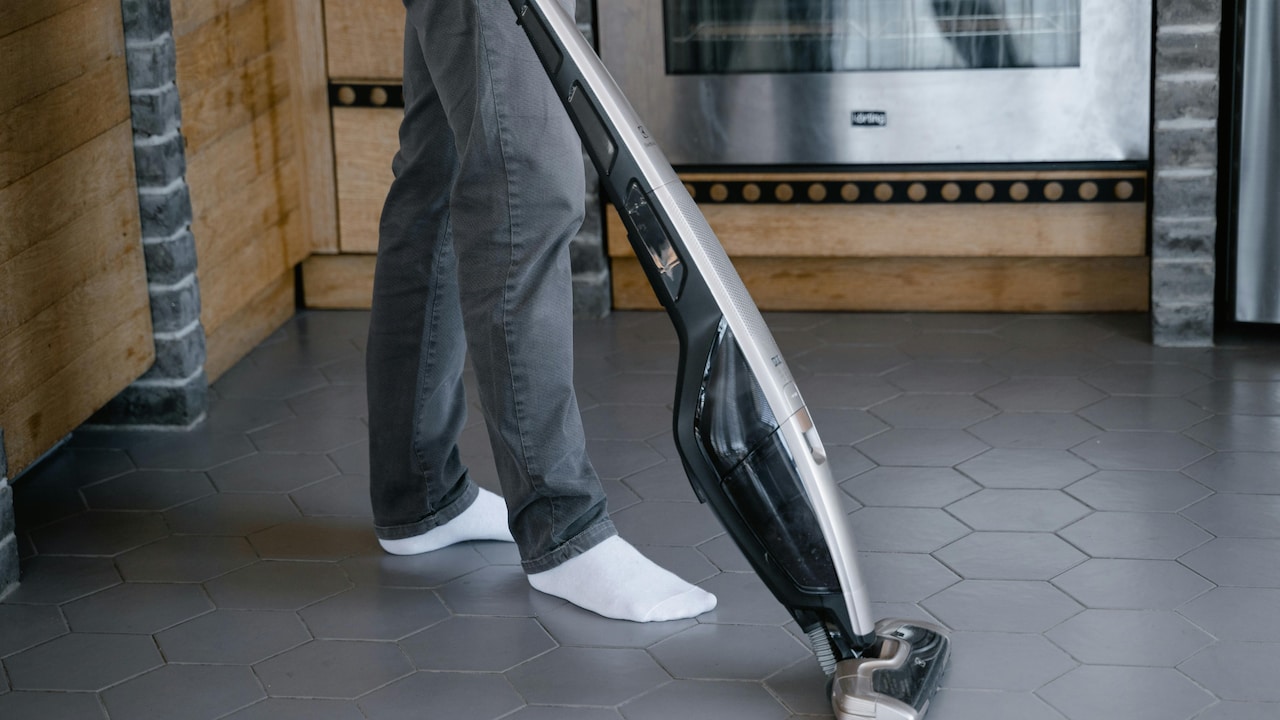
Why Your Vacuum Cleaner Loses Suction Quickly and How to Fix It at Home; Photo Credit: Pexels
Before You Blame the Machine, Check These Common Suction Killers
1. Dust Bin or Bag Filling Up Faster Than Expected
A vacuum cleaner depends on airflow. Once the dust bin or bag fills up, air struggles to pass through. Suction drops, even if the motor runs at full power. In many homes, bins fill faster than expected due to fine dust, hair, food crumbs, and fabric lint. Curtains, rugs, and sofas add to the load. A quick clean of the living room can already push the bin close to its limit.
Emptying the bin only when it looks full causes trouble. Dirt compacts at the bottom and blocks airflow early. Bags behave the same way. Waiting until the bag bulges reduces efficiency long before it looks packed.
The fix stays simple. Empty the dust bin after every major cleaning session. For bagged models, replace the bag once it reaches two-thirds capacity. A small habit change keeps airflow strong and cleaning smooth. Floors feel cleaner, and the vacuum stops sounding tired and strained.
2. Clogged Filters Choking Airflow
Filters protect the motor and keep dust from escaping back into the room. Over time, these filters trap fine particles and slowly clog. Suction drops as airflow struggles to pass through dense layers of dust. Many users forget filters exist, hidden behind panels or inside the dust bin.
Some machines include washable filters. Others require replacements. Ignoring this detail leads to poor performance within weeks. A clogged filter also makes the motor work harder, which shortens the vacuum's lifespan.
Check the manual for filter locations. Remove and inspect them every few weeks. Washable filters need gentle rinsing and full drying before reinsertion. Wet filters block airflow and risk damage. Non-washable filters need timely replacement.
A clean filter feels light and airy. Once refitted, suction often returns instantly. The vacuum sounds smoother, and cleaning takes less effort. That small piece of foam or fabric plays a bigger role than expected.
Also Read: 7 Best Vacuum Cleaners Under ₹15,000 That Don't Give Up On Pet Hair Or Dust Bunnies
3. Hair and Thread Tangling the Brush Roll
Hair finds its way everywhere. Long strands wrap around the brush roll, slowly forming a thick rope. Threads from carpets, rugs, and clothes join in. Over time, the brush roll struggles to spin freely. Dirt remains trapped in carpet fibres, untouched.
Many notice weaker suction but overlook the brush roll. The vacuum picks up surface dust but leaves deeper debris behind. The floor looks clean at first glance, then dull under proper light.
Fixing this issue takes minutes. Turn off and unplug the vacuum. Flip it over and inspect the brush roll. Cut away tangled hair and threads using scissors or a seam ripper. Remove debris from the ends where it often collects.
Regular checks prevent heavy build-up. A free-spinning brush roll agitates carpet fibres properly and lifts dirt effectively. Suction feels stronger because dirt actually reaches the airflow path.
4. Blocked Hose Hiding the Real Problem
A blocked hose often causes sudden suction loss. Small toys, socks, paper, or thick dust clumps lodge inside the hose. The motor runs, noise continues, but airflow drops dramatically. The blockage stays out of sight, which leads to confusion.
Signs include strange sounds, reduced pickup, or debris falling back onto the floor. Some notice the vacuum feels warm quickly. That signals restricted airflow.
Disconnect the hose and check for blockages. A torch helps spot obstructions. Use a broom handle or flexible rod to gently push the blockage out. Avoid sharp tools that could puncture the hose.
Once cleared, reconnect everything securely. Suction usually returns instantly. Regular hose checks prevent surprise blockages. Keeping small items off the floor also helps. The vacuum works best when airflow remains smooth and uninterrupted.
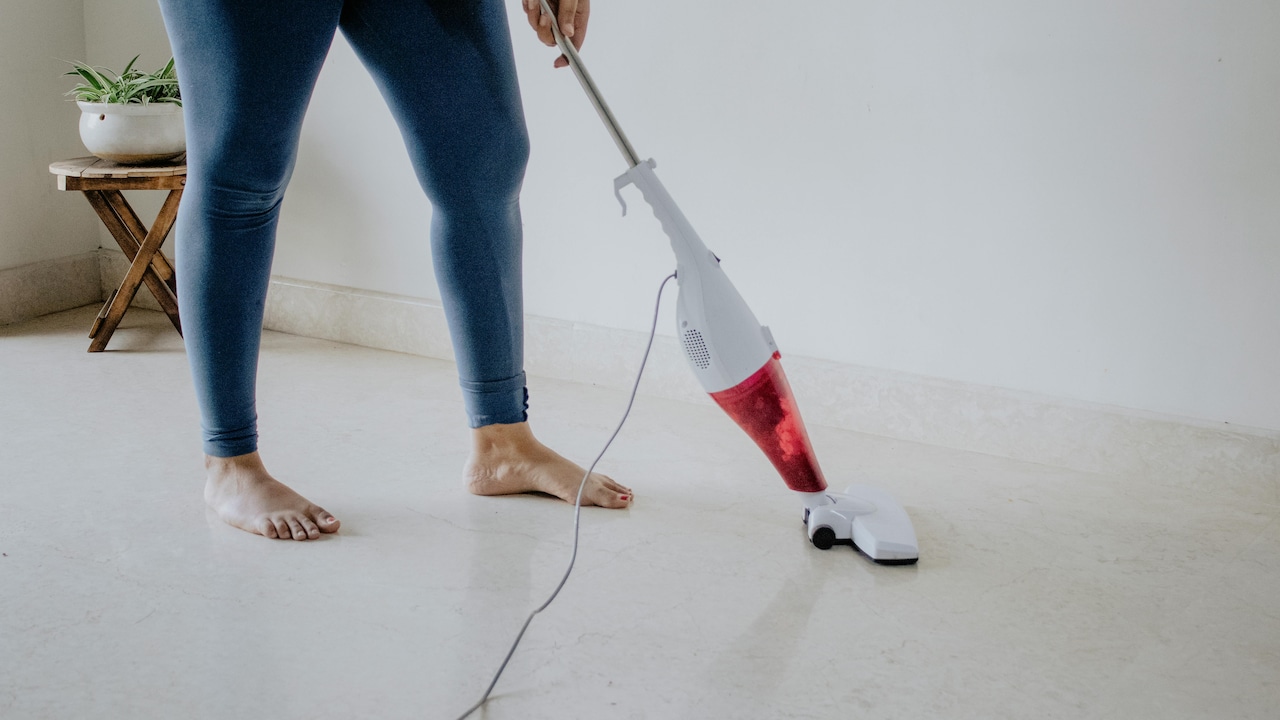
Why Your Vacuum Cleaner Loses Suction Quickly and How to Fix It at Home; Photo Credit: Pexels
5. Poor Seals Letting Air Escape
Vacuum cleaners rely on sealed systems. Any gap allows air to escape before it reaches the motor. Cracked hoses, loose fittings, or worn seals reduce suction without obvious signs. The machine appears fine, but performs poorly.
Frequent attachment changes or rough handling loosen joints over time. Flexible hoses may develop tiny cracks that widen during use. These small leaks weaken suction steadily.
Inspect all connections. Ensure hoses fit snugly. Check for visible cracks or splits. Replace damaged hoses or seals promptly. Temporary fixes like tape offer short relief but fail under pressure.
A well-sealed vacuum channels airflow correctly. Dirt moves efficiently from the floor to the bin. Regular inspection keeps small issues from growing. Suction strength depends as much on airtight connections as on motor power.
6. Wrong Floor Setting Sabotaging Performance
Many vacuums include adjustable height or floor settings. Using the wrong setting reduces suction effectiveness. A high setting on carpets fails to agitate fibres properly. A low setting on hard floors causes resistance and airflow loss.
In busy households, settings change often. One room leads to another, and adjustments get forgotten. The vacuum struggles, not due to faults, but mismatched settings.
Check the floor type before cleaning. Adjust the height or mode accordingly. Carpeted areas need deeper brush engagement. Hard floors require lighter contact and smoother airflow.
Correct settings improve pickup instantly. The vacuum glides smoothly instead of dragging. Cleaning feels easier and quicker. A small dial or switch makes a big difference when used properly.
7. Overheating Motor Triggering Safety Cutbacks
Modern vacuums include safety features that reduce power when the motor overheats. Restricted airflow causes heat build-up. The machine lowers the suction to protect internal components. This often happens after long sessions without breaks.
Dusty environments, clogged filters, and blockages increase strain. The vacuum feels weak after several minutes, then recovers slightly after resting.
Allow the vacuum to cool during extended cleaning. Address airflow issues promptly. Clean filters, empty bins, and clear blockages. Avoid continuous use beyond recommended durations.
Once airflow improves, the motor stays cooler. Suction remains consistent throughout cleaning. Respecting these limits extends the vacuum's lifespan and keeps performance reliable.
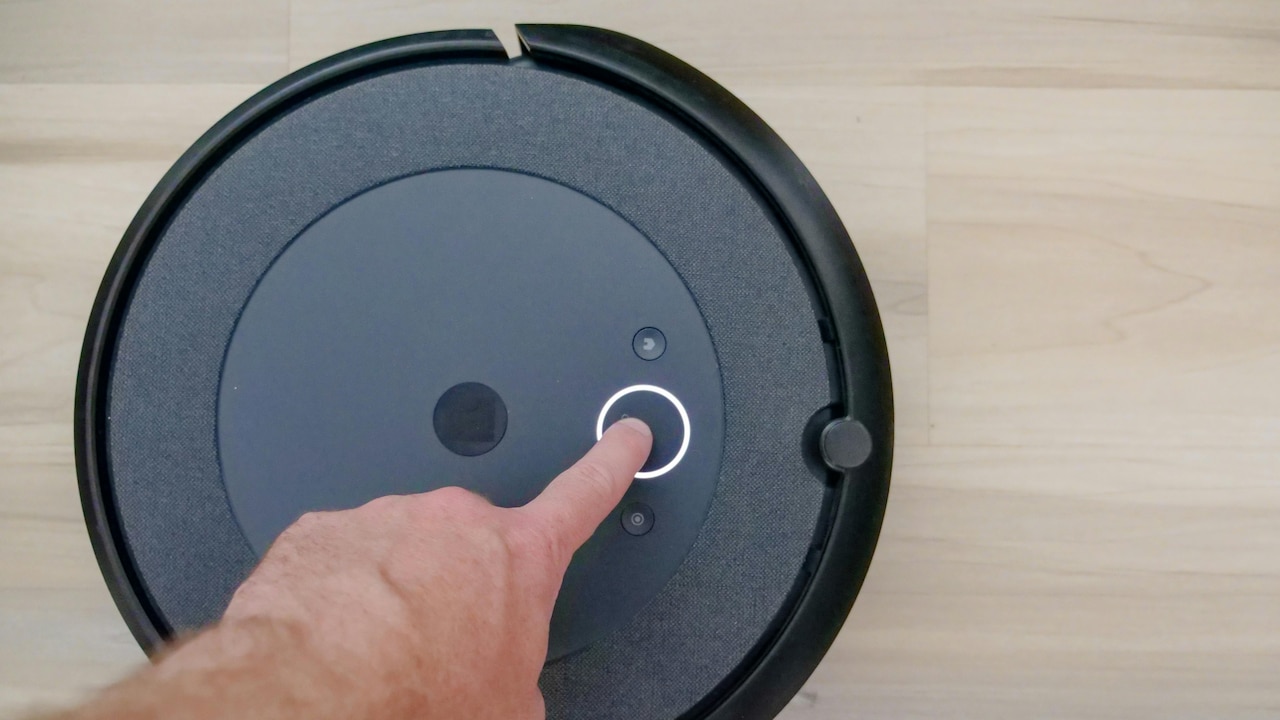
Why Your Vacuum Cleaner Loses Suction Quickly and How to Fix It at Home; Photo Credit: Pexels
8. Attachments Stealing Suction Without Notice
Attachments add convenience but sometimes cause suction loss. Narrow tools clog easily. Loose attachments leak air. Some users leave attachments attached unnecessarily, reducing airflow to the main head.
Check attachments regularly. Remove debris stuck inside crevice tools or upholstery brushes. Ensure attachments click firmly into place. Use them only when needed.
Switching back to the main floor head improves suction for general cleaning. Attachments serve specific purposes, not everyday vacuuming. Using them wisely maintains strong airflow where it matters most.
A quick check before cleaning prevents frustration. Attachments help when clean and properly fitted. Otherwise, they quietly sabotage performance.
9. Poor Storage Habits Causing Damage
Storing the vacuum improperly leads to hidden damage. Bent hoses, crushed filters, and loose connections develop over time. Tight corners and heavy objects pressing against the vacuum deform parts slowly.
Store the vacuum upright in a dry space. Avoid bending hoses sharply. Remove attachments before storage. Allow filters to dry completely after washing.
Good storage preserves shape and function. Components last longer and maintain proper seals. Suction stays consistent because airflow paths remain intact. Treating the vacuum with care pays off in performance.
10. Low-Quality Consumables Reducing Efficiency
Using poor-quality replacement bags or filters affects suction. Cheap alternatives often restrict airflow or fail to fit properly. Gaps, leaks, and dense materials reduce efficiency.
Choose compatible consumables recommended by the manufacturer. Spending slightly more upfront prevents repeated issues. Better airflow means less strain on the motor and better cleaning results.
In the long run, quality consumables save money. The vacuum performs as intended and avoids premature wear. Strong suction depends on every component working together, even the replaceable ones.
Products Related To This Article
1. INALSA Wet and Dry Vacuum Cleaner for Home
2. AGARO Regal 800 Watts Handheld Vacuum Cleaner
3. Philips PowerPro FC9352/01-Compact Bagless Vacuum Cleaner for home
4. Tineco Floor ONE S5 Plus Smart Cordless Wet & Dry Vacuum Cleaner and Mop for Hard Floors
5. Eureka Forbes Compact 700 Watts Powerful Suction & Blower Vacuum Cleaner with Washable HEPA Filter
6. KENT Storm Vacuum Cleaner
7. SEZNIK Vacuum Cleaner for Home Use Wet and Dry
A vacuum cleaner losing suction after a few weeks rarely signals the end of its usefulness. More often, it reflects small oversights that build up quietly. Dust bins fill, filters clog, hair tangles, and airflow suffers. The good news lies in simplicity. Most issues resolve with basic checks and routine care.
Regular maintenance restores performance and reduces frustration. Cleaning becomes faster, floors feel fresher, and the vacuum sounds healthier. Instead of rushing towards replacements or repairs, a little attention keeps the machine working hard for years. Strong suction stays within reach, one simple fix at a time.
(Disclaimer: This article may include references to or features of products and services made available through affiliate marketing campaigns. NDTV Convergence Limited (“NDTV”) strives to maintain editorial independence while participating in such campaigns. NDTV does not assume responsibility for the performance or claims of any featured products or services.)