Car Vacuum Cleaners That Feel Weak: Suction Power Reality Check
Many car vacuum cleaners promise strong suction but deliver weak results. This reality check breaks down why performance falls short and how to choose a vacuum that actually cleans effectively without wasting money.
Car Vacuum Cleaners That Feel Weak: Suction Power Reality Check
A freshly cleaned car carries a certain pride. It reflects care, routine, and sometimes even personality. But achieving that spotless look can feel frustrating when a vacuum cleaner refuses to cooperate. Many car owners have faced that moment: plugging in a compact vacuum, expecting a powerful pull, only to watch dust sit stubbornly in place. The motor hums, the nozzle glides, yet nothing really happens.
The problem rarely lies in effort. It lies in expectation versus reality. Marketing claims often paint a glowing picture, while actual performance struggles to keep up. Suction power, often advertised in technical terms, does not always translate into practical cleaning. For someone juggling busy city schedules and weekend drives, a weak vacuum becomes more than a nuisance; it becomes a wasted purchase.
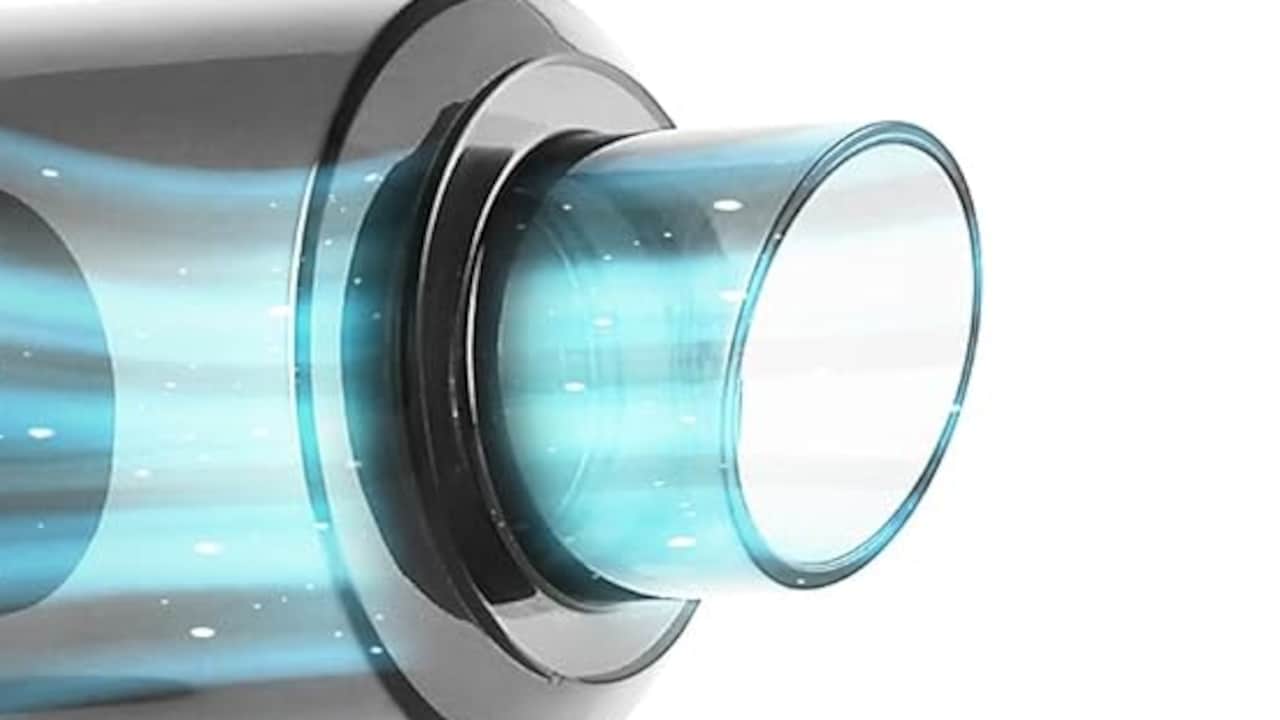
Understanding why some car vacuum cleaners feel underpowered helps avoid this disappointment. The story goes beyond numbers and into design, usage habits, and even small details like filters and attachments. Let's unpack the reality behind suction power and why that tiny device in the boot sometimes feels like it's just pretending to clean.
Car Vacuum Cleaners That Feel Weak: Suction Power Reality Check
Photo Credit: Amazon
Why Your Car Vacuum Feels Weak: The Real Reasons Behind Poor Suction
The Myth Of High Wattage Equals High Suction
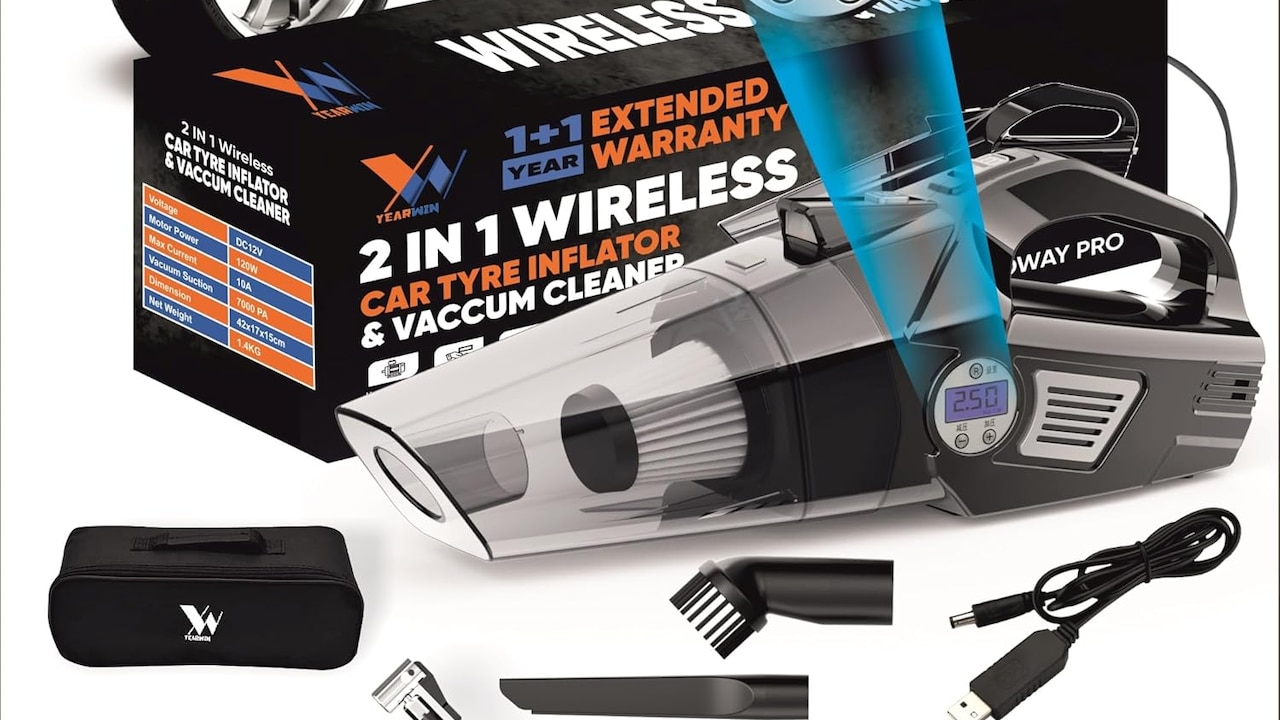
Many buyers fall into the wattage trap. A higher wattage number looks impressive on the box, often suggesting better performance. However, wattage measures energy consumption, not suction efficiency. That distinction often goes unnoticed until the vacuum struggles with basic debris like sand or biscuit crumbs.
Consider a scenario where a ₹2,500 vacuum boasts 120W power. It sounds promising, yet when tested on a car mat after a beach trip, it barely lifts fine grains. This happens because suction depends on airflow design, motor quality, and sealing, not just raw power input. Poor engineering can waste energy rather than convert it into effective suction.
Manufacturers often highlight wattage because it's easy to advertise. Consumers, in turn, equate bigger numbers with better results. The mismatch creates frustration. A well-designed 60W vacuum can outperform a poorly designed 120W one, especially in confined car interiors where precision matters more than brute force.
The takeaway is simple: wattage alone cannot define performance. True suction lies in how efficiently a vacuum moves air and captures dirt. Without that understanding, even a seemingly powerful device can feel disappointingly weak.
Compact Design Versus Real Performance
Car vacuum cleaners thrive on compactness. They promise portability, easy storage, and quick use. Yet, this convenience often comes at a cost. Smaller devices struggle to house strong motors or advanced airflow systems, which directly impacts suction power.
A sleek, handheld vacuum fits neatly into a glove compartment. It looks modern and convenient, almost like a gadget straight out of a tech catalogue. But when faced with embedded dust in upholstery, it often falters. The limited internal space restricts airflow channels, reducing the force needed to lift stubborn dirt.
This trade-off becomes evident during everyday cleaning. Loose debris might disappear quickly, but deeper grime remains untouched. Over time, that residue builds up, making the interior look dull despite repeated cleaning attempts.
Design priorities often lean towards aesthetics and portability rather than performance. Buyers end up choosing a device that feels good to hold but fails to deliver meaningful results. It's a classic case of form over function.
A slightly bulkier vacuum may seem less appealing initially. Yet, it often provides better suction due to improved motor capacity and airflow design. The balance between size and performance remains crucial, especially when dealing with real-world dirt rather than showroom conditions.
Cordless Convenience And Battery Limitations
Cordless vacuum cleaners offer unmatched ease. No tangled wires, no searching for sockets, just pick up and clean. This freedom feels liberating, especially during quick clean-ups before a drive. However, battery-powered models often struggle to maintain consistent suction.
Battery capacity limits how much power the motor can draw. As the charge drops, the suction weakens noticeably. A vacuum that starts strong may lose effectiveness halfway through cleaning, leaving sections untouched. This inconsistency can frustrate even the most patient user.
Charging cycles add another layer of inconvenience. A device that requires several hours to charge but delivers only 15 minutes of effective cleaning hardly feels practical. Over time, battery health declines, further reducing performance.
Imagine cleaning the car after a long road trip, only to have the vacuum lose power midway. That half-cleaned interior becomes a reminder of compromised design. While cordless models excel in portability, they often sacrifice sustained suction.
Choosing between cordless and corded models depends on priorities. Convenience appeals instantly, but consistent performance often wins in the long run. A balance between the two remains essential for a satisfying cleaning experience.
Filter Quality And Airflow Efficiency
Filters play a silent yet crucial role in suction performance. Many car vacuum cleaners use basic filters that clog quickly, restricting airflow. When airflow drops, suction weakens, even if the motor remains strong.
A clogged filter acts like a barrier. Dust accumulates, airflow slows, and the vacuum struggles to pick up even light debris. Regular cleaning helps, but low-quality filters degrade quickly, losing efficiency over time.
High-efficiency filters, such as HEPA variants, improve performance significantly. They maintain airflow while trapping fine particles, ensuring consistent suction. However, these filters often appear in higher-priced models, leaving budget options at a disadvantage.
The impact becomes noticeable during repeated use. A vacuum that worked well initially may start feeling weak after a few weeks. The issue rarely lies in the motor; it lies in the filter's inability to handle continuous use.
Maintaining filter hygiene can improve performance, but only to an extent. Investing in a vacuum with a better filtration system often proves more effective than repeatedly cleaning a subpar one. Suction power depends as much on airflow management as it does on motor strength.
Nozzle Design And Cleaning Precision
Nozzle design often escapes attention during purchase. Yet, it directly influences how effectively a vacuum cleans tight spaces. A poorly designed nozzle reduces suction concentration, making it harder to lift dirt from crevices.
Car interiors feature narrow gaps, textured surfaces, and uneven upholstery. A standard wide nozzle struggles to adapt to these conditions. Dirt hides in seams and corners, areas that require focused suction.
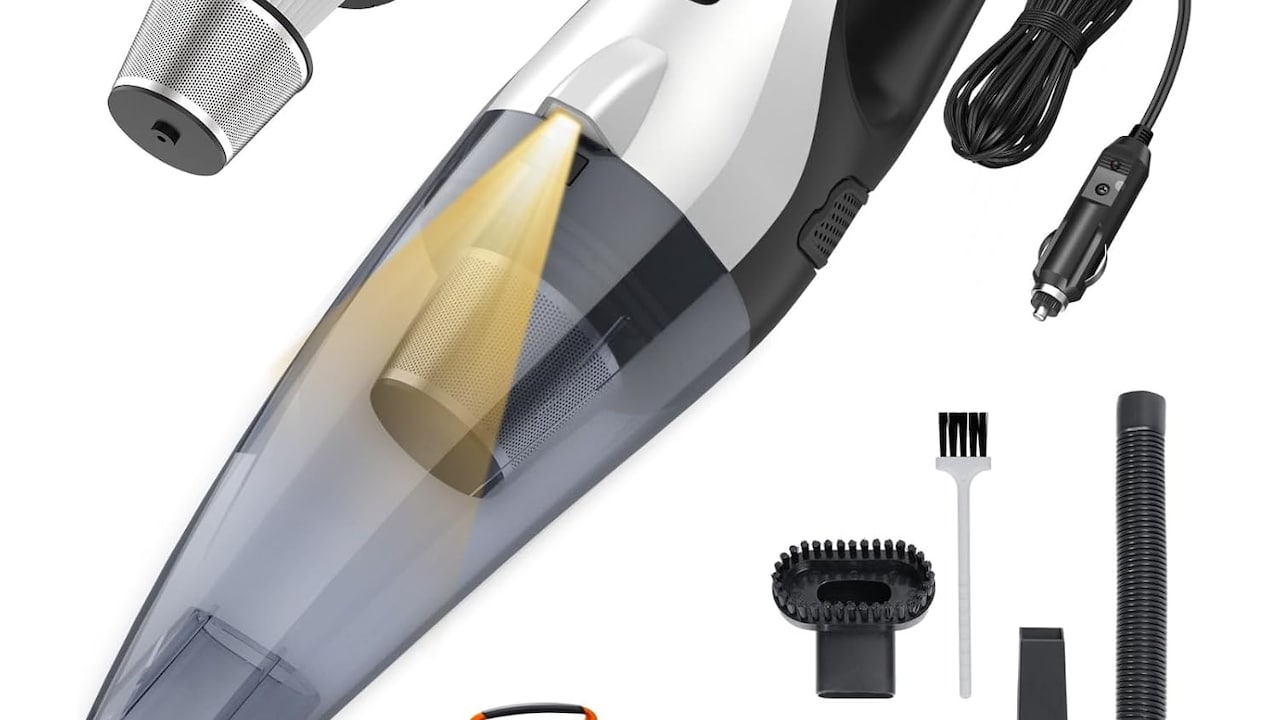
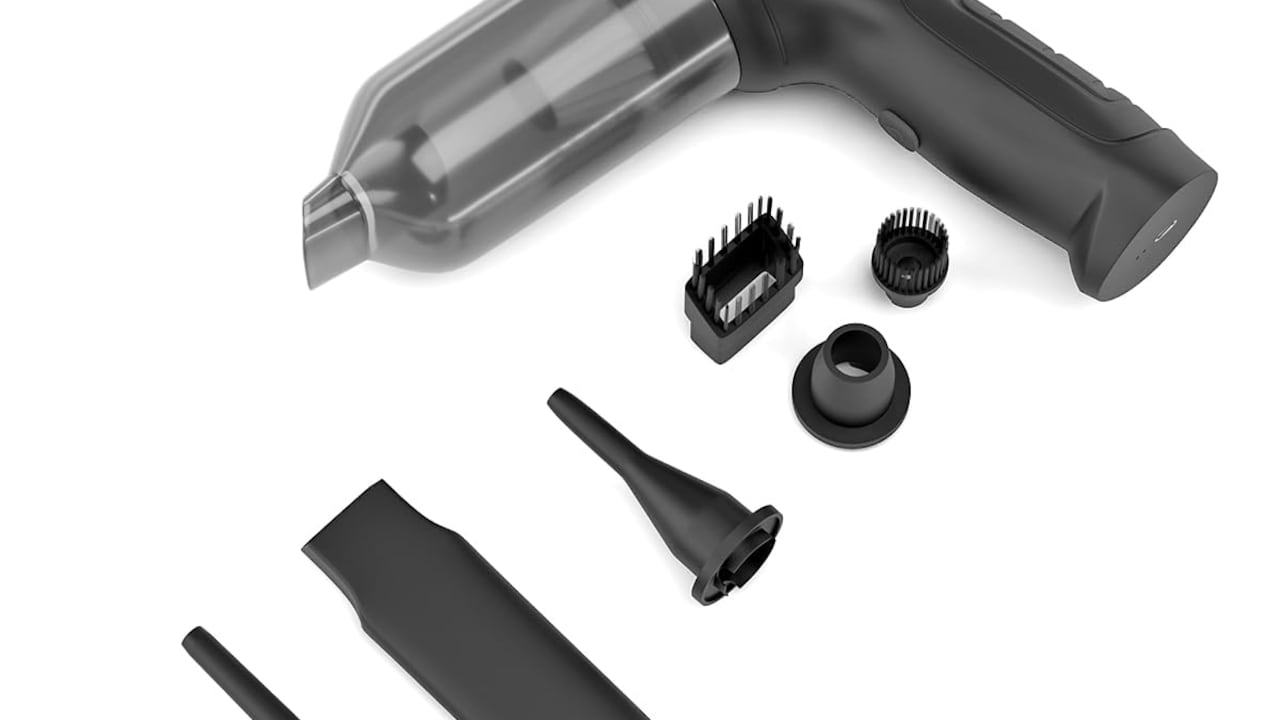
Specialised attachments, such as crevice tools and brush heads, enhance cleaning precision. They channel airflow into specific areas, increasing effectiveness. Without these attachments, even a powerful vacuum can feel inefficient.
Consider cleaning between seat cushions. A generic nozzle may glide over the surface, leaving debris behind. A well-designed crevice tool, on the other hand, reaches deep and extracts hidden dirt with ease.
The difference lies not in raw power but in how that power gets directed. A vacuum with a thoughtful nozzle design often outperforms a more powerful model with poor attachments. Precision matters as much as strength when it comes to car cleaning.
Marketing Claims Versus Real-World Use
Packaging often promises exceptional performance. Words like “high suction,” “powerful motor,” and “deep cleaning” appear prominently. Yet, these claims rarely reflect real-world conditions.
Controlled testing environments differ significantly from everyday use. Dust in a lab behaves differently from dust mixed with sand, hair, and food crumbs. A vacuum that performs well in tests may struggle in practical scenarios.
Buyers often rely on these claims, expecting similar results. Disappointment follows when the vacuum fails to meet expectations. The gap between promise and performance becomes evident within the first few uses.
User reviews often reveal the truth. Real experiences highlight issues that marketing overlooks. Weak suction, short battery life, and poor durability frequently surface in feedback.
Understanding this gap helps set realistic expectations. Marketing creates an ideal image, but actual performance depends on multiple factors. Looking beyond claims and focusing on practical usability ensures a more informed purchase decision.
Price Does Not Always Reflect Performance
A higher price tag often suggests better quality. However, this assumption does not always hold true in the world of car vacuum cleaners. Some expensive models prioritise branding and design over actual suction performance.
A ₹5,000 vacuum may look premium, with sleek finishes and attractive packaging. Yet, its performance might not differ significantly from a ₹2,000 model. The difference often lies in features rather than core functionality.
Conversely, some budget models deliver surprisingly strong suction. They may lack aesthetic appeal or advanced features, but they perform well where it matters most, cleaning.
Price often includes factors like brand reputation, marketing costs, and design elements. These aspects enhance perception but do not guarantee better performance.
Evaluating a vacuum based on specifications, reviews, and practical features proves more effective than relying solely on price. A balanced approach ensures value for money, avoiding the trap of paying extra for minimal gains.
Car Vacuum Cleaners That Feel Weak: Suction Power Reality Check
Photo Credit: Amazon
Maintenance Habits Affect Perceived Power
Even the best vacuum cleaner can feel weak if not maintained properly. Dust containers fill up quickly, filters clog, and airflow reduces. These issues gradually affect performance, often without immediate notice.
Regular cleaning of the dustbin and filter restores suction. Neglecting this routine leads to a gradual decline in effectiveness. The vacuum may still run, but it loses its ability to clean efficiently.
Users often blame the device rather than their maintenance habits. A simple cleaning routine can make a noticeable difference. Emptying the dust container after each use and cleaning the filter weekly keeps performance consistent.
Over time, wear and tear also play a role. Components degrade, reducing efficiency. Proper care extends the lifespan and maintains suction strength.
Maintenance may not feel exciting, but it remains essential. A well-maintained vacuum performs significantly better than a neglected one, regardless of its initial quality.
Expectations Versus Practical Needs
Expectations often shape satisfaction. A small car vacuum cannot match the performance of a full-sized household vacuum. Understanding this limitation helps set realistic goals.
Car vacuums excel at quick clean-ups rather than deep cleaning. They handle surface dust and light debris effectively. Expecting them to remove deeply embedded dirt leads to disappointment.
Matching the device to the task ensures better results. For heavy cleaning, occasional professional detailing may prove more effective. For daily maintenance, a reliable car vacuum suffices.
Balancing expectations with practical needs creates a more satisfying experience. The right tool for the right job makes all the difference.
Car Vacuum Cleaners That Feel Weak: Suction Power Reality Check
Photo Credit: Pexels
Products Related To This Article
1. SEZNIK Vacuum Cleaner for Home Use
2. Portronics Mopcop Pro 2-in-1 Vacuum Cleaner & Air Blower
3. NUUK REN GO Cordless Car and Home Vacuum Cleaner
4. 4-in-1 Portable Vacuum Cleaner for Car Use
5. Tusa Cordless Vacuum Cleaner for Car & Home
Car vacuum cleaners often promise more than they deliver. Weak suction usually stems from design limitations, battery constraints, and overlooked factors like filters and nozzles. Understanding these aspects helps avoid frustration and wasted spending.
A good vacuum does not rely on flashy claims or high wattage alone. It combines efficient airflow, thoughtful design, and consistent performance. Choosing wisely requires looking beyond marketing and focusing on real-world usability.
A clean car should feel achievable, not like a constant struggle. With the right knowledge, selecting a vacuum that truly works becomes far simpler and far more satisfying.
(Disclaimer: This article may include references to or features of products and services made available through affiliate marketing campaigns. NDTV Convergence Limited (“NDTV”) strives to maintain editorial independence while participating in such campaigns. NDTV does not assume responsibility for the performance or claims of any featured products or services.)