Vacuum Cleaner Myths: Why Suction Power Specs Can Mislead You
Suction power numbers on vacuum cleaners can be misleading. Real cleaning depends on airflow, nozzle design, filtration, and floor type, not just a big spec on the box.
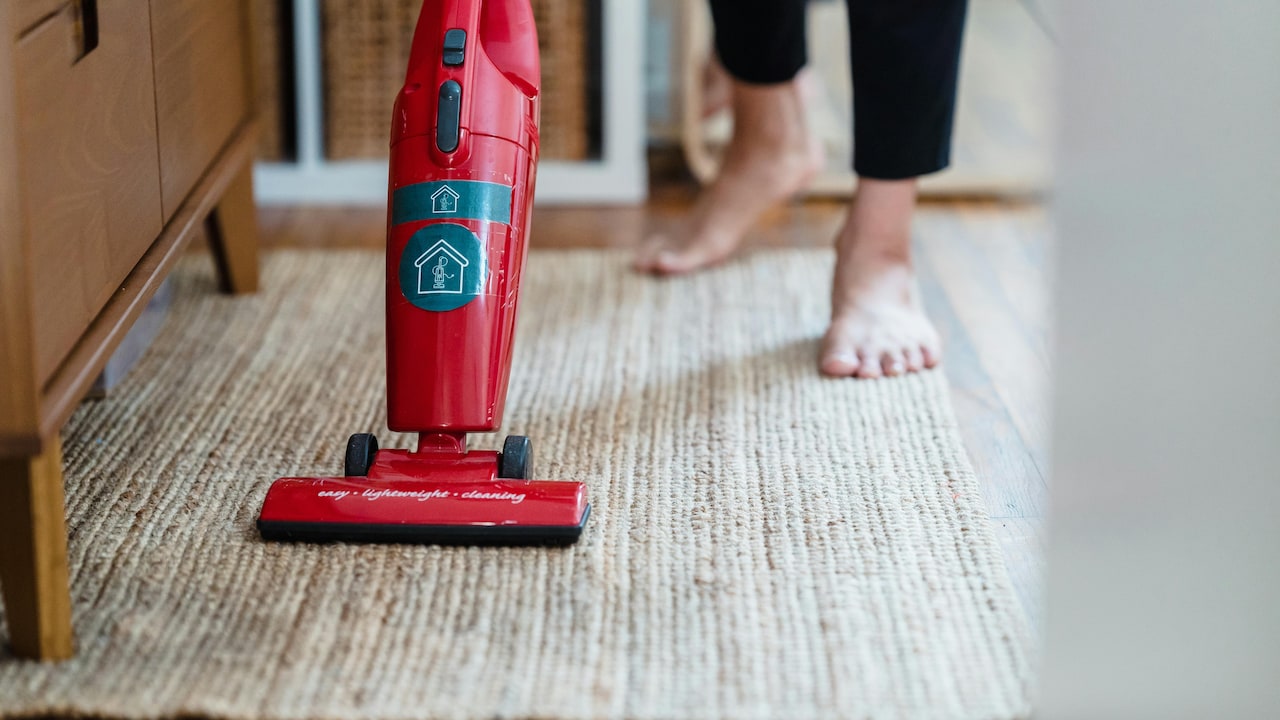
Top things to know about vacuum cleaner suction power before buying one.
Buying a vacuum cleaner should be simple. Pick a budget, choose a brand, check the suction power, and done. But the moment the search begins, the brain gets ambushed by numbers: 16 kPa, 22 kPa, 1400W, 210 air watts, cyclone tech, HEPA, turbo brush, and “German engineering” sprinkled like masala on everything.
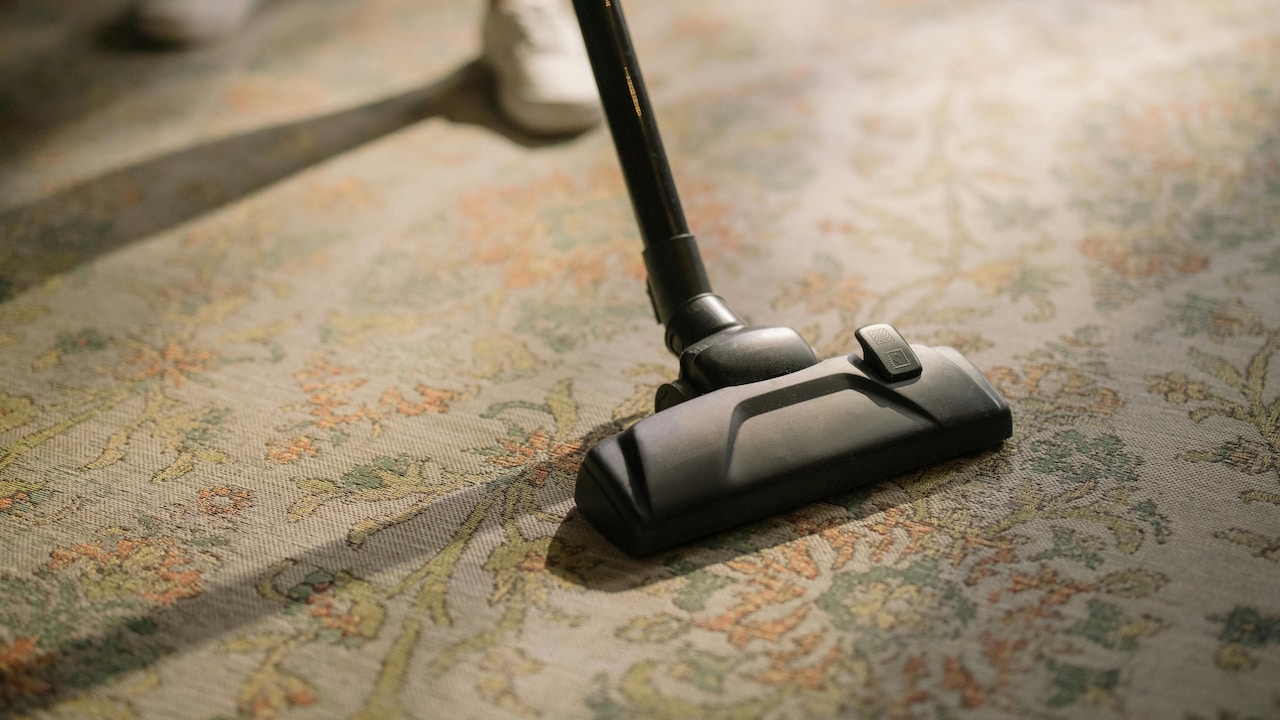
Explore common vacuum cleaner suction power myths that can mislead you while buying; Photo Credit: Pexels
Most people end up staring at suction power specs of vacuum cleaners the way one stares at a restaurant menu with twenty types of paneer. Confident at first, then suddenly unsure of everything.
The truth is, suction power alone doesn't tell the full story. In fact, it can be the most misleading number on the box. A vacuum with lower “advertised suction” can clean better than a vacuum that boasts monster specs. And a high-suction machine can still struggle with fine dust, long hair, or thick carpets.
This article breaks down the most common vacuum cleaner myths, explains why suction numbers don't always mean better cleaning, and helps you shop smarter without needing an engineering degree.
Also Read: Kent, Agaro To Inalsa, 10 Best Vacuum Cleaners For Carpets, Tiles And Everything In Between
Before You Trust The Numbers On The Box
1. Bigger Suction Numbers Always Mean Better Cleaning
This is the most popular myth, and brands love it because it sells quickly. The logic sounds sensible: if a vacuum pulls harder, it must pick up more dirt. But real cleaning is not just about pulling power. It's about how effectively that power reaches the surface.
Think of it like drinking a thick mango shake through a straw. A strong suck won't help if the straw is narrow, bent, or blocked. Many vacuums show a high suction figure, but the airflow path inside is inefficient. The dirt gets stuck, the filters clog fast, and performance drops within weeks.
Also, the suction measured at the motor is not the same as the suction at the nozzle. What matters is what reaches the floor. Some machines boast impressive specs, then underperform on tiles because the head design leaks air. Others struggle on carpets because the brush doesn't agitate the fibres properly.
A vacuum cleaner should be judged like a cricket bat. The sticker may say “power hitter”, but the real test is how it performs in a match, not in a showroom.
2. Wattage And Suction Power Are The Same Thing
Many buyers still treat wattage like the ultimate score. A vacuum with 2000W must be stronger than one with 1200W, right? Not necessarily. Wattage tells you how much electricity the vacuum consumes, not how well it cleans.
A poorly designed vacuum can guzzle power and still deliver average suction. Meanwhile, a well-engineered motor can produce strong airflow using less energy. This matters even more now, as homes run multiple appliances and electricity costs keep rising. Nobody wants a vacuum that behaves like a space heater.
Wattage also says nothing about how the vacuum handles dust. A high-watt machine with weak filtration can blow fine particles back into the room. That defeats the purpose, especially in homes where dust returns five minutes after cleaning, like it's on a monthly subscription.
A good vacuum balances motor efficiency, airflow, and filtration. Wattage is only one ingredient, not the whole biryani.
3. Suction Power Is Measured The Same Way Everywhere
Here's a little secret: there is no single universal standard that every brand follows in consumer marketing. Some brands quote kPa, some quote air watts, some quote motor watts, and some just invent dramatic phrases like “ultra cyclone turbo power”.
Even when the unit looks scientific, the measurement method may differ. One company might measure suction at the motor inlet. Another might measure it at the nozzle. One might test with a clean filter. Another might test in ideal lab conditions with perfectly sealed parts. Real homes are not labs. Real homes have hair, biscuit crumbs, bits of rice, and that one mysterious glitter piece that never disappears.
So when two vacuums show 22 kPa and 18 kPa, it doesn't automatically mean the first is stronger in daily use. It may just mean it was measured differently, or marketed more aggressively.
Specs are useful, but only when they come with context. Without it, suction numbers are like gym selfies. Impressive angle, unclear reality.
4. High Suction Fixes All Floor Types
Most homes have a mix of surfaces. Tiles in the living room, maybe marble in the hallway, rugs in the bedroom, and a mat that collects dust like it's doing social service. A vacuum that performs well on one surface can struggle on another.
On hard floors, airflow matters more than raw suction. Too much suction can actually make cleaning worse. The vacuum head can seal itself to the floor like a stubborn sticker, making it hard to move. It may even scatter fine dust because the airflow isn't designed to trap it properly.
On carpets and rugs, suction alone is not enough. Agitation is key. That's why brush rolls exist. Without a good brush, dust stays trapped in fibres. A high-suction vacuum with a weak brush can glide over a carpet and leave behind dirt like a politician leaving behind promises.
The best vacuums use a combination of suction, airflow, and brush design. A one-size-fits-all suction number cannot predict performance across surfaces.
5. Bagless Vacuums Always Have Better Suction
Bagless vacuums look modern and convenient. No bags to buy, no replacements, just empty the bin and continue. But bagless doesn't automatically mean stronger suction, and it definitely doesn't guarantee consistent performance.
Bagless vacuums rely heavily on filters. Over time, those filters clog. Even with cyclone technology, fine dust still reaches the filter and slowly chokes airflow. Many people forget to wash filters regularly, or they wash them and put them back damp, which is like inviting dust to throw a party.
Bagged vacuums, on the other hand, can maintain airflow more consistently because the bag itself acts as a filter and expands as it fills. They also tend to trap fine dust better, which is a big deal in homes where dust is practically a permanent family member.
Bagless is not bad. It's just not automatically superior. It's like saying a pressure cooker is always better than a pan. Depends on the dish.
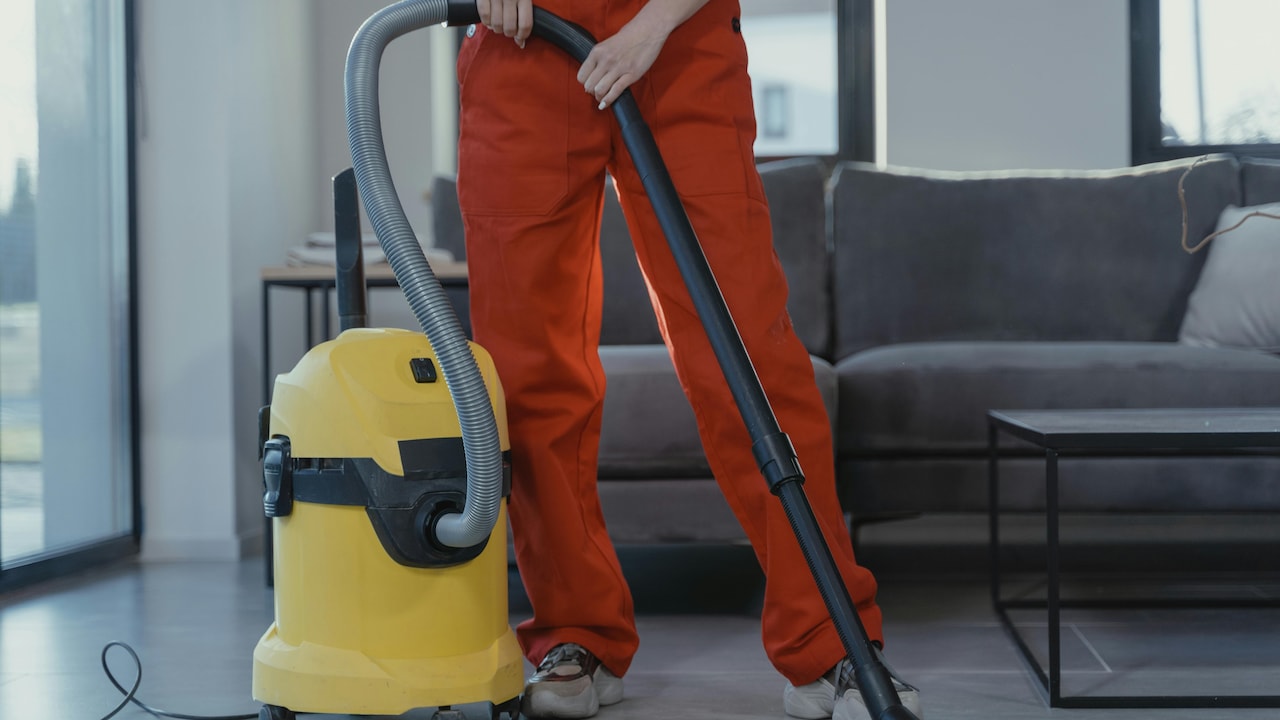
Bagged vacuums maintain a consistent airflow and offer better suction power; Photo Credit: Pexels
6. HEPA Filters Are Just A Fancy Extra
Some people treat HEPA filters like a marketing gimmick, especially if allergies are not a daily issue. But filtration is one of the most underrated parts of vacuum performance. A vacuum can pick up dust brilliantly, then leak microscopic particles back into the air, undoing the whole point.
This matters in cities where fine dust is common, and windows stay open for ventilation. It matters in homes with pets or where a child plays on the floor. It matters when the air already feels heavy during certain months.
HEPA filters can make a real difference, but only if the vacuum has proper sealing. A HEPA filter in a leaky vacuum is like wearing a raincoat with holes. Air will take the easiest path, and dust will escape.
Also, not all “HEPA-type” filters are true HEPA. Words matter here. A well-filtered vacuum can feel like a breath of relief after cleaning, instead of leaving that faint dusty smell behind.
7. Cordless Vacuums Are Weak By Default
Cordless vacuums used to be underpowered. That reputation still sticks. But battery and motor technology have improved a lot. Many cordless models now deliver impressive real-world cleaning, especially for daily maintenance.
The problem is that marketing often highlights peak suction. That peak might last only a few minutes in turbo mode. After that, the vacuum drops power to save battery. So the suction spec is not exactly a lie, but it's not the whole truth either.
Cordless vacuums also depend heavily on nozzle design. A good motorised brush head can compensate for lower suction by pulling dust and hair out of rugs. On hard floors, smart airflow can lift fine dust without needing ridiculous suction.
Cordless is brilliant for quick clean-ups. It's the “chai and biscuit” of cleaning tools. But for deep cleaning, especially in larger homes, the battery limitations still matter.
The right question isn't “cordless or corded”. It's “what kind of cleaning happens most often”.
8. The Nozzle And Brush Don't Matter Much
This myth quietly ruins purchases. People obsess over the motor and ignore the floor head, even though the floor head is the part that actually touches the mess. It's like buying an expensive smartphone and ignoring the camera lens quality.
A vacuum with a poorly designed nozzle can lose suction through air leaks. It can push debris around instead of pulling it in. It can struggle with corners and edges. It can get tangled in hair within days, especially in homes where long hair is common.
Brush roll design matters even more if there are rugs, pets, or thick dust. Some brushes are too soft and barely agitate. Some are too stiff and scatter debris. Some get clogged so fast that cleaning them feels like doing surgery.
A well-designed nozzle makes a vacuum feel effortless. A bad nozzle makes even a high-suction machine feel frustrating. And frustration is the fastest way to turn a vacuum into a cupboard decoration.
9. High Suction Means It Will Last Longer
This one sounds logical, but it's backwards. High suction often means the vacuum is running close to its limits, especially in cheaper models. That can lead to overheating, faster wear, and more frequent repairs.
Durability depends on build quality, motor protection, airflow design, and how well the vacuum handles clogging. A vacuum that clogs easily forces the motor to work harder. That reduces lifespan. And in dusty environments, clogging is not an occasional event. It's a lifestyle.
Maintenance matters too. Filters need cleaning or replacing. Dust bins need proper emptying. Hoses need checking. If a vacuum requires too much effort to maintain, people avoid it, performance drops, and the machine slowly becomes “bad” even if it started strong.
A vacuum should be judged by how consistently it cleans over months, not how dramatic the suction sounds on day one. Long-term performance is the real flex.
10. One Perfect Suction Spec Can Help Choose The Best Vacuum
If only life worked like that. One neat number would make shopping so easy. But vacuum performance is a combination of suction, airflow, filtration, nozzle design, brush agitation, dust capacity, and how well the machine handles real mess.
This is why some vacuums feel powerful but leave fine dust behind. Others feel less dramatic but actually clean better. Some excel at hair pickup but struggle with fine powder. Some are brilliant on tiles but get stuck on rugs.
The smartest way to choose is to think about the home. Is it mostly hard floors? Are there rugs? Is there a pet? Does hair fall a lot? Is the dust fine and powdery? Is the vacuum used daily or weekly? Does storage space matter? Is the budget closer to ₹6,000 or ₹25,000?
Suction specs can be part of the decision, but they should never be the only decision. Treat suction numbers like a trailer. Useful, but not the full movie.
Products Related To This Article
1. AGARO Regal 800 Watts Handheld Vacuum Cleaner
2. Eureka Forbes Quick Clean DX Vacuum Cleaner with 1200 Watts Powerful Suction Control
3. KENT Duster Vacuum Cleaner 600 W with HEPA Filter and Cyclone 5 Technology
4. KARCHER WD 3 SV Wet & Dry Vacuum Cleaner
5. SEZNIK Vacuum Cleaner for Home Use Wet and Dry
Suction power specs are not useless. They just get treated like a magic number, and that's where the trouble begins. Real cleaning is more complicated, and frankly, more interesting.
A vacuum cleaner is a system. Suction is only one part of that system. Airflow, filtration, nozzle design, brush roll quality, and sealing often matter more than the headline number printed on the box.
The best vacuum isn't the one with the biggest spec. It's the one that works well on the floors at home, handles the kind of dust that actually shows up, and stays consistent without turning maintenance into a weekend project.
So the next time a vacuum cleaner ad screams “maximum suction”, take a breath, smile, and remember: a good, clean home depends on smart design, not just loud numbers.
(Disclaimer: This article may include references to or features of products and services made available through affiliate marketing campaigns. NDTV Convergence Limited (“NDTV”) strives to maintain editorial independence while participating in such campaigns. NDTV does not assume responsibility for the performance or claims of any featured products or services.)