10 Reasons Air Fryer Liners Can Make Food Less Crispy And How To Improve Airflow
Air fryer liners make clean-up easier, but they can also block airflow and leave food soggy. Here’s why crispness suffers and how to improve circulation for better results.
10 Reasons Air Fryer Liners Can Make Food Less Crispy And How To Improve Airflow
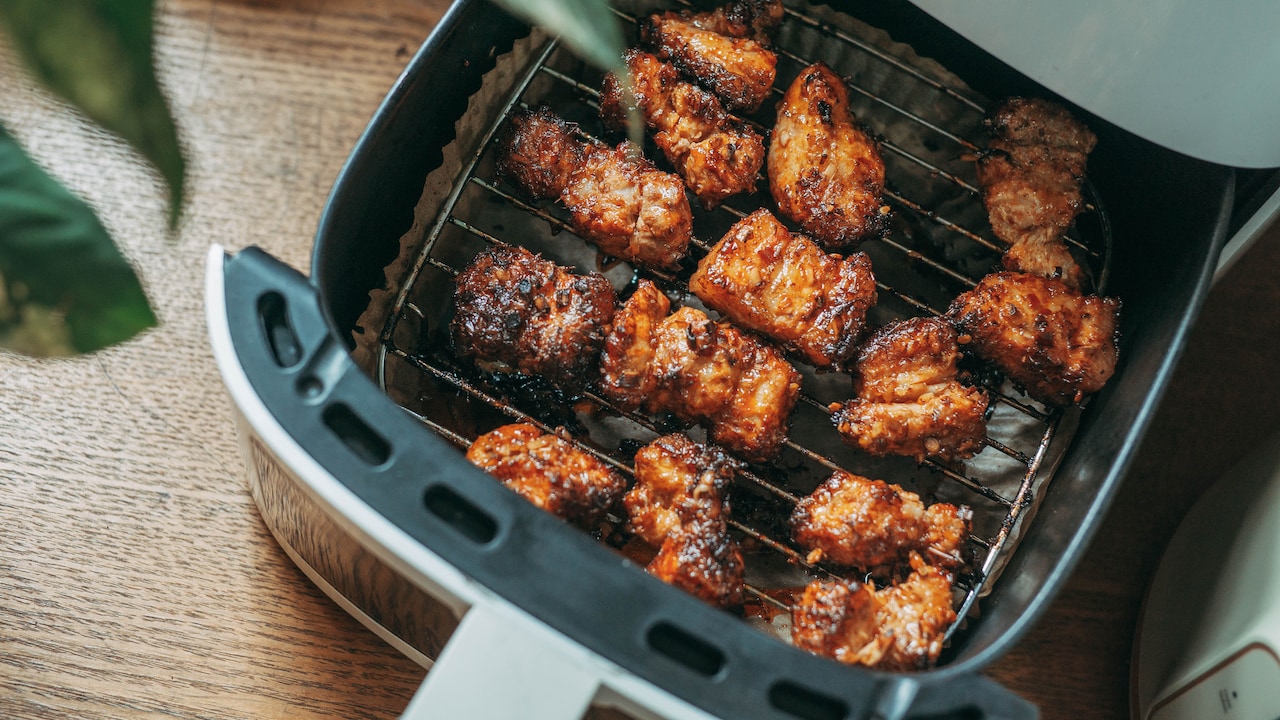
An air fryer earns its place on the kitchen counter for one simple reason: it can turn everyday food wonderfully crisp with less oil and less fuss. A tray of potato wedges can go from pale to golden. Leftover samosas can regain some of their crunch. Paneer bites, frozen snacks and breaded vegetables can emerge with that satisfying crisp edge that makes everyone hover near the basket. Then comes the liner. Air fryer liners are undeniably convenient. They catch drips, crumbs, cheese and sticky marinades before those messes settle into the basket. After a busy weekday dinner, lifting out one greasy liner can feel far more appealing than attacking the fryer with a sponge.

10 Reasons Air Fryer Liners Can Make Food Less Crispy And How To Improve Airflow
Photo Credit: Pexels
However, crispness depends heavily on moving hot air. Air fryers work by circulating heated air rapidly around food, especially underneath and along the sides. A liner can interfere with that process when it covers too much of the basket, sits incorrectly or gets paired with food that releases lots of moisture.
That does not mean liners are a bad idea. It simply means they need to be used with a little strategy. Here are ten reasons air fryer liners can make food less crispy, along with practical ways to improve airflow and get that crunch back.
Why Air Fryer Liners Can Reduce Crispness
1. The Liner Covers Too Many Vent Holes
The perforations in an air fryer basket are not decorative. They allow hot air to move underneath the food, helping the base cook instead of simply sitting in its own heat and moisture. When a liner covers most of those holes, airflow drops sharply.
This becomes especially noticeable with foods that need crisp undersides, such as potato wedges, breaded mushrooms or frozen cutlets. The top may brown nicely while the bottom remains oddly pale and soft. It is the air-fryer version of wearing polished shoes with damp socks: everything looks promising until the details reveal themselves.
Choose perforated liners whenever crispness matters. The holes allow more hot air to reach the underside of the food while still catching many crumbs and drips.
Also check the liner's size before cooking. A sheet that stretches from wall to wall can obstruct circulation around the basket's edges. A slightly smaller liner often works better.
For extremely crisp foods, consider using no liner at all. The basket may need more cleaning afterwards, but the extra airflow can make a noticeable difference.
2. The Liner Is Too Large For The Basket
A liner may technically fit inside an air fryer and still be too large for good cooking.
When paper or silicone rises tightly against the sides of the basket, it can block the routes that hot air normally uses to circulate. Instead of travelling freely around the food, the air gets redirected above it. The result can be uneven browning and a noticeably softer bottom.
Large liners can also fold upwards once food is added. Those folds create small walls around ingredients, trapping steam where crispness should be developing.
The solution is simple: match the liner to the usable cooking area rather than the basket's maximum dimensions. There should be visible space around the edges whenever the fryer design allows it.
Do not assume that a liner marketed for a particular air fryer capacity will automatically provide ideal airflow. Basket shapes vary. A five-litre square fryer and a five-litre round model may need completely different liners.
If a liner repeatedly bunches against the walls, try a smaller size. That modest gap around the perimeter can help hot air circulate more efficiently and produce better browning.
3. The Food Releases Too Much Moisture
Crisp food and trapped steam rarely become close friends.
Certain ingredients release plenty of moisture as they cook. Marinated paneer, mushrooms, courgettes, onions and heavily seasoned vegetables can all send liquid onto the liner. Because the liner prevents much of that moisture from draining through the basket, the food can end up sitting in a shallow puddle.
At that point, the air fryer starts behaving less like a crisping machine and more like a tiny steamer.
Pat wet ingredients dry before seasoning whenever possible. Vegetables that have just been washed should not go into the basket dripping. Paneer or chicken coated in a watery marinade may also benefit from having excess marinade shaken off first.
Use thicker marinades rather than runny ones when appropriate. A yoghurt-based coating that clings to the food generally creates less pooling than a thin, watery sauce.
During longer cooking times, check whether liquid is collecting on the liner. If there is a significant amount, carefully drain it before continuing. Removing that moisture can help the surface dry out and brown properly.
4. The Basket Is Overcrowded
Liners sometimes encourage overcrowding because they make the basket look like one neat cooking tray. Suddenly there is a temptation to fill every centimetre with chips, nuggets, kebabs or vegetable pieces.
Unfortunately, an air fryer does not reward enthusiasm of that sort.
Hot air needs space between individual pieces of food. When ingredients overlap or sit tightly packed together, air cannot circulate around them effectively. Add a liner underneath and the available airflow becomes even more limited.
Spread food in a single loose layer whenever possible. Small gaps between pieces are more useful than they might appear. They allow hot air to reach more surface area, which encourages quicker evaporation and better browning.
If dinner requires a larger quantity, cook in two batches rather than forcing everything into one basket. It may seem slower, but each batch often cooks faster and more evenly because the fryer is working efficiently.
For snacks such as frozen fries, shaking the basket halfway through also helps expose new surfaces to moving air. The difference between crisp and floppy can sometimes be nothing more complicated than breathing room.
10 Reasons Air Fryer Liners Can Make Food Less Crispy And How To Improve Airflow
Photo Credit: Pexels
5. Non-Perforated Liners Block Air From Below
Solid parchment liners are popular because they catch almost everything. Oil, melted cheese, spices and crumbs remain neatly contained rather than disappearing into the basket.
That convenience has a trade-off.
A completely solid liner prevents air from passing directly through the bottom. Food receives heat from above and around the sides, but one major route of circulation disappears. For dishes such as saucy wings or baked desserts, this may not matter much. For fries, hash browns or breaded snacks, it can matter a great deal.
Perforated liners are usually the better choice when crunch is the goal. Their small holes preserve some of the air fryer's bottom-up circulation.
Another option is to punch holes into suitable parchment liners before cooking, provided the paper remains strong enough to hold the food safely. Keep the holes distributed across the cooking area rather than clustering them in one section.
For foods that release plenty of oil or liquid, perforations also allow some of that excess to drain away instead of collecting underneath. Less pooling generally means a drier surface and a better chance of crispness.
6. The Liner Prevents Fat From Draining Away
One reason fried foods become crisp is that excess moisture and fat leave the surface during cooking. Air fryers encourage this process by allowing rendered fat and oil to drip through the basket.
A solid liner can interrupt that drainage.
Consider chicken wings, fatty kebabs or foods lightly brushed with oil. As they cook, fat may collect on the liner instead of dropping beneath the basket. The underside of the food then sits in warm grease, which can soften breading or prevent the skin from crisping evenly.
This does not necessarily mean oily food should never be cooked with a liner. The cooking method simply needs adjusting.
Use a perforated liner when possible and avoid pouring extra oil into the basket. Air fryers generally need far less oil than traditional frying.
Turn fatty foods during cooking so one side does not remain pressed against collected liquid for too long. If a surprising amount of grease gathers on the liner, draining it carefully can also help.
For foods where crisp skin is the main attraction, cooking directly on the basket may still deliver the strongest result.
7. The Food Is Not Turned Or Shaken
A liner changes the way heat reaches the underside of food. That makes turning and shaking even more important.
Without movement, the part touching the liner can remain sheltered from strong airflow for the entire cooking cycle. The upper surface may become beautifully browned while the base stays soft. Anyone who has bitten into a crisp-looking potato only to discover a limp underside knows the disappointment.
Shake loose foods such as fries, makhana or small vegetable pieces halfway through cooking. The goal is not merely to mix them but to expose different surfaces to hot air.
Larger foods should be turned with tongs or a spatula. Cutlets, paneer pieces and breaded fillets often benefit greatly from a halfway flip.
Do not rely entirely on the cooking time printed on frozen-food packaging. Air fryer designs differ, and liners add another variable. Check the food during cooking and adjust when necessary.
A quick shake takes only a few seconds, but those few seconds can transform a batch from unevenly cooked to crisp on several sides.
Also Read: 5 Best Air Fryers Under ₹3,000 For Crispy Fries Without Oil: Healthy, Fast And Budget-Friendly
8. Silicone Liners Can Trap More Steam
Reusable silicone liners are appealing for good reason. They are sturdy, washable and can save money compared with repeatedly buying disposable paper liners.
However, silicone can sometimes hold moisture more aggressively than thin parchment.
Many silicone inserts have raised ridges designed to lift food slightly above the base. That helps, but liquid can still collect between those ridges. When moisture heats up, steam rises directly around the food. Crisping becomes harder, especially with vegetables, marinated ingredients or frozen foods that release water.
Choose silicone liners with generous drainage holes or well-spaced raised channels rather than completely flat designs.
Avoid using a deep silicone tray for foods where maximum crunch is the priority. Higher sides can restrict lateral airflow and create a miniature baking dish inside the fryer.
After cooking wet foods, check whether liquid has gathered underneath. A liner that repeatedly fills with moisture may be better reserved for cakes, saucy recipes or dishes where easy clean-up matters more than intense crispness.
Reusable is convenient, but the right liner should suit the food rather than every recipe.
9. The Liner Is Added During Preheating
Parchment liners should not usually sit loose inside an empty air fryer during preheating.
Air fryers move air with considerable force. Without food weighing the paper down, a lightweight liner can lift towards the heating element. Apart from creating a safety concern, it may become folded or distorted before the food even goes in.
A badly positioned liner can then cover vents unevenly, create raised pockets or wrap partially around ingredients. All of those problems interfere with airflow.
Preheat the air fryer without loose parchment inside, unless the appliance manufacturer specifically states otherwise. Add the liner together with the food so the ingredients hold it firmly in place.
Make sure enough food sits on the liner to keep it stable, particularly when cooking small quantities. One lonely cheese toast on a large sheet of paper may not provide much security.
Silicone liners are heavier and usually behave differently, but they can still affect preheating performance by blocking circulation. Following the manufacturer's guidance remains sensible.
Correct placement does more than improve safety. It keeps airflow predictable throughout cooking.
10. The Temperature And Cooking Time Are Not Adjusted
Adding a liner changes the cooking environment slightly, yet many people continue using exactly the same temperature and timing as they would with a bare basket.
Sometimes that works. Sometimes dinner arrives looking suspiciously anaemic.
Because a liner can reduce direct airflow beneath the food, ingredients may need a little more time to brown. Increasing the cooking duration by a few minutes can help moisture evaporate and improve texture.
A small temperature adjustment may also be useful, depending on the food. If fries are cooked through but remain pale, a slightly hotter finish can encourage browning. Avoid dramatically increasing the temperature, though. The outside may burn before the centre benefits.
Another useful technique is removing the liner during the final few minutes. Once messy drips have largely finished, placing the food directly on the basket can expose the underside to stronger airflow and restore some crispness.
Think of the liner as another cooking variable, much like food quantity or ingredient thickness. Recipes provide a useful starting point, but observation matters more than rigid timing.

10 Reasons Air Fryer Liners Can Make Food Less Crispy And How To Improve Airflow
Photo Credit: Pexels
Products Related To This Article
1. Ninja Combi 14-in-1 Multi-Cooker, Oven, & Air Fryer
2. PHILIPS Air Fryer NA120/00, 4.2 Litre, Large
3. Milton Rapid Digital Air Fryer 4.2L
4. Nutricook 5L Air Fryer Slim with 100% Toxin-Free Ceramic Coating
5. Faber 6L 1500W Digital Air Fryer | Fry, Bake, Roast
6. KENT Digital Air Fryer 6.5L
7. Prestige Nutrifry 4.5L Digital Air Fryer
Air fryer liners can make clean-up wonderfully simple, especially after sticky marinades, crumb-coated snacks or cheese-heavy experiments that would otherwise leave the basket looking like a weekend cleaning project.
Yet convenience can come at the cost of airflow. Most problems begin when a liner covers too much of the basket, traps moisture, prevents fat from draining or encourages overcrowding. The result is usually the same: food that cooks through but never develops the crisp texture expected from an air fryer.
Fortunately, the fixes are straightforward. Choose liners that fit properly, favour perforated designs for crisp foods, leave breathing room between ingredients and shake or turn food during cooking. Keep wet ingredients as dry as practical, and consider removing the liner near the end when extra browning is needed.
Some foods simply perform better directly on the basket. Others can be cooked perfectly well on a liner with a few small adjustments.
The best approach is not to choose between crisp food and easy cleaning. With better airflow and the right liner technique, there is room for both.
(Disclaimer: This article may include references to or features of products and services made available through affiliate marketing campaigns. NDTV Convergence Limited (“NDTV”) strives to maintain editorial independence while participating in such campaigns. NDTV does not assume responsibility for the performance or claims of any featured products or services.)