10 Reasons Fridge Compressors Run Longer In Summer And How To Reduce The Load
Hot weather can make fridge compressors work longer and harder. Here are 10 common summer causes and simple ways to reduce the load, improve cooling efficiency and cut unnecessary power use.
Why Fridge Compressors Run Longer In Summer: 10 Causes And Easy Fixes
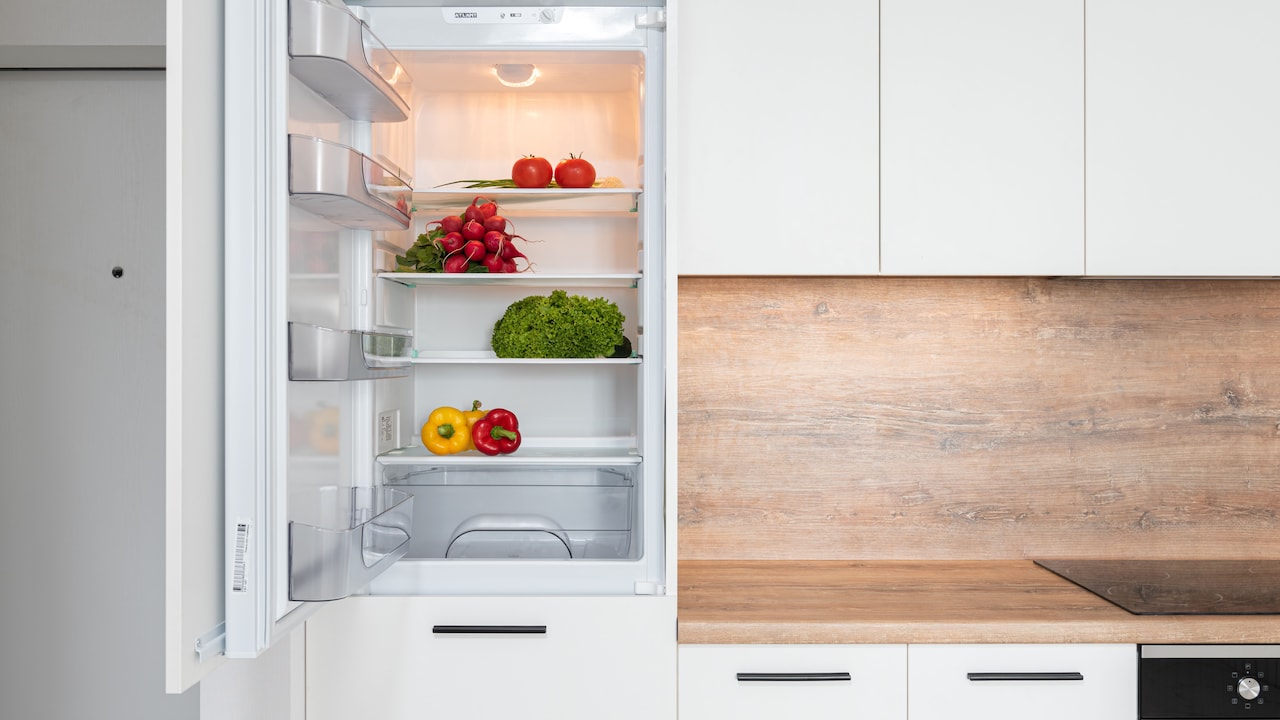
Summer changes the rhythm of a household refrigerator. Cold water bottles disappear faster, leftover mangoes compete for shelf space, and someone seems to open the fridge every few minutes looking for something chilled. Behind all that activity, the compressor quietly works harder. The compressor acts like the refrigerator's engine. It circulates refrigerant through the cooling system and helps remove heat from inside the cabinet. During cooler months, it can switch off for comfortable stretches after reaching the set temperature. Once the mercury climbs, however, those breaks may become much shorter.
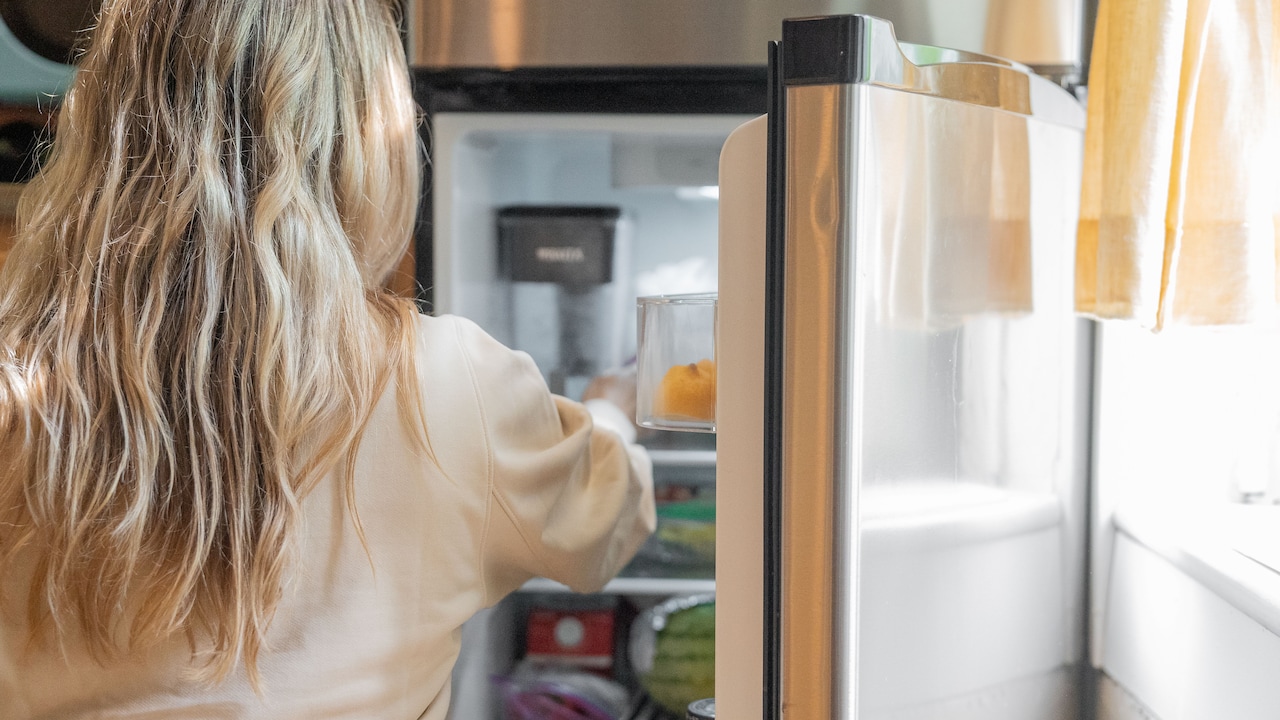
10 Reasons Fridge Compressors Run Longer In Summer And How To Reduce The Load
Photo Credit: Pexels
Longer compressor operation does not automatically mean something has gone wrong. Several everyday conditions can increase the cooling load. Some require nothing more than a small change in habit, while others deserve maintenance attention. Here are ten common reasons fridge compressors run longer in summer, along with practical ways to ease the pressure.
Why Your Fridge Compressor Works Harder During Summer
1. Higher Room Temperatures Make Cooling Harder
A refrigerator does not create cold from nowhere. It removes heat from inside the cabinet and releases that heat into the surrounding room. When the kitchen itself feels like an oven by mid-afternoon, this heat exchange becomes harder.
Imagine a fridge standing in a room at 38°C compared with the same appliance operating at 24°C. In the hotter room, the compressor must work longer to maintain a chilled interior. This becomes especially noticeable in kitchens with poor airflow, strong afternoon sunlight or long cooking sessions.
The solution starts with the fridge's location. Keep it away from direct sunlight whenever possible. Avoid placing it beside an oven, gas hob or other heat-producing appliance. Better ventilation in the room also helps.
Fans and exhaust systems can lower trapped kitchen heat, although they need not blow directly at the refrigerator.
A few degrees of difference around the appliance may not sound dramatic, but during peak summer, every bit of relief reduces the amount of heat the compressor must fight.
2. Frequent Door Opening Lets Cold Air Escape
Summer turns the fridge door into one of the busiest doors in the house. Someone wants cold water. Someone else wants fruit. Then comes the search for chutney, curd or the last piece of yesterday's dessert.
Every time the door opens, cool air escapes while warm, humid air enters. The refrigerator must then remove that fresh heat before returning to its set temperature. If the door opens again before the cooling cycle finishes, the compressor simply keeps going.
The easiest fix involves planning before reaching for the handle. Know what you need, take it out and close the door promptly. Standing in front of an open refrigerator while deciding what to eat gives the compressor unnecessary work.
Organisation helps too. Keep regularly used items where they are easy to spot. Water bottles, milk and everyday condiments should not require a treasure hunt.
Children can also turn fridge browsing into a hobby during holidays. A gentle reminder that the refrigerator is not a television screen can save both cold air and electricity.
3. Warm Food Adds A Sudden Cooling Load
Placing piping-hot food inside the fridge can send the compressor into overdrive. A fresh pot of dal, cooked rice or a large curry carries a considerable amount of heat. Once placed inside, that heat spreads through the refrigerator compartment.
The cooling system must then pull the temperature back down. During summer, when the fridge already faces warm surroundings, the extra burden can keep the compressor running for much longer.
Food should cool slightly before refrigeration, but leaving cooked dishes outside for hours creates a different problem. Bacteria multiply quickly in warm conditions.
A sensible approach works best. Divide large quantities into smaller, shallow containers so heat escapes faster. Allow excessive steam to settle briefly, then refrigerate the food without unnecessary delay.
Avoid placing a huge steaming vessel straight from the hob onto a fridge shelf. Apart from increasing the cooling load, the heat may affect nearby food.
Smaller portions cool more efficiently and become easier to reheat later. The refrigerator benefits, and dinner the next day becomes less of a balancing act with oversized containers.
4. An Overloaded Fridge Restricts Air Circulation
A packed refrigerator may look wonderfully prepared for summer, but stuffing every centimetre with bottles, containers and vegetables can work against efficient cooling.
Cold air needs space to circulate. Most modern refrigerators distribute chilled air through vents inside the cabinet. When containers block these openings, some areas become warmer than others. The thermostat may continue detecting excess heat, causing the compressor to run for longer.
Summer grocery shopping can easily lead to overcrowding. Watermelon takes over half a shelf, soft drink bottles line the door, and several containers somehow appear after every meal.
Leave small gaps between items so air can move freely. Keep internal vents clear and avoid pressing large boxes against the back wall.
At the same time, an almost empty fridge is not necessarily ideal either. A moderate amount of chilled food can help stabilise the internal temperature when the door opens.
The aim is balance. A refrigerator should look comfortably stocked, not as though every container has fought for the last available seat on a crowded train.
5. Dirty Condenser Coils Trap Unwanted Heat
The refrigerator must release the heat it removes from food, and condenser coils play an important role in that process. Depending on the model, these coils may sit behind the appliance or underneath it.
Over time, dust, grease and fluff can settle around them. Summer makes the consequences more noticeable because the fridge already has more heat to remove. Dirty coils act like a blanket, making it harder for that heat to escape.
When heat dissipation becomes less efficient, the compressor may run longer to achieve the same cooling result. Electricity consumption can rise, and the appliance may feel unusually warm around its sides or rear.
Check the manufacturer's instructions before cleaning because coil placement differs between models. Switch off and unplug the fridge first. A soft brush or vacuum cleaner can usually remove loose dust without aggressive scrubbing.
Households with pets, heavy cooking or dusty surroundings may need to inspect the area more frequently.
Cleaning behind a refrigerator will probably never become a favourite weekend activity, but ten careful minutes can make life easier for a compressor facing a brutal summer.

10 Reasons Fridge Compressors Run Longer In Summer And How To Reduce The Load
Photo Credit: Pexels
6. Damaged Door Seals Allow Warm Air Inside
The rubber gasket running around the fridge door has a simple job: keep warm air out and cold air in. Once that seal becomes loose, cracked or dirty, the compressor may struggle to get proper rest.
Warm air can sneak through even a narrow gap. During humid weather, moisture may enter as well, sometimes leading to condensation or frost. The fridge then keeps cooling to compensate for the constant heat gain.
A quick check can reveal obvious trouble. Close the door on a thin sheet of paper. If the paper slides out with almost no resistance at several points, the gasket may not be sealing properly.
Before assuming replacement is necessary, clean the rubber carefully. Food residue and sticky spills can prevent firm contact with the cabinet.
Also check whether bottles, containers or misaligned shelves are stopping the door from closing fully.
Replacing a worn gasket usually costs far less than dealing with a compressor damaged by prolonged strain. A fridge door should close with confidence, not remain slightly open like someone waiting for a late-night snack.
Also Read: The Ultimate Guide To Choosing The Right Refrigerator For Your Family
7. The Temperature Setting May Be Too Low
When summer arrives, turning the refrigerator dial to the coldest possible setting can feel like common sense. If the weather gets hotter, the fridge should get colder, right? Not necessarily.
An unnecessarily low temperature forces the compressor to chase a harder target. Food does not need to sit on the edge of freezing to remain safely chilled.
For many refrigerators, a fresh-food compartment around 3°C to 5°C works well, while the freezer usually performs properly near -18°C. Exact recommendations can vary by appliance, so the manual should remain the final reference.
Setting the fridge far colder than needed may increase compressor running time without giving much practical benefit. Vegetables can even suffer from excessive chilling.
Use a fridge thermometer if the appliance lacks a clear digital display. It offers a better picture than vague dial markings such as one, three or five.
During a heatwave, resist the urge to treat the thermostat like an air-conditioner remote. The refrigerator does not need dramatic instructions. It needs a sensible setting and enough time to maintain it.
8. Poor Ventilation Around The Fridge Holds Heat In
A refrigerator needs breathing room. The compressor and condenser release heat while operating, and that heat must escape into the surrounding air.
Problems begin when the appliance sits tightly wedged between cabinets, pushed flush against a wall or surrounded by stored bags and boxes. The trapped heat raises the temperature around key components. As a result, the cooling system may need to work longer.
This problem becomes more severe during summer because the surrounding air starts off warmer.
Follow the spacing guidance supplied by the manufacturer. Different designs require different clearances at the sides, rear and top. Even a few centimetres of suitable airflow can improve heat dissipation.
Avoid using the top of the refrigerator as permanent storage for bulky items if they block ventilation openings. Those biscuit tins and shopping bags may seem harmless, but the fridge may disagree.
Built-in refrigerators need particular attention because cabinetry must allow the designed airflow path.
Good ventilation costs nothing once the appliance sits correctly. Think of it as giving the refrigerator enough elbow room to do its job without sweating through the season.
9. Heavy Ice Build-Up Reduces Cooling Efficiency
In direct-cool refrigerators, some frost is normal. A thick layer of ice, however, can interfere with efficient cooling. It may cover the evaporator area, restrict airflow or reduce the freezer's usable space.
When the system struggles to transfer heat efficiently, the compressor can remain active for longer periods.
Heavy frost often develops when moist outside air repeatedly enters the fridge. Frequent door opening, damaged gaskets or storing uncovered warm food can make the problem worse. Summer humidity adds another helping hand.
If the model requires manual defrosting, do not wait until the freezer looks ready to host a miniature Himalayan expedition. Follow the manufacturer's defrost procedure when ice becomes excessive.
Never attack the ice with knives, screwdrivers or other sharp tools. A punctured refrigerant line can turn a minor inconvenience into an expensive repair.
Frost-free refrigerators handle defrosting automatically, so unusual ice build-up in those models may point towards a fault.
Keeping frost under control helps cold air move properly and gives the compressor a fairer chance to switch off.
10. Ageing Components May Be Losing Efficiency
Sometimes longer compressor cycles are not caused by summer habits alone. Older refrigerators can gradually lose cooling efficiency as components wear.
A weak door gasket, failing fan, faulty thermostat, dirty condenser, low refrigerant level or compressor problem can all produce similar symptoms. The appliance may run for long stretches yet struggle to keep milk, vegetables or frozen food at the right temperature.
A little extra running during peak heat is normal. Continuous operation combined with poor cooling deserves more attention.
Start with the simple checks first. Confirm that doors close properly, vents remain clear, temperatures are sensible and the area around the fridge has good airflow. Listen for unusual clicking, rattling or repeated attempts to start.
If the refrigerator still struggles, professional inspection makes more sense than guessing.
Repair costs depend on the model and the fault, but early attention can prevent a smaller issue from damaging expensive components.
An ageing fridge may still have years of useful life ahead. It simply needs the occasional health check rather than being expected to battle every summer without complaint.

10 Reasons Fridge Compressors Run Longer In Summer And How To Reduce The Load
Photo Credit: Pexels
Products Related To This Article
1. Bosch 302L, 3 Star, MaxFlex Convert Frost Free Triple Door Refrigerator
2. Godrej 600L 3Star 5 Years Comprehensive Warranty Smart Convertible Zones
3. LG 276 L, 2 Star, Smart Inverter, Smart
4. Samsung 236 L, 3 Star, Convertible
5. Whirlpool 235 L 3 Star Frost-free inverter Double Door Refrigerator
6. Haier 240 L 1 Star Frost Free Double Door Refrigerator
7. CANDY Smart Choice 602 L Frost Free Side by Side Refrigerator
A fridge compressor running longer in summer is often responding to tougher conditions rather than signalling immediate failure. Hot kitchens, frequent door opening, warm food, poor airflow and crowded shelves can all make the cooling system work harder.
Fortunately, many solutions require little effort. Give the appliance ventilation, keep the door shut when possible, clean dusty areas, use sensible temperature settings and avoid blocking internal vents. Small habits can reduce unnecessary compressor load and may also help control electricity consumption.
Pay attention to changes in cooling performance as well. Longer cycles during very hot weather can be normal, but a refrigerator that runs constantly while food stays warm needs investigation.
A fridge spends the whole summer quietly keeping water cold, leftovers safe and desserts ready for rescue after dinner. Giving it a little breathing space and basic care is a fair bargain. The reward is steadier cooling, less strain and fewer reasons to worry every time the compressor starts humming.
(Disclaimer: This article may include references to or features of products and services made available through affiliate marketing campaigns. NDTV Convergence Limited (“NDTV”) strives to maintain editorial independence while participating in such campaigns. NDTV does not assume responsibility for the performance or claims of any featured products or services.)