10 Reasons Toasters Brown One Side More Than The Other And How To Get More Even Toast
Uneven toast often comes down to heat, bread thickness, crumbs or worn toaster parts. Here are 10 common reasons one side browns more than the other, plus simple ways to get a more even, golden slice.
Why Does My Toaster Brown One Side More? 10 Causes And Easy Fixes
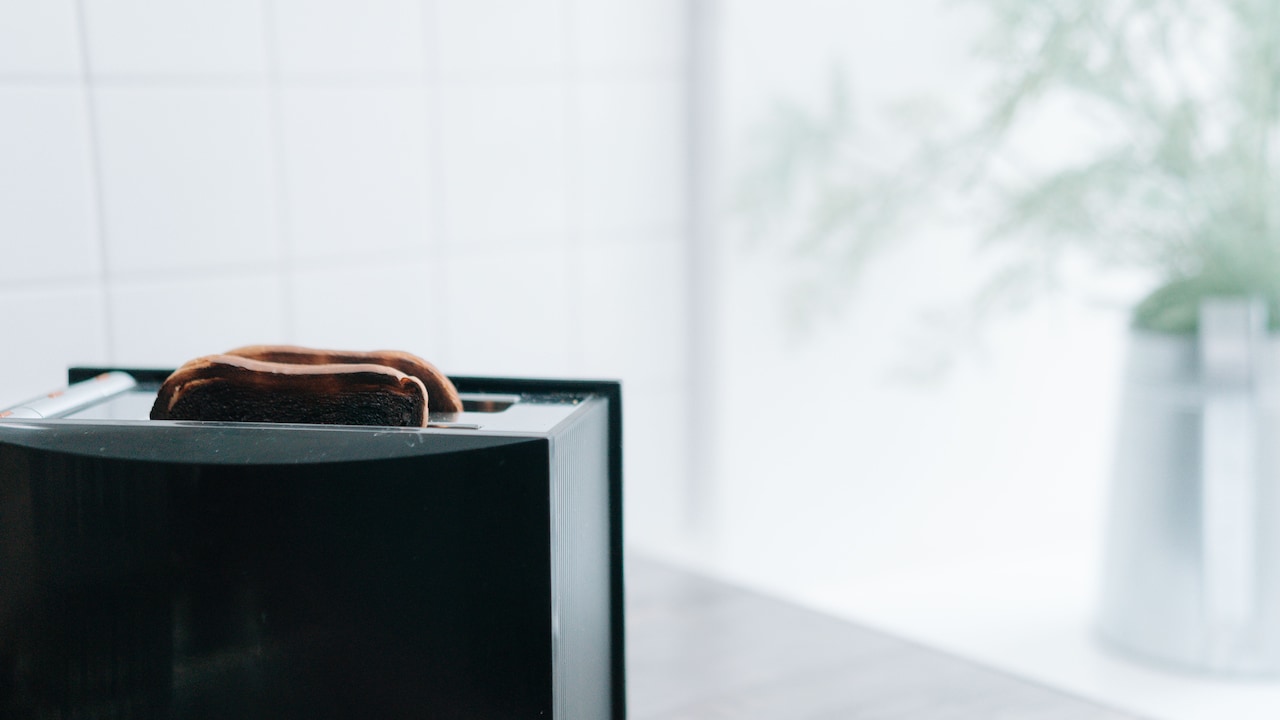
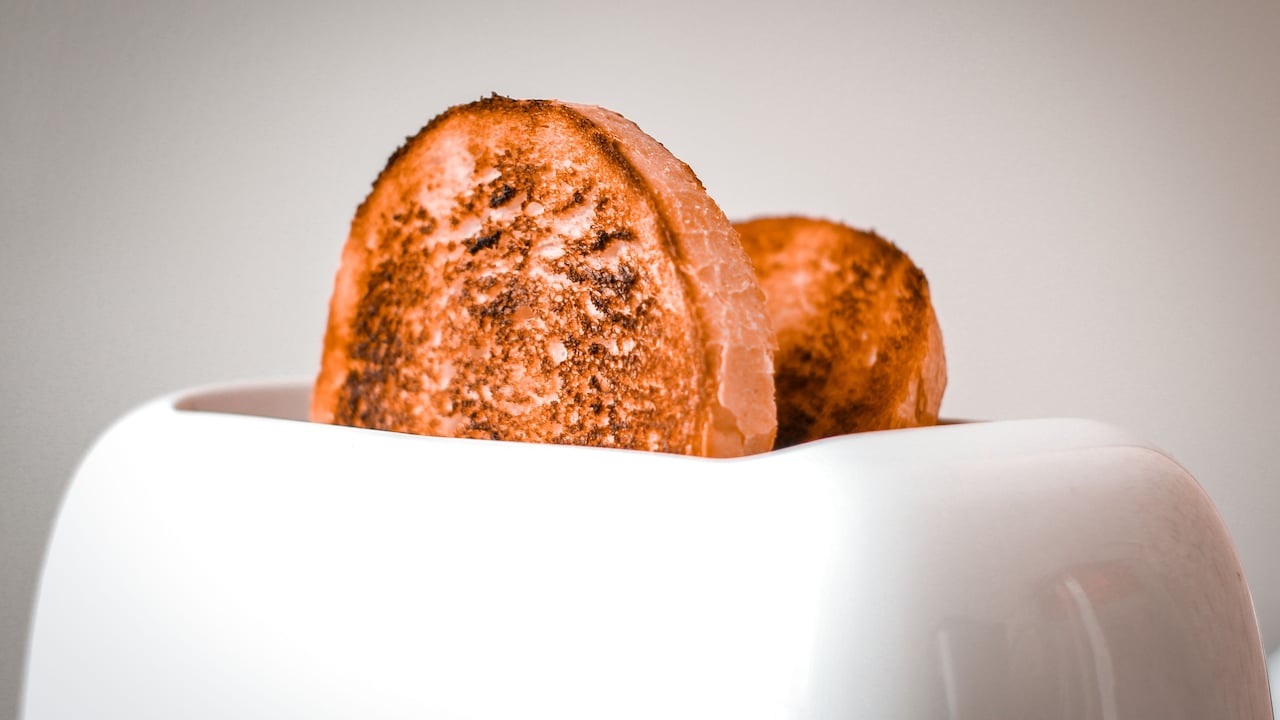
Toast looks simple until the toaster decides to develop a personality. One morning, the bread comes out beautifully golden, crisp around the edges and ready for butter. The next morning, one face looks perfectly toasted while the other appears to have barely met the heat. Flip it over and the difference can be almost comic. Uneven toast rarely means the appliance has suddenly become useless. A toaster works by heating bread with glowing electrical elements positioned around the slots. Ideally, both sides receive similar heat. In real kitchens, however, crumbs collect, bread slices vary, coils age and small mechanical parts shift over time. Even the bread itself can cause trouble. A thick slice of homemade loaf behaves very differently from a thin slice of packaged sandwich bread. Moisture, sugar, seeds and shape all influence browning.
10 Reasons Toasters Brown One Side More Than The Other And How To Get More Even Toast
Photo Credit: Pexels
Before replacing a toaster that cost ₹2,000 or more, a little investigation may save both money and breakfast. These ten common causes explain why one side often browns faster than the other and what can help restore that satisfying, evenly toasted crunch.
Why Your Toast Browns Unevenly And What You Can Do About It
1. The Heating Elements Are Not Glowing Evenly
The heating elements do most of the hard work inside a toaster. These thin wires heat up until they glow and radiate warmth towards the bread. When every section works properly, both faces of the slice receive roughly equal heat. Over time, however, one section may weaken, become damaged or stop heating altogether.
A quick visual check can reveal the problem. With the toaster empty and switched on briefly, the elements should usually glow with similar intensity. One side looking noticeably duller than the other suggests uneven heating. Never touch the inside while checking, even after switching the appliance off, because the elements stay hot.
Minor differences may not ruin every slice, but a badly weakened element usually produces a predictable pale patch.
There is no reliable kitchen trick for repairing damaged heating wires safely. If cleaning does not improve the problem and one element clearly fails to heat, professional repair or replacement makes more sense.
Until then, turning the bread halfway through the cycle can improve the result. It is not elegant, but neither is eating toast with a suntan on only one side.
2. Crumbs Are Blocking The Heat
A toaster quietly collects evidence of every breakfast it has ever made.
Tiny crumbs fall from bread and gather at the bottom or stick near heating elements. A few crumbs cause little trouble, but months of build-up can interfere with heat circulation. In some cases, debris sits closer to one side and partially shields the bread from direct radiant heat.
That creates a familiar pattern: one face turns deep brown while the other stays stubbornly light.
Regular cleaning often makes a surprising difference. Unplug the toaster, allow it to cool fully and remove the crumb tray if the model has one. Empty it over a bin and wipe it clean. Gently turning the toaster upside down over a sink or newspaper can also release loose crumbs. Avoid shaking it aggressively, as internal parts can bend.
Never poke metal knives, forks or spoons into the slots. Apart from damaging heating elements, metal tools create a serious electrical hazard if someone forgets to unplug the appliance.
A five-minute clean every few weeks keeps airflow clearer, reduces burning smells and gives both sides of the bread a fairer chance.
3. The Bread Is Sitting Too Close To One Side
A toaster slot may look spacious, but bread does not always sit neatly in the centre.
When the lever goes down, small metal guides usually move inwards to hold the slice between the heating elements. If those guides become bent, sticky or worn, the bread can lean towards one side. The closer surface receives stronger radiant heat, so it browns faster.
Thick slices make this even more noticeable. A chunky slice from a bakery loaf might press close to one element while leaving a generous gap on the opposite side.
The easiest fix is simple: check how the slice sits before starting the cycle. Bread should fit comfortably without being forced into the slot. If it feels wedged, use a thinner slice rather than pushing it down.
Wide-slot toasters usually handle thick bread, buns and artisan loaves more evenly than narrow models.
If ordinary sandwich bread consistently leans to the same side, the internal centring mechanism may need attention. Cleaning loose crumbs can sometimes free a sticky guide. If the guide looks visibly bent, professional servicing is safer than attempting to reshape delicate internal parts at home.
4. Your Bread Slices Are Uneven
Sometimes the toaster is innocent and the bread is the real troublemaker.
Hand-cut bread rarely produces perfectly identical slices. One edge may be thick and fluffy while the other tapers down. That difference changes how quickly each section heats. Thin areas lose moisture faster and brown sooner, while thicker areas need more time.
This commonly happens with crusty bakery loaves, homemade bread and pav. The irregular shape may look charming on a chopping board, but a toaster prefers boring consistency.
For more even browning, aim for slices of similar thickness from top to bottom. A serrated bread knife helps produce cleaner cuts without crushing the loaf. A bread slicing guide can also help households that regularly toast homemade loaves.
Do not assume thicker always means better. Very thick slices may sit too close to the elements, while extremely thin slices can brown rapidly and become brittle.
Around 1 to 1.5 centimetres works comfortably in many standard toasters, although slot width varies.
A slightly uneven slice will still taste good, of course. Breakfast does not need architectural precision. Still, consistent slicing removes one major variable from the equation.
5. One Side Of The Bread Contains More Moisture
Bread may look identical on both faces, yet its moisture can vary more than expected.
The side exposed to air after slicing begins drying immediately. If a slice sits on a plate or chopping board for several minutes, one surface may lose more moisture than the other. The drier side usually browns faster because less energy is needed to evaporate water before toasting begins.
Fresh bread creates the opposite challenge. A soft loaf with plenty of moisture may need a longer cycle than slightly stale bread. That extra moisture can also exaggerate small differences in heating inside the toaster.
For more predictable results, toast bread soon after slicing and store the loaf properly between uses. Keep it sealed in a bread box or suitable airtight container rather than leaving it uncovered near the hob or window.
Frozen bread can toast well too, especially when the toaster has a defrost setting. Putting partly thawed slices into a normal cycle may lead to uneven colour.
Moisture sounds like a tiny detail, but toast browning depends heavily on water leaving the bread. Until that happens, the crisp golden magic cannot really begin.
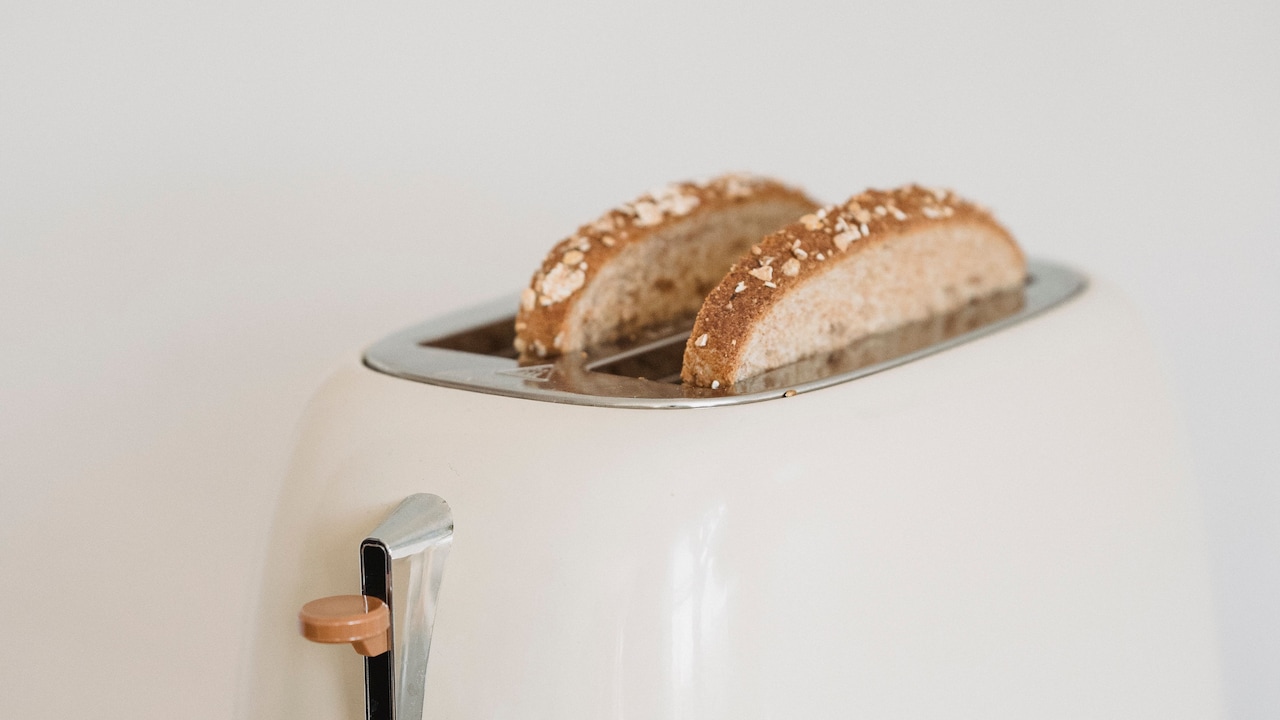
10 Reasons Toasters Brown One Side More Than The Other And How To Get More Even Toast
Photo Credit: Pexels
6. Sugary Or Enriched Bread Browns Faster
Not all bread behaves politely under heat.
Bread containing sugar, milk, butter or other rich ingredients often browns faster than plain white or wholemeal bread. Raisin bread, brioche-style loaves and sweet milk bread can darken quickly because sugars take part in caramelisation and browning reactions.
If one side contains more exposed sugar, fruit pieces or glaze, it may become noticeably darker than the other.
This explains why the same toaster setting can produce pale sandwich bread one day and nearly burnt sweet bread the next.
Lowering the browning control usually helps. Start one or two settings below the level used for regular bread and increase gradually if needed. Watching the first batch closely saves disappointment.
Take extra care with breads that contain loose sugar, melted cheese or sticky fillings. They can drip inside the toaster, creating smoke, burnt residue or even a fire risk. A toaster oven or grill pan often suits these foods better.
Think of the browning dial as a starting point rather than a universal law. Bread changes, recipes change and breakfast has never respected fixed settings.
7. The Toaster Has Hot Spots
Even a fully working toaster can have areas that run hotter than others.
Heating elements do not always radiate perfectly uniform warmth along their entire length. Manufacturing differences, age and repeated heating cycles can create hot spots. One section of a slice might therefore turn deep golden while another remains lighter.
This problem often becomes obvious when the same patch burns repeatedly, no matter which type of bread goes into the slot.
Try rotating the bread 180 degrees before toasting another slice. If the dark patch appears in the same area of the toaster rather than the same area of the bread, a hot spot is likely responsible.
Lowering the browning setting can reduce scorching. For thicker slices, using two shorter cycles and turning the bread between them may give more balanced results than one long cycle.
Premium toasters sometimes manage heat more consistently, but price alone does not guarantee flawless toast.
A small hot spot does not necessarily mean replacement is essential. If the toast still tastes good and only shows minor colour variation, adjusting the routine may be enough. Perfection is admirable, but nobody wants to conduct laboratory calibration before the morning chai.
Also Read: Affordable 2-Slice Toasters Under ₹5000 for Quick Morning Meals
8. The Browning Control Is Set Too High
A high browning setting can exaggerate every small imbalance inside the toaster.
At lower settings, slight differences in distance, moisture or heating strength may barely show. Leave the bread inside longer, though, and the hotter side keeps racing ahead. What began as a faint colour difference can become one golden face and one dark brown face.
This often happens when people use the same high setting for every type of bread. Thin packaged slices need far less time than thick multigrain bread. A setting that works beautifully for one loaf may punish another.
Try reducing the dial by one level and comparing the result. If the toast becomes more evenly coloured, the toaster may simply have been running too aggressively.
It also helps to remember that the second batch can brown faster than the first because the appliance is already warm. When making breakfast for several people, consider slightly lowering the setting after the first round.
The darkest setting is not a challenge issued by the toaster. It is merely an option. Use it carefully unless charcoal edges are somehow part of the breakfast plan.
9. The Toaster Is Ageing Or Wearing Out
Kitchen appliances rarely fail dramatically on schedule. They usually become a little odd first.
An ageing toaster may develop weaker heating elements, sluggish bread guides, worn springs or inconsistent electrical connections. None of these problems necessarily stops it from working. Instead, toast starts coming out unevenly, cycles take longer or the lever behaves differently.
If cleaning, slice adjustment and lower heat settings make no difference, wear may be the underlying cause.
Consider how old the appliance is and whether other symptoms have appeared. A burning electrical smell, sparking, damaged cable, loose plug or unpredictable shut-off deserves immediate attention. Stop using the toaster rather than testing it repeatedly.
For a basic model, repair costs can sometimes approach the cost of replacement. Spending ₹800 repairing a toaster worth ₹1,500 may not make practical sense unless the appliance has sentimental value or the fault is simple.
A well-built toaster can last for years, but no heating appliance deserves unlimited chances.
Uneven toast alone may be annoying. Uneven toast combined with electrical trouble is a clear invitation to retire the machine before breakfast becomes far more exciting than anyone intended.
10. You Are Using The Wrong Slot Or Toasting One Slice Alone
Some two-slot toasters behave differently when only one slice goes in.
Depending on the design, heating elements may distribute energy differently across the slots. Certain models even recommend using a particular slot when toasting a single slice. Ignore that detail and one face may receive stronger heat than expected.
The instruction manual often explains the preferred single-slice position. If the booklet disappeared years ago into the mysterious drawer containing old batteries and takeaway menus, the manufacturer may print basic guidance on the toaster itself.
Try both slots separately using identical slices and the same setting. If one slot consistently gives more even results, use it for single servings.
When toasting two slices, place similar bread in both slots. Combining one thin white slice with one chunky seeded slice can produce very different results even on the same cycle.
Some newer models include independent controls or dedicated single-slice modes, which help manage heat more precisely.
It may feel strange that toast placement matters so much, but small appliances have their habits. Learning the toaster's favourite slot is easier than arguing with it every morning.
10 Reasons Toasters Brown One Side More Than The Other And How To Get More Even Toast
Photo Credit: Pexels
Products Related To This Article
1. Wonderchef Regalia 2-Slice Pop-up Toaster with Lid Cover
2. KENT Crisp Pop Up Toaster 750 Watts
3. Bajaj ATX 4 750 watts 2-Slice Pop-up Toaster
4. Wipro Vesta Bread Toaster 800 Watts Auto Pop up with Removable Crumb Tray
5. Westinghouse 4 Slice 1750W Retro Toaster
6. Philips HD2582/00 Two slice Pop-up toaster with bun warmer
7. Morphy Richards AT 200 Bread Toaster
Uneven toast usually comes down to a simple imbalance: one side receives more effective heat than the other. The cause might be ageing elements, trapped crumbs, uneven bread, excess moisture, a high browning setting or something as ordinary as a slice leaning inside the slot.
Start with the easy fixes. Clean the crumb tray, use evenly cut bread, reduce the browning level and check whether slices sit centrally. Test different slots and notice whether the same side keeps coming out darker. These small observations often reveal the problem without any tools or technical knowledge.
If one heating element no longer glows, the appliance smells electrical or the cable looks damaged, stop using it and consider professional repair or replacement. Toast is not worth taking risks over.
A perfectly even slice may still feel like a small luxury, especially on a rushed morning. Yet with a clean toaster, sensible settings and bread that actually fits the slot, breakfast becomes far more predictable.
And when both sides finally emerge crisp and golden, butter melts evenly, jam stays where it should, and the toaster earns another peaceful morning on the kitchen counter.
(Disclaimer: This article may include references to or features of products and services made available through affiliate marketing campaigns. NDTV Convergence Limited (“NDTV”) strives to maintain editorial independence while participating in such campaigns. NDTV does not assume responsibility for the performance or claims of any featured products or services.)