10 Reasons Washing Machine Drums Still Smell After A Hot Cycle And How To Fix The Source
A hot cycle may not remove washing machine odours if mould, detergent residue, stagnant water or blocked drains remain. Here are 10 common causes of a smelly drum and practical ways to fix them at the source.
10 Reasons Washing Machine Drums Still Smell After A Hot Cycle And How To Fix The Source
Opening the washing machine after a steaming hot cycle should bring a clean, almost reassuring smell. Instead, sometimes the drum greets the room with something closer to wet socks, stale drains or a forgotten gym towel. It feels particularly baffling when hot water has just spent an hour swirling around inside. The problem usually has less to do with the washing temperature and more to do with what hides beyond the shiny stainless-steel drum. Modern machines contain folds, pipes, seals, filters and compartments where water, detergent and lint can quietly collect. Add humid weather, frequent quick washes and heavy detergent use, and those hidden spaces can become comfortable homes for bacteria and mildew.
10 Reasons Washing Machine Drums Still Smell After A Hot Cycle And How To Fix The Source
Photo Credit: Pexels
Running another hot cycle may soften some residue, but it rarely tackles the source on its own. In some cases, extra detergent only feeds the problem.
A fresher machine requires a little detective work. These ten causes explain why washing machine drums can still smell after a hot cycle and, more importantly, how to deal with the source rather than simply covering the odour.
Why Your Washing Machine Still Smells After A Hot Cycle
1. Detergent Residue Has Built Up Inside The Machine
More detergent does not automatically mean cleaner clothes. In fact, generous scoops of powder or enthusiastic pours of liquid detergent can create exactly the opposite problem inside a washing machine.
When the machine cannot rinse away all that soap, a sticky film starts coating the drum, outer tub and internal pipes. Fabric fibres, skin oils and dirt cling to that layer. Over time, the mixture develops a sour or musty smell that even a hot cycle may not remove completely.
This problem often appears in homes where concentrated detergent gets measured by guesswork. A cap filled “just a little extra” every week can become a surprising amount of residue after several months.
Start by checking the detergent packaging and use the amount recommended for the load size and water hardness. If the drum already smells, run an empty maintenance cycle using a washing-machine cleaner suitable for the appliance. Wipe the visible drum afterwards.
Reducing detergent may feel strange at first, but clean laundry should smell clean rather than heavily perfumed. When the machine rinses properly, freshness usually lasts longer too.
2. The Rubber Door Seal Is Hiding Mould
Front-loading washing machines have a particularly sneaky hiding place: the rubber door seal. Its deep folds catch water, lint, stray threads, hair and sometimes the mysterious coin that vanished three washes ago.
Moisture can remain trapped there long after the drum looks dry. In warm, humid conditions, that damp pocket gives mould and bacteria an ideal place to grow. A hot cycle may heat the inner drum, yet it does not always flush every fold of the gasket thoroughly.
Pull the seal back gently and inspect the entire circumference. Dark spots, slime or a sour smell usually reveal the culprit. Wipe the area with a cloth and a cleaner recommended by the machine manufacturer. Pay particular attention to drainage holes around the seal, as lint can block them.
Once clean, dry the gasket after the final wash of the day. Leave the washing-machine door slightly open when practical so air can circulate.
That small habit matters. A dry seal offers mould far less hospitality than a permanently damp one.
3. The Detergent Drawer Has Turned Into A Sludge Trap
The detergent drawer rarely receives much attention. Detergent goes in, water rushes through, and the drawer appears to take care of itself. Unfortunately, it does not.
Powder can clump in corners, while liquid detergent and fabric conditioner leave a slippery coating behind. Water then mixes with this residue and creates a soft sludge where mildew thrives. The smell can travel through the machine during every wash, making the drum seem responsible even when the real source sits several centimetres away.
Remove the drawer if the appliance design allows it. Most models have a release tab near the conditioner compartment. Wash the drawer with warm water and a soft brush, paying attention to small channels and corners.
Do not forget the cavity where the drawer sits. Residue often hides along the roof and sides, beyond casual sight.
Allow everything to dry before replacing it. Afterwards, avoid filling detergent or conditioner above the marked maximum line.
A sparkling drum paired with a neglected detergent drawer resembles cleaning the living room while leaving yesterday's dinner under the sofa. Eventually, everyone notices.
4. Stagnant Water Is Sitting Around The Drain Filter
A washing machine removes dirty water through a pump and filter system. If lint, hair, coins, buttons or other debris partly block that system, a small quantity of old water can remain behind.
That stagnant water develops an unpleasant smell surprisingly quickly. Running a hot cycle may temporarily weaken the odour, but once the machine cools, the familiar drain-like smell often returns.
Check the pump filter according to the manufacturer's instructions. It usually sits behind a small panel near the bottom front of the machine. Place towels and a shallow container nearby before opening it because trapped water may escape.
Remove visible debris and rinse the filter thoroughly. Check the housing for forgotten objects as well. A single hairpin or clump of fibres can sometimes interfere with drainage.
After cleaning, make sure the filter sits securely before running the machine again.
If water still remains in the drum or the machine drains unusually slowly, professional servicing may make more sense than repeated DIY cleaning. Persistent drainage trouble can point to a pump or plumbing issue rather than ordinary dirt.
5. Too Many Low-Temperature Washes Have Encouraged Biofilm
Modern detergents work impressively well at lower temperatures, and washing at 20°C or 30°C can save electricity. The drawback appears when every load uses a cool, short programme.
Oils, detergent residue and tiny organic particles can gradually settle inside hidden parts of the appliance. Bacteria then form a thin, slippery layer known as biofilm. Once established, that layer can produce a strong stale smell.
An occasional hot cycle helps, but one neglected maintenance wash after months of low-temperature laundry may not solve everything overnight.
Build regular machine cleaning into the routine instead. Follow the manufacturer's guidance for a maintenance cycle, usually with an empty drum and an appropriate cleaner. Homes that wash frequently may need to do this more often.
Also avoid relying exclusively on quick programmes. They use less time and sometimes less water, which can leave more residue behind when loads contain towels, bedding or heavily soiled clothes.
Energy efficiency still matters. The answer is not to boil every shirt in sight. A balanced washing routine keeps both electricity use and machine hygiene under control.
Also Read: Best 8 Kg To 10 Kg Washing Machines Under ₹20,000 For Large Family Laundry In 2026
6. Wet Laundry Is Spending Too Long Inside The Drum
Sometimes the washing machine itself gets blamed for a smell created after the programme ends.
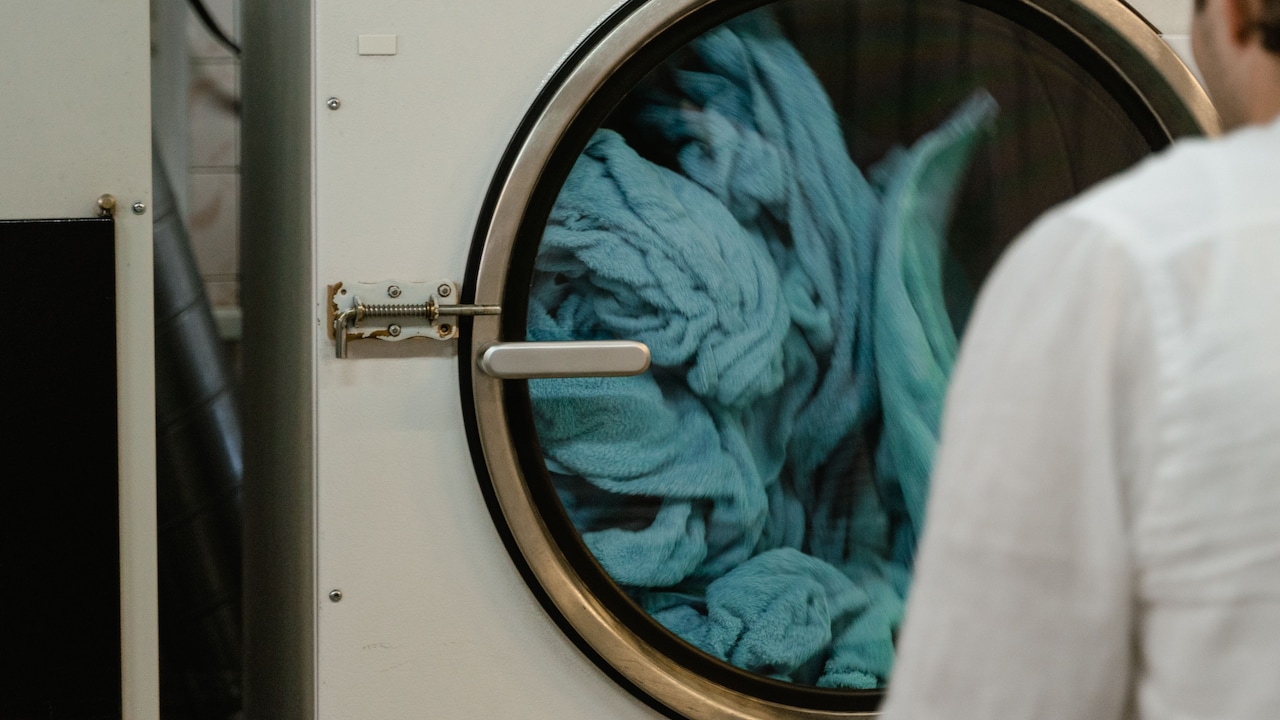
Freshly washed clothes contain plenty of moisture. If they remain packed inside a closed drum for several hours, especially during humid weather, bacteria begin producing that familiar damp-laundry odour. The smell then transfers to the drum, making the appliance seem dirty even if the wash started perfectly fresh.
This often happens with overnight cycles. A load finishes at 2 am, nobody unloads it until breakfast, and the machine opens with the aroma of a rainy-day cupboard.
Remove laundry as soon as reasonably possible after the cycle ends. Shake garments out before drying them so trapped moisture can escape. If clothes have already developed a stale smell, rewashing them may work better than simply drying them and hoping for the best.
After unloading, wipe visible moisture from the door and seal, then leave the door ajar.
The drum needs a chance to dry too. Keeping it sealed while warm and wet creates exactly the enclosed environment that odour-causing microbes enjoy.
10 Reasons Washing Machine Drums Still Smell After A Hot Cycle And How To Fix The Source
Photo Credit: Pexels
7. The Drain Hose Is Allowing Bad Smells Back In
Not every unpleasant washing-machine smell originates inside the appliance. Sometimes the drain connection sends odours in the opposite direction.
The drain hose carries wastewater away from the machine. If installers position it incorrectly, push it too deeply into a waste pipe or connect it to poorly maintained plumbing, foul drain smells can travel back towards the drum.
This type of odour often resembles sewage rather than ordinary mustiness. It may also appear soon after the machine finishes draining.
Inspect the visible section of the hose for kinks, damage or obvious blockages. Check the installation guide for the correct hose height and positioning. The hose should generally form the arrangement recommended by the manufacturer so wastewater cannot flow backwards.
Cleaning the washing machine repeatedly will not cure a plumbing problem. If the smell seems strongest near the waste connection or nearby sink, ask a qualified plumber or appliance technician to inspect the setup.
No amount of lemon-scented cleaner can win a long-term battle with sewer gases. Fixing the drainage path tackles the problem where it begins.
8. Fabric Conditioner Is Leaving A Waxy Coating
Fabric conditioner can make towels and clothes smell pleasant straight from the machine, but excessive use creates its own cleaning headache.
Many conditioners contain ingredients designed to coat fibres and leave them feeling softer. Similar residue can collect inside the detergent drawer, drum and internal hoses. Mixed with lint and moisture, it creates a waxy film where bacteria can thrive.
The result feels oddly unfair: a product bought for fragrance eventually contributes to a bad smell.
Use conditioner sparingly and never exceed the dispenser's maximum mark. Some loads may not need it at all. Towels, for example, can lose absorbency when repeatedly coated with softening products.
If the machine already has a noticeable film, clean the detergent drawer and run the recommended maintenance programme. Wipe the door glass and gasket afterwards to remove loosened residue.
Switching products may also help if one formula consistently leaves heavy deposits.
A washing machine should not need perfume to smell clean. When internal surfaces stay free from residue, the neutral scent of properly washed laundry becomes far more appealing than layers of fragrance hiding an underlying problem.
9. The Drum Is Regularly Overloaded
Fitting one more bedsheet into an already full washing machine can feel like a small victory. Fewer loads mean less time spent dealing with laundry. Unfortunately, an overloaded drum often cleans badly.
Clothes need room to move through detergent and rinse water. When the drum becomes tightly packed, water cannot circulate efficiently. Dirt and detergent may remain trapped in fabrics, while residue settles inside the machine.
Large loads also place extra strain on drainage and rinsing. Over time, that combination can contribute to stale smells that survive even a hot wash.
Follow the machine's stated load capacity and remember that weight is not the only factor. Bulky blankets, curtains and towels need space to tumble. A drum packed to the door may stay well under the weight limit yet still wash poorly.
As a simple habit, avoid compressing dry clothes into the machine simply to make them fit. For specialised items, use an appropriate programme or a larger commercial machine where needed.
Giving laundry room to move improves cleaning and rinsing. It also gives the washing machine a better chance of flushing dirt away instead of keeping it as an unwanted souvenir.
10. Hidden Internal Parts Need A Proper Service
Sometimes every accessible area looks clean. The gasket shines, the drawer has been scrubbed, the filter contains nothing more exciting than a button, yet the smell refuses to disappear.
At that point, the source may sit deeper inside the machine.
The outer tub, sump hose, pump housing and internal pipes can accumulate years of detergent residue, lint and biofilm. These parts remain mostly invisible without dismantling the appliance. A maintenance cycle may loosen light build-up, but severe deposits often need professional attention.
Recurring smells accompanied by poor drainage, unusual noises, leaks or error codes deserve particular caution. Continuing to pour cleaning chemicals into the drum may mask the odour without repairing the underlying fault.
Book an authorised or reputable appliance technician when routine cleaning produces no improvement. Ask for the drainage system, hoses and internal tub area to be checked rather than requesting only a general surface clean.
Professional servicing may cost several hundred or a few thousand rupees depending on the appliance and repair required, but it can prevent larger damage.
Sometimes the most sensible cleaning tool is not another bottle. It is a screwdriver in trained hands.
10 Reasons Washing Machine Drums Still Smell After A Hot Cycle And How To Fix The Source
Photo Credit: Pexels
Products Related To This Article
1. Bosch 8 kg 5 Star Front Load Fully-Automatic Washing Machine
2. Godrej Smart Choice 7 Kg 5 Star, 5 Years Comprehensive Warranty
3. IFB 8 Kg 5 Star, DeepClean® Technology
4. VW 7.5 kg 5 Star Aqua Spin Semi Automatic Top Load Washing Machine
5. Whirlpool 9 Kg Steam Wash Technology 5 Star Inverter Front Load Fully Automatic Washing Machine
6. Samsung 7 kg, 5 Star, Eco Bubble Technology
7. LG 7 Kg 5 Star Smart Inverter Technology Fully Automatic Top Load Washing Machine
A smelly washing machine after a hot cycle can seem puzzling because the drum itself often looks spotless. The problem usually sits somewhere less obvious: behind the rubber seal, inside the detergent drawer, around the filter, within the drain hose or beneath layers of detergent and conditioner residue.
Heat helps, but it cannot compensate for trapped moisture, poor drainage or years of build-up.
The best approach combines regular maintenance with a few simple habits. Measure detergent carefully, avoid overloading, remove wet laundry promptly and let the machine dry between washes. Clean the drawer, seal and filter before smells become stubborn rather than waiting for the drum to announce the problem from across the room.
Most importantly, follow the smell rather than merely trying to cover it. A scented cleaner may provide a pleasant afternoon, but removing the source provides a fresher machine for months.
When the odour persists despite thorough cleaning, treat it as a possible drainage or mechanical issue and arrange professional inspection. A washing machine works hard every week. Giving its hidden corners some attention helps it return the favour with laundry that smells exactly as clean as it looks.
(Disclaimer: This article may include references to or features of products and services made available through affiliate marketing campaigns. NDTV Convergence Limited (“NDTV”) strives to maintain editorial independence while participating in such campaigns. NDTV does not assume responsibility for the performance or claims of any featured products or services.)