Blender Jars Holding Odours Too Long Usually Signal Material Limitations
Persistent blender jar odours often point to poor material quality, surface wear, or design flaws. Better materials preserve freshness, improve hygiene and save households from repeated kitchen frustration.
Persistent Blender Jar Smells Often Signal Poor Material Performance
Every kitchen has that one blender jar. It starts fresh, clear, and dependable. A few rounds of coconut chutney, masala paste, or fruit smoothies later, things begin to change. Open the lid, and a stubborn aroma escapes, as if every meal prepared in it decided to stay permanently. For many households, this becomes a familiar annoyance. No amount of soap, lemon water or baking soda seems to completely erase the scent. While most assume poor washing causes the problem, the real culprit often lies in the material itself. Lower-grade plastics tend to absorb strong smells over time, especially when exposed to spices, oils, and heat. Tiny scratches and wear make matters worse by trapping odour-causing particles deep within the surface. In a country where mixers and blenders handle everything from onion masala to festive milkshakes, this issue becomes especially relevant.
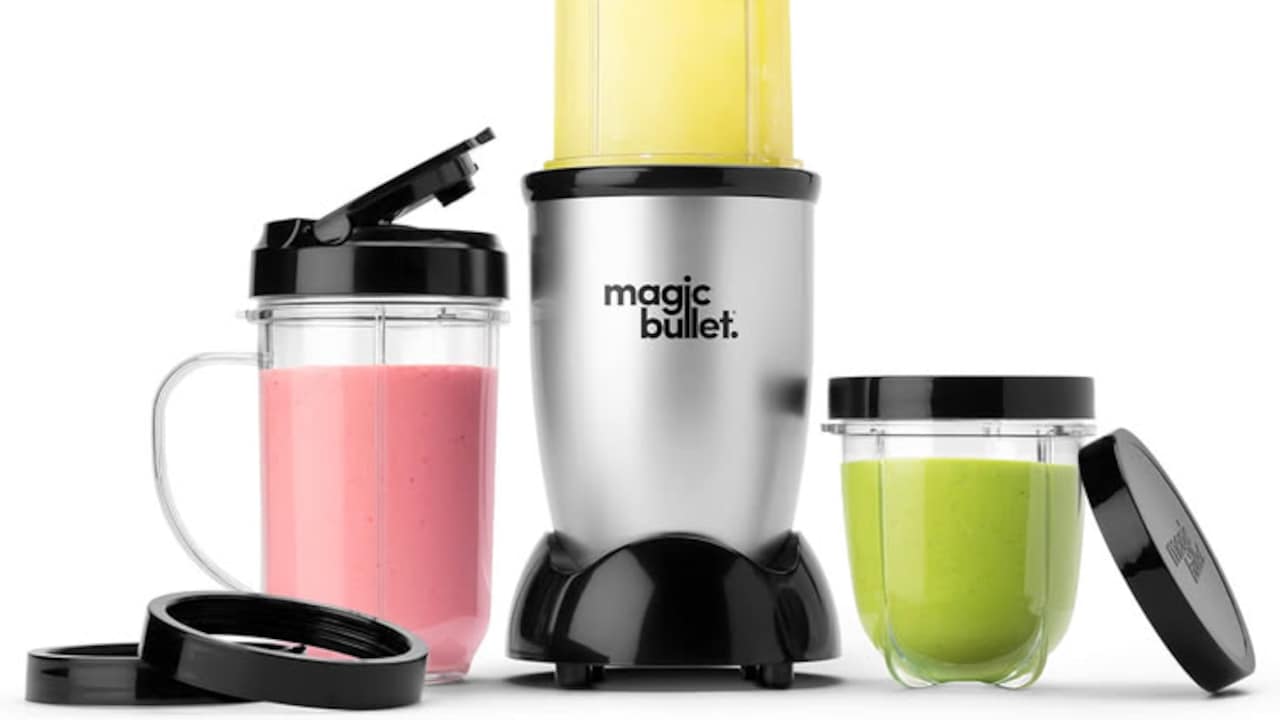
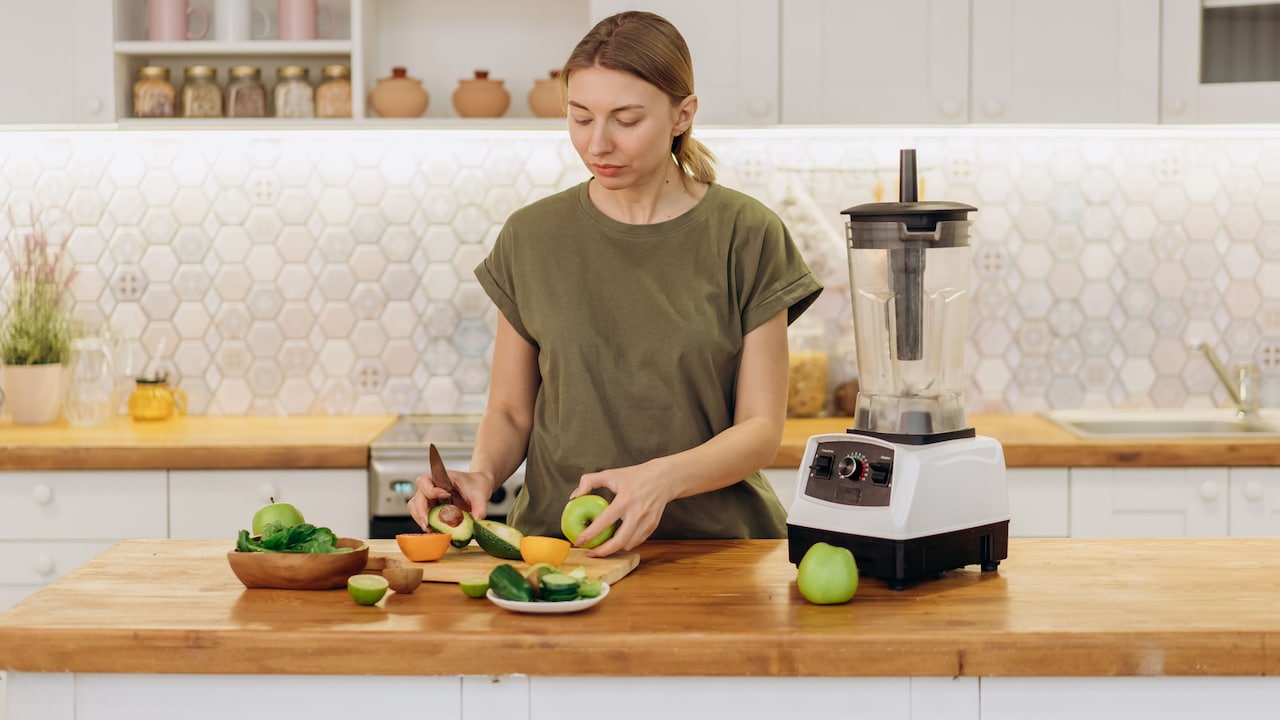
Persistent Blender Jar Smells Often Signal Poor Material Performance; Photo Credit: Amazon
Choosing the right blender jar is not merely about capacity or motor compatibility. Material quality plays a crucial role in hygiene, durability, and taste preservation. Persistent odours serve as an early warning sign that the jar may not meet long-term kitchen demands.
Understanding Why Blender Jars Hold Odours Over Time
Why Plastic Quality Matters More Than Most Realise
Not all blender jars are created equally, even when they look nearly identical on the shelf. Budget-friendly options often rely on lower-grade plastics that may initially seem practical but struggle under repeated use. These materials are porous at a microscopic level, which means they gradually absorb aromas from ingredients like ginger, garlic, coffee, or spicy gravies.
In many homes, blenders rarely get a break. Morning smoothies, lunchtime chutneys, and dinner masalas all pass through the same jar. Over time, poor-quality plastic acts almost like a sponge for these smells. The result feels frustrating, especially when a mango shake unexpectedly carries hints of yesterday's garlic paste.
Higher-quality materials, such as BPA-free Tritan or glass, resist odour retention far better because they offer denser, less absorbent surfaces. Though these options may cost ₹800 to ₹2,500 more upfront, they often outlast cheaper alternatives and maintain freshness. In the long run, investing in better materials saves money, reduces kitchen irritation, and keeps flavours exactly where they belong.
Also Read: 5 Best Portable Blenders: Top Picks For Travel And Office
Surface Scratches Can Turn Jars Into Odour Traps
Daily use naturally causes wear, but scratches inside blender jars can become hidden troublemakers. Every time hard ingredients like ice, nuts, or coarse spices spin against the walls, tiny abrasions develop. These grooves may appear harmless, yet they create perfect hiding spots for food residue and bacteria.
Once odour particles settle into these scratches, cleaning becomes far more difficult. Even vigorous scrubbing often fails because the smell lingers beneath the surface. It is similar to how Old Spice boxes retain aromas despite repeated washing.
This explains why older jars often seem permanently scented, no matter how much effort goes into maintenance. Plastic jars face this issue more frequently than stainless steel or glass because softer materials scratch more easily. Using abrasive scrubbers only accelerates the damage.
Replacing heavily worn jars may feel inconvenient, but it often proves more practical than endless cleaning experiments. A jar with deep surface wear signals that its material has reached its functional limit. Freshness, after all, should not require detective work every time the lid opens.
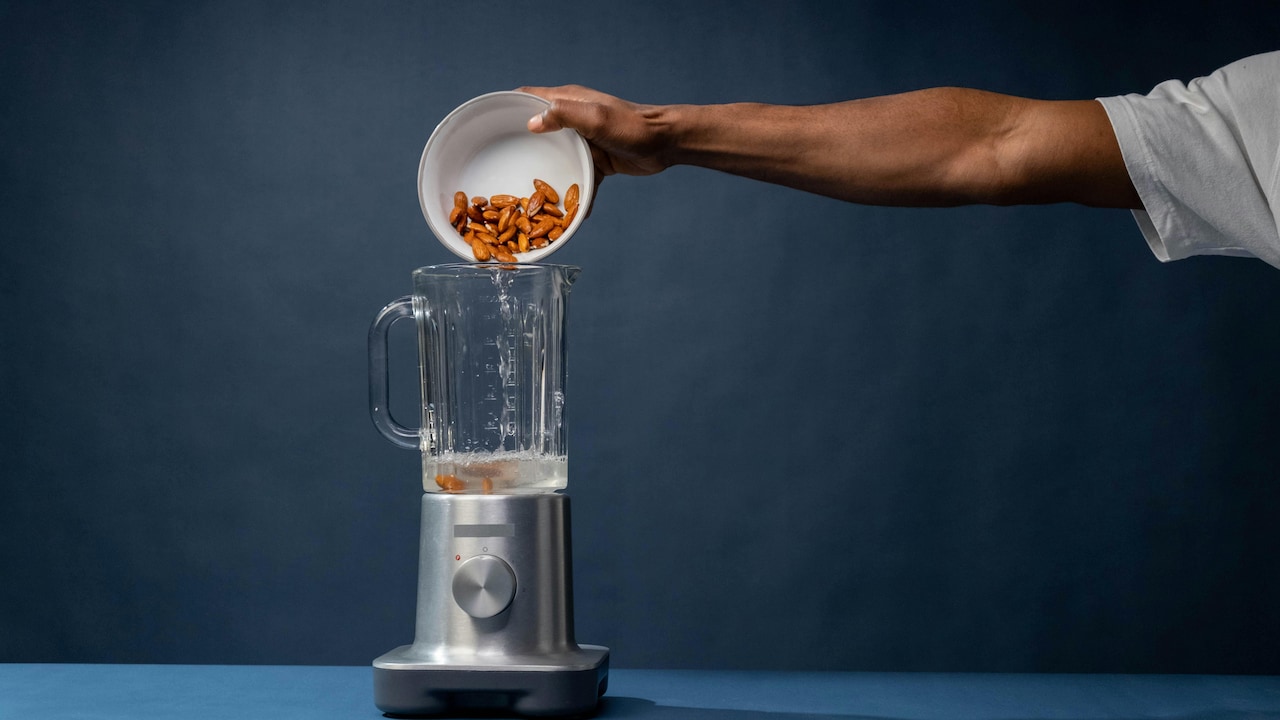
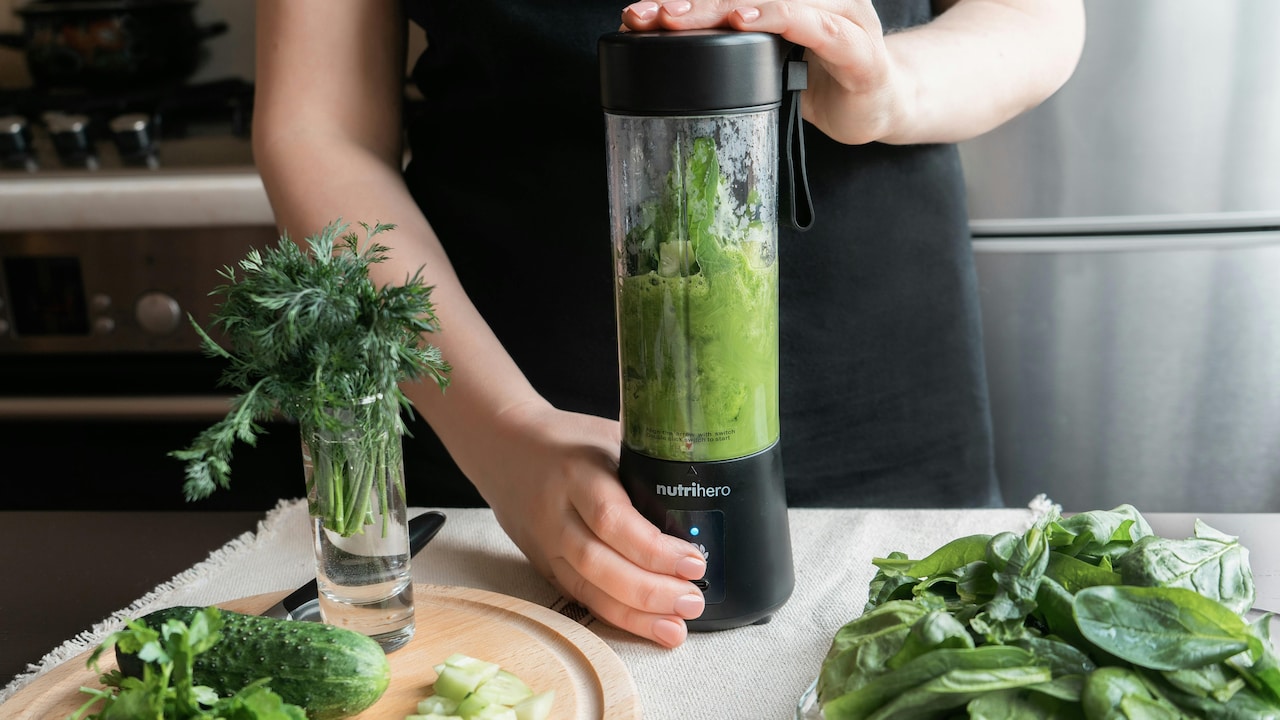
Persistent Blender Jar Smells Often Signal Poor Material Performance; Photo Credit: Pexels
Heat Exposure Weakens Material Integrity
Blender jars often face more heat than expected. Hot soups, warm gravies, or freshly roasted ingredients can place significant stress on plastic materials. Even dishwashing with very hot water contributes to gradual weakening.
Repeated heat exposure can cause plastic surfaces to expand slightly, making them more susceptible to absorbing oils and odours. Over time, this weakens the structure and creates subtle warping. Once that happens, smells cling more aggressively.
In busy kitchens, pouring hot sambhar masala directly into a blender may save time, but it also speeds up material degradation. Glass and stainless steel generally tolerate heat better, maintaining their integrity longer.
Many consumers overlook manufacturer temperature guidelines, assuming all jars can handle similar conditions. Unfortunately, cheaper jars often lack the resilience for such demands. The lingering scent from overheated plastic is not merely unpleasant; it may indicate that the material is deteriorating faster than intended.
Paying attention to temperature compatibility can significantly extend a blender jar's life while preserving food quality and kitchen peace.
Lid Seals And Rubber Rings Often Hold Hidden Smells
Sometimes the jar itself takes the blame unfairly. In many cases, odours settle deeply into rubber gaskets, seals, and lid components rather than the main container. These softer materials absorb strong food smells even more readily than plastic walls.
Think of coriander chutney, onion paste, or protein shakes repeatedly seeping into lid grooves. Over time, rubber rings trap moisture and residue, creating a persistent source of unpleasant smells. Even if the jar appears spotless, the odour returns each time it closes.
Many households miss this detail during routine cleaning. A quick rinse rarely reaches hidden crevices. Regular disassembly and deep cleaning of seals can help, but lower-quality rubber eventually reaches the saturation point.
Premium blenders often feature removable, washable seals made from more durable silicone. These perform better over extended use and resist odour retention more effectively.
If a blender jar consistently smells despite thorough washing, inspecting the lid system can reveal the true issue. Sometimes the smallest components create the biggest nuisance.
Strong Local Cooking Styles Intensify Odour Retention
Kitchens that regularly prepare robust spice blends naturally challenge blender materials more intensely. Turmeric, garlic, cloves, coffee, and chilli oils carry potent compounds that readily cling to absorbent surfaces.
Unlike simpler blending tasks, grinding masalas or wet chutneys creates concentrated exposure. These powerful ingredients seep into porous materials quickly, especially when left standing after use. A forgotten masala jar overnight can smell like a spice market for days.
This does not reflect poor hygiene. It reflects how demanding certain culinary habits can be on lower-quality jars. Heavy-duty kitchen routines require materials designed for resilience.
Glass jars or stainless steel alternatives may feel heavier, but they handle strong ingredients far better. They preserve flavour boundaries more effectively, ensuring that a sweet lassi does not carry suspicious savoury undertones.
Understanding usage patterns matters when selecting appliances. A blender suited for occasional smoothies may struggle terribly in spice-rich environments, making material choice more important than marketing promises.
Cleaning Hacks Cannot Fully Solve Material Deficiencies
Lemon juice, vinegar, baking soda, and coffee grounds all offer popular solutions for odour removal. While these methods can temporarily reduce smells, they rarely address the root cause when material limitations are involved.
These remedies work best on surface-level residues, not deep absorption within degraded plastic. If odours repeatedly return, the problem often lies beyond cleaning capability. This can lead households into an endless cycle of scrubbing, soaking, and frustration.
There comes a point when no home remedy can reverse structural wear. Continuing to rely solely on cleaning tricks may waste time while compromising food quality.
A practical approach involves recognising when maintenance has reached diminishing returns. Upgrading to better materials often proves more efficient than repeated temporary fixes.
Kitchen tools, like any household investment, have performance ceilings. Accepting that some jars simply age poorly can prevent unnecessary hassle and encourage smarter purchasing decisions.
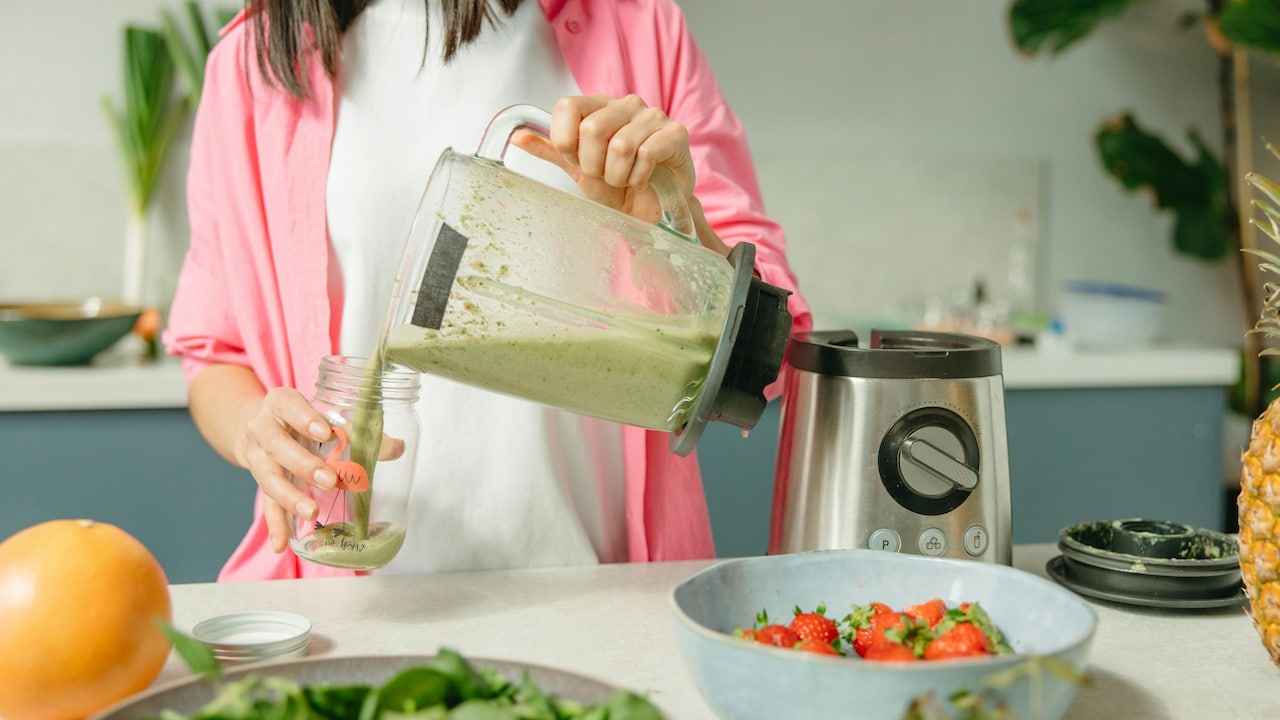
Persistent Blender Jar Smells Often Signal Poor Material Performance; Photo Credit: Pexels
Price Often Reflects Long-Term Performance
It is tempting to choose the most affordable replacement, especially when appliance expenses pile up. However, ultra-cheap blender jars often cost more over time through frequent replacements and ongoing inconvenience.
A ₹500 jar may appear economical, but if it develops odour issues within months, replacement becomes inevitable. Meanwhile, a ₹2,000 premium jar may provide years of fresher, more reliable use.
Material engineering, scratch resistance, and odour prevention all contribute to pricing differences. While branding can inflate costs, genuine quality improvements often justify moderate investment.
This mirrors many household purchases where short-term savings create long-term expenses. Buying better once can feel wiser than buying cheap repeatedly.
For households relying heavily on blending, prioritising durability over the lowest price often leads to greater satisfaction. The nose, after all, quickly notices false economy.
Sustainability Concerns Add Another Layer
Frequent jar replacement carries environmental costs beyond personal inconvenience. Discarded plastic jars contribute to household waste, especially when material degradation occurs rapidly.
Choosing longer-lasting materials supports more sustainable consumption habits. Glass, stainless steel, or premium polymers reduce replacement frequency and lessen environmental impact.
As awareness around sustainable living grows, durability becomes more than a practical concern. It also reflects responsible purchasing choices. Investing in resilient kitchenware reduces unnecessary landfill contribution while improving daily convenience.
Small appliance decisions may seem minor, but collectively they shape broader consumption patterns. Selecting products built for longevity benefits both households and the environment.
A blender jar that resists odours longer does more than preserve flavour. It supports smarter, less wasteful living.
Design Innovation Is Improving Modern Options
Manufacturers increasingly recognise odour retention as a consumer concern. Newer blender models now incorporate advanced polymers, odour-resistant coatings, and improved lid designs.
Some premium jars feature smoother interiors that reduce scratch formation. Others use modular components for easier deep cleaning. These innovations directly address common frustrations that older models ignored.
Consumers today have better choices than ever, provided they research beyond flashy marketing. Reading material specifications and customer reviews often reveal whether a product prioritises long-term performance.
Technology alone cannot eliminate all wear, but thoughtful design significantly improves user experience. Households seeking appliance upgrades should consider these advancements carefully.
A modern blender should support kitchen creativity without turning every smoothie into an aromatic mystery.
Knowing When To Replace Matters
Holding onto an old blender jar out of habit can compromise both flavour and hygiene. Persistent odours, visible scratches, cloudiness, or warped lids all signal declining performance.
Many people delay replacement unnecessarily, assuming smells are harmless. However, excessive wear may indicate bacterial buildup or material breakdown that affects food safety.
Routine evaluation helps maintain kitchen standards. If cleaning efforts consistently fail, replacement often becomes the smarter option.
Think of it like replacing worn cookware or faded chopping boards. Kitchen tools perform best when they remain structurally sound.
Recognising material limitations early can prevent frustration and improve everyday cooking experiences. Sometimes the simplest solution involves retiring a tired jar and welcoming a fresher start.
Products Related To This Article
1. Ninja Blast Portable Cordless Blender
2. OWNAIR Blender For Smoothies And Juices
3. Wonderchef Nutri-Blend Long, High, Transparent Big Jar 500ml
4. NutriPro Juicer Mixer Grinder - Smoothie Maker - 500 Watts
5. Bullet Mixer Grinder Jar Set of 2 Jar (600ml & 300ml)
6. Pigeon By Stovekraft Pure | Grinder Juicer Blender Smoothie Maker All-in-1 Machine
7. Kilig Vortex Pro 360W Dual Mode Portable Blender for Smoothies and Juices
Blender jars that hold odours too long rarely suffer from cleaning failures alone. More often, they reveal the limits of their material quality, design, and long-term durability. From porous plastics to scratched interiors and overworked seals, several factors contribute to persistent smells.
Understanding these limitations empowers smarter choices, whether maintaining existing jars or selecting replacements. Investing in better materials may cost more initially, but it often delivers fresher results, greater hygiene, and fewer headaches.
In kitchens where blending remains an everyday essential, the right jar should enhance meals rather than haunt them with lingering aromas. Sometimes, that stubborn smell serves as a practical reminder: quality matters long after the purchase.
(Disclaimer: This article may include references to or features of products and services made available through affiliate marketing campaigns. NDTV Convergence Limited (“NDTV”) strives to maintain editorial independence while participating in such campaigns. NDTV does not assume responsibility for the performance or claims of any featured products or services.)