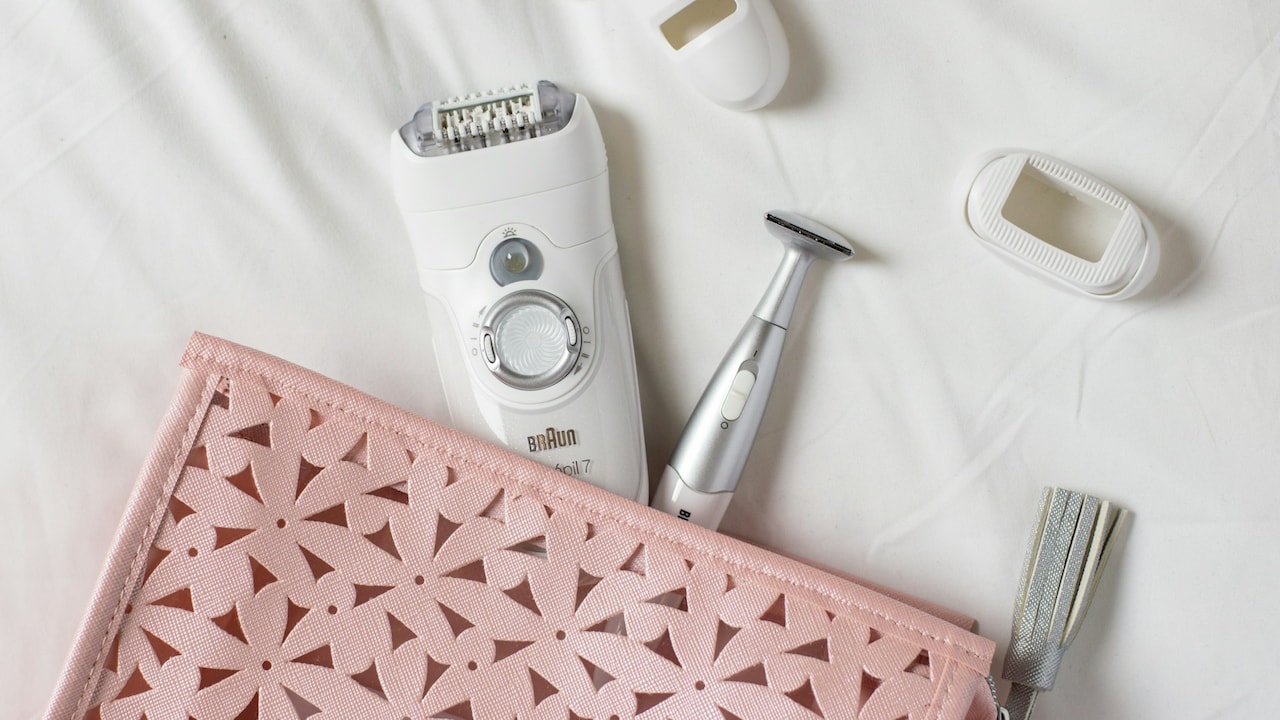
10 Reasons Hair Straightener Plates Develop Sticky Build-Up And How To Clean Them Safely
Sticky straightener plates can tug at hair, heat unevenly and leave strands looking dull. From heat protectants to hair oils, here’s what causes the build-up and how to clean the plates without damaging their coating.
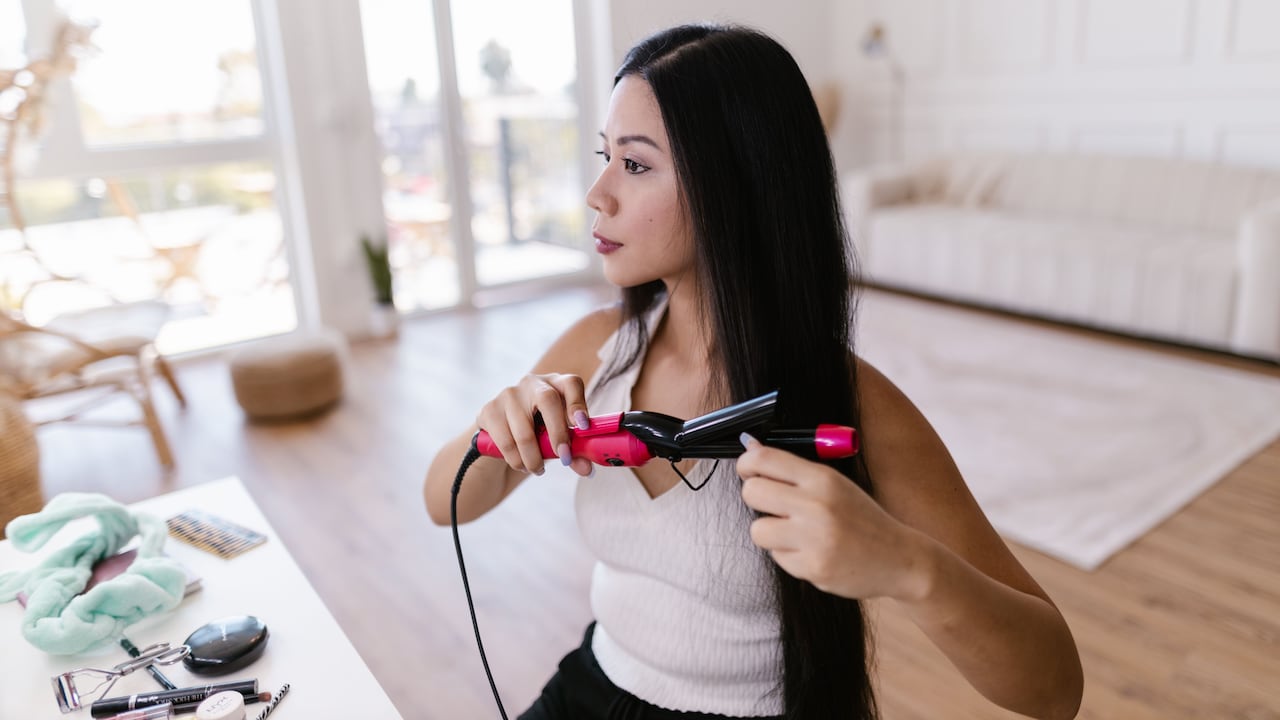
Simple Tips To Keep Hair Straightener Plates From Getting Sticky
Hair straighteners tend to look remarkably low-maintenance. Plug one in, wait for the plates to heat, glide it through the hair and put it away. There's no obvious filter to clean, water tank to empty or tray collecting debris. So, when those sleek plates suddenly feel tacky, develop brownish patches or stop gliding as smoothly as they once did, the change can feel surprisingly mysterious. The culprit usually isn't the hair itself. Every styling session can leave behind microscopic traces of heat protectant, serum, conditioner, dry shampoo and even natural scalp oils. Heat then cooks those residues onto the plates, layer after layer. Eventually, what started as an invisible film can turn into stubborn build-up. Ignoring it doesn't just make the straightener look grubby. Dirty plates may drag through strands, distribute heat unevenly and transfer old product back onto freshly washed hair. Scrubbing aggressively, however, can damage ceramic, titanium or coated plates. Understanding what creates the mess makes safe cleaning much easier.
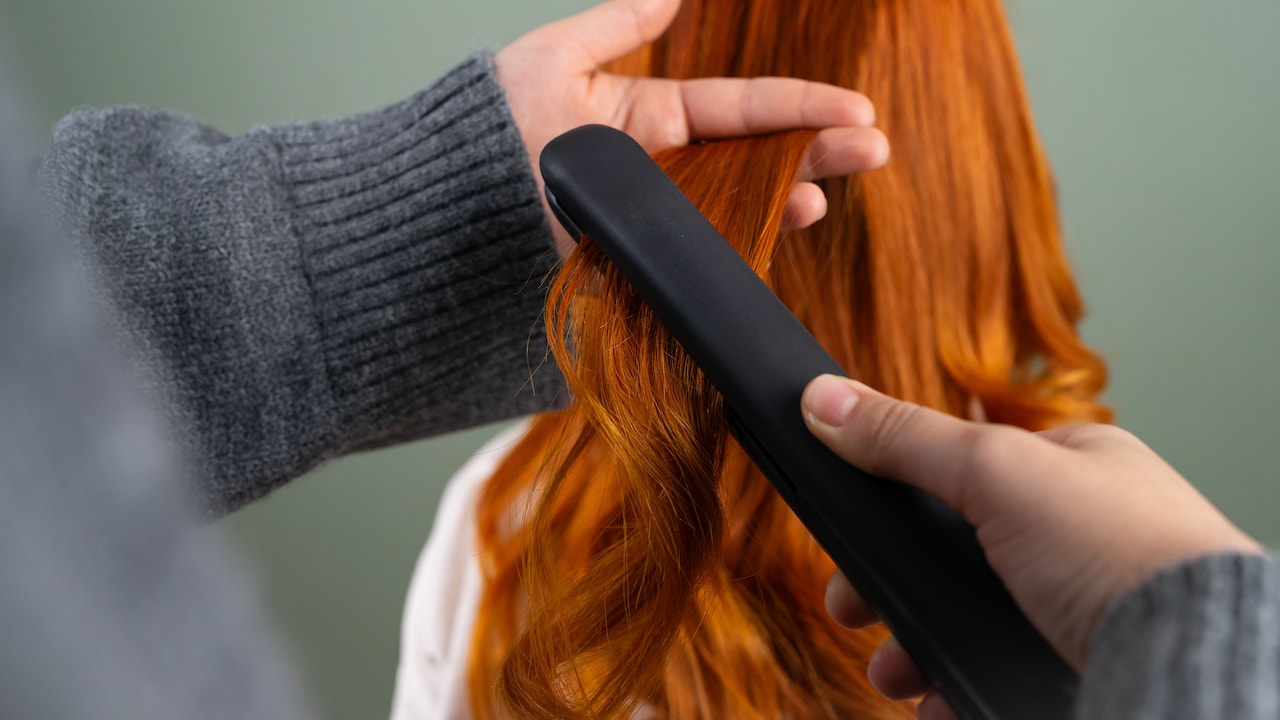
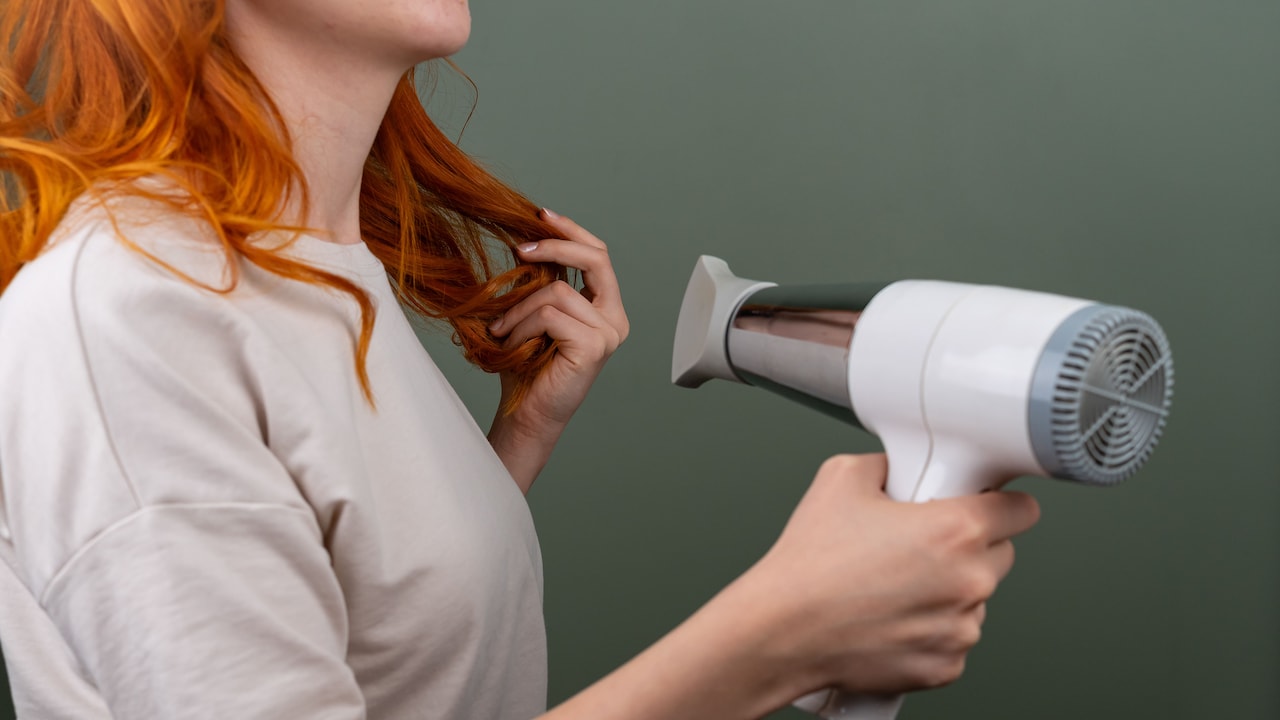
Why Do Hair Straightener Plates Get Sticky? 10 Safe Cleaning Tips; Photo Credit: Pexels
Why Straightener Plates Turn Sticky And What To Do About It
1. Heat Protectant Can Bake Onto The Plates
Heat protectant exists for a good reason. It creates a barrier that helps reduce the impact of high temperatures on hair. The problem starts when too much product sits on the surface of the strands when the straightener arrives.
Many heat protectants contain polymers, conditioning ingredients and film-forming agents. These help coat the hair, but some of that coating can transfer directly onto hot plates. Once exposed repeatedly to temperatures of 180°C or above, the residue can dry, darken and become increasingly difficult to wipe away. It may eventually resemble a thin layer of burnt sugar around the plate edges.
Using more protectant doesn't automatically mean more protection. Follow the product directions and distribute it evenly rather than saturating individual sections. Most importantly, allow sprays to dry before straightening.
For cleaning, unplug the straightener and let it cool until slightly warm rather than hot. Wipe the plates gently with a soft, damp microfibre cloth. Avoid scraping dried residue with fingernails, knives or metal tools, which can scratch the plate coating.
Also Read: Top 5 Compact Hair Straighteners For Festive Travel Under ₹7,000
2. Hair Serum Leaves Behind A Silicone-Rich Film
A little serum can make freshly styled hair look glossy and controlled. Too much serum before straightening can leave the same glossy coating somewhere less desirable: across the straightener plates.
Many smoothing products contain silicones that spread easily across hair and create slip. When strands coated in serum pass between hot plates, some product transfers onto the surface. Repeated heating can gradually turn this invisible layer into a tacky film that collects even more residue.
There's an easy clue. If the plates look clean while cold but feel strangely sticky or produce an unusual smell once heated, old styling products may have started accumulating.
Where possible, straighten clean, dry hair before applying finishing serum. Heat protectant should come first if required, while heavier oils and shine products generally work better after styling.
If silicone residue has already formed, start with a damp microfibre cloth on cooled plates. For stubborn marks, lightly dampen the cloth with rubbing alcohol if the manufacturer's care instructions allow it. Never pour liquid directly onto the straightener, particularly near seams or electrical components.
3. Hair Oils Can Carbonise Under High Heat
Applying coconut oil, argan oil or another hair oil before straightening may sound like an easy route to glossy strands. Unfortunately, oil and extremely hot styling tools don't always make friendly neighbours.
Excess oil can transfer directly from the hair onto the plates. At high temperatures, that residue can oxidise, thicken and eventually form brown or black marks. The process happens gradually, which is why a straightener can look perfectly respectable for months before sticky patches suddenly become obvious.
Oily residue also attracts dust and product particles while the appliance sits unused. The result can feel greasy when cold and gummy once warmed.
Use hair oils sparingly before heat styling unless the product specifically states that it works as a heat-protective styling treatment. In many routines, applying oil after straightening makes more sense.
To remove existing oily deposits, first wipe cooled plates with a slightly damp cloth. A tiny amount of mild soap on the cloth may help if the manufacturer permits it. Follow with another cloth dampened only with water, then dry everything thoroughly before plugging the straightener back in.
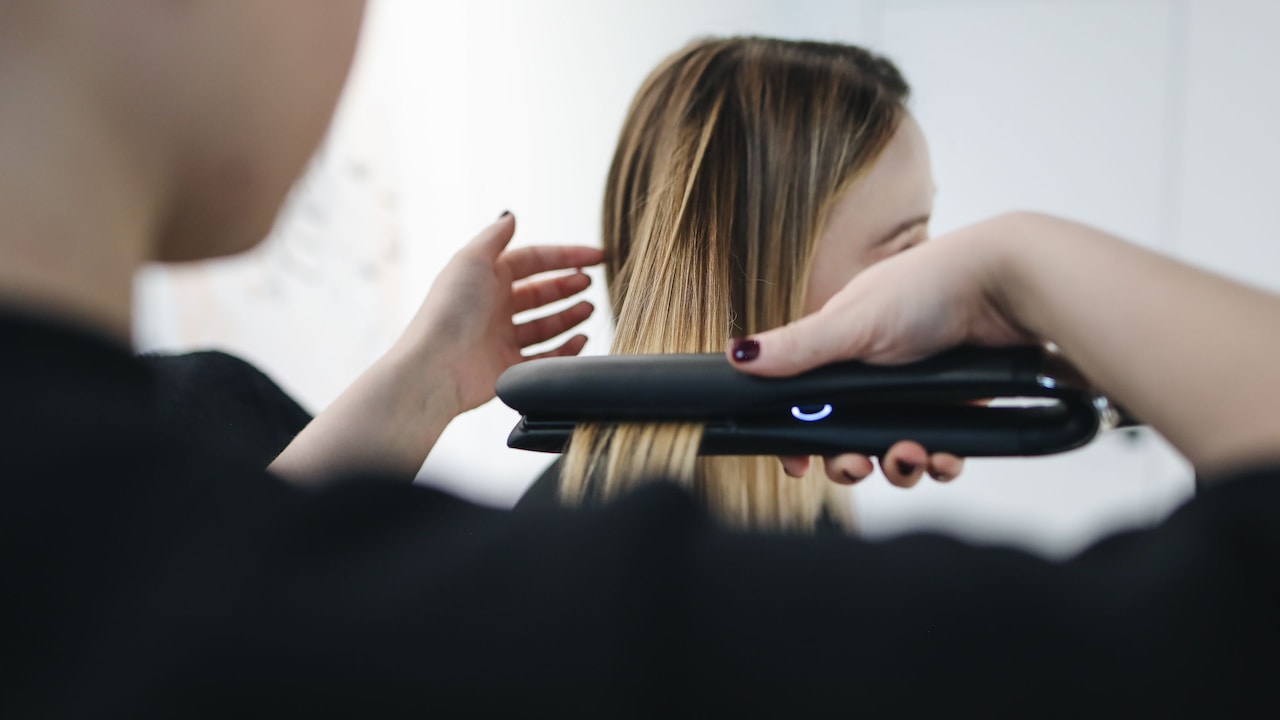
Why Do Hair Straightener Plates Get Sticky? 10 Safe Cleaning Tips; Photo Credit: Pexels
4. Straightening Damp Hair Can Leave More Residue
That faint sizzling noise during straightening might sound dramatic, but it isn't a sign that the tool is working harder. Unless the straightener has specifically been designed for wet-to-dry styling, hair should be completely dry before it reaches the plates.
Damp strands can carry dissolved conditioner, minerals and styling-product residue. When heated rapidly, water evaporates while some of those substances remain behind. Over time, they can form cloudy spots or sticky deposits across the plate surface.
Moisture also makes existing build-up behave differently. A thin layer of old product may soften when steam reaches it and spread across a larger section of the plate, making the mess look worse after each styling session.
After blow-drying, check sections around the roots and underneath thicker layers before straightening. Hair can feel dry on the surface while holding moisture deeper inside.
If residue has appeared after styling damp hair, allow the appliance to cool completely. Use a soft damp cloth and repeated gentle passes rather than aggressive scrubbing. Patience protects the plate coating far better than force.
5. Leave-In Conditioner Can Transfer During Styling
Leave-in conditioner makes detangling easier and can help dry lengths feel softer. But a generous coating of it combined with a straightener can create the beauty equivalent of cooking sauce onto a frying pan.
Conditioning formulas often contain oils, silicones, fatty alcohols and polymers designed to stay on the hair rather than rinse away. That's exactly what makes them useful. It also means some ingredients can migrate onto hot straightener plates.
The risk increases when several leave-in products get layered together. Conditioner goes on first, followed by heat protectant, anti-frizz cream and perhaps a little serum. Hair may feel silky, yet the straightener is being asked to travel through four different product films.
Try simplifying the pre-styling routine. Use only the amount necessary and let products absorb or dry properly before applying heat.
For maintenance, wiping the plates every few uses can stop invisible residue becoming a stubborn layer. A quick clean takes considerably less effort than tackling several months of cooked-on conditioner.
6. Dry Shampoo Can Create A Powdery, Sticky Coating
Dry shampoo may rescue a rushed morning, but straightening directly over heavily powdered roots can create an unpleasant surprise on the plates.
Most dry shampoos rely on absorbent powders or starches to soak up oil. Those particles can cling to the hair even after brushing. Add natural scalp oil, styling spray and high heat, and that dry powder can transform into a stubborn greyish or beige film.
The residue often appears close to the outer edges of the straightener because that's where product-coated strands brush against the plate repeatedly. Eventually, the surface may feel rough rather than slick.
If dry shampoo is part of the routine, brush it through thoroughly and remove as much excess powder as possible before using heated tools. Better still, avoid repeated straightening over roots that already carry several days of product accumulation.
When cleaning powdery residue, start with a dry microfibre cloth to lift loose particles. Then use a barely damp cloth for whatever remains. This prevents loose powder from immediately turning into a paste.
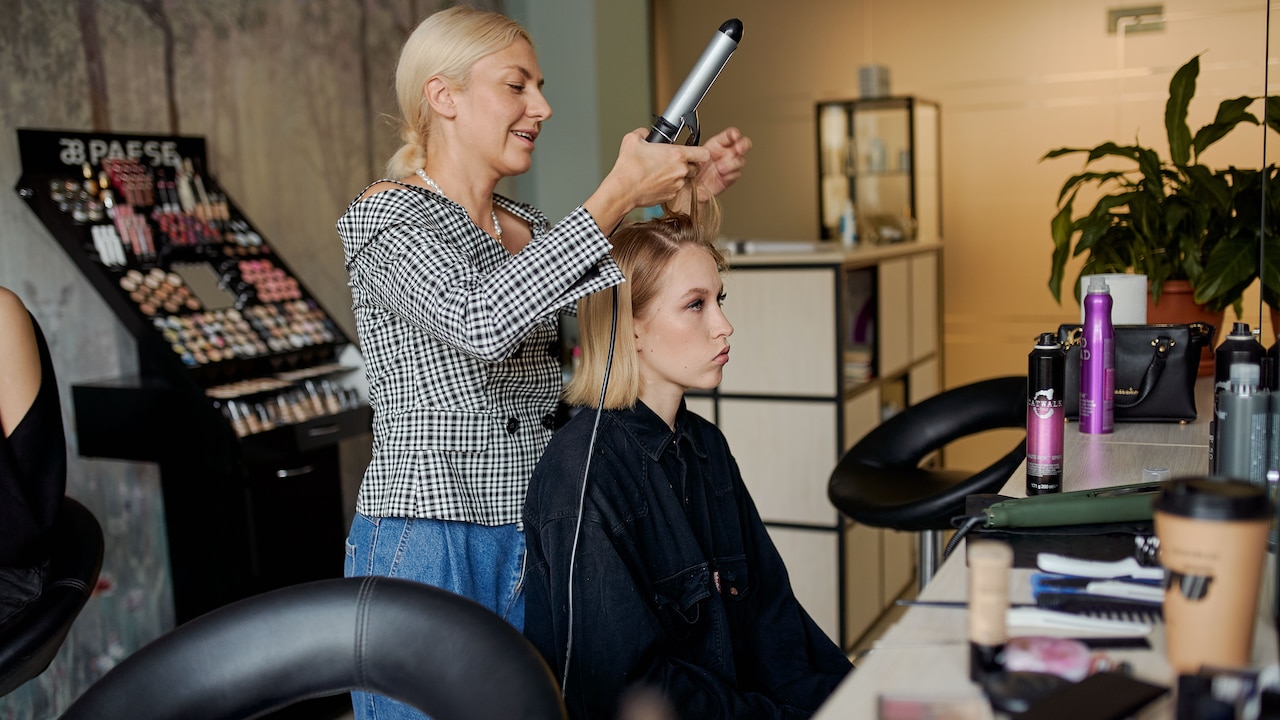
Why Do Hair Straightener Plates Get Sticky? 10 Safe Cleaning Tips; Photo Credit: Pexels
7. Hairspray Can Turn Into A Stubborn Adhesive Layer
Hairspray belongs near a finished hairstyle, not usually underneath a straightener. Yet touch-ups often happen after hairspray has already been applied, particularly when fixing fringes, flyaways or sections that have bent during the day.
Hairspray contains film-forming ingredients designed to create hold. Once these ingredients touch heated plates, they can soften, transfer and harden again as the appliance cools. Repeat the cycle often enough and the plates can develop a genuinely sticky coating.
This type of build-up can be particularly annoying because it may not disappear with one quick wipe. Worse, aggressively scratching at it risks damaging delicate ceramic coatings.
Whenever possible, complete heat styling before applying hairspray. If a section needs straightening again later, brushing out excess product first can reduce transfer.
For established hairspray residue, warm—not hot—plates can make cleaning easier because the deposit softens slightly. Unplug the straightener first. Then wipe it carefully with a damp microfibre cloth. Repeat several gentle passes instead of attempting to remove everything in one scrub.
8. Natural Hair Oils And Everyday Dirt Accumulate Too
Even someone who rarely uses styling products can end up with dirty straightener plates. Hair naturally carries sebum, while daily life adds tiny amounts of sweat, dust and environmental particles.
These substances transfer to the straightener each time the plates clamp around a section of hair. On their own, the quantities seem insignificant. Across dozens of styling sessions, however, heat repeatedly cooks them onto the surface.
This explains why a straightener used exclusively on "product-free" hair can still develop yellowish or brown residue. Styling second- or third-day hair tends to accelerate the process because more natural oil sits along the strands.
There's no need to wash hair every time a straightener comes out. Instead, make plate cleaning part of normal appliance care. A gentle wipe every few sessions prevents residue from reaching the sticky stage.
Also clean the outer casing near the plate edges. Oils often collect there first and may eventually work their way onto the heating surface. Just make sure the appliance stays unplugged while cleaning and completely dry before use.
9. Very High Temperatures Can Cook Product Residue Faster
Turning the temperature all the way up may feel like the quickest route to poker-straight hair. In reality, excessive heat can make both hair damage and straightener build-up worse.
Higher temperatures accelerate the way oils, polymers and styling residues change on the plates. A light product film that might wipe away easily after styling at a moderate temperature can harden much faster when repeatedly exposed to maximum heat.
More heat also doesn't guarantee better results. Fine or relatively straight hair often requires less heat than thick, coarse or highly textured strands. The ideal setting depends on the hair and the tool, so following manufacturer guidance makes more sense than automatically selecting the highest number.
Lower temperatures won't eliminate plate residue, but they may slow the rate at which it becomes baked on.
If build-up keeps returning unusually quickly despite regular cleaning, examine the styling temperature alongside the products being used. Sometimes the problem isn't an especially messy serum. It's a combination of normal product transfer and unnecessarily aggressive heat turning every trace into a stubborn stain.
10. Months Without Cleaning Allow Layers To Harden
Sticky plates rarely appear overnight. More often, residue accumulates so gradually that it goes unnoticed until the straightener starts dragging through hair.
Imagine adding an almost invisible layer after every use. Heat protectant today. A touch of serum tomorrow. Scalp oil next week. Dry shampoo during a rushed morning. Each layer gets heated again during the next session. Eventually, those tiny deposits merge into a noticeable coating.
Waiting until the plates look visibly dirty therefore makes cleaning much harder than it needs to be.
A simple maintenance routine works better. Once the straightener has been unplugged and cooled, wipe the plates regularly with a clean microfibre cloth. Inspect the edges and corners, where residue tends to hide. Never immerse the appliance in water, spray cleaner directly onto it or use abrasive scrubbers.
Also check the instruction manual before using alcohol, cleaning solutions or other substances. Plate materials and coatings vary between models, and a cleaner that's safe for one straightener may damage another.
Some Hair Styling Tools Available Online That You May Like
1. Philips India's No.1 Hair Styling Brand -Hair Straightener Brush
2. Ikonic Professional Pro Titanium Shine 3.0 Hair Straightener
3. Vega 3 in 1 Hair Styler for Women
4. Havells HS4101 Ceramic Plates Fast Heat-Up Hair Straightener
5. Philips India's No.1 Hair Styling Brand NourishCare Hair Straightener
6. Remington S 8540 Hair Straightener
7. Makemeebold Hair Straightener for Women
Sticky hair straightener plates aren't necessarily a sign that the appliance needs replacing. Most build-up comes from an everyday mixture of heat protectant, serum, oils, conditioners, and natural residue repeatedly exposed to high temperatures. Cleaning the plates gently and regularly can restore a smoother glide. Just as importantly, applying lighter layers of styling products and keeping hair dry before straightening can prevent the sticky film from returning quite so quickly.
(Disclaimer: This article may include references to or features of products and services made available through affiliate marketing campaigns. NDTV Convergence Limited (“NDTV”) strives to maintain editorial independence while participating in such campaigns. NDTV does not assume responsibility for the performance or claims of any featured products or services.)