10 Common Mistakes That Cause Stubble Even After Epilation, And How To Achieve Smoother Skin
Still feeling stubble after epilating? The problem may not be the device. From rushing the strokes to choosing the wrong hair length, these common epilation mistakes can cause hair to snap instead of coming out from the root.
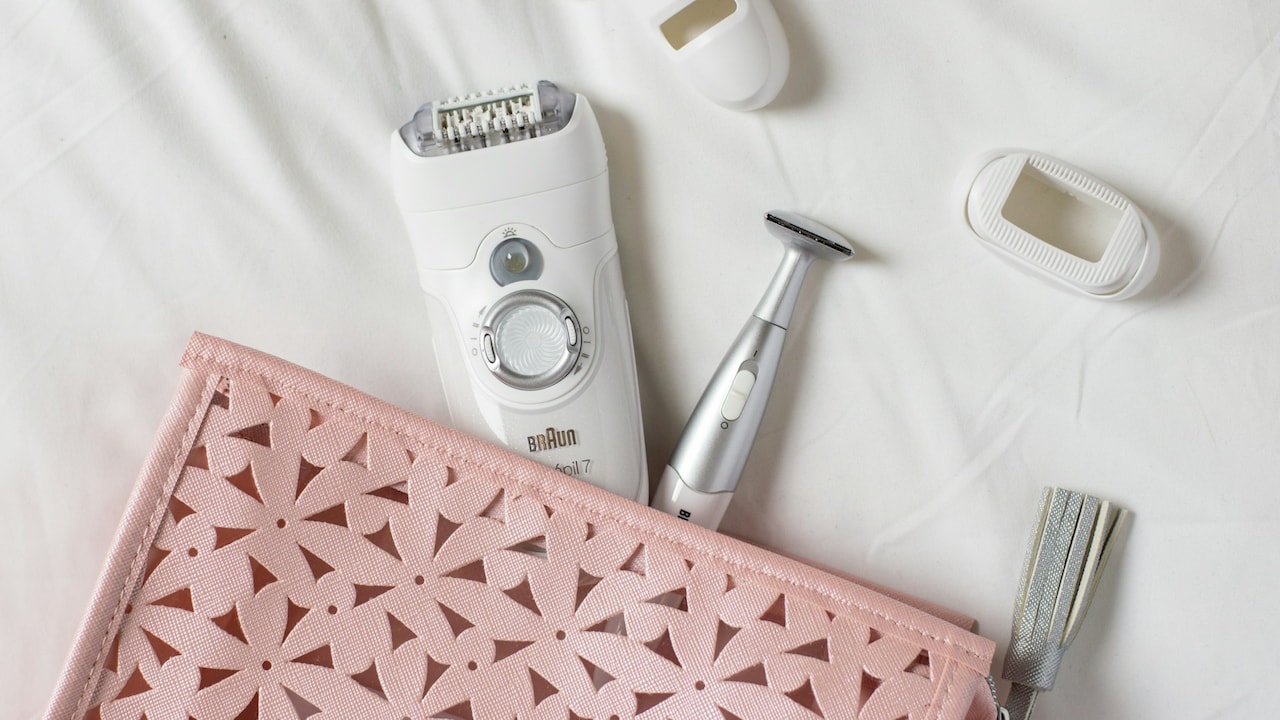
Stubble even after epilation may not be a device problem
An epilator promises something rather satisfying: glide the device over unwanted hair, let dozens of tiny tweezers get to work, and enjoy smoother skin for longer than shaving can usually manage. Yet the reality can occasionally feel more like an argument between the machine and your body hair. The epilator buzzes away; you tolerate the pinching, and somehow a hand over the skin afterwards still finds prickly little hairs. That stubble doesn't necessarily mean your epilator has suddenly forgotten its job. Epilation works by catching individual hairs and pulling them from the root. If the tweezers don't grip the hair properly, however, the strand can snap somewhere above or below the skin surface. The result looks and feels frustratingly similar to shaving, despite considerably more effort.
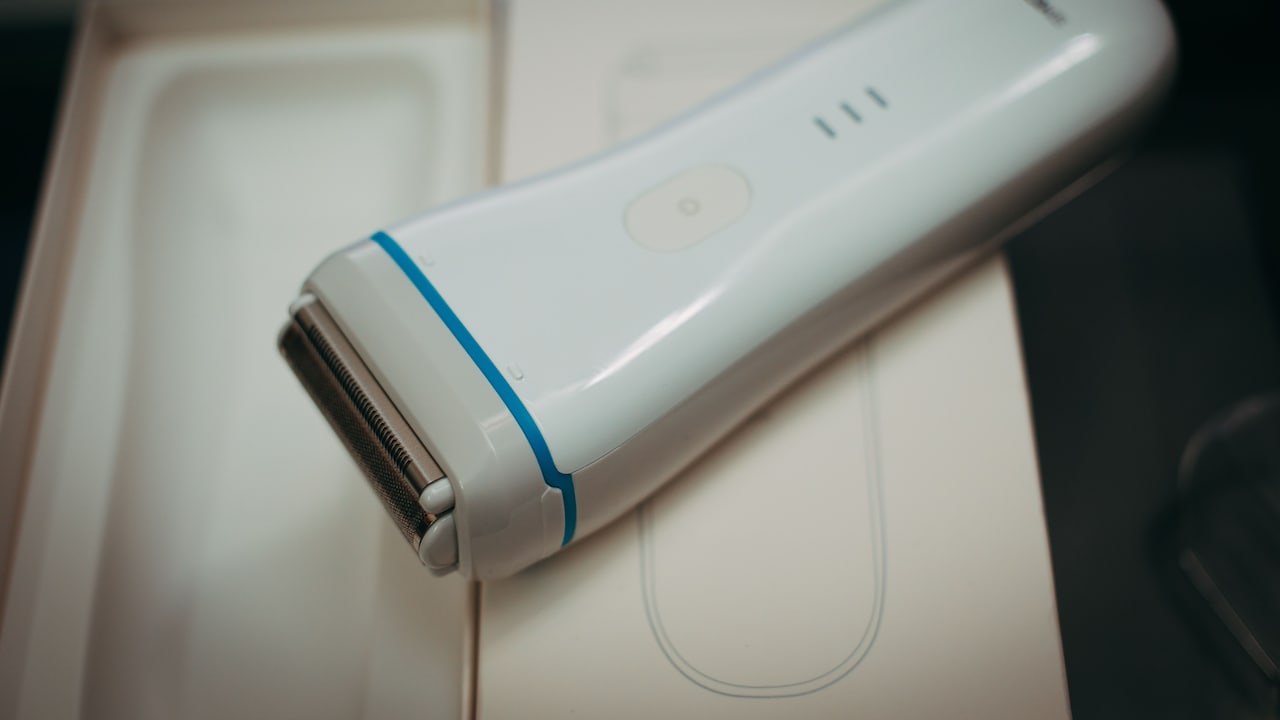
Common mistakes that lead to stubble after using epilators
Photo Credit: Pexels
Technique matters more than many people realise. Hair length, skin preparation, pressure, speed and even the direction in which you move the device can affect how successfully those tweezers grab each strand. So, before blaming the epilator or ordering another model, check whether one of these surprisingly common habits is getting between you and a cleaner result.
Also Read: Smart Wearables By Timex: 5 Most Affordable Smartwatches For Men And Women
Why Your Epilator Is Breaking Hair Instead Of Removing It From The Root
1. Epilating Hair That Is Too Long
Waiting until hair becomes noticeably long might seem sensible. After all, there is more hair for the epilator to grab. Unfortunately, longer doesn't always mean easier.
When strands grow too long, they can bend, flatten against the skin or become pulled sideways before the tweezers secure them near the base. Instead of extracting the complete strand, the epilator may snap it halfway. That broken hair soon feels like stubble.
Very long hair can also make epilation considerably more uncomfortable because several strands may get tugged before they actually reach the tweezer mechanism. The temptation then becomes rushing through the area just to finish.
Check the recommended hair length in your device instructions. Many epilators work particularly well when hair measures only a few millimetres. If growth has become considerably longer, carefully trimming it beforehand can improve both comfort and grip.
Think of it as giving the tweezers a manageable target. They need enough length to catch the hair, but they shouldn't have to wrestle with a tiny forest first.
2. Trying To Epilate Hair That Is Too Short
The opposite problem causes just as much frustration.
After noticing a few tiny hairs returning, it can be tempting to reach for the epilator immediately. Yet if the strands haven't grown enough for the tweezers to catch them, the device may simply skim over them. Some particularly fine hairs can even bend underneath the epilator head rather than entering the tweezer mechanism.
The result creates an odd mixture of genuinely epilated areas and stubborn patches that still feel rough.
Give regrowth enough time to become visible and grippable rather than repeatedly running the device over barely emerging strands. Different epilators have different minimum hair-length recommendations, so the instruction manual remains useful even after you've owned the device for years.
Hair also grows in cycles. That means every strand won't appear simultaneously. A few short hairs remaining after an otherwise successful session doesn't automatically indicate poor performance.
Instead of aggressively chasing every microscopic strand, allow the shorter ones to grow slightly before doing a quick touch-up. Your skin will probably appreciate the break too.
3. Moving The Epilator Too Quickly Across The Skin
An epilator isn't quite a razor, even though holding one can encourage the same sweeping motion.
Moving quickly feels efficient, particularly when working across larger areas such as the legs. The problem is that the rotating tweezers need enough contact time to catch individual hairs. Racing over the skin can allow some strands to escape entirely while others get caught awkwardly and break.
Slow, controlled passes usually give the tweezer mechanism a better opportunity to grip the hair properly.
That doesn't mean moving millimetre by millimetre until epilating one leg becomes an evening activity. The goal is simply to avoid hurried strokes. Keep the movement steady and pay attention to how efficiently the device clears each section.
If a single pass leaves obvious scattered hairs, don't immediately increase pressure. Slow the next pass instead.
Working in smaller sections can also make the process feel less tedious. Finish one area properly before moving onwards. It may initially seem slower, but fewer repeat passes can make the entire session more efficient and considerably kinder to irritated skin.
4. Epilating In The Same Direction As Hair Growth
Hair rarely grows in one perfectly obedient direction. On the calves it may point downwards, while around the knees, thighs or underarms it can suddenly decide that rules are optional.
Moving the epilator directly with the direction of growth can make it harder for the tweezers to lift and catch hairs cleanly. The device often performs better when moved gently against the direction in which the strands naturally lie.
Before starting, run a hand over the area and notice which direction feels rougher. That usually indicates movement against hair growth.
Curved areas deserve extra attention because hair direction can change within only a few centimetres. Underarms are particularly notorious for this. One long stroke may therefore miss several hairs even when the device itself works perfectly.
Adjust your movement according to the growth pattern rather than forcing the same technique everywhere. Sometimes that means working upwards, sideways or diagonally across smaller sections.
A little observation before switching on the epilator can prevent several repetitive passes afterwards — and save your skin from unnecessary irritation.
5. Pressing The Epilator Too Hard Against The Skin
When stubborn hairs refuse to disappear, pushing the epilator harder can feel like the obvious solution. More pressure must mean better contact, right?
Not necessarily.
An epilator needs to sit close enough to the skin for its tweezers to reach the hairs, but excessive pressure can interfere with how freely the head moves. It may also flatten hairs against the skin, making them more difficult for the tweezers to catch.
Pressing hard also increases friction. That can leave the skin feeling unnecessarily sore, especially after several passes over the same section.
Use a light, controlled grip and allow the epilator mechanism to do the work. Some models have pressure sensors or indicator lights precisely because pushing harder doesn't equal better hair removal.
If hairs remain after a pass, first check your movement speed, direction and hair length before adding pressure.
Think of the epilator as a tiny collection of rapidly moving tweezers rather than a scrubber. You want those tweezers to reach the hairs, not press the entire device into the skin as though you're trying to iron them out.

Pressing the epilator too hard against your skin can also leave stubble
Photo Credit: Pexels
6. Forgetting To Keep The Skin Taut
Loose or folded skin makes catching individual hairs considerably more difficult.
This matters most around knees, ankles, underarms and other curved areas where the surface naturally shifts as you move. If the skin isn't reasonably taut, hairs can lie flat or escape the epilator head. The device may then catch only part of a strand and break it instead of pulling it cleanly from the root.
Using your free hand to gently stretch the skin creates a flatter surface for the epilator.
It can also make the process more comfortable. When the skin stays firm, each hair tends to receive a quicker, more direct pull rather than being repeatedly tugged as the device moves over it.
There's no need to stretch aggressively. Simply hold the neighbouring skin steady while moving the epilator across small sections.
Around joints, changing your body position can help too. Straightening or bending the knee slightly, for example, can expose different areas more evenly.
It sounds like a small adjustment, but better skin tension often makes a surprisingly noticeable difference to both smoothness and comfort.
7. Skipping Exfoliation Until Hair Starts Getting Trapped
Dead skin cells don't merely make skin feel rough. They can also interfere with epilation.
As regrowing hairs emerge, a layer of dead skin can sometimes keep fine strands lying close to the surface or encourage them to become trapped underneath it. An epilator can't pull out a hair properly if its tweezers can't reach enough of the strand.
Regular gentle exfoliation between sessions can help keep the skin surface clearer and make emerging hairs easier to catch.
Timing matters, though. Vigorous exfoliation immediately before epilation can leave the skin sensitised before you've even switched the device on. A gentler routine performed sufficiently ahead of your session tends to make more sense.
The same applies afterwards. Freshly epilated skin has already experienced considerable mechanical stress, so attacking it with a harsh scrub isn't likely to improve matters.
Exfoliation should support the routine, not become another battle with the skin.
If certain areas consistently develop tiny bumps or trapped hairs, pay particular attention to them between sessions. Sometimes the "stubble" you can feel isn't newly broken hair at all, but short regrowth struggling to emerge cleanly.
8. Using An Epilator Head That Needs Cleaning
Those tiny tweezers do a great deal of work during one session. They collect loose hairs, dead skin and sometimes traces of skincare products along the way.
Allow enough debris to accumulate and the tweezer mechanism may struggle to grip new hairs as efficiently.
A head that looks reasonably clean from a distance can still contain fine strands wedged between moving parts. Over time, that buildup may contribute to missed or poorly gripped hairs.
Clean the epilator according to the manufacturer's instructions after use. Depending on the model, that might involve removing the head, brushing away trapped hair or rinsing washable components. Always check which parts can safely come into contact with water.
Also inspect the head occasionally for wear or damage. Devices don't last indefinitely, and a heavily used tweezer mechanism may eventually lose some efficiency.
Cleaning might be the least glamorous part of hair removal, but it saves the next session from beginning with yesterday's debris.
A five-minute maintenance habit can make considerably more sense than repeatedly passing an increasingly clogged epilator over the same stubborn patch of skin.
9. Applying Heavy Creams Or Oils Before Epilating
Moisturised skin usually sounds like a good thing. Immediately before epilation, however, a rich layer of body lotion or oil can become surprisingly unhelpful.
Slippery products can coat both the hair and skin. The tweezers then have a harder time getting a firm grip, particularly on finer strands. Instead of catching the hair securely enough to pull from the root, they may slide past it or grip weakly enough for the strand to snap.
Unless your particular device and method recommend otherwise, start with clean skin without a greasy surface.
This becomes especially relevant when dry epilating. A freshly applied body oil might leave your legs looking beautifully glossy, but it isn't necessarily helping a mechanical tweezer system do its job.
Moisturising still has an important place in the routine. Apply a suitable soothing product after the skin has settled, according to what your skin comfortably tolerates.
Preparing for epilation doesn't require turning the bathroom shelf upside down. Sometimes less really is more. Clean skin and properly positioned hair often give the device exactly the working conditions it needs.
10. Repeatedly Going Over The Same Area Without Fixing The Technique
One patch refuses to become smooth, so you pass over it again. Then again. Then sideways. Then once more, because surely the sixth attempt will convince those three hairs to surrender.
At that point, irritation may arrive before smoothness does.
Repeated passes won't solve the problem if the underlying issue involves hair length, movement direction, skin tension or incorrect device positioning. They simply expose the same patch of skin to more friction and pulling.
Stop after a couple of unsuccessful passes and inspect what's happening.
Are the remaining hairs extremely short? Are they lying flat? Does their growth direction change in that area? Is the epilator head becoming clogged? A brief check usually tells you more than another ten seconds of buzzing.
Forcing the session can also make redness and tenderness worse, particularly on sensitive areas.
Accept that a perfectly hair-free finish isn't always achievable in one sitting. Hair growth cycles alone can leave shorter strands behind. A later touch-up often makes more sense than turning one stubborn patch into an angry red reminder of determination.
Some Related Hair Removers Available Online You May Like
1. PROTOUCH All Rounder All-in-1 Women's Trimmer
2. Winston Rechargeable Body Epilator and Shaver for Women Facial Hair Remover Machine
3. Bombae 6-in-1 Sensitive Trimmer for Women
4. FURR 6-in-1 Trimmer & Epilator for Women | Face Underarm Bikin Body
5. RENEE Spark EpiSense One Facial Hair Remover
6. Philips Epilator Series 2000, Corded Epilator for Legs and Body
7. Sirona 4-IN-1 Face & Body Trimmer for Women
Stubble after epilation doesn't always mean the device has failed. Often, the hair simply isn't reaching the tweezers under the right conditions. Something as small as moving too quickly, pressing too firmly or tackling hair at the wrong length can turn clean removal into breakage.
A better technique focuses on preparation, slow controlled passes, correct hair direction and sensible skin care between sessions. Keep the epilator clean, resist repeatedly attacking stubborn patches and give shorter regrowth time to emerge.
Epilation may never become anybody's idea of a relaxing evening, but it shouldn't feel like doing all the work of hair removal only to end up with the finish of a hurried shave.
(Disclaimer: This article may include references to or features of products and services made available through affiliate marketing campaigns. NDTV Convergence Limited (“NDTV”) strives to maintain editorial independence while participating in such campaigns. NDTV does not assume responsibility for the performance or claims of any featured products or services.)