Why Hair Straighteners Cause More Damage Than Expected: Heat Settings Consumers Often Misuse
Most hair damage comes from misused heat settings, not the straightener itself. From maximum temperatures to styling damp hair, everyday habits quietly weaken strands faster than expected.
Key features to consider when buying a hair straightener
Hair straighteners have become as common on dressing tables as kajal pencils and hair clips. Before brunch outings, festive gatherings, office meetings, or even quick video calls, many people reach for a straightener to tame frizz and create a polished look in minutes. The convenience feels irresistible. Plug it in, glide it through the hair, and suddenly everything appears smoother and shinier. Yet beneath that glossy finish lies a troubling reality. Hair experts continue to warn that excessive heat styling weakens the structure of hair far faster than most users realise. The damage rarely appears overnight. It creeps in slowly. First comes dryness. Then split ends. Eventually, hair loses elasticity, shine, and thickness.
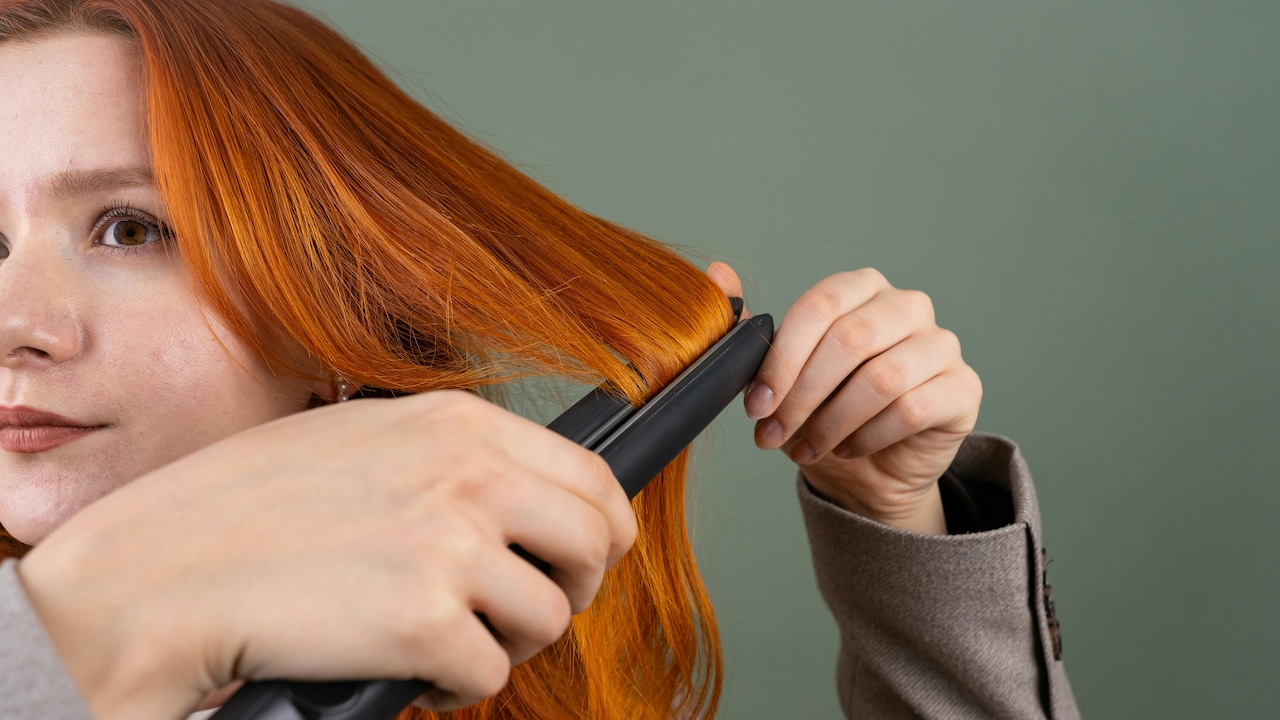
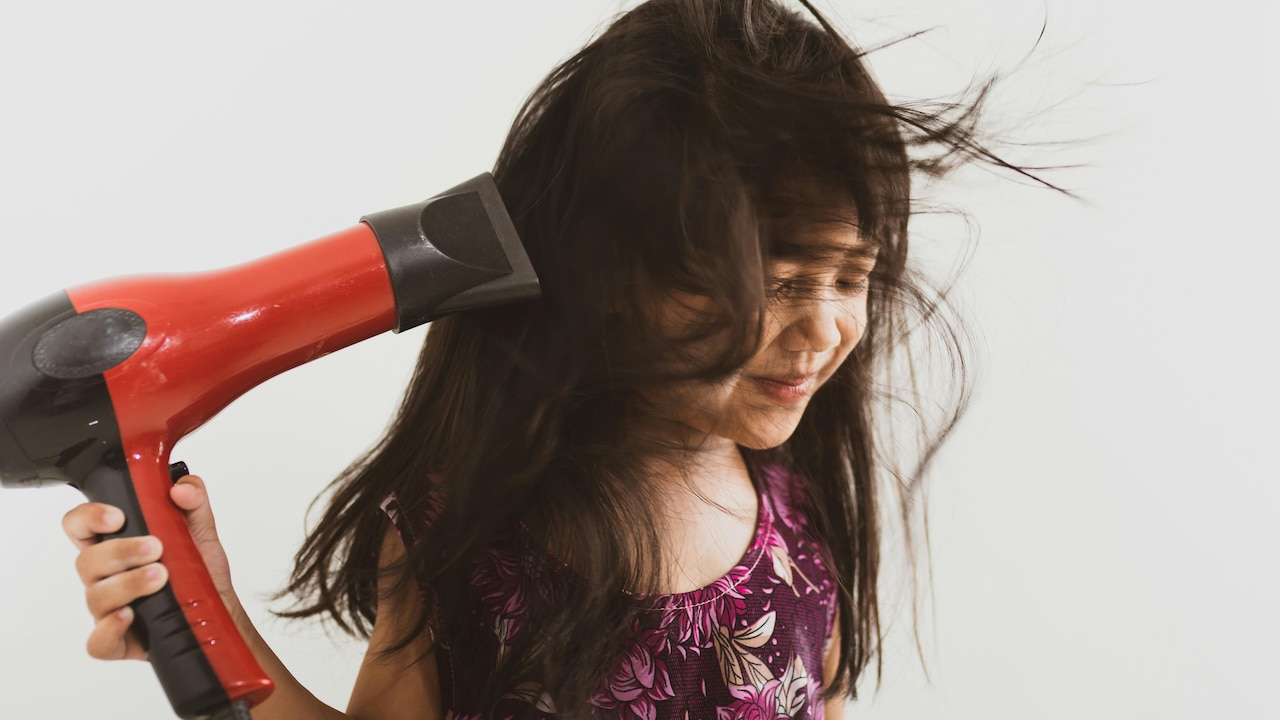
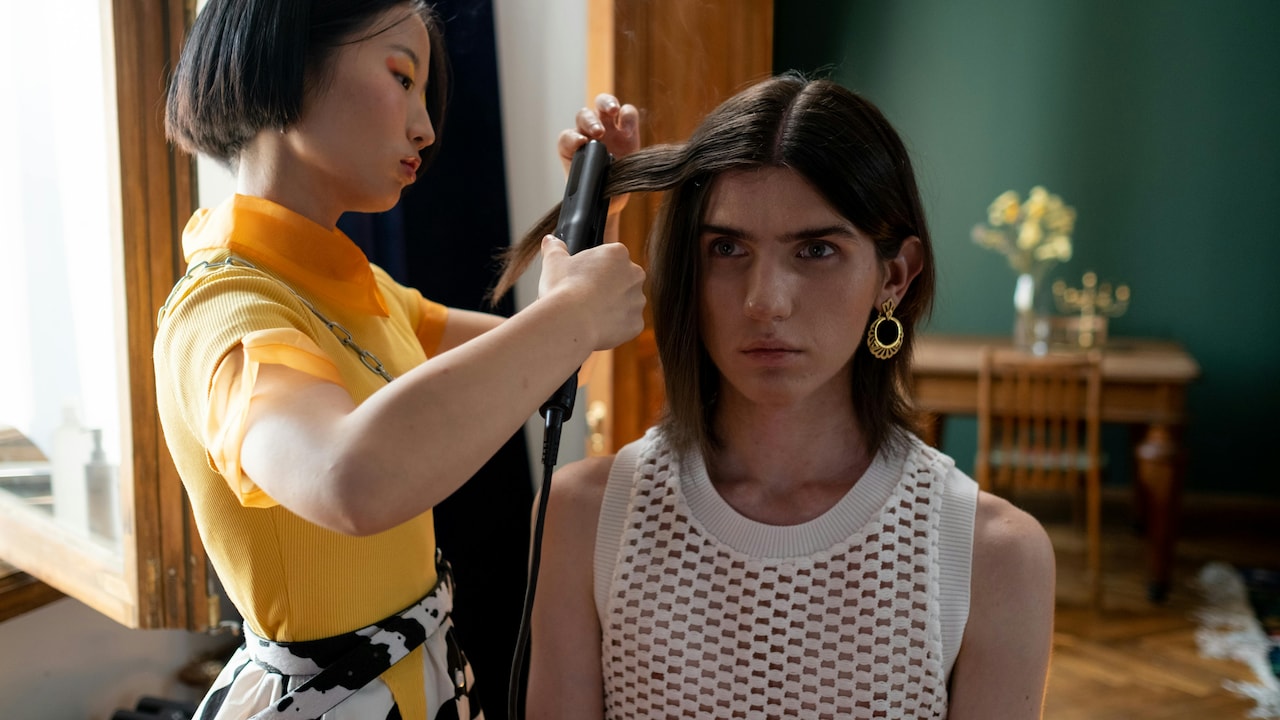
Hair straightener mistakes to avoid when styling your hair; Photo Credit: Pexels
The surprising part is that many consumers do not actually need such high temperatures in the first place. Marketing campaigns often glorify ultra-hot straighteners as more professional or effective. Some devices even heat up beyond 230 degrees Celsius, which sounds impressive but can seriously compromise hair health when used carelessly.
A rushed weekday morning routine often becomes the perfect recipe for damage. People crank up the heat to save time, straighten damp strands, or repeatedly clamp the same section to achieve a salon-like finish. These habits seem harmless in the moment, yet the long-term consequences can cost far more than the ₹3,000 or ₹5,000 spent on the appliance itself. Repair treatments, serums, trims, and hair spas quickly add up.
Understanding the common mistakes around heat settings can help prevent years of avoidable damage. Sometimes, healthier hair depends less on expensive products and more on smarter styling habits.
Also Read: Top 5 Travel Hair Straighteners Under ₹1500 For Effortless Look
Heat Habits That Quietly Ruin Hair Health
Using Maximum Heat For Every Hair Type
One of the biggest misconceptions around hair straighteners is the belief that higher heat equals better results. Many consumers automatically push the temperature to the highest setting without considering their hair texture. Fine, coloured, or chemically treated hair simply cannot tolerate extreme heat the same way thick, coarse strands can.
This habit resembles cooking chapatis on a full flame from start to finish. Technically possible, but disaster usually follows. Hair behaves similarly. Excessive heat strips moisture from the strands and weakens the outer cuticle layer. Over time, hair begins to look dull instead of sleek.
People often choose maximum heat because they feel impatient during busy mornings. The straightener glides faster, and the results appear dramatic at first. However, repeated exposure to temperatures above 200 degrees Celsius slowly fries the hair fibre. The ends become brittle, and breakage increases noticeably during combing.
Most hair types straighten perfectly well at moderate temperatures. Fine hair may only need 150 to 170 degrees Celsius, while thicker textures often respond well below 200 degrees. Yet many users skip reading the manual altogether and rely on guesswork.
Ironically, the glossy advertisement promising “salon-straight hair in seconds” rarely shows the long-term consequences. What begins as convenience often turns into expensive repair masks, hair fall serums, and emergency trims every few months.
Straightening Damp Hair In A Hurry
Few habits damage hair faster than using a straightener on damp strands. Despite constant warnings from stylists, countless people continue doing this during rushed mornings before work or college. The reasoning sounds simple enough. Drying hair properly takes time, and combining drying with straightening feels efficient.
Unfortunately, hair does not appreciate shortcuts.
When heat touches damp hair, the remaining water inside the strands rapidly turns into steam. That trapped steam weakens the hair shaft from within, almost like pressure building inside a sealed cooker. Tiny bubbles form inside the strands, causing irreversible structural damage. Experts even have a term for this condition: bubble hair.
The immediate signs usually include a sizzling sound or a faint burnt smell. Many people ignore these warning signs, assuming they are normal. In reality, the hair is practically begging for mercy.
Repeatedly straightening damp hair causes rough texture, severe dryness, and split ends that refuse to disappear even after trimming. Coloured hair suffers even more because moisture loss accelerates fading and brittleness.
The irony is painful. Consumers often spend ₹1,500 on nourishing hair masks while continuing habits that undo all the benefits within minutes. A proper blow-dry or air-dry may feel time-consuming, but it protects the hair from serious internal damage that no serum can fully reverse later.
Healthy styling routines require patience. Hair rewards consistency far more than speed.
Repeatedly Passing The Straightener Over The Same Section
Many people believe a single pass through the hair cannot possibly deliver salon-quality smoothness. As a result, they repeatedly glide the straightener over the same section five or six times. Some continue until the strand feels almost unnaturally flat.
This habit quietly causes cumulative heat damage.
Hair weakens each time direct heat touches it. Multiple passes expose the same strands to prolonged thermal stress, draining moisture and breaking down protective proteins. The damage may not appear immediately after one session, but repeated styling over weeks slowly transforms healthy hair into fragile strands prone to snapping.
The problem often begins with poor sectioning. Thick chunks of hair do not straighten evenly, so users compensate by making repeated passes. Smaller sections usually require fewer strokes and achieve smoother results with less damage.
Another overlooked issue involves impatience. People tend to move the straightener too quickly, forcing themselves to repeat the process again and again. Slower, controlled movements at moderate temperatures generally work better than aggressive repeated passes at extreme heat.
There is also a strange emotional satisfaction linked to perfectly sleek hair. Some users keep straightening tiny flyaways obsessively, especially before social gatherings or weddings. Yet the pursuit of flawless hair often creates the very frizz and breakage they hope to avoid later.
Hair styling should enhance appearance, not punish the strands into submission. Sometimes less really does look better.
Ignoring Heat Protectant Products Completely
Heat protectants often sit neglected on shelves while straighteners receive all the attention. Many consumers treat these sprays and creams as optional extras rather than essentials. Some skip them to save time, while others assume they are just another marketing gimmick.
That assumption proves costly.
Heat protectants create a lightweight barrier between the hair and the hot plates, reducing moisture loss during styling. While they cannot make hair invincible, they significantly lower the intensity of direct heat exposure. Without this barrier, hair absorbs the full impact of high temperatures almost instantly.
The difference becomes obvious over time. Hair styled regularly without protection tends to lose softness and elasticity far sooner. Strands begin to tangle more easily, and breakage increases around the crown and ends.
Many people hesitate to use protectants because they fear greasy or sticky results. Older formulas certainly deserved criticism, but newer products feel far lighter and work well even in humid weather. A few sprays can prevent months of damage.
The strange part is that consumers willingly spend ₹4,000 on premium straighteners but hesitate over a ₹500 heat protectant. That is rather like buying an expensive scooter and refusing to wear a helmet because it feels inconvenient.
Healthy styling depends on preparation. Heat protectants may not deliver dramatic overnight transformations, but they quietly preserve hair quality in the long run.
Choosing Cheap Straighteners With Poor Temperature Control
Budget shopping often feels satisfying until the appliance starts damaging hair beyond repair. Many inexpensive straighteners advertise high heat but fail to maintain consistent temperatures. Instead, the plates create uneven hot spots that scorch certain sections while leaving others poorly styled.
This inconsistency becomes dangerous over time.
Quality straighteners regulate heat evenly across the plates. Poorly designed tools fluctuate unpredictably, causing some strands to experience temperatures much higher than the display suggests. Hair ends up suffering silent heat burns without users understanding why their strands feel rougher after every session.
Consumers frequently fall for flashy packaging or unrealistic claims. A ₹999 straightener promising “professional salon results” may sound tempting during online sales, especially when influencers rave about quick styling routines. However, lower-quality plates often snag the hair, increasing friction and breakage alongside heat damage.
Ceramic or tourmaline-coated plates generally distribute heat more evenly and reduce harsh pulling. Adjustable temperature settings also matter enormously because different hair textures need different levels of heat.
Another hidden issue involves ageing appliances. Straighteners used for years sometimes develop damaged coatings or faulty heating systems. Yet many people continue using them out of habit, unaware that the tool itself has become part of the problem.
Hair tools should never resemble a gamble. Consistent, controlled heat protects hair far better than unpredictable bursts of extreme temperature.
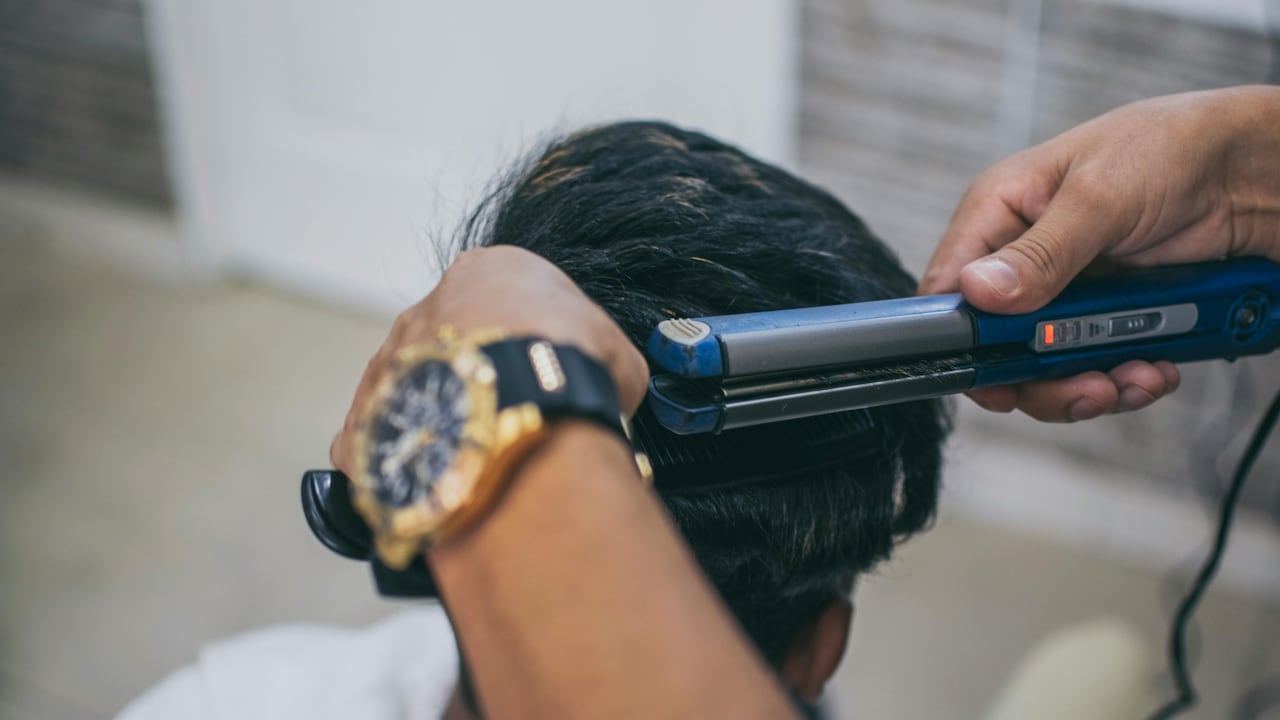
Aviod cheap straighteners with poor temperature control; Photo Credit: Pexels
Believing Salon Results Require Daily Straightening
Smooth, polished hair often becomes emotionally addictive. After seeing sleek results once, many people start straightening their hair daily before stepping outside. Over time, the routine feels less like styling and more like a necessity.
Unfortunately, hair rarely survives daily heat exposure gracefully.
Even when temperatures remain moderate, repeated heat application gradually weakens the protein structure of the strands. Hair loses natural bounce and begins depending entirely on styling tools for manageability. Ironically, frequent straightening can create more frizz in the long term because damaged cuticles struggle to retain moisture properly.
Social media adds pressure, too. Perfectly styled hair floods timelines every day, creating unrealistic expectations around appearance. Many consumers feel uncomfortable wearing natural textures, especially during office events or festive occasions.
The weather complicates matters further. Humidity causes hair to swell and frizz quickly, encouraging repeated touch-ups throughout the day. Some people carry mini straighteners in handbags like emergency beauty equipment.
The cycle becomes exhausting and expensive. Between electricity usage, salon repairs, serums, and trims, maintaining damaged hair costs far more than occasional styling ever would.
Hair deserves recovery days just as skin benefits from makeup-free evenings. Allowing natural texture to breathe occasionally reduces stress on the strands and restores moisture balance over time.
Perfectly sleek hair every single day may look impressive online, but healthier hair usually tells a far better story in real life.
Straightening Hair Without Proper Cleaning
Dirty hair and hot straighteners form a surprisingly damaging combination. Many consumers use styling tools on hair coated with oil, dry shampoo, sweat, pollution, or leftover styling products. The heat essentially cooks these residues onto the strands.
The results rarely stay pretty for long.
Product buildup interferes with smooth heat distribution and creates unnecessary friction during styling. Hair feels heavier, rougher, and more prone to breakage. Worse still, oils and residue can burn under extreme heat, leaving behind a faint unpleasant smell and increasing dryness.
City pollution adds another layer of trouble. Dust particles cling to hair throughout the day, especially during commutes. Applying direct heat over polluted strands weakens the cuticle layer and reduces shine.
Straightener plates also need regular cleaning, yet many users completely ignore maintenance. Over time, burnt residue accumulates on the plates and transfers unevenly back onto the hair. The straightener starts dragging instead of gliding smoothly.
This issue often appears after the wedding season or festive months, when styling products become unavoidable. Hair sprays, mousses, and serums may help hold hairstyles temporarily, but they should not remain layered beneath intense heat repeatedly.
Freshly washed hair does not merely look better after straightening. It responds more evenly to heat and experiences less stress overall. Clean tools and clean strands create healthier results with far less effort.
Sometimes basic maintenance matters more than expensive salon products.
Using Incorrect Techniques On Curly Or Textured Hair
Curly and textured hair requires a completely different approach to heat styling, yet many consumers treat all hair types exactly the same. This misunderstanding often leads to severe damage because textured hair naturally tends to be drier and more fragile.
Aggressive straightening techniques can quickly strip away the natural pattern and elasticity of curls. People often crank up the heat excessively because they assume textured hair needs “stronger” treatment to stay straight longer. In reality, extreme temperatures usually create dryness, breakage, and uneven texture instead.
Another common mistake involves skipping proper detangling before straightening. Tugging a hot straightener through knots increases mechanical damage dramatically. Hair snaps under pressure, especially around weaker ends.
The pursuit of ultra-flat hair also creates problems. Some users press the straightener tightly against the strands, trying to erase every hint of volume. The result often resembles flattened fabric rather than healthy hair with movement.
Textured hair responds better to gradual styling techniques, nourishing products, and controlled heat. Blow-drying gently before straightening usually reduces the number of passes needed later.
There is also an emotional side to this issue. Many people grow up hearing that sleek hair appears more polished or manageable. This pressure sometimes encourages harsh styling habits that ignore the beauty of natural texture altogether.
Healthy styling should enhance hair rather than erase its personality completely.
Neglecting Hair Recovery Between Heat Styling Sessions
Hair does not heal instantly after exposure to high temperatures. Yet many consumers continue straightening their hair repeatedly without giving the strands time to recover. The cycle becomes particularly intense during wedding season, festive months, or holiday travel when daily styling feels unavoidable.
Hair eventually reaches a breaking point.
Heat removes moisture and weakens proteins inside the strands. Recovery requires hydration, nourishment, and reduced stress. Without proper recovery periods, hair gradually loses resilience and starts snapping during brushing or tying.
Many people confuse temporary softness from silicone-based serums with genuine hair health. While these products create shine and smoothness, they cannot fully repair structural heat damage underneath. The hair may look healthy for a while, but still feel weak internally.
Simple habits make a noticeable difference. Overnight oiling, deep-conditioning masks, and limiting heat usage help restore elasticity gradually. Even something as basic as sleeping on a silk pillowcase reduces friction and breakage.
Scalp health matters too. Excessive heat near the roots can irritate the scalp and contribute to thinning around the hairline. Tight ponytails combined with heat styling worsen the issue further.
Consumers often focus entirely on styling results while forgetting that hair requires maintenance, much like skin or fitness routines. Consistency matters more than expensive miracle products.
Hair recovery may not deliver instant glamour, but it protects long-term strength and shine far better than endless styling ever could.
Assuming Expensive Straighteners Prevent All Damage
Premium hair tools often market themselves as “damage-free” or “safe for everyday use.” While high-quality straighteners certainly reduce some risks, no heated appliance can eliminate damage entirely. Unfortunately, many consumers interpret luxury branding as permission to style recklessly.
That misunderstanding leads to trouble.
Even advanced ceramic or infrared straighteners still expose hair to intense heat. The technology may distribute temperature more evenly or reduce frizz slightly, but excessive use continues weakening the hair structure over time.
People often become overconfident after investing ₹10,000 or more in premium devices. They skip heat protectants, increase styling frequency, or ignore warning signs like dryness and split ends because they trust the branding too much.
Marketing language contributes heavily to the confusion. Terms like “hydrating heat technology” or “healthy styling system” sound reassuring, but cannot override basic science. Hair proteins still break down under repeated thermal stress.
Another issue involves unrealistic expectations. Some consumers believe expensive straighteners should deliver pin-straight results in one quick swipe, regardless of hair texture. When that fails, they increase the heat unnecessarily.
A luxury appliance can certainly improve styling quality and reduce some mechanical damage. However, healthy habits matter far more than price tags alone. Gentle temperatures, proper preparation, and limited frequency remain essential regardless of how premium the tool appears.
Good styling tools help, but responsible usage protects hair the most.
Products Related To This Article
1. Philips India's No.1 Hair Styling Brand -Hair Straightener Brush
2. VEGA PROFESSIONAL Pro-Shine Titanium Hair Straightener
3. Havells Keratin Infused Hair Straightener Brush With Temperature Control For All Hair Types
4. SKMEI SK-328 Professional Hair Straightener
5. IKONIC Glam Hair Straightener For Women With Professional Cutting-Edge Floating
6. Bombae Hairess Ionic 3-In-1 Hot Air Brush Dryer
7. Ownair Hot Air Brush for Hair with Dryer
Hair straighteners have transformed everyday styling routines, offering convenience and confidence within minutes. Sleek hair can feel empowering before an important meeting, festive celebration, or dinner outing. Yet the hidden damage caused by improper heat settings often reveals itself slowly, long after the styling session ends.
The biggest problem rarely comes from the straightener alone. Most damage stems from habits consumers consider harmless. Using excessive temperatures, styling damp hair, repeating passes endlessly, or skipping heat protectants quietly weakens hair over time. Add daily styling and poor maintenance into the mix, and even naturally healthy hair begins losing strength and shine.
The good news is that prevention remains entirely possible. Smarter heat choices, cleaner techniques, and occasional recovery days can dramatically reduce damage without sacrificing style altogether. Healthy hair does not require abandoning straighteners forever. It simply demands balance.
After all, shiny hair should not come at the cost of broken strands scattered across the bathroom floor.
(Disclaimer: This article may include references to or features of products and services made available through affiliate marketing campaigns. NDTV Convergence Limited (“NDTV”) strives to maintain editorial independence while participating in such campaigns. NDTV does not assume responsibility for the performance or claims of any featured products or services.)