Why Spin Mops Can Leave More Residue On Textured Tiles
Spin mops often spread moisture and cleaning residue across textured tiles instead of removing it fully. Grooves trap dirt, detergent, and hard water stains, leaving floors dull, sticky, and streaky even after cleaning.
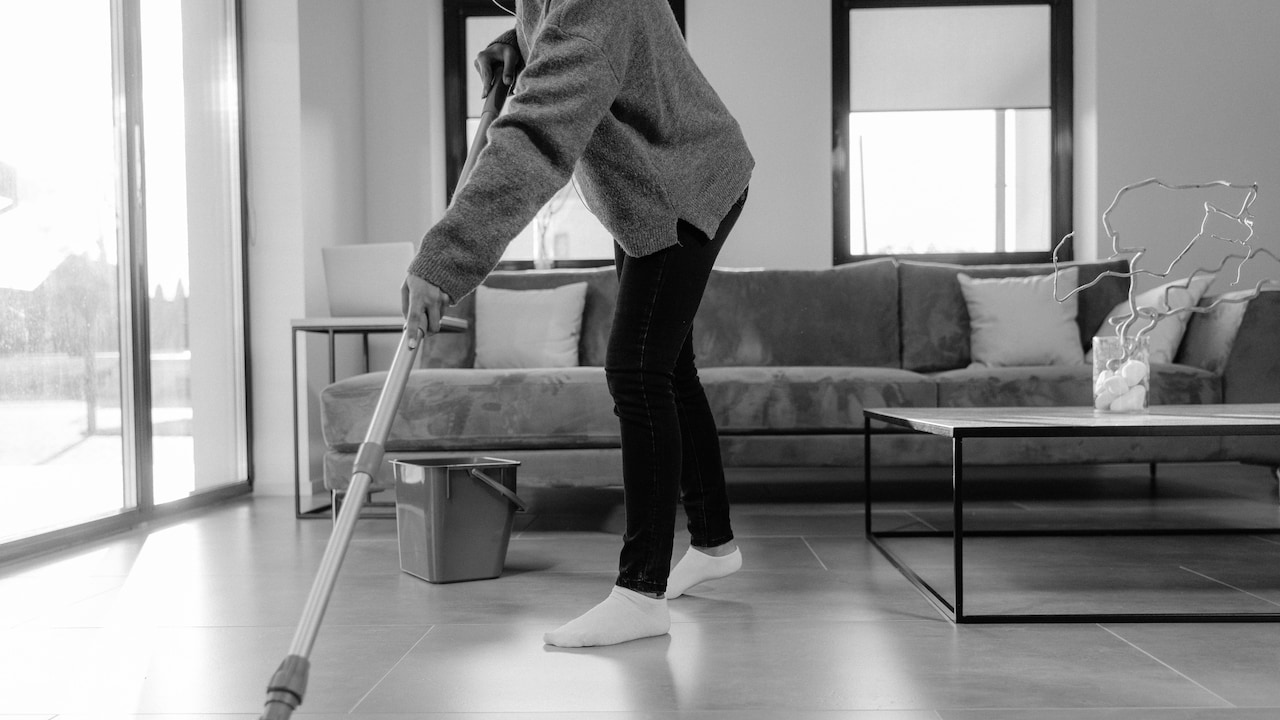
Why Textured Tiles Stay Sticky After Mopping With A Spin Mop
Few things feel more satisfying than a freshly cleaned floor. The faint smell of lemon disinfectant, the cool touch of tiles under bare feet, and the quiet confidence that the house finally looks put together can instantly lift the mood. Yet many households discover an annoying surprise after using a spin mop on textured tiles. Instead of spotless flooring, the surface ends up streaky, cloudy, or oddly sticky. At first glance, the spin mop seems innocent enough. It spins dramatically, removes dirty water, and promises quick drying. Television advertisements make it look almost magical. One quick whirl and the floor shines like a luxury hotel lobby. Reality, however, tends to arrive with muddy footprints, dull patches, and corners that still look suspiciously dusty.
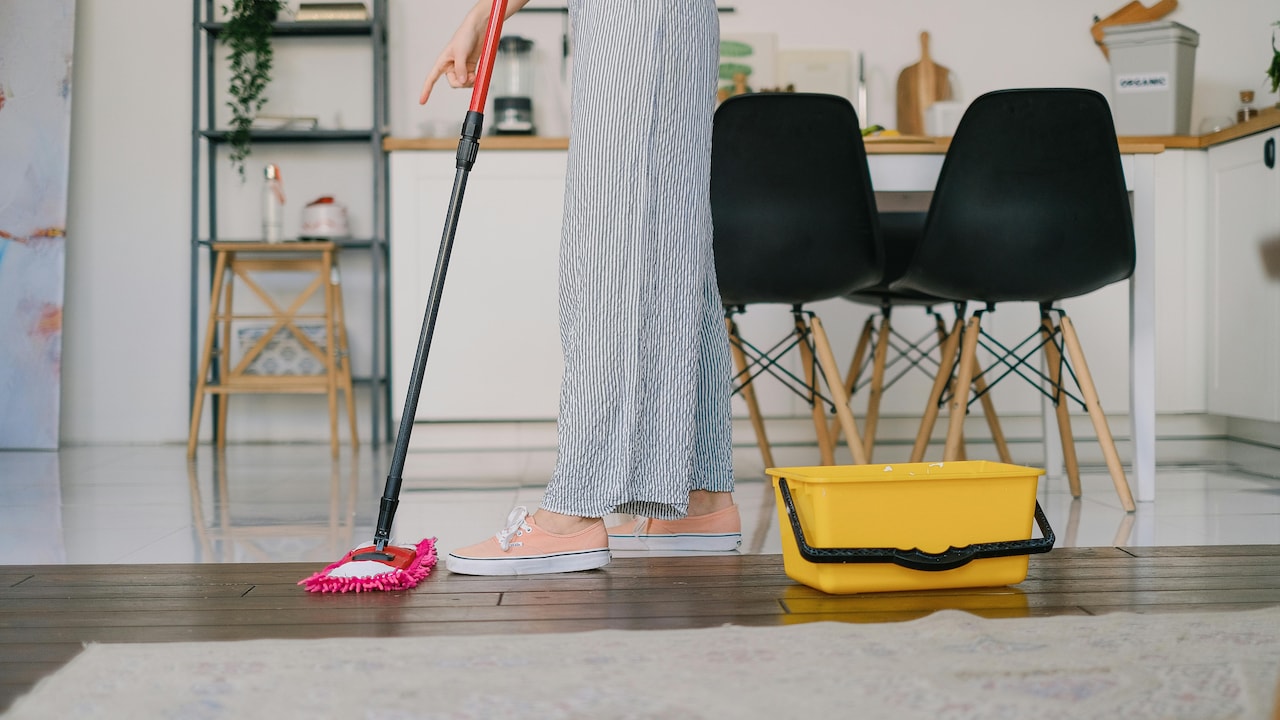
Why Textured Tiles Stay Sticky After Mopping With A Spin Mop; Photo Credit: Pexels
Textured tiles behave differently from smooth marble or vitrified surfaces. Their grooves, ridges, and uneven patterns trap grime in ways many cleaning tools struggle to handle. A spin mop often glides over the top while leaving hidden residue buried underneath. Over time, this build-up changes the appearance of the tiles and even affects hygiene. Many homeowners blame the tiles themselves, while others switch brands of cleaning liquid every month, hoping for a miracle. The real issue usually lies in the interaction between textured surfaces, moisture, and cleaning habits. Once that relationship becomes clear, maintaining clean floors becomes much easier and far less exhausting.
Why Textured Tiles And Spin Mops Often Clash
The Texture Traps Dirt More Easily
Textured tiles may look stylish, but they secretly behave like tiny dirt magnets. Every groove, bump, and crevice acts like a miniature storage compartment for dust, oil, and grime. While smooth tiles allow a mop to glide evenly across the surface, textured flooring interrupts that movement constantly.
A spin mop mainly cleans the raised portions of the tile. The fibres often fail to dig deep into the recessed patterns where dirt settles stubbornly. Imagine trying to clean the folds of a crumpled shirt with a single swipe. The visible surface may appear fresh, yet hidden grime remains untouched underneath.
This becomes especially noticeable during the monsoon season. Muddy footwear carries fine dust particles indoors, and textured tiles trap them quickly. Even after mopping, faint brown streaks or dull patches remain visible once the floor dries. Many people assume the mop missed a spot, though the real problem sits deeper inside the tile texture.
Kitchen areas face an even tougher challenge. Oil droplets from cooking settle gradually into those grooves. Over time, the floor develops a slightly sticky feeling despite regular cleaning. That frustrating sensation often comes from residue trapped below the visible surface rather than poor housekeeping.
The more textured the tile, the harder the cleaning process becomes. Spin mops work best on flatter flooring because the fibres maintain consistent contact. Uneven surfaces reduce that contact and leave dirt hiding in plain sight.
Also Read: Mop Buying Guide: Spin Mop Vs Flat Mop Vs Spray Mop: Which One Cleans Better?
Excess Water Creates A Sticky Film
Spin mops may remove some water during the spinning process, but they rarely leave the mop head completely dry. On textured tiles, that excess moisture becomes a significant problem. Water settles into grooves and takes longer to evaporate compared to smooth surfaces.
As the moisture sits there, it mixes with cleaning liquid and leftover dirt. Once the floor dries, the mixture forms a thin sticky film. This residue often appears as cloudy patches under natural sunlight or tube lights during the evening. Many people mop the same area repeatedly, unknowingly spreading the film even further.
In humid weather, the situation worsens dramatically. Floors stay damp for longer periods, especially in rooms with limited ventilation. A damp textured floor can even collect airborne dust more quickly, creating a cycle where the tiles seem dirty again within hours.
Some households use extra disinfectant, believing stronger solutions guarantee cleaner floors. Unfortunately, concentrated liquids leave behind even more residue when mixed with excess water. The floor may smell pleasant initially, but the sticky feeling underfoot soon returns.
A common scene plays out in many homes every weekend. Someone spends nearly an hour mopping carefully, only to hear a family member complain about “slippery floors” later in the day. The issue often comes down to trapped moisture rather than poor cleaning effort.
Reducing water usage helps significantly. Textured tiles respond better to controlled damp cleaning instead of soaking wet mopping. Unfortunately, spin mops tend to encourage the opposite because their large heads absorb and spread considerable moisture quickly.
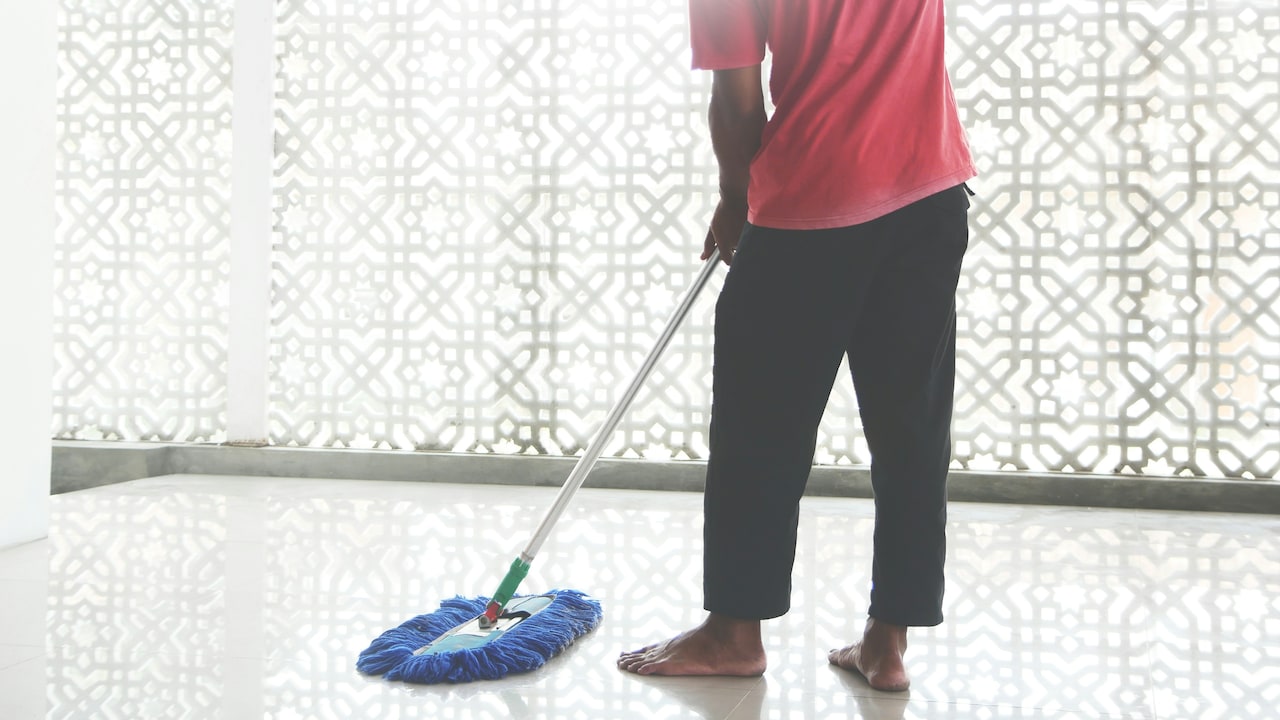
Why Textured Tiles Stay Sticky After Mopping With A Spin Mop; Photo Credit: Pexels
Cleaning Solutions Build Up Inside Grooves
Many floor cleaners advertise dazzling shine and long-lasting freshness. Yet textured tiles often react differently to these products. Instead of creating sparkle, the chemicals slowly collect inside grooves and leave residue behind.
Spin mops distribute cleaning liquid evenly across the surface, but textured tiles prevent proper rinsing. Tiny amounts of detergent remain trapped after every cleaning session. Over weeks and months, this build-up becomes visible as dullness or sticky patches.
The problem grows worse when strong cleaners enter the picture. Some households use extra liquid after festivals, family gatherings, or rainy days when floors look particularly dirty. While the intention makes sense, concentrated solutions rarely rinse away completely on textured flooring.
Soap-based products create another challenge. They produce a smooth shine initially, but repeated use forms a cloudy layer over time. Under sunlight, the tiles may appear faded despite frequent cleaning. It feels oddly unfair after spending ₹300 or ₹400 on premium floor cleaner bottles every month.
Hard water contributes to the issue, too. Minerals present in water combine with the detergent and settle into the textured surface. White streaks and faint chalky marks begin appearing near corners and edges. The mop spreads these minerals around instead of removing them entirely.
A simple bucket of clean water for occasional rinsing can make a surprising difference. However, many people skip this step because spin mops promote speed and convenience. The faster approach often sacrifices deeper cleaning, especially on textured surfaces that demand extra attention.
Mop Fibres Struggle To Reach Deep Crevices
Spin mops rely heavily on microfibre strands to lift dirt from floors. These fibres work beautifully on smooth surfaces because they maintain direct contact throughout the cleaning process. Textured tiles, however, present a more complicated challenge.
The fibres tend to glide over raised areas while missing deeper grooves entirely. Even when pressure increases, the mop head often bends unevenly across the tile surface. Some areas receive proper cleaning while others remain untouched beneath the fibres.
This uneven cleaning creates a patchy appearance once the floor dries. Certain sections look shiny and fresh, while nearby grooves still hold trapped grime. Under bright lighting, the difference becomes painfully obvious.
Bathroom floors reveal this issue particularly well. Soap residue and fine dirt collect around textured anti-slip tiles constantly. A spin mop may spread moisture across the area, yet stubborn grime remains hidden inside crevices. Over time, the floor develops darkened lines that seem impossible to remove.
Traditional scrubbing brushes often outperform spin mops on heavily textured flooring because their bristles penetrate deeper into grooves. Of course, scrubbing manually demands far more effort. Nobody feels enthusiastic about kneeling on the floor after a long workday.
This explains why many households experience disappointment despite investing in expensive spin mop systems. The product itself may function correctly, but textured tiles require more targeted cleaning methods. The mismatch between the tool and the surface creates the residue problem.
A mop designed for convenience cannot always replace deeper mechanical cleaning. Sometimes the old-fashioned brush waiting quietly in the bathroom corner still wins the battle.
Dirt Gets Spread Instead Of Removed
One hidden problem with spin mops involves redistribution. Rather than lifting dirt away completely, the mop often spreads fine particles across the floor repeatedly. On textured tiles, this becomes especially noticeable because grooves hold onto grime stubbornly.
The mop head absorbs dirt during cleaning, but unless rinsed thoroughly after every small section, it keeps transferring residue back onto the tiles. This creates a thin layer of grime that slowly builds up across the surface.
Large living rooms suffer most from this issue. By the time the mop reaches the final corner, the cleaning water already looks suspiciously grey. Yet many continue mopping because replacing the bucket of water repeatedly feels inconvenient. The result often resembles smearing rather than cleaning.
Children running indoors after playing cricket outside only add to the chaos. Fine dust particles mix with moisture and spread quickly across textured flooring. Even after mopping twice, faint marks remain visible near entrances and hallways.
Spin mops also encourage rapid cleaning motions. Quick swipes may save time, but they rarely allow enough friction to remove stubborn dirt trapped in grooves. The floor receives a surface-level wipe instead of proper cleaning.
Many homeowners notice the floor turning dull again within a day or two. That frustrating cycle usually means residue never left the surface completely in the first place. Instead, the dirt simply travelled from one section of the room to another.
Changing water frequently and rinsing the mop head thoroughly can improve results considerably. Without those steps, textured tiles often end up carrying yesterday's dirt disguised as today's cleaning.
Textured Tiles Dry Unevenly
Drying patterns play a major role in how residue appears on textured flooring. Smooth tiles dry uniformly because water spreads evenly across the surface. Textured tiles behave differently due to their uneven structure.
Moisture collects inside grooves and recessed patterns long after the raised sections dry. As the trapped water evaporates slowly, it leaves behind detergent residue and mineral deposits. This uneven drying creates blotchy marks that become visible under light.
Many people notice footprints appearing shortly after cleaning. The floor seems dry initially, but hidden dampness inside grooves transfers dirt easily when stepped on. It creates the strange feeling that the house became messy immediately after mopping.
During summer, ceiling fans speed up evaporation unevenly as well. Raised surfaces dry rapidly while recessed areas stay damp. This contrast highlights residue even more strongly. The tiles begin showing cloudy outlines or streaks despite recent cleaning.
Balconies and entrance areas face additional challenges because outdoor dust settles onto damp grooves quickly. A freshly mopped floor can lose its clean appearance within minutes if moisture remains trapped underneath.
Some homeowners attempt to solve the issue by using extra floor cleaner for added shine. Unfortunately, stronger chemicals often exaggerate drying marks rather than fixing them. The residue becomes more visible once sunlight hits the floor.
Proper airflow matters enormously for textured flooring. Opening windows or using cross ventilation helps moisture evaporate more evenly. Yet even with good airflow, excessive water from spin mops still increases the likelihood of patchy residue.
The tiles themselves are not defective. Their uneven texture simply changes how water behaves during the drying process.
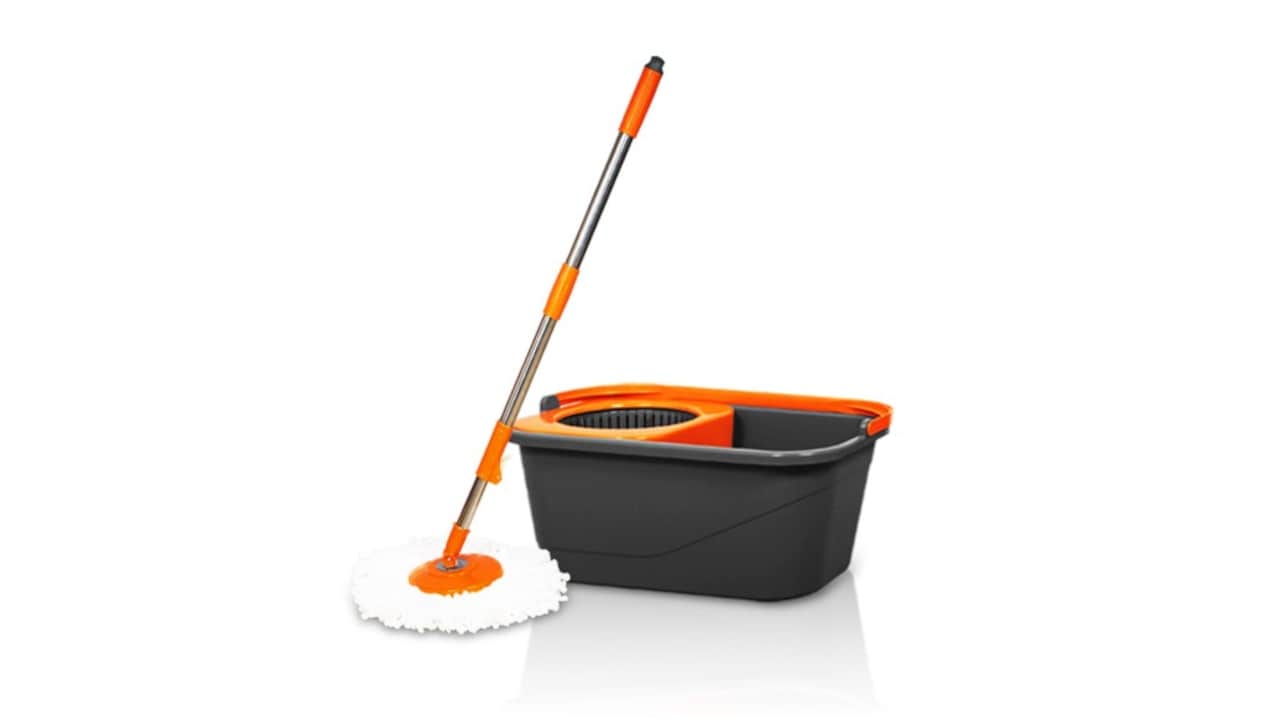
Why Textured Tiles Stay Sticky After Mopping With A Spin Mop; Photo Credit: Amazon
Hard Water Makes Residue Worse
Water quality rarely enters conversations about floor cleaning, yet it influences results more than many realise. Hard water contains minerals like calcium and magnesium that leave deposits behind after evaporation. On textured tiles, those minerals settle deeply inside grooves and become difficult to remove.
Spin mops spread water rapidly across large areas, increasing mineral distribution throughout the floor. Once the water dries, faint white streaks or chalky residue often remain visible. Dark-coloured tiles show these marks especially clearly.
Many households notice their floors looking clean immediately after mopping, but dull by evening. Hard water minerals quietly create that faded appearance over time. Even expensive cleaning liquids struggle against repeated mineral build-up.
Bathroom floors experience this issue constantly because moisture levels stay high throughout the day. Mineral deposits mix with soap residue and settle inside textured surfaces. Eventually, the floor develops a rough or cloudy appearance despite regular cleaning.
The situation becomes frustrating when new tiles lose their original shine within months. Homeowners may blame low-quality flooring, while the actual culprit flows directly from the tap every day.
Using filtered water for mopping may sound excessive initially, but some families swear by the difference. Even adding a small amount of vinegar occasionally can help reduce mineral residue naturally. Thankfully, that solution costs far less than replacing stained flooring later.
Spin mops themselves do not create hard water deposits. However, their cleaning method spreads mineral-rich water efficiently across textured surfaces where residue becomes trapped easily. The combination creates a perfect recipe for dull-looking floors.
Overuse Of Disinfectants Leaves Hidden Layers
Modern households love disinfectants. Shelves overflow with citrus fragrances, lavender formulas, and “99.9% germ-free” promises. While these products certainly serve a purpose, overusing them on textured tiles often backfires.
Spin mops encourage generous use of cleaning liquid because the mop head absorbs substantial moisture. Many people pour extra disinfectant into the bucket, hoping for stronger cleaning power. Unfortunately, textured tiles trap these chemicals inside grooves where they slowly accumulate.
At first, the floor smells wonderfully fresh. Within days, however, a slightly sticky layer appears underfoot. Dust begins clinging to the surface more quickly, making the floor seem dirty again despite constant mopping.
Children crawling on the floor sometimes notice this residue before adults do. Tiny hands collect fine dirt particles from sticky grooves surprisingly fast. Pets also tend to avoid overly chemical-heavy floors because residue affects their paws.
The irony feels almost comedic. A product meant to create hygiene can quietly attract more grime when used excessively. Many cleaning advertisements skip this uncomfortable detail entirely.
Strong fragrances also mask the early signs of residue build-up. The pleasant smell creates an illusion of cleanliness even while detergent layers remain trapped underneath. By the time visible streaks appear, several weeks of residue may already exist.
Using smaller amounts of cleaner usually delivers better results on textured flooring. Gentle cleaning with proper rinsing often outperforms heavily scented solutions. The floor may smell milder afterwards, but it usually stays cleaner for longer.
Quick Cleaning Habits Reduce Effectiveness
Busy schedules have transformed cleaning routines dramatically. Many households now prefer fast solutions that fit between office calls, school runs, and endless errands. Spin mops thrive in this environment because they promise speed and convenience.
Unfortunately, textured tiles rarely cooperate with rushed cleaning habits. Quick swipes across the floor often leave grime sitting comfortably inside grooves. Since the surface appears partially clean at first glance, the hidden residue goes unnoticed initially.
Weekend cleaning sessions reveal this issue clearly. People often mop the entire house rapidly before guests arrive, only to discover dull patches once the floor dries. The tiles may look acceptable from a distance, yet feel sticky or dusty up close.
Corners and edges suffer the most during rushed cleaning. Spin mop heads struggle to reach tight spaces properly, especially around furniture legs and skirting boards. Dirt gradually accumulates there and spreads outward during future mopping sessions.
Kitchen floors tell the story brilliantly. Tiny oil splatters near cooking areas settle into textured grooves daily. Without slower, focused cleaning, residue builds steadily over time. Eventually, the floor develops darkened patches that ordinary mopping cannot remove easily.
Convenience tools work best when paired with realistic expectations. A spin mop handles light maintenance well, but textured flooring occasionally demands slower and deeper cleaning methods. Ignoring that reality often leads to frustration.
The desire to finish chores quickly feels understandable. Nobody dreams about spending Sunday afternoons scrubbing floors. Yet textured tiles reward patience more than speed.
Residue Slowly Changes The Tile's Appearance
Residue build-up rarely appears dramatic overnight. Instead, the change happens gradually until one day the floor simply looks tired. Textured tiles lose their original vibrancy because trapped grime alters how light reflects across the surface.
Dark tiles may begin appearing dusty even immediately after cleaning. Lighter shades often develop yellowish or grey patches near high-traffic areas. The effect becomes especially noticeable around entrances, kitchens, and dining spaces.
Many homeowners assume ageing causes the dull appearance. While wear certainly contributes, residue plays a much larger role than expected. Layers of detergent, mineral deposits, trapped dirt, and moisture slowly coat the textured surface over time.
This build-up also affects the feel of the floor. Tiles that once felt crisp and clean begin feeling slightly tacky under bare feet. During humid weather, the stickiness becomes even more noticeable.
Professional deep cleaning services often shock homeowners with dramatic before-and-after results. Floors that looked permanently faded suddenly regain their original texture and colour once the residue is removed properly. Spending ₹2,000 or ₹3,000 occasionally on deep cleaning can sometimes restore tiles far better than replacing them entirely.
The key issue lies in maintenance habits rather than the tiles themselves. Spin mops provide convenience, but textured flooring requires extra attention to prevent gradual residue accumulation.
Understanding that relationship changes completely changes cleaning strategies. Instead of blaming the floor, homeowners can focus on reducing moisture, limiting chemical build-up, and cleaning grooves more effectively.
Products Related To This Article
1. Amazon Brand – Presto! Clean Steel Spin Mop
2. JIALTO 360° Spin Mop & Drop Bucket Deluxe System
3. Spotzero by Milton Prime Stainless Steel Wringer Spin Mop with Big Wheel
4. TEX-RO Spin Mop for Home Cleaning Floor with Bucket Set
5. Gala Aqua Spin Mop with 4 Wheels & Big Bucket with 2 Microfiber Refills
6. Chakaachak ECO Spin Bucket Mop
7. Presto! Spin Mop, Oval Bucket with Steel Basket
Spin mops remain popular for good reason. They save time, reduce physical effort, and make everyday cleaning feel less exhausting. On smooth flooring, they often perform brilliantly. Textured tiles, however, operate by different rules.
Their uneven surfaces trap dirt, moisture, detergent, and minerals far more easily than most people realise. A spin mop may clean the visible surface quickly while leaving hidden residue buried inside grooves. Over time, that build-up creates dullness, stickiness, streaks, and frustration that no amount of hurried mopping seems to fix.
The solution does not require abandoning spin mops entirely. Instead, textured flooring benefits from smarter habits. Using less water, reducing chemical overload, rinsing more thoroughly, and occasionally scrubbing deeply can make a remarkable difference. Even small adjustments help prevent residue from settling permanently into the surface.
Clean floors should feel satisfying rather than disappointing. Nobody wants to finish mopping only to stare at cloudy streaks fifteen minutes later while questioning every life decision involving tile choices and cleaning products.
Understanding why residue appears gives homeowners far more control over the problem. Once the hidden behaviour of textured tiles becomes clear, maintaining fresh and comfortable floors feels far less like a losing battle.
(Disclaimer: This article may include references to or features of products and services made available through affiliate marketing campaigns. NDTV Convergence Limited (“NDTV”) strives to maintain editorial independence while participating in such campaigns. NDTV does not assume responsibility for the performance or claims of any featured products or services.)