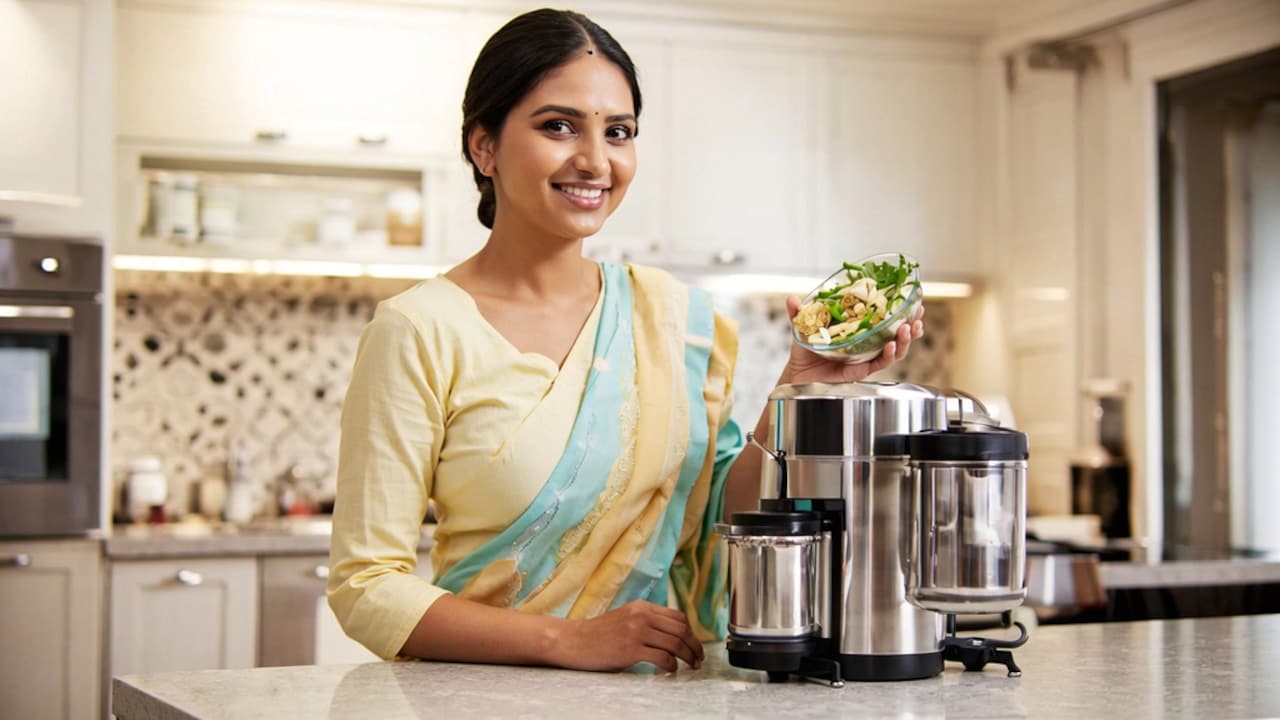
How To Pick Mixer Grinder Jar Sizes Based On Daily Cooking Habits
Choosing the right mixer grinder jar sizes can save time, reduce waste, and make daily cooking easier. This is how to match jar capacity with real kitchen habits and everyday recipes.
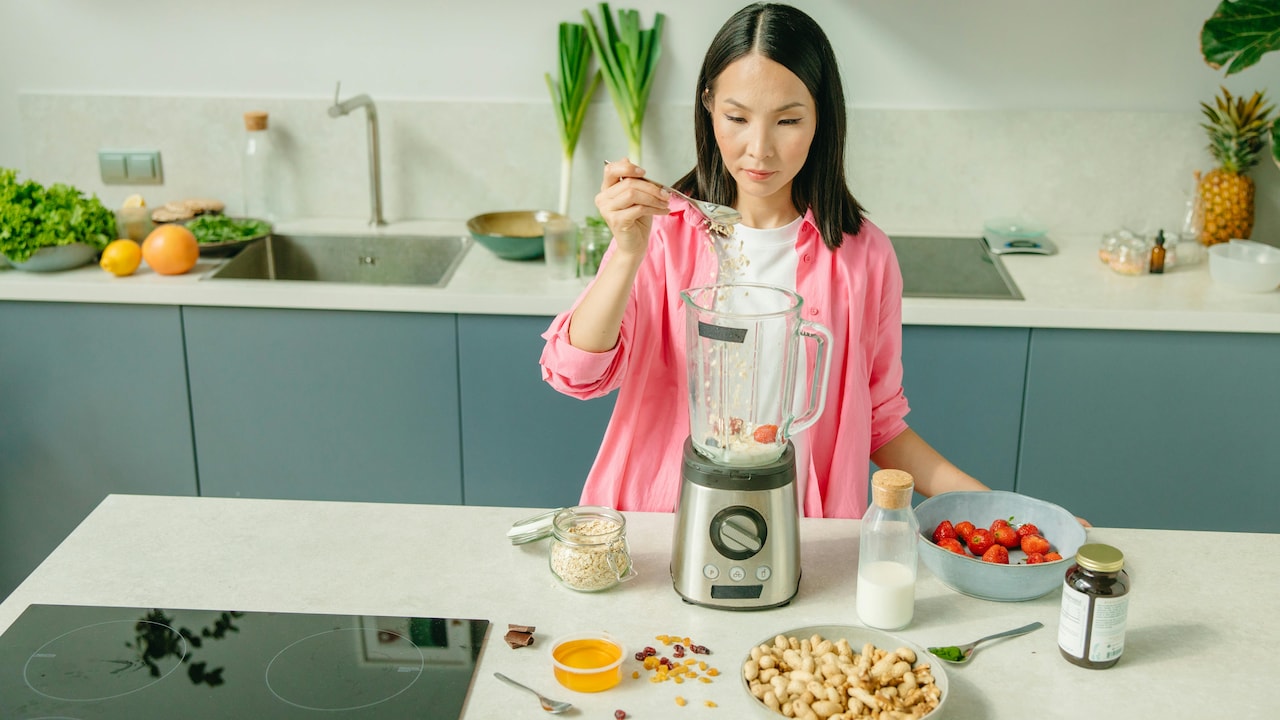
Things to know about mixer grinder jars before buying for yourself
Every kitchen has its own rhythm. Some homes wake up to fresh coconut chutney and filter coffee. Others survive on quick smoothies before the office rush. Then there are households where the mixer grinder almost sounds like background music during festivals, birthday dinners, or Sunday meal prep. Despite this, many buyers still end up confused while choosing mixer grinder jars. The sales pitch usually revolves around watts, speed settings, or shiny stainless steel finishes. Jar capacity barely gets attention. That is where things quietly go wrong.
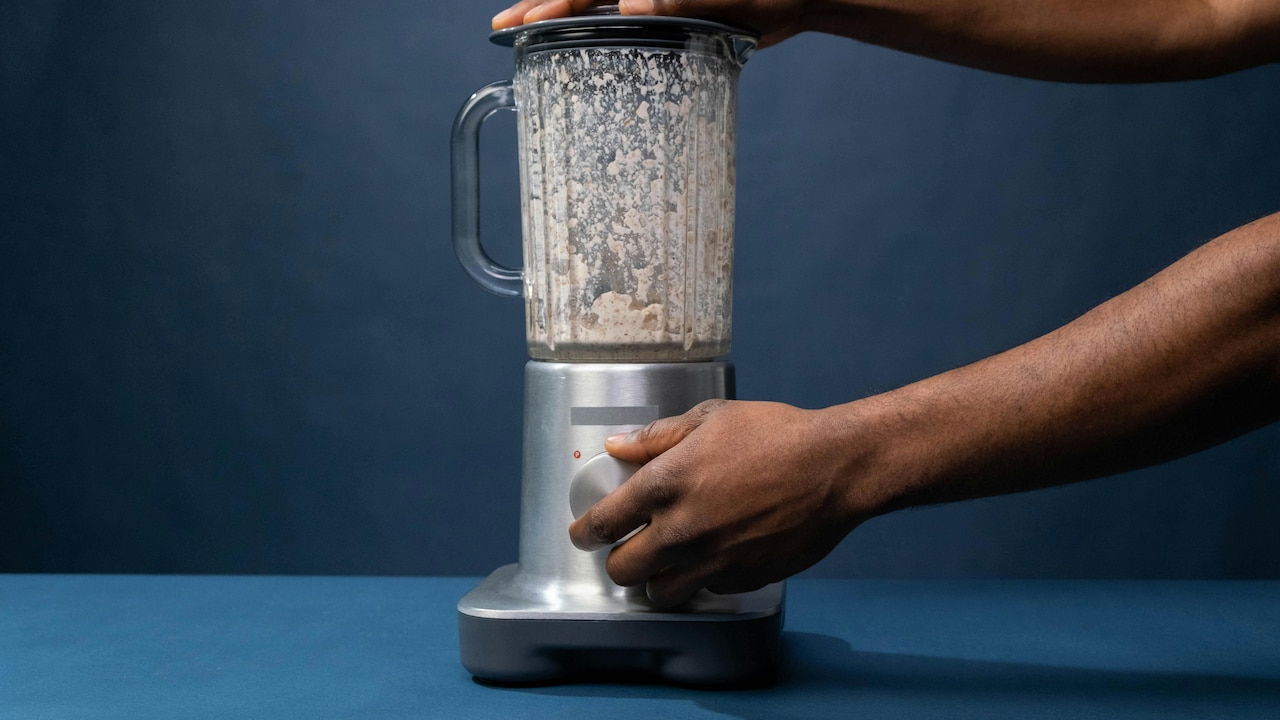
Tips to choose mixer grinder jars based on your cooking habits; Photo Credit: Pexels
An oversized jar may look impressive in the showroom, but grinding two cloves of garlic in it can feel like trying to wash a teaspoon in a bathtub. On the other hand, a tiny chutney jar may struggle when guests suddenly demand extra servings of coconut chutney with hot medu vadas. The kitchen then turns into a relay race of repeated grinding batches.
Choosing the right jar sizes is less about perfection and more about matching cooking habits honestly. Families that cook elaborate meals daily need something very different from students living on banana shakes and instant noodles. The ideal combination depends on how often cooking happens, how many people eat at home, and what recipes appear most often on the dining table.
The good news is that selecting suitable mixer grinder jars does not require technical expertise. It simply requires paying attention to everyday kitchen realities.
Also Read: 10 Top-Rated Mixer Grinders Under ₹3,000 For Daily Use
Understanding How Jar Sizes Shape Everyday Cooking
Small Chutney Jars Work Best For Fresh Daily Flavours
The smallest jar often becomes the unsung hero of the kitchen. Usually ranging between 300 ml and 500 ml, chutney jars handle quick tasks that larger jars simply cannot manage efficiently.
Fresh garlic chutney, mint chutney, ginger paste, green chilli paste, and dry masalas come out smoother in compact jars because the ingredients stay closer to the blades. In larger jars, tiny quantities tend to scatter around uselessly while the motor groans in frustration. That usually leads to opening the lid every thirty seconds and scraping ingredients down with a spoon. Nobody enjoys that drama during breakfast rush hour.
Smaller jars also save time and electricity. Grinding a handful of coriander leaves in a giant jar feels wasteful, especially when preparing quick weekday meals. Compact jars require less cleaning, too, which matters after a long day when the sink already looks like a battlefield.
For smaller households or couples, a chutney jar may become the most frequently used attachment. It handles spice blends, pesto-style pastes, coffee beans, and even tiny portions of baby food comfortably. Some people even use it for crushing cardamom during chai preparation.
The key lies in honesty about cooking quantity. If fresh chutneys appear daily on the table, a sturdy small jar becomes essential rather than optional.
Medium Jars Suit Everyday Cooking Better Than Giant Ones
Medium-sized jars usually range from 700 ml to 1 litre. This category quietly handles most daily kitchen work without attracting much attention. Yet for many households, it turns out to be the most practical choice.
These jars comfortably grind onion-tomato masalas, dosa batter for two or three people, curry pastes, and milkshakes. Unlike oversized jars, they do not force ingredients to spread thinly across the walls. At the same time, they offer enough capacity to avoid repeated grinding batches.
Many buyers make the mistake of choosing extremely large jars, assuming “bigger means better.” Reality often says otherwise. A giant jar filled halfway may produce uneven grinding. Ingredients bounce around awkwardly while the blades struggle to catch everything properly.
Medium jars strike a useful balance. They suit households where cooking happens regularly but not on a wedding-catering scale. Morning smoothie lovers, busy parents preparing school lunch accompaniments, and home cooks experimenting with gravies usually benefit most from this size.
There is also a comfort factor involved. Medium jars feel easier to hold, clean, and pour from. Nobody wants wrist pain after making a simple mango shake. Some oversized jars become surprisingly heavy once filled, especially with thick batter.
For homes where cooking patterns constantly shift between quick weekday meals and relaxed weekend experiments, medium jars usually emerge as the safest all-around choice.
Large Jars Make Sense Only For Certain Cooking Styles
Large jars, generally above 1.5 litres, look impressive on kitchen counters. They promise grand possibilities, massive quantities of batter, festive preparations, and endless smoothies. But they only make sense when cooking habits genuinely demand them.
Families that regularly prepare idli or dosa batter for five or more people benefit enormously from large jars. Grinding in one batch saves time and prevents motor overheating. The same applies during festive seasons when spice mixes, purees, and dessert preparations multiply rapidly.
Large jars also work beautifully for households that enjoy batch cooking. Preparing large quantities of gravy base over the weekend can simplify weekday dinners. Smoothie enthusiasts who blend fruits for the entire family may appreciate the extra capacity, too.
However, large jars lose practicality in smaller homes. Grinding tiny portions becomes difficult. Cleaning takes longer. Storage becomes awkward in compact kitchens where every inch matters. Some kitchens already resemble a crowded local train during dinner prep. Adding oversized jars only increases the chaos.
There is also the issue of weight. A fully loaded large jar can become surprisingly cumbersome, especially for elderly users. Pouring thick batter without spilling often turns into an accidental arm workout.
The smartest approach involves asking one simple question: Does the kitchen genuinely prepare large quantities regularly? If the answer is no, a giant jar may end up gathering dust beside forgotten diet plans and unused roti makers.
Families Should Match Jar Sizes To Meal Patterns
Family size alone does not determine ideal jar capacity. Meal patterns matter just as much. Two households with four members may require completely different jar combinations depending on cooking habits.
One family may prepare fresh meals three times daily with elaborate gravies, spice pastes, and homemade snacks. Another household may mostly cook simple dinners while relying on quick breakfasts and outside lunches. Their mixer grinder usage naturally differs.
Homes where traditional breakfasts dominate often require larger wet grinding jars. Dosa batter, coconut chutney, and soaked lentil mixtures demand enough space for smooth blending. In contrast, households that prefer quick sandwiches and tea may barely use large jars at all.
Children influence jar usage, too. Homes with young kids often prepare milkshakes, fruit purees, and snack dips regularly. Teenagers obsessed with protein shakes somehow transform the mixer grinder into gym equipment. Suddenly, the medium jar works overtime every evening.
Joint families usually benefit from at least one genuinely large jar because cooking quantities increase dramatically during gatherings. The mixer grinder almost becomes a festival companion during celebrations.
Rather than blindly copying neighbours or relatives, buyers should observe actual kitchen routines for a week. Which recipes appear repeatedly? How often does grinding happen? Are meals cooked fresh or in batches? Those answers reveal the most suitable jar sizes far better than showroom demonstrations ever could.
Frequent Entertainers Need Larger Capacity Options
Some households seem permanently prepared for surprise guests. A casual evening tea somehow turns into a mini gathering complete with pakoras, chutneys, milkshakes, and endless conversation. In such homes, jar size suddenly becomes extremely important.
Frequent entertainers benefit from larger jars because small batches quickly become exhausting during social occasions. Grinding mint chutney three times while guests politely pretend not to notice the kitchen chaos can test anyone's patience.
Larger jars help streamline preparation for parties, festive dinners, and family get-togethers. Tomato puree for paneer gravy, masalas for biryani, or large batches of cold coffee become much easier to handle. The kitchen feels less stressful when fewer grinding rounds are needed.
However, balance still matters. Even enthusiastic hosts should avoid relying only on oversized jars. A good combination works better. Large jars handle party prep, while smaller jars manage regular daily tasks efficiently.
Some households also prepare snacks and spice mixes in advance before festivals. Grinding roasted spices, dry fruits, and masalas in larger quantities saves significant effort. During festive cooking marathons, a suitable large jar can feel almost heroic.
There is also a psychological comfort involved. Knowing the mixer grinder can handle unexpected guests without collapsing into multiple exhausting batches creates genuine relief. Nobody wants appliances throwing tantrums while relatives wait impatiently for fresh chutney.
For social households, investing in at least one dependable large-capacity jar usually proves worthwhile over time.
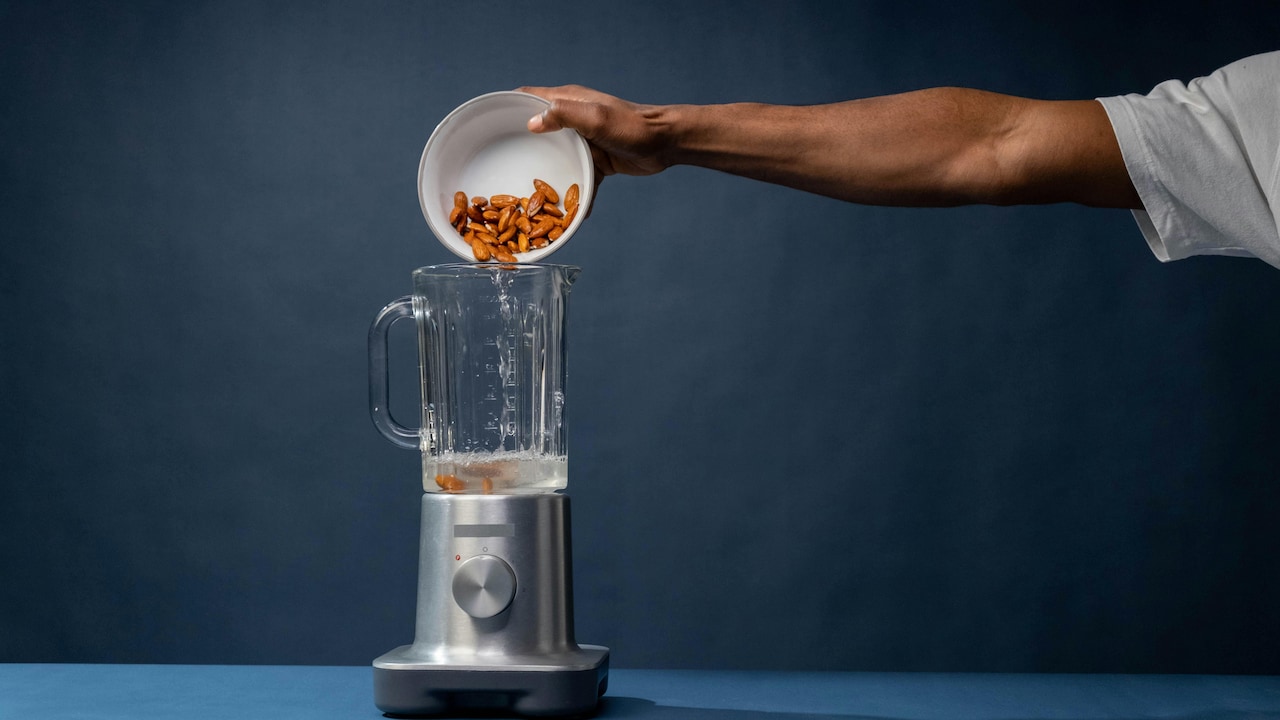
Frequent users need jars that offer larger capacities; Photo Credit: Pexels
Compact Kitchens Benefit From Smarter Jar Choices
Kitchen space influences jar selection more than most people realise. In many flats, countertop space feels more valuable than gold jewellery. Every appliance competes fiercely for survival.
Bulky jars may look attractive in advertisements, but storing them inside cramped cabinets often becomes frustrating. Lids disappear mysteriously. Stacked jars tumble dramatically whenever someone reaches for turmeric powder. The entire arrangement resembles a kitchen version of Jenga.
Compact kitchens benefit from practical, stackable jar combinations rather than unnecessarily large collections. Two or three versatile jars usually work better than five awkwardly sized attachments gathering dust in corners.
Smaller and medium jars also fit comfortably under compact sinks for cleaning. Huge jars become inconvenient when washing space remains limited. Even drying them properly can turn into a balancing act.
Weight matters too in smaller kitchens. Lighter jars move around more comfortably during rushed cooking sessions. Nobody wants to perform acrobatics while transferring hot masala paste across a crowded countertop.
Storage-friendly designs help significantly. Some mixer grinder brands now offer nested jars or slimmer profiles designed specifically for urban homes. Such details genuinely improve daily convenience.
Practicality should always outweigh showroom glamour. A compact kitchen requires efficiency, not oversized equipment designed for massive cooking operations. The smartest buyers choose jars that fit naturally into everyday movement patterns rather than forcing the kitchen to adapt around the appliance.
Smoothie Lovers Need Different Jar Priorities
The growing obsession with smoothies, protein shakes, and cold coffee has quietly changed mixer grinder usage in many homes. Suddenly, traditional chutney-focused jar combinations no longer suit everyone.
Smoothie enthusiasts often require tall, medium or large jars that create better liquid circulation during blending. A tiny chutney jar struggles badly with frozen fruits, nuts, oats, and thick milkshake ingredients. Ingredients jam awkwardly while the motor sounds increasingly offended.
Households where breakfast means banana shakes and almond smoothies usually benefit from jars with a capacity of around 1 litre. That size allows enough movement for smoother blending without overflowing dramatically onto countertops. Nobody wants a strawberry smoothie decorating the kitchen walls before work.
Fitness-focused users should also consider the jar shape carefully. Taller jars generally blend liquids more evenly compared to very wide ones. Protein powders dissolve better, and ice crushes more effectively.
Cleaning convenience matters hugely here because smoothie jars often see daily usage. Sticky residues from mangoes, peanut butter, and dates can become annoying if the jar design feels awkward.
Some people also prepare cold coffee or milkshakes for the entire family during summer evenings. Larger blending jars help avoid multiple rounds of preparation while impatient children hover nearby, demanding extra chocolate syrup.
The ideal jar setup changes completely once beverages become the primary use instead of traditional grinding. Understanding that difference prevents disappointment after purchase.
Heavy Spice Grinding Requires Durable Mid-Sized Jars
Certain kitchens treat spice grinding almost like a sacred ritual. Fresh garam masala, roasted coriander powder, red chilli blends, and homemade masalas bring an unmatched aroma to cooking. But spice grinding places unique demands on mixer grinder jars.
Very small jars may overheat during heavy dry grinding. Extremely large jars often fail to grind spices evenly unless filled generously. Mid-sized sturdy jars usually perform best because they balance blade movement with ingredient concentration.
Durability matters enormously here. Hard spices create significant friction and pressure during grinding. Weak plastic lids or thin steel bodies often show wear surprisingly quickly. Buyers who regularly grind spices should prioritise robust construction over fancy appearance.
Dry grinding also generates heat. Good-quality medium jars handle this stress more effectively while maintaining flavour quality. Nobody wants burnt-smelling cumin powder after spending ₹500 on premium whole spices.
Households that prepare masalas in bulk every month particularly need dependable jar strength. Repeated grinding sessions can punish weaker models. During festive seasons, spice grinding almost becomes a marathon event involving cinnamon, cloves, peppercorns, and endless roasted ingredients.
The smell alone transforms the kitchen into something magical. Freshly ground spices drifting through the house can make even neighbours curious about dinner plans.
For serious home cooks, a reliable mid-sized dry grinding jar often becomes more valuable than oversized multipurpose options that attempt to do everything poorly.
Students And Small Households Should Avoid Overbuying
Many first-time buyers assume purchasing the largest mixer grinder available guarantees long-term value. Yet students, working professionals, and smaller households often end up overwhelmed by oversized setups.
A compact kitchen routine rarely needs giant jars. Quick chutneys, occasional smoothies, milkshakes, and basic curry pastes usually require only small and medium capacities. Huge jars consume storage space while staying untouched most of the week.
Cleaning also becomes easier with smaller jars. After exhausting office hours, nobody feels excited about scrubbing giant containers simply because two bananas needed blending earlier. Simplicity matters more than ambition in busy urban lifestyles.
Budget plays a role, too. Choosing practical jar combinations often saves money without sacrificing usefulness. Spending ₹8,000 on massive jar sets makes little sense if daily cooking barely extends beyond omelettes and evening coffee.
Portion control improves as well. Smaller jars encourage fresher preparation instead of storing leftovers endlessly inside refrigerators. Fresh chutneys and masalas generally taste better anyway.
Many young professionals eventually discover that the medium jar becomes their constant companion while the largest attachment quietly retires into cabinet exile. It sits there beside unused baking trays and forgotten juicer parts, collecting silent disappointment.
The smartest approach involves buying for present cooking habits rather than imaginary future lifestyles. Kitchen needs evolve naturally over time. Appliances should support reality, not unrealistic aspirations.
Multipurpose Jar Combinations Offer The Best Flexibility
The most practical mixer grinder setup rarely involves one perfect jar. Instead, flexibility comes from combining sizes intelligently based on cooking routines.
A small chutney jar paired with a dependable medium jar suits most households comfortably. Adding one larger jar helps during gatherings, festive cooking, or batch preparation. This combination handles everything from tiny garlic paste portions to family-sized dosa batter without unnecessary compromise.
Versatility becomes especially valuable because cooking habits constantly evolve. Someone obsessed with smoothies today may suddenly become passionate about homemade curry pastes six months later, after watching food videos online at midnight.
Multipurpose combinations also reduce wear on individual jars. Using the right size for specific tasks improves grinding quality and extends appliance life. Overloading small jars or underfilling giant ones creates unnecessary strain.
Convenience improves dramatically, too. Different family members often prefer different recipes and routines. One person may prepare protein shakes while another grinds chutneys daily. Multiple jar sizes keep kitchen traffic moving smoothly.
There is also a subtle satisfaction in having the correct tool for each cooking task. Grinding tiny spice quantities in an enormous jar feels oddly irritating, much like wearing wedding clothes to buy vegetables from the market.
Balanced jar combinations create smoother kitchen experiences overall. The appliance stops feeling like a compromise and starts fitting naturally into everyday cooking rhythms.
Products Related To This Article
1. Ninja Blast Portable Cordless Blender
2. YFL Home by Chef Sanjyot Keer BlendLab Pro 2.0 Mixer Grinder
3. Longway Super Pro Juicer Mixer Grinder
4. Philips Stainless Steel Mixer Grinder + Food Processor
5. Sujata MG03 Mixer Grinder
6. Preethi Zodiac Glitter MG 261, 750 Watt Mixer Grinder
7. Bajaj 500 Watt GX-1 Mixer Grinder with 3 Jars- white
Choosing mixer grinder jar sizes should never feel like solving a complicated engineering puzzle. The answer already exists inside everyday kitchen habits. The foods cooked regularly, the number of people eating at home, available kitchen space, and preparation style all quietly reveal the ideal setup.
Small jars shine for fresh chutneys and spice pastes. Medium jars handle everyday cooking beautifully. Large jars prove valuable for bigger families, entertaining, and batch preparation. The smartest buyers focus less on showroom glamour and more on practical comfort.
A mixer grinder works hardest when it matches real life instead of unrealistic expectations. The right jars save time, reduce frustration, and make cooking feel smoother rather than stressful.
And perhaps that matters most of all. Because in many homes, the kitchen is not just about recipes. It is where rushed breakfasts happen before work, evening chai conversations stretch longer than expected, and festival aromas drift through every room. A thoughtfully chosen mixer grinder quietly becomes part of those moments, one perfectly sized jar at a time.
(Disclaimer: This article may include references to or features of products and services made available through affiliate marketing campaigns. NDTV Convergence Limited (“NDTV”) strives to maintain editorial independence while participating in such campaigns. NDTV does not assume responsibility for the performance or claims of any featured products or services.)