Why Non-Stick Cookware Peels Early: A Simple Guide To Coating Types And Durability
Non-stick pans shouldn't peel for months. Learn how different non-stick coatings work, why they fail early, and how to choose cookware that actually lasts in everyday kitchens.
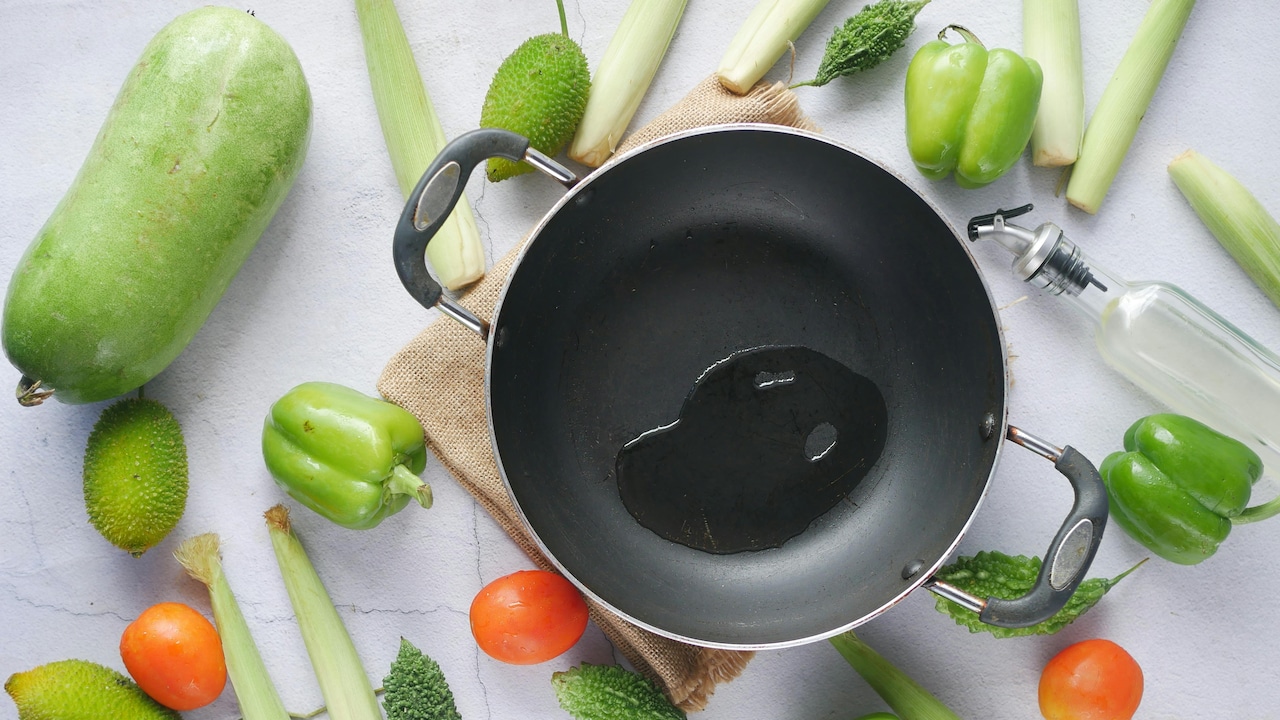
Your Non-Stick Cookware Peeling Too Soon? Non-Stick Coating Types And Durability Explained.
Non-stick cookware has quietly become the backbone of everyday cooking. From hurried weekday breakfasts to elaborate Sunday lunches, these pans promise ease, speed, and fewer scrubbing sessions. Yet many households share the same complaint whispered over chai: “This pan barely lasted a year.”
Peeling non-stick coating feels like betrayal, especially after careful use and a decent price tag. The truth sits somewhere between marketing claims, coating science, and how cookware fits into real kitchens. Heat, utensils, storage habits, and even water quality play roles that rarely make it onto product boxes.
Understanding non-stick coatings does more than prevent frustration. It helps choose smarter, cook safer meals, and stretch money further. This article breaks down coating types, durability myths, and everyday mistakes, all in plain language that makes sense at the stove, not in a lab. Because cookware should make cooking joyful, not suspicious.
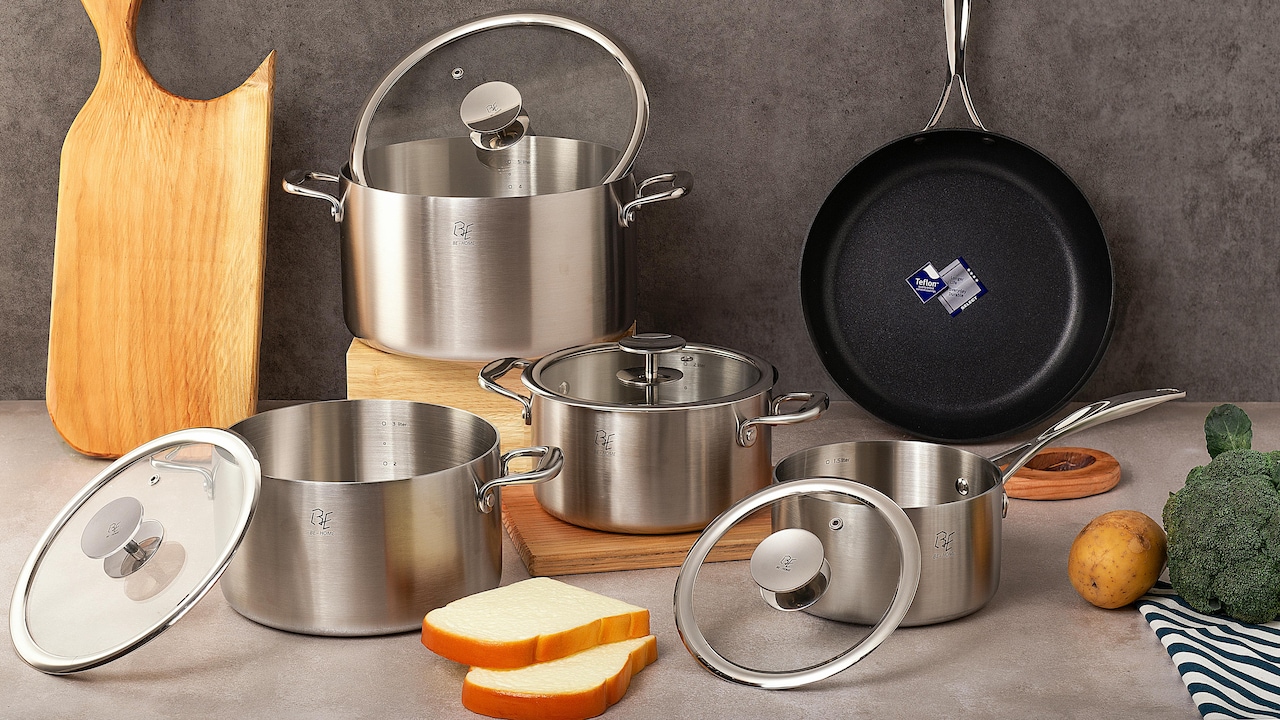
Non-Stick Explained: Coating Types, Lifespan And Why They Start Peeling; Photo Credit: Pexels
Before Blaming the Pan: What Determines Non-Stick Durability
1. Why Non-Stick Cookware Peels Faster Than Expected
Non-stick pans rarely peel overnight. The damage builds quietly, meal after meal. High heat ranks as the biggest culprit. Many non-stick coatings cannot handle empty preheating or roaring flames, yet that habit remains common when speeding up cooking.
Metal spatulas scrape more than food. Even gentle taps create tiny scratches that widen over time. Add harsh scouring pads and strong dishwashing liquids, and the coating barely stands a chance.
Another overlooked factor lies in unrealistic expectations. Non-stick cookware does not age like cast iron. It offers convenience, not immortality. Budget pans often use thinner coatings, which wear faster despite careful handling.
Water also plays a sneaky role. Hard water leaves mineral residue that affects coating performance when pans air-dry repeatedly.
Peeling feels sudden, but it reflects a slow story of heat stress, friction, and daily shortcuts. Recognising this helps shift blame away from mysterious defects and towards manageable habits.
2. PTFE Coatings: The Most Common and Most Misunderstood
PTFE-based coatings dominate the non-stick market. Known for their ultra-smooth surface, they allow food to glide effortlessly with minimal oil. When new, these pans feel almost magical.
Durability, however, depends heavily on quality and use. Multi-layer PTFE coatings last longer than single-layer versions found in cheaper cookware. Thickness matters more than brand names printed boldly on packaging.
Heat sensitivity remains PTFE's weakness. Temperatures above recommended levels cause micro-damage, even if no visible peeling appears immediately. Over time, that damage surfaces as bubbling or flaking.
Despite myths, PTFE remains safe for everyday cooking when used correctly. The real issue lies in the mismatch. These pans suit low-to-medium heat cooking, not aggressive searing or unattended preheating.
Understanding PTFE's strengths and limits prevents disappointment. It performs beautifully when treated gently and fails quickly when pushed beyond its comfort zone.
Also Read: 6 Best Non-Stick Cookware That Lasts Longer: Durable Picks With Better Coating
3. Ceramic Coatings: Stylish, Safer, but Short-Lived?
Ceramic-coated cookware attracts attention with pastel colours and claims of being chemical-free. These pans appeal to health-conscious buyers and look stunning on modern stovetops.
Initially, ceramic coatings offer decent non-stick performance. Eggs slide easily, and cleaning feels effortless. The honeymoon phase, sadly, often ends sooner than expected.
Ceramic coatings lose non-stick properties faster than PTFE. Heat causes the surface to dry out, making food stick even without visible peeling. This decline feels confusing because the pan still looks intact.
Durability varies widely between brands. Some use reinforced ceramic layers that last longer, while others focus more on aesthetics than performance.
Ceramic works best for light cooking with moderate heat and proper oil use. It suits households that cook gently and replace cookware more often. Expecting ceramic to match PTFE longevity leads to frustration, not better cooking.
4. Hard-Anodised Cookware: Tougher Than Non-Stick?
Hard-anodised cookware earns a reputation for strength. Aluminium undergoes a special process that hardens the surface, making it more resistant to scratches and warping. Many versions also include a non-stick coating on top.
This combination offers better durability than standard non-stick pans. The base handles heat well, while the coating benefits from added protection. Peeling occurs less frequently when compared to thinner alternatives.
However, hard-anodised cookware still needs care. Metal utensils can damage the coating layer, even if the base stays intact. High heat misuse remains a risk.
These pans suit busy kitchens where cooking happens daily. They balance convenience and resilience better than most options. While slightly heavier and costlier, they often justify the price through longer service life.
Hard-anodised cookware does not eliminate peeling risk, but it delays it significantly when treated reasonably.
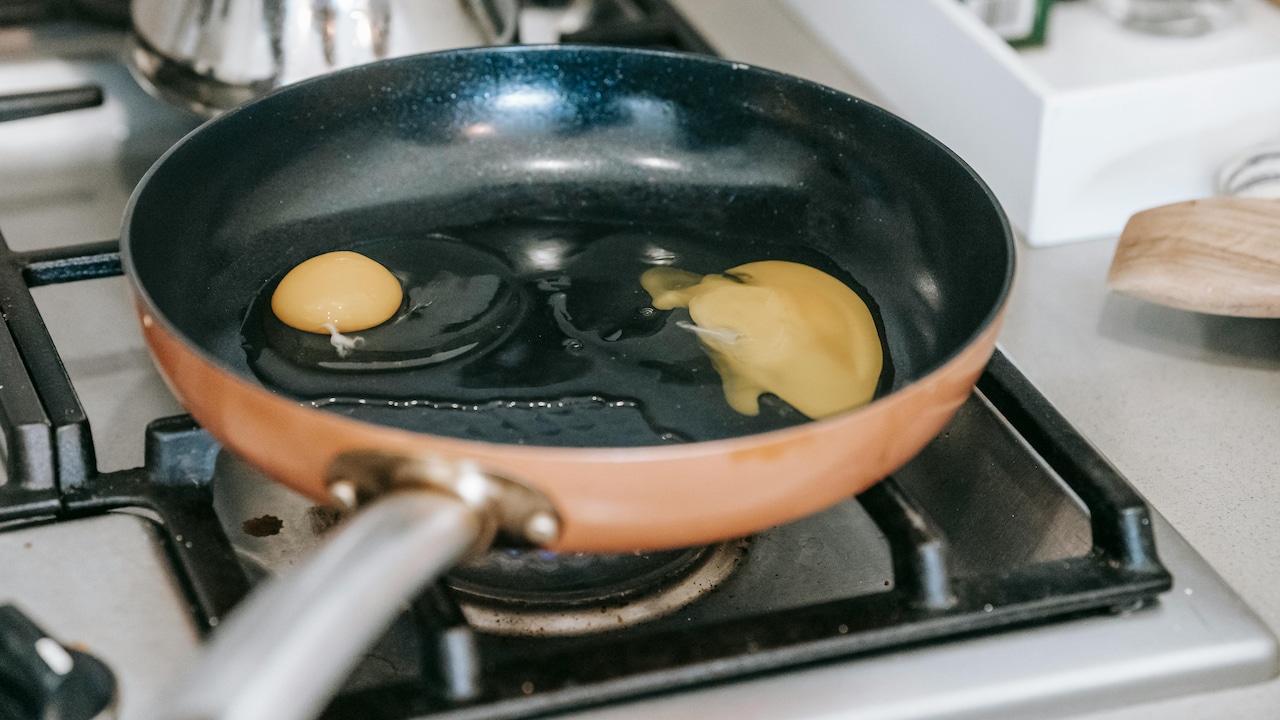
Non-Stick Explained: Coating Types, Lifespan And Why They Start Peeling; Photo Credit: Pexels
5. Granite and Stone-Coated Pans: Marketing or Meaning?
Granite and stone-coated cookware sounds luxurious, evoking images of natural strength. In reality, these pans use non-stick coatings infused with mineral particles. The stone element adds texture and reinforcement, not literal rock surfaces.
Durability varies across brands. High-quality versions offer better scratch resistance and thicker coatings. Cheaper ones rely heavily on marketing language without meaningful performance upgrades.
These coatings tolerate moderate heat better than basic PTFE but still dislike extreme temperatures. Their textured finish helps with browning and reduces visible scratches, which psychologically reassures users even as wear continues underneath.
Stone-coated pans suit everyday cooking styles that mix sautéing, shallow frying, and quick gravies. They handle a bit more abuse than smooth coatings, but still demand wooden or silicone utensils.
When chosen wisely, granite-style cookware offers a practical middle ground between durability and non-stick convenience.
6. The Role of Heat: Silent Destroyer of Coatings
Heat misuse ruins more non-stick pans than faulty manufacturing ever could. Flames licking up the sides of pans look dramatic, but quietly degrade coatings.
Empty preheating ranks among the worst habits. Without food or oil to absorb heat, the coating bears the full thermal stress. Damage begins long before smoke appears.
Gas stoves amplify this issue, especially with high-output burners common in many homes. Non-stick cookware thrives on patience, not impatience.
Temperature control transforms durability. Medium heat handles most cooking tasks beautifully. Proper preheating with oil cushions the surface and improves food release.
Once heat awareness improves, peeling incidents drop sharply. The pan stops fighting the flame and starts working with it. This small shift delivers the biggest return on cookware lifespan.
7. Utensils Matter More Than Advertisements Admit
Utensil choice feels trivial until peeling starts. Metal spatulas, ladles, and spoons leave behind scratches that weaken coatings gradually. Even light scraping accumulates damage.
Wooden and silicone utensils preserve surfaces far better. Silicone, especially, combines flexibility with heat resistance, making it ideal for non-stick cookware.
Serving food directly from the pan also causes harm. Dragging steel spoons across hot surfaces accelerates wear, even when done carefully.
Some pans claim metal-utensil safety, but that promise often applies to limited contact, not daily use. Trusting that claim too literally shortens pan life.
Switching utensils costs little but extends cookware lifespan significantly. It also removes the constant anxiety of scratching, making cooking feel relaxed again.
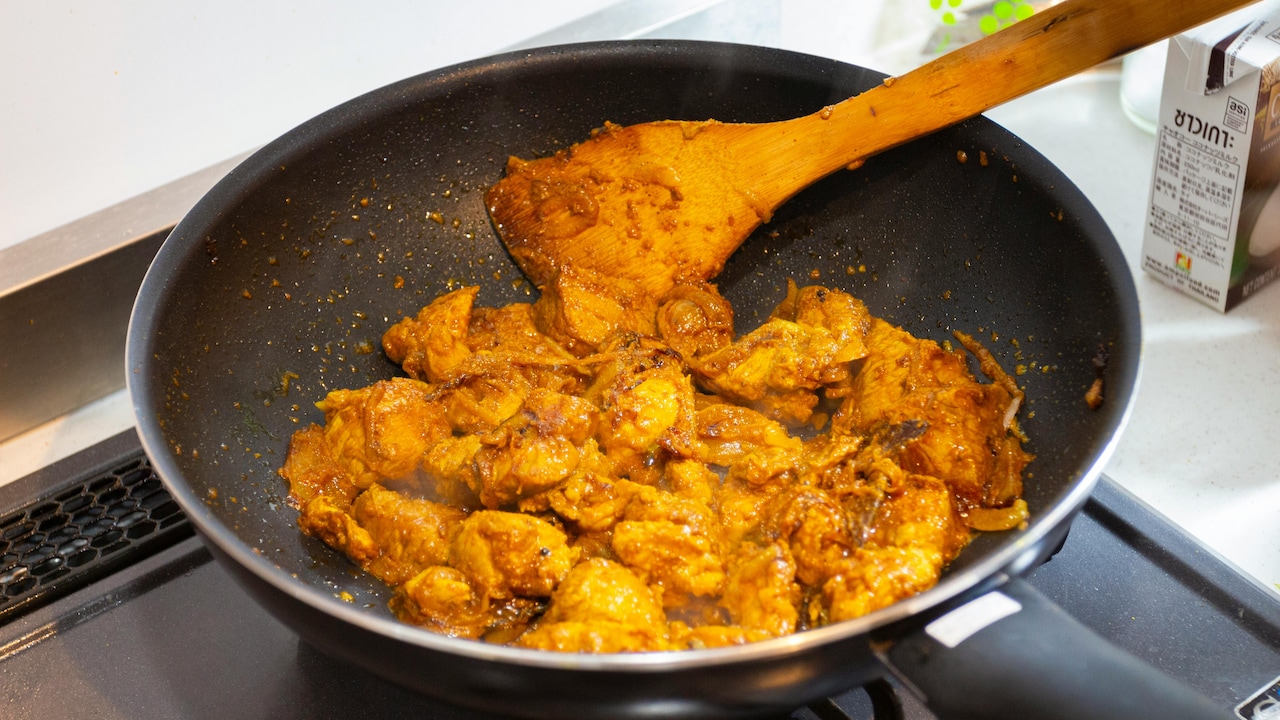
Non-Stick Explained: Coating Types, Lifespan And Why They Start Peeling; Photo Credit: Pexels
8. Cleaning Habits That Secretly Ruin Non-Stick Pans
Cleaning feels satisfying, especially after oily meals. Unfortunately, overenthusiastic scrubbing does more harm than good. Abrasive pads scrape away protective layers invisibly.
Hot pans plunged into cold water suffer thermal shock. This weakens bonding between coating and base, setting the stage for peeling. Letting pans cool first protects structural integrity.
Strong detergents strip oils from ceramic coatings, speeding up performance loss. Mild liquids work better for long-term care.
Dishwashers, though convenient, expose cookware to harsh cycles and detergents. Hand washing extends lifespan considerably, even if it feels old-fashioned.
Gentler cleaning does not mean unhygienic cooking. It means respecting material limits. A little patience at the sink pays off months later at the stove.
9. Storage and Stacking: The Overlooked Enemy
Storage habits rarely feature in cookware advice, yet they influence durability quietly. Stacking pans directly causes friction damage, especially when heavy cookware presses against coated surfaces.
Using pan protectors or a simple cloth between stacked items prevents micro-scratches. Even newspaper sheets help in a pinch.
Hanging pans saves space but risks chipping when hooks rub against edges. Soft padding or dedicated racks reduce contact stress.
Crowded cabinets create accidental collisions during daily use. A little reorganisation protects cookware better than expensive upgrades.
Respectful storage extends non-stick life without effort or cost. It turns chaos into calm and keeps surfaces smooth longer.
10. Choosing the Right Non-Stick Cookware for Real Kitchens
Perfect cookware depends on cooking style, not trends. Light cooking suits ceramic or basic PTFE. Frequent use benefits from hard-anodised or reinforced coatings.
Budget matters, but value matters more. A mid-range pan that lasts three years beats replacing cheap ones annually. Checking coating layers, base thickness, and warranty details helps avoid regret.
No non-stick pan lasts forever. Accepting that reality shifts focus from disappointment to informed replacement.
Cooking joy increases when cookware matches habits rather than aspirations. A pan chosen wisely feels like a kitchen ally, not a fragile showpiece.
Understanding coatings transforms shopping from guesswork into confidence.
Products Related To This Article
1. Tefal Delicia Titanium Non-Stick Fry Pan 20 cm
2. Amazon Basics Granite Finish Non Stick 5 Pcs Induction Base Cookware Set-Granito Grey
3. HomeEssentials 4-Piece Non-Stick Cookware Set
4. Ember Cookware Arcilla Ceramic Non Stick Cookware Set of 3
5. Milton Pro Cook Kitchen Pride Non-Stick Cookware Set of 5
6. Lifelong 3 Piece Forged Cookware Set with Coomon Lid
7. Hawkins Futura 2.5 Litre Deep Fry Pan
Non-stick cookware peeling too soon feels frustrating, but it rarely happens without reason. Heat misuse, utensil choices, cleaning habits, and coating quality all shape durability. Each pan carries limits that marketing gloss often ignores.
Learning how different coatings behave allows better decisions at the store and gentler habits at home. Small changes protect surfaces, stretch budgets, and restore trust in everyday cookware.
Cooking remains one of life's simplest pleasures. When pans cooperate instead of peel, meals taste better, kitchens feel calmer, and the daily routine gains a quiet sense of satisfaction.
(Disclaimer: This article may include references to or features of products and services made available through affiliate marketing campaigns. NDTV Convergence Limited (“NDTV”) strives to maintain editorial independence while participating in such campaigns. NDTV does not assume responsibility for the performance or claims of any featured products or services.)