Why Some Juicers Waste More Fruit Pulp And Blade Placement Makes A Difference
Some juicers waste more fruit than expected, and blade placement is often the reason. Discover how design affects juice yield, pulp dryness, flavour and overall efficiency.
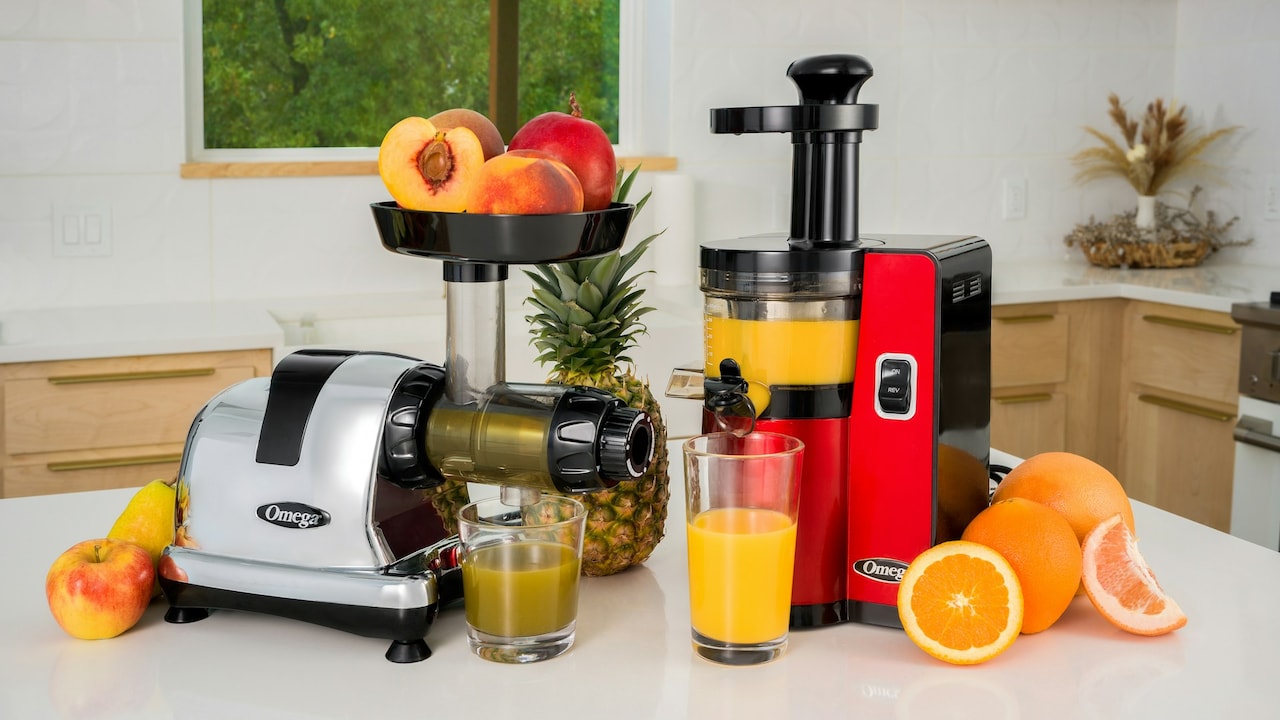
Read why some juicers waste more pulp than other models
Fresh juice carries a certain charm that never really fades. A tall glass of watermelon juice on a scorching May afternoon or a bright orange mosambi drink beside a plate of poha feels oddly comforting. Yet anyone who has used different juicers at home knows one frustrating truth: some machines behave like greedy fruit thieves. They swallow kilos of produce and somehow produce only two glasses of juice, leaving behind mountains of damp pulp that still look edible. That soggy pulp tells a story. In many kitchens, people blame the fruit quality, the season, or even the electricity supply when the real culprit sits quietly on the counter. The design of the juicer itself often decides whether the machine extracts every precious drop or wastes good produce. Blade placement, in particular, changes everything. A few centimetres here and there can influence juice flow, pulp texture, motor strain, and even flavour.
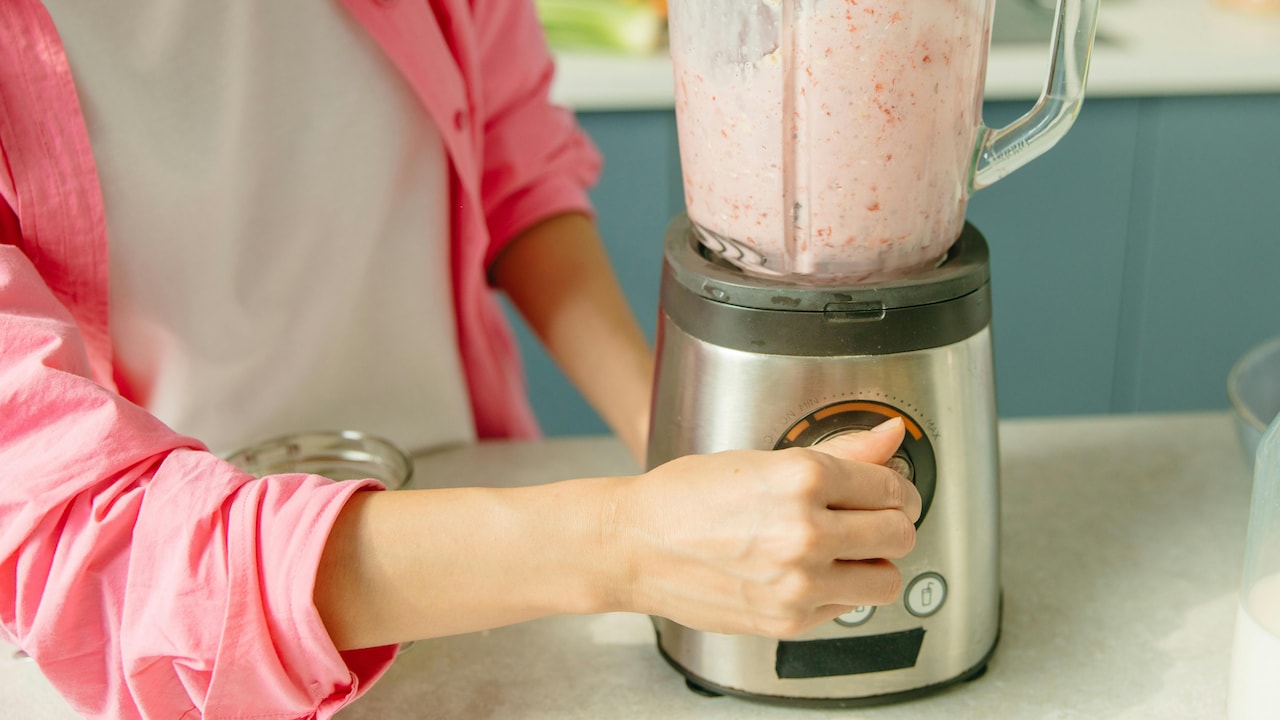
How blade difference affects the performance of juicers; Photo Credit: Pexels
Modern juicers promise miraculous efficiency with glossy advertisements and dramatic demonstrations. Yet practical use reveals a different picture. One machine handles carrots beautifully but struggles with leafy greens. Another creates silky apple juice but sprays sticky foam all over the kitchen tiles. Understanding how blade positioning works can save money, reduce food waste, and prevent the heartbreak of watching ₹300 worth of fruit turn into compost.
Also Read: Fuel Your Mornings: Top 5 Portable Juicers Under ₹1500 for Quick, Healthy Sips
Why Juicer Design Matters More Than Most People Realise
The Hidden Cost Of Wet Pulp
Many households judge a juicer by speed alone. If the machine roars like a bike engine and fills a glass quickly, it often earns instant approval. Yet wet pulp usually reveals poor extraction. Pick up the discarded pulp from an inefficient juicer and squeeze it with your hand. Quite often, extra juice still drips out. That means the machine failed its most basic job.
Over time, this waste quietly adds up. A family buying fresh fruit every week may spend thousands of rupees yearly on produce that never reaches the glass. Mangoes, apples, pineapples, and berries do not come cheaply anymore, especially during off-season months. Watching valuable fruit turn into damp waste feels particularly painful when grocery bills already stretch household budgets.
Blade placement plays a major role here. Poorly positioned blades fail to guide fruit evenly towards the extraction chamber. Instead of pressing and grinding effectively, the machine tears ingredients unevenly. This creates chunky pulp with trapped liquid inside. Better blade alignment ensures continuous contact with the produce, squeezing more juice before the pulp exits.
The difference becomes obvious with fibrous fruits. A poorly designed juicer leaves behind pulp that looks almost fresh, while a well-engineered machine produces dry, crumbly waste. That dry texture signals proper extraction and better value for money.
Why Blade Placement Changes Everything
Blade placement sounds technical, but the concept remains surprisingly simple. The blade acts like the heart of the juicer. Its location determines how ingredients move inside the machine. Even a strong motor cannot compensate for badly positioned blades.
In centrifugal juicers, blades usually sit at the base and spin rapidly. If they sit too low, larger fruit chunks may bounce around instead of feeding smoothly into the grater. If positioned too high, smaller pieces escape proper grinding. Both situations lead to inconsistent extraction.
Cold-press juicers work differently. They rely on slow crushing rather than aggressive spinning. Here, blade or auger placement becomes even more crucial because the produce needs steady pressure throughout the process. Correct positioning allows fruits and vegetables to move naturally through the chamber without clogging or slipping away.
Think of preparing sugarcane juice at a roadside stall. The rollers continuously pull the cane inward while maintaining pressure from every angle. A good juicer follows a similar principle. It keeps ingredients engaged throughout extraction rather than flinging them around randomly.
Manufacturers sometimes focus more on flashy appearances than functional engineering. Sleek chrome finishes and fancy buttons may attract buyers, yet practical blade positioning matters far more. A thoughtfully designed juicer often outperforms expensive models packed with unnecessary features.
Fast Spinning Does Not Always Mean Better Juice
High-speed juicers create dramatic sound effects. The kitchen suddenly resembles a small construction site at 7 am. Many people assume louder machines must work harder and produce superior results. Surprisingly, excessive speed often creates more waste.
Rapid spinning generates heat. Heat affects juice quality by damaging delicate nutrients and altering flavour. More importantly, high speed can throw fruit pieces away from the extraction zone before the blades fully process them. Instead of squeezing efficiently, the machine creates chaos inside the chamber.
Blade placement determines whether speed helps or harms extraction. Well-positioned blades maintain steady contact even during rapid rotation. Poor placement allows ingredients to escape proper grinding. This creates wetter pulp and foamier juice.
Anyone who has compared fresh orange juice from a street-side hand press with juice from a noisy centrifugal machine notices the difference immediately. Hand-pressed juice tastes fuller and smoother because slower extraction preserves natural oils and flavours.
Modern cold-press juicers embrace this slower philosophy. Their carefully positioned crushing mechanisms maximise contact time with ingredients. The process takes longer, yet the yield improves significantly. The pulp comes out almost dry, and the juice tastes richer.
Patience often rewards juice lovers. A quieter machine with better blade alignment usually delivers more satisfying results than a flashy appliance that sounds like it belongs inside a racing garage.
Different Fruits Need Different Blade Angles
Not all fruits behave the same way inside a juicer. Watermelon practically melts into liquid, while carrots resist like stubborn tree roots. Blade placement must account for these differences.
Soft fruits require gentle handling. If blades attack too aggressively, the result becomes frothy and messy. Foam builds quickly, reducing the smooth texture many people enjoy. Poor blade positioning can also create uneven pulp, leaving chunks of fruit partially untouched.
Hard vegetables present another challenge. Carrots, beetroot, and amla need strong, consistent pressure. Weak blade alignment causes repeated bouncing inside the chamber, forcing the motor to work harder while wasting juice.
Leafy greens expose design flaws even faster. Spinach, mint, and coriander often wrap around poorly positioned blades instead of feeding smoothly. This creates frustrating jams that demand constant cleaning. Better-designed juicers guide leaves steadily into the extraction area without tangling.
Traditional kitchen wisdom already understands texture differences. Nobody cooks bhindi and potatoes exactly the same way because each ingredient behaves differently under heat. Juicing follows a similar principle. Different produce requires thoughtful handling.
Machines with adjustable blade systems or specialised feeding designs usually perform better across varied ingredients. They adapt more effectively, reducing waste and improving consistency from one glass to the next.
The Role Of Filter Design In Pulp Waste
Blades receive most of the attention, but filters quietly influence extraction quality too. A badly designed filter can ruin even the sharpest blade system.
Fine filters create smoother juice but may clog quickly. Once clogged, juice struggles to escape while pulp retains excess moisture. Coarse filters reduce clogging but allow more fibre into the glass. The balance matters greatly.
Blade placement and filter positioning must work together like dance partners. If the blades push pulp unevenly against the filter, certain sections become overloaded while others remain underused. This imbalance reduces extraction efficiency.
Many cheaper juicers suffer from this exact problem. Juice starts flowing strongly during the first few minutes, then slows dramatically as pulp blocks the filter. Suddenly, the machine sounds strained, and the kitchen counter begins collecting sticky splashes.
Good juicers distribute pulp evenly across the filter surface. This maintains consistent flow while improving extraction. The result feels smoother, cleaner, and less frustrating.
Cleaning habits also affect filter performance. Tiny fibre particles harden quickly after use. Neglected filters gradually reduce efficiency over time. A juicer that once handled apples beautifully may suddenly struggle simply because yesterday's pulp still clings to the mesh.
Regular cleaning preserves proper airflow and juice movement. It also prevents unpleasant smells that somehow appear far too quickly in forgotten kitchen appliances.

While fine filters create smoother juice, coarse filters allow more fibre into the glass; Photo Credit: Pexels
Cheap Plastic Designs Often Increase Waste
Budget juicers tempt buyers with attractive pricing and colourful packaging. Yet cheaper construction often hides serious design flaws that affect juice extraction.
Plastic components may flex slightly during operation. That tiny movement changes blade alignment and pressure consistency. Even small shifts can reduce extraction efficiency, especially with harder ingredients.
Poor-quality plastic also wears down faster. Blade supports loosen over time, creating wobbling during operation. Once alignment suffers, pulp waste increases noticeably. The machine may still function, but juice yield declines steadily.
Many households experience this without realising the cause. The juicer worked brilliantly during the first few months, then gradually started producing wetter pulp and noisier operation. Often, internal wear affects blade positioning long before visible damage appears.
Metal-reinforced designs generally maintain better stability. They keep blades properly aligned even during heavy use. Although such machines cost more initially, they often save money through improved extraction and longer lifespan.
The difference resembles using a sharp kitchen knife versus a flimsy roadside blade. Both cut vegetables, but one performs smoothly while the other creates unnecessary struggle.
That said, expensive branding alone guarantees nothing. Some overpriced models focus heavily on appearance while ignoring engineering fundamentals. Practical performance always matters more than shiny advertising claims.
Overloading The Juicer Creates More Waste
Many people rush through morning routines by stuffing entire fruits into the feeding tube at once. The logic seems reasonable. Bigger loads should mean faster juicing. Unfortunately, overloaded machines often waste more produce.
When too much fruit enters simultaneously, blades lose consistent contact with ingredients. Pieces pile unevenly inside the chamber, preventing proper extraction. Some chunks receive excessive grinding while others barely touch the blades.
Blade placement becomes especially important during heavy loads. Well-positioned systems maintain smooth ingredient flow even under pressure. Poor designs clog quickly, forcing the motor to strain while reducing juice output.
This issue becomes obvious during festive seasons when families prepare large batches of juice for guests. A machine that handles two apples comfortably may struggle terribly with ten. Wet pulp, overheating, and loud rattling usually follow.
Professional juice stalls solve this through controlled feeding. Vendors add produce steadily rather than dumping everything at once. The process remains continuous and balanced.
Home users benefit from adopting the same approach. Feeding ingredients gradually allows blades to maintain proper rhythm and pressure. Juice extraction improves noticeably, and the machine experiences less stress.
Oddly enough, slowing down often saves time overall. Fewer clogs, smoother operation, and better extraction create a far more pleasant kitchen experience than battling a frustrated juicer before breakfast.
Sharp Blades Alone Cannot Guarantee Efficiency
Sharp blades certainly matter, but they do not guarantee excellent performance on their own. Placement and movement patterns matter equally.
Some juicers advertise ultra-sharp titanium blades as though they belong in a superhero film. Yet if those blades sit awkwardly inside the chamber, efficiency still suffers. Ingredients need controlled movement, not random chopping.
Imagine trying to cut onions with a razor-sharp knife while balancing them on a wobbling plate. Precision disappears despite the sharp edge. Juicers behave similarly. Stable positioning ensures ingredients meet the blades at the correct angle and pressure.
Dull blades gradually worsen extraction, too. Instead of slicing cleanly, they crush ingredients unevenly. This increases pulp moisture and motor strain. Fibrous fruits become particularly troublesome under these conditions.
Regular maintenance helps preserve performance. Some people avoid sharpening or replacing blades because the machine technically still works. Yet declining efficiency quietly increases fruit waste month after month.
Good juicer design also protects blade sharpness. Proper alignment reduces unnecessary friction and impact stress. Poor positioning causes uneven wear, shortening blade lifespan.
Many experienced home cooks understand the value of maintaining kitchen tools. A well-kept tawa or pressure cooker performs reliably for years. Juicers deserve the same attention if they are expected to deliver fresh, efficient results every morning.
Juice Texture Depends On Extraction Balance
Texture shapes the entire drinking experience. Some people enjoy thick, fibre-rich juice while others prefer smooth, café-style consistency. Blade placement influences this balance significantly.
Poorly aligned blades often create uneven textures. One sip feels watery while the next carries heavy pulp. Foam separation appears quickly, leaving an unappealing layer at the top of the glass.
Good extraction maintains consistency throughout. The juice feels balanced, neither excessively thick nor disappointingly thin. Fruits retain their natural character without becoming mushy.
Consider fresh pomegranate juice from a local market stall. Skilled vendors somehow achieve a smooth texture without excessive foam or bitterness. Their equipment applies steady pressure rather than violent spinning. Controlled extraction preserves flavour and consistency beautifully.
Certain fruits expose texture problems more dramatically. Bananas become unpleasantly slimy under aggressive blades. Apples turn frothy when overprocessed. Citrus fruits may develop bitter notes if seeds break during extraction.
Blade placement affects all these outcomes because it controls ingredient movement and contact pressure. Gentle, consistent extraction usually creates a superior texture compared to chaotic high-speed grinding.
Texture may seem like a small detail, yet it strongly affects enjoyment. A beautifully balanced juice transforms an ordinary breakfast into something oddly comforting, especially during humid summer mornings when even ceiling fans seem exhausted.
Cleaning Habits Affect Long-Term Performance
A neglected juicer slowly turns into its own worst enemy. Tiny fruit fibres dry quickly around blades, filters, and internal corners. Over time, this buildup affects extraction quality dramatically.
Blade placement becomes less effective when sticky residue blocks smooth ingredient movement. Fruits begin slipping awkwardly instead of feeding properly through the chamber. Wet pulp increases, and motor strain follows soon after.
Many people postpone cleaning because dismantling juicers feels tedious. Yet delayed cleaning creates tougher residue that becomes far harder to remove later. Fresh pulp rinses away easily, while dried pulp behaves almost like glue.
Certain fruits worsen the problem. Mango fibres cling stubbornly to filters, and sugarcane residue hardens surprisingly fast. Beetroot stains everything with terrifying confidence.
Regular maintenance preserves proper alignment and airflow. It also prevents unpleasant odours that can ruin fresh juice flavour. Nobody wants watermelon juice carrying mysterious hints of yesterday's carrot experiment.
Some modern juicers now feature self-cleaning systems or simplified assembly. These designs encourage better maintenance habits by reducing effort. A machine that cleans easily tends to receive more consistent care.
Ultimately, even the best blade placement cannot compensate for neglect. Efficient juicing depends not only on design but also on everyday habits. A clean machine performs better, lasts longer, and keeps breakfast routines far more enjoyable.
Products Related To This Article
1. Atomberg Althea Cold Press Juicer | High Nutrition
2. Kuvings REVO830 Red Luxury Cold Press Whole Slow Juicer
3. INALSA Stainless Steel Electric Juicer Machine 900 Watt Juicer with 3 Inch Big Mouth
4. NutriPro Juicer Mixer Grinder - Smoothie Maker - 500 Watts
5. Tefal Blend Up,1000 watt,Powerful Blender
6. Toree Juicer Machine, 148 mm Feed Chute Slow Cold Press Juicer for Fruits
7. INALSA Stainless Steel Electric Juicer Machine 900 Watt Juicer with 3 Inch Big Mouth
Juicers appear simple on the surface, yet their performance depends on surprisingly complex details. Blade placement sits at the centre of that story. It influences extraction quality, pulp dryness, flavour, texture, noise levels, and even machine durability.
Many people focus only on motor power or brand reputation while ignoring design fundamentals. Yet a thoughtfully engineered juicer with proper blade alignment often outperforms louder, more expensive alternatives. Better extraction means less waste, lower grocery bills, and more satisfying juice every single day.
Small habits matter too. Feeding ingredients gradually, cleaning filters promptly, and maintaining blade sharpness all contribute to better results. Even the finest machine struggles under careless use.
Fresh juice should feel refreshing rather than frustrating. Nobody enjoys scraping handfuls of wet pulp into the bin while wondering where all the fruit disappeared. Understanding how blade placement affects extraction helps people make smarter choices and enjoy richer, fuller juice without wasting precious produce.
In the end, the perfect juicer does not simply spin fast or look stylish on the kitchen counter. It respects the fruit, extracts efficiently, and leaves behind dry pulp that tells a satisfying story: every possible drop reached the glass.
(Disclaimer: This article may include references to or features of products and services made available through affiliate marketing campaigns. NDTV Convergence Limited (“NDTV”) strives to maintain editorial independence while participating in such campaigns. NDTV does not assume responsibility for the performance or claims of any featured products or services.)