Does Uneven Air Fryer Cooking Often Has Less To Do With Recipes And More To Do With Basket Design?
Uneven air fryer results often stem less from flawed recipes and more from poor basket design. Shape, airflow, and spacing can dramatically affect crispness, cooking consistency, and overall performance.
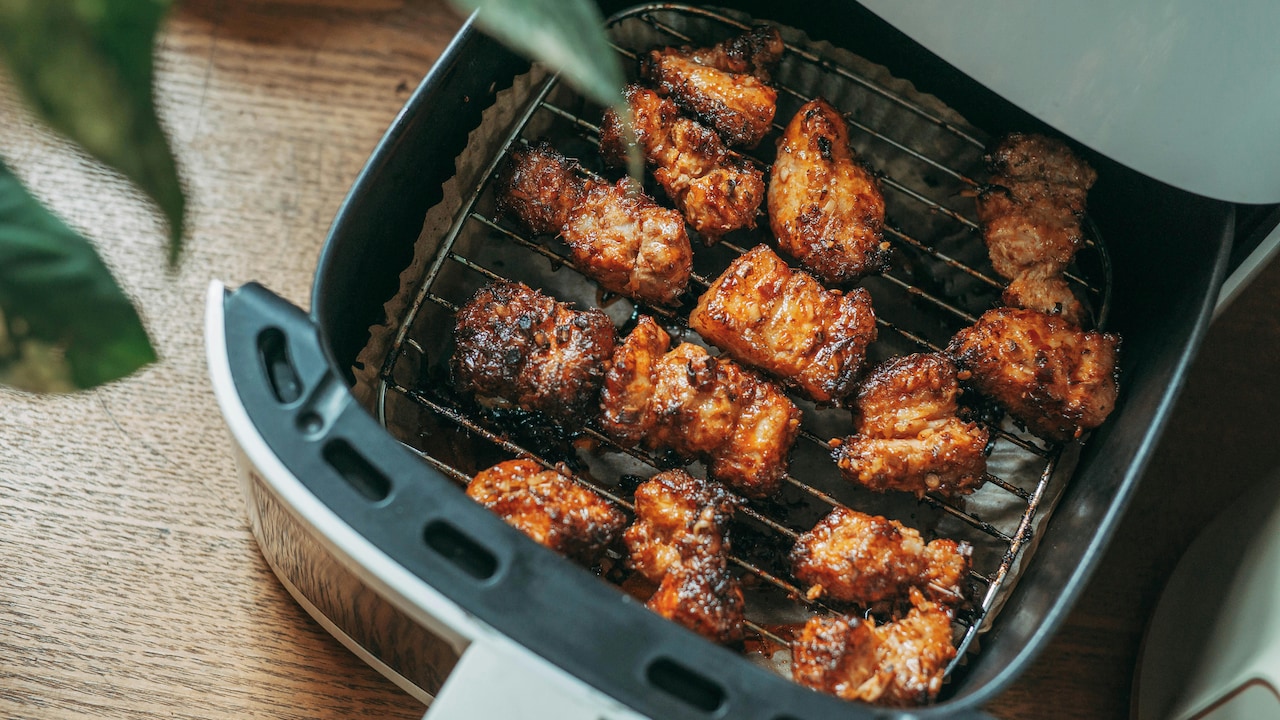
Different factors that can affect the way your air fryer cooks food
Few kitchen gadgets have enjoyed such a meteoric rise as the air fryer. It arrived like a miracle worker, offering crunchy pakoras and crisp potato wedges without the guilt trip of deep frying. For busy households, it seemed like the answer to weekday chaos. Pop food in, press a button, and expect perfection. Reality, however, often looks a little different. One side of the paneer tikka turns beautifully charred while the other remains oddly pale. Chips emerge with a split personality, half crunchy and half limp. It can feel frustrating, especially when recipes seem straightforward.
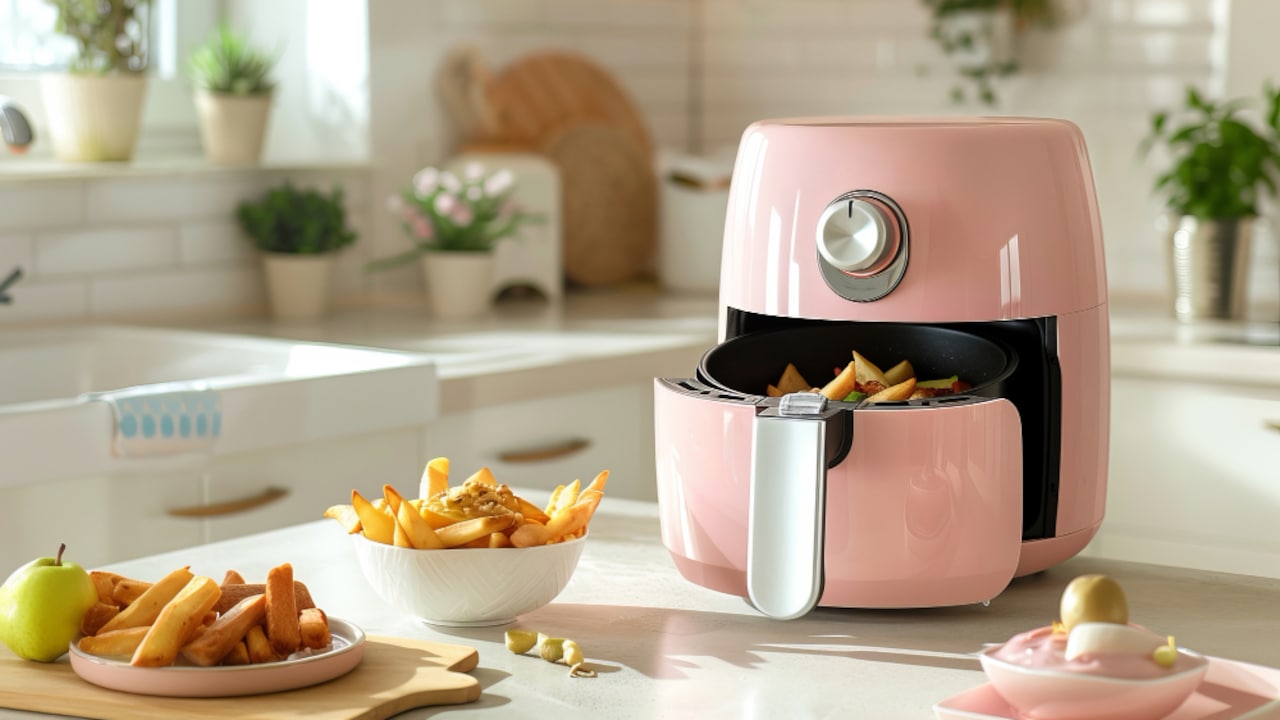
Read all about what affects air fryer cooking results; Photo Credit: Freepik
Many assume the recipe has gone wrong. Perhaps the temperature was off. Maybe the marinade was too thick. Yet the real issue frequently lies in the basket itself. Air fryers rely on hot air circulation, and basket design controls that movement more than many realise. A poorly designed basket can create hotspots, block airflow, or overcrowd ingredients.
In many kitchens, the secret to better air frying may not involve changing recipes at all. Instead, understanding how basket design affects cooking can unlock far more consistent results.
Also Read: Eat Healthy Without Missing Out: Top 5 Air Fryers To Make Guilt-Free Crispy Treats
Why Basket Design Plays A Bigger Role Than Recipes
The Science Of Airflow Matters More Than Spice Ratios
Air fryers work by circulating intense hot air around food, much like a compact convection oven on overdrive. The keyword here is circulation. If air cannot move evenly, food simply will not cook evenly.
Basket design directly affects this process. Perforations, depth, and shape all determine whether hot air reaches every surface. A basket with limited ventilation can trap steam, causing sogginess rather than crispness. This explains why homemade aloo tikkis may brown beautifully on top but feel disappointingly soft underneath.
Many recipes offer precise temperatures and timings, yet these instructions assume efficient airflow. If the basket design hinders movement, even the best recipe can fail. A ₹12,000 premium model with excellent airflow often outperforms a cheaper unit, even using identical ingredients.
Cooking is chemistry, but with air fryers, engineering often takes centre stage. Recipes matter, certainly, but basket architecture forms the stage on which every meal performs.
Round Baskets And Square Baskets Create Different Results
At first glance, the basket shape may seem cosmetic, but it dramatically influences performance. Round baskets encourage more circular airflow, which can distribute heat more consistently. Square baskets, while offering more usable cooking space, often develop uneven corners where airflow weakens.
This becomes noticeable when cooking snacks like spring rolls or chicken wings. Food placed in corners may crisp slower than items in the centre. It is not user error; it is structural design.
Square baskets remain popular because they maximise capacity, making them practical for larger families. Yet they may require more shaking or rearranging during cooking. Round baskets, although smaller, can sometimes deliver more predictable results with less intervention.
For households preparing quick evening snacks, the basket shape can affect convenience as much as taste. Understanding this difference helps manage expectations and cooking strategies, reducing those moments when dinner resembles a culinary lottery.
Basket Depth Can Be A Hidden Problem
Deep baskets often seem appealing because they hold more food. More capacity suggests better value, especially during festive cooking sessions or family gatherings. However, depth can compromise airflow.
When food sits too deeply layered, hot air struggles to penetrate the lower sections. The top layer crisps while the bottom steams. This issue commonly appears when making larger batches of masala fries or vegetable cutlets.
Shallower baskets promote better exposure, allowing ingredients to cook more uniformly. While they may require cooking in batches, results often justify the extra effort.
Overloading deep baskets creates false efficiency. It saves time initially but often leads to repeated cooking cycles, frustrating texture issues, or disappointing meals. Sometimes, less truly is more.
For those comparing models, basket depth deserves more attention than glossy digital displays or fancy presets.
Perforation Patterns Influence Crispness
Not all air fryer baskets feature the same hole patterns, and these small design details carry major consequences. Wide, evenly spaced perforations generally allow stronger air circulation, while limited or poorly arranged vents restrict performance.
This impacts foods that rely heavily on surface crisping. Onion bhajis, for instance, need steady airflow beneath them to avoid becoming greasy or soggy. A basket with inadequate perforation can sabotage texture despite perfect seasoning.
Some cheaper models prioritise manufacturing simplicity over airflow science. As a result, users may struggle despite carefully following recipes.
Cleaning concerns also come into play. Smaller perforations may clog more easily with oil residue, further reducing efficiency over time.
The basket is not merely a container. It functions as an active cooking component. Its design shapes every bite, from crunch to colour.
Non-Stick Coatings Can Alter Cooking Performance
Most consumers focus on non-stick coatings for ease of cleaning, but these coatings can subtly influence cooking results, too. Heavier coatings may affect heat transfer, particularly in lower-budget models.
A basket with poor-quality coating may insulate rather than conduct heat effectively, contributing to slower browning or inconsistent textures. Over time, scratches and wear can worsen this issue.
While convenience remains important, performance should not be sacrificed for easier washing. Investing in durable materials can provide better long-term cooking consistency.
In many households, where appliances often endure heavy use, durability becomes essential. Replacing a damaged basket can cost ₹2,000 to ₹5,000, making quality a practical financial consideration as well.
The humble basket coating may not dominate advertisements, but it quietly shapes everyday results.
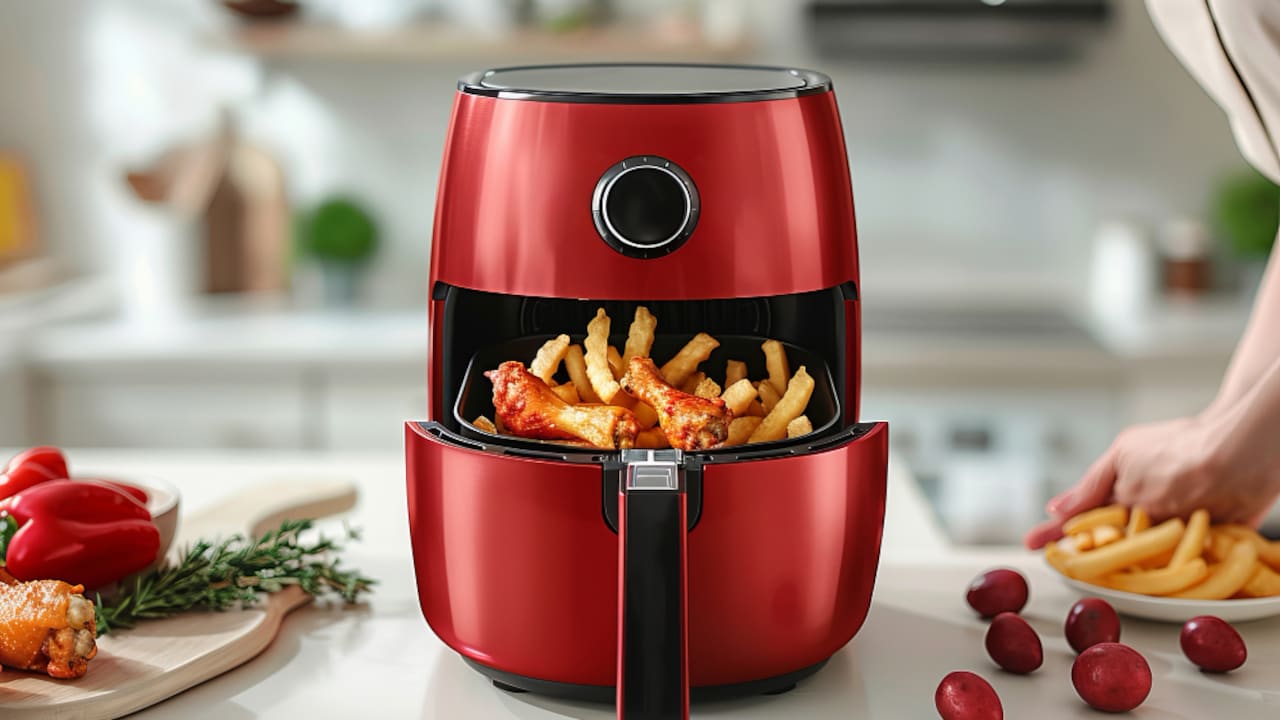
Poor quality non-stick coatings may insulate rather than conduct heat effectively; Photo Credit: Freepik
Divider Accessories May Disrupt Heat Flow
Many air fryer owners purchase dividers or racks to cook multiple foods simultaneously. While this seems efficient, accessories can interfere with airflow if poorly designed.
Cooking paneer on one side and chips on the other sounds wonderfully practical, but dividers may block circulation, creating temperature inconsistencies. One section may overcook while the other remains underwhelming.
This is not always a fault of the appliance itself. Add-ons can alter internal dynamics significantly.
Accessories should complement airflow rather than obstruct it. Wire racks generally perform better than solid dividers because they preserve movement.
Convenience often tempts experimentation, but understanding airflow remains essential. The basket's original design usually represents the manufacturer's intended balance.
Basket Size Should Match Household Needs
Bigger is not always better. Oversized baskets may appear impressive, but can spread smaller food portions too thinly, potentially causing drying or overexposure.
Conversely, undersized baskets encourage overcrowding. Both extremes create cooking issues.
Choosing basket size should reflect realistic cooking habits rather than occasional party scenarios. A household regularly preparing snacks for two may find moderate-sized models more efficient and consistent than oversized alternatives.
Spending ₹15,000 on a giant appliance may feel aspirational, but practical design often offers greater daily satisfaction.
A thoughtfully sized basket supports better heat management, easier cleaning, and more reliable meals.
Shaking And Turning Cannot Fully Fix Poor Design
Recipe books often recommend shaking baskets halfway through cooking. While helpful, this technique should not serve as a permanent solution to flawed basket design.
Constantly opening the fryer interrupts cooking cycles and reduces convenience. If users must aggressively rearrange food every few minutes, the appliance may have design limitations.
Good basket engineering should minimise manual correction, not depend upon it.
While occasional shaking improves results, a well-designed air fryer delivers strong performance with less babysitting. Busy households value appliances that genuinely simplify cooking rather than adding hidden labour.
Sometimes, the machine deserves more scrutiny than the chef.
Premium Designs Often Justify Their Price
Higher-priced air fryers frequently invest more in airflow engineering, basket geometry, and material quality. Though not universally superior, premium models often reduce uneven cooking frustrations.
This does not mean every expensive appliance guarantees perfection. Marketing can still outshine reality. Yet design innovation often explains the price gap more than flashy touchscreens.
For frequent users, investing in superior basket construction may prove worthwhile. Better consistency reduces wasted ingredients, cooking stress, and disappointing dinners.
An air fryer should function as a reliable kitchen partner, not a temperamental experiment.
User Awareness Can Transform Cooking Success
Many cooking frustrations stem from a misunderstanding of how appliances function. Basket design awareness empowers users to adapt recipes, avoid overcrowding, and make smarter purchasing decisions.
Rather than endlessly blaming recipes, recognising mechanical limitations creates better outcomes. Adjusting batch sizes, arranging food strategically, and selecting suitable models all improve performance.
Kitchen success often comes down to working smarter rather than harder. Sometimes, the smallest design details hold the biggest culinary secrets.
Products Related To This Article
1. PHILIPS Air Fryer NA120/00, uses up to 90% less fat
2. Ninja Air Fryer MAX PRO 6.2L (AF180IN) 2000W Max Crisp Technology Variable
3. COSORI Air Fryer 5 QT (4.7 Litre) Black, 1500W Fast Cooking 9 Preset Menu
4. Instant Vortex Plus 6L Air Fryer, 6-in-1 with 360° EvenCrisp Technology
5. KENT Digital Air Fryer 6.5L,1600W,Bake,Grill & Roast
6. Cookwell Air Fryer - 5L With See Through Window
7. Amazon Basics 3.5L Electric Air Fryer
Uneven air fryer cooking often has far less to do with recipes than many assume. While seasoning, timing, and temperature certainly matter, basket design frequently exerts greater influence over final results.
Shape, depth, perforation, material, and airflow all determine whether food emerges gloriously crisp or frustratingly patchy. Blaming recipes alone overlooks the engineering reality inside the appliance.
For households embracing air frying as an everyday convenience, understanding basket design can transform expectations and outcomes. The difference between soggy disappointment and golden perfection may not lie in the masala blend at all. Sometimes, better cooking starts not with new recipes, but with a better basket.
(Disclaimer: This article may include references to or features of products and services made available through affiliate marketing campaigns. NDTV Convergence Limited (“NDTV”) strives to maintain editorial independence while participating in such campaigns. NDTV does not assume responsibility for the performance or claims of any featured products or services.)