Heavy Vacuum Cleaners Continue To Make Stair Cleaning Difficult: Why Does Weight Distribution Matters
Heavy vacuum cleaners make stair cleaning harder not just because of weight, but poor balance. Smart weight distribution improves safety, comfort, and ease, turning a dreaded chore into a far more manageable task.
Why Heavy Vacuum Cleaners Struggle On Stairs: Weight Distribution Helps
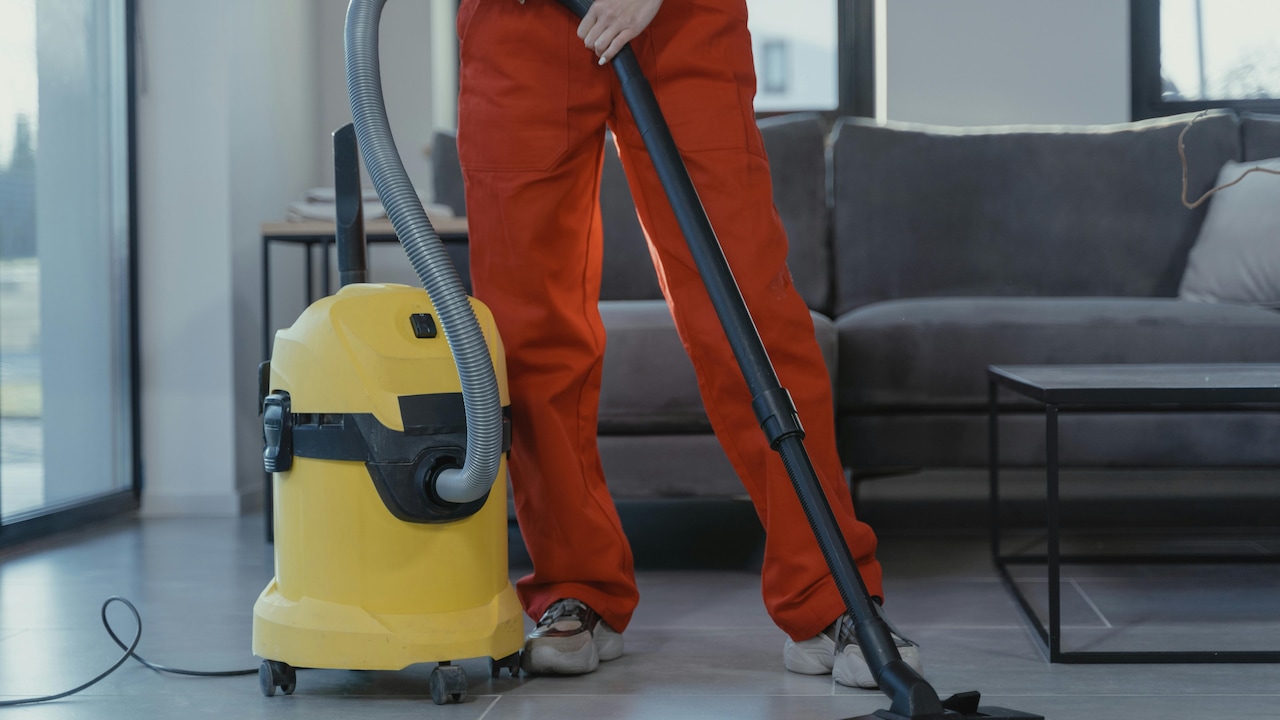
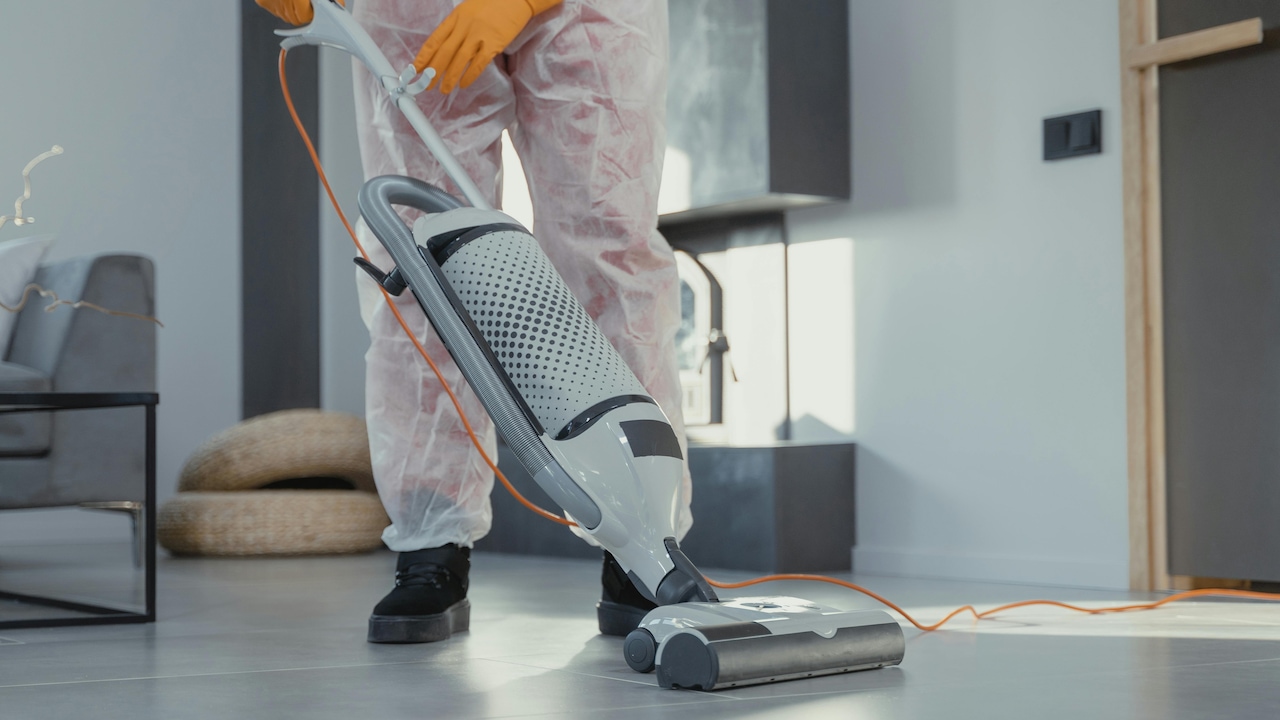
For many homes, stairs are magnets for dust, pet hair, biscuit crumbs, and the occasional mysterious fluff ball. Yet cleaning them often feels like preparing for a gym session rather than a household chore. While modern vacuum cleaners boast stronger motors, larger dust bins, and flashy features, one nagging issue remains unchanged: weight. Anyone who has lugged a hefty vacuum up a narrow staircase knows the awkward dance. One hand grips the handle, the other steadies the body, and every step feels like hauling groceries after a festival shopping spree. The problem is not simply heaviness. It is where that weight sits and how it shifts during movement.
Why Heavy Vacuum Cleaners Struggle On Stairs: Weight Distribution Helps
Photo Credit: Pexels
Poor weight distribution can make even an expensive machine feel clumsy. Instead of gliding smoothly, it tips, drags, or bumps against steps. This design flaw transforms convenience into frustration. In homes where staircases are common, this challenge is more than an inconvenience; it shapes buying decisions, user comfort, and even long-term safety.
Rice Cooker Overflow Problems Usually Start With Poor Steam Venting
Staircases Turn Simple Cleaning Into A Physical Challenge
Flat floors are forgiving. A heavy vacuum can roll comfortably across tiles or carpets without much resistance. Stairs, however, expose every design weakness. Carrying a vacuum cleaner vertically introduces strain on wrists, shoulders, and backs. In many households, particularly those with older family members, this can quickly become an exhausting or risky task.
A vacuum weighing over 7 kilograms may feel manageable in a showroom, yet on a staircase, it becomes a different beast altogether. The constant lifting, repositioning, and balancing create unnecessary fatigue. Cleaning should not resemble moving furniture.
Weight concentrated near the base often causes machines to swing unpredictably while being carried. This awkward motion can knock against railings or walls, leaving scratches behind. For families already juggling packed schedules, such cumbersome equipment often leads to neglected stair cleaning altogether. Dust gathers, allergens build, and what should be routine becomes a dreaded weekend battle.
Poor Weight Distribution Creates Safety Risks
Beyond inconvenience lies a more serious issue: safety. A vacuum with uneven balance can become unstable on stairs, increasing the risk of slips or tumbles. When the machine tips unexpectedly, the user may instinctively twist or overcompensate, which can lead to muscle strain or falls.
In homes with polished marble or wooden staircases, this danger grows even further. One sudden shift can feel like trying to control an overstuffed suitcase on a crowded railway footbridge. It only takes one awkward moment for injury to occur.
Manufacturers often focus marketing on suction strength, but balance matters just as much. A machine with top-heavy construction may pull backwards, while one with poor wheel placement can snag on edges. These flaws turn cleaning into a hazardous balancing act.
Thoughtful weight distribution reduces these risks significantly. By designing vacuums where mass remains centred and manageable, brands can improve user confidence and safety without sacrificing performance.
Cord Length And Hose Design Add To The Burden
Weight alone does not carry all the blame. Stair cleaning becomes worse when heavy vacuums feature stiff hoses or short cords. These elements force users to repeatedly reposition the machine, increasing physical effort.
Dragging a bulky vacuum halfway up the stairs only to realise the cord cannot reach the landing is enough to test anyone's patience. It often means carrying the machine again, sometimes multiple times, while trying not to trip over attachments.
Rigid hoses also amplify poor weight distribution. If the hose resists movement, the vacuum body may tip or shift unexpectedly. This creates constant interruptions and heightens frustration.
Many users spend ₹15,000 or more expecting convenience, yet design oversights undermine that investment. Lightweight canisters with flexible hoses often outperform heavier uprights in stair settings, proving that thoughtful engineering can trump sheer power.
In essence, a vacuum should adapt to the home, not force the household into a wrestling match.
Also Read: Stop Buying Vacuum Storage Bags That Leak By Choosing Durable, High-Quality Brands
Bigger Does Not Always Mean Better
Consumers often assume heavier appliances deliver superior cleaning. More weight suggests durability, larger motors, or stronger suction. Yet this logic does not always hold true, especially for staircases.
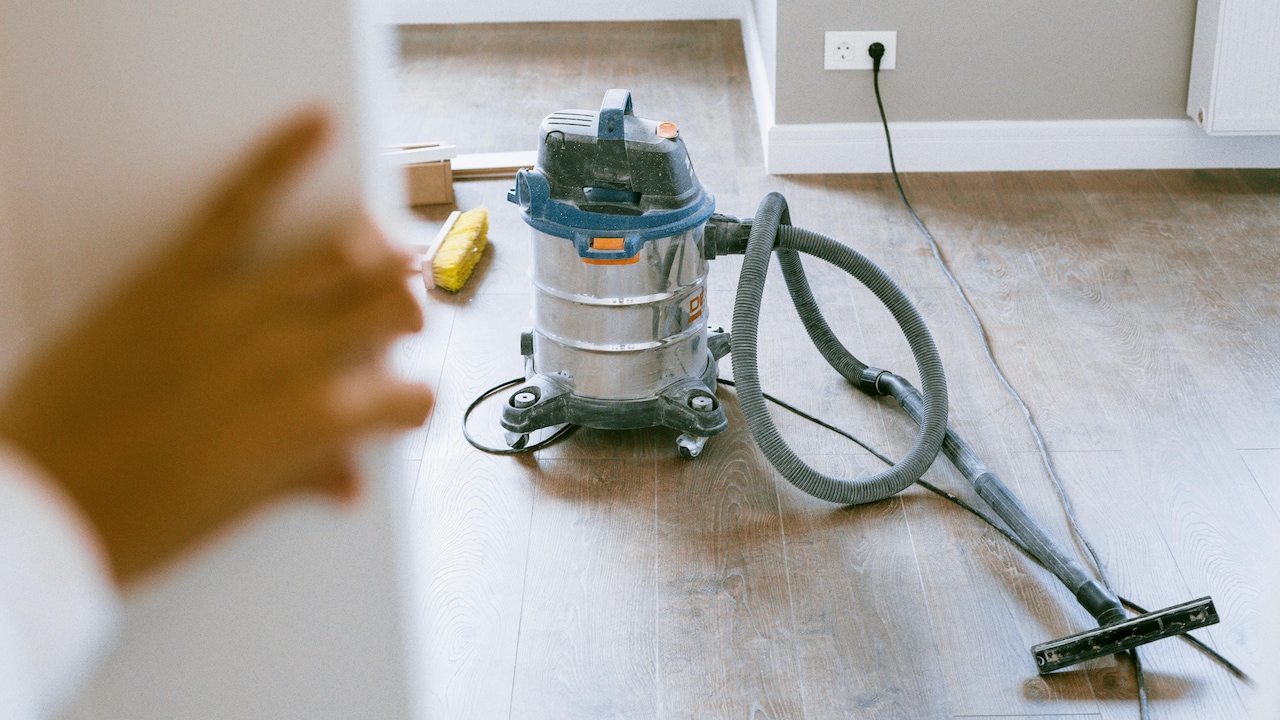
Bulky vacuums may clean carpets brilliantly, but their size can become their greatest weakness. A large dustbin or oversized motor housing may improve floor coverage downstairs, while making upper-floor cleaning a nightmare.
In compact urban homes, where staircases may be narrow and steep, oversized machines feel especially impractical. Manoeuvrability becomes just as important as performance.
Modern technology now allows powerful suction in lighter designs. Brands embracing balanced construction prove that effective cleaning need not involve back-breaking effort. The future of household appliances lies in smarter design, not unnecessary bulk.
Choosing a vacuum based solely on power ratings can lead to disappointment. Real-life usability often matters far more than impressive packaging claims.
User Fatigue Impacts Cleaning Frequency
An uncomfortable vacuum does not simply make cleaning harder; it often reduces how often stairs are cleaned. When equipment feels burdensome, people naturally delay the task.
This avoidance creates a cycle where dirt accumulates, making eventual cleaning more difficult. Dust on stairs can affect indoor air quality, particularly during dry seasons when allergens spread easily through foot traffic.
Families may initially tolerate a heavy machine, but over time, enthusiasm fades. What once seemed like a practical purchase becomes a storage-room resident, brought out reluctantly.
Comfort-driven design encourages consistent use. Balanced vacuums require less physical exertion, making users more likely to maintain regular cleaning habits.
Ultimately, convenience shapes behaviour. A machine that feels manageable becomes part of routine life, while one that feels punishing often gathers dust itself.
Why Heavy Vacuum Cleaners Struggle On Stairs: Weight Distribution Helps
Photo Credit: Pexels
Multi-Level Homes Demand Better Ergonomics
As more families opt for duplexes or larger homes, stair-friendly appliances become increasingly essential. Yet many vacuum designs still prioritise flat-surface efficiency over vertical usability.
Ergonomics should account for carrying angles, grip comfort, and ease of transition between levels. A poorly designed handle can intensify perceived weight, while awkward wheel placement may hinder portability.
Households with children or pets particularly benefit from quick, frequent stair cleaning. Toys, fur, crumbs, and outdoor debris often collect rapidly. Heavy vacuums make spontaneous clean-ups less appealing.
Manufacturers who fail to address these lifestyle realities risk falling behind. Consumers increasingly value versatility, especially when investing in home appliances.
Weight distribution is not merely a technical feature. It directly shapes day-to-day practicality in homes where stairs are part of everyday living.
Attachments Can Improve Or Worsen The Experience
Specialised stair attachments can make a noticeable difference, but only if paired with a balanced design. Motorised brush heads, extension tools, and upholstery nozzles may improve reach, yet they can also add weight and complexity.
A heavy vacuum with multiple cumbersome attachments can feel like carrying both luggage and cleaning gear simultaneously. If switching tools becomes inconvenient, many users skip them entirely.
On the other hand, compact attachments combined with lightweight bodies create a more seamless experience. Quick-access storage and intuitive controls further enhance usability.
The best designs reduce effort rather than adding to it. Stair cleaning already presents challenges; attachments should simplify the process, not create additional obstacles.
Practicality often beats flashy extras, especially in everyday home maintenance.
Older Adults Face Greater Difficulties
For older homeowners, poor weight distribution can turn vacuuming stairs from frustrating to nearly impossible. Reduced strength, balance concerns, or joint discomfort make heavy equipment particularly unsuitable.
A machine that younger users may find inconvenient can become a genuine hazard for seniors. This issue affects independence and household upkeep.
Designing vacuums with accessible ergonomics benefits broader audiences. Lightweight frames, balanced handles, and easy-lift structures create more inclusive products.
As households increasingly seek appliances suitable for all generations, brands must consider diverse user needs. Strength should never be a prerequisite for effective cleaning.
Stair maintenance should remain manageable regardless of age, and thoughtful engineering can help ensure that.
Consumer Awareness Is Slowly Changing
Fortunately, buyers are becoming more informed. Reviews increasingly highlight manoeuvrability, portability, and ergonomic comfort alongside suction power.
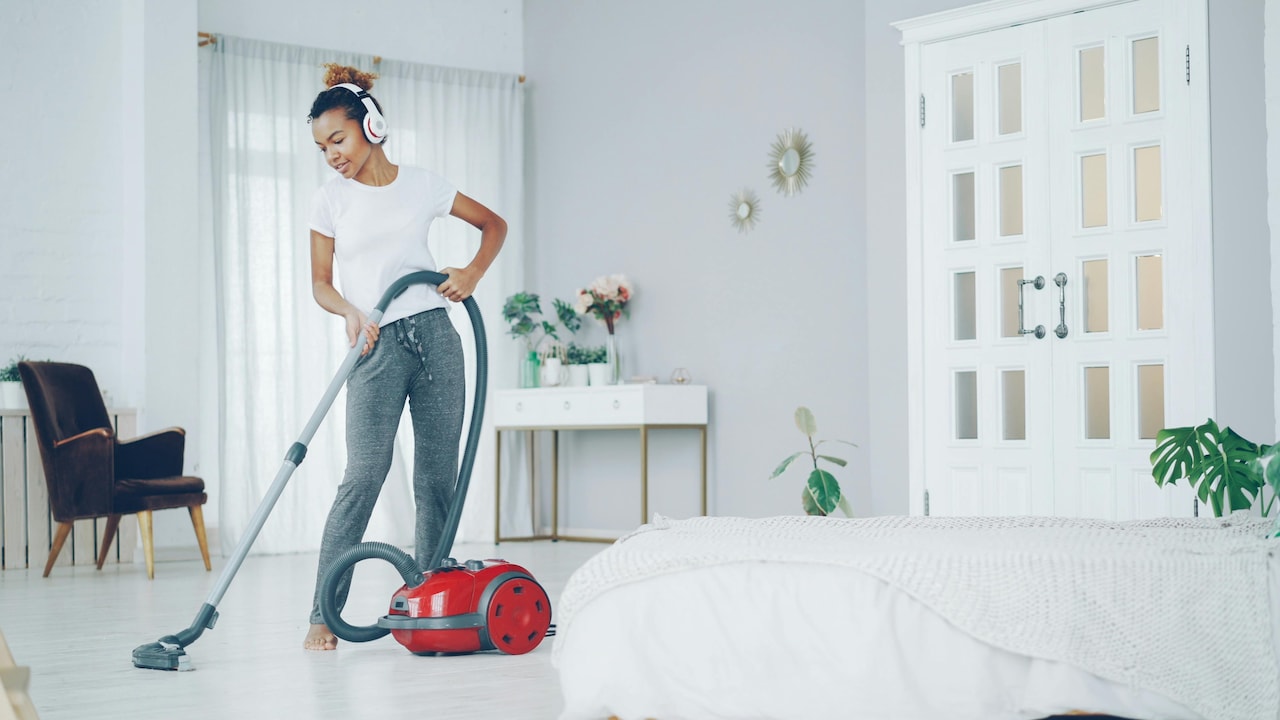
This shift encourages brands to innovate beyond traditional bulky models. Cordless stick vacuums, portable canisters, and hybrid systems have gained popularity because they address real-world frustrations.
Consumers now recognise that daily usability often outweighs raw specifications. A lighter, well-balanced vacuum may provide better overall value than a heavier, feature-packed alternative.
This awareness pushes the industry towards smarter solutions. As expectations evolve, manufacturers who prioritise user comfort stand to gain trust and loyalty.
Informed buyers are reshaping appliance design one staircase at a time.
Why Heavy Vacuum Cleaners Struggle On Stairs: Weight Distribution Helps
Photo Credit: Pexels
The Future Lies In Smarter Engineering
Heavy vacuums are not inherently flawed, but outdated weight distribution models no longer align with modern household needs. Engineering advances can dramatically improve cleaning experiences without compromising power.
Battery efficiency, lighter materials, and modular designs all offer promising solutions. Balanced construction ensures that machines feel intuitive rather than burdensome.
The ideal vacuum combines power with portability, making stair cleaning less of an ordeal and more of a routine task. In a market increasingly driven by user experience, design intelligence matters more than brute force.
As homes evolve, so must appliances. Weight distribution has become a defining factor, not a secondary concern.
The future belongs to vacuums that understand that cleaning stairs should not feel like climbing a mountain.
Products Related To This Article
1. SEZNIK Vacuum Cleaner for Home Use Wet and Dry
2. AGARO Regal 800 Watts Handheld Vacuum Cleaner
3. Gesto 3-in-1 Portable Car Vacuum Cleaner, Air Duster & Inflator
4. KENT Dash Vacuum Cleaner | 600W | High Suction Power >16 kPa
5. Philips PowerPro FC9352/01-Compact Bagless Vacuum Cleaner for home
6. Eureka Forbes Compact 700 Watts Powerful Suction & Blower Vacuum Cleaner with Washable HEPA Filter
7. Xech Vacuum Cleaner with Blower & Inflator
Vacuum cleaners have come a long way, yet the struggle with stairs remains surprisingly persistent. The culprit is often not inadequate suction or poor attachments, but flawed weight distribution. Heavy, awkward machines can transform basic household cleaning into an exhausting challenge, particularly in multi-level homes.
Consumers deserve appliances that work with them, not against them. Better balance, ergonomic design, and portability are no longer luxuries; they are essentials.
As awareness grows, so does demand for smarter solutions. The next generation of vacuum cleaners must prioritise comfort as much as cleaning power. After all, spotless stairs should not come at the cost of sore shoulders and frayed patience.
(Disclaimer: This article may include references to or features of products and services made available through affiliate marketing campaigns. NDTV Convergence Limited (“NDTV”) strives to maintain editorial independence while participating in such campaigns. NDTV does not assume responsibility for the performance or claims of any featured products or services.)