How To Stop Portable Coffee Makers From Producing Weak Coffee
Weak coffee from a portable maker usually comes down to grind size, water temperature, coffee ratio or brewing time. These practical fixes will help you brew a richer, stronger and more flavourful cup wherever you are.
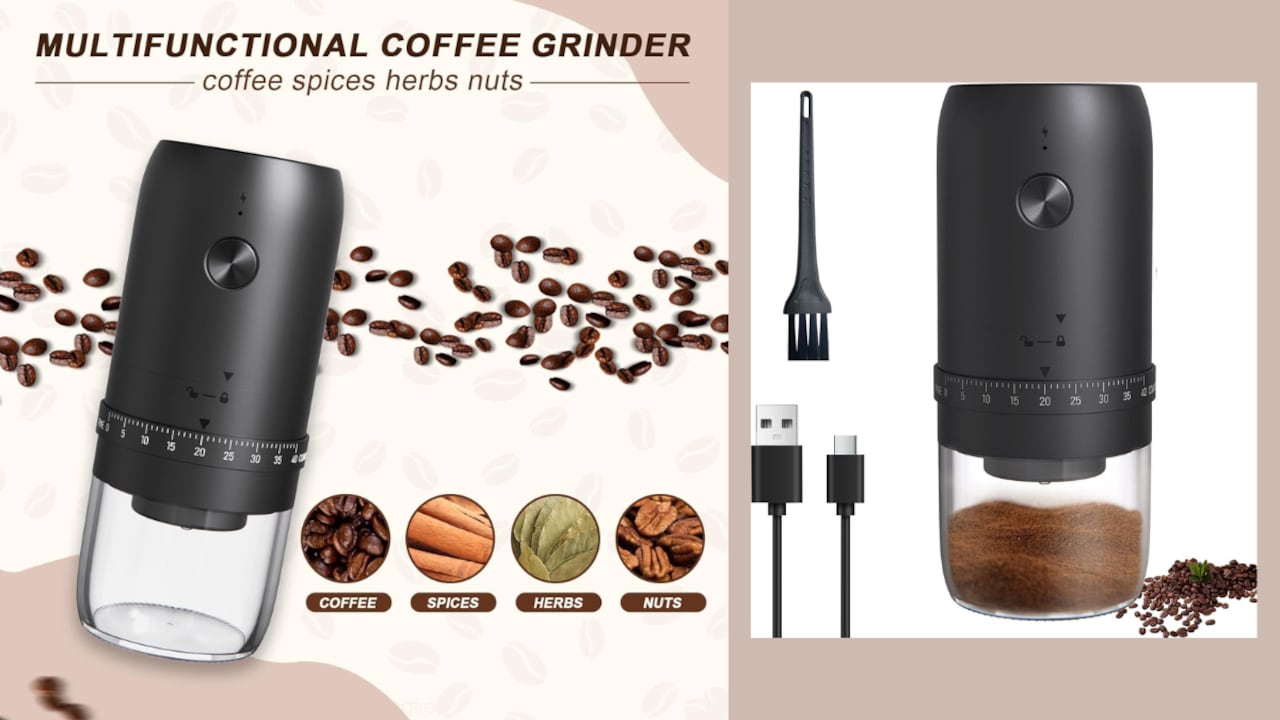
Easy tips to brew the best coffee using a portable coffee maker
A portable coffee maker can feel like a small miracle. It fits inside a backpack, works without a bulky counter and saves coffee lovers from depending on vending machines or sugary café drinks. Then comes the first sip. Instead of bold flavour, there is warm brown water. Weak coffee from a portable brewer feels especially frustrating because the whole point of carrying one is to enjoy better coffee anywhere. Nobody wants to pack beans, filters and a travel mug only to produce something that tastes like the final serving at a railway pantry. The good news is that portable coffee makers rarely fail without reason. Most of them simply need more precise handling than a standard kitchen machine. Their smaller chambers, limited pressure and compact heating systems leave less room for guesswork. A slight error in grind size or water quantity can make a noticeable difference.

How to make strong coffee using a portable coffee maker
Photo Credit: Amazon
Stronger coffee does not always mean adding more powder blindly. Good strength comes from balanced extraction. Water needs enough time, heat and contact with the grounds to pull out the pleasant flavours without creating bitterness. The following ten adjustments can help portable brewers deliver coffee with more body, aroma and character.
Also Read: Best Coffee Makers For Home
Simple Ways To Brew Stronger Coffee With A Portable Coffee Maker
Use Freshly Roasted Coffee Beans
Coffee begins losing aroma soon after roasting, and the decline speeds up once the packet opens. Old beans may still look perfectly respectable, but they often produce a dull, papery drink. No portable coffee maker can restore flavour that has already disappeared.
Check the roast date rather than relying only on the expiry date. Beans used within a few weeks of roasting usually offer better aroma and depth. Store them in an airtight container away from sunlight, heat and moisture. The kitchen shelf above the gas stove may look convenient, but it behaves like a tiny sauna.
Avoid keeping coffee in a loosely folded packet. Air slips inside each time the packet opens and slowly carries away the volatile compounds responsible for fragrance and flavour. Buying smaller quantities often works better than purchasing a giant “value pack” that sits around for months.
For daily use, a medium or medium-dark roast can work well in portable brewers because it extracts more easily than very light coffee. Fresh beans alone may not solve every problem, but they create the foundation for a stronger and more satisfying cup.
Grind The Coffee At The Right Size
Grind size controls how quickly water extracts flavour from coffee. When the grounds are too coarse, water passes through without collecting enough flavour. The result tastes weak, sour and unfinished. When the grounds are too fine, the brewer may clog or produce harsh bitterness.
Most portable drip brewers perform well with a medium-fine grind. Portable espresso makers often need a finer texture, though not always as powdery as commercial espresso. French press-style travel brewers usually need a coarser grind. The manufacturer's guide can provide a useful starting point, but taste should make the final decision.
A burr grinder gives more consistent particles than a basic blade grinder. Consistent grounds help water extract flavour evenly. Blade grinders often create a strange mix of boulders and dust, which can lead to both weakness and bitterness in the same cup.
Make small adjustments rather than changing the grind dramatically. If the coffee tastes watery or sharply sour, move slightly finer. If it tastes bitter or the water struggles to pass through, move slightly coarser. One careful click on the grinder can do more than an extra spoonful of coffee.
Measure The Coffee And Water Properly
Guesswork works beautifully for adding coriander to poha. It works less reliably for brewing coffee. Portable coffee makers have small chambers, so even a little extra water can dilute the final cup.
A practical starting ratio is around one gram of coffee for every 15 to 17 grams of water. For 240 millilitres of water, that means roughly 14 to 16 grams of coffee. Those who prefer a bolder cup can use slightly more grounds or less water. The ideal ratio depends on the brewer, roast and personal taste.
A small digital scale makes the process easier and costs far less than replacing a machine that was never faulty. Compact models often sell for around ₹500 to ₹1,200 and fit neatly inside a kitchen drawer or travel pouch.
Scoops can vary in size, and coffee density changes with the roast and grind. Two scoops of dark roast may weigh less than two scoops of light roast. Measuring by weight removes that confusion.
Once a satisfying ratio emerges, note it down. Consistency prevents each morning from becoming a new science experiment conducted before breakfast.
Heat The Water To The Correct Temperature
Water that is not hot enough struggles to extract flavour. This often creates a thin, sour cup, even when the coffee dose and grind seem correct. Boiling water can also cause trouble, especially with darker roasts, because excessive heat may pull out burnt or bitter notes.
A brewing range of roughly 90°C to 96°C suits most coffee. Without a thermometer, bring the water to a boil and let it rest briefly before pouring. At higher altitudes, where water boils at a lower temperature, pouring soon after boiling may work better.
Some electric portable coffee makers do not heat water sufficiently, particularly when powered by a low-output USB connection or an ageing battery. In such cases, add properly heated water from a kettle or flask if the design allows it. A brewer cannot create full flavour from lukewarm water, no matter how stylish its travel case looks.
Preheating also helps. Rinse the brewing chamber and mug with hot water before starting. Cold metal or plastic steals heat from the brew. That small temperature drop can weaken extraction, especially during short brewing cycles. A warm brewer keeps the process steady from the first pour to the final drip.
Extend The Brewing Time Carefully
Coffee needs enough contact time with water to release its flavour. Portable makers sometimes brew too quickly because of their compact design, loose filters or low resistance. When water rushes through the grounds, it leaves much of the good stuff behind.
For immersion-style brewers, allow the coffee to steep longer before pressing or releasing it. An extra 30 to 60 seconds can improve body and sweetness. For manual drip devices, pour water in stages rather than dumping everything at once. A slower, controlled pour keeps the grounds saturated and gives extraction more time.
Do not extend the process endlessly. Over-brewing can create bitterness, dryness and a mouth-puckering finish. Strength should feel rich, not punishing.
Observe the flow. If the brewer finishes almost immediately, the grind may be too coarse or the filter may not hold enough resistance. If brewing takes forever, the grind may be too fine.
Timing the brew with a phone can help establish a repeatable routine. After a few attempts, the process becomes instinctive. Until then, a timer can protect the cup from both impatient pouring and distracted scrolling.
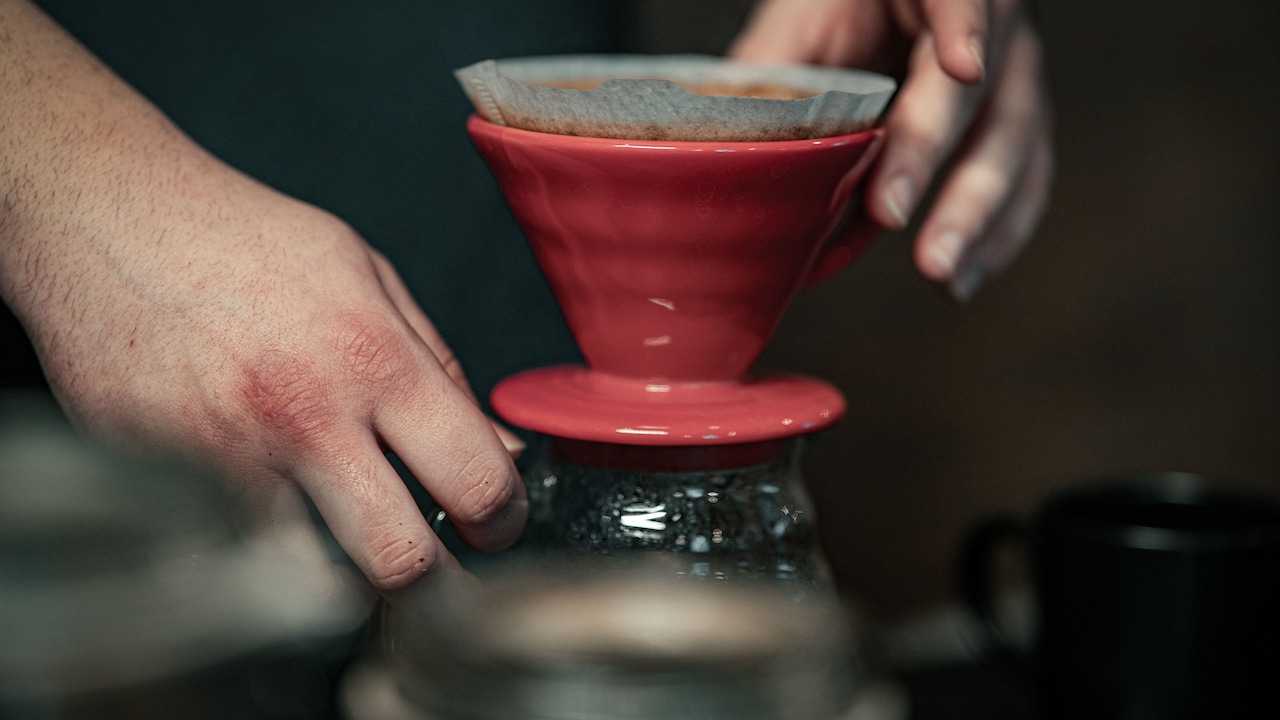
Carefully time the brewing routine to get consistent results; Photo Credit: Pexels
Wet The Grounds Before The Full Brew
Fresh coffee releases carbon dioxide when hot water touches it. This causes the grounds to swell and bubble, a stage known as blooming. Skipping this step can lead to uneven extraction because trapped gas pushes water away from parts of the coffee bed.
Start by adding just enough hot water to wet all the grounds. Wait for about 30 seconds before continuing with the full pour. The coffee may puff up like a tiny monsoon cloud. That reaction signals freshness and gives the gas time to escape.
Blooming matters most with recently roasted beans, but even older coffee can benefit from a short pre-wet. It helps settle the grounds, reduces dry pockets and encourages more even water flow.
For small portable brewers, use a gentle pour. Too much water during the bloom can fill the chamber and begin the main extraction too early. A small amount works better.
This simple pause adds almost no effort, yet it can improve aroma, sweetness and overall depth. It also makes the brewing ritual feel slightly more thoughtful, which is never a bad thing during a rushed morning.
Distribute The Coffee Grounds Evenly
Uneven coffee beds create weak coffee because water always searches for the easiest route. If one side contains a mound and the other side has a gap, water will flow through the gap and ignore much of the coffee. This problem, often called channelling, becomes common in compact espresso-style brewers.
After adding the grounds, gently shake or tap the brewer to level the surface. Avoid pressing randomly with a spoon, as this can create dense and loose patches. Espresso-style portable makers may include a tamper. Use firm, even pressure, but do not treat the coffee puck like a stubborn suitcase that refuses to close.
For drip brewers, make sure the filter sits correctly, and the grounds do not cling to one side. During the pour, aim for full and even saturation. Small circular movements can help, provided the water does not wash the grounds up the walls.
Even distribution allows all the coffee to contribute flavour. It also improves consistency between cups. A portable machine may have limited pressure or capacity, but a flat and balanced coffee bed helps it use those limited resources efficiently.
Clean The Portable Coffee Maker Thoroughly
Coffee oils collect inside filters, valves, seals and narrow brewing chambers. Over time, these oils turn stale and create unpleasant flavours. Mineral deposits from hard water can also block the flow or reduce brewing temperature. The coffee may taste weak, muddy or strangely metallic.
Rinse removable parts after every use and allow them to dry fully. Once a week, clean the brewer more thoroughly with warm water and a mild, unscented washing liquid if the manufacturer permits it. Pay attention to mesh filters, small holes and rubber seals, where residue likes to hide.
For mineral build-up, follow the maker's descaling instructions. Some models allow a diluted citric acid solution, while others require a specific cleaning product. Avoid experimenting with harsh chemicals inside equipment used for drinking water.
Reusable metal filters need particular care. Fine particles can become trapped in the mesh and slow or redirect the water flow. Hold the filter against the light. If many holes look blocked, it needs a proper scrub.
A clean brewer will not only produce stronger coffee. It will also protect the natural sweetness and aroma of the beans.
Use Better-Quality Water
A cup of coffee contains far more water than coffee, so water quality has a major influence on taste. Strong-smelling tap water, excess chlorine or very high mineral content can flatten flavours and make coffee seem weak even when extraction is technically correct.
Filtered water often improves the cup immediately. It should taste clean and pleasant on its own. Distilled water, however, may produce flat coffee because it lacks the minerals that help extract flavour. The goal is balanced water, not completely mineral-free water.
Hard water can create scale inside heating elements and small valves. This lowers efficiency and may prevent the brewer from reaching the right temperature. Soft water can also cause problems if it lacks enough mineral content. A basic household filter usually offers a practical middle ground.
When travelling, bottled drinking water may provide more consistent results than an unfamiliar local supply. There is no need to buy premium glass bottles that cost as much as lunch. Ordinary clean water with a neutral taste works well.
Before blaming the beans or machine, brew the same coffee with a different water source. The improvement can feel surprisingly dramatic.
Match The Brewing Method To The Coffee
Not every coffee suits every portable brewer. A delicate, lightly roasted single-origin coffee may taste beautiful in a slow pour-over, yet seem faint in a small pressure brewer. A dark roast may create strong body quickly but become smoky when brewed too hot.
Choose coffee that complements the machine. Portable espresso makers often perform better with medium-dark roasts and fine grinds. Immersion brewers can highlight medium roasts with chocolate, nut or caramel notes. Compact drip devices may suit medium roasts that extract easily without turning harsh.
The processing style matters too. Naturally processed coffees often bring fruitier, heavier flavours, while washed coffees can taste cleaner and brighter. Someone seeking a strong, familiar cup may prefer beans with cocoa, roasted nut or spice notes rather than highly floral coffee.
Check whether the brewer uses capsules, ground coffee or both. Refillable capsules may need a specific grind and packing method. Pre-filled capsules can also lose freshness after long storage.
A good match removes unnecessary struggle. The portable coffee maker does not need to imitate a café machine perfectly. It needs to produce the best cup within its own design.
Products Related To This Article
1. Coffeeza Finero Next Capsule Coffee Machine (Black)
2. 3 in 1 Portable Electric Espresso Machine, Hot & Cold Cofee Maker
3. MTRoyaldia Coffee Maker Mat for Kitchen Counter with Tamping Mat
4. AGARO Pour Over Coffee Maker with Double Mesh Filter
5. Rossmann Espresso Coffee Maker
6. COSTAR 2-in-1 Espresso Machine for Capsules & Coffee Powder
7. AGARO Regal Iced Brew Coffee Maker & Iced Tea Brewer
Weak coffee from a portable maker rarely means the brewer belongs in the cupboard
of forgotten gadgets. More often, the machine needs a better combination of fresh beans, suitable grinding, correct measurements, hot water and patient brewing.
Start with one change at a time. Use fresher coffee, reduce the water slightly or adjust the grind by a small amount. Changing everything together makes it difficult to understand what actually improved the cup. Coffee rewards curiosity, but it also rewards consistency.
Portable brewers have limitations. They may not deliver the pressure, temperature control or capacity of a full-sized machine. Yet careful technique can close much of that gap. A well-prepared travel cup can still taste rich, fragrant and comforting, whether it is brewed at a desk, beside a campsite or during a long journey.
The final aim is not maximum strength at any cost. Coffee should have body without tasting burnt, bitterness without becoming aggressive and acidity without feeling sharp. Once the balance is right, the portable coffee maker stops producing weak coffee and starts earning its place in the travel bag.
(Disclaimer: This article may include references to or features of products and services made available through affiliate marketing campaigns. NDTV Convergence Limited (“NDTV”) strives to maintain editorial independence while participating in such campaigns. NDTV does not assume responsibility for the performance or claims of any featured products or services.)