How To Organise A Refrigerator Without Blocking Cold-Air Circulation
Organise your refrigerator to keep cold air flowing, food fresh and energy use in check. These practical storage tips help prevent blocked vents, uneven cooling, clutter and unnecessary food waste.
How To Organise A Refrigerator Without Blocking Cold-Air Circulation
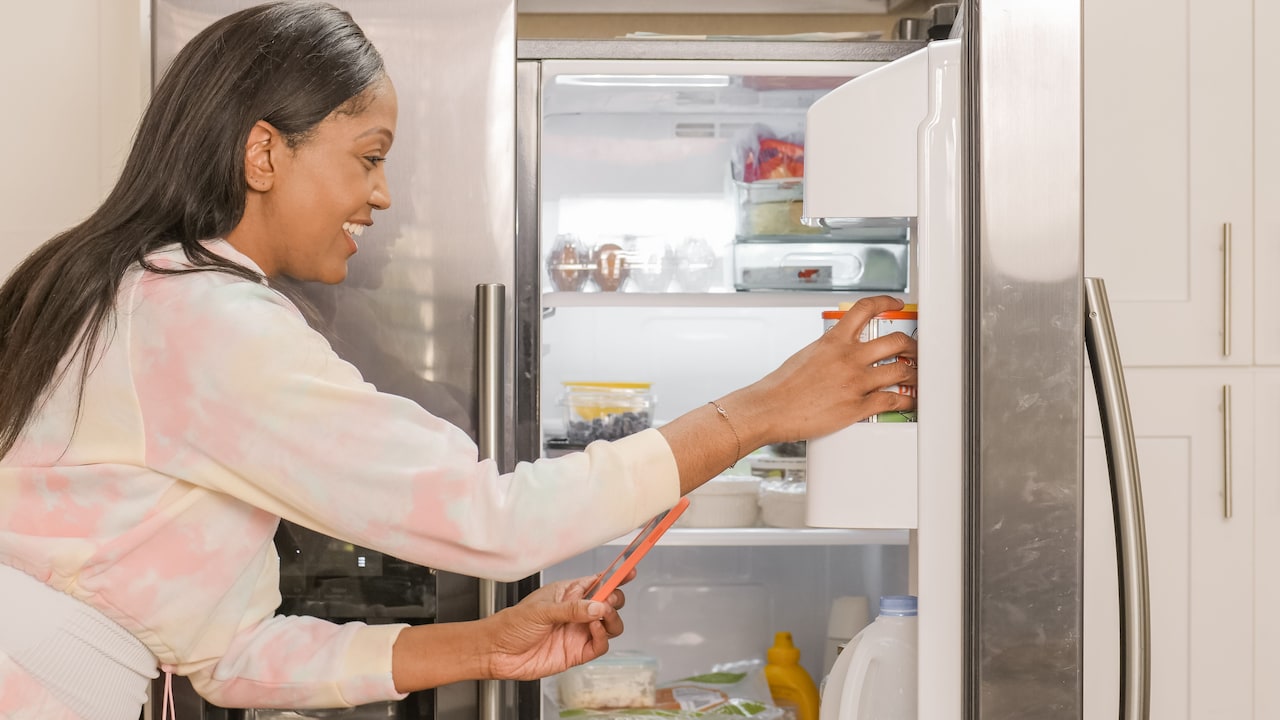
Opening an untidy refrigerator often feels like entering a crowded local train at peak hour. Every container seems to occupy more space than it needs, something always falls forward, and the item you want hides behind three mystery boxes. This clutter does more than test patience. A refrigerator needs steady airflow to keep its temperature even. Cold air must move around shelves, kitchen containers, and food packets. When bulky vessels sit against air vents, or shelves get packed from wall to wall, some areas become colder while others remain too warm. Vegetables wilt early, dairy products spoil faster, and leftovers develop suspicious personalities. Good organisation solves these problems without demanding colour-coded containers or an expensive kitchen makeover. A few thoughtful changes can protect food, reduce waste and make everyday cooking easier. The aim is not perfection. The aim is a refrigerator where cold air can travel freely, and every container earns its place.
How To Organise A Refrigerator Without Blocking Cold-Air Circulation; Photo Credit: Pexels
10 Smart Ways To Keep Cold Air Flowing Freely
1. Locate The Cold-Air Vents First
Before rearranging a single container, find the refrigerator's air vents. These openings usually sit along the back wall, near the top shelf or around the freezer section. Their position varies between models, so checking the appliance manual can save guesswork.
Treat these vents as the lungs of the refrigerator. When a large bowl, milk carton or stack of boxes blocks them, cold air cannot spread evenly. The area near the obstruction may become extremely cold, while the door shelves and lower corners stay warmer. That unevenness can freeze coriander at the back and leave curd less chilled near the front.
Keep a clear gap of roughly five to eight centimetres in front of visible vents. Avoid placing tall vessels directly beneath openings that push air downwards. A slim container may look harmless, but several tightly packed items can create a wall.
This small adjustment often improves cooling without changing the temperature setting. It also helps the compressor work more efficiently. Think of it as giving the refrigerator space to breathe rather than asking it to perform pranayama through a pile of leftover dal.
Also Read: Best Refrigerators Under ₹75000, From Godrej To LG, With Max Storage and Minimal Bills
2. Leave Space Between Containers
A refrigerator should look comfortably stocked, not tightly packed like a suitcase before a family holiday. Cold air needs small pathways between containers to move from one section to another. When every gap disappears, the temperature becomes inconsistent.
Leave a little space around bowls, bottles and storage boxes. Containers should not press against one another across the entire shelf. A two- or three-centimetre gap can make a meaningful difference, especially near the back and sides. Avoid lining shelves with newspapers, plastic sheets or thick mats that cover ventilation slots. These may catch spills, but they can also restrict airflow.
Round vessels often waste space because they leave awkward gaps that cannot hold much else. Rectangular containers fit more neatly and still allow deliberate air channels. Stack only containers designed for secure stacking. A leaning tower of steel dabbas does not count as space management; it counts as tomorrow's loud kitchen accident.
The refrigerator also cools better when it remains reasonably full because chilled food helps maintain temperature. The key lies in balance. Keep useful ingredients inside, but remove unnecessary packaging and expired items before adding more.
3. Keep The Back Wall Clear
The back wall often becomes the refrigerator's unofficial storage boundary. Containers get pushed backwards until they touch it, particularly when someone needs to squeeze in one more bowl. That habit can interfere with cooling and damage food.
In many refrigerators, the back section becomes colder than the front. Food placed directly against it may partially freeze, collect moisture or develop icy patches. Leafy vegetables, paneer and cooked rice can suffer noticeable texture changes. Moisture may also gather behind containers, creating sticky marks and unpleasant smells.
Maintain a narrow gap between food and the inner wall. This space allows cold air to move vertically and prevents containers from trapping condensation. Use the natural shelf edges or a shallow organiser as a visual stopping line. Family members can then see where containers should end.
Avoid pushing soft packets, such as milk or dosa batter, into narrow spaces at the back. They can sag, leak or block hidden airflow channels. A forgotten milk packet pressed against a freezing surface is rarely a pleasant discovery.
Keeping the wall visible may seem like wasted space, but it protects circulation. Empty space in the right place serves a purpose.
How To Organise A Refrigerator Without Blocking Cold-Air Circulation; Photo Credit: Pexels
4. Assign Food To The Right Zones
Different areas inside a refrigerator serve different purposes. Organising food according to these temperature zones improves freshness and reduces the urge to fill every available corner without thought.
Upper shelves usually offer stable cooling, making them suitable for cooked food, leftovers, sweets and ready-to-eat items. Middle shelves work well for dairy products such as curd, paneer and cheese. Lower shelves often remain colder, so they suit raw ingredients that need stronger chilling. Always keep raw meat or fish in a sealed container to prevent leaks and contamination.
The crisper drawer provides a more humid environment for fruits and vegetables. However, it should not become a vegetable graveyard. Remove damaged produce, loosen tightly packed bags and separate items that release excess moisture.
Door shelves experience frequent temperature changes whenever the refrigerator opens. Store sauces, pickles, jams and water bottles there rather than highly perishable milk. Although many refrigerator doors include egg trays, an inner shelf may keep eggs at a steadier temperature.
Zone-based storage stops random piling. It also shortens the time spent searching, which means the door stays open for fewer dramatic minutes while someone asks where the green chutney went.
5. Use Shallow Containers For Leftovers
Deep vessels may hold large portions, but they often create cooling problems. A steaming pot of rajma placed directly in the refrigerator cools slowly in the centre, while its bulky shape blocks air around nearby food.
Transfer leftovers into shallow containers once the food stops releasing heavy steam. A wider surface allows heat to escape faster and helps the refrigerator chill the food evenly. Divide a large batch between two containers rather than using one enormous vessel. This approach also makes reheating easier because only the required portion needs to come out.
Choose containers with secure lids to prevent odours from travelling. Without lids, last night's garlic-heavy curry can introduce itself to the fruit bowl by morning. Clear boxes help identify contents quickly, while labelled steel containers prevent the familiar guessing game of “sambar or kheer?”
Do not stack warm containers tightly. Leave room around them until they cool fully. Once chilled, they can move into a neat stack without disrupting airflow.
Shallow storage also reduces forgotten leftovers. Food remains visible, portions look manageable and containers no longer occupy half a shelf simply because the family ordered an ambitious amount of biryani on Sunday.
6. Avoid Overloading The Door Shelves
The refrigerator door looks sturdy, so it often ends up carrying heavy bottles, large milk packets, juice cartons, pickle jars and every sauce ever bought during a supermarket offer. Overloading the door causes clutter and can affect both circulation and appliance performance.
Heavy items may strain door racks and hinges. More importantly, an overcrowded door can prevent proper closing. Even a slight gap allows warm air to enter, forcing the refrigerator to work harder. Frost, condensation and rising electricity bills may follow.
Arrange door items by height and frequency of use. Keep regularly used sauces and water bottles within easy reach. Remove duplicate bottles and combine small quantities only when food-safety conditions allow. Check old jars for mould, unusual smells or expiry dates before granting them permanent residency.
Avoid stuffing narrow gaps with soft packets. A milk packet trapped near the hinge can puncture or stop the seal from meeting the frame. After closing the door, check that the gasket sits flat all around.
A clean door shelf also saves time. Nobody needs six minutes of bottle shuffling to locate tomato ketchup while the refrigerator alarm performs its most irritating concert.
7. Create A First-To-Finish Section
Food waste often happens because older items disappear behind newer purchases. A small “first-to-finish” section keeps ageing ingredients visible without crowding the main shelves.
Choose a shallow tray or one clearly defined corner on an upper shelf. Place food there that needs quick attention, such as opened curd, half a papaya, leftover sabzi, cut lemons or a carton nearing its use-by date. Keep the section small. A giant box filled with forgotten food only creates a more organised form of forgetting.
Position the tray away from air vents and leave space around its edges. Avoid tall, solid baskets that prevent cold air from passing through. Low-sided organisers work better because they group items without creating a barrier.
Check this section before cooking or ordering food. That half-bowl of dal can become paratha filling, while soft tomatoes can join a gravy instead of heading towards the bin. This habit stretches the grocery budget without making meals feel repetitive.
A visible priority area also helps everyone at home participate. It quietly answers the question, “What should be eaten today?” No family announcement, spreadsheet or fridge committee meeting required.
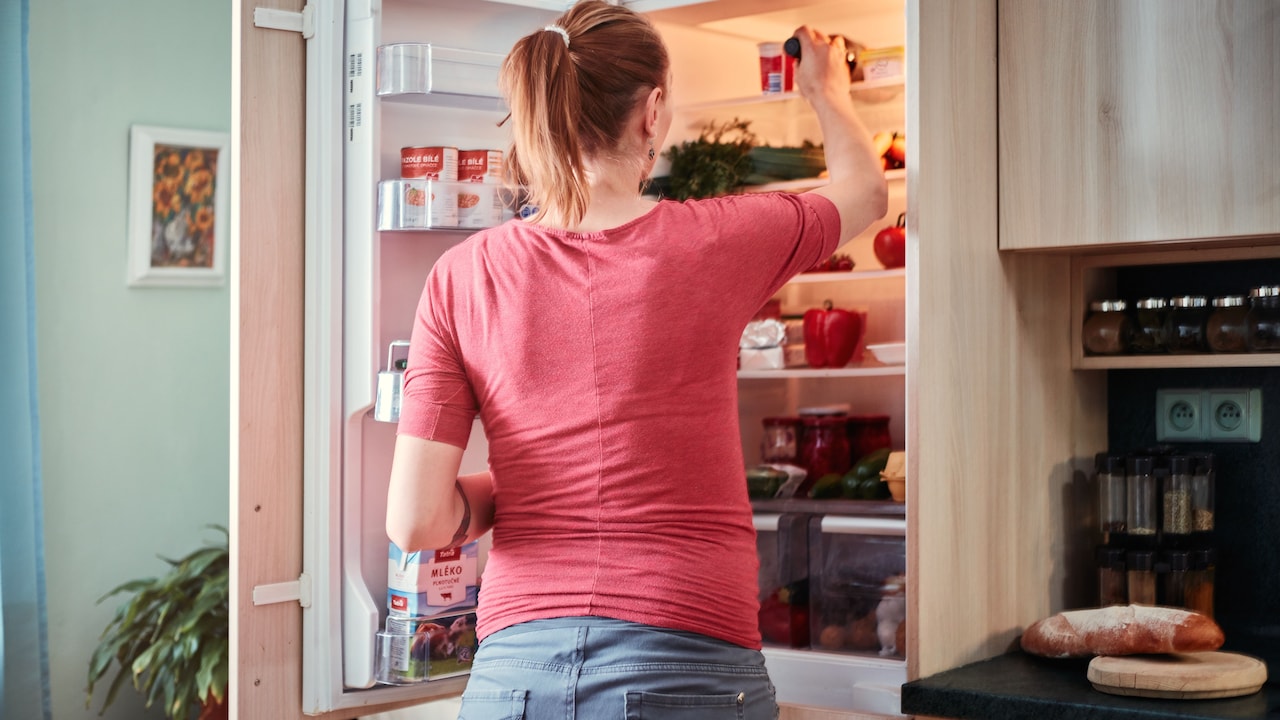
How To Organise A Refrigerator Without Blocking Cold-Air Circulation; Photo Credit: Pexels
8. Remove Unnecessary Outer Packaging
Food packaging consumes more refrigerator space than most people realise. Cardboard boxes, bulky plastic trays and oversized multipacks can block airflow even when the actual food occupies very little room.
Remove outer cartons from items such as yoghurt cups, juice packs or individually wrapped products when the packaging offers no storage benefit. Keep important information, including expiry dates, preparation instructions and allergen warnings. A small label on the container can preserve essential details without preserving the entire cardboard fortress.
Transfer loose vegetables from tightly knotted plastic bags into breathable produce bags or suitable crisper containers. Closed bags can trap moisture, speeding up spoilage. However, avoid washing vegetables before storage unless they will be dried thoroughly. Extra moisture encourages decay.
Do not remove protective packaging from raw meat, fish or foods that require sealed handling unless they go directly into a leakproof box. Organisation should never compromise hygiene.
Reducing packaging creates cleaner sightlines and more room for air to move. It also prevents small packets from vanishing inside large boxes. The refrigerator begins to hold food rather than a private exhibition of supermarket branding, promotional sleeves and “family value packs” bought for a suspiciously small family.
9. Stack Containers With Airflow In Mind
Stacking helps use vertical space, but careless stacking can turn a shelf into a solid block. Cold air must still travel around the tower, especially when several containers sit close to the vents.
Use flat-lidded containers that stack securely. Place larger boxes at the bottom and lighter ones above. Keep stacks low enough to leave a gap beneath the next shelf. Do not build a container column that touches the shelf above, as this closes off a useful air route.
Group similar items together, but avoid packing an entire shelf from front to back. A row of containers with a small passage beside it works better than a wall stretching across the refrigerator. Place frequently used boxes near the front so nobody has to remove six items to reach breakfast.
Mismatch creates chaos. A round bowl balanced on a rectangular box may survive for several hours, but its future remains uncertain. Proper lids and consistent shapes improve safety and visibility.
Steel containers remain practical for many kitchens, though their contents stay hidden. Labels can solve that problem. A small piece of reusable tape marked “chole, Monday” prevents repeated opening, reduces warm-air entry and protects everyone from discovering something that has quietly evolved.
10. Follow A Weekly Reset Routine
Even the best refrigerator system falls apart without regular attention. Busy weeks bring takeaway boxes, extra milk, festival sweets and vegetables bought with optimistic meal plans. A quick weekly reset prevents this temporary clutter from becoming permanent architecture.
Choose a convenient day, perhaps before the main grocery run. Check leftovers, expiry dates and damaged produce. Wipe spills before they harden into archaeological evidence. Return containers to their assigned zones and clear the space around air vents.
Look for signs of poor circulation. Frost on food, warm corners, excessive condensation or items freezing unexpectedly may indicate blocked airflow. Rearrange bulky vessels and check whether the door closes properly. Persistent cooling problems may require professional servicing rather than increasingly creative container placement.
Plan the next few meals around ingredients that need finishing. This step reduces waste and creates space before fresh groceries arrive. It can also prevent duplicate purchases, such as the fourth packet of ginger hiding beneath three bunches of coriander.
A weekly reset does not need to become a grand cleaning ceremony. Ten focused minutes can restore order. The reward appears every morning when breakfast ingredients emerge without a search party.
Products Related To This Article
1. Godrej 223L 2 Star| New Launch| 5 Years Comprehensive Warranty
2. Haier 165 L 1 Star Direct Cool Single Door Refrigerator with Diamond Edge Freezing Technology
3. Voltas Beko, A Tata Product 183 L, 2-Star Single Door Direct Cool Refrigerator
4. Godrej 244 L 3 Star 5 Years Comprehensive Warranty New Launch
5. Samsung 183 L, 4 Star, Digital Inverter, Direct-Cool Single Door Refrigerator
6. Whirlpool 184 L 2 Star Direct-Cool Single Door Refrigerator
7. Voltas Beko, A Tata Product 183 L, 2-Star Single Door Direct Cool Refrigerator with Fresh Box Technology
An organised refrigerator does not need matching jars, expensive organisers or the spotless appearance of an appliance advertisement. It needs clear vents, sensible gaps and food placed according to how the refrigerator actually cools.
Small habits make the greatest difference. Keeping containers away from the back wall, using shallow boxes, reducing packaging and checking older food each week allow cold air to move freely. These habits protect ingredients, lower unnecessary energy use and reduce the amount of food that ends up in the bin.
Most importantly, organisation should support real life. There will always be an oversized watermelon, an unexpected box of sweets or a pressure-cooker insert that refuses to fit gracefully anywhere. A flexible system can handle these moments without collapsing into chaos.
Give cold air a clear path, give every shelf a purpose and give leftovers a visible deadline. The refrigerator will cool more evenly, groceries will last longer and opening the door will no longer feel like the beginning of a household treasure hunt.
(Disclaimer: This article may include references to or features of products and services made available through affiliate marketing campaigns. NDTV Convergence Limited (“NDTV”) strives to maintain editorial independence while participating in such campaigns. NDTV does not assume responsibility for the performance or claims of any featured products or services.)