Should You Epilate Before Or After A Shower
Wondering whether you should epilate before or after a shower? Learn the right timing, preparation steps, aftercare tips, and common mistakes to avoid.
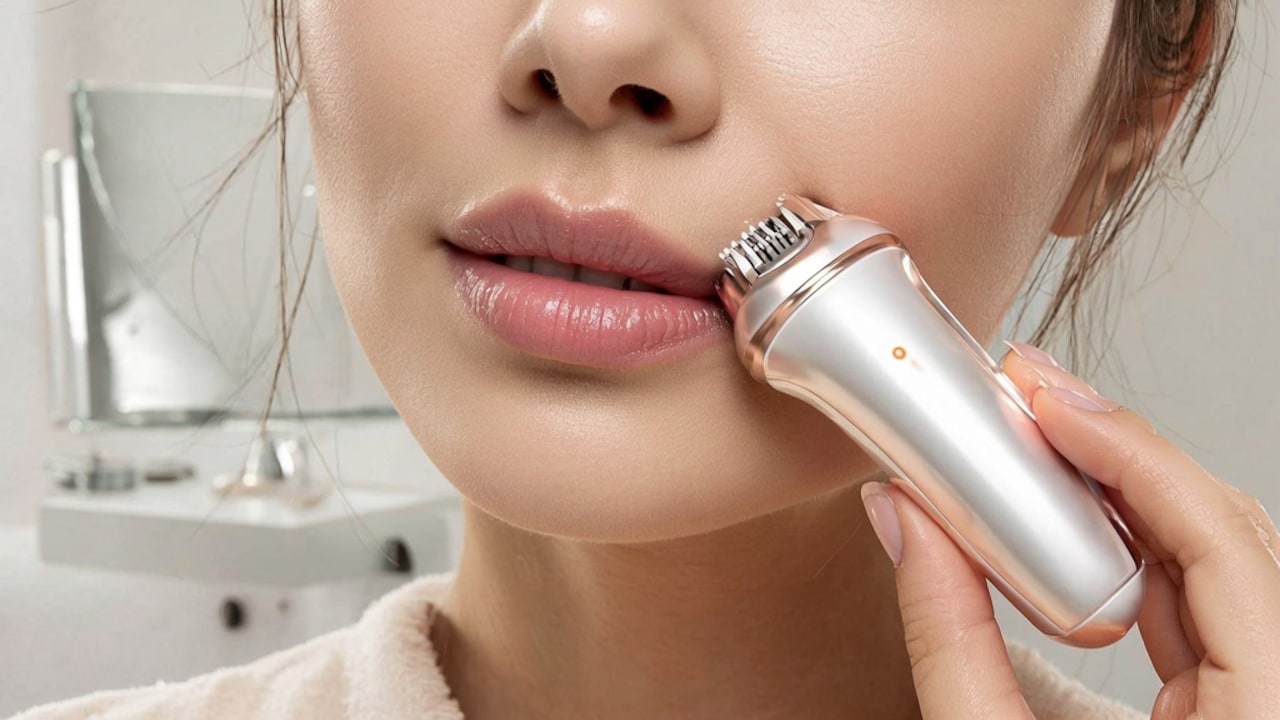
What is the right time to use epilators for hair removal
Smooth, long-lasting hair removal has kinda become a normal thing in a lot of beauty routines, and epilators keep getting more popular, mainly because they can give that salon-like effect at home. Still, even people who use them pretty often tend to ask, like, does the time of epilation matter for how it feels and how well it works? If you've ever stood there thinking, should I use my epilator before I step into the shower or wait until after everything is dried, you're definitely not alone.
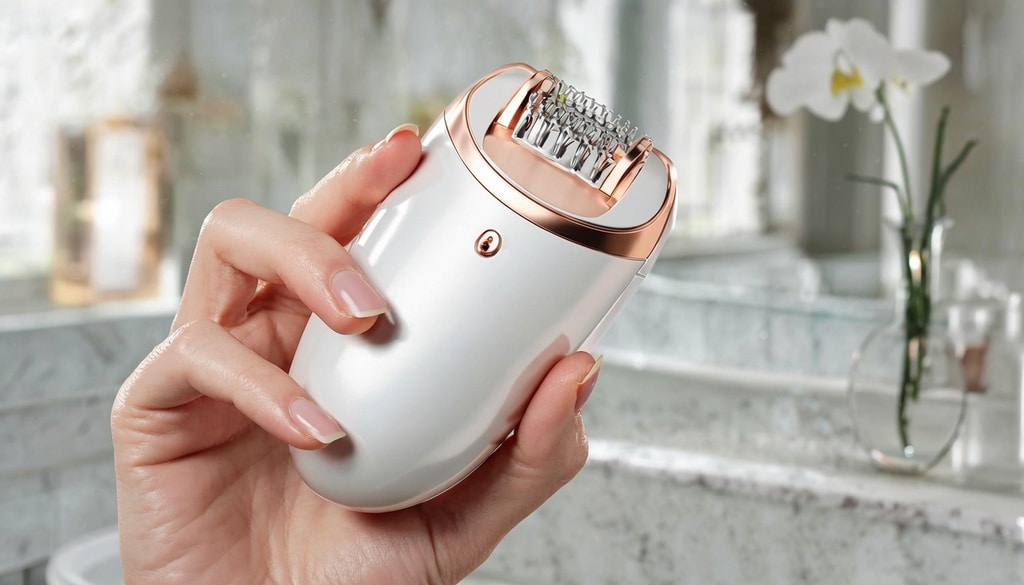
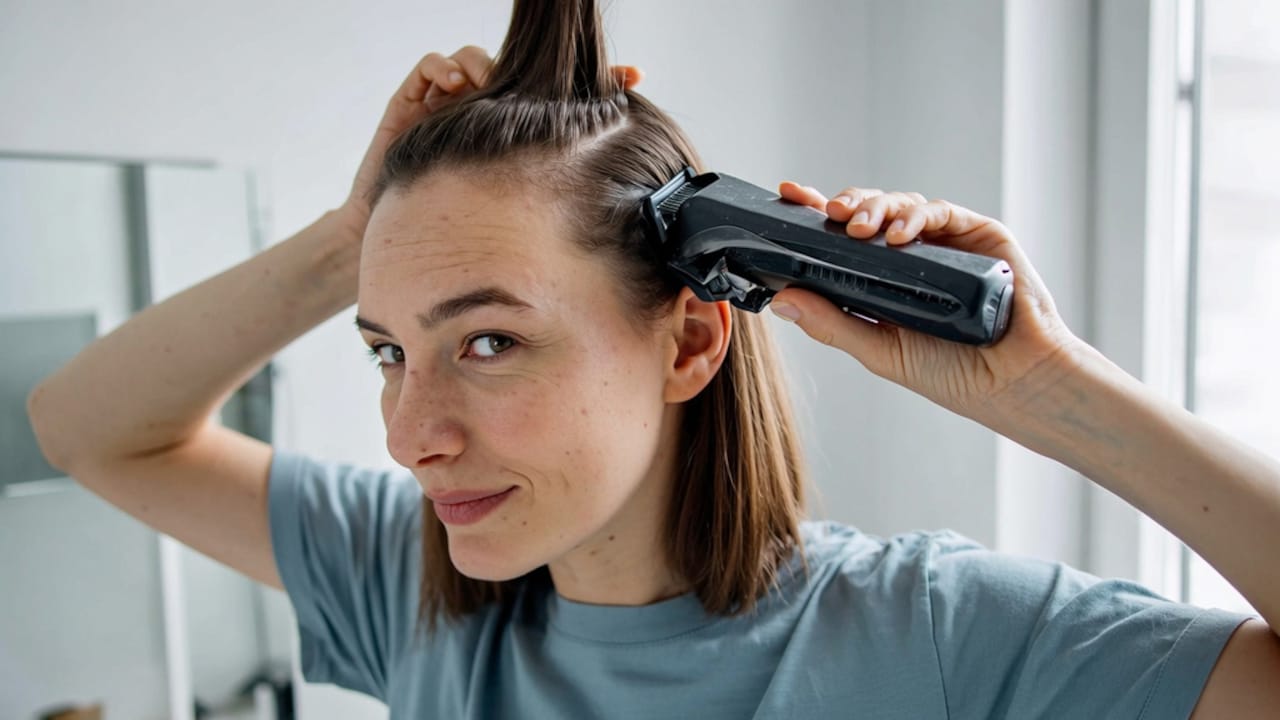
Learn the right timing and crucial preparation steps for epilating before or after showering.
Photo Credit: iStock
The best moment depends on your skin, the exact kind of epilator you have, and even how you prep your skin beforehand. This guide kind of breaks it down: when to epilate, how to do it properly, and what aftercare habits help cut down on irritation.
Also Read: 5 Must-Have Epilators Under ₹2500 For Silky Smooth Skin
Is It Better to Epilate Before or After a Shower?
For most people, epilating after a warm shower is the better option. Warm water softens the skin, loosens things up a little, and opens the pores slightly, plus it helps the hair roots calm down so hair removal feels less sharp. Also, a shower gets rid of sweat, grime, and leftover oil, so your epilator can grab the hairs more effectively.
However, your skin should be fully dry before using a regular dry epilator, unless your device is made for wet and dry use. If your epilator is waterproof and the manufacturer allows it, you can epilate in the shower.
Why A Shower Can Improve Your Epilation Experience
A warm shower prepares both your skin and hair for epilation in several ways. It softens the skin's outer layer a bit and helps loosen the stuck hairs so they come out more easily right from the root. Also, clean skin makes it less likely for bacteria to slip into freshly opened follicles.
That said, don't use very hot water or stay in the shower for too long, since overly softened skin can end up more sensitive. A quick, warm shower is usually more than enough to get your skin ready.
Step-By-Step Guide To Epilating The Right Way
Step 1: Trim Long Hair If Needed
If your hair has grown longer than around 5 mm, trim it slightly before epilating. Extremely long hair can add discomfort and sometimes it tends to loop around the epilator, like, not getting taken away the way you'd expect, so yeah, it may not be removed cleanly.
Step 2: Take A Warm Shower
Try to spend about five to ten minutes in warm water to rinse your skin and loosen the hair a bit. Don't put body oils or heavy moisturisers on before epilation because they can weaken the epilator's grip and then it feels useless.
Step 3: Dry Your Skin Thoroughly
For dry-use epilators, gently pat your skin completely dry with a clean towel. Even a little moisture can make it harder for the device to grip fine hairs efficiently.
Step 4: Exfoliate Gently
Use a mild exfoliating glove or scrub either a few hours before or the day before epilation. It lifts away dead skin, and it can lower the chance of ingrown hairs. Just don't do it right after—freshly epilated skin can get cranky and irritated.
Step 5: Hold The Skin Taut
Stretch the skin gently with one hand while moving the epilator with the other. Taut skin allows the tweezers to capture hairs more effectively and can make the process feel more comfortable.
Step 6: Move The Epilator Slowly
Guide the epilator against the direction of hair growth using slow, steady movements. Try not to push the device too hard on your skin, because soft contact usually gives the best results.
Step 7: Soothe Your Skin Afterwards
When you're done, put on a fragrance-free aloe vera gel or use a soothing moisturiser. That way, you can help with redness and also keep the skin well hydrated while it recovers.
Step 8: Avoid Heat And Friction For 24 Hours
For the next day, avoid hot baths, saunas, hard exercise, and also tight clothing right after epilation. Letting your skin rest for a bit can reduce irritation, and it may help prevent clogged follicles.
Common Mistakes To Avoid While Epilating
Many first-time users make small mistakes that affect their results. Going forward with epilation on dirty skin, using an epilator on hair that is overly long, speeding through the whole thing, or skipping exfoliation altogether can make things a lot more uncomfortable and in turn cause ingrown hairs to show up.
It's also a good idea not to put perfumed lotions on right after you finish, because skin that's just been treated is often more sensitive to scents and alcohol-based products, so it can feel rather irritated.
Tips To Make Epilation Less Painful
Pain tends to decrease as you epilate regularly because the hair often grows back finer over time. Beginners may find it easier to start with lower-speed settings and epilate in the evening, allowing any temporary redness to settle overnight.
Keeping the skin clean, exfoliating regularly, and following a consistent routine can also make future sessions smoother and more comfortable.
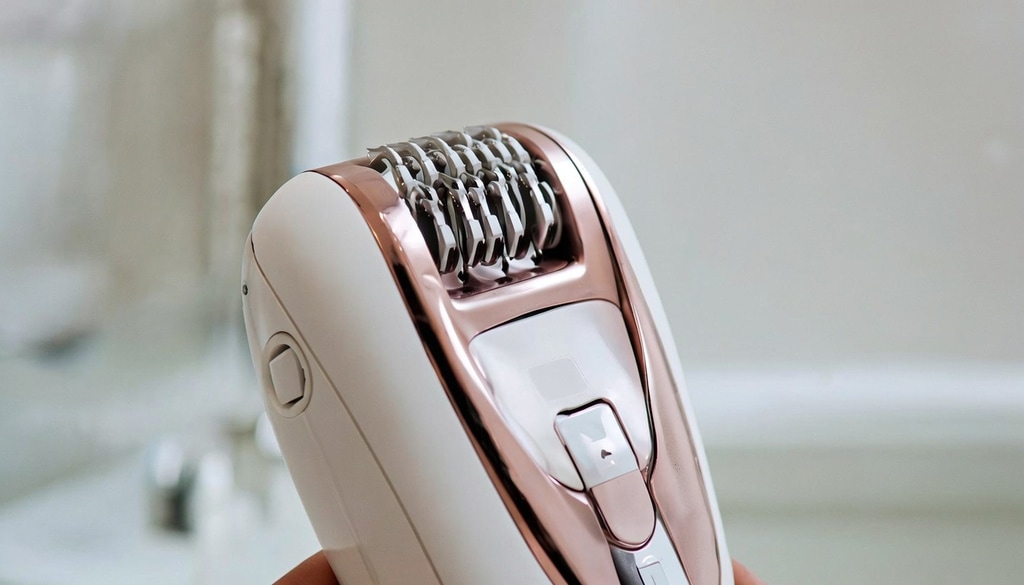
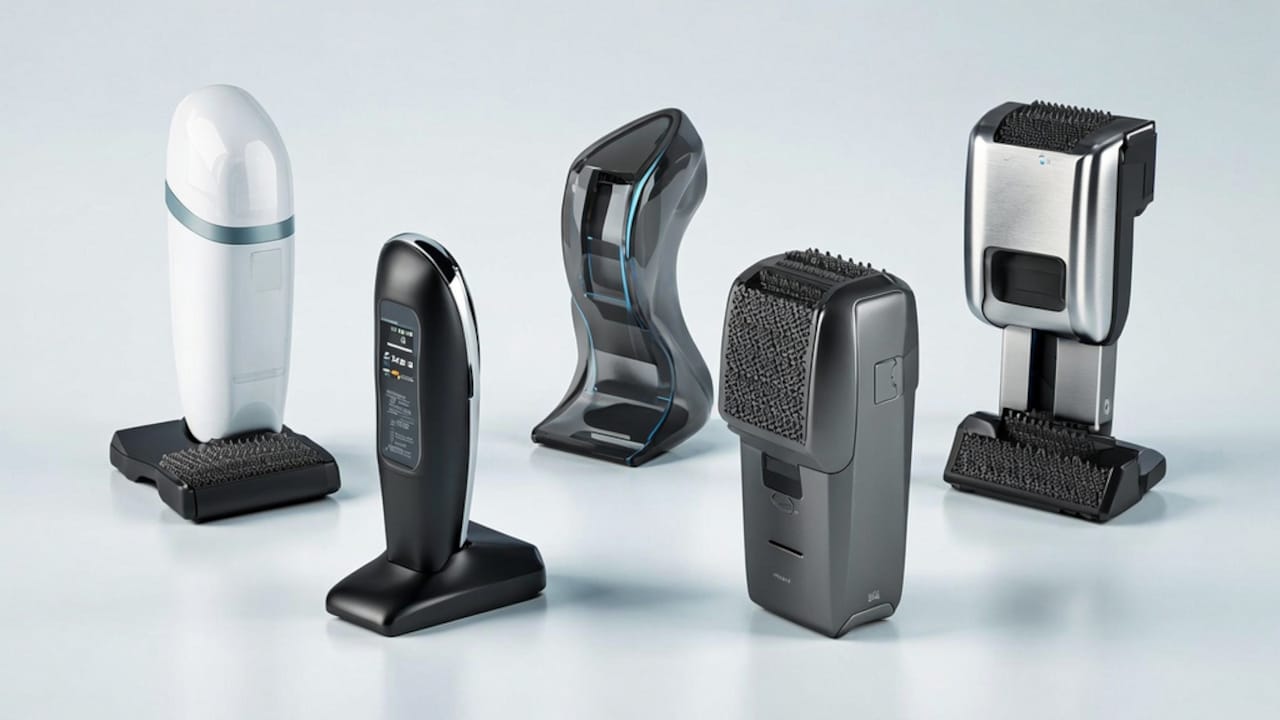
Learn the right timing and crucial preparation steps for epilating before or after showering.
Photo Credit: iStock
Some Epilator Products You May Like
1. Braun Silk-epil 3-000 Epilator
2. Renee Spark EpiSense One Facial Epilator
3. SKINICE 3-in-1 Premium IPL Hair Removal Kit
4. VGR 2-in-1 Epilator & Bikini Shaver
5. BELENZO Mini Facial Hair Remover
6. Elecsera Flawless & Painless Eyebrow & Facial Hair Remover Epilator
7. TRENDZIE SKIN CARE Painless Eye Brow Epilator
8. CUVLY Facial & Eyebrow Hair Removal Epilator
Frequently Asked Questions (FAQs)
1. Is it better to epilate before or after a shower?
For most people, epilating after a warm shower is more comfortable because the skin is clean and the hair follicles are more relaxed. Just ensure your skin is dry unless you're using a wet-and-dry epilator.
2. Should I moisturise before epilating?
No. Heavy lotions and oils can make it difficult for the epilator to grip hair properly. Moisturise after epilation instead.
3. How long should hair be before epilating?
Hair should ideally be between 2 and 5 mm long. Hair that's too short may not be gripped effectively, while very long hair can increase discomfort.
4. Can I epilate every week?
Yes. Most people epilate every two to four weeks, but the frequency depends on individual hair growth. You can touch up smaller areas weekly if needed.
5. How can I prevent ingrown hairs after epilating?
Exfoliate gently one or two times a week, keep your skin moisturised, and avoid tight clothing immediately after epilation to reduce the risk of ingrown hairs.
(Disclaimer: This article may include references to or features of products and services made available through affiliate marketing campaigns. NDTV Convergence Limited (“NDTV”) strives to maintain editorial independence while participating in such campaigns. NDTV does not assume responsibility for the performance or claims of any featured products or services.)