Your Mop Is Not Cleaning Properly: It Is Just Moving Dirt Around
A dirty mop does not clean floors; it spreads grime, bacteria and residue from room to room. Without proper care, mopping simply moves dirt around instead of removing it.
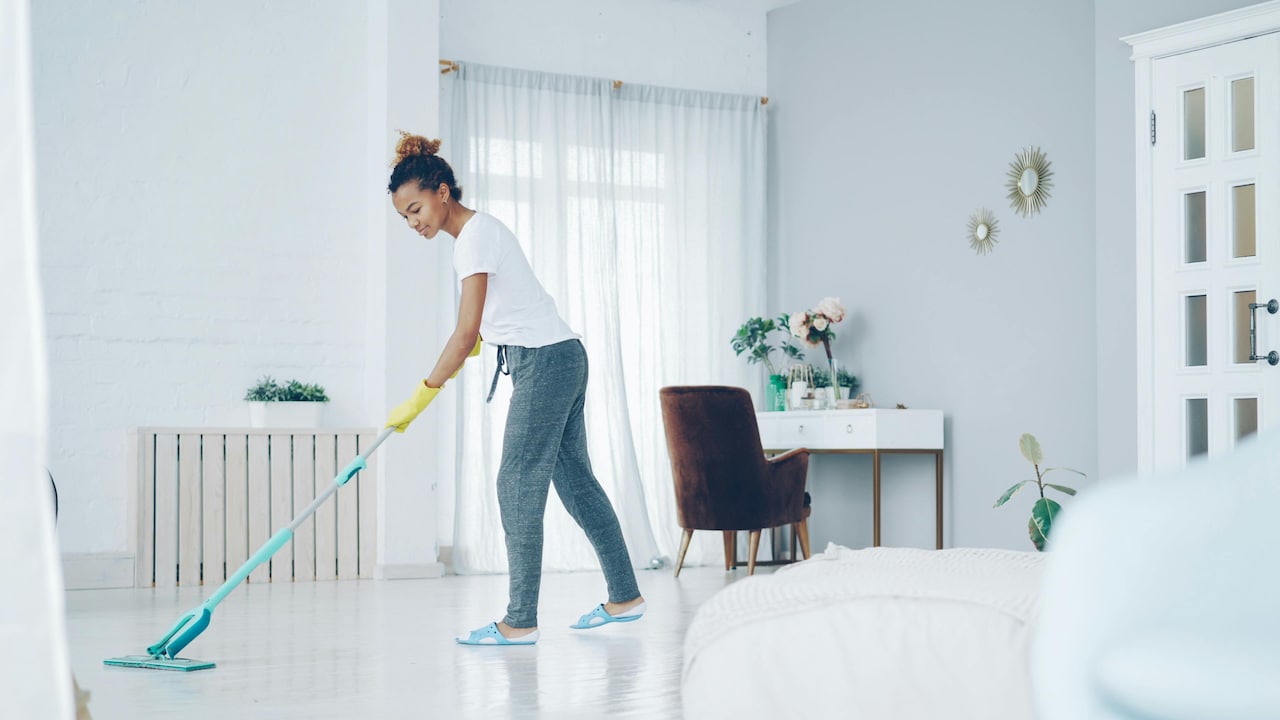
Why Your Mop Is Making Floors Dirtier Instead Of Cleaner
A sparkling floor brings a certain peace to any home. Whether it is the cool tiles beneath bare feet on a summer afternoon or the shine that greets guests during festival season, clean floors shape comfort in subtle yet powerful ways. Yet many households trust their mop far more than they should. The reality feels less comforting. A mop that has not been cleaned properly, changed regularly, or used with fresh water often behaves like a paintbrush for dirt. Instead of lifting dust, grease, and bacteria away, it simply redistributes them across the house. That faint smell lingering after mopping or those streaks visible in sunlight often reveal an uncomfortable truth.
Cleaning should never be an illusion. A floor may look decent on the surface while still harbouring grime invisible to the eye. Understanding why mops fail, and how simple changes can transform cleaning routines, can save time, effort, and even health. Sometimes, the problem is not the floor at all. It is the mop itself.
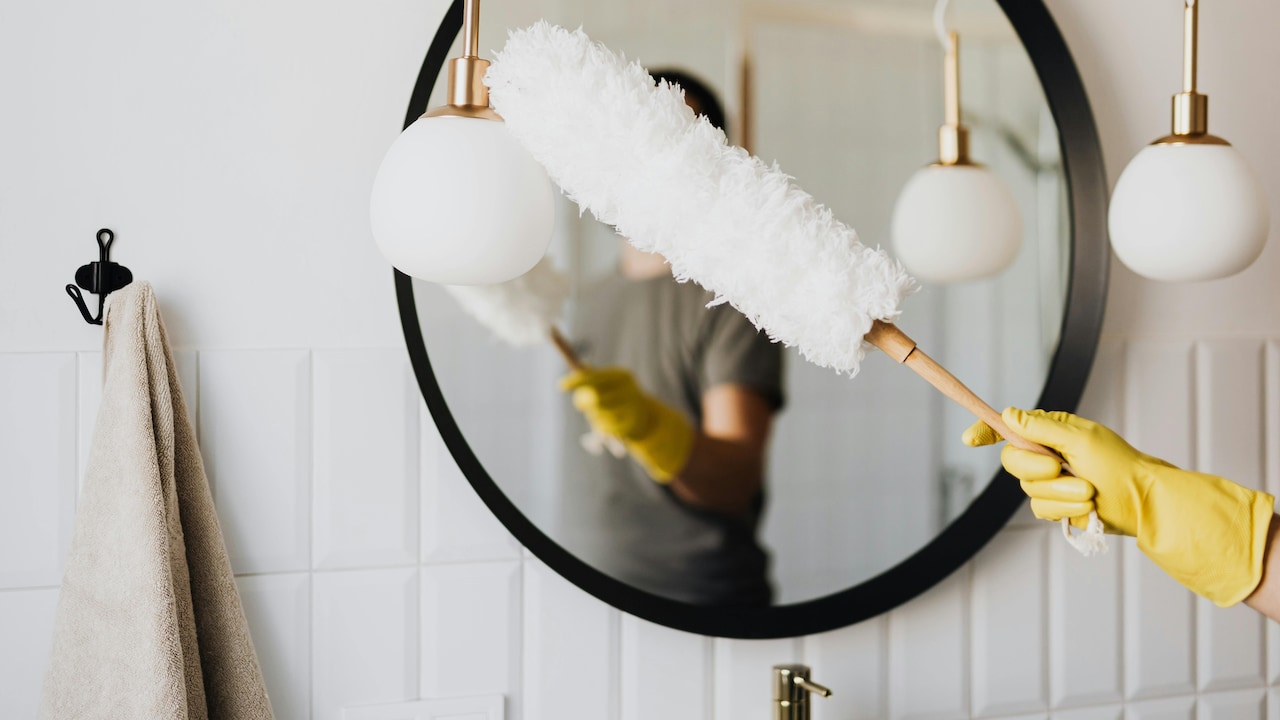
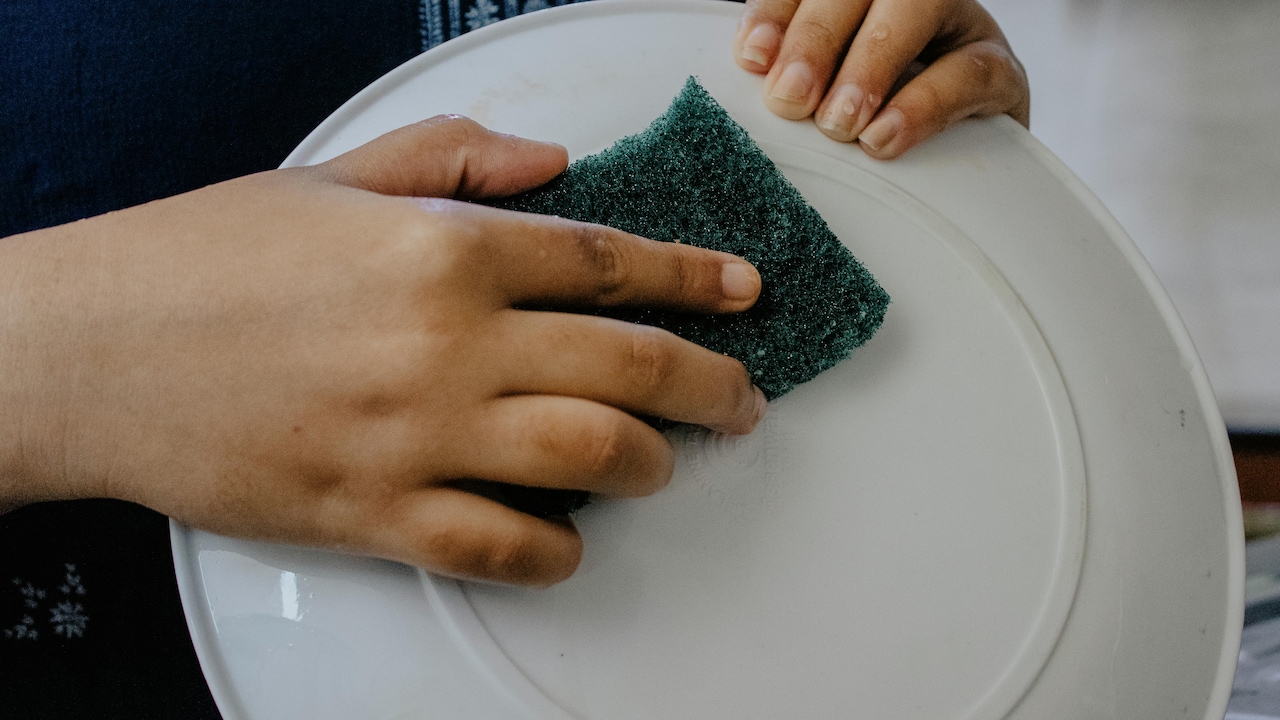
Why Your Mop Is Making Floors Dirtier Instead Of Cleaner; Photo Credit: Pexels
Why Your Mopping Routine Is Failing You
Dirty Mop Heads Are Breeding Grounds For Germs
A mop head absorbs everything from spilt tea and cooking oil to dust and pet hair. Over time, without proper washing, it becomes a damp paradise for bacteria. Many households rinse the mop quickly after use and store it away, assuming that is enough. Unfortunately, moisture combined with trapped dirt creates the perfect environment for unpleasant odours and microbial growth.
Imagine wiping your kitchen counter with an old, dirty cloth every day. It sounds absurd, yet many do exactly that with their floors. Each swipe can deposit yesterday's grime right back onto freshly cleaned surfaces. This becomes especially problematic in homes with children playing on the floor.
Regular washing with hot water and disinfectant can dramatically improve hygiene. Replacing mop heads every few months may seem like an added expense, but compared to medical bills or constant deep cleaning, ₹300 to ₹800 for a replacement feels sensible. Clean tools create clean homes. Anything less simply shifts dirt in circles.
Also Read: How To Pick A Steam Mop That Works On Both Tiles And Wooden Floors
Using One Bucket Of Water Spreads More Dirt Than It Removes
One of the most common cleaning mistakes lies in the humble mop bucket. Water starts clean, but after a few rinses, it transforms into a murky soup of dirt, grease, and dust. Continuing to dip the mop into this contaminated water means spreading diluted filth across every room.
This explains why floors sometimes appear sticky even after mopping. Rather than removing dirt, the mop applies a thin film of grime. It may smell lemon fresh, thanks to floor cleaner, but the residue remains.
Changing water frequently can make a remarkable difference. For larger homes, a two-bucket system works wonders, one for rinsing dirty mop heads and another for clean solution. Professional cleaners often rely on this method because it genuinely removes dirt instead of relocating it.
While it may add a few extra minutes, fresh water protects floor surfaces and leaves rooms feeling truly clean. In busy households, where dust enters quickly from roads, balconies, or footwear, this simple habit can dramatically improve cleanliness.
Floor Cleaners Alone Cannot Rescue Poor Mopping Habits
A fragrant floor cleaner can create the illusion of cleanliness, but scent does not equal hygiene. Marketing often convinces people that pouring more product into the bucket solves cleaning problems. In truth, excessive cleaner may worsen matters by leaving behind a sticky residue that attracts more dust.
Too much soap can coat tiles with a dull film, making them appear cloudy over time. Worse, residue can trap dirt more effectively, undoing hard work within hours. The mop then pushes this layer around repeatedly.
Following proper dilution instructions matters. A capful often works better than several generous pours. Pairing the right cleaning solution with effective rinsing ensures dirt lifts rather than lingers.
Simple habits often outperform expensive products. Clean water, a washed mop head, and regular maintenance usually deliver better results than premium cleaners costing ₹500 a bottle. Good technique beats chemical overload every time. Floors deserve practical care, not fragrant shortcuts.
Why Your Mop Is Making Floors Dirtier Instead Of Cleaner; Photo Credit: Pexels
Different Floors Need Different Cleaning Approaches
Not all floors respond kindly to the same mopping routine. Ceramic tiles, hardwood, marble, and laminate each demand specific care. Yet many households use one mop, one cleaner, and one method for every surface.
Excess water can damage wooden flooring by seeping into cracks and causing swelling. Marble may lose its shine when exposed to harsh chemicals. Tiles can develop residue from inappropriate cleaners. Using the wrong approach often creates long-term damage while failing to clean effectively.
Understanding flooring material changes everything. Microfiber mops suit delicate surfaces because they trap dust efficiently without excess moisture. Traditional cotton mops may work better for rougher tile areas.
Protecting floors means respecting their unique needs. Investing in suitable cleaning tools may cost slightly more upfront, perhaps ₹1,000 or more, but it preserves expensive flooring for years. Smarter cleaning prevents both dirt spread and unnecessary repair bills.
Neglected Corners And Edges Hold Hidden Grime
Many mopping routines focus on visible central spaces while ignoring skirting boards, corners, and edges. Unfortunately, dirt loves neglected spaces. Dust, hair, and bacteria collect where mop heads rarely reach, quietly building up over time.
This creates an odd contradiction. The centre of the room may gleam while hidden grime thrives along walls and beneath furniture. Eventually, foot traffic drags this dirt back into open areas, undoing cleaning efforts.
Using smaller brushes, vacuum attachments, or occasional hand-cleaning for tight spaces can make a substantial difference. These overlooked zones often impact overall cleanliness more than expected.
A home that smells dusty despite regular mopping often suffers from neglected edges. During festive cleaning or weekly deep cleans, paying extra attention to these forgotten areas creates noticeably fresher spaces. Real cleanliness lies in the details, not just visible shine.
Cheap Mops Often Deliver Cheap Results
Budget-friendly cleaning tools may save money initially, but low-quality mops often struggle to trap dirt effectively. Weak fibres, poor absorbency, and flimsy construction can turn daily cleaning into an exhausting exercise with disappointing outcomes.
A cheap mop may merely push debris around rather than locking it in. Over time, frustration grows as floors never seem genuinely clean despite constant effort.
Quality microfiber or spin mops, often priced between ₹1,500 and ₹4,000, offer better durability and superior cleaning efficiency. They separate dirt more effectively, reduce physical strain, and often use water more efficiently.
While spending more on a mop may feel indulgent, it often reduces cleaning time and improves results dramatically. In many homes, a reliable mop becomes less of a household item and more of a sanity-saving investment.
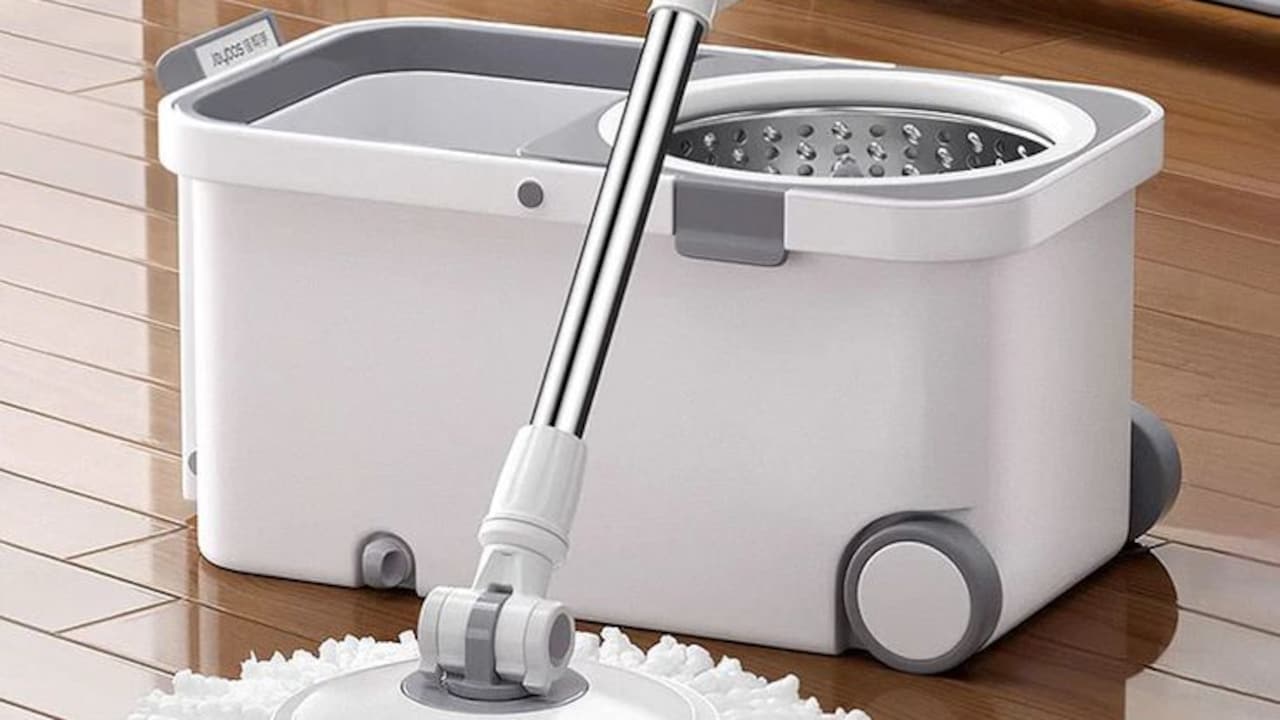
Why Your Mop Is Making Floors Dirtier Instead Of Cleaner; Photo Credit: Amazon
Over-Mopping Can Damage Floors And Spread Residue
More cleaning does not always mean better cleaning. Excessive mopping, especially with too much water or cleaner, can wear surfaces down and create build-up over time.
Many believe daily aggressive mopping guarantees hygiene. In reality, overuse can leave floors sticky, dull, or vulnerable to moisture damage. Constant exposure to chemicals may also affect children and pets who spend significant time close to floor surfaces.
Targeted cleaning often proves more effective. Sweeping or vacuuming first removes loose debris, allowing mopping to focus on genuine grime. This layered approach prevents mud-like residue from forming.
Smart cleaning routines prioritise quality over frequency. A thoughtful system protects both floors and household health while reducing unnecessary labour. Sometimes, less truly delivers more.
Footwear Inside The Home Makes Mopping Harder
Outdoor footwear introduces dust, bacteria, road grime, and pollutants straight into living spaces. Even the best mop struggles when contamination constantly re-enters.
Shoes can carry everything from muddy monsoon residue to invisible germs from public spaces. This creates an endless cycle where floors become dirtier faster than they can be cleaned.
Adopting a no-shoes policy indoors can dramatically reduce cleaning burdens. A simple shoe rack near the entrance encourages healthier habits while preserving floor cleanliness.
This cultural practice already exists in many households, and for good reason. It cuts dirt at the source rather than forcing the mop to fight a losing battle. Prevention often outperforms even the most enthusiastic cleaning routine.
Drying And Storage Matter More Than Most Realise
After mopping, many simply leave the mop damp in a bucket or dark corner. This seemingly harmless habit encourages mould, mildew, and bacterial growth.
A wet mop head stored improperly quickly develops foul odours and reduced cleaning efficiency. The next use merely spreads stale moisture and germs.
Proper drying in sunlight, when possible, offers a simple and effective solution. Sunlight naturally reduces microbial growth while keeping mop fibres fresher.
Storage also matters. Hanging mops allows airflow and prolongs their lifespan. These small habits improve hygiene dramatically with minimal effort or cost.
Cleaning tools need care too. A neglected mop cannot deliver spotless results, no matter how diligently floors are cleaned.
Clean Floors Support Better Health And Peace Of Mind
Floor hygiene affects more than appearance. Dust mites, allergens, bacteria, and mould can influence respiratory health, skin conditions, and overall household comfort.
For families managing allergies or young children crawling on floors, effective cleaning becomes even more important. A mop that merely shifts dirt may worsen invisible health risks.
True cleanliness creates a healthier environment and greater peace of mind. Walking barefoot across genuinely clean floors feels different, fresher, safer, and far more satisfying.
A mop should function as a cleaning ally, not a dirt distributor. Small improvements in technique, maintenance, and tools can transform routine chores into meaningful hygiene practices. Cleaner floors often support happier homes.
Products Related To This Article
1. Scotch-Brite Hands-Free Microfiber Flat mop with 1 Extra mop Head Refill
2. Scotch-Brite Twin Bucket Spin Mop with Easy Wring & Rinse System
3. Mop Heavy Quality Floor with Bucket
4. Presto! Elite Spin Mop with Bigger Wheels and Auto-Fold Handle
5. Gala Aqua Spin Mop with 4 Wheels & Big Bucket with 2 Microfiber Refills
Mopping often feels like one of the simplest household tasks, yet it carries surprising complexity. When done carelessly, it creates an illusion of cleanliness while quietly circulating dirt, bacteria, and residue. The issue rarely lies in effort alone. More often, poor habits, neglected equipment, and outdated methods sabotage results.
True floor care depends on fresh water, clean mop heads, proper products, and thoughtful routines. It also requires recognising that a mop, like any tool, demands maintenance to perform effectively.
A cleaner home does not always require expensive gadgets or endless labour. Sometimes, it simply calls for better habits. By rethinking how floors are cleaned, households can move beyond surface shine and achieve genuine hygiene. Because a mop should do more than move dirt around. It should actually be clean.
(Disclaimer: This article may include references to or features of products and services made available through affiliate marketing campaigns. NDTV Convergence Limited (“NDTV”) strives to maintain editorial independence while participating in such campaigns. NDTV does not assume responsibility for the performance or claims of any featured products or services.)