Why Coconut Fibre Scrubbers Wear Out Faster Than Synthetic Ones
Coconut fibre scrubbers feel sturdy but wear out quickly due to moisture, friction, and natural breakdown. Unlike synthetic ones, their eco-friendly design makes them less durable in daily kitchen use.
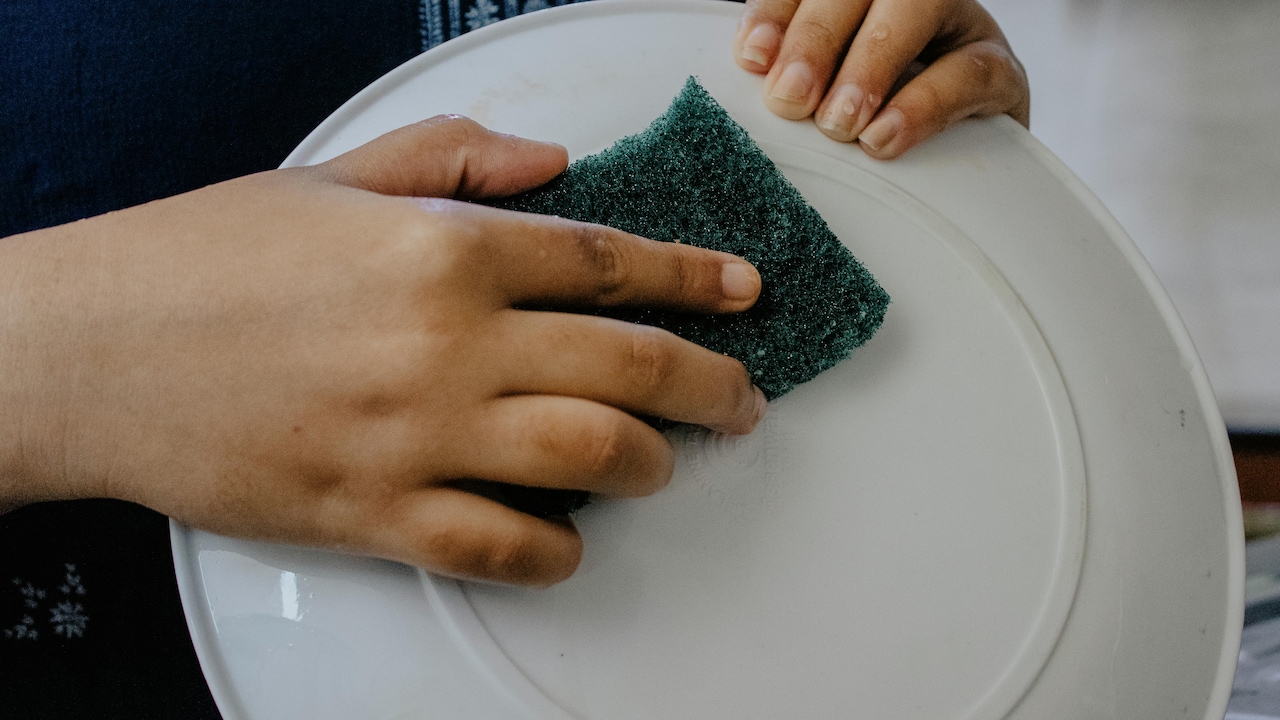
Coconut Fibre vs Synthetic Scrubbers: Why Natural Ones Don't Last As Long
A sink tells its own story. A pile of utensils after a hearty meal, a stubborn layer of masala clinging to a kadai, or a tea stain that refuses to budge from a favourite cup, each demands a reliable scrubber. In recent years, coconut fibre scrubbers have stepped into this role, often replacing plastic ones. Their earthy texture and biodegradable nature make them appealing, especially in homes trying to cut down on waste. However, many households notice something curious. These natural scrubbers seem to lose their firmness faster. They fray, soften, and sometimes fall apart much sooner than synthetic ones. The difference often leads to confusion. If coconut fibre feels tougher at first touch, why does it not last as long?
The answer lies not in one simple reason but in a blend of material science, everyday use, and even climate conditions. Understanding this can help households make better choices and manage expectations without giving up on sustainability.
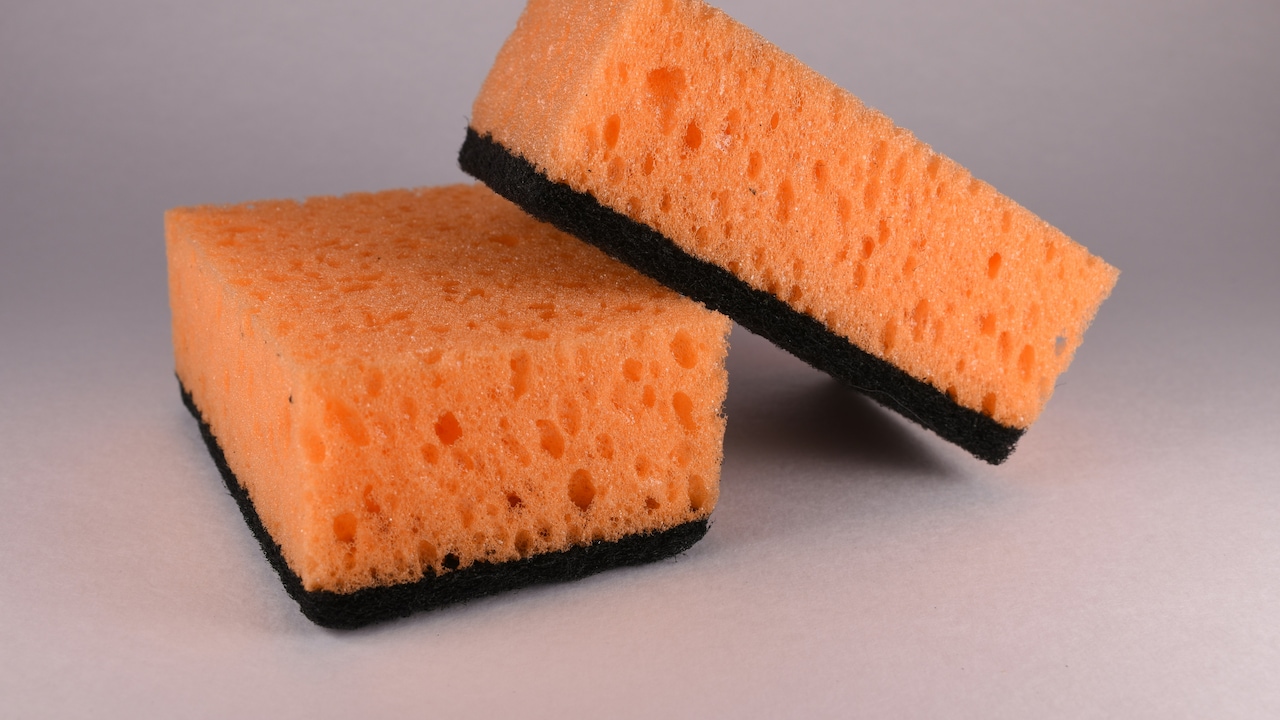
Coconut Fibre vs Synthetic Scrubbers: Why Natural Ones Don't Last As Long; Photo Credit: Pexels
Key Reasons Behind Faster Wear And Tear Of Coconut Fibre Scrubbers
Natural Fibres Break Down Faster
Coconut fibre, also known as coir, comes straight from nature. That means it carries all the characteristics of a plant-based material. Unlike synthetic scrubbers made from plastic polymers, coir remains organic. It reacts to moisture, heat, and microbes just like any natural fibre would.
This natural composition makes it biodegradable, which is its biggest strength. But the same trait becomes a weakness when longevity comes into question. Exposure to water and repeated use gradually weaken the fibres. They begin to split and lose their structural integrity.
Synthetic scrubbers, on the other hand, resist such breakdown. Their chemical composition keeps them intact for longer periods. While that durability may seem like an advantage, it also explains why they linger in landfills for years.
In everyday kitchen use, coconut scrubbers face constant wet-dry cycles. Each cycle chips away at their strength. Over time, the fibres simply cannot hold up against the mechanical stress of scrubbing greasy surfaces.
Constant Moisture Exposure Weakens Coir
Kitchen environments rarely stay dry. From washing vegetables to rinsing plates, water becomes a constant companion. Coconut fibre absorbs moisture easily, which creates a problem over time.
When coir stays damp for long periods, it softens. This softness reduces its abrasive quality. A scrubber that once tackled burnt residue with ease starts feeling less effective. Gradually, the fibres begin to loosen and separate.
Synthetic scrubbers repel water to a large extent. They dry faster and maintain their shape. Coconut scrubbers, however, often remain slightly wet, especially in humid conditions. That lingering dampness speeds up wear and tear.
In many households, scrubbers sit near the sink without proper ventilation. The lack of airflow means the coir does not dry completely between uses. Over days, this leads to a visible decline in texture and performance.
Also Read: We Tested This Cordless Electric Scrubber, Here Is How It Fared On Grime, Grout, And More
Friction From Daily Use Takes A Toll
Scrubbing involves friction. Every time a utensil gets cleaned, the scrubber faces resistance. Coconut fibres, though sturdy at first, cannot withstand prolonged friction as effectively as synthetic materials.
The rough surfaces of steel vessels and cast iron pans accelerate this process. Each stroke causes tiny breaks in the fibre structure. Over time, these micro-damages accumulate, leading to visible fraying.
Synthetic scrubbers distribute friction more evenly across their structure. Their design allows them to retain shape despite repeated use. Coconut scrubbers lack this uniformity. Their fibres vary in thickness and strength, making them more vulnerable.
This difference becomes noticeable within weeks. A synthetic scrubber may still hold its form, while a coconut one starts looking worn out. The change does not happen overnight, but it becomes hard to ignore after consistent use.
Natural Oils And Grease Impact Longevity
Cooking often involves oils, spices, and rich gravies. These substances stick to scrubbers just as stubbornly as they cling to utensils. Coconut fibres absorb these residues more easily than synthetic materials.
Once oil settles into the fibres, it becomes difficult to remove completely. Even after rinsing, traces remain trapped within. Over time, this buildup weakens the fibre structure.
The presence of grease also attracts bacteria. This adds another layer of stress on the scrubber. The fibres begin to break down faster under microbial activity.
Synthetic scrubbers resist absorption. Grease tends to stay on the surface, making it easier to wash away. Coconut scrubbers, in contrast, carry the burden internally. This internal strain speeds up their deterioration.
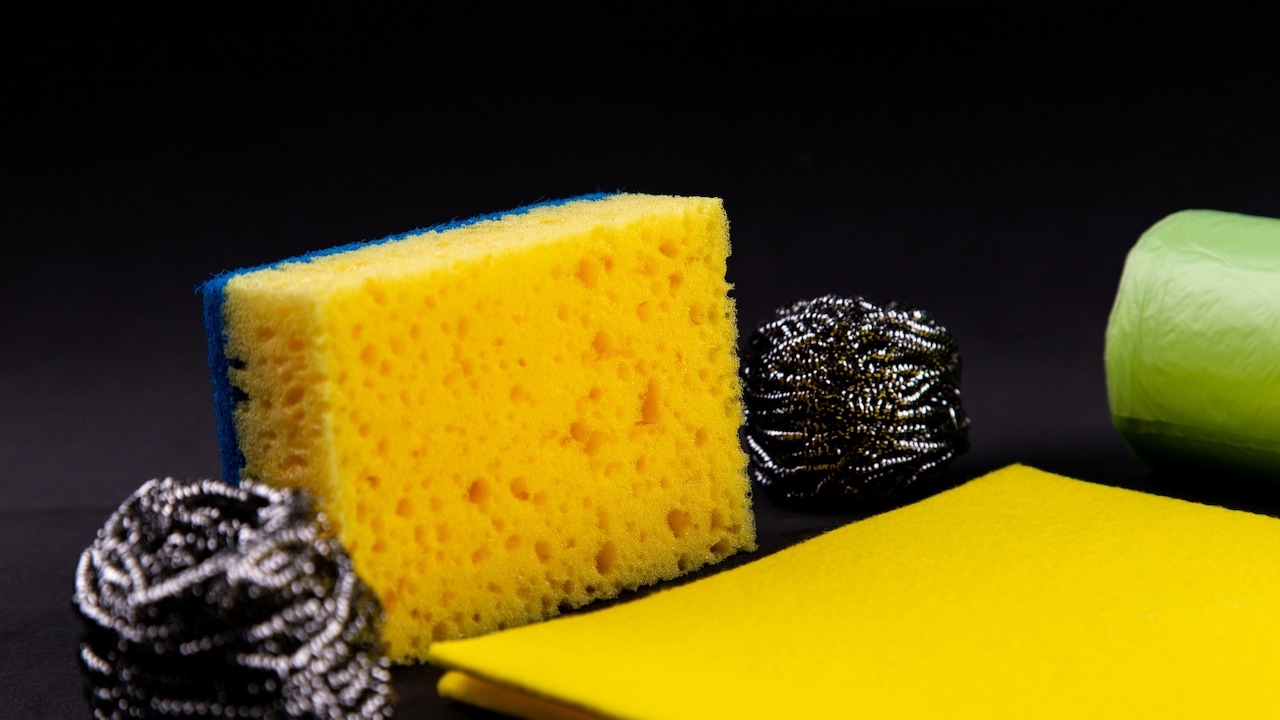
Coconut Fibre vs Synthetic Scrubbers: Why Natural Ones Don't Last As Long; Photo Credit: Pexels
Microbial Growth Speeds Up Decay
Warm, damp conditions create the perfect environment for microbes. Coconut scrubbers often become breeding grounds for bacteria and fungi. This microbial activity accelerates the breakdown of natural fibres.
The decomposition process, though beneficial in waste management, works against the scrubber's lifespan. What makes coir environmentally friendly also ensures it does not last long in a wet kitchen setting.
Synthetic scrubbers resist microbial attack to a greater extent. Their chemical structure does not provide the same nourishment for microbes. As a result, they remain intact for longer periods.
Regular cleaning can slow down microbial growth in coconut scrubbers, but it cannot eliminate it entirely. The natural composition ensures that decay eventually sets in.
Fibre Structure Lacks Uniform Strength
Coconut fibres vary in thickness and quality. Unlike synthetic materials, which are engineered for consistency, coir remains uneven. Some fibres may be strong, while others remain relatively weak.
This inconsistency affects durability. When weaker fibres break, they create gaps in the structure. These gaps reduce the scrubber's effectiveness and accelerate further damage.
Synthetic scrubbers maintain a uniform structure. Their fibres share equal strength, allowing them to withstand stress evenly. Coconut scrubbers lack this advantage.
The uneven wear becomes visible over time. Certain parts of the scrubber thin out faster, making it less efficient. Eventually, the entire structure collapses under repeated use.
Heat Exposure Accelerates Wear
Hot water plays a big role in cleaning greasy utensils. However, heat affects coconut fibres more than synthetic ones. High temperatures weaken the natural bonds within coir.
Repeated exposure to hot water softens the fibres. This reduces their rigidity and makes them prone to breakage. Over time, the scrubber loses its original toughness.
Synthetic scrubbers handle heat better. Their materials remain stable even under high temperatures. Coconut scrubbers, however, gradually lose strength with each wash.
In kitchens where hot water becomes a daily necessity, this effect becomes even more pronounced. The scrubber's lifespan shortens noticeably.
Cleaning Habits Influence Lifespan
How a scrubber gets used matters just as much as what it is made of. Rough handling, excessive force, and lack of proper rinsing all contribute to faster wear.
Coconut scrubbers require a bit of care. Gentle squeezing instead of twisting, thorough rinsing after use, and occasional drying can extend their life. Without these habits, they deteriorate quickly.
Synthetic scrubbers tolerate rough use better. They bounce back from stress and retain their shape. Coconut scrubbers, in contrast, show signs of damage much sooner.
In busy households, where time runs short and cleaning happens in a rush, this difference becomes more evident. The scrubber simply does not get the care it needs.
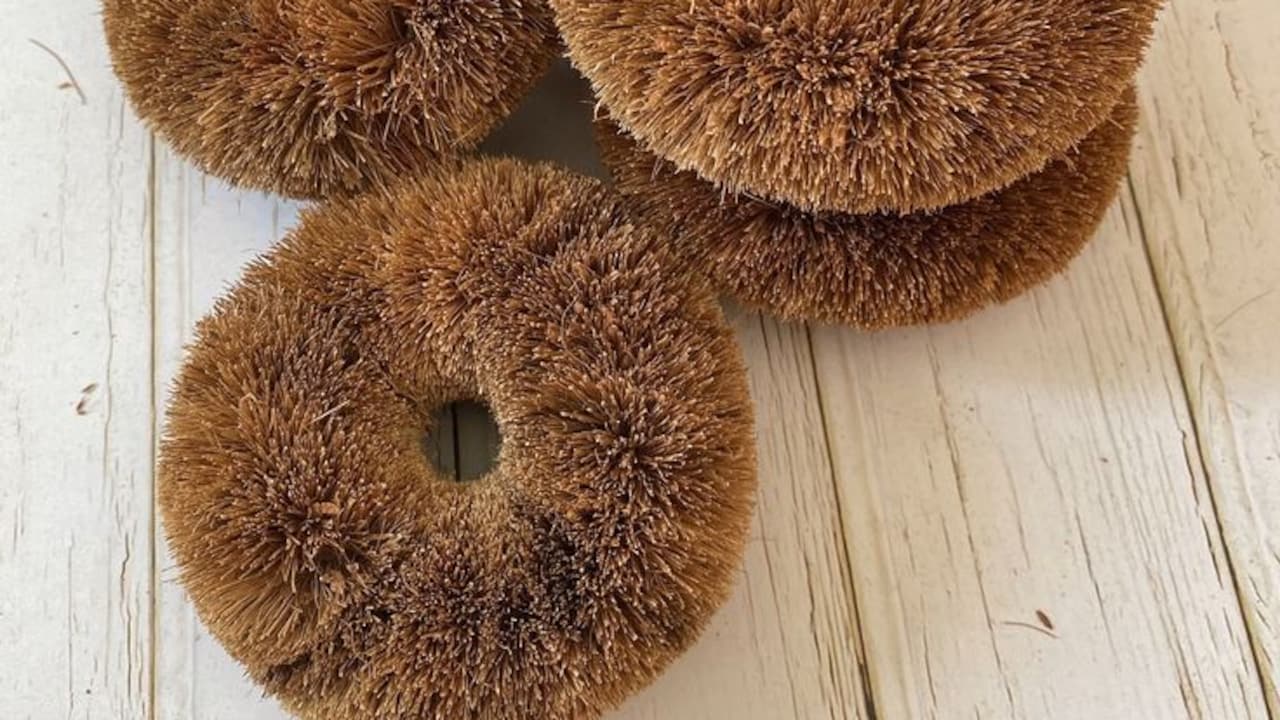
Coconut Fibre vs Synthetic Scrubbers: Why Natural Ones Don't Last As Long; Photo Credit: Pexels
Environmental Conditions Play A Role
Climate has a surprising impact on scrubber durability. In humid regions, coconut scrubbers struggle more. The constant moisture prevents them from drying properly.
Dry environments, on the other hand, allow them to last slightly longer. Even then, they cannot match the lifespan of synthetic options.
Seasonal changes also affect performance. During monsoon months, scrubbers often remain damp for extended periods. This leads to faster decay.
Synthetic scrubbers remain largely unaffected by such conditions. Their resilience makes them more predictable in terms of longevity.
Designed For Sustainability, Not Longevity
Coconut fibre scrubbers serve a different purpose. Their design prioritises sustainability over durability. They break down naturally, reducing environmental impact.
Synthetic scrubbers focus on longevity. They last longer but contribute to waste that lingers for years. The trade-off becomes clear when both options sit side by side.
Choosing coconut scrubbers often reflects a conscious decision. It involves accepting a shorter lifespan in exchange for a smaller environmental footprint.
This perspective changes how their wear gets perceived. Instead of seeing it as a flaw, it becomes part of their natural cycle.
Products Related To This Article
1. Kaidaa Coconut Coir Scrubber for Kitchen Pack of 5
2. Kitchen Clean™ Soft Circular Coconut Coir Scrub for Multipurpose Use
3. Natural Coco Scrubber for Utensils – Eco-Friendly Coconut Fiber Dishwashing Pad
4. Kaidaa Natural Kitchen Sponges
5. Natural Coconut Coir Dish Scrubber Pads
Coconut fibre scrubbers bring a quiet charm to the kitchen. They connect daily routines with a more mindful approach to living. Yet, their tendency to wear out faster often raises questions.
A closer look reveals that their natural composition, exposure to moisture, friction, heat, and microbial activity all play a part. These factors combine to shorten their lifespan compared to synthetic alternatives.
Still, this does not make them inferior. It simply highlights a difference in purpose. While synthetic scrubbers offer durability, coconut scrubbers offer sustainability. Each comes with its own set of trade-offs.
Understanding these nuances helps in making informed choices. With a little care and realistic expectations, coconut scrubbers can still serve well. After all, not everything in the kitchen needs to last forever; some things simply need to do their job well while leaving a lighter footprint behind.
(Disclaimer: This article may include references to or features of products and services made available through affiliate marketing campaigns. NDTV Convergence Limited (“NDTV”) strives to maintain editorial independence while participating in such campaigns. NDTV does not assume responsibility for the performance or claims of any featured products or services.)