Lightweight Helmets: Comfortable Choice Or Compromise On Protection?
Lightweight helmets improve comfort and reduce neck strain, but safety depends on certification, fit, coverage and build quality, not weight alone.

Lightweight Helmets: Comfortable Choice Or Compromise On Protection?
A helmet rarely receives much attention until it becomes uncomfortable. On a busy summer afternoon, with traffic crawling, horns blaring and the sun turning the road into a frying pan, even a few hundred extra grams can feel like a sack of rice balanced on the head. That is why lightweight helmets have become increasingly popular among daily commuters, delivery riders, college students and touring enthusiasts. The appeal is easy to understand. A lighter helmet feels less tiring, allows easier head movement and causes fewer complaints during long rides. It may also reduce pressure around the forehead, neck and shoulders. However, comfort can sometimes create a false sense of security. A helmet that feels barely noticeable may not always provide the protection expected during a serious crash.
Are Lightweight Helmets Safe? Comfort, Protection And What To Check
Photo Credit: Pexels
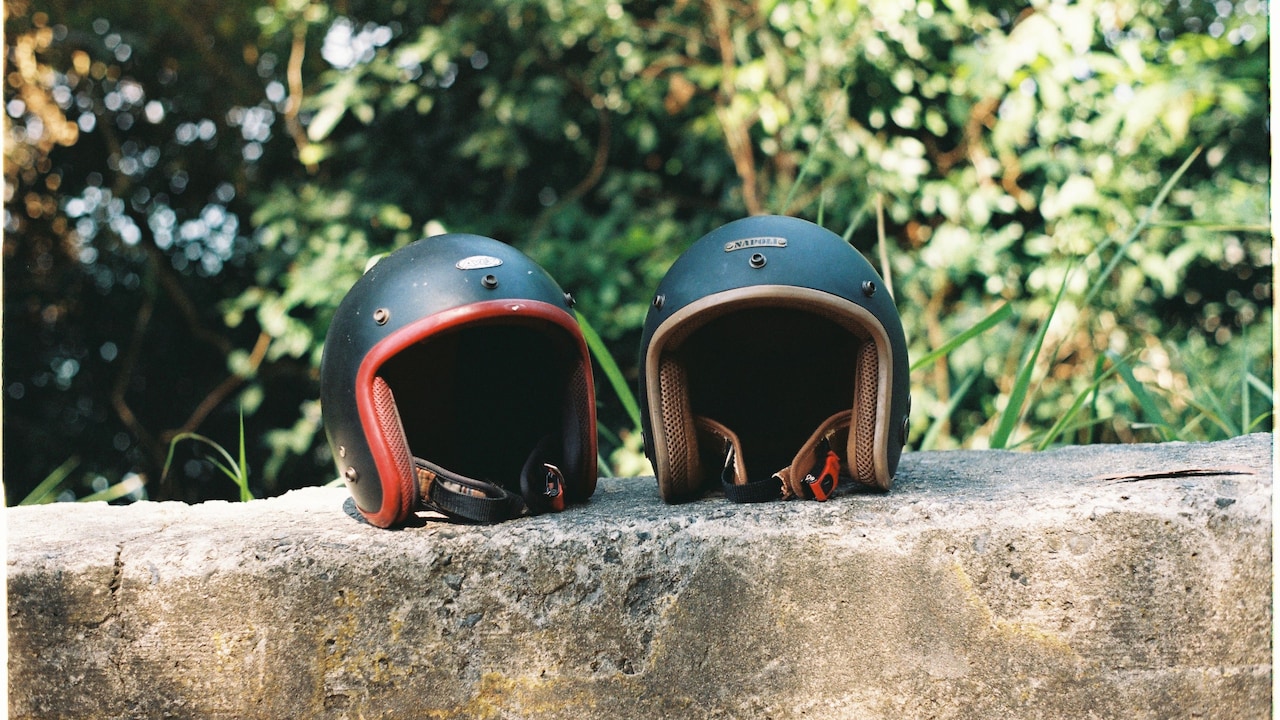
Weight alone does not reveal whether a helmet is safe or unsafe. Materials, certification, fit, shell construction, impact absorption and fastening systems matter far more. Some lightweight helmets use advanced composites and intelligent engineering. Others simply use thinner or cheaper components.
The challenge, then, is not choosing between comfort and safety. It is learning how to recognise a helmet that offers both.
The Real Balance Between Comfort And Safety
Why Lightweight Helmets Feel So Appealing
Anyone who has spent an hour navigating packed city roads understands the attraction of a lightweight helmet. Heavy helmets can create pressure around the neck, especially when riders constantly look left and right at junctions. Add heat, dust and an impatient line of vehicles behind, and discomfort can quickly turn into irritation.
A lighter helmet often feels more natural during short commutes. It is easier to carry into an office, classroom or café. It also sits more comfortably on scooters, where riders may not have spacious storage compartments. For delivery workers who wear helmets for several hours, reduced weight can make a noticeable difference by the end of the day.
There is also a psychological benefit. A comfortable helmet encourages regular use. Some riders avoid bulky helmets for quick trips to the market, believing that a five-minute journey does not require full protection. A lighter model may remove that excuse.
However, comfort should never become the only buying factor. A pillow is comfortable too, but nobody would trust one during a collision. The best lightweight helmet should feel easy to wear without weakening the protective structure that makes a helmet worth wearing in the first place.
What Actually Makes A Helmet Lightweight
A helmet can become lighter through smart engineering or through cost-cutting. The difference may not be obvious from the outside, which makes understanding construction especially important.
Most helmets include an outer shell, an impact-absorbing liner, comfort padding, a retention strap and a visor mechanism. Manufacturers can reduce weight by using materials such as fibreglass, carbon fibre or composite blends. These materials offer high strength without excessive bulk, although they usually increase the price.
Affordable helmets often use thermoplastic shells, such as ABS or polycarbonate. These can still provide reliable protection when designed correctly, but they may need slightly more material to achieve the required strength. A suspiciously light budget helmet could indicate a thin shell, limited padding or a smaller impact liner.
Ventilation systems, compact visor mechanisms and carefully shaped shells can also lower weight. Yet every removed gram should come from better design, not missing protection.
Shoppers should therefore avoid treating weight as a standalone achievement. A helmet weighing 1,200 grams may offer excellent protection, while another at 950 grams may cut corners. The number on the box means little without certification, construction quality and a secure fit.
The Role Of Safety Certification
Certification is one of the clearest ways to separate genuinely protective helmets from decorative headgear. A certified helmet has undergone tests for impact absorption, strap strength, shell penetration and field of vision. These assessments do not guarantee complete protection in every crash, but they provide a minimum safety benchmark.
For everyday road use, buyers should check whether the helmet carries a valid BIS certification mark. Labels should appear clearly on the helmet or packaging, not as a blurry sticker that looks as though it came from a neighbourhood photocopy shop. Some premium helmets may also meet international standards such as ECE 22.06.
Certification becomes even more important with lightweight models. Lower weight can sound impressive in advertisements, but verified testing reveals whether the design still performs under impact. Without recognised certification, buyers must rely entirely on the manufacturer's claims.
Counterfeit markings remain a concern in street markets and on poorly monitored online listings. Prices such as ₹499 or ₹699 may seem tempting, particularly for a second helmet, but suspiciously cheap products deserve closer inspection.
A reliable lightweight helmet should not merely claim safety. It should show proof that independent standards have tested its protective ability.
Fit Matters More Than A Few Saved Grams
A helmet can carry the finest certification and still fail to protect properly if it does not fit. During a crash, a loose helmet may rotate, shift or even come off. An excessively tight helmet can cause headaches, pressure points and enough discomfort to make riders stop wearing it altogether.
A correctly fitted helmet should feel snug around the cheeks, temples and crown. It should not slide freely when the head moves from side to side. The cheek pads may feel slightly firm at first, but they often soften with regular use. Sharp pain, numbness or intense forehead pressure signals the wrong shape or size.
Many buyers choose a larger helmet because it feels comfortable during a quick shop trial. That comfort may become looseness after the padding settles. Others buy online based only on small, medium or large labels, even though sizing can vary between brands.
Trying the helmet for at least ten minutes can reveal pressure points. The chin strap should fasten securely, with only limited space underneath.
A helmet that weighs 100 grams less offers little advantage if it moves during impact. Secure fit contributes more to real-world protection than chasing the lightest model on the shelf.

Are Lightweight Helmets Safe? Comfort, Protection And What To Check
Photo Credit: Pexels
How Weight Affects Neck Fatigue
Helmet weight can influence fatigue, particularly during long journeys or stop-start traffic. The head does not remain perfectly still while riding. Riders check mirrors, scan junctions, react to potholes and turn towards unexpected sounds. A heavier helmet increases the effort required for these movements.
The effect becomes more noticeable on highways, where wind resistance adds strain. A poorly shaped helmet may pull backwards or shake at speed, making it feel heavier than its actual weight. In contrast, an aerodynamic helmet weighing slightly more may feel calmer and easier on the neck.
Riding posture also plays a role. Commuters who lean forward on motorcycles may experience weight differently from upright scooter riders. Weak neck muscles, past injuries and long working hours can increase discomfort.
A lightweight helmet can reduce fatigue, but balance matters as much as total weight. A helmet with uneven weight distribution may create pressure even when the scale shows an impressive figure.
Buyers should move their heads naturally while trying a helmet. Looking up, down and sideways can reveal whether the helmet feels balanced. The right model should support easy movement without wobbling, pulling or placing all the pressure on one area.
Are Expensive Lightweight Helmets Safer
Price often influences assumptions about safety. A helmet costing ₹18,000 may appear far more protective than one costing ₹2,500. In reality, higher prices can reflect several features beyond crash protection, including lighter materials, quieter aerodynamics, removable liners, better ventilation, premium visors and brand reputation.
Expensive lightweight helmets often use carbon fibre or composite shells. These materials can reduce weight while maintaining strength. They may also undergo stricter quality control and offer several shell sizes, which improve fit across different head measurements.
However, price alone does not prove safety. A fashionable imported helmet without suitable certification may offer less assurance than a modestly priced certified model from a trusted manufacturer. Buyers may also pay extra for graphics, limited-edition colours or racing-inspired branding that adds no protective value.
At the lower end, very cheap helmets may use basic materials, rough finishing and limited padding. The savings can come from exactly the areas that matter during impact.
A sensible budget should prioritise certification and fit first. Comfort, ventilation and reduced weight can follow. Paying more can bring meaningful improvements, but the logo on the forehead should never receive more attention than the safety label inside.
Ventilation And Comfort In Hot Weather
Heat often decides whether a helmet feels pleasant or unbearable. During peak summer, trapped air can turn even a short commute into a sweaty endurance test. Good ventilation allows cool air to enter through front vents and pushes warm air out through rear exhaust ports.
Lightweight helmets often feel cooler because they create less pressure and bulk. Yet weight and ventilation are not the same feature. A poorly ventilated helmet can feel hot even if it weighs very little. Similarly, a slightly heavier helmet with well-designed airflow may remain comfortable during longer rides.
Large vents may appear impressive, but their location and internal channels matter more than their size. Effective airflow should move across the scalp rather than merely decorate the outer shell. Vent controls should also remain easy to operate while wearing gloves.
Washable and moisture-wicking liners improve comfort in humid conditions. Removable padding helps prevent the familiar odour that develops after weeks of sweaty commuting and begins to resemble a forgotten gym bag.
Riders should also consider dust and rain. Open vents may allow more particles inside, while poor sealing can cause water leaks. The best design balances airflow, weather protection and structural strength without turning the helmet into a portable greenhouse.
Full-Face Versus Open-Face Lightweight Options
Open-face helmets usually feel lighter, cooler and less restrictive. They suit slow urban journeys and appeal to riders who value visibility and easy conversation at traffic signals. Unfortunately, they leave the chin and lower face exposed, areas that can suffer serious injury during a fall.
Full-face helmets provide broader coverage. The chin bar, visor and enclosed shell protect more of the head and face from impact, debris, insects and harsh weather. Modern full-face models can also feel surprisingly light when manufacturers use well-balanced shells and efficient materials.
Modular helmets offer a compromise by allowing the chin section to lift. They bring convenience during fuel stops or quick conversations, but the hinge mechanism usually adds weight. Riders should also check whether the model has certification for use with the chin bar raised.
Half-face helmets may feel almost weightless, yet their limited coverage creates an obvious trade-off. Comfort during a routine ride cannot outweigh the consequences of an unexpected collision.
For most regular motorcycle journeys, a certified full-face helmet offers the strongest balance of protection and practicality. A lightweight version can reduce fatigue without sacrificing coverage, provided the lower weight comes from material quality rather than missing structure.
Marketing Claims That Deserve A Closer Look
Helmet advertising often relies on dramatic phrases such as “featherweight protection”, “racing technology” or “ultra-safe shell”. These claims sound impressive but may reveal very little. A peacock feather is lightweight too; that does not make it useful on a crowded flyover.
Some brands highlight the helmet's weight without explaining the size tested. Larger sizes naturally weigh more, while accessories such as sun visors, Bluetooth speakers and spoilers can affect the final figure. A difference of 50 or 100 grams may not even feel noticeable once the helmet sits securely on the head.
Claims about aerospace materials also require caution. A product may contain a small amount of an advanced material while relying mainly on ordinary plastic. Transparent details about shell construction, certification and testing carry more value than grand descriptions.
Online reviews can help, but they should not replace personal inspection. Influencers may praise comfort after wearing a helmet for ten minutes indoors, while daily riders need information about noise, ventilation, visor quality and long-term fit.
Buyers should look beyond glossy graphics and bold promises. Reliable manufacturers provide clear specifications, replacement parts, warranty support and verifiable certification. Good safety rarely needs circus-style marketing.
When Lightweight Becomes Too Light
There is no universal number that makes a helmet dangerously light. Different materials and helmet styles produce different weights. A premium composite full-face helmet may weigh less than a basic thermoplastic model while providing better protection.
Concern should arise when low weight appears alongside warning signs. These include thin padding, a flexible shell, weak straps, rough edges, unclear certification and an unusually low price. A helmet that feels more like a plastic bowl than protective equipment deserves immediate suspicion.
Some riders remove internal padding to create more space or reduce heat. Others replace original components with cheap alternatives. Such modifications may reduce weight, but they can also weaken fit and impact absorption. Drilling extra ventilation holes is even more dangerous because it damages the shell structure.
Age can also make a helmet feel lighter in a negative way. Liners compress, adhesives deteriorate and padding breaks down. A helmet involved in a crash should be replaced even when no external crack appears, as the internal foam may have absorbed the impact.
Lightness becomes a compromise when manufacturers or users remove essential protection. The safest option feels light through intelligent construction, not through absence.
Choosing The Right Lightweight Helmet
Selecting a lightweight helmet should involve more than lifting several models and choosing the easiest one to carry. The process begins with certification, followed by fit, coverage, comfort and build quality.
The helmet should sit evenly without excessive movement. The strap must fasten securely, and the visor should open and close smoothly. Riders who wear spectacles should check whether the padding allows the frames to sit comfortably. Those planning longer journeys should pay attention to wind noise, ventilation and neck balance.
Weight should be compared only between helmets that meet the same essential safety requirements. A 1,250-gram certified full-face helmet cannot be fairly compared with a 750-gram half-face model because their coverage differs significantly.
It also helps to choose a recognised seller. A genuine helmet may cost more than a suspicious roadside copy, but proper bills, warranties and replacement visors add long-term value. Spending ₹3,000 or ₹5,000 on reliable protection makes more sense than repeatedly buying uncomfortable helmets that remain hanging on a wall.
The right lightweight helmet should disappear from attention while riding, not from the head during a crash. Comfort encourages use, but verified protection earns trust.

Are Lightweight Helmets Safe? Comfort, Protection And What To Check
Photo Credit: Pexels
Products Related To This Article
1. Vega Atom White Helmet
2. TVS Cruisetown Open Face Helmet
3. Vega Crux ISI Certified Flip-Up Helmet for Men and Women with Clear Visor
4. STUDDS | RAY ISI Certified Open FACE Helmet
5. Steelbird SBA-7 7Wings ISI Certified Flip-Up Helmet for Men and Women
6. Royal Enfield Open Face MLG Helmet
7. O2 Open Face / Half face Helmet Unisex for Bike Women Men
Lightweight helmets are not automatically unsafe, nor are heavier helmets automatically stronger. Modern materials and thoughtful engineering can reduce weight while preserving excellent impact protection. The problem begins when buyers treat low weight as the main sign of quality.
Comfort matters because an uncomfortable helmet often stays at home. Reduced neck strain, better balance and easier movement can make daily journeys far more pleasant. Yet these advantages must sit alongside certification, correct fit, sufficient coverage and reliable construction.
A good helmet should feel secure without feeling punishing. It should remain stable at speed, allow clear vision and provide enough ventilation for warm conditions. Most importantly, it should meet recognised safety standards and come from a trustworthy source.
Roads rarely offer warnings before accidents. A loose stone, sudden brake or careless lane change can transform an ordinary commute within seconds. That reality does not require fear, only sensible preparation.
The best lightweight helmet is therefore neither a comfort-first shortcut nor an unnecessarily bulky shield. It is a carefully designed piece of protection that riders can wear willingly every day. Light on the neck, strong where it matters and free from marketing nonsense – that is the balance worth choosing.
(Disclaimer: This article may include references to or features of products and services made available through affiliate marketing campaigns. NDTV Convergence Limited (“NDTV”) strives to maintain editorial independence while participating in such campaigns. NDTV does not assume responsibility for the performance or claims of any featured products or services.)