How To Pick Seat Covers That Do Not Make Summer Drives Uncomfortable
Choose breathable, light-coloured and well-fitted seat covers that reduce heat, prevent sweating and keep summer drives comfortable without compromising style.
How To Pick Seat Covers That Do Not Make Summer Drives Uncomfortable
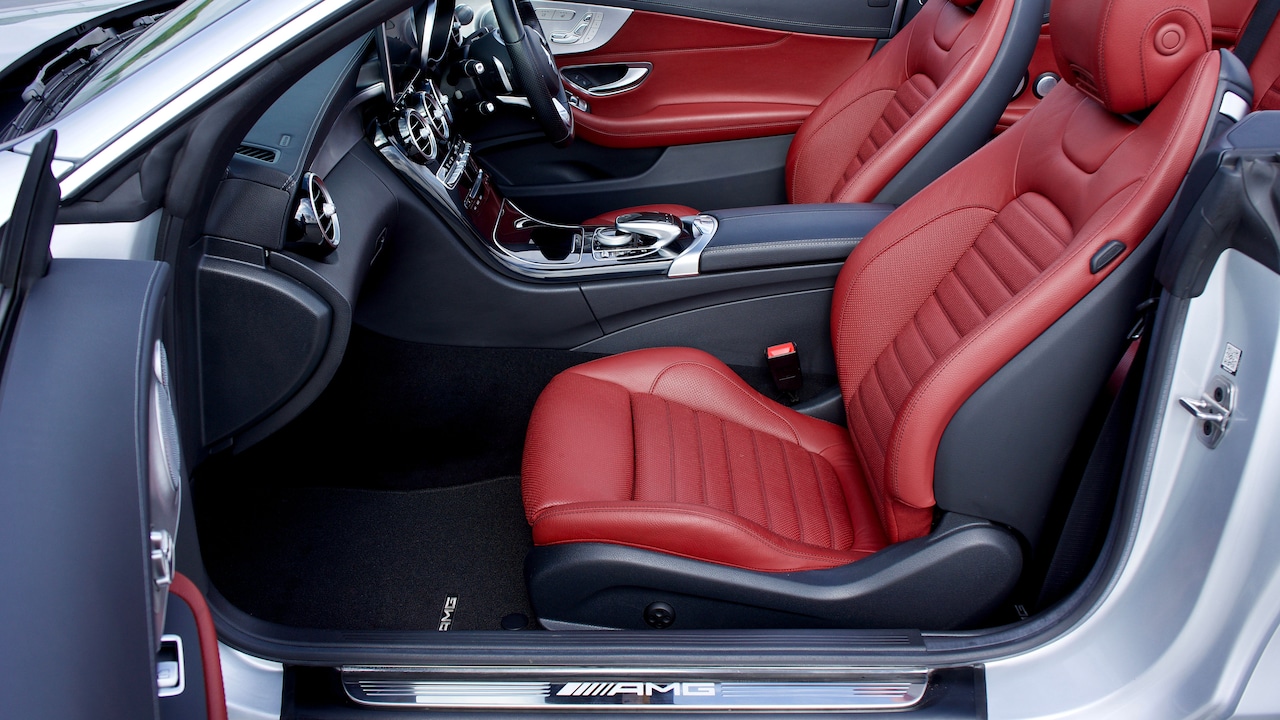
Summer has a special way of testing patience on the road. The steering wheel feels like a tawa, the gear knob could roast peanuts, and the seat greets passengers with the warmth of a freshly ironed kurta. In that moment, even the best music playlist cannot save the mood.
How To Pick Seat Covers That Do Not Make Summer Drives Uncomfortable
Photo Credit: Pexels
Seat covers often get picked for looks first. A glossy finish, sporty stitching, or a bold colour catches the eye, and the decision feels simple. Yet the real test begins at 2 pm, when the car has been parked in open sun outside a market, office, coaching centre, or wedding hall. The wrong seat cover traps heat, sticks to clothes, and turns a short drive into a sticky affair.
The good news is that summer-friendly seat covers do exist. They do not need to look dull or cost a fortune. The trick lies in choosing materials that breathe, colours that do not absorb too much heat, and designs that suit local weather and daily use. A little thought before buying can save months of discomfort later.
Also Read: Are You A Gen Z Style Enthusiast? Discover Trendy Summer Fits On Myntra
Smart Seat Cover Choices For Hot-Weather Comfort
Choose Breathable Fabric Over Glossy Drama
The first rule of summer-friendly seat covers is simple: let the seat breathe. Glossy leatherette may look premium in a showroom, but it often traps heat like a pressure cooker with ambition. After a few hours in the sun, it can feel uncomfortably warm and slightly sticky, especially during humid months.
Breathable fabrics such as cotton blends, jacquard, linen blends, and certain mesh materials work better for hot weather. They allow air to pass through and reduce that clingy feeling during long drives. A fabric cover may not scream luxury, but it often wins where it matters most: comfort.
For city users who sit through traffic in places like Delhi, Pune, Lucknow, Ahmedabad, Chennai, or Hyderabad, this difference matters every single day. A breathable cover helps keep the back and thighs cooler, even when the air conditioner takes its own sweet time to cool the cabin.
Looks matter, of course. No one wants a car interior that feels like an old sofa. Many modern fabric covers now come with neat stitching, smart patterns, and sober colours, so comfort does not mean giving up style.
Avoid Dark Colours That Store Heat
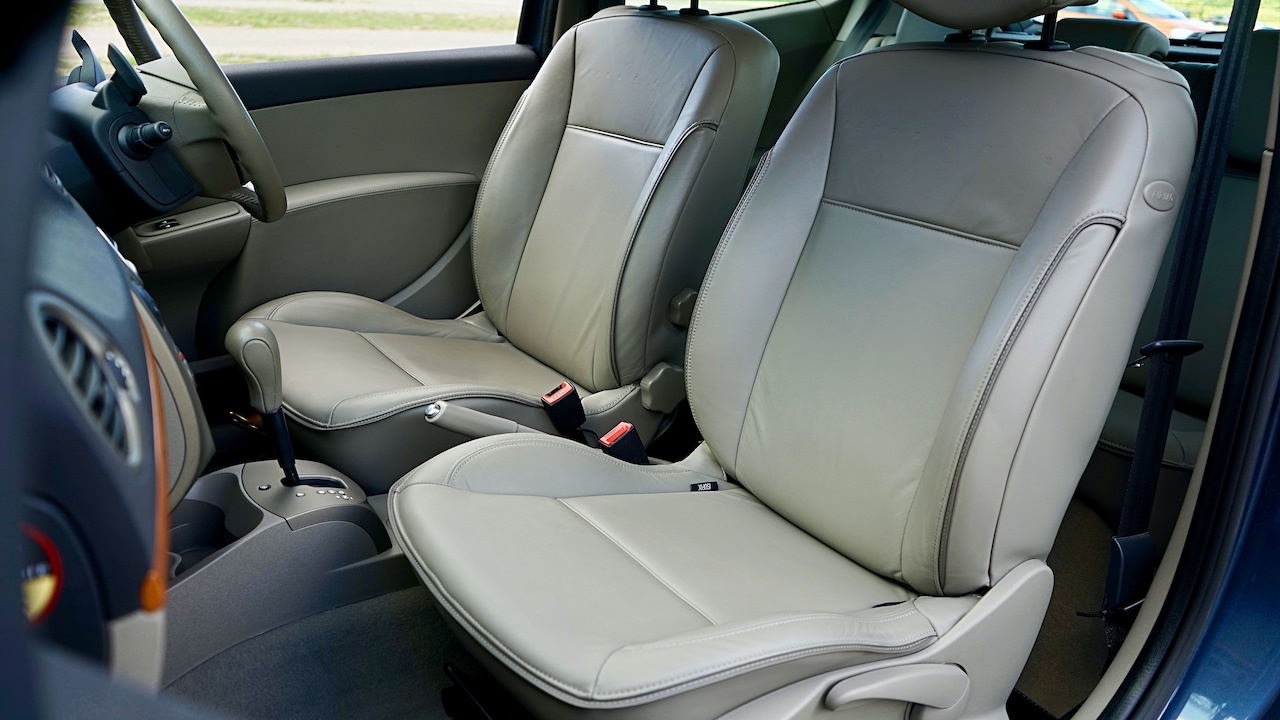
Black seat covers look sharp. They hide stains, match most interiors, and give the cabin a clean, bold look. Sadly, they also soak up heat faster than lighter colours. On a bright summer afternoon, a black or deep brown seat cover can become far warmer than beige, grey, tan, or light coffee shades.
This does not mean every car needs pale cream covers that panic at the sight of a samosa crumb. Instead, choose medium tones that balance heat control and practicality. Light grey, dual-tone beige, muted tan, soft brown, or charcoal with lighter centre panels can work well. They keep the cabin looking fresh without turning maintenance into a full-time job.
Dual-tone seat covers are a clever middle path. A darker border can hide marks around the edges, while a lighter sitting area reduces heat build-up. This also gives the interior a more layered, polished look.
For families with children, pets, or frequent snack breaks, extremely light shades may invite stress. A sensible mid-tone shade offers peace of mind and better summer comfort. The goal is not showroom perfection. The goal is to sit down without making a face.
Pick Mesh Panels For Better Airflow
Mesh panels can make a surprising difference during summer drives. They create tiny air channels between the body and the seat, which helps reduce sweating. This feature becomes useful during long commutes, weekend trips, and slow-moving traffic where the body stays pressed against the seat for too long.
Many seat covers now come with mesh inserts in the centre section, especially around the backrest and seat base. These panels do not always look fancy in photographs, but they feel practical in real life. A seat cover with mesh in the right spots can feel cooler than a thick, fully padded cover.
Mesh works especially well for people who drive daily to work or spend hours behind the wheel for business, site visits, or family duties. It also helps when the car's air conditioner needs time to cool the cabin after parking in the sun.
The quality of mesh matters. Thin, loose mesh may sag or tear quickly. A firm, well-stitched mesh panel feels supportive and lasts longer. Before buying, press it with your palm. It should feel springy, not flimsy. Good mesh is like good chai: balanced, dependable, and not trying too hard.
Say No To Excessive Foam Padding
Extra padding sounds tempting. A seller may describe it as “sofa comfort” or “extra luxury”, and the seat may feel plush for the first few minutes. But thick foam can trap heat and reduce airflow. During summer, that soft cushion can turn into a warm sponge that refuses to cool down.
Car seats already come with padding designed for support. A cover should protect and improve comfort, not bury the original seat under layers of foam. Excessive padding can also change the seating position, making the driver sit higher or slightly forward. That may affect posture, visibility, and pedal comfort over time.
A moderate layer of cushioning works best. It should feel soft enough to improve comfort but slim enough to allow the seat to do its job. For people who drive long distances, firm support matters more than cloud-like softness. Too much softness often leads to back discomfort, especially on bumpy roads or highway stretches.
Before paying, sit on the cover for a few minutes. Do not judge it by touch alone. If it feels warm, bulky, or oddly raised in the shop itself, summer will only make it worse.
Check The Fit Before Falling For The Design
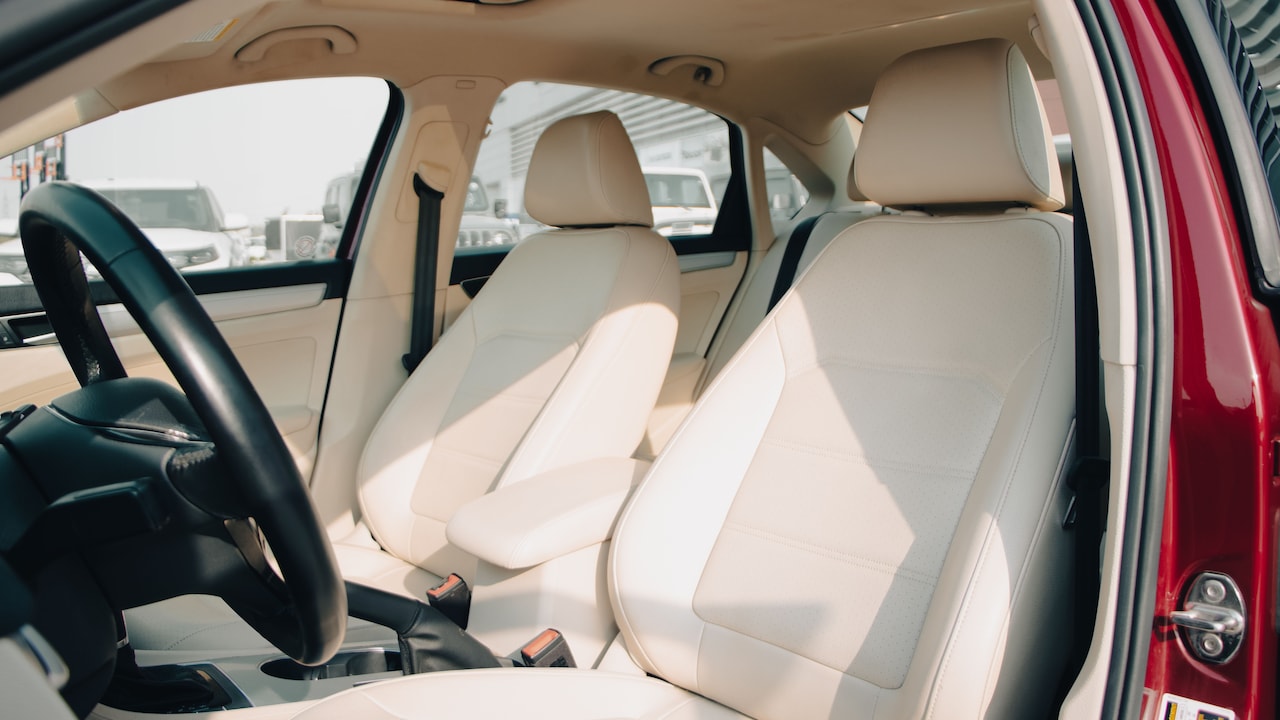
A seat cover can look beautiful and still feel terrible if it does not fit properly. Loose covers wrinkle, slide, and bunch up under the thighs. Tight covers may strain at the seams and wear out quickly. A poor fit also makes the cabin look untidy, no matter how expensive the material.
Custom-fit seat covers usually work better than universal ones. They follow the shape of the original seats and leave proper openings for headrests, armrests, seat belts, levers, and airbags where required. This matters for comfort as well as safety.
Many cars now come with side airbags built into the seats. In such cases, the cover must support airbag deployment. A random cover from a roadside shop may block or interfere with this function. Always ask clearly about airbag compatibility if the car has them.
The right fit also improves summer comfort. When the cover stays smooth and secure, it allows better posture and prevents fabric from rubbing awkwardly against clothes. A neat fit feels calmer. It also saves passengers from that familiar dance of pulling, adjusting, and muttering every time they get into the car.
How To Pick Seat Covers That Do Not Make Summer Drives Uncomfortable
Photo Credit: Pexels
Prefer Materials That Do Not Stick To Clothes
A good summer seat cover should let people move naturally. Some synthetic materials cling to trousers, kurtas, dresses, or formal wear, especially when humidity rises. That sticky feeling can make even a short ride feel annoying.
Matte-finish materials usually behave better than shiny ones. Soft-touch fabric, textured leatherette, and breathable blends reduce friction and feel more comfortable against clothing. Smooth, glossy surfaces may look attractive under showroom lights, but they often feel slippery or sticky during actual use.
This becomes especially important during office commutes. Nobody wants to reach a meeting with a crumpled shirt and an irritated mood. It also matters during festive outings, weddings, and family visits, when people wear heavier clothes that already trap heat.
Before choosing a cover, rub your palm against the surface. Sit on it if possible. Notice whether the material feels cool, dry, and stable. If it makes a squeaky sound or feels plasticky, think twice. A car cabin should feel welcoming, not like sitting on a school notebook cover from the 90s.
Think About Cleaning Without Choosing A Heat Trap
Summer seat covers must handle sweat, dust, sunscreen, spilt nimbu paani, melted chocolate, and the occasional packet of chips that somehow explodes during a drive. Easy cleaning matters. But choosing a fully non-breathable material only because it wipes clean can create another problem: heat.
Leatherette and vinyl covers clean easily, but they can feel hot if they lack ventilation. Fabric covers feel cooler but may absorb stains faster. The best choice depends on how the car gets used. For families with children, a breathable leatherette with perforations or fabric inserts can offer a useful compromise. For careful owners or solo commuters, high-quality fabric may work beautifully.
Removable washable covers also deserve attention. They make sense for people who live in dusty areas, travel often, or park outdoors. A cover that can be cleaned properly will smell fresher and feel better through the season.
Avoid materials that need too much special care. Daily life already brings enough tasks. A seat cover should not behave like delicate silk at a wedding. Choose something that survives real roads, real passengers, and real snacks.
Look For Heat-Friendly Stitching And Perforation
Small design details can change the way a seat cover feels in summer. Perforation, for example, allows better air movement. Tiny holes in leatherette or synthetic materials help release trapped heat and reduce sweating. Without perforation, the same material may feel warmer and less comfortable.
Stitching also matters. Thick seams in the wrong places can press against the back or thighs. During longer drives, these seams may cause irritation. Clean, flat stitching feels better and lasts longer. Double stitching around high-use areas adds strength without making the surface uncomfortable.
Some covers use quilted patterns for style. They can look smart, but deep quilting may trap heat if the material lacks breathability. A lightly textured pattern usually works better for summer than heavy, puffy sections.
Good stitching also prevents sagging. Once a cover starts shifting, the drive feels messy. The backrest wrinkles, the seat base folds, and every entry into the car becomes a small adjustment ceremony. Heat-friendly design does not need loud features. It needs thoughtful details that quietly make every ride easier.
Match The Cover To Daily Driving Habits
A seat cover should suit the way the car actually gets used. A person who drives ten minutes to the nearby metro station has different needs from someone who spends two hours daily in traffic. A family car that carries children, grandparents, grocery bags, and school projects needs a different cover from a weekend hatchback used mostly for café runs.
Daily drivers should prioritise breathability, firm support, and easy cleaning. Highway users should look for covers that stay cool and offer good back comfort. Families may prefer stain-resistant materials with lighter centre panels and darker sides. Pet owners should choose durable fabric that resists scratches and does not trap too much hair.
Climate also changes the decision. Humid cities need airflow more than heavy padding. Dry, hot regions need materials that do not become scorching after sun exposure. Areas with dusty roads need covers that clean easily without losing texture.
A good purchase starts with honest questions. Who sits in the car most often? Where does it get parked? How long are the usual drives? Does the car carry lunch boxes, sports kits, shopping bags, or a Labrador with royal expectations? The answers point towards the right cover.
Do Not Ignore Budget, Warranty, And Installation
Seat covers come in a wide price range, from basic fabric options to premium custom designs. A practical summer-friendly cover does not need to empty the wallet. Decent options can often start around ₹2,500 for smaller cars, while better custom-fit covers may cost ₹5,000 to ₹12,000 or more, depending on material, stitching, brand, and vehicle size.
Price should not be the only guide. Very cheap covers may fade, sag, or tear within months. Overpriced covers may offer more style than comfort. Look for value: breathable material, neat finishing, proper fit, airbag support where needed, and a clear warranty.
Installation also deserves attention. A badly installed cover can ruin even a good product. Loose hooks, uneven pulling, or blocked levers can create daily irritation. Professional fitting helps the cover sit properly and last longer. It also keeps the cabin looking clean.
Ask about warranty on stitching, colour fading, peeling, and foam flattening. A seller who confidently explains these details usually understands the product better. A seller who only says “best quality, madam/sir” may need more questions before getting the payment.
How To Pick Seat Covers That Do Not Make Summer Drives Uncomfortable
Photo Credit: Pexels
Products Related To This Article
1. Q1 Beads XLBeG Wooden Beads Seat Cover Cushion for All The Cars
2. MY ARMOR Car Seat Cover
3. AURAFRESH Car Seat Protector Cushions Cover
4. Padded Car Seat Covers Full Set with Storage Organizer
5. STHIRA Silicone 3Pcs Car Seat Covers Summer Breathable Front Seat Cushion Mat Flax Car Seat Cover
6. Padded Leather Car Seat Cover Protector Mat With Front Storage Organiser Pocket
7. Car Seat Towel Cover, Universal Size 76x152 cm
The best summer seat cover does not merely look stylish. It stays comfortable when the car has been parked outside a mall, office, school, temple, restaurant, or railway station. It lets air move, avoids unnecessary heat, fits the seat properly, and survives the glorious chaos of daily travel.
Breathable fabrics, lighter shades, mesh panels, moderate padding, flat stitching, and practical cleaning features can turn a hot cabin into a more bearable space. A smart buyer looks beyond shine and asks how the cover will feel after one hour in traffic, after a week of dust, and after a full summer of use.
Cars carry more than people. They carry morning rushes, family gossip, sleepy children, weekend plans, snack crumbs, work calls, and the occasional argument over directions. A good seat cover should make those journeys easier, not warmer. Pick one with patience, test it with common sense, and let every summer drive feel a little less like punishment and a little more like a comfortable ride home.
(Disclaimer: This article may include references to or features of products and services made available through affiliate marketing campaigns. NDTV Convergence Limited (“NDTV”) strives to maintain editorial independence while participating in such campaigns. NDTV does not assume responsibility for the performance or claims of any featured products or services.)