Parking Sensors Or Reverse Cameras: What Works Better When The Parking Space Is Narrow?
Parking sensors warn you when the bumper gets too close, while reverse cameras show what is behind. In narrow spaces, the smarter choice depends on distance judgement, visibility, car size, and parking confidence.

Reverse Camera Vs Parking Sensors: Choice For Parking In Narrow Spaces
Parking has become a daily mini-adventure. A driver may handle flyovers, roundabouts, two-wheelers appearing from nowhere, and cattle strolling across service roads with grace, only to sweat while reversing into a narrow slot outside a café. The problem rarely sits with driving skill alone. Modern cars have grown wider, parking spaces have not always kept up, and tight corners leave little room for guesswork. That is where parking sensors and reverse cameras enter the picture. Both aim to save bumpers, tempers, and those awkward conversations with neighbours. Yet they do not do the same job. Sensors judge distance and alert the driver. Cameras show what sits behind the car. In a narrow space, both can feel useful, but one may suit a particular situation better than the other.
Parking Sensors Or Reverse Cameras: What Works Better When The Parking Space Is Narrow?
Photo Credit: Amazon
Sensors, Cameras, And The Real Test Of Tight Parking
How Parking Sensors Help In Tight Spaces
Parking sensors work like a cautious friend standing behind the car and saying, “Bas, bas, bas!” without waving both arms dramatically. They use ultrasonic waves to detect objects near the bumper and warn the driver through beeps. As the car moves closer to an obstacle, the beeps grow faster. That simple sound pattern helps drivers understand distance without turning their heads again and again.
In narrow parking spaces, sensors shine because they react quickly. A wall, pillar, parked scooter, flower pot, or another bumper can trigger an alert before the driver misjudges the gap. Many drivers find this especially useful in basement parking, where pillars seem to appear with villain-like timing.
Sensors also help when visibility drops. Rain, darkness, glare, or a dusty rear windscreen may make visual judgement harder, but sensors still keep working in most everyday situations. They do not offer a complete picture, though. Sensors may miss very low objects, thin rods, chains, kerbs, or small items lying close to the ground. So, while they reduce stress, they should not replace common sense.
How Reverse Cameras Make Parking Easier
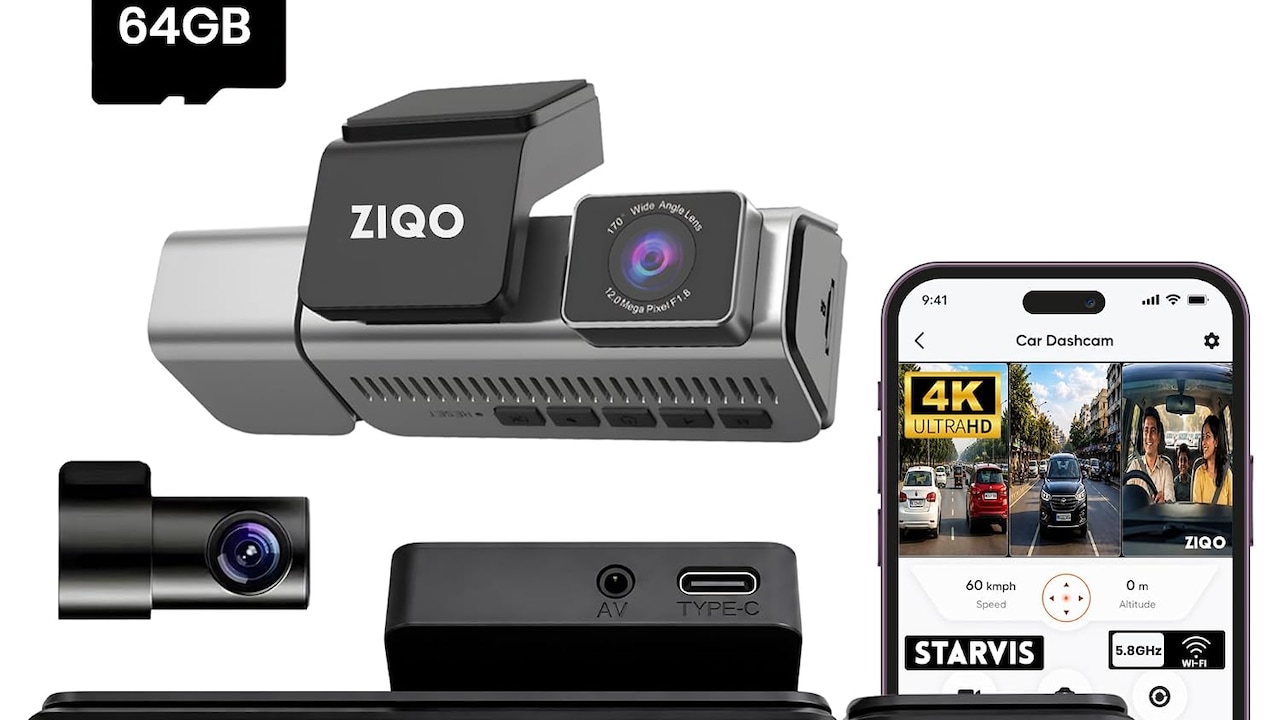
A reverse camera gives the driver something sensors cannot: a direct view of the area behind the car. On a screen inside the cabin, the driver can see walls, vehicles, people, pets, bicycles, kerbs, and odd obstacles that may not always trigger a sensor. In a narrow space, visual information can make a huge difference.
Many cameras also show guidelines. These lines help drivers understand where the car may go as they turn the steering wheel. For parallel parking outside a busy shop or reversing into a tight mall slot, guidelines can feel like a cheat code. They help drivers place the car neatly without leaning out of the window like a film hero checking the rear wheel.
A camera also helps when reversing out of a crowded space. It can show a passing two-wheeler, a child walking behind the car, or a trolley left near the bumper. Still, cameras have limits. Dust, fog, rain droplets, low light, and poor screen quality can reduce clarity. A camera lens can get dirty after one splashy drive through a monsoon puddle. When the image blurs, confidence drops.
The Real Challenge Of Narrow Parking
Narrow parking does not only mean less space behind the car. It often means less space on both sides, poor lighting, odd angles, impatient traffic, and someone honking as though that will magically shrink the vehicle. The driver must judge the rear bumper, side mirrors, front corners, wheel angle, and distance from other vehicles all at once.
In such moments, the brain wants clean information. Sensors offer sound-based distance cues. Cameras offer visual detail. But tight spaces need both judgement and rhythm. A camera may show the rear view clearly, yet the driver still needs to track the front bumper while turning. Sensors may warn about the rear wall, yet they may not show how close the left side sits to a pillar.
This is why many drivers struggle even with technology. Parking aids reduce risk, but they do not remove the need for slow movement, mirror checks, and patience. A narrow slot demands small steering inputs, gentle braking, and calm timing. No gadget can fix a rushed reverse.
Also Read: 5 Best Dashcams For Driving Safely In Monsoon Weather Under ₹4,200
Which Works Better For Judging Distance?
Parking sensors usually do a better job at judging distance in a simple, direct way. The changing beep pattern tells the driver when the car has moved from “safe” to “careful” to “please stop now”. This helps a lot when the rear bumper sits close to a wall or another vehicle. The driver does not need to calculate distance visually. The sound is the warning.
Reverse cameras, however, depend on the driver's interpretation. The screen may show an object, but distance can look misleading due to camera angle and lens distortion. A wall may appear farther than it really is. A pillar may look harmless until the bumper gets too close. Guidelines improve this, but they still need experience.
In narrow spaces, sensors often win for last-moment distance judgement. They create a clear stop signal. The faster beep feels urgent and hard to ignore. That said, sensors cannot always explain what the obstacle is. A camera can show whether the object is a wall, a suitcase, a cycle, or a sleeping dog. So, for distance alone, sensors feel sharper. For context, cameras take the crown.
Which Works Better For Spotting Hidden Obstacles?
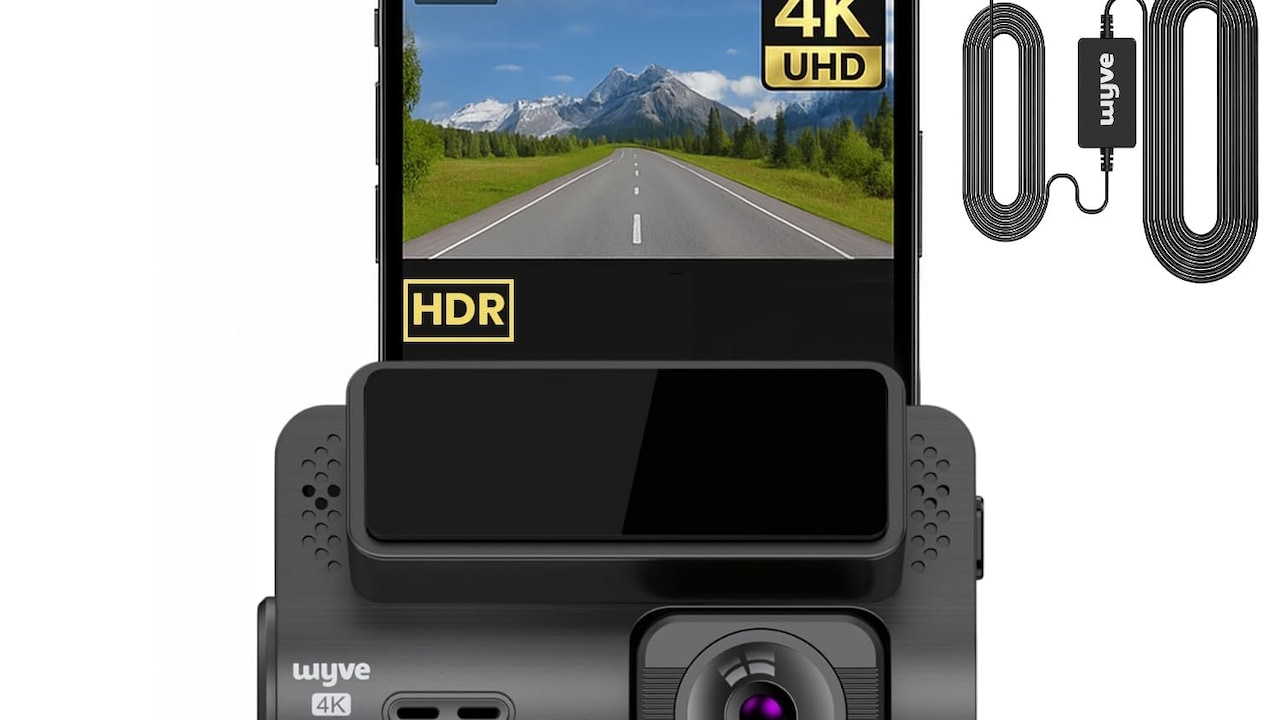
Reverse cameras perform better when the issue involves identifying hidden obstacles. A camera can reveal a small child standing behind the car, a stray animal resting near the rear tyre, a low cement block, or a two-wheeler parked at an awkward angle. This visual detail matters in crowded residential lanes and market areas, where obstacles rarely follow neat geometry.
Sensors may detect many objects, but they do not always recognise shape or height well. A thin pole, a low kerb, or a hanging chain may escape notice. Sometimes sensors beep at harmless objects and stay quiet around things the driver would rather know about. That uncertainty can annoy drivers in tight areas.
A camera gives more confidence because the driver can see the problem. It also helps when reversing near open drains, uneven edges, or parking slots marked by faded paint. The screen may not replace looking around, but it gives one more useful angle.
Still, a camera needs a clean lens and decent lighting. A layer of dust can turn the screen into modern art. For spotting obstacles, the camera wins, as long as the picture stays clear.
Parking Sensors Or Reverse Cameras: What Works Better When The Parking Space Is Narrow?
Photo Credit: Amazon
What About Rain, Dust, And Night Parking?
Real roads do not offer showroom conditions. Dust settles quickly, rain arrives suddenly, and basement parking lights often flicker like a suspense scene. These conditions affect both systems, but in different ways.
Parking sensors usually handle darkness well because they do not rely on light. They can alert the driver even when the rear view looks unclear. This makes them useful during night parking, especially in poorly lit lanes or apartment basements. Rain may sometimes confuse sensors, particularly if water, mud, or dirt covers them. Still, they often remain helpful enough for cautious parking.
Reverse cameras depend heavily on visibility. At night, a good camera with decent low-light performance can help, especially when reverse lamps brighten the area. But a cheaper camera may show grainy, washed-out footage. Rain droplets on the lens can distort the view. Dust can blur details until the driver wipes the camera clean.
For rough daily conditions, sensors feel more dependable. Cameras feel brilliant when clean and clear, but they demand more care. A quick wipe before parking can make a surprising difference.
Which Is Better For New Drivers?
New drivers often feel more comfortable with a reverse camera because it offers visual reassurance. The screen shows what lies behind, and that reduces the fear of reversing blindly. For someone still learning bumper judgement, guidelines can make parking less mysterious. The driver can see the slot, the wall, and the angle in one place.
However, parking sensors teach distance awareness in a different way. The beeps help new drivers understand how close the car sits to an obstacle. Over time, that builds confidence. A driver begins to link sound patterns with real-world distance. This skill helps even when driving a car without a camera.
In narrow spaces, new drivers benefit most from using both together. The camera helps them line up correctly. The sensors warn them before contact. Together, they reduce panic and allow slower, more controlled movement.
Still, technology should not become a crutch. New drivers should also practise using mirrors, checking blind spots, and understanding the car's turning radius. A narrow slot becomes easier when the driver knows the vehicle's edges, not just the screen.
Which Is Better For Hatchbacks, Sedans, And SUVs?
The best parking aid also depends on the type of car. A small hatchback usually offers better visibility and a shorter rear overhang. In many cases, rear sensors alone may feel enough, especially for experienced drivers. A reverse camera still adds comfort, but the driver can often manage with mirrors and sensor alerts.
Sedans create a different challenge. Their boots extend farther back, and judging the rear edge can feel tricky. Parking sensors help with bumper distance, while a camera helps align the car within the slot. For sedan owners, the combination works well, especially in tight residential parking.
SUVs need extra care. They sit higher, have larger blind spots, and take up more space. A reverse camera becomes extremely useful because it shows what is hidden behind the tall tailgate. Sensors also matter because the vehicle's size leaves less room for error. In crowded lanes and basement ramps, an SUV without parking aids can feel like an elephant trying to sit on a dining chair.
For bigger cars, a camera becomes more important. For smaller cars, sensors may often do the job.
Cost And Repair Considerations
Cost matters because parking aids should save money, not create new headaches. Rear parking sensors usually cost less to install and repair. Many basic kits sit in a reasonable price range, and even factory-fitted sensors do not usually feel too expensive to maintain. If one sensor fails, replacement may cost less than a camera or display repair.
Reverse cameras can cost more, especially if the car needs a screen, wiring, or a higher-quality camera unit. A basic aftermarket camera may start at a modest amount, while branded or showroom-installed systems can cost several thousand rupees. A neat setup with a clear display may range from around ₹4,000 to ₹15,000 or more, depending on the car and equipment. Premium systems can cost more.
Maintenance also matters. Camera lenses need cleaning. Screens can develop issues. Wiring faults can create flicker or delay. Sensors may also fail due to bumper damage, water exposure, or poor installation.
For budget-conscious owners, sensors offer strong value. For those willing to spend more for visibility and peace of mind, a camera makes sense. The best spend depends on driving conditions, not showroom charm.
When Sensors Beat Cameras
Parking sensors beat reverse cameras when the driver needs quick distance alerts in low-visibility conditions. In a dark basement, during late-night parking, or while reversing close to a plain wall, sensors provide clear feedback. The driver can focus on mirrors and steering while the beep handles rear distance warning.
Sensors also work well when the camera view creates confusion. Wide-angle camera lenses can distort distance. A driver may feel unsure whether the bumper has one foot or one inch left. The sensor beep removes some of that doubt. When the beep becomes continuous, the message feels clear.
They also help drivers who prefer sound cues over screen-watching. Constantly looking at the display can distract from the side mirrors and front clearance. In a narrow slot, the front corner may swing dangerously close to another vehicle. Sensors allow the driver to keep their eyes moving across mirrors, windows, and surroundings.
So, sensors win in simplicity, reliability, and distance warning. They do not show the full story, but they shout at the right moment.
When Reverse Cameras Win
Reverse cameras win when the driver needs to understand what sits behind the car, not just how close it is. A camera can show children, pets, two-wheelers, uneven ground, low walls, shopping bags, traffic cones, and careless trolley parking. In a country where parking spaces often double as storage corners, this matters more than people admit.
A camera also helps with alignment. The driver can see whether the car has entered the slot straight or at an angle. This helps in malls, office buildings, hotels, and apartment complexes where guards expect cars to fit neatly within faded lines. Nobody enjoys stepping out, checking, returning to the seat, moving two inches, and repeating the ritual.
Reverse cameras also reduce neck strain. Drivers do not need to twist as much while reversing. For older drivers or people who find turning uncomfortable, the camera adds comfort.
When the camera offers dynamic guidelines, its usefulness grows further. It shows the likely path of the car as the steering turns in a narrow spot, that can prevent awkward corrections and bumper-kissing drama.
The Best Answer For Narrow Parking
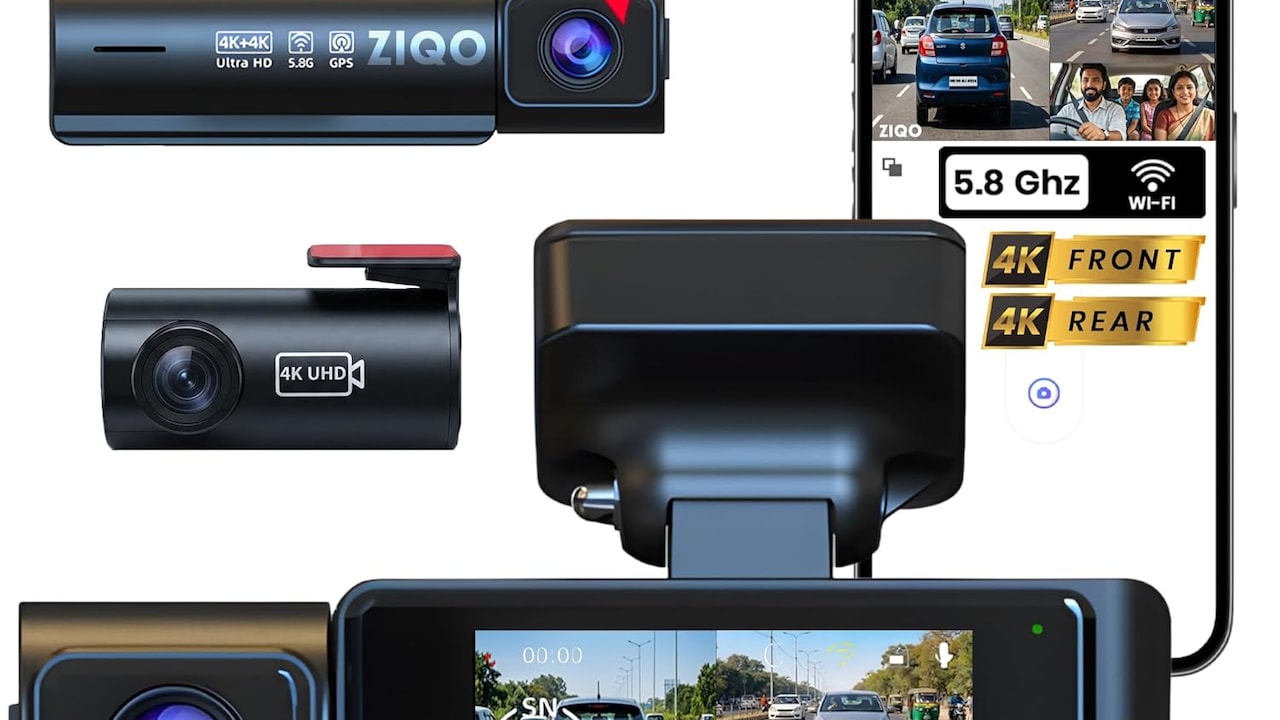
For narrow parking, the most practical answer is not sensors versus cameras. It is sensors plus a camera. They complement each other beautifully. The camera shows the scene. The sensors warn about distance. One gives eyes, the other gives ears. Together, they create a calmer parking experience.
If choosing only one, the better option depends on the driver's main struggle. Drivers who misjudge distance should pick sensors first. Drivers who worry about hidden obstacles should choose a reverse camera. Owners of large cars, especially SUVs, will gain more from a camera. Owners of compact hatchbacks may manage well with sensors, provided they park slowly and carefully.
In daily use, the combination feels safest in narrow spaces. The driver can watch the screen, listen to the alerts, check mirrors, and move inch by inch. That sounds slow, but slow parking saves bumpers, paint, and pride.
Technology helps, but patience still matters most. A calm driver with decent parking aids will always do better than a hurried driver with the fanciest screen.
Parking Sensors Or Reverse Cameras: What Works Better When The Parking Space Is Narrow?
Photo Credit: Amazon
Products Related To This Article
1. CLOUDSALE 12V LED Parking Sensor
2. Audio Wheels Fisheye Lens AHD 1080P Car Reverse Camera
3. Voyager Reverse Parking Sensor
4. Night Vision 8 LED Waterproof Car Reverse Camera,170° Wide Angle
5. Kozdiko Black Parking Reverse Sensors for All Cars
Parking sensors and reverse cameras both solve real problems, but they solve different ones. Sensors judge closeness and warn the driver with simple sound cues. Reverse cameras reveal what lies behind and help with alignment. In narrow parking spaces, neither one should carry the entire burden.
For pure distance judgement, sensors work better. For spotting obstacles and understanding the parking angle, reverse cameras perform better. For the most confidence, especially in tight mall basements, crowded housing societies, and busy roadside slots, using both together makes the most sense.
A narrow parking space can make any driver feel like a contestant in a precision challenge. The right technology lowers the pressure, but gentle control wins the day. Move slowly, check mirrors, clean the camera lens, listen to the beeps, and avoid treating parking like a race. The bumper will thank you, the neighbour will relax, and the car will fit without turning the evening into a small public event.
(Disclaimer: This article may include references to or features of products and services made available through affiliate marketing campaigns. NDTV Convergence Limited (“NDTV”) strives to maintain editorial independence while participating in such campaigns. NDTV does not assume responsibility for the performance or claims of any featured products or services.)