Car Vacuum Cleaner Mistakes That Leave Dust In Corners And Seat Gaps
Common car vacuum cleaner mistakes leave dust hiding in seat gaps, floor corners, mats, vents, and console edges. Learn simple fixes to clean smarter, improve suction, and keep your car cabin fresher without extra effort.
10 Car Vacuum Cleaner Mistakes That Keep Your Cabin Dusty
A clean car feels different. The steering wheel seems nicer to hold, the seats feel fresher, and even the daily drive through traffic feels a little less tiring. Yet many car owners know the familiar disappointment of finishing a vacuum session, stepping back proudly, and then spotting a stubborn line of dust near the seat rail or a crumb army hiding beside the handbrake. Car interiors collect more than dust. They gather memories of chai breaks, school tiffins, rainy shoes, beach trips, office commutes, and that one packet of chips that somehow exploded near the back seat. A car vacuum cleaner should tackle all this mess, but small mistakes can leave corners looking neglected.
Car Vacuum Cleaner Mistakes That Leave Dust In Corners And Seat Gaps
Photo Credit: Amazon
The good news feels simple. Better technique, patience, and the right attachments can make an ordinary vacuum cleaner work much harder. Most hidden dust does not need fancy equipment. It needs smarter cleaning habits.
Common Car Vacuum Cleaner Mistakes To Avoid
Rushing Through The Cleaning Session
Many people treat car vacuuming like a five-minute chore before a weekend drive. The cleaner comes out, the nozzle moves quickly over the mats, and the job ends when the visible dust disappears. That rush leaves the real mess behind. Dust loves hiding where eyes do not immediately go, especially under pedals, beside seat sliders, near door pockets, and along carpet seams.
A car cabin has more folds than a kurta fresh from a suitcase. Each fold traps fine particles. When the vacuum moves too fast, airflow cannot pull dust out from deep corners. It only skims the top layer and leaves the heavy crumbs behind. Slow movement gives suction time to lift grit from the fibres.
A useful habit involves dividing the car into small zones. Clean the driver's footwell first, then the passenger side, then the back seat, then the boot. This keeps the work steady and prevents random, half-hearted passes. A slower pace may feel dull, but it saves the pain of seeing dust return before the next signal turns green.
Using The Wrong Attachment For Seat Gaps
Most car vacuum cleaners come with small attachments, yet many owners leave them in the box. The broad nozzle feels quicker, so it becomes the default choice. That works on large mats, but it fails in tight spaces. Seat gaps, door grooves, AC vent edges, and cup holder rims need a narrow crevice tool.
The gap between the front seat and centre console can swallow coins, wrappers, hairpins, crumbs, and patience. A wide nozzle cannot reach that narrow channel. It hovers over the opening and creates the illusion of cleaning. The dust stays put, almost smugly.
The crevice tool focuses suction into a smaller area. That concentrated airflow pulls out debris from rails and seams. For softer surfaces, a brush attachment helps loosen dust before suction takes over. The trick lies in matching the tool to the surface. Wide nozzle for mats, brush for fabric, crevice tool for gaps.
A cleaner with average suction can perform surprisingly well with the right attachment. A powerful one with the wrong attachment only makes noise and leaves corners dirty.
Forgetting To Move The Seats Properly
Seat gaps rarely reveal their secrets when the seats stay in one position. Many people vacuum only what they can see from the door. That leaves an entire hidden world under the seat. Dust collects around rails, wires, plastic covers, and rear footwell edges. The mess grows quietly until someone drops a phone and discovers a dusty museum underneath.
Move the front seats fully backwards before cleaning the front footwells. Then slide them fully forward to reach the rear side. Recline the backrest slightly, where possible, to expose crumbs trapped near the seat base. These small adjustments change everything.
Seat rails need special attention. They collect grit from shoes, especially during the monsoon. Fine mud dries, breaks into powder, and settles into the metal tracks. A narrow nozzle can clear much of it, but only when the seat moves out of the way.
Before shifting seats, check for loose objects. Coins and small toys can jam rails. A little care prevents scratches, panic, and unnecessary repair bills.
Vacuuming Before Removing Floor Mats
Floor mats hold the worst of the dirt. They collect road dust, gravel, dried leaves, food crumbs, and mud from shoes. Yet many people vacuum the car with the mats still inside. This spreads dirt around the cabin. The vacuum may clean the top surface, but dust trapped underneath remains untouched.
Always remove the mats first. Shake them outside, away from the car, not beside the open door. A few firm taps can release half the dirt before the vacuum even starts. Rubber mats may need a wipe or wash, while fabric mats need slow vacuum passes from different directions.
Once the mats come out, the real floor becomes visible. Corners near the pedals, seat mounts, and door sills often hide compacted dust. These areas need a crevice tool and gentle brushing. When the mats return to a clean floor, the cabin feels fresher for longer.
Skipping this step feels like sweeping a room around a carpet and calling it clean. The dirt waits underneath and returns with dramatic timing.
Ignoring Dry Dust Before Tackling Damp Dirt
Car interiors face all seasons. Summer brings fine dust. Monsoon brings damp mud. Winters add dry leaves and grit. A common mistake happens when people vacuum damp dirt directly. Wet mud clings to carpet fibres and blocks the nozzle. It also makes the vacuum smell unpleasant.
Dry dust and damp dirt need different treatment. If mud feels wet, let it dry first. Once dry, it breaks apart and lifts more easily. A soft brush can loosen the crust before vacuuming. This method protects the vacuum motor and improves suction.
Food spills need care too. Dry snacks can go straight into the vacuum, but sticky sweets, melted chocolate, or chutney stains need wiping before vacuuming. Otherwise, the nozzle spreads the mess and creates a new problem.
A car vacuum cleaner handles loose debris best. It does not enjoy acting like a mop. Treat dry dirt, damp mud, and sticky spills separately, and the cabin rewards the effort.
Overlooking Corners Around The Handbrake And Console
The centre console works like a magnet for crumbs. People place coffee cups, toll receipts, parking slips, sunglasses, coins, and snack packets there. Naturally, dust settles around the handbrake, gear lever, charging ports, and cup holders. These areas look small, but they collect a surprising amount of dirt.
A quick pass with a large nozzle cannot clean these corners. It may knock dust deeper into the gaps. Use a crevice tool along the console edges. Move slowly around buttons and plastic trims. A small detailing brush or clean paintbrush can loosen trapped particles before vacuuming.
Cup holders deserve extra attention. They often contain sugar grains, tissue bits, and mystery dust from old bottles. Remove rubber inserts if the car has them. Vacuum first, then wipe with a slightly damp microfibre cloth.
The handbrake area can hide dirt where the lever meets the console. Clean this gently. Forceful poking can scratch plastic. Patient cleaning wins here, not wrestling.
Car Vacuum Cleaner Mistakes That Leave Dust In Corners And Seat Gaps
Photo Credit: Amazon
Neglecting The Boot And Rear Seat Creases
The boot often carries groceries, luggage, cricket kits, plants, spare shoes, and festival shopping. It also becomes the place where dust goes to retire. Many car owners clean the front cabin carefully and ignore the boot until a suitcase comes out covered in fine grey powder.
Boot carpets trap grit deeply. Remove loose items first, then lift removable liners if possible. Vacuum corners, spare wheel covers, and side pockets. These corners often hold sand, dry leaves, and tiny stones. A brush attachment helps loosen stubborn particles from textured fabric.
Rear seat creases also hide crumbs, especially after family trips. Children have a magical ability to feed both themselves and the seat gap at the same time. Push the seat base gently where possible and run the crevice tool along the join. Check seat belt buckles too. Dust gathers around them and makes the cabin look older than it is.
A clean boot and tidy rear seat make the whole car feel cared for, not just the driver's area.
Letting The Filter Get Choked With Dust
A vacuum cleaner needs airflow to work well. When the filter fills with dust, suction drops. The machine still makes noise, so many people assume it works properly. In reality, it only pretends to clean. Dust in corners remains untouched because the airflow lacks strength.
Small car vacuum cleaners need frequent filter checks. Fine road dust blocks filters faster than expected. After every few uses, open the dust container, empty it fully, and tap the filter gently. Washable filters need proper drying before reuse. A damp filter can create odour and strain the motor.
A clear dust container also matters. When debris reaches the maximum line, suction weakens. Empty it before it looks packed. This habit keeps the cleaner ready for deeper work around seat gaps.
Think of the filter like lungs. When it cannot breathe, the vacuum cannot pull. A little maintenance keeps the machine lively and saves the owner from blaming perfectly innocent corners.
Also Read: Common Vacuum Cleaner Mistakes First-Time Buyers Make
Pressing The Nozzle Too Hard Into Fabric
Pressing harder feels logical. Many people push the nozzle deep into carpets and seat fabric, hoping pressure will pull out more dirt. The opposite often happens. Too much pressure blocks airflow and flattens the fibres. Dust stays trapped underneath while the motor struggles.
Light, steady contact works better. Let the suction do the job. On fabric seats, move the nozzle slowly in overlapping lines. Change direction to lift dust from different angles. A brush attachment can raise the fibres before vacuuming. This helps remove hair, lint, and fine crumbs.
Carpets need the same gentle approach. Heavy pressure may drag the nozzle and leave streaks. It can also scratch plastic edges near footwells. A smooth, controlled movement gives better results and feels easier on the wrist.
Corners need patience, not force. The nozzle should guide dust out, not fight the fabric. When cleaning feels like a gym workout, the technique probably needs a rethink.
Skipping The Final Wipe And Inspection
Vacuuming removes loose dust, but it cannot catch everything. Fine powder often settles back on plastic trims, door pockets, and dashboard edges. A final wipe makes the cabin look finished. Without it, the car may seem dusty again within minutes.
Use a clean microfibre cloth after vacuuming. Wipe cup holders, console edges, door handles, seat belt buckles, and AC vent surrounds. This step catches the dust that suction dislodged but did not collect. For tight vents, a soft brush works well.
A final inspection helps too. Look at the car from different angles. Open all doors. Check under seats with a phone torch. Corners reveal themselves when light hits them sideways. This quick scan prevents the classic moment when a passenger points at a dusty patch just after the cleaning ends.
A neat finish brings quiet satisfaction. The cabin smells better, feels calmer, and makes even the regular office commute feel a little less chaotic.
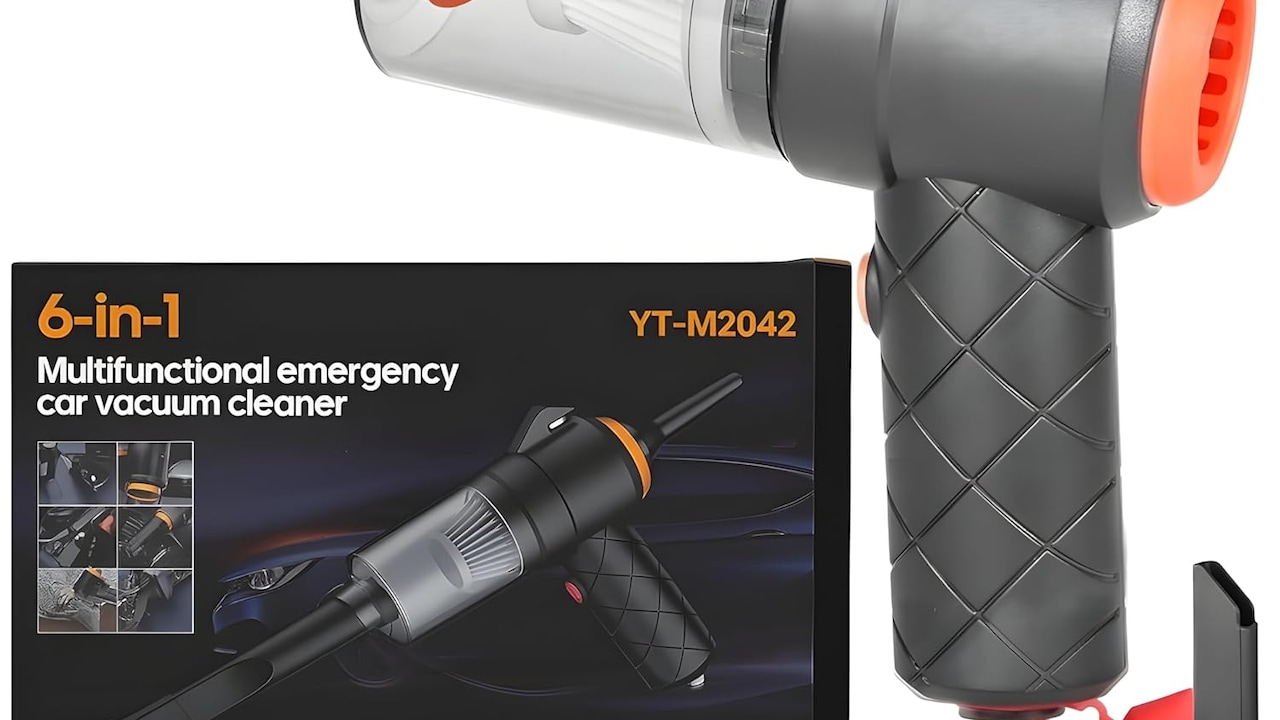
Car Vacuum Cleaner Mistakes That Leave Dust In Corners And Seat Gaps
Photo Credit: Amazon
Products Related To This Article
1. Tusa Cordless Vacuum Cleaner for Car & Home
2. WOSCHER AirVac Pro+ 3in1 USB Rechargeable Car Vacuum Cleaner Cordless
3. UN1QUE Vacuum Cleaner for Car Use with DC 12V & LED Light Car Vacuum
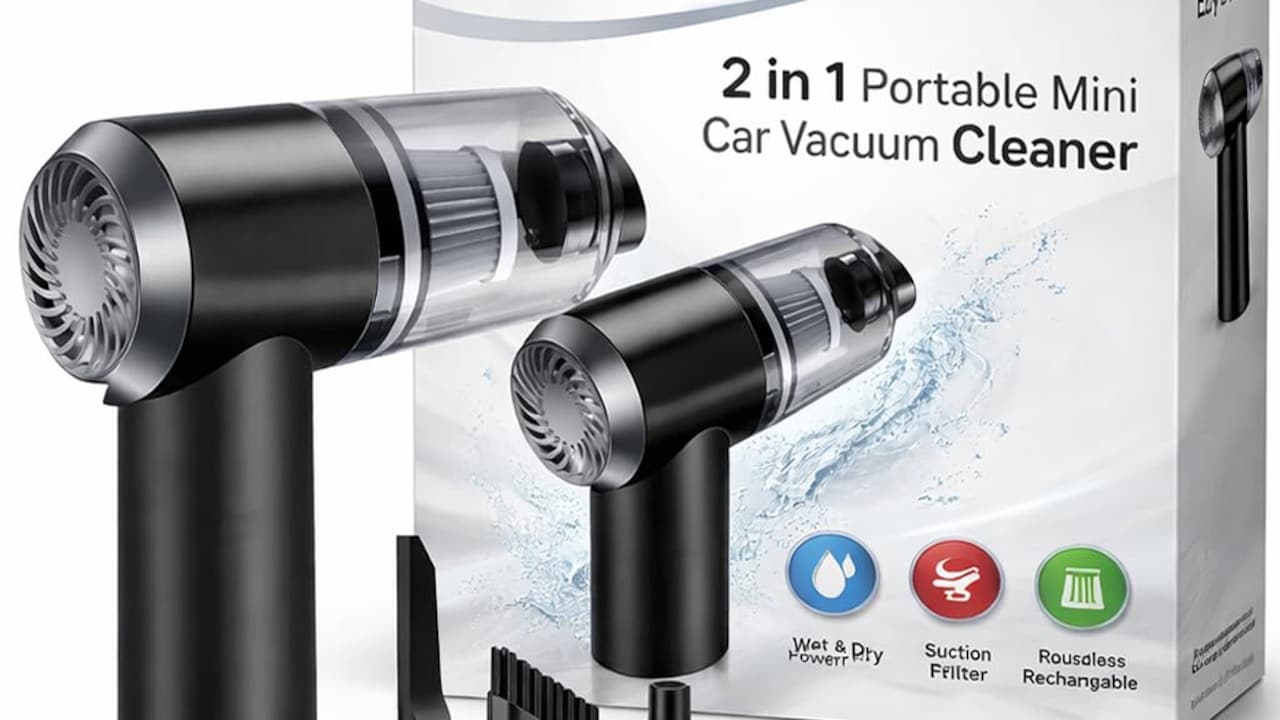
4. EzyShade 2 in 1 Portable Mini Car Vacuum Cleaner
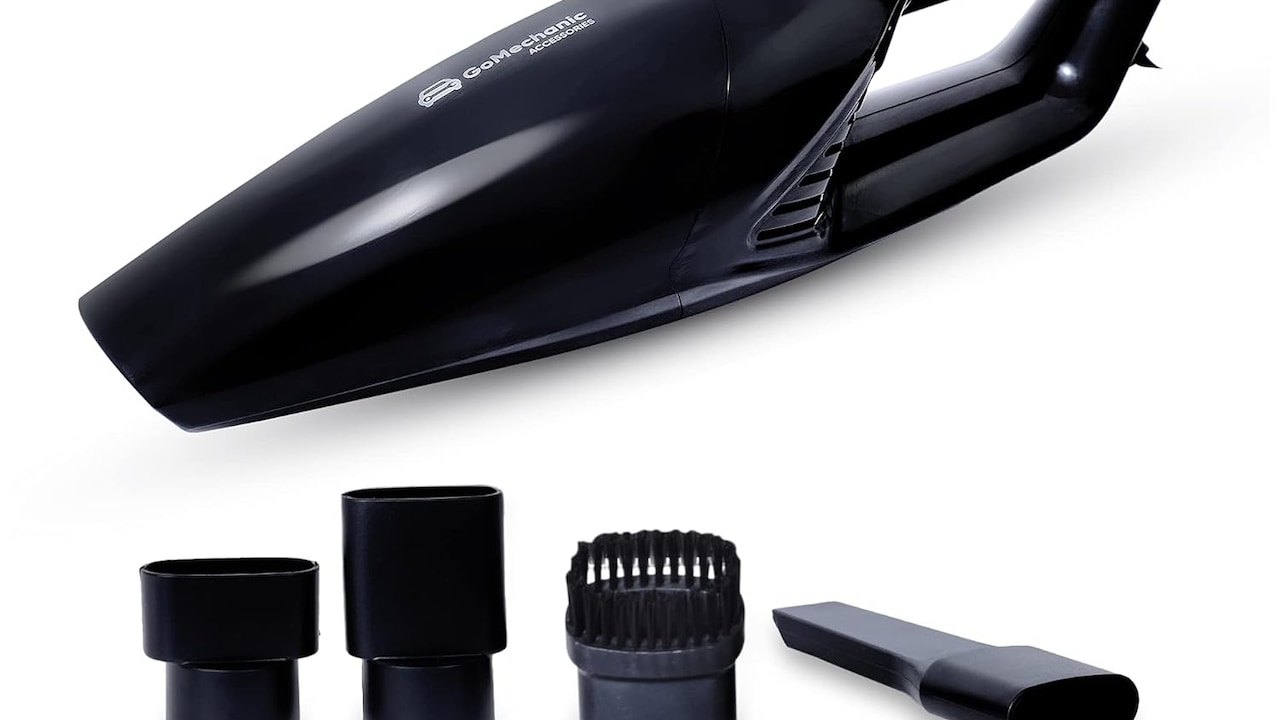
5. GoMechanic Neutron 4500 Handheld Super Suction Wet
6. SEZNIK Vacuum Cleaner for Home Use
7. WOSCHER AutoVac Pro High Power Auto Car Vacuum Cleaner for Deep Cleaning
A car vacuum cleaner can do a brilliant job, but it needs the right technique. Most dust in corners and seat gaps survives because people rush, use the wrong nozzle, forget to move seats, or ignore filters. The cleaner then gets blamed for a job it never had a fair chance to complete.
Small habits make a big difference. Remove mats. Shift seats. Use the crevice tool. Clean slowly. Empty the dust container. Brush stubborn fibres. Finish with a wipe. None of these steps needs expensive equipment or a Sunday sacrificed at a detailing studio.
A clean car does more than impress passengers. It makes daily driving feel lighter. It keeps the cabin healthier, reduces odours, and saves those awkward discoveries of ancient fries near the seat rail. With a little patience and smarter vacuuming, even the sneakiest dust in corners and seat gaps can lose its favourite hiding place.
(Disclaimer: This article may include references to or features of products and services made available through affiliate marketing campaigns. NDTV Convergence Limited (“NDTV”) strives to maintain editorial independence while participating in such campaigns. NDTV does not assume responsibility for the performance or claims of any featured products or services.)