10 Tyre Inflator Mistakes That Can Overheat The Motor And Shorten Its Lifespan
Overusing a tyre inflator can overheat its motor and cut its lifespan. Discover 10 common mistakes, from poor ventilation to nonstop use, that can damage the inflator and reduce its performance.
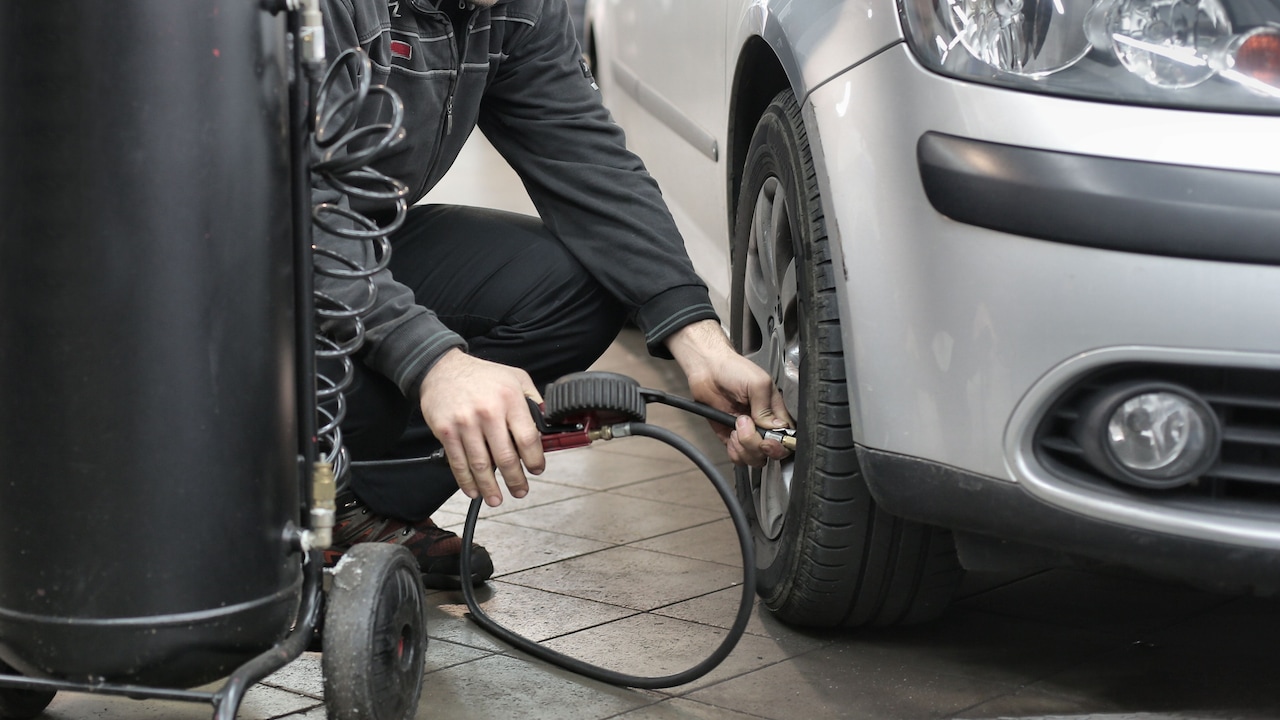
10 Tyre Inflator Mistakes That Can Damage The Motor And Reduce Its Life
A tyre inflator usually spends most of its life quietly tucked inside a car boot. Then one morning, a tyre looks low, the nearest fuel station feels inconveniently far away, and suddenly that little machine becomes the most important car gadget in the vehicle. Portable inflators make tyre maintenance quick and convenient, but their compact size comes with limits. Inside that plastic or metal housing sits a small electric motor working hard to compress air. Heat builds quickly, especially during long inflation sessions or hot weather. Treat the device like a workshop compressor, and trouble can follow. Overheating does not always end with dramatic smoke or a burnt smell. Sometimes the damage happens slowly. The inflator starts taking longer, sounds rougher, cuts out more often, or simply stops working one day. Most of these problems come from avoidable habits. Understanding what makes the motor struggle can help the inflator perform better and last considerably longer.
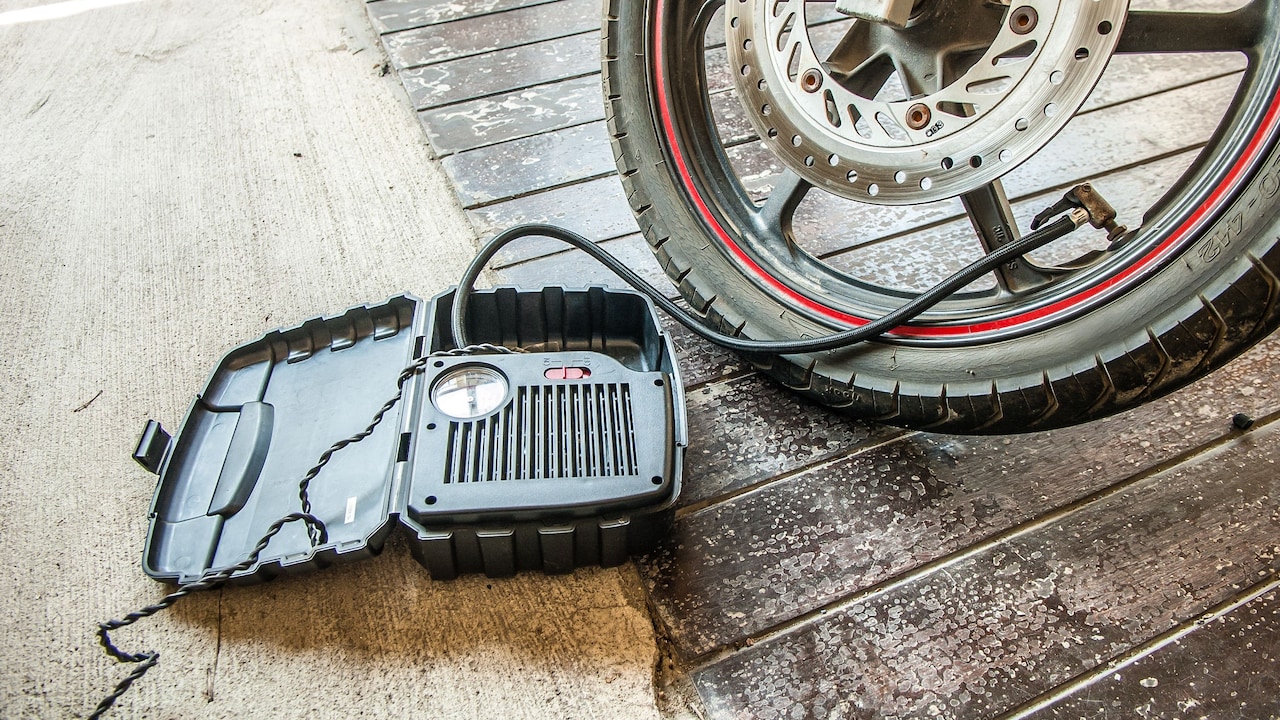
10 Tyre Inflator Mistakes That Can Damage The Motor And Reduce Its Life; Photo Credit: Pexels
Common Tyre Inflator Mistakes That Put Extra Strain On The Motor
1. Running The Inflator Continuously For Too Long
A compact tyre inflator is not designed to behave like the giant compressor at a tyre shop. Most portable units have a limited duty cycle, which means the motor needs regular breaks between periods of operation.
Ignoring that limit is one of the quickest ways to make the motor overheat. During inflation, the motor spins rapidly while the compressor creates pressure. Friction and electrical resistance generate heat throughout the process. Run it continuously for too long, and that heat has nowhere to escape quickly enough.
This becomes especially risky when inflating a tyre that has lost a large amount of pressure. Someone may switch on the machine, watch the pressure climb painfully slowly, and decide to keep going until the job finishes. The motor may have other plans.
Check the manufacturer's recommended operating time before using the inflator. If the manual suggests ten minutes of continuous use followed by a cooling break, treat that guidance seriously.
A few minutes of patience can save the motor from becoming a very expensive paperweight in the boot.
Also Read: Top 8 Smart Car Essentials For Daily Comfort And Safety
2. Using The Inflator On Completely Flat Tyres Repeatedly
Topping up a tyre from 30 PSI to 34 PSI is relatively easy work for a portable inflator. Bringing a completely flat tyre back to normal pressure demands far more effort.
The motor must run longer, compression resistance increases as pressure rises, and temperatures can climb rapidly. Doing this occasionally may not cause a problem, provided the inflator gets sufficient cooling time. Repeating the process frequently, however, can place considerable strain on a small motor.
A completely flat tyre can also indicate a puncture, damaged valve, cracked rim, or another issue that inflation alone cannot solve. Repeatedly pumping air into the tyre while it leaks away simply forces the inflator to work harder for little benefit.
Imagine filling a bucket with a hole in the bottom. Enthusiasm will not defeat physics.
If a tyre keeps losing most or all of its pressure, get the tyre inspected instead of relying on the inflator every morning. Portable inflators work best as maintenance and emergency tools, not permanent substitutes for tyre repair.
Fixing the underlying problem protects both the tyre and the machine.
3. Blocking The Cooling Vents During Operation
Those small slots around the inflator casing are not decorative details. They help the motor release heat and draw cooler air through the housing.
Place the inflator on a thick car mat, blanket, seat cushion, dusty roadside patch, or pile of luggage and those vents may become partially blocked. Heat then collects inside the casing while the motor continues working.
The result can be surprisingly quick overheating.
A firm, flat surface usually works best. Keep the inflator somewhere with reasonable airflow and make sure clothing, plastic bags, newspapers, floor mats, or other objects do not cover the ventilation openings.
This matters even more during summer. A car parked under the afternoon sun can already feel like an oven, and asking a poorly ventilated inflator to work inside that heat adds another layer of stress.
The motor needs breathing space just as much as any other electrical appliance.
Before switching the device on, spend a few seconds checking its surroundings. A clear vent costs nothing, yet it can make a noticeable difference to operating temperature and long-term reliability.
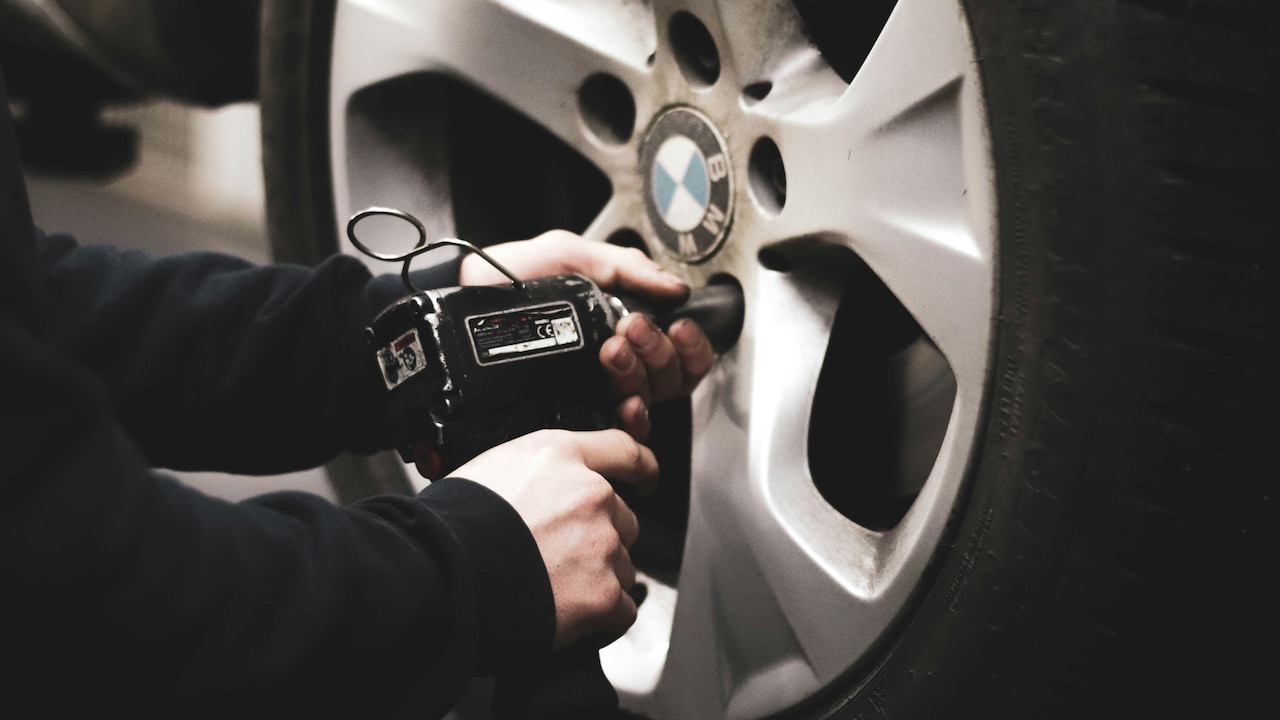
10 Tyre Inflator Mistakes That Can Damage The Motor And Reduce Its Life; Photo Credit: Pexels
4. Inflating Tyres In Extreme Heat Without Cooling Breaks
Tyre emergencies rarely respect convenient weather. Unfortunately, using an inflator on scorching tarmac during a hot afternoon can make the motor heat up much faster than expected.
The machine already creates heat while operating. When the surrounding air is hot, the inflator cannot release that heat as efficiently. If it has also been stored inside a closed car under direct sunlight, its internal components may already be warm before the motor even starts.
Switching it on immediately and running it continuously can push temperatures higher very quickly.
Whenever possible, move the vehicle to a shaded area before using the inflator. Let an extremely hot unit cool for a while if it has been baking inside the car. During longer inflation jobs, stop between tyres and allow the motor to shed some heat.
The casing may remain warm after operation, which is normal to a degree. Becoming excessively hot, producing a burning smell, or suddenly changing sound is not.
Roadside urgency can tempt anyone to rush. Still, giving the inflator short cooling breaks is usually quicker than dealing with a dead machine halfway through the second tyre.
5. Setting An Incorrectly High Pressure
More pressure is not automatically better. Setting a tyre far above the vehicle manufacturer's recommendation can harm the tyre while also making the inflator work unnecessarily hard.
As tyre pressure rises, the compressor must push air against increasing resistance. That extra workload makes the motor draw more power and generate more heat. If someone keeps chasing an unnecessarily high PSI figure, the inflator may spend its toughest minutes doing work the tyre never needed.
The correct tyre pressure usually appears on the vehicle's door frame, fuel flap, owner's manual, or another manufacturer-provided label. It should not simply be copied from the maximum pressure printed on the tyre sidewall.
That sidewall figure represents a tyre limit under specified conditions, not necessarily the recommended everyday pressure for the vehicle.
Suppose the recommended pressure is 33 PSI and the inflator gets pushed towards 45 PSI for no sensible reason. The motor works harder, ride quality may worsen, and tyre wear can become uneven.
Accurate pressure keeps the vehicle happier and gives the inflator a much easier life. Sometimes the smartest way to protect machinery is simply to stop asking it to do unnecessary work.
6. Using A Weak Or Unstable Power Source
Many portable inflators draw power from a 12V vehicle socket, while others connect directly to the battery or use rechargeable packs. Whatever the design, the motor needs a stable power supply.
A weak connection, ageing socket, damaged cable, partially discharged battery, or loose plug can create voltage drops. When the motor receives inconsistent power, it may struggle to operate efficiently. That can increase electrical stress and heat.
The symptoms may look harmless at first. The inflator could sound slower than usual, stop intermittently, restart unexpectedly, or take much longer to reach the required pressure.
Do not assume the compressor itself is always at fault.
Check that the plug sits firmly in the socket and inspect the cable for cuts, crushed sections, exposed wires, or loose connectors. With battery-powered inflators, avoid beginning a demanding inflation session when the battery is nearly empty.
Using extensions or adapters that the manufacturer does not recommend can also create additional resistance.
A healthy power source helps the motor maintain its intended speed and efficiency. Feeding an inflator poor power is rather like asking someone to climb stairs while repeatedly switching the lights off.
7. Ignoring Unusual Sounds And Burning Smells
Tyre inflators are noisy little machines, so recognising trouble can take some attention. Still, a sudden change in sound deserves notice.
Grinding, rattling, squealing, irregular buzzing, or a motor that noticeably slows under load can suggest excessive friction, worn internal parts, poor electrical supply, or mechanical resistance. A hot electrical smell is an even clearer warning.
Continuing to operate the device because “it only needs another minute” can turn a minor problem into permanent motor damage.
If the inflator begins behaving differently, switch it off and allow it to cool. Check for blocked vents, damaged cables, loose hose connections, or anything obvious that could be forcing the unit to work harder.
Do not open the casing unless the product is designed for user servicing and the instructions clearly explain how to do so.
Some inflators have thermal protection that shuts the motor down automatically when temperatures rise too far. That feature acts as a safety net, not an invitation to repeatedly push the machine to its limit.
A strange smell from any electrical device deserves respect. The tyre can wait a moment. A cooked motor will not recover through optimism.
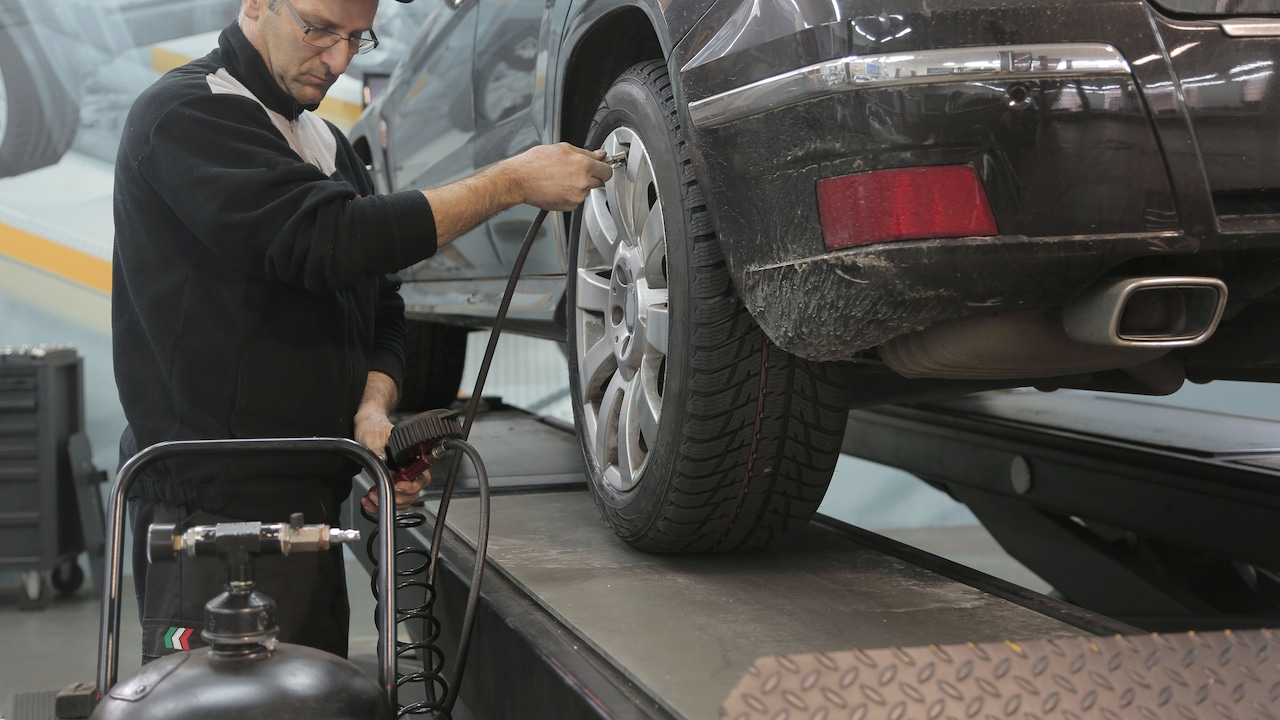
10 Tyre Inflator Mistakes That Can Damage The Motor And Reduce Its Life; Photo Credit: Pexels
8. Using A Damaged Or Leaking Air Hose
A cracked hose, loose connector, or poorly fitted valve attachment can quietly make the inflator work much harder than necessary.
When compressed air escapes before reaching the tyre, the motor keeps running while pressure climbs slowly or refuses to climb at all. The natural reaction is often to leave the machine running longer. That extra operating time means extra heat.
Small leaks can be especially frustrating because the inflator still appears to function. The pressure gauge creeps upwards, the compressor keeps buzzing, and everything looks almost normal. Meanwhile, part of the motor's effort is literally disappearing into thin air.
Before inflation, check the hose for cracks, kinks, hardened sections, and damaged fittings. Attach the connector properly to the tyre valve and listen for obvious hissing.
If the inflator takes far longer than usual to add just a few PSI, stop and inspect the setup before assuming the tyre needs more time.
Replacement hoses and connectors can cost far less than a new inflator, depending on the model. Spending ₹300 or ₹500 on a compatible part makes more sense than exhausting a motor because of an overlooked leak.
9. Inflating Several Tyres Back-To-Back Without A Pause
One slightly soft tyre rarely creates much trouble. Four underinflated tyres can turn a quick top-up into a miniature endurance test for the inflator.
Drivers preparing for a long journey often check every tyre at once, which is sensible. The mistake comes from running the inflator continuously from one wheel to the next without giving the motor time to cool.
Even if each tyre needs only a moderate pressure increase, the accumulated operating time can push internal temperatures higher. By the third or fourth tyre, the machine may already be considerably hotter than it was at the start.
A better approach involves treating multiple tyres as separate short jobs. Inflate one or two, switch the unit off, check the pressures, organise the hose, and allow some cooling time before continuing.
There is no prize for completing all four tyres without touching the power switch.
If regular maintenance often involves several vehicles or large tyres, consider whether the inflator's duty cycle actually suits the workload. A tiny emergency unit may struggle with tasks better handled by a heavier-duty compressor.
Matching the tool to the job prevents unnecessary motor strain.
10. Storing The Inflator Poorly After Use
Motor care does not end when the switch turns off. Poor storage can create problems that make the inflator run hotter during future use.
Throwing a warm machine straight into a tightly packed bag can trap heat. Coiling the cable aggressively around the casing can damage internal wires over time. Dust, moisture, loose sand, and grime can enter vents or collect around connectors.
A boot full of tools, shopping bags, sports equipment, and mysterious objects nobody remembers buying can also crush the hose or damage the housing.
After use, disconnect the inflator and give it enough time to cool before storing it. Wipe away visible dust and moisture. Coil the cable and hose gently rather than bending them sharply. Keep accessories together so the correct valve connector does not disappear exactly when needed.
Storage conditions matter too. Avoid leaving the device where water can reach it or where heavy objects constantly press against it.
A tyre inflator may spend months waiting between uses. Good storage ensures that when the awkward roadside moment finally arrives, the machine starts the job in decent condition instead of carrying damage from the last journey.
Products Related To This Article
1. TUSA Drive X Tyre Inflator for Car
2. UN1QUE Tyre Inflator for Car
3. TUSA AC/DC 2-in-1 Tyre Inflator
4. AGARO Galaxy Portable Tyre Inflator for Cars, Bikes, Bicycles & Balls
5. Portronics Vayu Lite Portable Tyre Inflator for Car
6. UN1QUE Tyre Inflator for Car
7. Qubo Digital Tyre Pressure Inflator by Hero Group | 5000 mAh Battery
A portable tyre inflator earns its place in the car by solving a small problem before it becomes a large one. Yet its compact motor cannot tolerate endless running, poor airflow, unstable power, leaking hoses, excessive pressure, or careless storage without consequences.
Most overheating problems begin with ordinary habits rather than spectacular mistakes. Running the machine for a few minutes too long, moving directly from one tyre to the next, or covering a cooling vent may seem insignificant. Repeated often enough, those habits can shorten motor life and reduce performance.
The best approach is simple. Use the inflator within its recommended duty cycle, give it time to cool, maintain the hose and electrical connections, and stop when something sounds or smells unusual.
A little restraint goes a long way with small compressors. Treat the inflator like an emergency helper rather than an indestructible workshop machine, and it is far more likely to be ready when that tyre-pressure warning appears at the least convenient moment.
(Disclaimer: This article may include references to or features of products and services made available through affiliate marketing campaigns. NDTV Convergence Limited (“NDTV”) strives to maintain editorial independence while participating in such campaigns. NDTV does not assume responsibility for the performance or claims of any featured products or services.)