10 Reasons Car Sunshades Keep Falling Off The Windscreen And How To Improve Their Grip
Car sunshades often fall because of dust, heat, worn suction cups or poor fitting. Here are 10 common reasons they lose grip and simple ways to keep them firmly attached to the windscreen.
10 Reasons Car Sunshades Keep Falling Off The Windscreen And How To Improve Their Grip
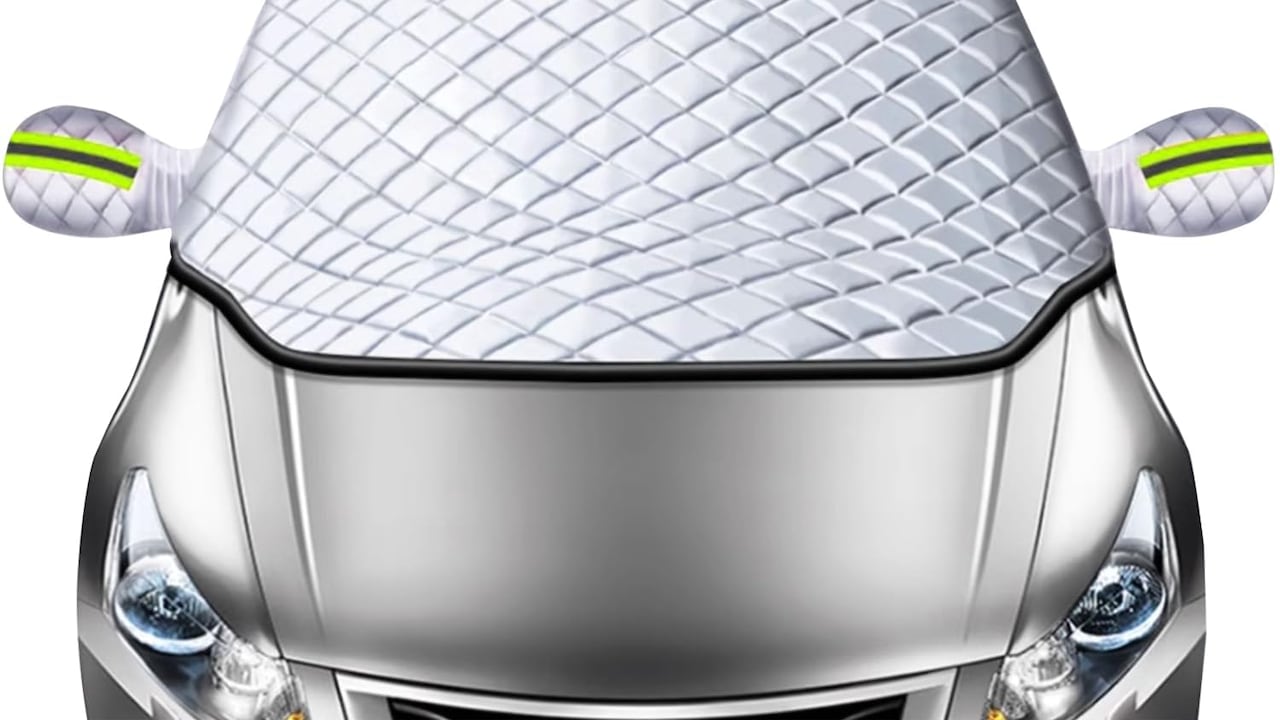
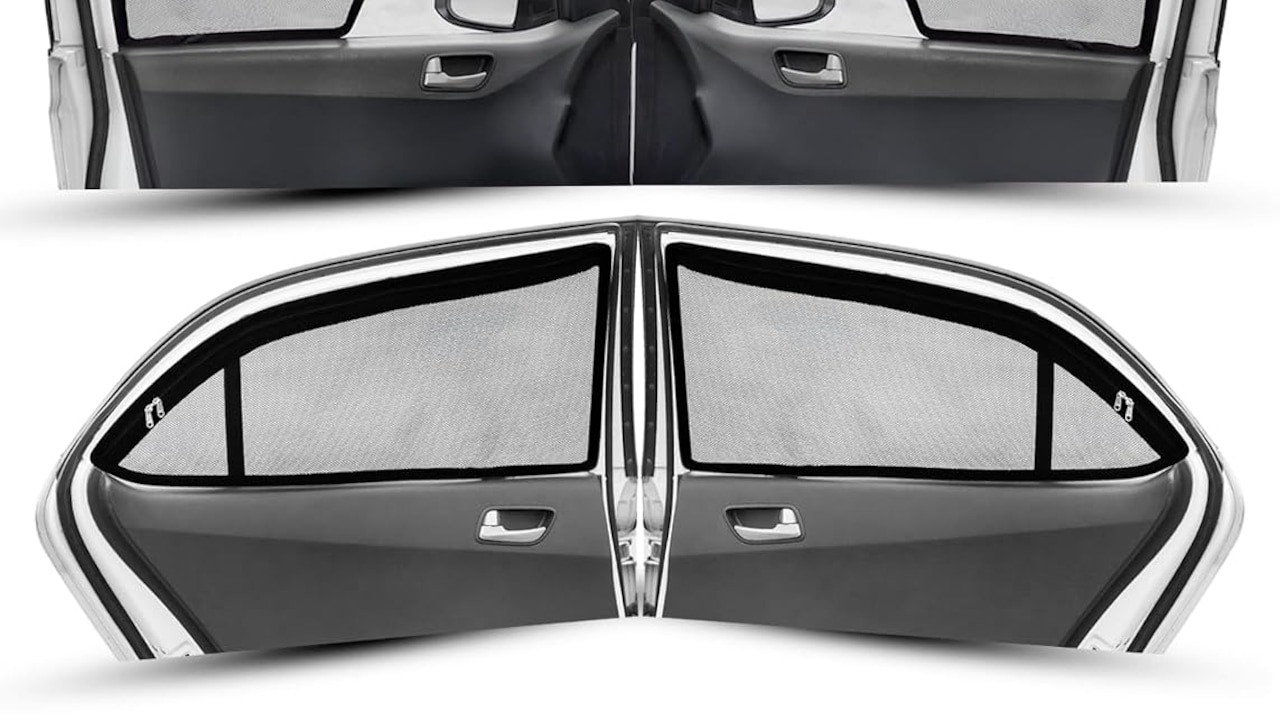
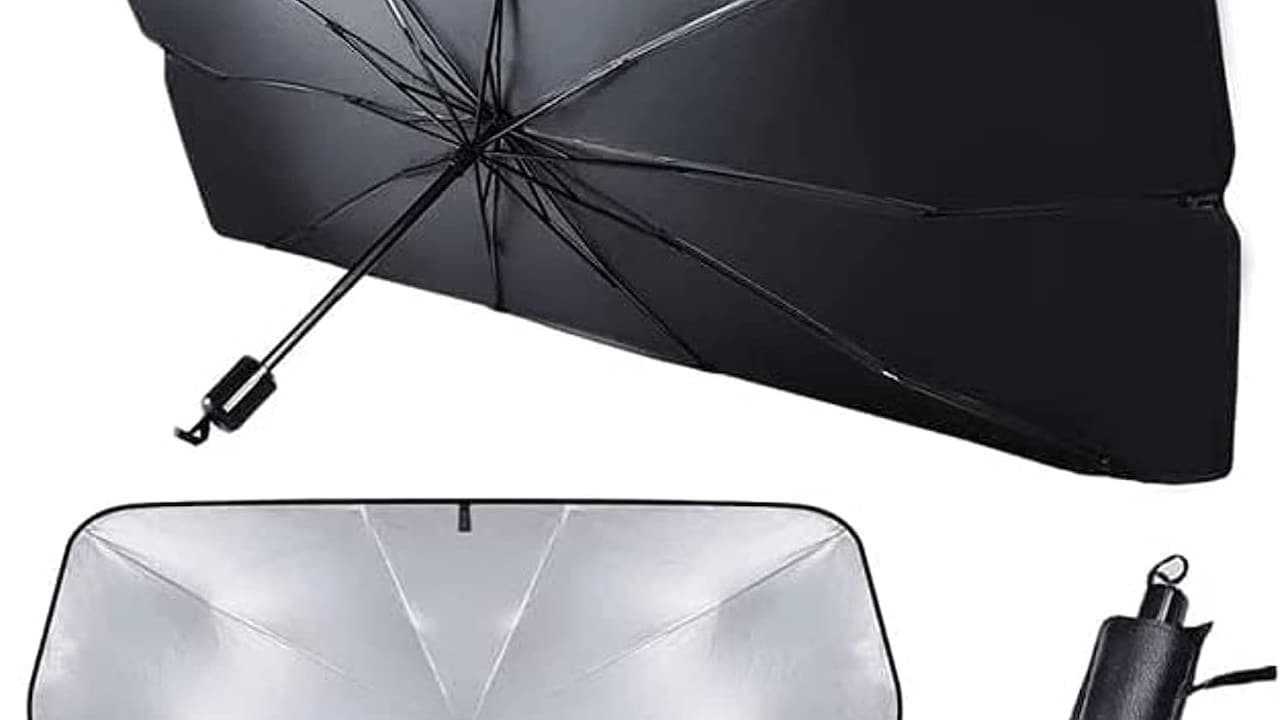
Parking a car under the afternoon sun can turn the cabin into something resembling a tandoor with cup holders. Open the door after an hour and the heat hits immediately. The steering wheel feels unpleasantly hot, seats become uncomfortable and the dashboard seems to have spent the afternoon baking. A windscreen sunshade offers a simple defence. It blocks a large portion of direct sunlight and helps reduce heat build-up inside the cabin. Some shades fold across the windscreen, while others rely on suction cups to stay attached to the glass.
10 Reasons Car Sunshades Keep Falling Off The Windscreen And How To Improve Their Grip
Photo Credit: Amazon
That last part often causes trouble. A sunshade may look perfectly secure when fitted, only to slide down a few minutes later. Sometimes one corner gives up first. At other times, the entire shade collapses dramatically onto the dashboard.
Also Read: From Fresheners To USB Fans: 5 Auto Accessories You Need In Car This Summer
The problem rarely comes down to bad luck. Suction depends on clean surfaces, flexible materials, correct positioning and a proper seal. Heat, dust and everyday wear can interfere with all of them.
Here are ten common reasons car sunshades keep falling off the windscreen and practical ways to improve their grip.
Why Car Sunshades Lose Their Grip On The Windscreen
1. The Windscreen Has A Layer Of Dust
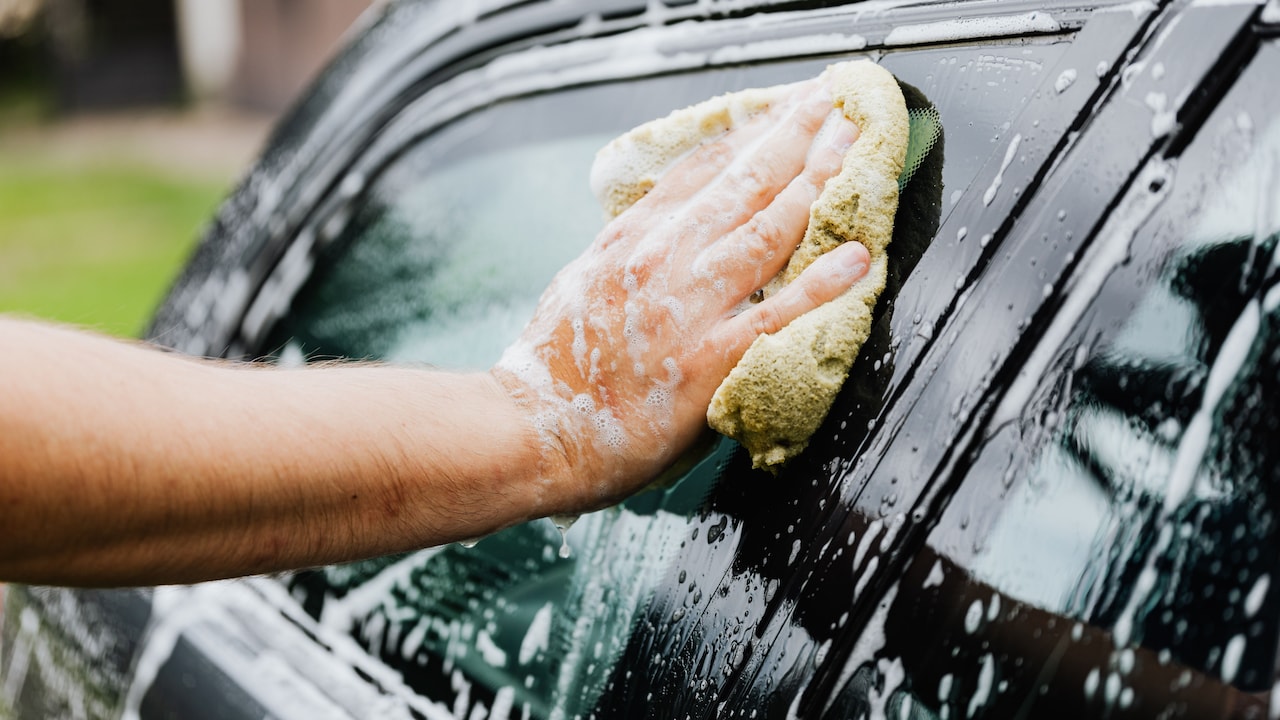
A windscreen can look clean from the driver's seat while still carrying a fine coating of dust. That invisible layer often causes the first problem.
Suction cups work best when they make close contact with smooth glass. Dust particles create tiny gaps between the cup and the windscreen. Air gradually enters through those gaps, weakens the vacuum and eventually sends the sunshade sliding down.
The problem becomes particularly common after driving through dusty roads, construction areas or dry summer conditions. Dashboard cleaning products can also leave a light residue on the inside of the windscreen.
Clean the section where the suction cups sit before attaching the shade. A microfibre cloth and a suitable glass cleaner usually remove dust, grease and fingerprints effectively. Let the surface dry completely afterwards.
Avoid wiping only the obvious marks. Clean the full contact area around every suction cup.
Sometimes the simplest fix works best. A two-minute clean may achieve more than pressing the same stubborn suction cup against dirty glass twenty times.
2. The Suction Cups Are Dirty Too
Cleaning the windscreen solves only half the problem. The suction cups themselves collect dirt surprisingly quickly.
Every time the shade enters the boot, door pocket or glove compartment, its suction cups can pick up dust, lint and tiny particles. Oils from fingers also transfer onto the surface when someone repeatedly presses the cups into place.
That contamination prevents the cup from sealing evenly against the glass.
Wash the suction cups gently with warm water and a small amount of mild soap. Rinse them thoroughly and allow them to air-dry. Avoid harsh cleaners because strong chemicals may damage or harden the material.
A slightly damp suction cup can sometimes create a stronger temporary seal. However, soaking it will not help. Too much water allows the cup to slide rather than grip.
Check the cups before each fitting if the sunshade spends most of its time loose inside the boot.
A clean windscreen paired with grubby suction cups will still produce disappointing results. Both surfaces need attention if the shade has developed an annoying habit of dropping during the hottest part of the day.
3. Heat Has Hardened The Suction Cups
Suction cups spend their working life pressed against one of the hottest surfaces in the car. Over time, that heat takes a toll.
Fresh suction cups feel flexible and slightly springy. They conform to the glass and push out trapped air when pressed. Older cups can become stiff, flattened or brittle after repeated exposure to high cabin temperatures.
Once the material loses flexibility, creating a strong seal becomes much harder.
Remove the sunshade and examine each cup closely. If the edges look curled, cracked or permanently flattened, cleaning alone may not solve the problem.
For cups that remain intact but feel slightly stiff, soaking them briefly in warm water can help restore some flexibility before fitting. The water should feel comfortably warm rather than boiling hot.
Replacement suction cups offer a better long-term solution when the material has clearly deteriorated.
A sunshade can last for years while its small attachment parts wear out much sooner. Replacing two inexpensive suction cups often makes more sense than wrestling with an otherwise perfectly usable shade every afternoon.
4. Air Is Trapped Under The Suction Cup
A suction cup needs more than pressure against the glass. It needs the trapped air underneath it to escape.
Pressing only the centre may leave small air pockets around the edges. The cup might appear secure initially, but those pockets gradually allow more air inside. Grip weakens and the familiar dashboard collapse follows.
Place the cup flat against the windscreen and press firmly from the centre towards the edges. This movement helps push trapped air out and creates a tighter seal.
Hold each cup for a few seconds rather than tapping it quickly into place. Running a finger around the rim can also reveal a section that has not sealed properly.
Curved areas of the windscreen require extra care because the cup must follow the glass closely.
Think of the attachment as a seal rather than a sticker. A quick push does not guarantee proper suction.
Taking an additional few seconds during installation can prevent repeated adjustments later, especially when the car remains parked for several hours under strong sunlight.
10 Reasons Car Sunshades Keep Falling Off The Windscreen And How To Improve Their Grip
Photo Credit: Amazon
5. The Windscreen Is Too Hot During Installation
Heat causes another problem before the sunshade has even started working.
If a car has already spent considerable time under direct sunlight, the windscreen can become extremely hot. Placing suction cups onto that heated glass may reduce their ability to form and maintain a reliable seal.
The temperature also affects the cup material. Soft cups may temporarily deform, while older cups can lose flexibility.
Whenever possible, fit the sunshade soon after parking rather than after the cabin has already turned unbearably hot. This gives the suction cups a better surface and allows the shade to start blocking sunlight immediately.
If the windscreen feels exceptionally hot, moving the car into shade briefly can help. Wiping the inside glass with a clean, slightly damp cloth may also cool the contact area, though the surface should not remain dripping wet.
Timing matters more than many drivers realise.
Attaching a sunshade after the car has baked for an hour resembles opening an umbrella after getting soaked. It still helps, but starting earlier makes the job considerably easier.
6. The Shade Places Too Much Weight On The Cups
Sometimes the suction cups work perfectly well. The sunshade simply asks too much of them.
Large multilayered shades, decorative covers and heavy insulated designs can place considerable downward force on small suction cups. If the entire weight hangs from two attachment points, gravity eventually wins.
Check whether the shade sags heavily between the cups. A poorly supported centre often pulls the upper corners away from the windscreen little by little.
Position the sunshade so the dashboard supports part of its weight whenever the design allows it. The shade should cover the windscreen without hanging like a curtain from its suction cups.
Also, check whether the manufacturer provides additional attachment points that have gone unused.
When replacing a sunshade, consider the relationship between its size and mounting method. Thicker does not automatically mean better if the fittings cannot support the extra weight.
A well-balanced lightweight shade can stay in place more reliably than a bulky model with impressive insulation but two tiny suction cups doing all the hard work.
7. The Sunshade Does Not Match The Windscreen Shape
One-size-fits-all accessories often fit everything reasonably and nothing perfectly.
Windscreens vary widely in width, height and curvature. A sunshade that fits a compact hatchback may struggle across the broad windscreen of an SUV. Likewise, an oversized shade can bunch up, bend or pull against its own attachment points.
That tension constantly works against the suction cups.
Measure the windscreen before buying a replacement. Pay attention to the usable interior dimensions rather than relying only on generic vehicle categories.
A properly sized shade should cover most of the glass without stretching tightly between mounting points. It should also sit comfortably around the rear-view mirror and dashboard.
If an existing shade feels slightly too large, adjusting its position may reduce tension. Folding designs sometimes allow a little overlap at the edges.
Correct sizing improves more than appearance. It distributes weight evenly and allows each suction cup to remain flat against the glass.
When a sunshade keeps fighting its own shape, even excellent suction cups may eventually surrender.
8. Dashboard Polish Has Reached The Glass
A shiny dashboard can look satisfying after a weekend cleaning session, but some interior-care products create trouble elsewhere.
Dashboard polish, silicone sprays and other detailing products can leave a fine oily film on nearby glass. The residue may remain almost invisible until a suction cup starts slipping across it.
Fingerprints create a similar problem. Natural skin oils interfere with the close contact needed for reliable suction.
Use a dedicated automotive glass cleaner on the inside of the windscreen after applying dashboard products. Spray the cleaner onto a cloth rather than directly around electronic equipment or dashboard openings.
Pay particular attention to the upper areas where suction cups usually sit.
Avoid using household products that leave waxy or fragranced coatings on the glass. The windscreen needs a clean, residue-free finish rather than showroom shine.
Regular interior cleaning often focuses on what looks dirty. Suction problems reveal another side of the story: surfaces can appear spotless while remaining surprisingly slippery.
A clean-looking windscreen and a truly clean windscreen are not always the same thing.
9. The Suction Cups Have Lost Their Original Shape
Storage habits can quietly ruin suction cups long before the rest of the sunshade wears out.
Stuffing a folded shade beneath luggage, tools or shopping bags can leave the cups crushed for hours. Over time, their smooth bowl shape may flatten or develop creases.
A distorted cup cannot create an even vacuum against glass.
Store the sunshade without placing heavy objects on its attachment points. If the cups have flattened slightly, warm water may help them return closer to their original shape. Gently reshape them by hand once the material softens.
Severely warped cups usually need replacement.
Also avoid leaving the shade folded tightly for long periods if its suction cups sit inside the folds. A simple storage sleeve or an uncluttered section of the boot can protect them.
Car accessories often receive rough treatment because they seem durable. Yet suction cups depend on surprisingly precise shapes.
Treating those little rubber or silicone discs with care can mean the difference between a shade that stays up all afternoon and one that spends its life lying across the dashboard.
10. The Suction Cups Simply Need Replacing
Every fix has its limit. Sometimes a suction cup has simply reached the end of its useful life.
Repeated heating, cooling, stretching and exposure to sunlight gradually change the material. The rim may develop tiny cracks that allow air to enter even when the cup looks reasonably normal.
If cleaning, warming and repositioning make little difference, replacement becomes the sensible option.
Measure the existing attachment hole or fitting before buying new cups. A replacement needs to fit the sunshade securely as well as create adequate suction against the windscreen.
Choose flexible cups with smooth, undamaged edges. Extremely rigid material may struggle with curved glass.
Replacing the cups can also rescue a favourite sunshade whose main body remains in good condition. Throwing away the entire accessory because two small fittings have worn out creates unnecessary waste.
There comes a point when repeatedly pressing a tired suction cup back onto the windscreen becomes less like maintenance and more like a daily argument. New cups usually end that argument quickly.
10 Reasons Car Sunshades Keep Falling Off The Windscreen And How To Improve Their Grip
Photo Credit: Pexels
Products Related To This Article
1. Un1que Car Windshield Sun Shade Protector
2. NEODRIFT 'NeoShade' Magnetic Car Sunshades for Kia Seltos
3. Amazon Basics Car Sun Shield
4. Tantra Car Sun Shade for Side Windows
5. Windshield Sunshade Car Cover, Front Window Sunshade
6. Coku New 2026 Universal Car Windshield Sun Shade Cover
7. Rescien 142 * 80CM Foldable Car Windshield Sunshade
A falling car sunshade may seem like a small annoyance, but dealing with it every time the vehicle sits in the sun gets frustrating fast. Fortunately, weak suction rarely requires a complicated solution.
Clean glass and clean suction cups provide the best starting point. Correct installation removes trapped air, while careful positioning reduces unnecessary strain. Proper storage helps the cups retain their shape, and replacing worn fittings can give an otherwise good sunshade a fresh lease of life.
Size matters too. A shade that matches the windscreen will stay balanced more easily than one stretched awkwardly across the glass.
Most importantly, fit the sunshade before the cabin becomes unbearably hot. Prevention works far better than returning to a steering wheel that feels ready to toast a paratha.
With a little attention to cleaning, fitting and storage, the sunshade can remain exactly where it belongs: firmly against the windscreen rather than crumpled on the dashboard.
(Disclaimer: This article may include references to or features of products and services made available through affiliate marketing campaigns. NDTV Convergence Limited (“NDTV”) strives to maintain editorial independence while participating in such campaigns. NDTV does not assume responsibility for the performance or claims of any featured products or services.)