Full-Face Helmets vs Open-Face Designs: Which Feels Safer In City Traffic?
Full-face helmets offer maximum protection, while open-face designs feel lighter and cooler in city traffic. But which one actually feels safer during daily commutes and chaotic urban rides?
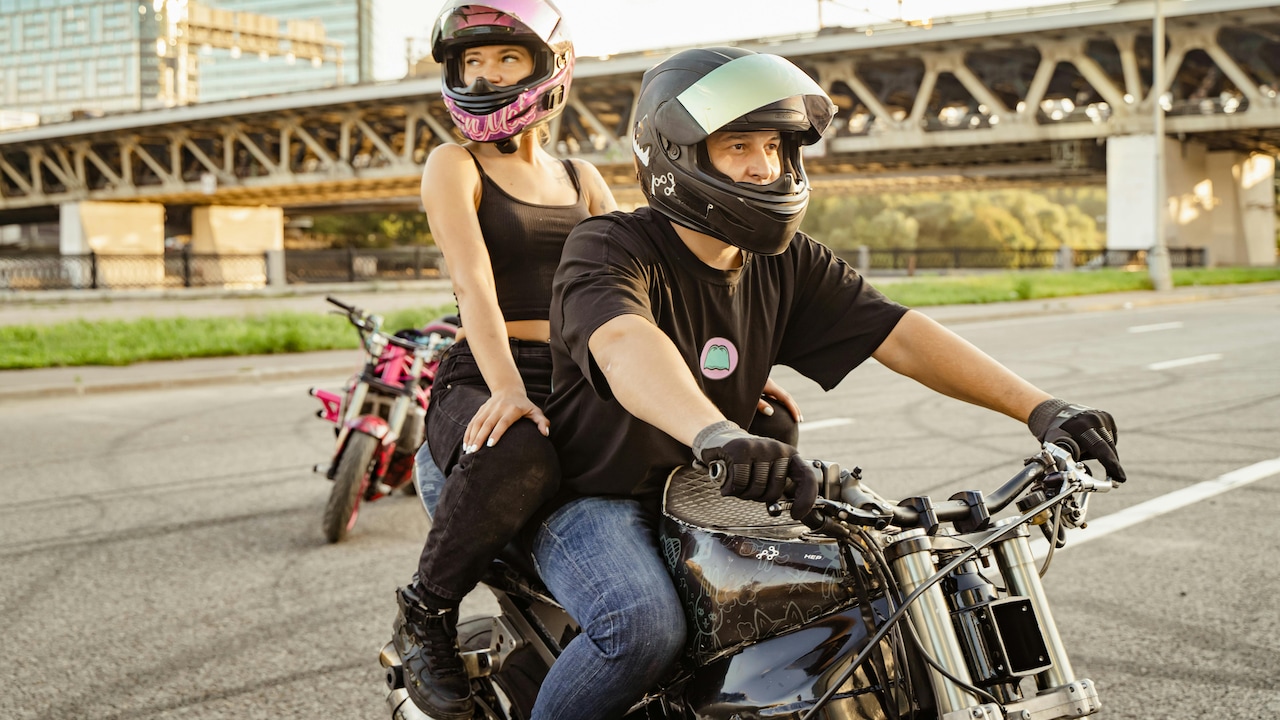
Full-Face Helmets vs Open-Face Helmets: Which Is Safer For City Riding?
City traffic rarely behaves politely. One second, the signal turns green, and the next moment, a delivery rider cuts across three lanes while an auto-rickshaw drifts sideways without warning. Riding through that daily madness demands alertness, patience, and a decent amount of courage. Yet among all the riding gear debates, none sparks stronger opinions than the battle between full-face helmets and open-face designs. Some riders swear by full-face helmets because they create a sense of armour. Others argue that open-face helmets offer better awareness and make commuting less exhausting in sticky weather. Neither side stays quiet for long. Tea stalls near office districts often become unofficial debate arenas where commuters compare bruises, near misses, and sweating levels with surprising passion.
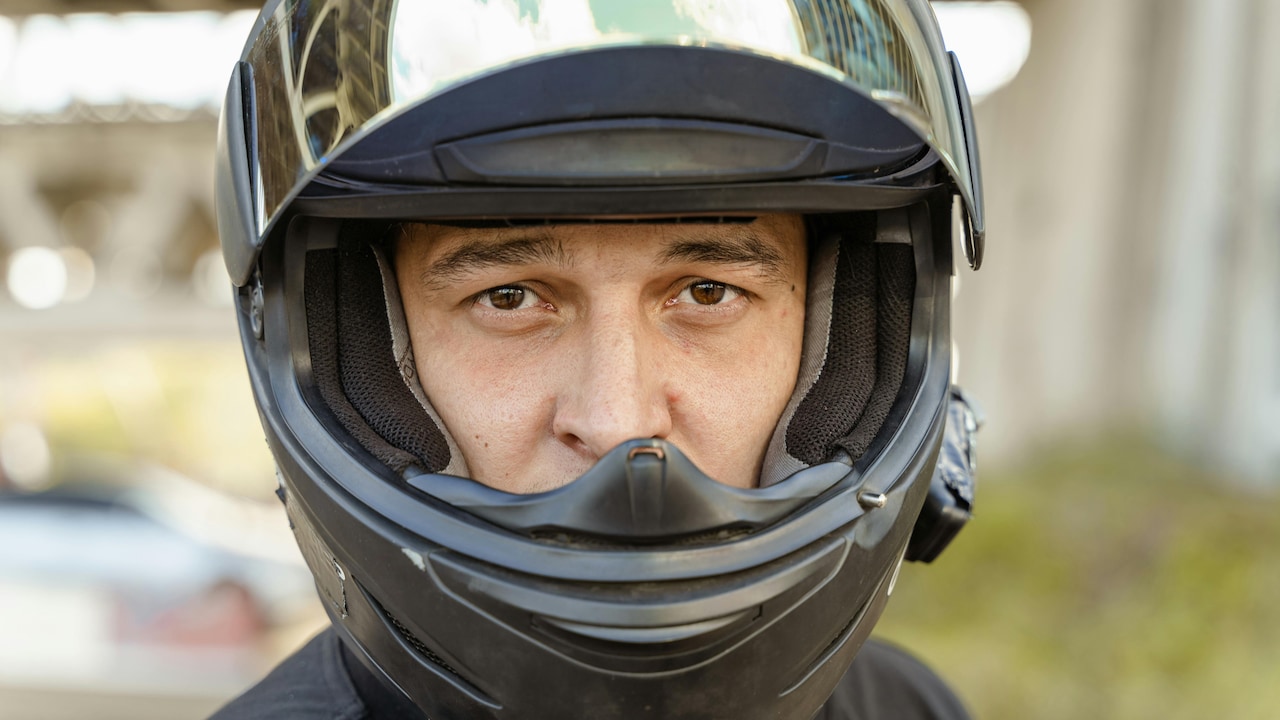
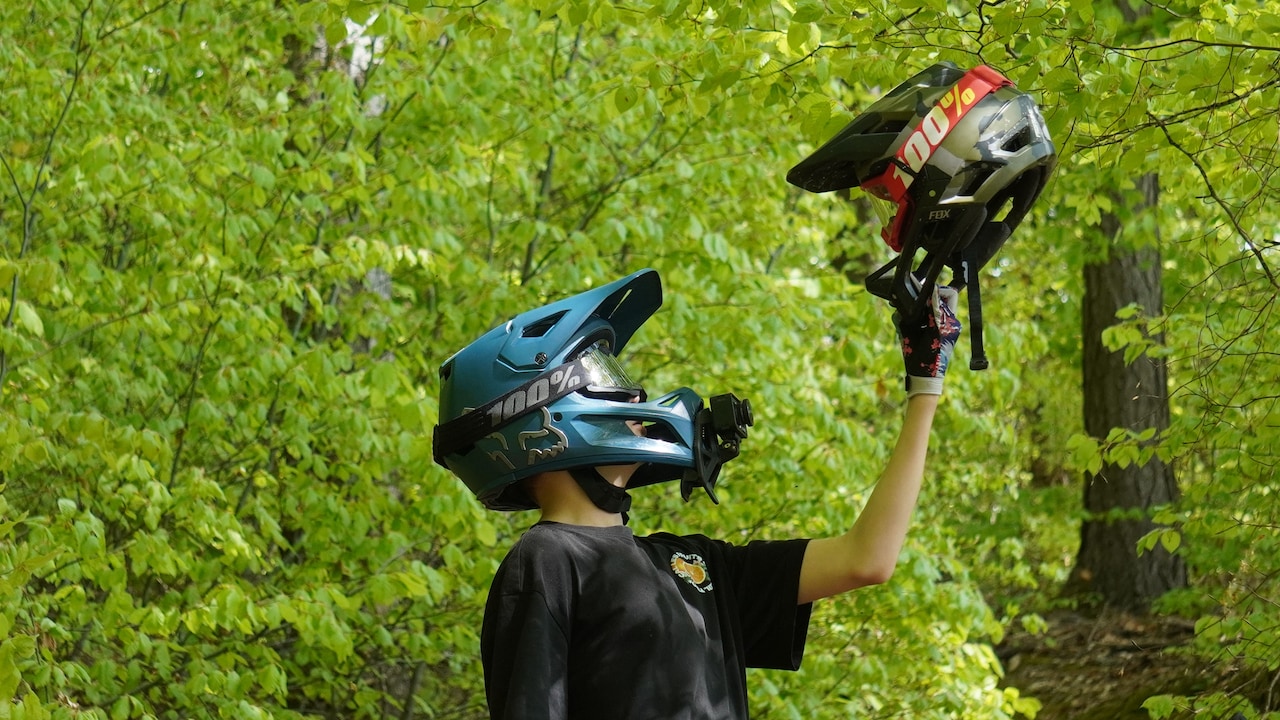
Full-Face Helmets vs Open-Face Helmets: Which Is Safer For City Riding?; Photo Credit: Pexels
The interesting part is that “feeling safe” and “being safe” do not always mean the same thing. A rider may feel calm inside an open-face helmet because of better airflow and visibility. Another may feel exposed without a chin guard and prefer the enclosed security of a full-face design. Urban riding adds another layer to the argument because city roads test reflexes more than outright speed. So which helmet actually feels safer in city traffic? The answer depends on far more than just protection ratings.
Full-Face Helmets vs Open-Face Designs: Which Feels Safer In City Traffic?
The Psychological Comfort Of Full-Face Helmets
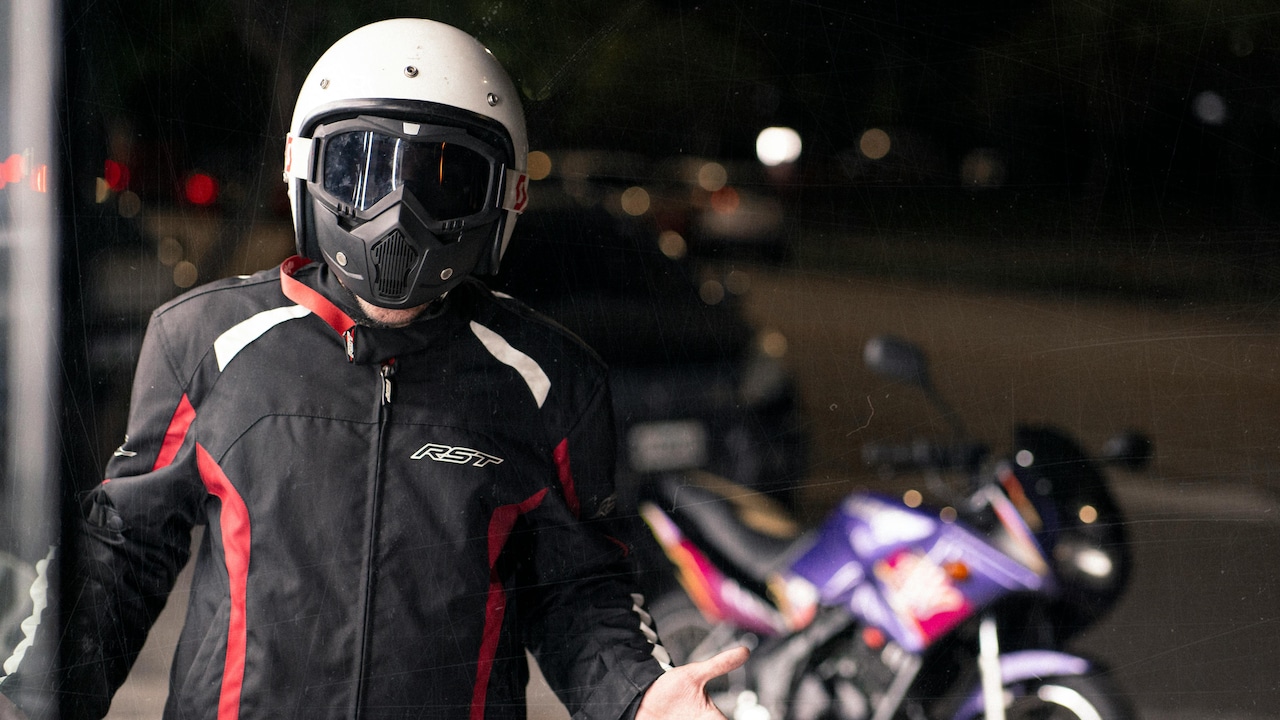
A full-face helmet creates an immediate sense of security the moment the visor clicks shut. Traffic noise softens slightly, dust stays outside, and the rider feels wrapped inside a protective shell. That emotional reassurance matters more than many people admit. Confidence affects riding behaviour, especially during rush hour when roads become unpredictable obstacle courses.
Many commuters feel calmer wearing full-face helmets because the chin and jaw remain protected. Even low-speed falls can cause facial injuries, and riders know that instinctively. Watching someone skid across a road with only scratches on the helmet leaves a lasting impression. The helmet starts feeling less like an accessory and more like a survival tool.
There is also the mental benefit of isolation. City roads bombard riders with honking, shouting, engines, and pollution. A full-face helmet filters part of that chaos. The ride feels more controlled, even during stressful traffic jams near crowded junctions or flyovers.
However, psychological comfort works differently for every rider. Some enjoy the enclosed sensation, while others feel trapped after a few kilometres. Riders who wear glasses often complain about fogging during monsoon mornings. Still, when traffic turns aggressive, many instinctively trust the helmet that covers the entire face.
That trust alone can influence how safe a rider feels weaving through busy streets.
Also Read: How To Choose A Helmet That Is Lightweight And Safe For Long Rides
Why Open-Face Helmets Feel Less Intimidating
Open-face helmets carry a completely different personality. They feel relaxed, approachable, and far less claustrophobic. Riders often describe them as “lighter on the mind,” especially during slow-moving city commutes where speeds remain modest.
The biggest advantage lies in openness. Riders can hear surrounding traffic more naturally and speak easily at fuel stations or roadside checkpoints. A quick sip of chai or a brief conversation does not require removing the helmet entirely. That convenience becomes surprisingly important for daily commuters who spend hours on the road.
Ventilation also changes the riding experience dramatically. Summer traffic under harsh afternoon heat can turn full-face helmets into portable ovens. Sweat trickles down the neck, visors fog up, and irritation builds quickly. Open-face helmets allow air to flow freely, making rides feel less exhausting.
There is also a cultural familiarity attached to them. For decades, open-face helmets became the default choice for scooter riders navigating packed urban lanes. Many still associate them with practical commuting rather than aggressive riding. They feel less intimidating and more casual.
Yet that comfort comes with compromise. Riders often admit feeling vulnerable when large vehicles pass too closely. Dust, insects, and sudden rain hit the face directly. At night, flying debris from poorly maintained roads becomes another concern.
Despite those drawbacks, open-face helmets continue attracting riders because comfort sometimes creates its own version of safety. A relaxed rider may stay more alert than one struggling with discomfort and heat.
Visibility And Awareness In Dense Traffic
City traffic demands constant awareness. Mirrors, pedestrians, stray animals, potholes, impatient motorists, and random lane changes compete for attention every second. In such conditions, visibility becomes critical.
Open-face helmets usually provide a broader field of vision. Riders can glance sideways more naturally and remain visually connected to their surroundings. That freedom matters in tight traffic where split-second observations prevent collisions. Shoulder checks feel easier, and peripheral awareness remains strong.
Some riders argue that full-face helmets slightly restrict side vision, particularly cheaper models with narrower visor openings. While premium helmets solve much of that issue, budget-conscious commuters often notice the difference. During crowded traffic snarls, even a tiny visual limitation can feel frustrating.
Sound awareness also enters the debate. Open-face helmets allow riders to hear nearby vehicles more clearly. The rumble of a bus approaching from behind or the horn of a speeding bike becomes easier to identify. Many commuters believe this extra sensory awareness improves safety in unpredictable conditions.
However, too much noise can overwhelm concentration. Full-face helmets reduce some external chaos, helping riders focus better during long rides through congested areas. There is a delicate balance between awareness and sensory overload.
Ultimately, visibility depends heavily on helmet quality and fit. A poorly fitting open-face helmet can wobble and distract the rider. Likewise, a badly ventilated full-face helmet with a scratched visor creates its own dangers.
The safer feeling often comes from whichever helmet allows the rider to stay attentive without strain.
Full-Face Helmets vs Open-Face Helmets: Which Is Safer For City Riding?; Photo Credit: Pexels
Heat, Sweat, And Urban Exhaustion
Few things test patience like sitting at a traffic signal in peak summer while hot air blasts from nearby exhaust pipes. Urban commuting already drains energy, and helmets play a huge role in rider fatigue.
Open-face helmets dominate in terms of airflow. The face stays cooler, breathing feels easier, and sweat evaporates faster. Riders covering short distances frequently prefer them because they reduce irritation during repeated stop-and-go traffic. Even a ten-minute commute can feel unbearable inside a poorly ventilated full-face helmet during humid weather.
Discomfort affects concentration more than people realise. A sweaty rider constantly adjusting the helmet or lifting the visor becomes distracted. Over time, frustration builds. Mental fatigue can reduce reaction times and patience on crowded roads.
Full-face helmets have improved significantly with better ventilation systems, but heat remains a common complaint among city commuters. Premium models with advanced airflow channels work brilliantly, yet they often cost ₹6,000 or more. Many riders using affordable helmets do not experience the same comfort.
On the other hand, open-face helmets expose riders directly to pollution and heat radiating from roads. Dust sticks to sweaty skin, and long rides leave faces grimy. During monsoon season, sudden rain showers turn the commute into an uncomfortable mess.
The helmet that feels safer often depends on whether the rider values protection over comfort or comfort over fatigue. In heavy traffic, both factors influence confidence behind the handlebars.
The Reality Of Facial Protection
No discussion about helmet safety can avoid the uncomfortable truth about facial injuries. Falls in city traffic often happen at lower speeds, but the road surface remains unforgiving. Even a simple skid near a speed breaker can result in severe damage to the chin, jaw, or teeth.
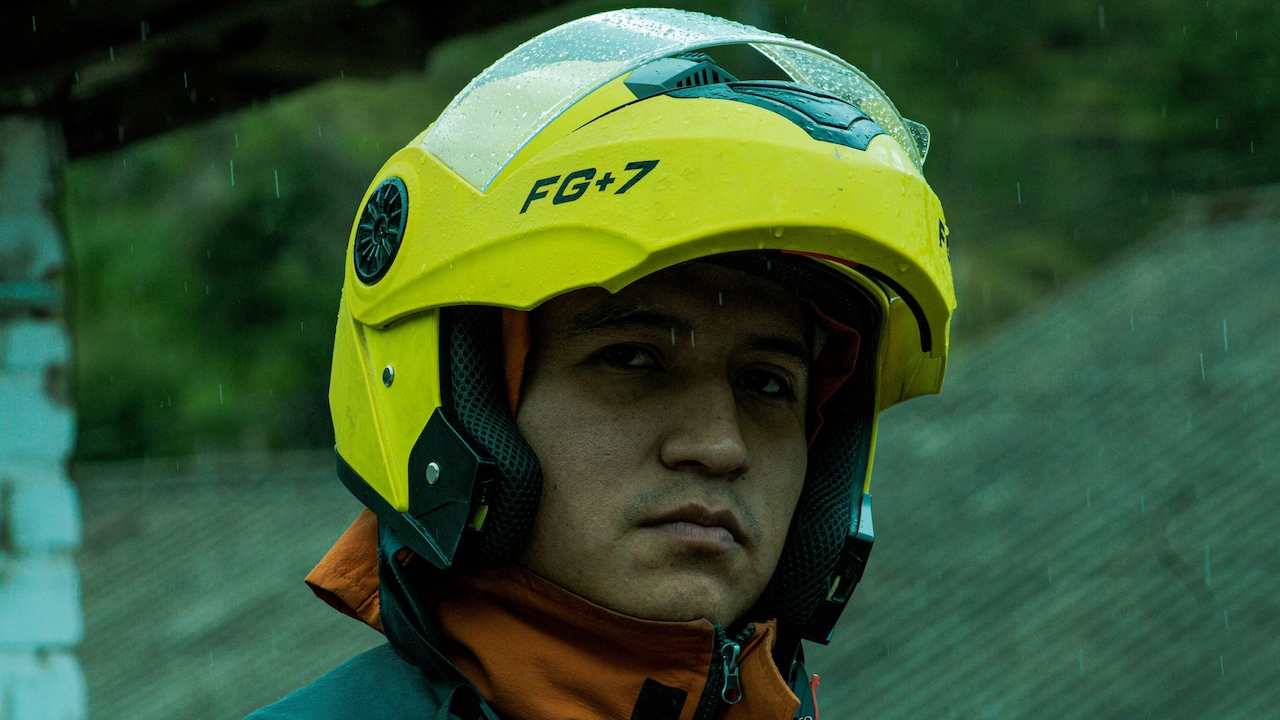
Full-face helmets excel in this area. The chin bar acts as a crucial protective structure, reducing impact exposure during forward falls. Riders who have experienced accidents frequently become passionate advocates for full-face designs afterwards. Stories circulate endlessly about cracked visors saving eyes from shattered mirrors or flying gravel.
Open-face helmets protect the skull effectively, but they leave much of the face exposed. Riders accept that compromise knowingly. Some consider the risk manageable because city speeds usually stay moderate. Others feel uncomfortable riding without facial coverage, particularly on roads crowded with heavy vehicles.
There is also a psychological effect after witnessing accidents. Watching another rider suffer facial injuries changes perceptions quickly. Suddenly, ventilation and convenience matter less than the idea of keeping one's face intact.
Still, practicality shapes behaviour. Many commuters riding short distances believe full-face helmets feel excessive for quick grocery runs or office commutes. Convenience often wins over caution in daily life.
The irony is that most urban accidents occur close to home, during familiar routes taken casually. Safety experts repeatedly highlight that point, yet habits remain difficult to change.
Noise, Stress, And Mental Fatigue
Traffic noise wears people down slowly. Constant honking, engine rattles, construction drilling, and shouting create invisible stress that builds throughout the day. Helmets influence how much of that chaos reaches the rider.
Full-face helmets reduce wind noise and dampen surrounding sounds. The result feels calmer and more controlled. Riders often describe long commutes as less mentally exhausting because the helmet creates a quieter environment. Even after an hour in traffic, concentration remains steadier.
Open-face helmets expose riders to every sound around them. While that improves awareness, it also increases stress levels over time. Endless honking during rush hour can become mentally draining. Riders may arrive home more irritated than expected after relatively short rides.
However, some commuters prefer hearing traffic naturally. Silence can feel unsettling in crowded conditions where auditory cues help predict movement. The sound of an approaching truck or accelerating scooter often provides valuable information before visual confirmation appears.
Helmet fit also matters enormously. Loose helmets generate additional wind noise and vibration, making rides tiring regardless of design. A quality open-face helmet may feel quieter than a cheap full-face model rattling at moderate speeds.
Stress influences safety more than riders realise. Fatigue leads to poor judgment, impatience, and slower reactions. The helmet that keeps the rider mentally comfortable throughout the commute may ultimately feel safer in everyday use.
Rain, Dust, And Pollution Challenges
Urban roads rarely offer clean riding conditions. Dust hangs in the air, smoke drifts from vehicles, and sudden weather changes turn ordinary commutes into endurance tests. Helmets become the first line of defence against environmental misery.
Full-face helmets provide excellent protection from pollution and debris. Riders avoid direct exposure to smoke, insects, and road dust. During monsoon rides, the visor shields the face from painful raindrops and muddy splashes thrown by buses. Anyone who has ridden behind a speeding truck during heavy rain understands the value of that barrier instantly.
Open-face helmets struggle in these situations. Dust enters freely, eyes water in polluted areas, and unexpected rain quickly becomes uncomfortable. Riders often wear scarves or sunglasses to compensate, but the protection still feels incomplete.
Night riding introduces another issue. Tiny insects striking the face at moderate speed can distract riders dangerously. Construction debris and loose gravel also become hazards on poorly maintained roads.
Yet open-face helmets feel refreshing during pleasant weather. Cool evening rides through quieter neighbourhoods feel enjoyable and airy instead of enclosed. That emotional comfort explains their enduring popularity despite environmental drawbacks.
The feeling of safety changes with conditions. During dusty summer afternoons or stormy evenings, many riders instinctively prefer full-face protection. On relaxed daytime errands, open-face helmets often feel perfectly adequate.
Full-Face Helmets vs Open-Face Helmets: Which Is Safer For City Riding?; Photo Credit: Pexels
How Riding Style Influences Helmet Choice
Helmet preferences reveal a great deal about riding habits. Someone commuting calmly on a scooter through residential lanes often prioritises comfort and convenience. Another rider navigating expressways daily may think differently.
Aggressive riders usually lean towards full-face helmets because speed amplifies risk perception. Faster riding creates a stronger wind blast, louder noise, and greater accident anxiety. The helmet becomes part of the rider's defensive mindset.
Casual urban commuters frequently favour open-face designs for practical reasons. Frequent stops, short distances, and lower speeds make ventilation and ease of use more appealing. Riders hopping between markets, offices, and cafes often appreciate the simplicity.
There is also an identity factor. Full-face helmets sometimes project a sporty image associated with performance bikes. Open-face helmets feel more relaxed and everyday-friendly. Fashion quietly influences purchasing decisions even when people claim otherwise.
Experience changes opinions, too. Younger riders may prioritise style and comfort initially. After a few close calls or witnessing accidents, safety concerns usually become stronger. Families also influence choices. Parents and spouses often encourage full-face helmets after hearing too many road accident stories on evening news channels.
The safest feeling comes when the helmet matches the rider's actual habits rather than an idealised image. A comfortable, properly worn helmet always beats an expensive one left hanging on the handlebars.
Cost, Quality, And Everyday Practicality
Budget shapes most helmet decisions. Riders may admire premium full-face helmets with anti-fog visors and advanced ventilation, but affordability remains a major factor. Urban commuters balancing fuel costs, parking fees, and maintenance expenses often prioritise practicality.
Open-face helmets generally cost less. Decent models start around ₹1,000 to ₹2,000, making them accessible for daily use. Lightweight construction and simple designs appeal to riders looking for value without unnecessary complexity.
Full-face helmets span a huge price range. Reliable entry-level options exist around ₹2,500, but high-quality models climb rapidly beyond ₹8,000. Better padding, visor technology, and ventilation improve comfort significantly, yet many commuters hesitate to spend heavily on helmets.
Storage also matters in city life. Open-face helmets fit more easily into scooter compartments and office shelves. Full-face helmets feel bulkier and less convenient during errands. Carrying one around crowded shopping areas can become annoying quickly.
Maintenance affects long-term satisfaction too. Visors scratch, vents clog with dust, and padding absorbs sweat over time. Riders unwilling to clean helmets regularly may find full-face models harder to manage.
The feeling of safety depends partly on whether the helmet integrates smoothly into everyday routines. A helmet that feels too inconvenient eventually gets neglected, worn improperly, or replaced with something simpler.
Confidence Versus Actual Protection
The final debate often circles back to one complicated question: Does feeling safer matter as much as being safer?
Full-face helmets undeniably offer greater physical protection. That fact remains difficult to dispute. Yet safety also depends heavily on rider behaviour. A confident rider who stays alert, comfortable, and focused may avoid accidents more effectively than someone distracted by discomfort or fatigue.
Open-face helmets encourage a sense of freedom and connection with surroundings. Riders often feel more relaxed and less restricted. For many urban commuters, that emotional ease translates into smoother riding habits and calmer decision-making.
Meanwhile, full-face helmets create reassurance during risky situations. Dense traffic, poor weather, and chaotic roads feel slightly less threatening when the face remains protected behind a visor. That added confidence can reduce panic during sudden situations.
Neither design magically guarantees safety. Reckless riding defeats every helmet eventually. The smartest riders understand that helmets form only one part of road survival alongside patience, anticipation, and common sense.
Perhaps that explains why the debate never truly ends. Riders value different things depending on their experiences, routes, and personalities. Some crave protection above all else. Others prioritise comfort because exhausted riders make mistakes too.
The “safer” helmet often becomes the one that encourages consistent, responsible riding every single day.
Products Related To This Article
1. TVS MissFit Women's Open Face Helmet
2. Vega Edge ISI Certified Full Face Gloss Finish Helmet for Men and Women with Clear Visor
3. TVS Racing Anti Matter Full Face Helmet for Bike & Motorcycle Riders-DOT
4. STUDDS | RAY ISI Certified Open FACE Helmet | for Men and Women with D
5. HEADFOX N2F Track Full Face Bluetooth Helmet for Bike
6. TVS Racing Anti Matter Full Face Helmet for Bike & Motorcycle Riders-DOT & ISI Certified-Lightweight ABS Shel
7. O2 Open Face / Half face Helmet Unisex for Bike Women Men ISI Certified with Clear Visor Metallic Smooth Finish Lightweight
The battle between full-face and open-face helmets does not produce a simple winner because city riding itself refuses simplicity. Urban roads change mood by the minute. Morning commutes feel entirely different from midnight rides home after dinner with friends. Heat, traffic density, weather, and riding style all influence which helmet feels safer.
Full-face helmets deliver stronger protection, better shielding from pollution, and a reassuring sense of security during chaotic traffic. They suit riders who value maximum coverage and calmer isolation from the madness outside.
Open-face helmets shine through comfort, ventilation, and natural awareness. They make daily commuting feel lighter and less exhausting, especially during slow-moving urban travel under harsh weather conditions.
In reality, the safest choice often depends on consistency. A high-quality helmet worn properly every day matters more than occasional use of expensive gear. Riders who understand their routes, habits, and comfort levels usually make better long-term decisions.
City traffic will always remain unpredictable. Buses will still squeeze into impossible spaces. Delivery riders will continue appearing from nowhere. Signals will keep testing patience. Amid all that chaos, the right helmet becomes more than protective equipment. It becomes a trusted companion through the daily adventure of surviving urban roads.
(Disclaimer: This article may include references to or features of products and services made available through affiliate marketing campaigns. NDTV Convergence Limited (“NDTV”) strives to maintain editorial independence while participating in such campaigns. NDTV does not assume responsibility for the performance or claims of any featured products or services.)