Does A Pressure Washer Really Clean A Car Better? 10 Car-Washing Myths Explained
A pressure washer can make car cleaning faster, but does it actually clean better? Here are 10 common car-washing myths about pressure, shampoo, waxing, drying and more, explained so you can protect your car’s paint and shine.
Does A Pressure Washer Really Clean A Car Better? 10 Car-Washing Myths Explained
Car washing looks simple until everyone starts offering advice. One neighbour swears by a pressure washer. Another insists that an old cotton T-shirt gives the best shine. Someone in the family reaches for dishwashing liquid because “soap is soap”, while the local car cleaner may confidently wipe the same cloth across the bonnet, wheels and glass. Most cars survive these routines, of course. That does not mean every habit is good for the paint. Modern car finishes have several layers, with the clear coat taking much of the daily punishment from dust, bird droppings, road grime, tree sap and enthusiastic cleaning. A poor washing method may not create dramatic damage overnight. Instead, tiny scratches and dull patches appear gradually. Under bright sunlight, a once-glossy bonnet can begin to look like it has been attacked by a very determined spider.
Does A Pressure Washer Clean A Car Better? 10 Car-Washing Myths Busted
Photo Credit: Pexels
Then there is the pressure-washer question. It certainly looks powerful. Dirt disappears quickly, water flies everywhere, and the whole job feels satisfyingly professional. Yet cleaning a car well has less to do with brute force and more to do with loosening dirt safely. These 10 common car-washing myths separate useful shortcuts from habits that may cost the paintwork its shine.
10 Car-Washing Myths That Could Be Doing More Harm Than Good
1. A Pressure Washer Always Cleans A Car Better
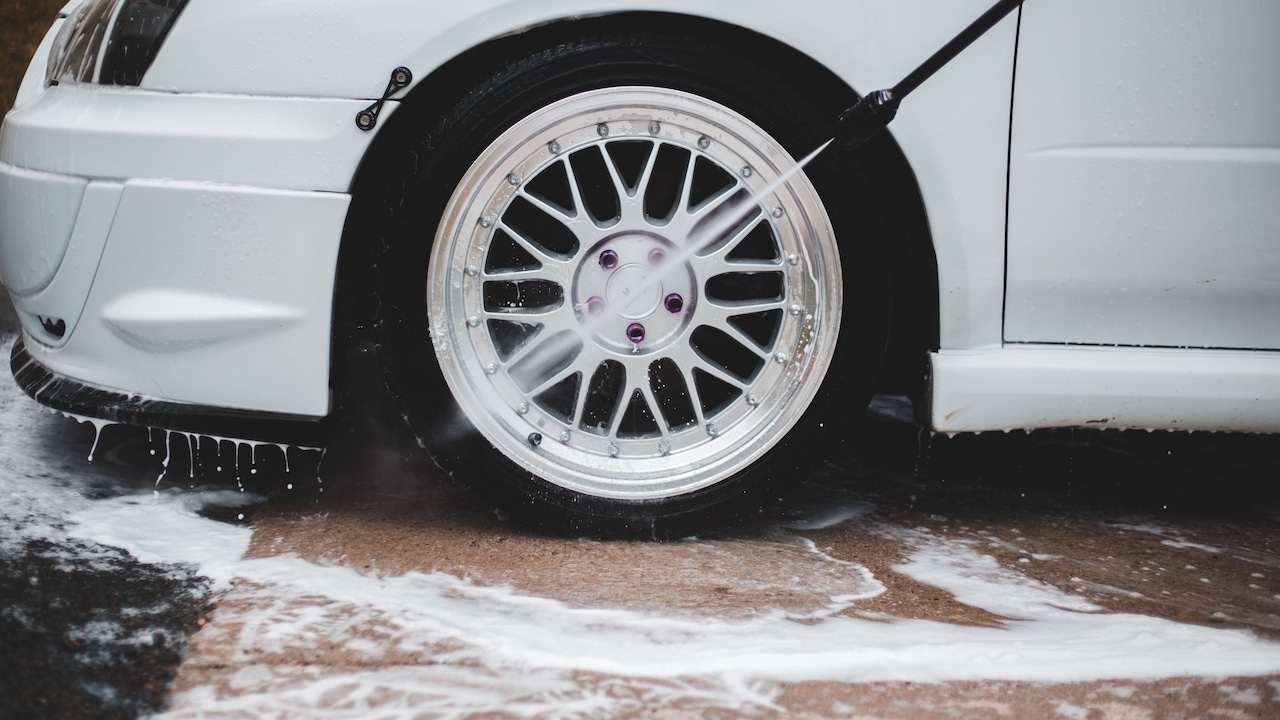
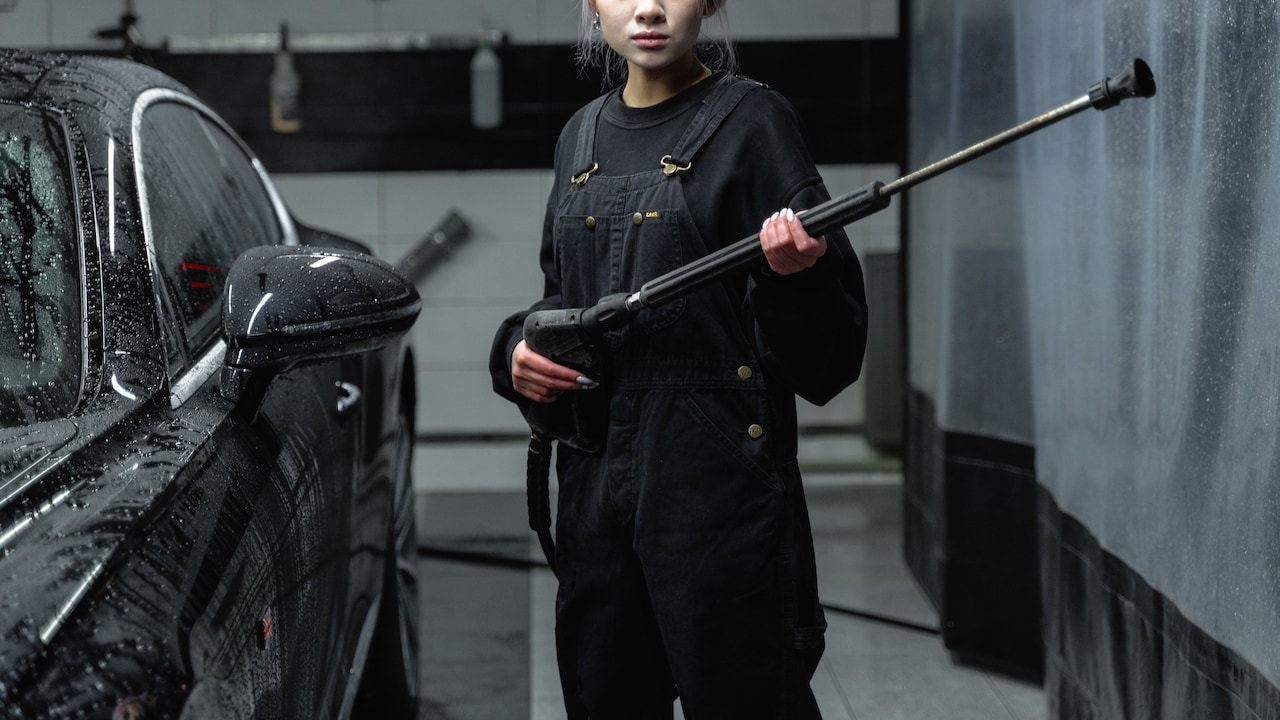
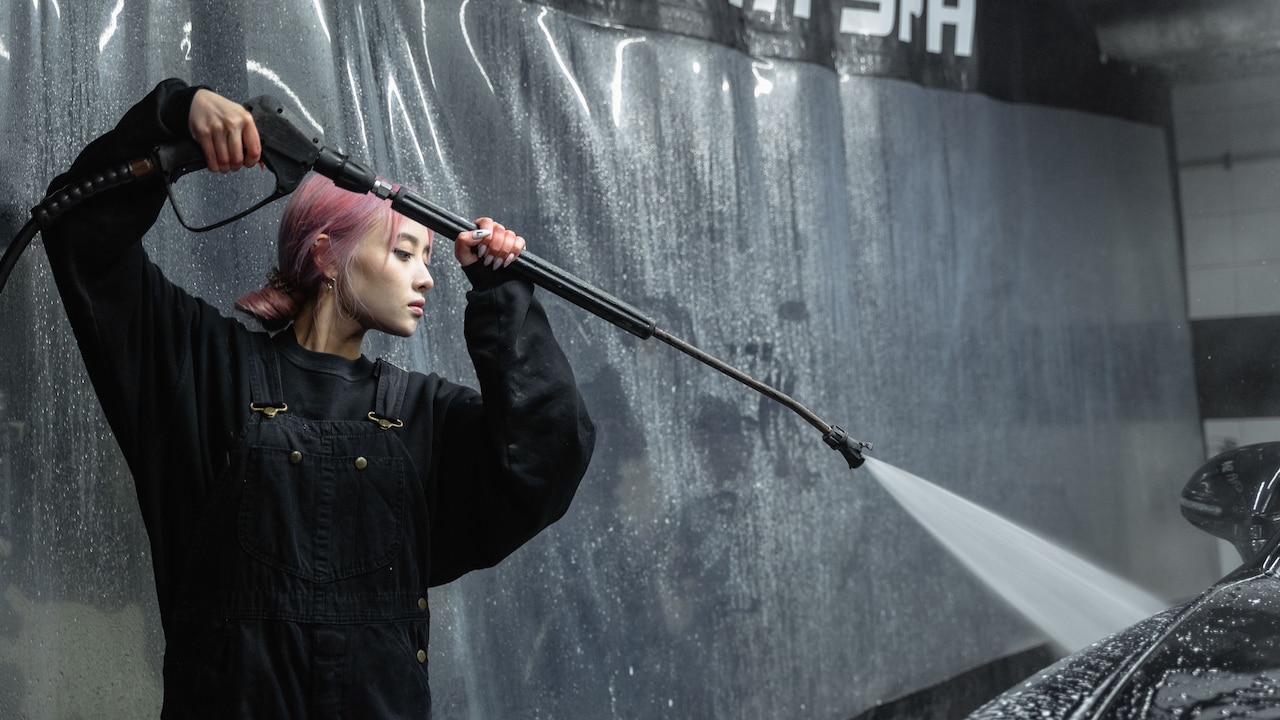
A pressure washer can clean a car more efficiently, but it does not automatically clean it better.
Its greatest advantage comes during the first rinse. A controlled jet can remove loose dust, mud and grit before a wash mitt touches the paint. That matters because rubbing gritty dirt across the bodywork creates fine scratches.
The problem begins when pressure replaces proper washing.
Traffic film, oily residue and stubborn grime often cling to paint even after a strong rinse. They usually need a suitable car shampoo and gentle contact washing. Firing increasingly powerful water at the panel will not magically dissolve everything.
Distance matters too. Holding the nozzle very close to paint, badges, rubber seals or chipped areas can cause trouble. A sensible gap and a broad spray pattern offer far more control.
Think of a pressure washer as the energetic opening batsman, not the entire team. It removes the obvious mess quickly, but shampoo, a clean mitt and careful drying still have work to do.
Used sensibly, pressure washing makes the process faster and safer. Used aggressively, it simply turns car washing into a water-powered gamble.
2. More Pressure Means A Cleaner Car
There is something oddly satisfying about watching dirt surrender to a powerful jet of water. That satisfaction can encourage one dangerous assumption: if some pressure works, more pressure must work better.
Cars do not follow that logic.
Excessive pressure can stress vulnerable areas such as loose trim, ageing rubber seals, chipped paint, number-plate stickers and decorative badges. It can also drive water into places where a gentle rinse would never send it.
The safest approach focuses on technique rather than maximum force. A wider spray pattern, reasonable distance and steady movement usually remove loose dirt without punishing the surface.
Wheels and wheel arches can tolerate more enthusiastic cleaning than delicate painted panels, but even there, common sense matters. Pointing a concentrated jet inches away from a tyre valve or electrical component serves little purpose.
A pressure washer should save effort, not create a competition with stubborn mud.
For regular home cleaning, the aim is simple: loosen contamination so it can be removed safely during the wash. Once the grime starts shifting, extra force adds little value.
The loudest machine on the lane may look impressive on a Sunday morning. The gentler technique often leaves the better-looking car by Monday.
3. Dishwashing Liquid Works Just As Well As Car Shampoo
Dishwashing liquid removes grease brilliantly from plates. That does not make it an ideal car shampoo.
Kitchen detergents are designed for crockery, cooking oils and food residue. Car shampoos are formulated with painted surfaces, lubrication and existing protective products in mind.
Lubrication plays an important role during washing. As a mitt moves across the paint, shampoo helps reduce friction between trapped dirt and the clear coat. A good automotive wash also aims to clean without unnecessarily stripping wax or sealant.
Dishwashing liquid may leave the car looking clean after one wash, which makes the myth especially convincing. The problem is what repeated use can do to protective layers and how little advantage it offers compared with a purpose-made product.
There is also no need to buy the fanciest bottle with a racing stripe on the label. A basic pH-balanced car shampoo from a reputable brand will usually do the job.
A bottle costing a few hundred rupees can last many washes when diluted correctly. Compared with polishing scratched or faded paint later, that is hardly extravagant.
Save the dishwashing liquid for the kadai. The car deserves something designed for its particular kind of dirt.
4. Washing In Bright Sunlight Helps The Car Dry Faster
Technically, yes. Bright afternoon sunshine can dry a wet car remarkably fast.
Unfortunately, that is exactly the problem.
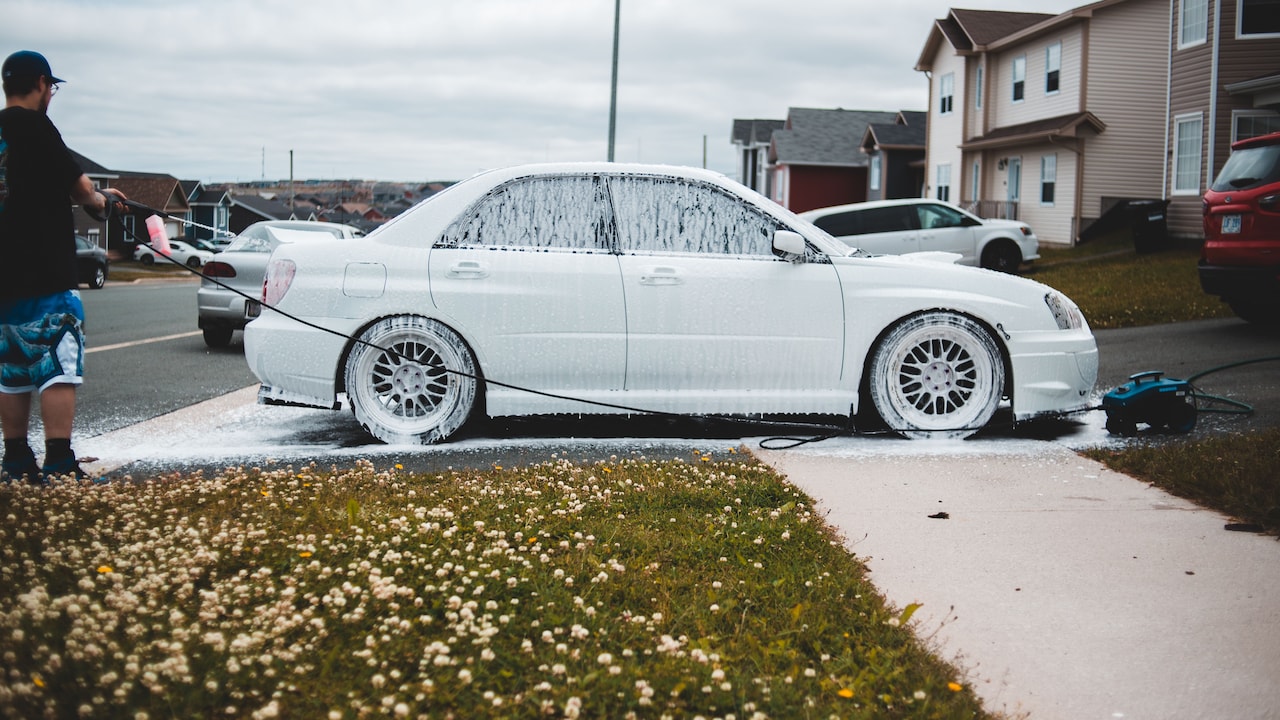
When water and shampoo dry on hot body panels before they can be rinsed or wiped away, they may leave water spots, streaks and soap residue. Dark-coloured cars make these marks especially obvious.
A bonnet sitting under strong midday sun can become surprisingly hot. Water may evaporate almost as soon as it lands, turning what should be a relaxed wash into a race against evaporation.
Early morning, late afternoon or a shaded area usually provides a more forgiving setting. Panels stay cooler, shampoo remains wet for longer and drying becomes easier to control.
That does not mean a car must only be washed during perfect weather. If shade is limited, work on smaller sections and rinse them frequently. Avoid allowing foam to bake onto the paint while attention shifts elsewhere.
The temptation to wash a car at 1 pm often comes from convenience. The bucket is ready, the weekend is disappearing and lunch can wait.
Paintwork, however, has no interest in weekend schedules.
A cooler surface produces a cleaner finish with considerably less frustration.
5. Any Old Cloth Is Fine For Washing And Drying
The cupboard full of retired T-shirts may look like a free car-detailing kit. Unfortunately, not every soft-looking cloth treats paint kindly.
Old cotton cloths can trap dirt, develop rough edges or drag contamination across the surface. The same problem appears when one rag performs every job, from dusty wheels to glossy paintwork.
Modern microfibre towels and wash mitts help because their fibres can lift and hold particles away from the surface more effectively. They are not magical, though. A filthy microfibre cloth remains a filthy cloth.
Separate towels for different jobs make sense. Paint, glass, wheels and interior surfaces collect very different kinds of contamination. Using a wheel cloth on the bonnet after it has collected brake dust is an excellent way to turn a cleaning session into an accidental scratch-making workshop.
Drying deserves equal care. Aggressive rubbing creates unnecessary friction. A clean, absorbent towel gently pulled or dabbed across the surface works far better.
The cheapest rag is not always the cheapest option once paint correction enters the picture.
That faded college T-shirt may still have sentimental value. Let it enjoy retirement somewhere other than the bonnet.
6. A Circular Scrubbing Motion Gives The Best Clean
Many people wash a car the way they scrub a stubborn kitchen stain: press harder, make circles and keep going until the mark disappears.
Car paint prefers a quieter life.
Circular scrubbing can spread grit repeatedly across the same area. Fine scratches may then become visible from several angles, particularly under direct sunlight. These marks often get called swirl marks because of how they appear around reflected light.
Straight, gentle passes are usually easier to control. Work from cleaner areas towards dirtier ones, often starting with the roof and upper panels before moving lower down. The lower doors and bumpers tend to collect heavier road grime.
The wash mitt should also be rinsed frequently. Once it has picked up visible dirt, continuing across several panels only redistributes that contamination.
Pressure is another trap. If a mark refuses to move with normal washing, aggressive scrubbing may damage the paint before removing the stain. Dedicated products for tar, sap or other contamination can deal with stubborn spots more safely.
A proper car wash should feel closer to lifting dirt away than grinding it off.
Enthusiasm is useful. Elbow grease, despite generations of household advice, is not always the hero.
7. Wheels Should Be Washed With The Same Water And Mitt As The Body
Wheels are often the dirtiest part of the car, yet they sometimes receive the same bucket, sponge and cloth used on the paint.
That shortcut saves equipment but risks carrying some particularly nasty grime onto delicate panels.
Wheels collect road dirt, brake dust and oily contamination. Brake dust can contain fine, abrasive particles. Once those particles become trapped in a wash mitt, rubbing the mitt across the bonnet or doors is hardly an act of kindness.
Cleaning wheels separately makes far more sense. Use dedicated brushes, cloths or mitts and keep them away from bodywork equipment. Washing the wheels first can also prevent splashes of dirty wheel cleaner from landing on freshly cleaned paint.
Wheel cleaners deserve attention too. Different wheel finishes may require different products, so stronger is not automatically better.
Even without a cupboard full of detailing equipment, a simple separation system works. One cloth lives with the wheels. Another never goes near them.
It is a small habit with a big payoff.
After all, nobody would clean muddy footwear and then use the same cloth on a dining table. A gleaming bonnet deserves at least the same courtesy.
Does A Pressure Washer Clean A Car Better? 10 Car-Washing Myths Busted
Photo Credit: Pexels
8. Rain Counts As A Free Car Wash
A good monsoon shower can make a dusty car look cleaner from the balcony.
Look again after the water dries.
Rain may rinse away some loose dust, but it also carries airborne pollutants and leaves contamination behind. Water can collect road grime as vehicles move, while splashes from puddles coat lower panels with a cheerful mixture of mud and mystery.
Repeated wetting and drying can also leave visible spots, especially where mineral deposits remain on the surface.
Rain becomes even less helpful when bird droppings, tree sap or oily traffic film are involved. These contaminants usually need proper cleaning rather than a brief soaking from the sky.
There is one useful side effect: rain can soften some loose surface dirt, making the next proper wash easier. That still does not make it a substitute for shampoo and controlled cleaning.
Parking outside during heavy rain may feel like winning a ₹0 car wash. Sadly, nature does not include a wash mitt, filtered rinse or drying towel in the package.
Once the clouds move on, check the paint before assuming the job is done.
Rain cleans the air beautifully. Cars remain rather more demanding customers.
9. Wax Removes Scratches From Paint
Wax can make paint look richer, glossier and temporarily smoother. It can even make very fine marks less noticeable.
What it generally does not do is remove scratches.
A scratch involves physical damage to the surface. Removing or reducing it usually requires polishing, which carefully levels a tiny amount of the surrounding clear coat. Deeper scratches may need professional repair if they penetrate further.
Wax serves a different purpose. It adds a sacrificial protective layer and enhances appearance. Some products contain fillers that disguise minor imperfections for a while, but once the product wears away, the marks often reappear.
This confusion explains why a freshly waxed car can look dramatically better in evening light. Gloss increases, reflections sharpen and faint defects become less obvious. It feels like the scratches vanished.
Then several washes later, the old marks return like relatives who never truly left after a festival visit.
Before reaching for polish, check the depth of the scratch. Constantly polishing every tiny mark can thin the clear coat unnecessarily.
Wax protects and beautifies. Polish corrects.
The bottles may sit beside each other on a shop shelf, but their jobs are not interchangeable.
10. A Car Is Clean As Soon As The Dirt Disappears
A car can look clean while still carrying residue, trapped water and contamination that becomes obvious only after drying.
That is why the final stages matter.
After washing, a thorough rinse removes shampoo from panel gaps, badges, mirrors and trim. Water left sitting in these areas often dribbles out later and creates streaks across freshly dried paint.
Drying also reduces water spotting. Instead of letting the vehicle air-dry completely, use a clean, absorbent microfibre towel and work gently.
Then take a moment to inspect areas that people frequently miss: lower door sections, behind mirrors, around number plates and beneath handles.
Glass deserves its own final wipe. A beautifully washed car with smeared windows has the strange ability to look unfinished.
Tyres and wheel arches can also spoil the effect when the bodywork shines but muddy edges remain below.
None of this requires turning every weekend wash into a three-hour detailing marathon. The point is simply that “no visible mud” and “properly clean” are not quite the same thing.
A good wash finishes with controlled drying and a quick inspection.
That final ten minutes often creates the difference between merely washed and genuinely fresh.
Does A Pressure Washer Clean A Car Better? 10 Car-Washing Myths Busted
Photo Credit: Pexels
Products Related To This Article
1. Woscher AquaWash Car Washer High Pressure Gun Pressure Washer for Car
2. [NEW Launch] Dylect® Clean Prime High Pressure Car Washer Pump
3. Shakti Technology S3 High Pressure Car Washer Machine 1800 Watts
4. IBELL WIND20 Pressure Washer for Car, 1400 Watts Motor, 110 Bars
5. Dylect® Flow Prime High Pressure Car Washer Pump
6. BOSCH Universal Aquatak 125 High Pressure Washer
7. AGARO Supreme Plus Pressure Washer, Car Washer
So, does a pressure washer really clean a car better? It can certainly help. Used at a sensible distance with an appropriate spray pattern, it removes loose dirt quickly and reduces the amount of gritty contamination that touches the paint during hand washing. That makes it a valuable tool.
It is not, however, a shortcut around good technique.
A bucket of suitable shampoo, clean wash mitts, separate wheel equipment and careful drying still matter more than dramatic water pressure. The same applies to many familiar car-cleaning myths. Dishwashing liquid is not a clever substitute, bright sunlight does not make washing easier, rain is not a complimentary detailing service and wax cannot magically erase scratches.
The best routine is rarely the most complicated one. Rinse away loose dirt, wash gently from cleaner sections towards dirtier ones, keep wheel grime away from bodywork tools, rinse thoroughly and dry with care.
Most paint damage during washing comes from unnecessary friction and contamination, not from a lack of muscle.
A clean car should shine because dirt has been removed safely, not because the bonnet survived an enthusiastic battle with a sponge.
And if the pressure washer still makes the Sunday wash feel more entertaining, that is perfectly fair. Just remember: the goal is to clean the car, not pressure-test it.
(Disclaimer: This article may include references to or features of products and services made available through affiliate marketing campaigns. NDTV Convergence Limited (“NDTV”) strives to maintain editorial independence while participating in such campaigns. NDTV does not assume responsibility for the performance or claims of any featured products or services.)