Mountain Bike Vs Hybrid Cycle: Which One Makes More Sense For City Roads?
Choosing between a mountain bike and a hybrid cycle? This is a closer look at which one makes more sense for city roads, daily commutes, and urban adventures.
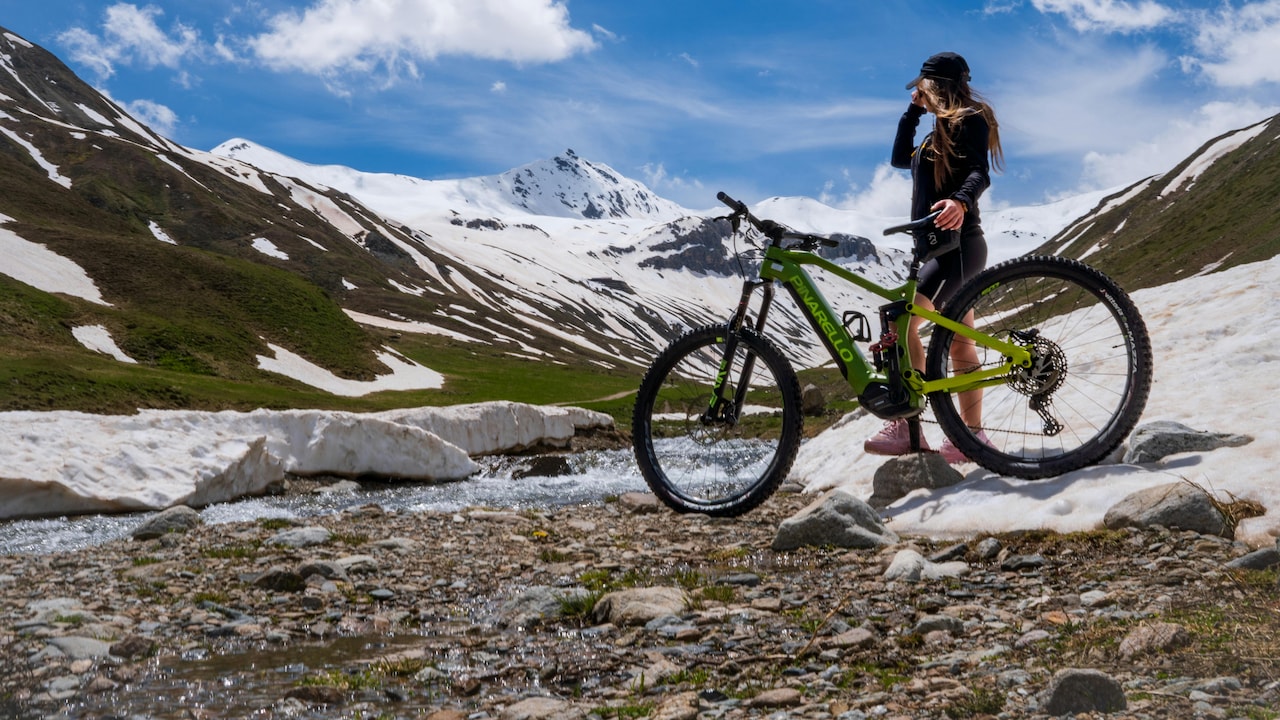
Mountain Bike Vs Hybrid Cycle: Key Differences Every City Rider Must Know
The humble bicycle has quietly become one of the smartest ways to travel through busy cities. Rising fuel costs, busy roads, fitness goals, and a growing appreciation for sustainable transport have encouraged more people to swap short car trips for a pair of pedals. Yet the moment someone walks into a cycle shop, a familiar dilemma appears. On one side stands the mountain bike, with its chunky tyres, sturdy frame, and adventurous personality. On the other hand stands the hybrid cycle, designed to blend comfort, efficiency, and versatility into one practical package.
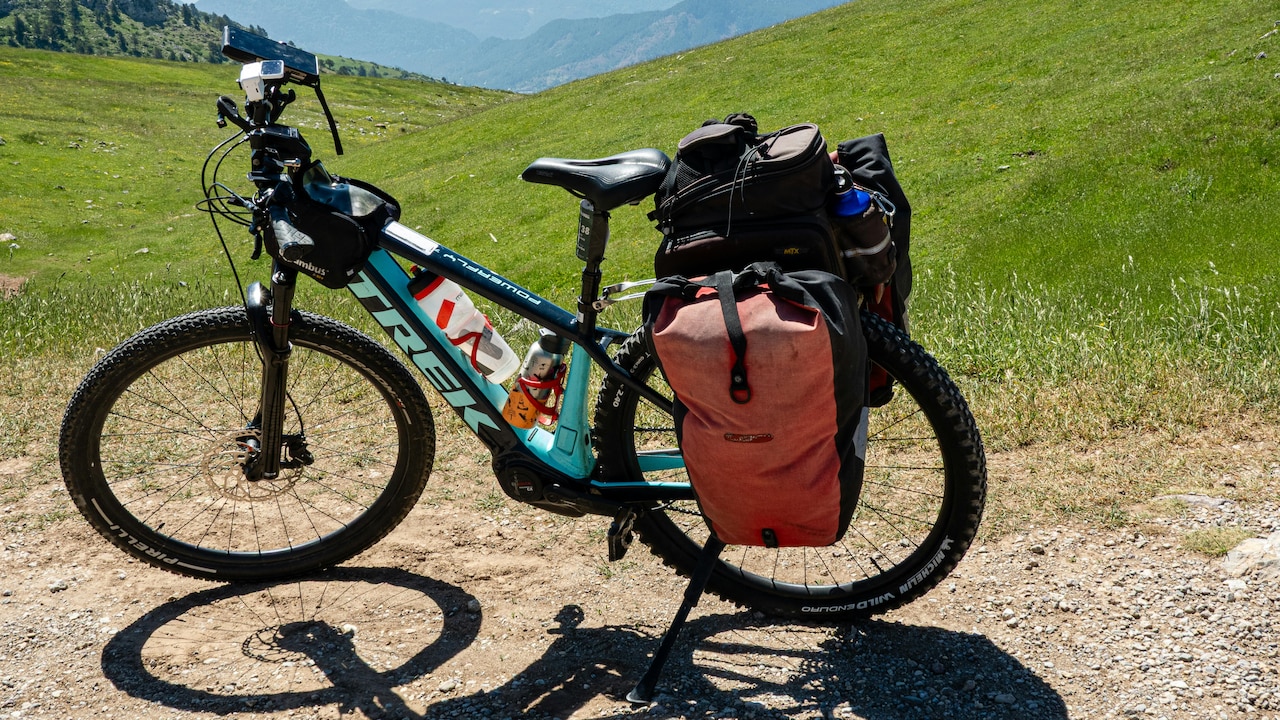
Mountain Bike Vs Hybrid Cycle: Key Differences Every City Rider Must Know; Photo Credit: Pexels
At first glance, mountain bikes often steal the spotlight. They look tough, capable, and ready for anything. However, city roads present a very different challenge from rocky trails and forest tracks. Daily commuting involves smooth stretches, speed breakers, potholes, traffic signals, and the occasional surprise crater masquerading as a road.
The question is not which cycle looks better. The real question is which one delivers the best experience for everyday city riding. Understanding the strengths and compromises of each type can help riders make a smarter investment and enjoy every kilometre on the road.
Mountain Bike Vs Hybrid Cycle: 10 Factors That Matter On City Roads
Why Tyres Matter More Than Most Riders Realise
Tyres create the first and most noticeable difference between a mountain bike and a hybrid cycle. Mountain bikes typically feature wide, heavily treaded tyres designed to grip dirt, mud, and loose surfaces. On rough trails, that extra grip feels invaluable. On city roads, however, those same tyres often create additional rolling resistance.
Hybrid cycles use narrower tyres with smoother tread patterns. As a result, they roll more efficiently on tarmac and concrete. Riders often notice less effort is required to maintain speed, especially during longer journeys.
Imagine cycling to work on a warm morning. A mountain bike may feel stable and planted, but it can also feel slightly sluggish. A hybrid cycle tends to glide more easily, allowing riders to cover the same distance with less energy.
For city roads that consist mainly of paved surfaces, hybrid tyres generally offer a better balance of comfort and efficiency. Mountain bike tyres certainly handle potholes with confidence, but the trade-off often appears in the form of slower acceleration and greater physical effort.
Also Read: Top Budget Bicycles For Everyday Rides: Upgrade Your Routine With These ₹15,000 Picks
Comfort On Daily Commutes
Comfort becomes increasingly important once cycling shifts from a weekend hobby to a daily routine. A bike that feels enjoyable for a fifteen-minute test ride may become tiring during regular commutes.
Mountain bikes usually place riders in a more upright position, which many people find comfortable. Their suspension systems also absorb bumps effectively. However, excessive suspension can sometimes feel unnecessary on reasonably smooth urban roads.
Hybrid cycles take a different approach. They combine an upright riding position with a lighter frame and a geometry designed for extended road use. This setup often reduces strain on the shoulders, wrists, and lower back.
Anyone who has spent forty minutes navigating traffic knows how quickly small discomforts can become major annoyances. A poorly suited riding position can transform a pleasant commute into an endurance challenge.
For most city riders, hybrid cycles deliver excellent comfort without adding unnecessary weight or complexity. They strike a practical balance between support and efficiency, making them particularly attractive for regular urban use.
Speed And Efficiency In Urban Traffic
Speed does not always mean racing through the streets. In a city environment, efficiency often matters more than outright pace.
Mountain bikes excel in situations where riders must tackle steep climbs, loose terrain, or unpredictable surfaces. Yet on flat roads and well-paved streets, their heavier construction and wider tyres can reduce efficiency.
Hybrid cycles generally maintain momentum more easily. They accelerate faster from traffic lights and require less effort to sustain cruising speeds. Over a week of commuting, this difference becomes surprisingly noticeable.
Consider a rider travelling ten kilometres each day. Saving even a small amount of energy on every ride can make cycling feel more enjoyable and less demanding. That extra efficiency may also encourage longer rides at weekends.
Urban traffic rarely rewards aggressive speed. Instead, it rewards smooth acceleration, agility, and consistent performance. Hybrid cycles often excel in these areas, helping riders move through the city with less fatigue and greater confidence.
Handling Potholes, Speed Breakers, And Rough Roads
City roads are rarely perfect. One stretch may resemble a freshly laid racetrack, while the next feels like a test track for lunar exploration vehicles.
Mountain bikes shine in these conditions. Their suspension systems and wide tyres absorb impacts effectively, reducing the shock transmitted to the rider. Encountering rough patches becomes far less intimidating.
Hybrid cycles also handle uneven roads reasonably well, particularly models equipped with slightly wider tyres. While they may not offer the same level of cushioning as mountain bikes, they remain capable of managing everyday urban imperfections.
The key consideration lies in frequency. If most rides involve severely damaged roads, broken surfaces, or construction zones, a mountain bike may provide greater comfort and durability. However, if rough sections represent only a small part of the journey, a hybrid cycle often remains the more practical option.
Many riders discover that city roads do not require extreme off-road capability. They simply need a bike that can absorb occasional surprises without sacrificing overall efficiency.
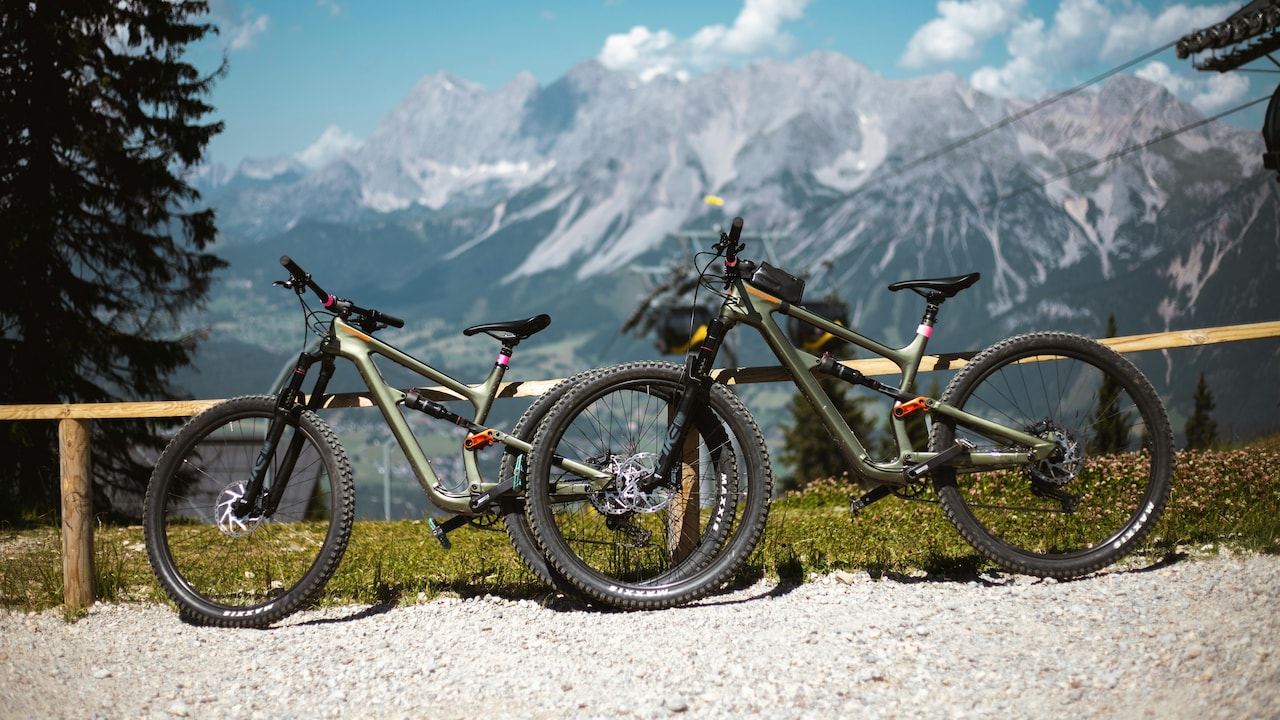
Mountain Bike Vs Hybrid Cycle: Key Differences Every City Rider Must Know; Photo Credit: Pexels
Maintenance And Running Costs
Every bicycle requires maintenance, but some demand more attention than others.
Mountain bikes often include suspension forks, complex drivetrains, and specialised components. These features improve off-road performance but can increase servicing requirements over time. Suspension systems, in particular, benefit from periodic maintenance to maintain optimal performance.
Hybrid cycles tend to feature simpler designs. Fewer moving parts often translate into lower maintenance needs and reduced servicing expenses.
For riders working within a budget, this difference matters. Spending ₹2,000 or ₹3,000 on unexpected repairs may not seem significant once, but repeated servicing costs can accumulate over several years.
A simpler bike also means fewer potential issues during daily commuting. Many riders value reliability above all else, especially when cycling forms part of their regular travel routine.
While both categories can prove dependable, hybrid cycles generally offer a more straightforward ownership experience for urban riders who prioritise convenience and practicality.
Fitness Benefits And Riding Experience
Cycling offers impressive health benefits regardless of the bike chosen. However, the riding experience differs considerably between mountain bikes and hybrids.
Mountain bikes often require greater effort on paved roads due to their heavier build and tyre resistance. Some riders appreciate this challenge, viewing it as an opportunity to increase workout intensity.
Hybrid cycles encourage longer rides because they feel easier and more efficient. Riders often cover greater distances without feeling excessively tired, which can lead to more consistent exercise habits.
There is also a psychological aspect. A bike that feels enjoyable tends to get used more often. A bike that feels hard work every time it leaves the garage may gradually gather dust.
Fitness gains come from regular riding rather than occasional heroic efforts. In that respect, hybrid cycles frequently support sustainable habits by making everyday cycling feel accessible and enjoyable.
The best fitness bike is often the one that inspires riders to keep pedalling week after week.
Carrying Bags And Everyday Essentials
Urban cycling rarely involves riding empty-handed. Commuters often carry laptops, groceries, gym clothes, water bottles, or other daily necessities.
Hybrid cycles usually accommodate racks, mudguards, and pannier bags with ease. Their practical design reflects the realities of everyday transport rather than recreational trail riding.
Mountain bikes can also carry accessories, but their design priorities often focus more heavily on durability and off-road capability. Installing commuting accessories may require additional adjustments or specialised fittings.
Anyone who has balanced a backpack full of groceries while navigating traffic understands the value of proper storage solutions. A well-equipped hybrid cycle transforms errands into simple, stress-free journeys.
For people who view cycling as a genuine transport option rather than purely a sport, practicality becomes a major advantage. Hybrid cycles often deliver that practicality straight out of the box.
Value For Money Over The Long Term
Initial purchase price tells only part of the story. Long-term value depends on how effectively a bike meets everyday needs.
Many mountain bikes command higher prices because of their suspension systems and specialised components. Those features make sense for off-road enthusiasts but may provide limited benefits on city streets.
Hybrid cycles often direct more of their budget towards comfort, efficiency, and commuting-friendly features. This approach frequently delivers greater value for urban riders.
A rider spending ₹25,000 on a bike ideally wants maximum utility from that investment. If ninety per cent of riding occurs on roads, choosing equipment optimised for roads often represents the smarter financial decision.
Long-term satisfaction tends to come from suitability rather than specifications. The bike that fits daily life most effectively usually proves to be the better investment, regardless of which category appears more impressive in the showroom.
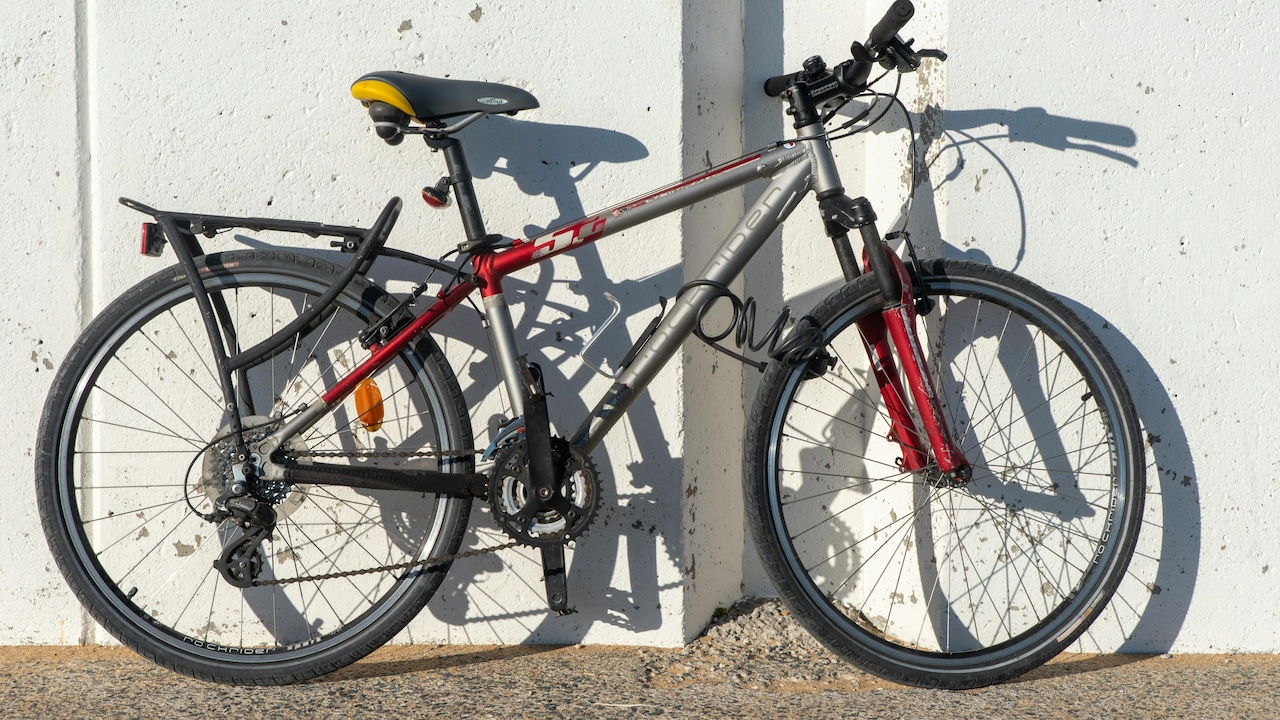
Mountain Bike Vs Hybrid Cycle: Key Differences Every City Rider Must Know; Photo Credit: Pexels
Which Bike Suits Different Types Of Riders?
The ideal choice ultimately depends on riding habits and priorities.
A mountain bike suits riders who regularly encounter rough terrain, broken roads, dirt paths, or recreational trails. It also appeals to those who prioritise durability and rugged performance above speed.
A hybrid cycle suits commuters, fitness enthusiasts, casual riders, and anyone spending most of their time on paved roads. It offers a blend of comfort, practicality, and efficiency that aligns naturally with urban travel.
Someone cycling to work, visiting local markets, or enjoying weekend rides around parks will often benefit more from a hybrid cycle. Meanwhile, riders who frequently venture beyond city limits and explore rugged routes may appreciate the versatility of a mountain bike.
Neither option is universally better. The right choice depends entirely on where the wheels spend most of their time.
The Verdict For Modern City Roads
When city roads form the primary riding environment, hybrid cycles often emerge as the more logical choice. They deliver excellent comfort, strong efficiency, practical features, and lower maintenance demands. These qualities align perfectly with the needs of everyday riders.
Mountain bikes remain impressive machines. They tackle rough terrain with confidence and offer unmatched ruggedness when conditions become challenging. Yet many of their strengths go underused during regular urban commuting.
Choosing a bicycle should feel less like selecting an adventure vehicle and more like choosing the right tool for daily life. The most capable option is not always the most suitable one.
Products Related To This Article
1. Cardiac Squad 21 Speed High Performance Steel Mountain Cycles
2. Stryder 700C Jungle Cruise Hybrid City Bike
3. CROW - Rookie PRO 24 Speed
4. Cradiac Discover PRO 21 Speed Steel High Performance Gear Hybrid Cycles for Men with Front Suspension & Disc Brakes
5. RIDERBOY 26T Steel Frame Mountain Bike with Double Crown Suspension
The debate between mountain bikes and hybrid cycles continues because both serve different purposes exceptionally well. Mountain bikes thrive on rugged terrain and challenging conditions, while hybrid cycles excel in the practical realities of city riding.
For riders navigating paved roads, traffic signals, neighbourhood streets, and daily commutes, a hybrid cycle generally makes more sense. It provides comfort without sacrificing efficiency, handles urban obstacles confidently, and supports a wide range of everyday activities.
That does not diminish the appeal of a mountain bike. For adventurous riders who regularly explore trails or rough routes, it remains an excellent choice. However, for the average city cyclist seeking convenience, speed, comfort, and value, the hybrid cycle often proves to be the smarter companion.
In the end, the best bicycle is not the one with the most aggressive appearance. It is the one that makes every ride feel effortless, enjoyable, and worth repeating tomorrow.
(Disclaimer: This article may include references to or features of products and services made available through affiliate marketing campaigns. NDTV Convergence Limited (“NDTV”) strives to maintain editorial independence while participating in such campaigns. NDTV does not assume responsibility for the performance or claims of any featured products or services.)