Acne-Prone Skin Still Breaking Out? How To Pick Moisturisers That Secretly Contain Pore-Clogging Oils
Breaking out despite moisturising daily? Hidden pore-clogging oils, heavy textures, and irritating ingredients could be sabotaging acne-prone skin without you even realising it.
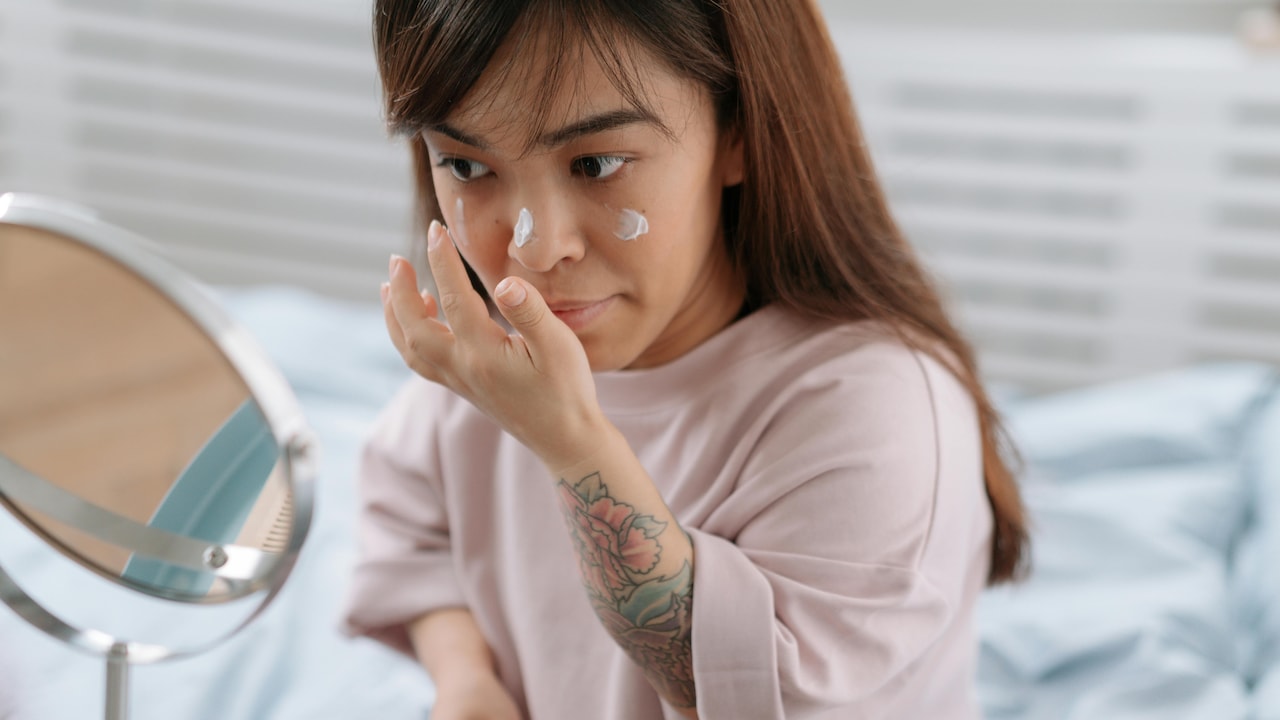
Still Getting Pimples? Your Moisturiser May Contain Pore-Clogging Oils
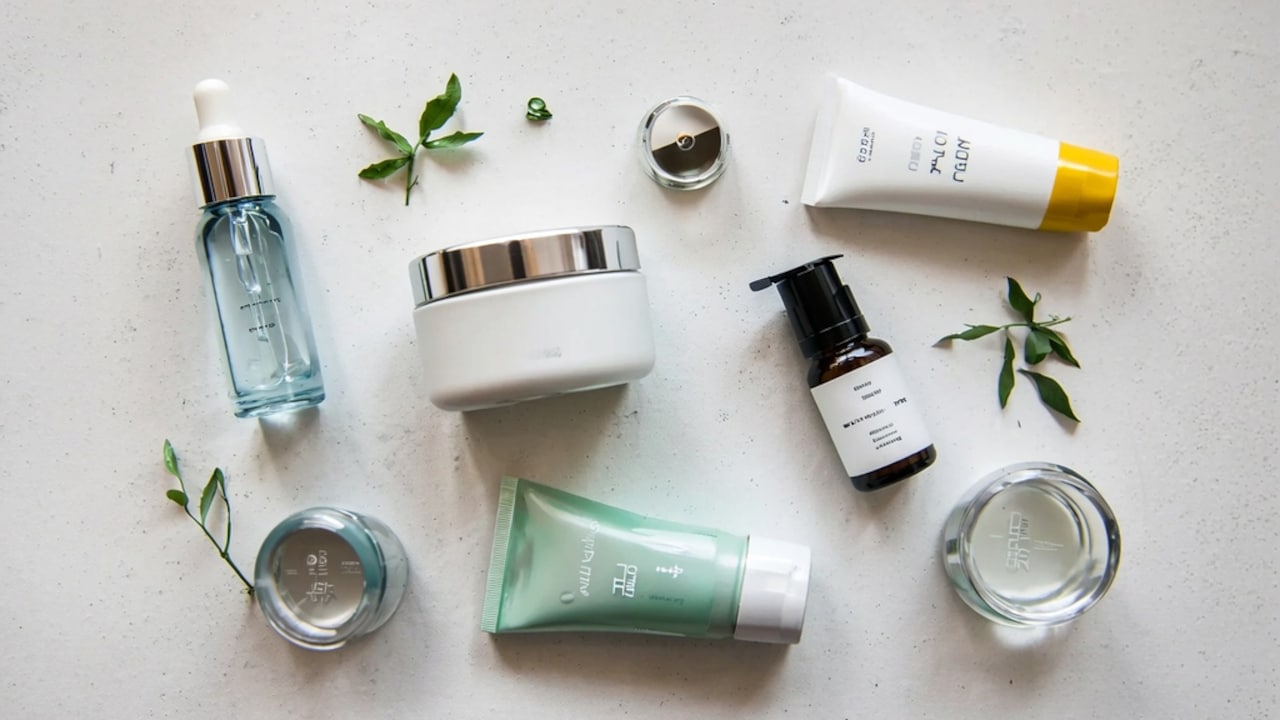
Acne-prone skin behaves like that one dramatic relative at a wedding. The moment things seem peaceful, chaos returns. One week, the skin looks calm and fresh. Next, painful pimples appear out of nowhere, usually before a festival, office party, or Sunday brunch plan. Many people blame spicy food, hormones, stress, or late nights scrolling reels under a blanket. Fair enough. Those factors matter. But moisturiser often escapes suspicion. That innocent-looking cream sitting on the dressing table could quietly sabotage skin every single day. The confusion starts because moisturising remains a skincare essential, even for oily skin. Skip it completely, and the skin may produce more oil to compensate. Suddenly, the face feels greasy by noon and tight by evening. Yet using the wrong moisturiser creates another disaster: clogged pores, whiteheads, and stubborn texture that refuses to disappear despite expensive serums.
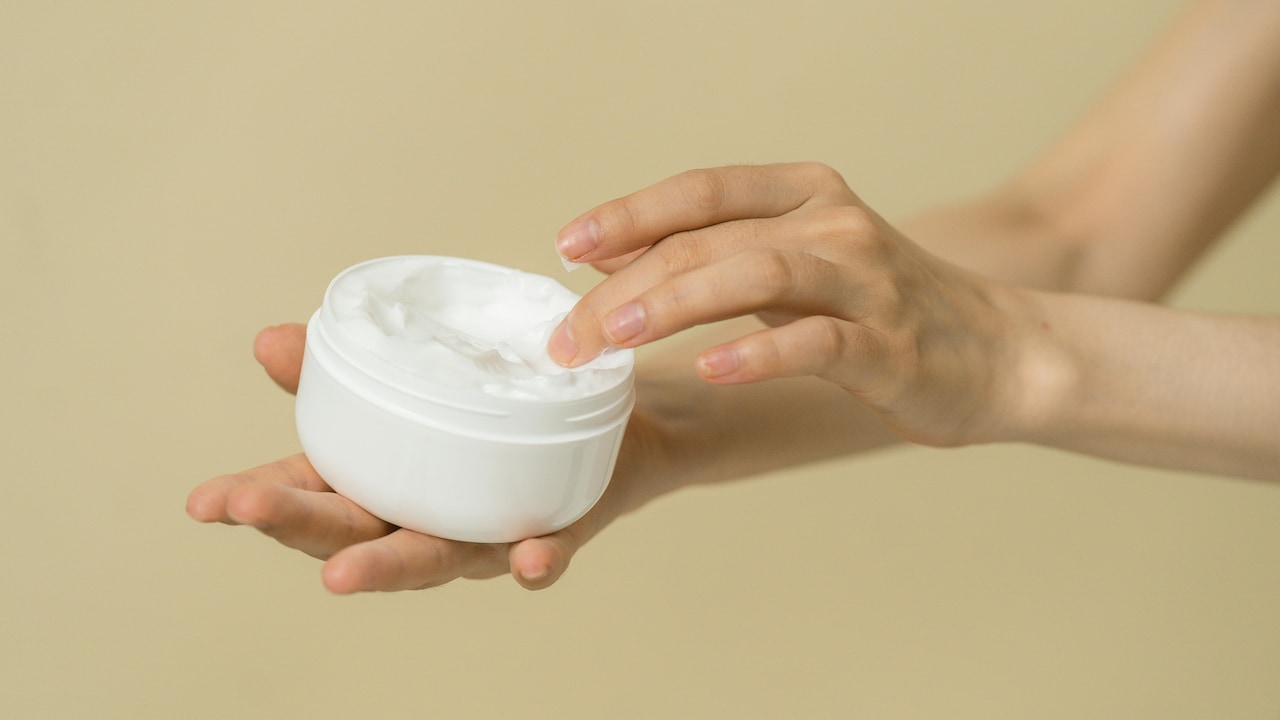
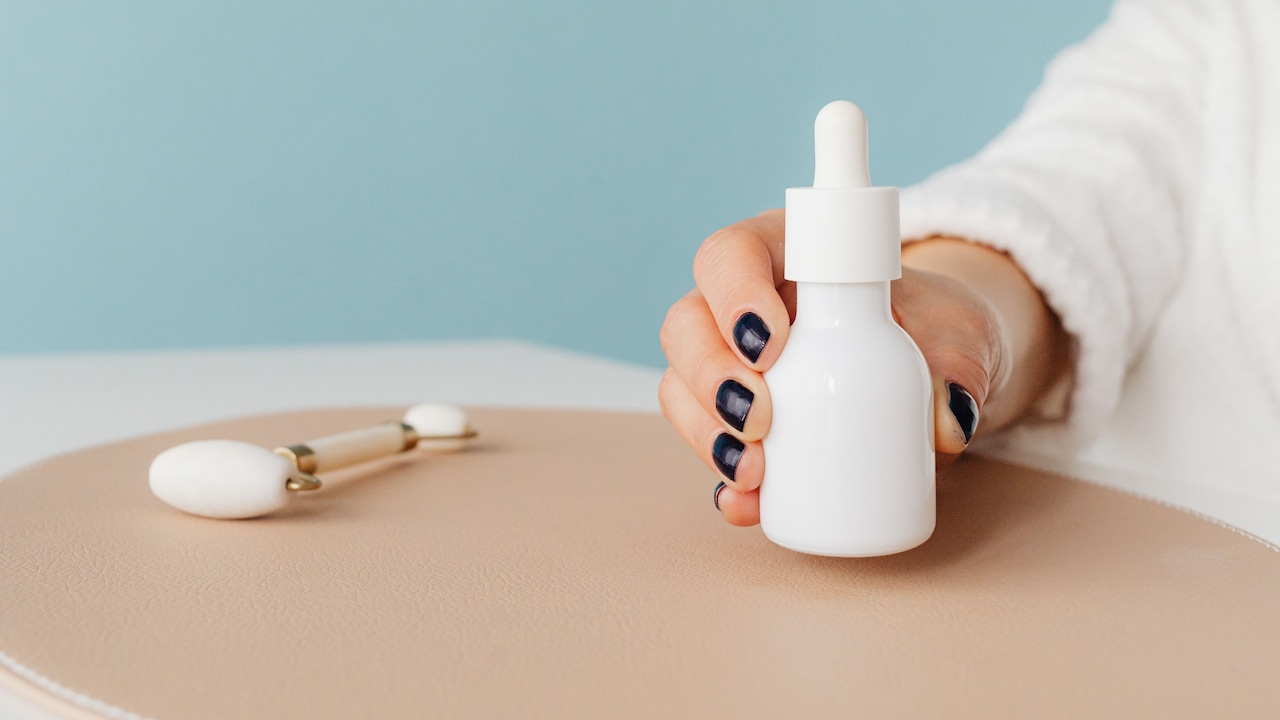
Still Getting Pimples? Your Moisturiser May Contain Pore-Clogging Oils; Photo Credit: Pexels
Beauty shelves overflow with labels screaming “hydrating”, “natural”, “glow-enhancing”, and “deep nourishment”. Sounds wonderful until rich oils trap dirt and sebum under the skin. Add heat, pollution, and sweaty commutes into the mix, and the pores practically surrender. Choosing the right moisturiser does not require a dermatology degree. It simply demands smarter label reading and a little patience. Some ingredients work beautifully for dry skin but feel far too heavy for acne-prone faces. Others sound scary, but actually help maintain balance. The trick lies in knowing which oils quietly cause congestion and which formulas genuinely support clearer skin. Once that puzzle gets solved, skincare routines suddenly feel less like gambling and more like common sense.
Moisturisers That Could Be Secretly Triggering Your Breakouts
Coconut Oil Is Not Always The Hero It Pretends To Be
Coconut oil enjoys celebrity status in beauty routines. Grandmothers swear by it for hair. Social media influencers mix it into face masks. Some people even treat it like liquid gold in a bottle. Yet acne-prone skin often disagrees.
The problem lies in its heavy texture and high comedogenic rating. In simple terms, it can clog pores quite easily. A moisturiser packed with coconut oil may feel rich and soothing initially, especially during winter. A few days later, tiny bumps start appearing around the forehead and chin like uninvited guests.
Many brands hide coconut derivatives behind complicated names such as coconut alkanes or cocos nucifera oil. Reading labels carefully becomes important. If the ingredient appears near the top of the list, the product likely contains a significant amount.
This does not mean coconut oil deserves complete banishment from life. It works brilliantly for elbows, knees, hair oiling sessions before weddings, and cracked heels after wearing sandals all day. Acne-prone faces simply require caution.
Lighter moisturisers usually perform better in humid climates. Gel-based textures sink quickly into the skin without creating that suffocating layer. The face should feel comfortable after moisturising, not as though someone applied butter before stepping into peak summer heat.
Also Read: 7 Best Moisturisers Under ₹700 for All Skin Types and Daily Hydration
“Natural” Does Not Automatically Mean Skin-Friendly
The word “natural” sells products faster than celebrity endorsements these days. People instantly assume botanical ingredients must be gentle and safe. Unfortunately, skin does not operate according to marketing slogans.
Several natural oils clog pores despite sounding luxurious. Cocoa butter, wheat germ oil, and soybean oil may trigger congestion in acne-prone skin. Rich formulations trap sweat and dead skin cells, particularly during monsoon months when humidity already feels unbearable.
This becomes even trickier because many herbal products promise miracle results. Fancy packaging filled with leaves, flowers, and earthy colours creates instant trust. Yet the ingredient list often reveals thick oils mixed with fragrance and waxes.
A moisturiser should support the skin barrier without overwhelming it. Lightweight ingredients such as squalane, glycerin, aloe vera, and hyaluronic acid usually perform better for breakout-prone faces. They hydrate effectively without coating the skin in a greasy film.
People often spend ₹1,200 or more on heavily advertised creams expecting a magical transformation. Then comes disappointment when breakouts worsen. The issue rarely involves skincare failure alone. Sometimes the formula simply does not suit oily or combination skin types.
Healthy scepticism helps. Ignore dramatic claims and focus on texture, ingredients, and how the skin reacts over time. Marketing teams know how to sell dreams. Pores, sadly, respond only to reality.
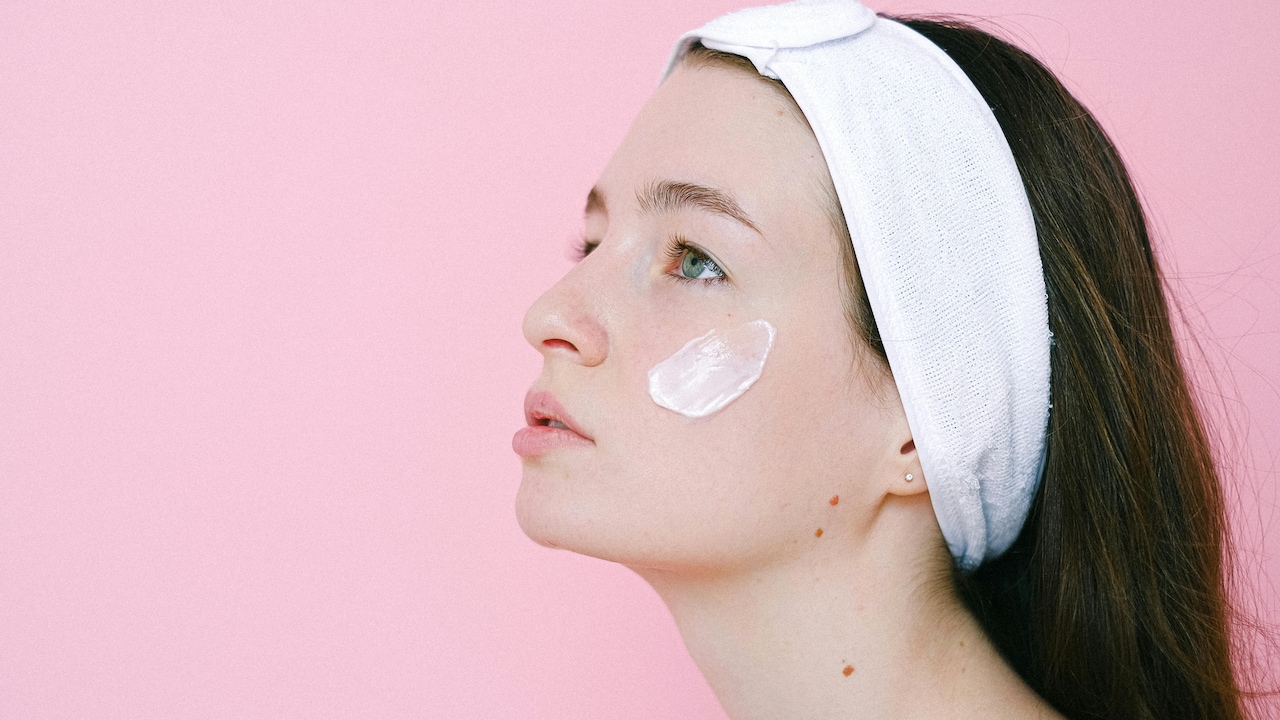
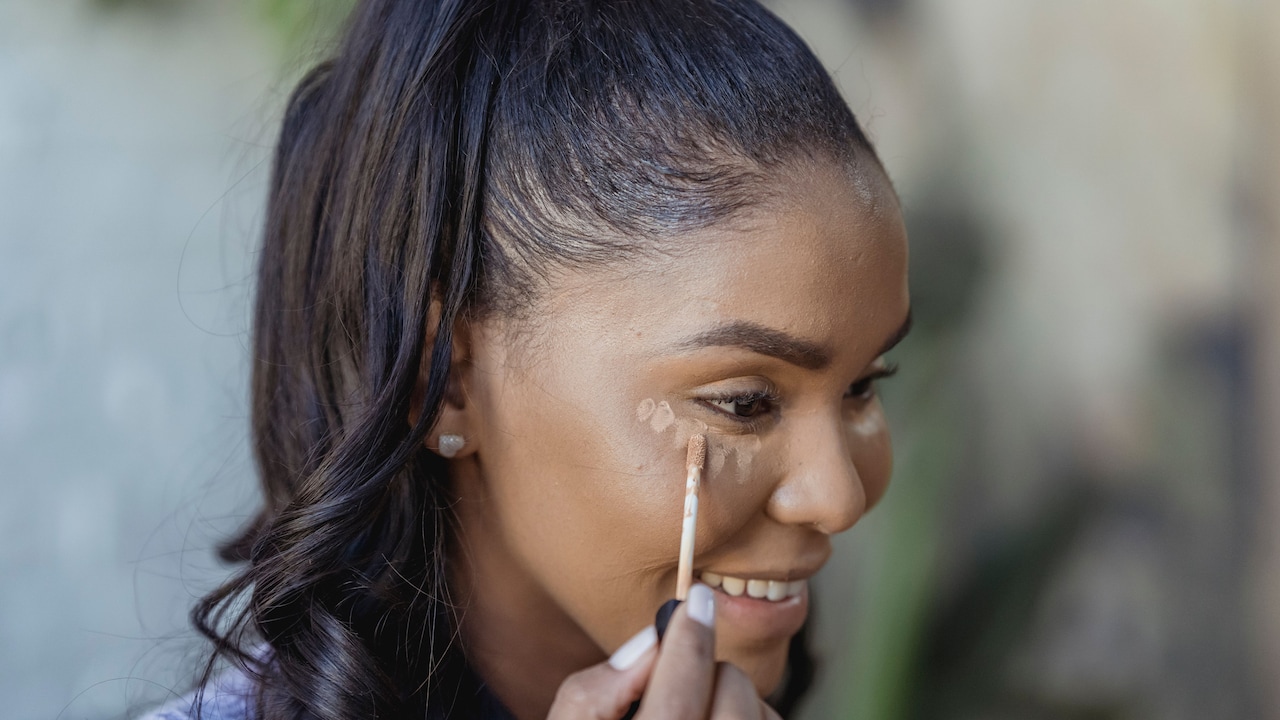
Still Getting Pimples? Your Moisturiser May Contain Pore-Clogging Oils; Photo Credit: Pexels
Thick Creams May Feel Comforting But Cause Chaos Later
There is something emotionally comforting about rich creams. They feel indulgent, luxurious, and deeply nourishing. During colder months, thick moisturisers can indeed help dry skin feel protected. Acne-prone skin, however, often struggles with heavy textures.
Many rich creams contain occlusive ingredients that form a barrier over the skin. While that barrier locks in moisture, it can also trap oil and bacteria underneath. The result often appears as painful under-the-skin bumps that linger for weeks.
People frequently confuse hydration with heaviness. Proper hydration should leave skin soft and balanced, not sticky enough to collect dust from a scooter ride through traffic. If the face feels oily within an hour, the moisturiser probably exceeds the skin's tolerance.
Texture matters more than many realise. Gel creams and lotion-style moisturisers usually suit acne-prone skin better than dense balms. They absorb faster and reduce the likelihood of clogged pores.
A common mistake involves using winter moisturisers throughout the year. Weather changes demand skincare adjustments. The cream that rescued dry cheeks in December may create a breakout festival by April.
Think of moisturiser like clothing. Nobody wears a wool sweater during peak summer and expects comfort. Skin works similarly. It needs breathable support rather than suffocating layers.
Fragrance Can Quietly Irritate Acne-Prone Skin
A moisturiser smelling like roses, vanilla cupcakes, or sandalwood may seem delightful during application. Yet fragrance often creates hidden trouble for sensitive and acne-prone skin.
Artificial fragrance can irritate the skin barrier, leading to redness and inflammation. Inflamed skin becomes more vulnerable to breakouts. Sometimes the reaction appears immediately. Other times the irritation builds slowly over weeks, making the moisturiser seem innocent.
The challenge becomes worse because fragrance hides under vague terms like “parfum” or “fragrance blend”. Brands rarely disclose the exact chemicals involved. Strong scents often signal unnecessary additives rather than skincare benefits.
People naturally associate pleasant smells with luxury. Expensive creams frequently arrive loaded with perfume to create a spa-like experience. Unfortunately, the skin cares little about sophistication. It only reacts to ingredients.
Fragrance-free moisturisers may smell plain or slightly clinical, but acne-prone skin often prefers simplicity. Dermatologists consistently recommend gentle formulas because fewer irritants reduce the chances of inflammation.
This does not mean every scented product guarantees disaster. Some people tolerate mild fragrance perfectly well. The key involves paying attention to patterns. If breakouts or redness appear repeatedly after using heavily scented products, the skin probably sends a clear message.
Sometimes boring skincare products become the real heroes. They do their job quietly without smelling like dessert counters or expensive candles.
Silicones Are Not Always The Villain Of The Story
Silicones create enormous confusion in skincare conversations. Some people treat them like toxic enemies, while others swear they create the smoothest makeup base imaginable. The truth sits somewhere in the middle.
Ingredients such as dimethicone often receive criticism because they form a protective layer over the skin. Yet many silicones are actually non-comedogenic and safe for acne-prone skin. They help reduce water loss and create a silky finish without necessarily clogging pores.
Problems usually arise when silicones appear in extremely heavy formulas mixed with pore-clogging oils. In such cases, the overall product feels suffocating rather than breathable.
Social media skincare trends sometimes oversimplify ingredient discussions. One viral video labels silicones as dangerous, and suddenly, everyone panics. Real skincare rarely works in absolutes. Formulation matters more than fear-based assumptions.
Many lightweight moisturisers designed for oily skin contain silicones precisely because they offer smooth hydration without greasiness. They can also help reduce friction and irritation from active ingredients like retinol or salicylic acid.
Instead of obsessing over a single ingredient, observe how the full product behaves on the skin. If the moisturiser feels light, absorbs properly, and does not trigger congestion after consistent use, the formula likely suits the skin.
Good skincare requires balance, not ingredient paranoia. Otherwise, shopping for moisturiser starts feeling like decoding a conspiracy theory.
Essential Oils Can Trigger More Drama Than Glow
Essential oils sound incredibly glamorous in skincare marketing. Lavender, peppermint, citrus, tea tree, the names alone create images of luxury spas and peaceful self-care Sundays. Acne-prone skin, however, often reacts unpredictably to these concentrated plant extracts.
Certain essential oils irritate sensitive skin and worsen inflammation. Citrus oils, for instance, may increase sensitivity under sunlight. Peppermint and eucalyptus can create tingling sensations mistaken for effectiveness when they actually signal irritation.
Tea tree oil receives endless praise for acne treatment. While it may help some people in controlled concentrations, excessive use can dry the skin dramatically. Overdry skin often responds by producing more oil, which restarts the breakout cycle.
Many moisturisers include essential oils mainly for fragrance rather than skin benefits. The product smells expensive and botanical, but the skin barrier quietly suffers underneath.
Acne-prone skin generally thrives on calm, predictable routines. Dramatic ingredients and strong sensations rarely lead to long-term balance. Gentle hydration paired with targeted treatments usually delivers better results than aggressive formulas claiming overnight miracles.
A moisturiser should feel comforting, not spicy. Burning, stinging, or excessive tingling should never become normalised as proof of effectiveness.
Skincare trends constantly change. One month, everyone worships lavender oil. The next month, social media suddenly declares it problematic. Skin stability matters more than trend chasing. Consistency often wins over excitement.
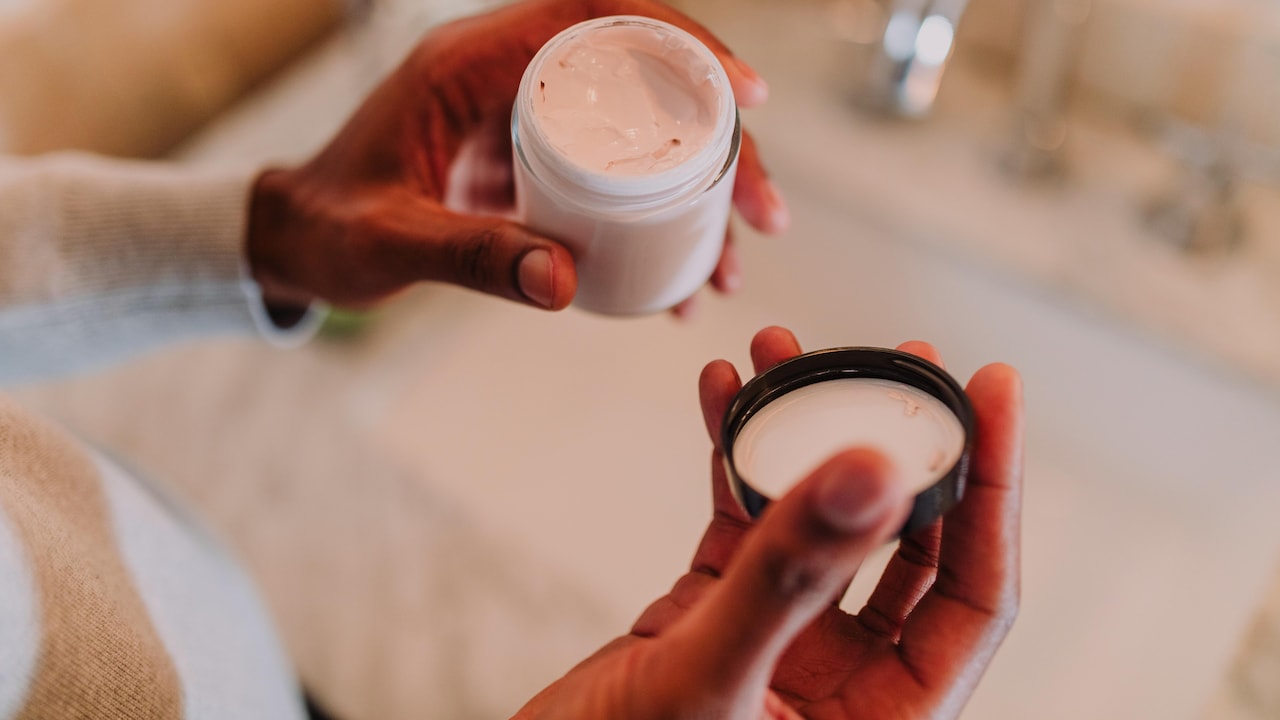
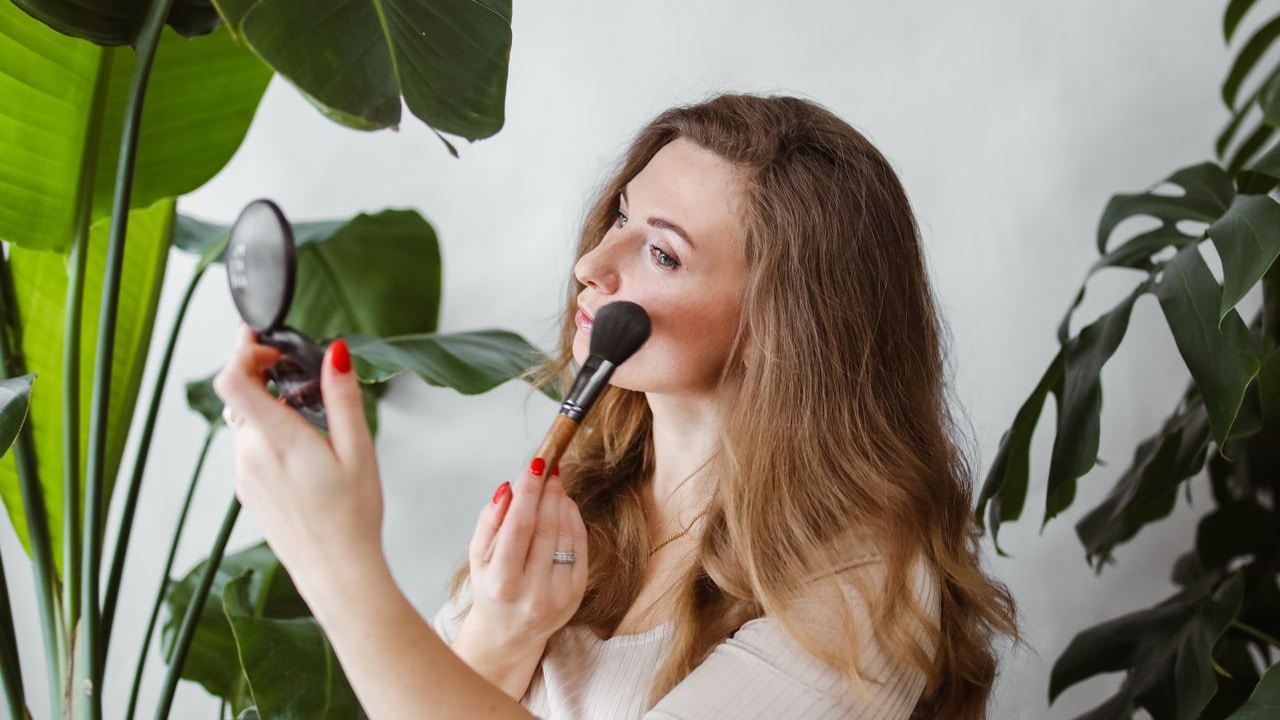
Still Getting Pimples? Your Moisturiser May Contain Pore-Clogging Oils; Photo Credit: Pexels
Alcohol-Based Formulas Can Fool Oily Skin
People with oily skin often chase mattifying moisturisers hoping to eliminate shine instantly. Many brands respond by loading formulas with drying alcohols that create a temporary matte finish.
Initially, the skin looks fresh and less greasy. By evening, however, oil production rebounds aggressively. The face becomes shinier than before because the skin attempts to compensate for moisture loss.
Ingredients such as denatured alcohol or ethanol near the top of the ingredient list may signal trouble for acne-prone skin. These alcohols can weaken the skin barrier when used excessively.
This creates a frustrating cycle. The skin feels greasy, so stronger mattifying products are introduced. The barrier weakens further, irritation increases, and breakouts continue appearing.
Hydration and oiliness are not enemies. Proper hydration actually helps regulate excess sebum production. Lightweight moisturisers with niacinamide or hyaluronic acid often perform beautifully because they balance the skin instead of stripping it aggressively.
Many teenagers and young adults fall into the over-cleansing trap. Harsh face washes followed by alcohol-heavy moisturisers leave the skin confused and stressed. Then comes the inevitable panic purchase of another trending product costing ₹1,800.
Healthy skin rarely comes from extremes. Gentle balance tends to outperform harsh correction methods in the long run.
Ingredient Lists Reveal More Than Fancy Packaging Ever Will
Packaging can seduce almost anyone. Frosted jars, gold lettering, pastel tubes, celebrity endorsements, and skincare aisles practically resemble luxury boutiques now. Yet the real truth sits quietly on the back label.
Ingredient lists follow a simple rule. The higher an ingredient appears, the more of it the product contains. This detail matters enormously for acne-prone skin.
If pore-clogging oils dominate the top section, caution becomes wise. Meanwhile, beneficial ingredients buried near the bottom may exist in tiny amounts that barely impact the skin.
People often buy moisturisers based on dramatic front-label promises without reading the ingredients at all. “Oil-free” and “non-comedogenic” help, but these terms lack strict universal regulation. Some supposedly acne-safe products still trigger congestion depending on skin sensitivity.
Learning a few common ingredient names transforms skincare shopping completely. Spotting heavy oils, waxes, and irritating fragrance ingredients becomes easier over time. Suddenly, expensive marketing loses some of its hypnotic power.
Patch testing also deserves more respect. Applying a new moisturiser across the entire face immediately can backfire spectacularly. Testing near the jawline for several days helps identify problems before a full breakout emerges.
Smart skincare shopping resembles detective work sometimes. Slightly annoying, yes. But far less annoying than painful pimples before an important event.
Humid Weather Changes Everything For Acne-Prone Skin
Climate plays a bigger role in skincare than many realise. Products that perform beautifully in cooler countries may feel unbearably heavy in tropical heat and humidity.
During summer and monsoon seasons, sweat combines with oil, sunscreen, and pollution throughout the day. Thick moisturisers create additional congestion, especially around the nose and jawline.
This explains why some imported creams receive rave reviews online yet fail miserably in local weather conditions. The formulas may simply suit colder climates better.
Acne-prone skin generally benefits from lighter textures in humid weather. Water-based gels, emulsions, and fast-absorbing lotions allow the skin to breathe more comfortably.
Layering also matters. Using a heavy moisturiser beneath sunscreen and makeup can quickly turn the face into an oily battlefield by afternoon. Simpler routines often work better during sticky weather.
Many people hesitate to switch products seasonally because skincare already feels confusing enough. Yet small adjustments make a significant difference. Even changing from a cream to a gel moisturiser can reduce congestion noticeably.
The skin's needs evolve constantly depending on weather, hormones, stress, and lifestyle. Flexibility matters more than loyalty to a single product forever.
A moisturiser should cooperate with the environment, not wage war against it.
Clear Skin Often Comes From Consistency, Not Expensive Products
The skincare industry loves convincing people that flawless skin hides inside a ₹4,000 luxury cream. Reality looks less glamorous. Consistency usually matters far more than price tags.
Many affordable moisturisers contain excellent formulations suitable for acne-prone skin. Meanwhile, expensive creams sometimes overload formulas with fragrance and rich oils to create a luxurious feel.
People often panic after every breakout and switch products repeatedly. The skin barely gets time to adjust before another trendy moisturiser enters the routine. Constant experimentation creates confusion and irritation.
Simple routines tend to work best. A gentle cleanser, lightweight moisturiser, sunscreen, and targeted acne treatment often outperform ten complicated products fighting for attention simultaneously.
Stress also influences breakouts significantly. Ironically, obsessing over perfect skin can worsen inflammation. Endless mirror inspections under harsh bathroom lighting rarely improve anyone's mood.
Healthy skin should feel comfortable rather than flawless at every moment. Tiny texture, occasional pimples, and pores remain completely normal despite heavily filtered beauty standards online.
Moisturiser should support the skin quietly in the background. When the right formula finally clicks, the difference feels surprisingly subtle. Less irritation. Fewer angry breakouts. Softer texture. More balance.
Not a dramatic transformation overnight. Just calmer, happier skin gradually behaving itself.
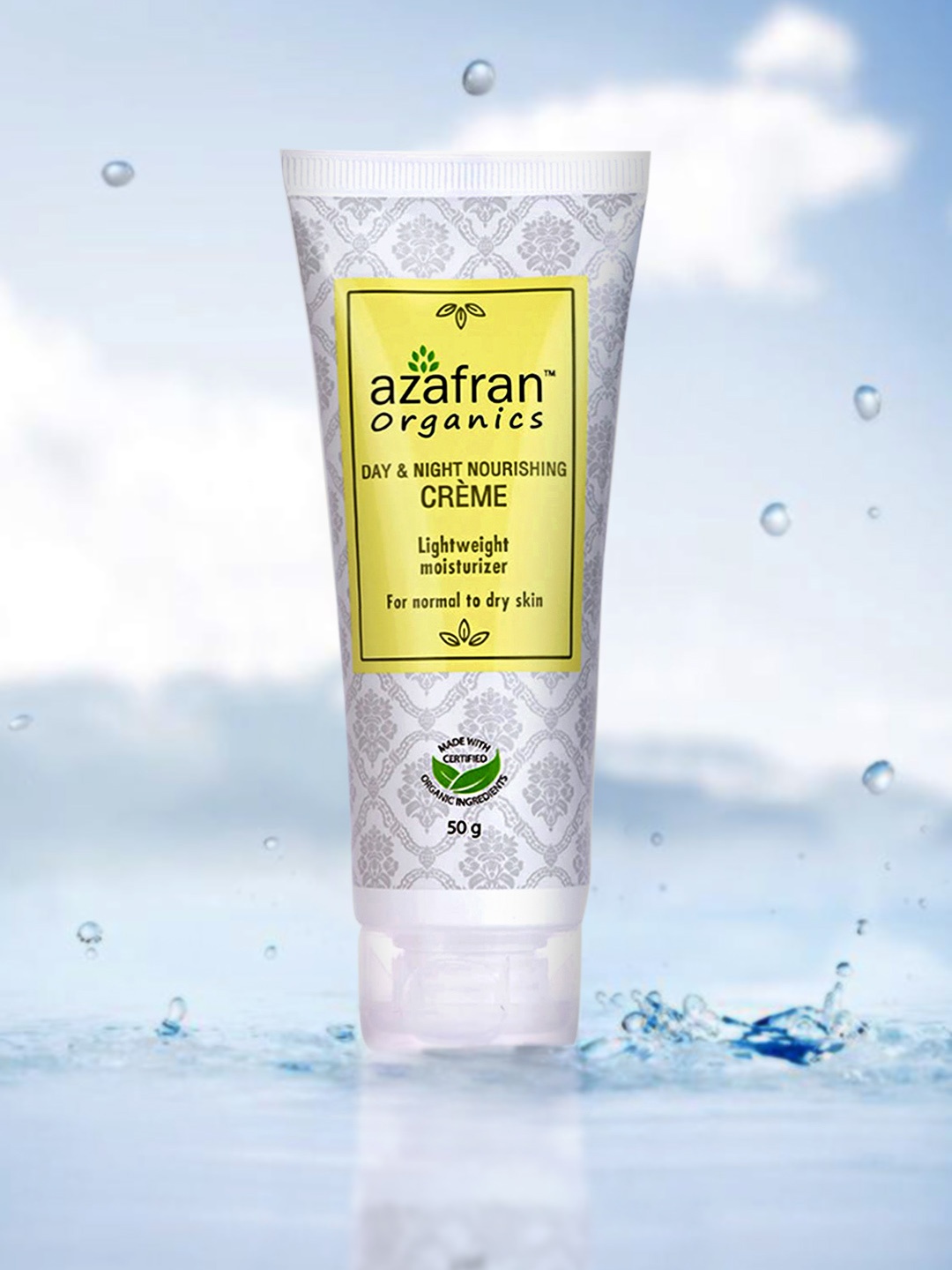
Products Related To This Article
1. Deconstruct Acne Control Moisturiser
2. MOODY Acnexpert Oil Free Moisturiser With Niacinamide & Green Tea
3. Underated Glow Acne Clear Face Moisturiser Niacinamide Salicylic Acid Glowing Skin
4. Plum 2% Niacinamide & Rice Water Gel Cream Moisturizer
5. Venusia Acne Control Moisturizer
6. PLIX THE PLANT FIX 2% Niacinamide Jamun Moisturizer For Reducing Pimples
7. DR. SHETHS 1% Centella Asiatica & 5% Niacinamide Moisturizing Cream Fades Acne
Acne-prone skin rarely needs punishment. It needs balance, patience, and moisturisers that hydrate without quietly suffocating pores. Heavy oils, excessive fragrance, and rich textures often create more trouble than glow, particularly in hot and humid weather.
The smartest approach involves reading ingredient lists carefully, understanding how the skin responds, and resisting flashy marketing claims that promise impossible perfection. Lightweight formulas usually perform better, especially when they focus on hydration rather than heaviness.
Skincare should not feel like an endless battle against the mirror. A good moisturiser simply helps the skin stay calm enough to heal and function properly. Sometimes the biggest breakthrough comes not from adding more products, but from choosing gentler ones that stop causing hidden damage in the first place.
(Disclaimer: This article may include references to or features of products and services made available through affiliate marketing campaigns. NDTV Convergence Limited (“NDTV”) strives to maintain editorial independence while participating in such campaigns. NDTV does not assume responsibility for the performance or claims of any featured products or services.)