Why Matte Lipsticks Often Look Patchy On Deeper Skin Tones
Matte lipsticks often look patchy on deeper skin tones due to dryness, uneven pigmentation, undertones, and formula issues. This is why it happens and how to get a smoother finish.
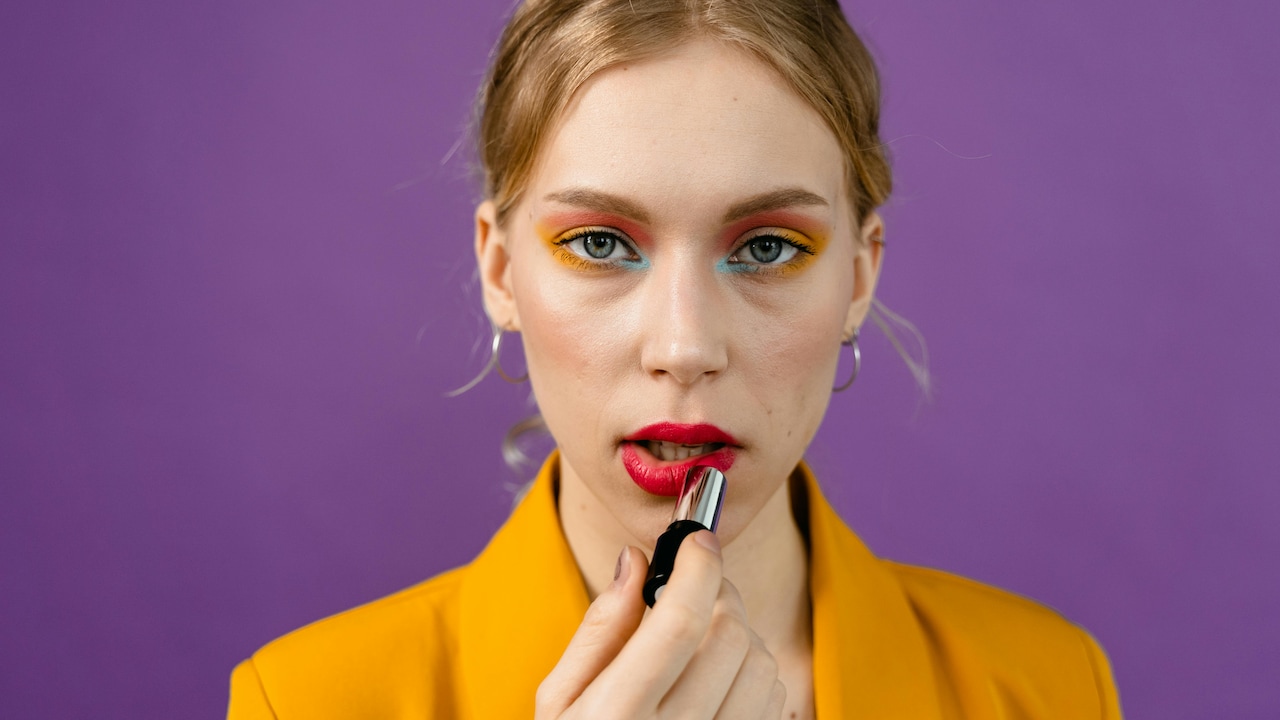
Tips to fix matte lipsticks cracking on deeper skin tones
Matte lipsticks enjoy celebrity status in the beauty world. They survive weddings, coffee runs, office gossip, and plates full of spicy street food with surprising determination. Beauty counters display endless shades, influencers flaunt flawless pouts under ring lights, and every festive season introduces another “must-have nude”. Yet many shoppers with deeper skin tones know the frustration hidden beneath the hype. A lipstick may look rich and luxurious in the tube, but turn streaky within minutes. Darker lip pigmentation peeks through. Fine lines suddenly look sharper than a maths teacher's red pen. Certain shades gather awkwardly around the corners of the mouth, creating an uneven finish that no amount of blotting can fix.
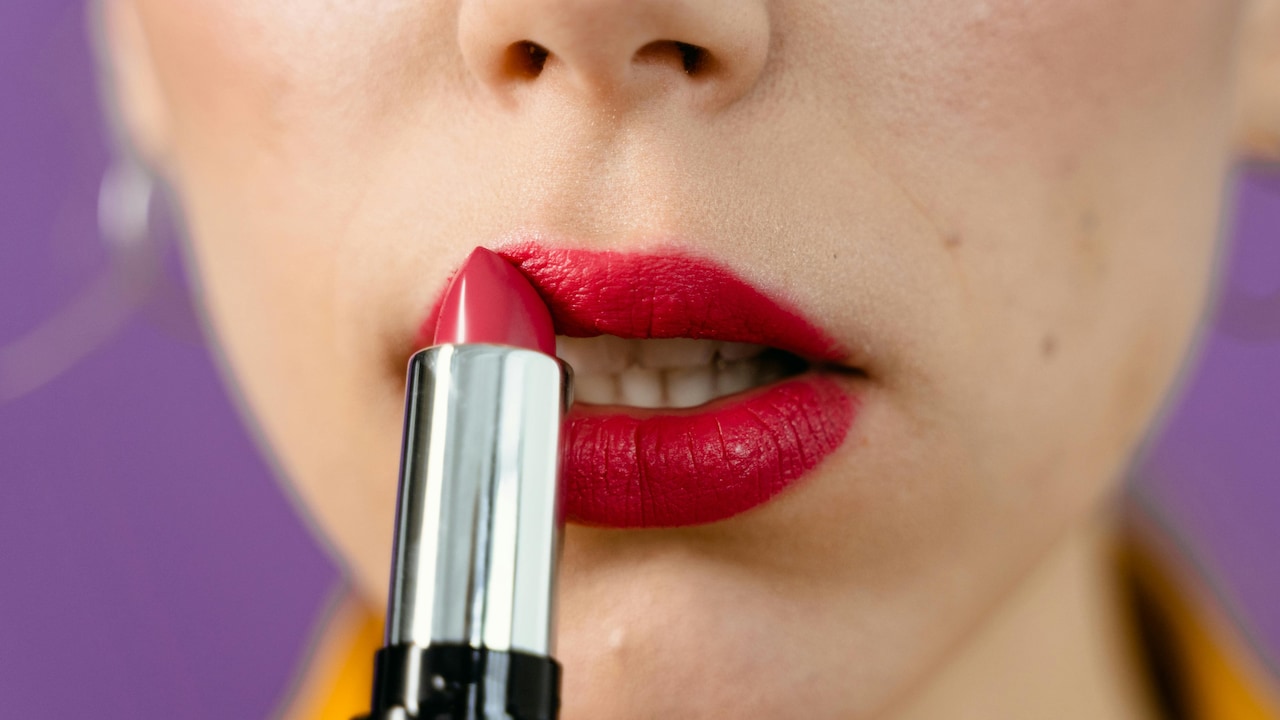
Reasons why some matte lipsticks look patchy on deeper skin tones; Photo Credit: Pexels
The conversation around matte lipsticks often focuses on trends and shade ranges, but texture deserves equal attention. Many formulas still fail to cater properly to richly pigmented lips and varied undertones. Add humid summers, dry winters, air-conditioned offices, and endless cups of chai, and the struggle becomes even more real.
The good news lies in understanding the reasons behind the patchiness. Once the causes become clear, choosing and applying matte lipstick gets much easier. A smooth matte finish should not feel like winning a lucky draw during Diwali shopping season.
Also Read: Top 10 Lipstick Shades For Puja Evenings: Matte Colours That Shine Under Diya Light
Why Matte Lipsticks Look Uneven On Deeper Skin Tones
Dryness Makes Matte Lipsticks Sit Unevenly
Matte formulas naturally contain less oil and moisture than creamy lipsticks. That dry texture creates the velvety finish people love, but it also exposes every tiny crack on the lips. On deeper skin tones, uneven areas often become more visible because richer pigments contrast sharply against dry patches.
Many people underestimate how much dehydration affects lipstick application. Lips can feel normal while still carrying flaky skin invisible to the naked eye. The moment matte lipstick touches the surface, those hidden rough spots suddenly appear centre stage.
Weather plays a huge role, too. Hot afternoons, strong sun exposure, air conditioning, and not drinking enough water throughout the day can leave lips dehydrated. Add long-lasting matte formulas into the mix, and the lipstick clings stubbornly to dry areas.
A common mistake involves layering more product to hide patchiness. Unfortunately, that usually worsens the issue. Thick layers begin to crack and separate, especially after eating or talking for hours.
Simple preparation changes everything. Gentle exfoliation with a soft toothbrush or lip scrub helps remove dead skin. A lightweight lip balm applied ten minutes before lipstick creates a smoother base without making the formula slide around. Matte lipstick performs best on balanced lips, not overly dry or greasy ones.
Darker Lip Pigmentation Changes Colour Payoff
Many people with deeper skin tones naturally have pigmented lips. The upper lip may appear darker than the lower lip, or certain areas may carry brown, purple, or grey undertones. Matte lipsticks often struggle to cover these variations evenly.
Creamy lipsticks usually blend more smoothly across pigmentation because their texture remains flexible. Matte formulas, however, dry quickly and lock into place. Once they set unevenly, fixing them becomes difficult without removing everything and starting again.
This issue appears most often with nude shades and lighter colours. A peachy nude that looks soft beige in advertisements may turn greyish or ashy on pigmented lips. Some formulas become translucent after drying, allowing natural lip tones to peek through in patches.
Beauty brands frequently test shades on lighter lip tones during product photography. That creates unrealistic expectations for shoppers with naturally darker lips. A lipstick advertised as “universal nude” rarely behaves universally in real life.
Lip liners can help balance pigmentation before lipstick application. A liner close to the lipstick shade creates a more even canvas and prevents awkward colour shifts. Some makeup artists even use a tiny amount of concealer around heavily pigmented areas before applying lighter matte shades.
The problem never lies with the lips themselves. The formula simply fails to accommodate varied natural pigmentation properly.
Certain Undertones Clash With Matte Formulas
Undertones influence how lipstick appears far more than people realise. Matte textures tend to intensify undertones because they lack the reflective shine that softens colour differences.
Cool-toned matte lipsticks sometimes pull dull or chalky against warmer complexions. Meanwhile, overly warm shades may appear orange instead of rich terracotta. On deeper skin tones, these undertone clashes become more noticeable because of the stronger contrast between skin and lip colour.
The issue often emerges during online shopping. A lipstick that looked like deep mauve on screen arrives looking strangely purple or muddy in daylight. Matte finishes offer little forgiveness because the flat texture highlights every colour imbalance.
Store lighting creates further confusion. Cosmetic counters often use bright white lights that distort undertones completely. A shade that looked perfect inside the mall suddenly behaves differently near a car window in natural sunlight.
Berry, brick, chocolate, wine, and deep caramel shades generally work better because they complement richer undertones more naturally. Extremely pale nudes and dusty pastel mattes often struggle unless paired carefully with liners.
Finding flattering matte shades involves patience rather than blindly following trends. The latest viral lipstick may suit one person beautifully and look completely different on someone else. Makeup rarely behaves like a one-size-fits-all kurta bought during festive sales.
Cheap Formulas Often Separate On The Lips
Not every matte lipstick earns its premium-looking packaging. Many budget formulas focus heavily on colour payoff while neglecting texture quality. The result often appears patchy, crumbly, or uneven within hours.
Some inexpensive formulas contain excessive powder content to create a matte finish quickly. While that may look impressive during the first few minutes, the product starts separating once natural lip movement begins. Smiling, eating, and talking cause the pigment to break apart.
Deeper shades face additional challenges because richer pigments require a stronger formulation balance. If the ingredients fail to blend smoothly, darker colours become streaky instead of opaque. That explains why some deep burgundy or chocolate matte lipsticks apply unevenly, even after several swipes.
Long-wear claims also deserve scepticism. A lipstick advertised as “24-hour matte” often prioritises staying power over comfort. Such formulas may survive meals but leave lips looking dry and cracked halfway through the day.
Price alone does not guarantee quality, though. Some affordable brands produce excellent matte textures, while certain luxury formulas still behave disappointingly. The key lies in testing texture rather than chasing hype.
Watching how lipstick behaves after five or ten minutes tells the real story. If it already starts gathering around lip lines or drying unevenly, the formula probably will not improve later.
Overapplication Creates Cracks And Buildup
Many people assume patchiness means insufficient product. Naturally, the next instinct involves applying another layer. Unfortunately, matte lipstick rarely responds kindly to overapplication.
Unlike creamy textures, matte formulas dry down into a fixed layer. Adding more product on top creates uneven buildup because fresh lipstick struggles to blend into the already-set base. The lips begin to look heavy and textured instead of smooth.
This issue becomes particularly noticeable around the inner lips. After eating or drinking, lipstick fades unevenly from the centre. People often reapply only to those faded sections, which creates thick patches compared to the rest of the lips.
Dark shades exaggerate this effect further. Deep maroons, browns, and plums may start looking cracked or cakey after multiple touch-ups. Suddenly, the lipstick resembles dried paint under harsh lighting.
Thin layers work far better. Makeup artists often recommend applying one coat, blotting gently with tissue, then adding a light second layer only if necessary. This technique helps maintain even pigment without excessive buildup.
Lip products also need occasional removal during long days. Instead of endlessly layering fresh lipstick over old product, wiping everything off and starting again creates a cleaner finish. It may sound inconvenient, but it prevents that uncomfortable thick texture many matte lovers know too well.
Sometimes less truly delivers more, especially with bold matte colours.
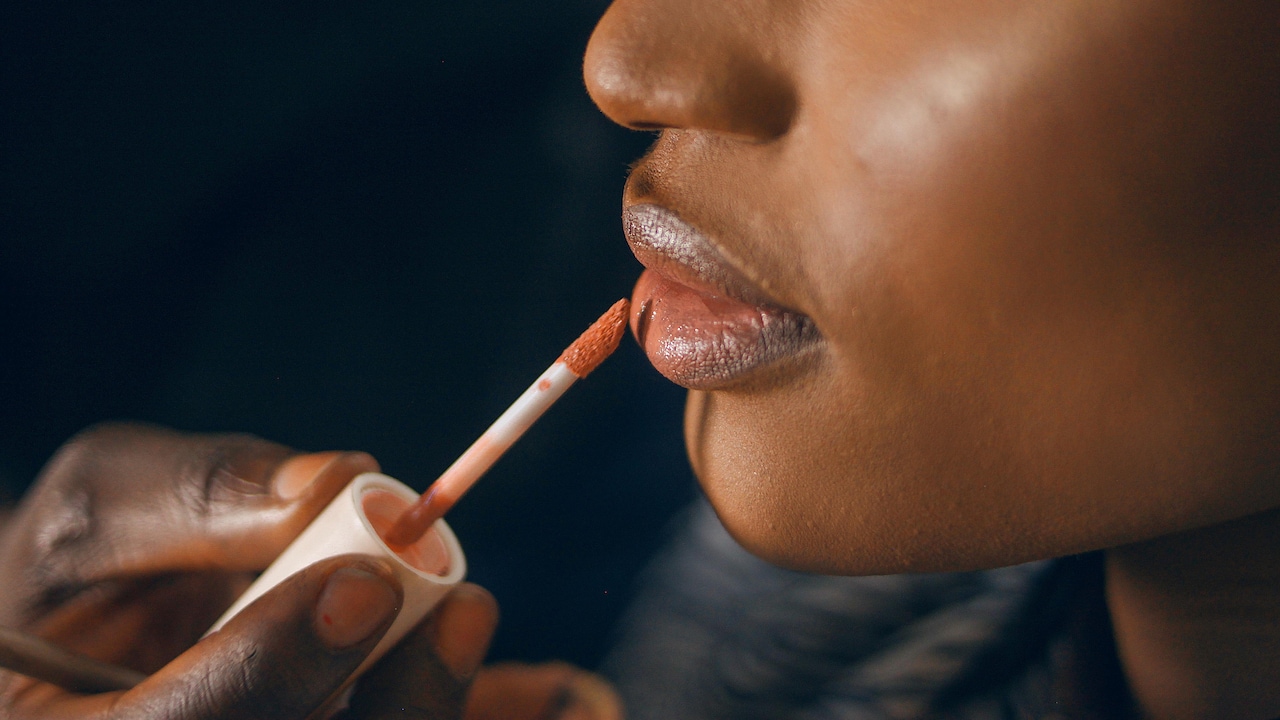
Overapplication can lead to an uncomfortable buildup on lips; Photo Credit: Pexels
Lip Texture Naturally Differs From Person To Person
Beauty advertisements often create unrealistic expectations about lip texture. Real lips contain lines, unevenness, and natural variation. Matte lipstick simply makes these details more visible.
People with deeper skin tones sometimes experience a stronger contrast between lip lines and lipstick pigment, making the texture appear more obvious. This does not mean the lips look unhealthy. Matte formulas merely highlight details that glossy products tend to blur.
Genetics also influence lip texture significantly. Some people naturally have smoother lips, while others experience dryness or prominent lines regardless of skincare routines. Hormonal changes, medication, weather, and even stress levels affect lip condition, too.
A surprising culprit involves licking the lips frequently. Saliva temporarily adds moisture, but eventually dries the lips further. Matte lipstick applied over repeatedly licked lips often settles unevenly within hours.
Certain liquid matte formulas worsen texture because they dry extremely fast. Instead of moving naturally with the lips, they sit rigidly on the surface. Every smile or conversation creates tiny cracks in the pigment layer.
Soft-matte or velvet-matte finishes often perform better for textured lips. These formulas maintain some flexibility while still delivering the elegant matte appearance people enjoy. The finish looks smoother and feels more comfortable during long wear.
Perfectly flat, line-free lips exist mostly under studio lighting and editing tools. Real-life makeup deserves a little more grace.
Lip Prep Gets Ignored Far Too Often
Many people spend ₹2,000 on lipstick yet skip basic lip preparation entirely. Then comes the disappointment when the product performs badly by lunchtime.
Matte lipstick behaves almost like wall paint. The smoother the surface underneath, the better the final result looks. Applying matte lipstick directly onto dry, flaky lips rarely ends well, no matter how expensive the formula may be.
Lip preparation does not require an elaborate ten-step routine. Consistency matters more than complexity. Gentle exfoliation once or twice weekly removes dead skin effectively. Overnight lip masks help maintain softness without making the lips greasy.
Timing also matters. Applying lip balm immediately before matte lipstick can create slipping and uneven pigment distribution. Letting balm absorb for several minutes creates a balanced surface instead.
Many makeup enthusiasts forget about sun protection, too. Lips experience sun damage just like skin. Prolonged exposure can darken pigmentation and increase dryness, making matte lipsticks appear even patchier over time.
Another overlooked trick involves dabbing foundation or concealer lightly around the lip edges rather than directly on the lips. This sharpens the lipstick shape without creating dryness underneath.
Preparation may sound boring compared to shopping for trendy shades, but it changes the entire experience. Matte lipstick should complement the lips, not fight against them all day.
Humidity And Heat Affect Matte Lipstick Performance
Weather conditions influence makeup more than beauty campaigns admit. Hot temperatures and humidity can completely alter how matte lipstick behaves throughout the day.
During summer, sweat and natural oils break down matte formulas gradually. Certain lipsticks begin separating around the inner mouth first, especially after eating spicy food or drinking hot beverages. Deep shades often fade unevenly, leaving darker outlines around the lips.
Air conditioning creates the opposite problem. Long hours inside offices, shopping malls, or cinema halls dry out the lips significantly. Matte lipstick then starts clinging to dehydrated areas and emphasising texture.
Monsoon weather brings another challenge. Humidity softens some matte formulas, causing them to transfer or bunch together. A lipstick that looked perfect at home may appear streaky after a crowded train journey or outdoor event.
This explains why the same lipstick can behave differently across seasons. A formula loved during winter might feel unbearable during humid months.
Transfer-proof liquid mattes often resist the weather better, but can feel uncomfortable if worn daily. Traditional bullet mattresses usually offer more comfort but require occasional touch-ups.
Blotting papers and compact mirrors become quiet heroes during warmer months. Small touch-ups prevent lipstick from turning messy later in the day.
Makeup does not exist in laboratory conditions. Real life includes humidity, heat, oily snacks, crowded weddings, and endless cups of cutting chai.
Trends Often Ignore Richer Complexions
Beauty trends move quickly, but they do not always include everyone equally. Matte lipstick trends frequently revolve around pale beige nudes, cool mauves, and ultra-light tones that struggle on deeper skin tones.
Social media worsens the issue because filters and lighting distort lipstick colours heavily. A trendy nude shade may appear luxurious online yet look washed out or patchy in real life. Many people buy these shades hoping for the same glamorous finish, only to feel disappointed later.
Celebrity beauty trends contribute too. Makeup looks created for heavily lit red carpets rarely translate easily into everyday settings. Professional artists use lip correction techniques, layering methods, and studio lighting unavailable during normal mornings before work.
Brands sometimes release “inclusive” shade ranges while still overlooking undertones and formula performance. Adding darker colours alone does not solve the problem if the texture remains dry or uneven.
Fortunately, beauty conversations have started shifting. More makeup artists now discuss lip pigmentation openly rather than pretending every lip acts the same. Consumers increasingly demand formulas designed for varied skin tones instead of generic shade labels.
Rich browns, cinnamon tones, deep berries, burnt reds, and warm terracottas continue gaining popularity because they complement deeper complexions beautifully without appearing patchy.
Fashion trends should inspire creativity, not insecurity. Lipstick should feel enjoyable rather than stressful every time someone checks their reflection in a lift mirror.
Application Technique Changes The Final Result
Technique matters almost as much as the lipstick itself. Even high-quality matte formulas can look uneven if applied carelessly or too quickly.
Rushing remains the biggest culprit. Matte lipsticks often dry rapidly, leaving little time for correction. Uneven strokes become obvious once the formula sets fully.
Many people swipe directly from the tube several times, which deposits excess product unevenly. Using controlled, thinner layers creates a smoother appearance. Some makeup artists prefer applying matte lipstick with a lip brush for greater precision, especially with darker shades.
Lip liner also makes a major difference. A matching liner creates structure and prevents feathering around the edges. It also helps matte lipstick fade more evenly throughout the day.
Another useful trick involves slightly pressing the lips together rather than rubbing them aggressively after application. Excessive rubbing breaks the pigment apart and creates patchiness almost immediately.
Setting techniques matter too. A light tissue blot helps remove extra product while maintaining colour intensity. Some people even dust translucent powder lightly over tissue for added longevity, though too much powder can emphasise dryness.
Patience remains underrated in makeup application. Taking two extra minutes often creates far better results than constant touch-ups later.
Matte lipstick may seem low-maintenance once applied, but the best finishes usually come from thoughtful preparation and careful technique.
Products Related To This Article
1. Lakme Cushion Matte Long Lasting Lipstick With French Rose Oil Ext 4.5g
2. Pilgrim Matte Bullet Intense Colour Transferproof & Smudgeproof Lipstick
3. Pilgrim Matte Me Up Liquid Long-Lasting & Non-Drying Lipstick
4. Renee Very Matte Intense Color Weightless & Long Lasting Lipstick - Toffee Touch
5. Maybelline New York Color Sensational Creamy Matte Lipstick
6. Parul Garg Smudge-Proof Matte Lipstick with Shea Butter & Vitamin E-Primrose
7. Mamaearth Moisture Matte 12 Hour Long Stay Mini Lipstick
Matte lipstick patchiness rarely happens because someone lacks makeup skills. More often, the issue stems from formulas that fail to accommodate deeper skin tones properly. Dryness, pigmentation, undertones, weather, texture, and poor application methods all contribute to uneven results.
The beauty industry has improved gradually, but plenty of work still remains. Richer skin tones deserve formulas designed thoughtfully rather than treated as an afterthought. A lipstick should enhance confidence, not create frustration every time someone glances into a phone camera.
Thankfully, understanding the causes behind patchy matte lipstick makes choosing products far easier. Better preparation, smarter shade selection, and gentler application techniques can transform the entire experience.
Matte lipstick will probably never disappear from beauty trends. The finish feels polished, dramatic, and effortlessly stylish when done well. And honestly, few things feel as satisfying as finding that perfect matte shade that survives coffee, conversation, and a full plate of pani puri without betraying the lips halfway through the day.
(Disclaimer: This article may include references to or features of products and services made available through affiliate marketing campaigns. NDTV Convergence Limited (“NDTV”) strives to maintain editorial independence while participating in such campaigns. NDTV does not assume responsibility for the performance or claims of any featured products or services.)