Are Scalp Scrubs Good For You? When To Use Them And When To Avoid
Scalp scrubs promise cleaner roots and healthier hair, but they are not for everyone. Learn when scalp scrubs help, when they harm, and how to use them safely without irritating your scalp or worsening hair fall.
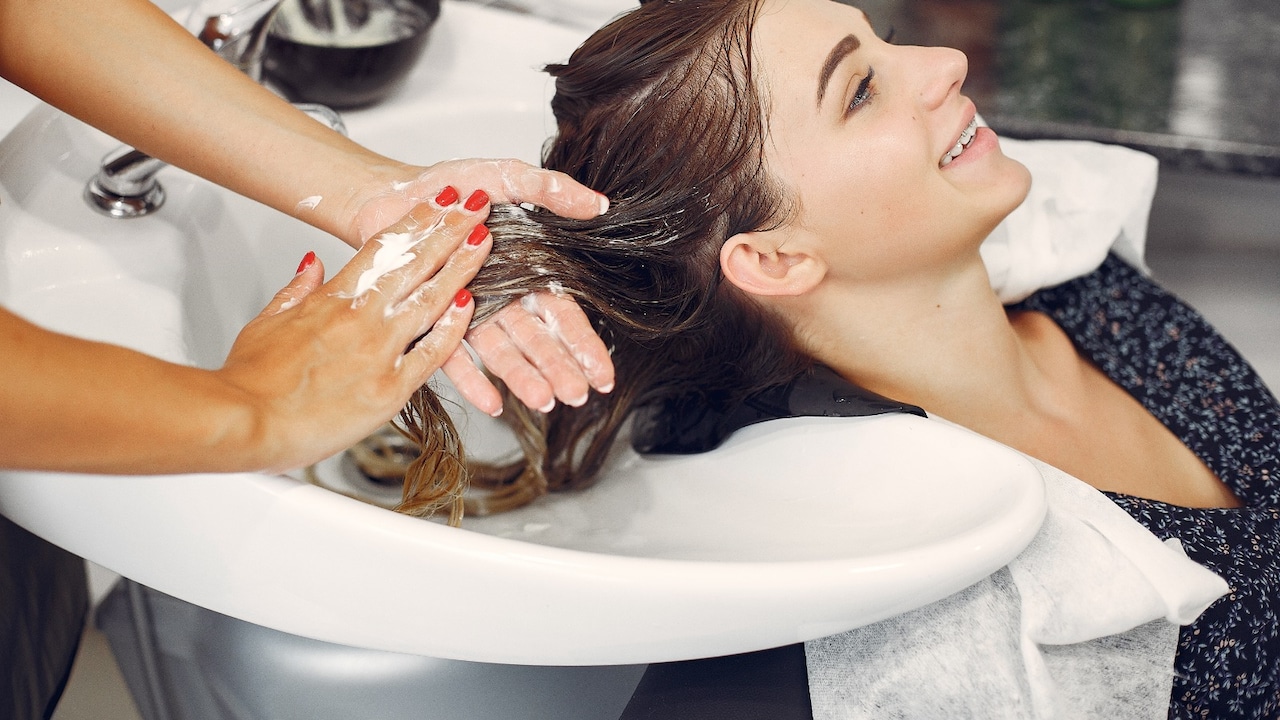
Are Scalp Scrubs Good for You? Benefits, Smart Uses, And When To Completely Skip Them.
Hair days often begin at the scalp, though it rarely gets the same love as skin or strands. Many routines stop at shampoo and oil, while the scalp quietly collects sweat, pollution, product build-up, and stress. Enter scalp scrubs, the skincare-inspired treatment that claims to detox roots and revive hair. Some swear by them, others fear damage, dryness, or hair fall. The truth sits somewhere in the middle.
Scalp scrubs work best when chosen and used with intention. A scrub can feel like a reset button after a week of traffic fumes, styling products, and late nights. At the same time, rough formulas or overuse can irritate skin and weaken roots. Knowing when to exfoliate and when to pause makes all the difference. This article explores how scalp scrubs work, who benefits most, and when to step away, all without the fluff or fear.
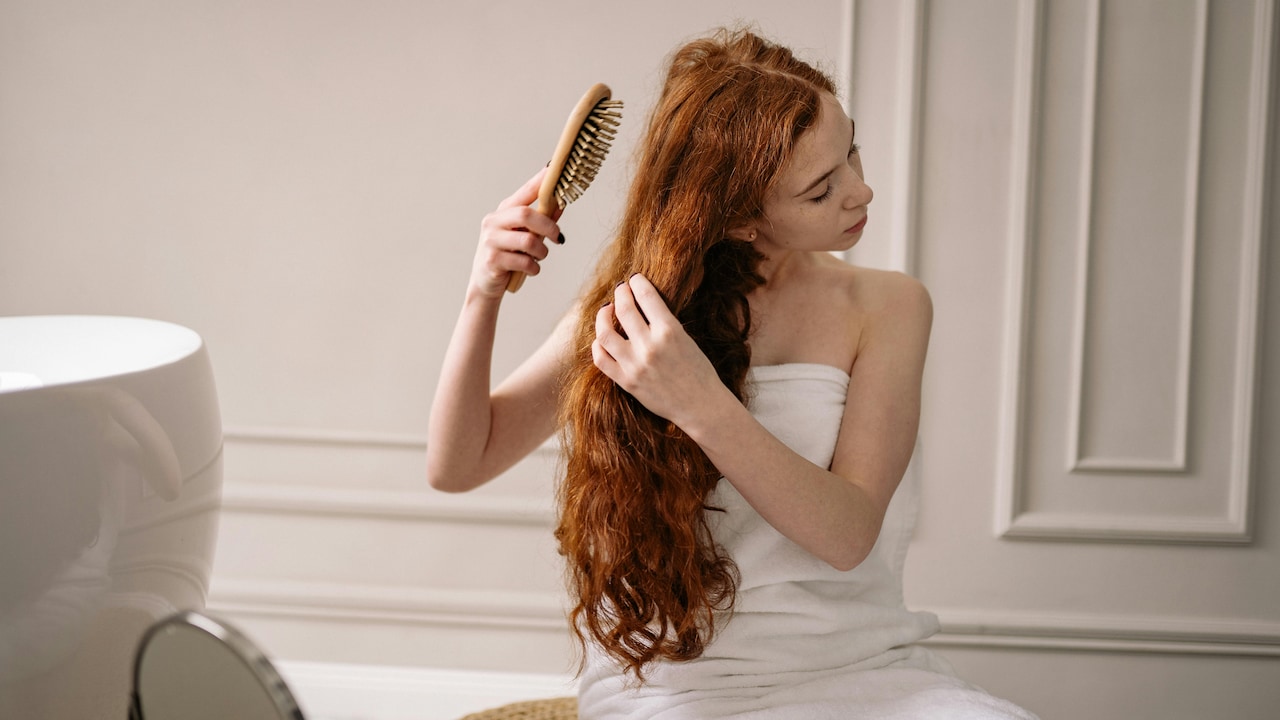
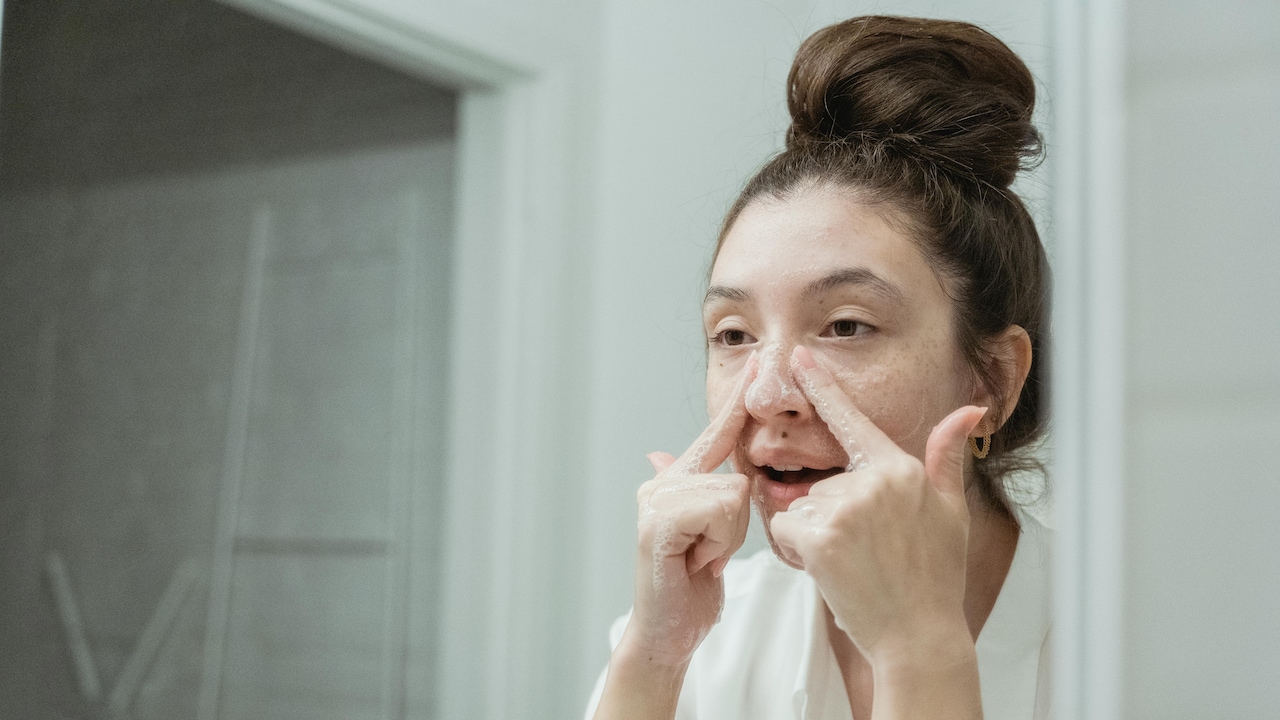
Are Scalp Scrubs Good For You? When To Use Them And When To Avoid; Photo Credit: Pexels
How Scalp Scrubs Work, Who They Help And Who Should Skip Them
1. What Exactly Is a Scalp Scrub?
A scalp scrub exfoliates the skin beneath the hair using gentle physical grains or chemical exfoliants. Think of it as a face scrub, but designed for thicker skin and oilier conditions. These formulas aim to lift dead skin cells, excess oil and residue from styling products. The result often feels lighter, cleaner and more breathable.
Many scrubs contain sugar, salt, coffee grounds or crushed seeds. Some rely on acids like salicylic or glycolic to dissolve build-up without grit. Added oils and soothing extracts balance the exfoliation. The experience can feel oddly satisfying, like finally scratching an itch that shampoo never quite reached.
Yet, a scrub does not replace shampoo. It works as a pre-wash or occasional treatment. Used correctly, it sets the stage for better cleansing and healthier roots. Used carelessly, it may strip natural oils or cause micro-abrasions. Understanding its role prevents unrealistic expectations and unwanted side effects.
2. Why the Scalp Needs Exfoliation Too
The scalp hosts hundreds of hair follicles and oil glands. Sweat, dust and styling residue settle easily, especially in humid climates and busy cities. Over time, this build-up can clog follicles, dull hair and trigger itchiness. Regular shampooing helps, though it does not always remove stubborn residue.
Exfoliation clears the surface and supports better circulation. Many notice improved volume at the roots and reduced flakiness after a scrub. Hair often feels softer because products absorb better on a clean base. The sensation alone can feel refreshing after long days under helmets, scarves or harsh sun.
However, scalps differ. Some produce more oil, others stay dry and sensitive. Exfoliation suits oily or congested scalps more than delicate ones. Treating the scalp like a one-size-fits-all surface leads to problems. The key lies in matching the method to the skin type and lifestyle.
Also Read: How To Protect Your Scalp On Humid Days: 10 Easy And Practical Haircare Hacks That Work
3. When Scalp Scrubs Are Actually Helpful
Scalp scrubs shine when the build-up becomes visible or uncomfortable. Greasy roots hours after washing, persistent flakes, or that heavy, coated feeling signal the need for deeper cleansing. Those who use dry shampoo, gels or hair sprays often benefit most.
Scrubs also help during seasonal shifts. Sweat and pollution rise in warmer months, making exfoliation useful once or twice a month. After oil massages, a scrub can prevent residue from sitting on the scalp for days. Many salons include them in detox treatments priced around ₹800 to ₹1,500, often before a mask or massage.
Used sparingly, scrubs refresh the scalp without disrupting its balance. They create a clean slate, allowing shampoos and treatments to perform better. The scalp feels lighter, and hair often responds with improved texture and bounce.
4. When Scalp Scrubs Can Do More Harm Than Good
Scrubs are not friendly to every scalp. Sensitive skin, active dandruff, eczema or psoriasis flare-ups need gentler care. Gritty formulas can worsen irritation and cause redness or burning. Scrubbing broken or inflamed skin risks infection and hair loss.
Overuse poses another problem. Exfoliating weekly or aggressively strips natural oils, leading to dryness and rebound oiliness. Hair roots may weaken under constant friction. The scalp might feel tight or itchy instead of fresh.
Those experiencing sudden hair fall or post-illness shedding should pause exfoliation. At such times, the scalp needs calming, not stimulation. Skipping scrubs during recovery allows follicles to stabilise. Listening to the scalp's response matters more than following trends.
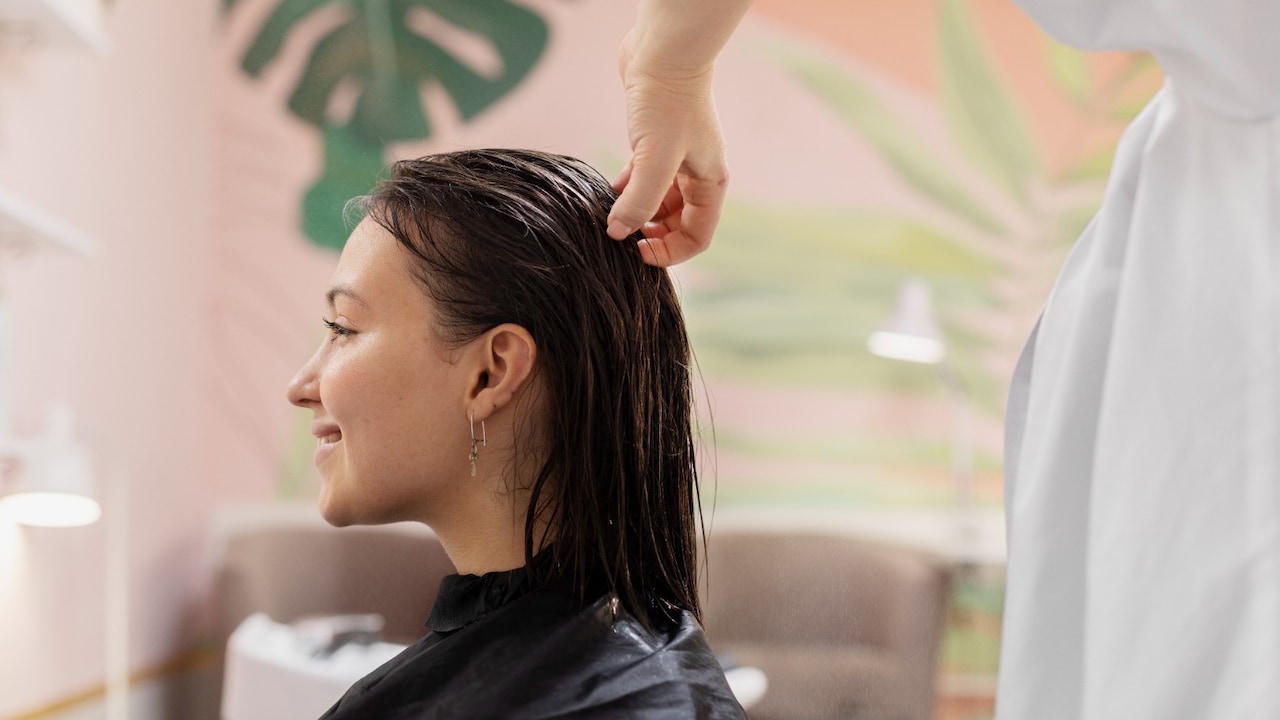
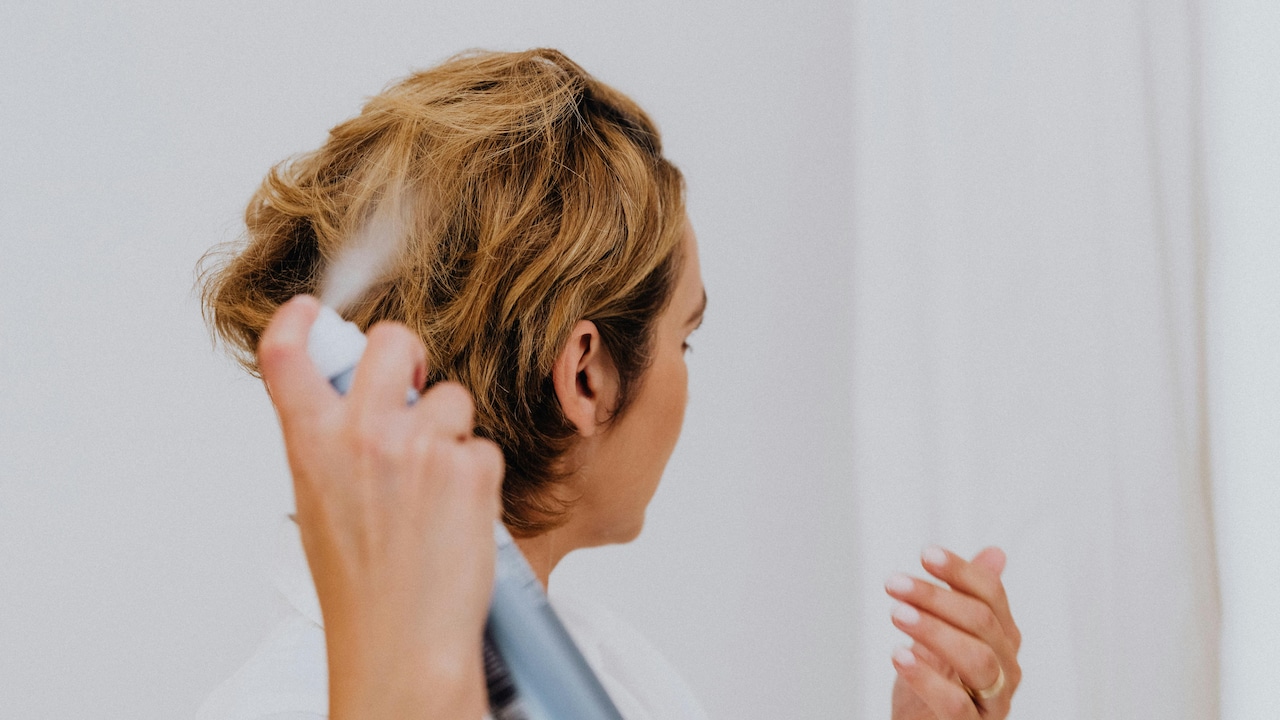
Are Scalp Scrubs Good For You? When To Use Them And When To Avoid; Photo Credit: Pexels
5. Physical vs Chemical Scalp Scrubs
Physical scrubs use grains to manually exfoliate. They provide instant smoothness and that clean feeling many enjoy. Sugar and salt dissolve slightly, reducing harshness, while coffee and seeds remain more abrasive. Gentle pressure keeps them effective without damage.
Chemical exfoliants work quietly. Acids dissolve dead skin and oil plugs without rubbing. They suit sensitive or acne-prone scalps better. The results appear gradually, though irritation can occur if left on too long.
Choosing between the two depends on comfort and scalp condition. Physical scrubs feel indulgent but demand caution. Chemical ones feel subtle but require correct timing. Neither works as a daily solution. Moderation and observation guide the best choice.
6. How Often Should a Scalp Scrub Be Used?
Frequency matters more than brand. Most scalps benefit from exfoliation once every two to four weeks. Oily scalps may handle twice a month, while dry or normal ones do well with monthly use.
Using a scrub too often disrupts the scalp barrier. Natural oils protect skin and hair follicles. Stripping them repeatedly leads to sensitivity and imbalance. The goal stays balance, not squeaky-clean perfection.
A simple test helps. If the scalp feels calm, clean and comfortable days after exfoliation, the frequency works. If tightness, itching or flakes appear, it signals overuse. Adjusting the routine prevents long-term issues and keeps the scalp healthy.
7. The Right Way to Use a Scalp Scrub
Application technique decides success. Always use it on a damp scalp before shampooing. Part hair in sections and apply directly to skin, not lengths. Gentle circular motions work best. Nails stay out of the process.
Massage lightly for a minute or two, then rinse thoroughly. Follow with a mild shampoo to remove residue. Conditioner stays on mid-lengths and ends, not the scalp.
Avoid rushing. Scrubbing harder does not mean better results. Think of it as polishing, not sanding. A calm approach protects roots and ensures benefits without damage. Consistency and care beat force every time.
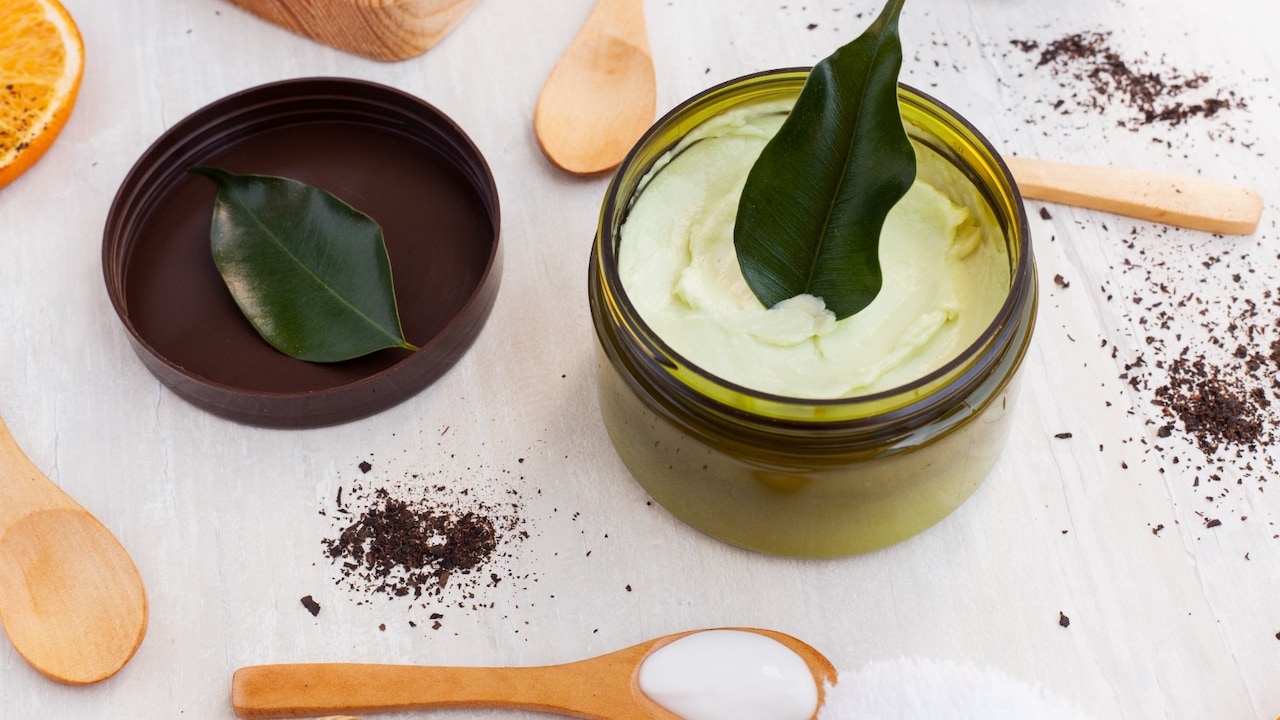
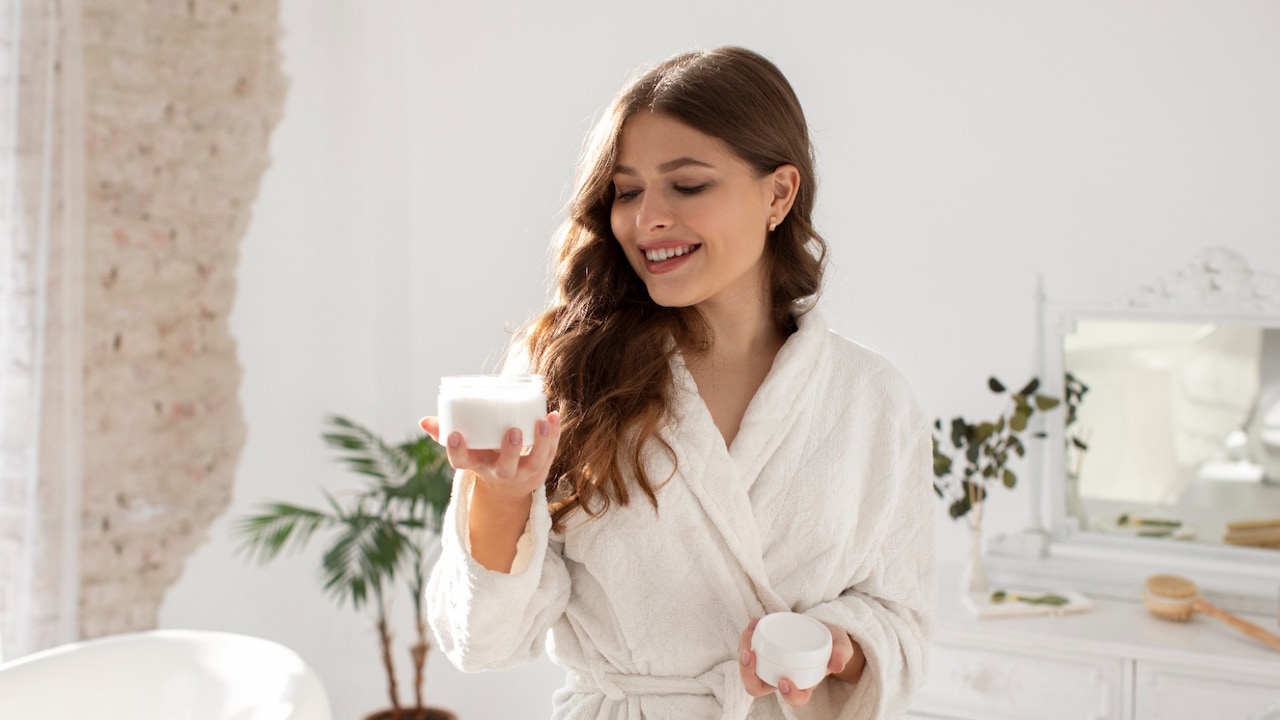
Are Scalp Scrubs Good For You? When To Use Them And When To Avoid; Photo Credit: Pexels
8. Common Myths Around Scalp Scrubs
Many believe scrubs boost hair growth overnight. Exfoliation supports a healthy environment but does not create miracles. Genetics, nutrition and hormones play larger roles.
Another myth claims scrubs suit everyone. As seen, scalp type matters. Copying routines without understanding skin leads to trouble. Price also confuses buyers. A ₹400 scrub used correctly often works better than a ₹2,000 one used wrongly.
Some fear scrubs cause hair fall. When used gently and infrequently, they rarely do. Excessive friction and overuse cause the damage, not the product itself. Separating fact from hype makes smarter choices easier.
9. DIY Scalp Scrubs: Yes or No?
DIY scrubs tempt many with simple ingredients like sugar, salt or coffee. While convenient, they come with risks. Kitchen grains lack uniform size and can scratch skin. Lemon juice and baking soda disrupt pH and irritate.
Ready-made scrubs undergo testing for safety and balance. They include soothing agents to counter exfoliation. DIY options may work occasionally but require caution.
Those who prefer homemade routes should keep it mild. Fine sugar mixed with aloe gel works better than harsh combinations. Using such scrubs sparingly reduces risk. When in doubt, safer formulations win.
10. Signs a Scalp Scrub Is Working
A good scrub leaves the scalp comfortable, not raw. Hair feels lighter at the roots and stays fresh longer. Flakes reduce without itch. Products absorb better, and styling becomes easier.
The scalp should not sting or feel tight hours later. Redness or burning suggests irritation. In such cases, stopping use matters.
Results appear gradually. One session may refresh, though consistent, mindful use brings lasting benefits. The scalp responds best to patience and balance, not constant intervention.
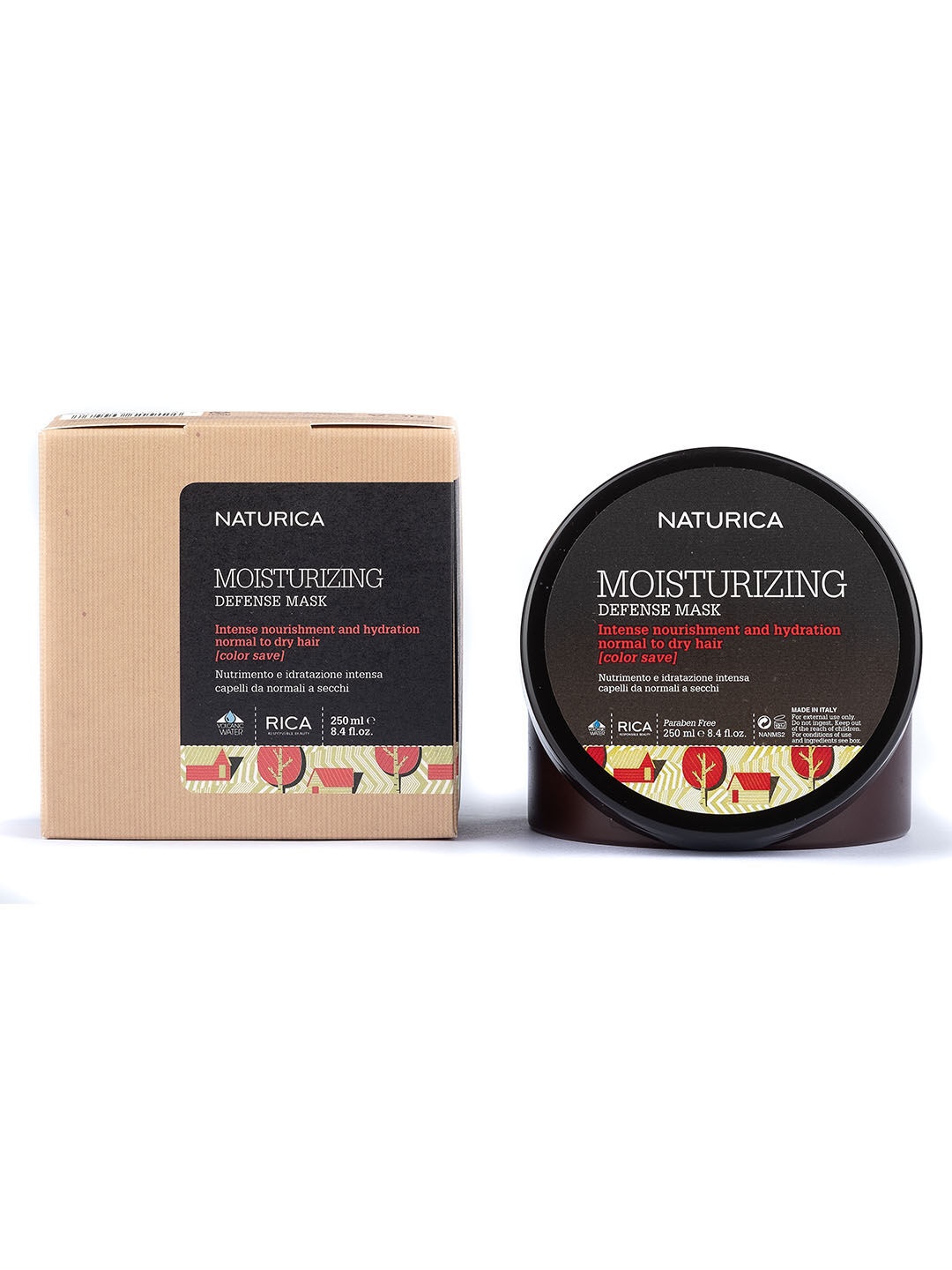
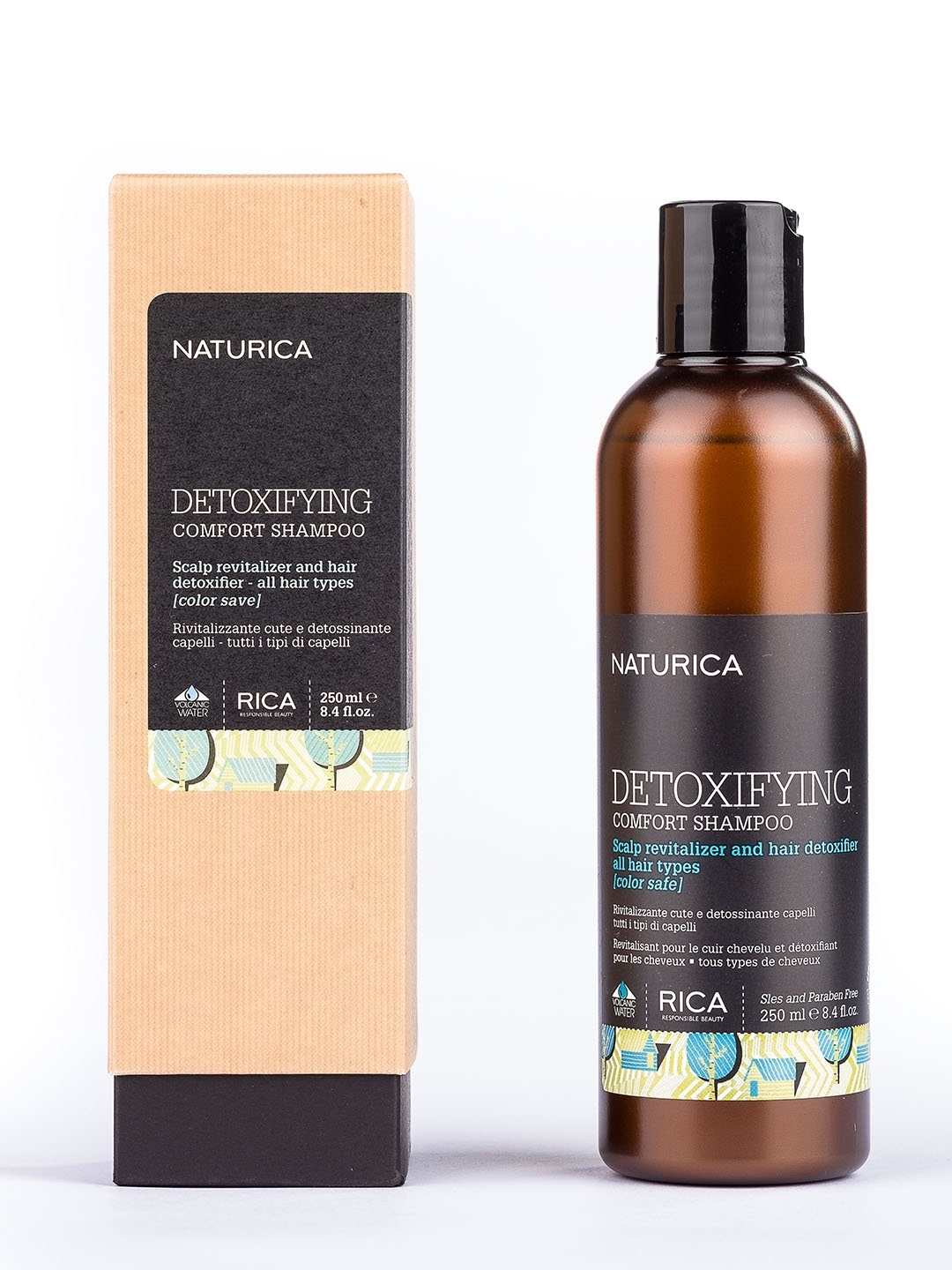
Products Related To This Article
1. MANETAIN Scalp Scrub for Oily & Greasy Scalp & Hair
2. Piru Black Hair Scalp Massager Brush AND Exfoliating Glove Scrub Gloves
3. Volamena Turmeric Scalp Scrub I clean & healthy scalp I Turmeric extract & Turmeric oil
4. Suzyan Anti-Dandruff Herbal Scalp Scrub for Men & Women
5. MildCares Scalp Scrubber & Exfoliator
Scalp scrubs offer genuine benefits when used thoughtfully. They clear build-up, refresh roots, and elevate haircare routines. At the same time, they demand respect. Overuse or wrong formulas create more problems than solutions.
The secret lies in listening to the scalp and adjusting care accordingly. Choose gentle products, use them sparingly, and focus on comfort over trends. When treated well, the scalp rewards with healthier, happier hair days.
(Disclaimer: This article may include references to or features of products and services made available through affiliate marketing campaigns. NDTV Convergence Limited (“NDTV”) strives to maintain editorial independence while participating in such campaigns. NDTV does not assume responsibility for the performance or claims of any featured products or services.)