Over-Conditioning Hair: Why Your Conditioner Makes Hair Limp And How To Fix It
If your hair feels soft but looks flat, over-conditioning could be the reason. Learn how excess moisture weighs hair down, the signs to watch for and simple fixes to restore volume and bounce.
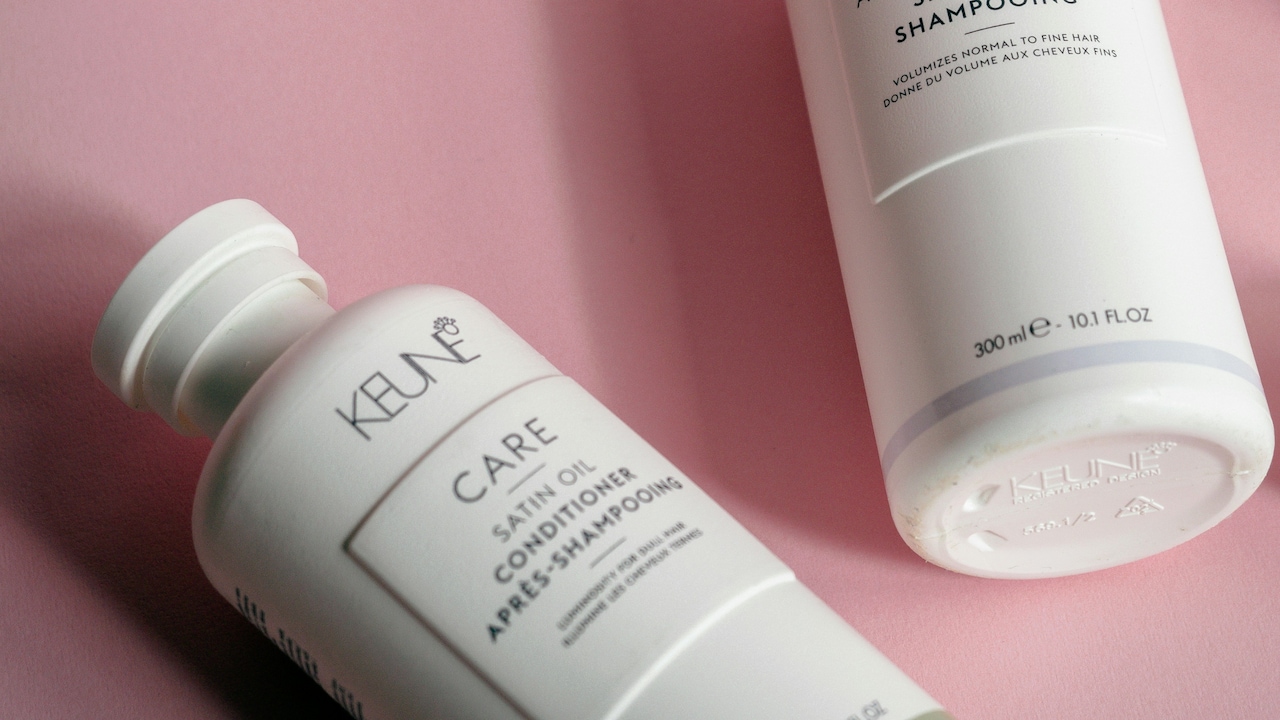
Conditioners Making Hair Limp And Flat? Know About The Over-Conditioning Problem And How To Fix It.
Conditioner enjoys a glowing reputation. It promises silkiness, shine, and frizz control. Yet hair sometimes ends up limp, greasy, and stubbornly flat after weeks of loyal use. The mirror reflects hair that refuses to hold shape, volume, or mood.
This problem shows up everywhere. Fine hair loses lift within hours. Thick hair starts clumping together. Curls stretch out like they gave up trying. The irony stings: too much care causes the damage.
Over-conditioning does not mean conditioner is the enemy. It simply means hair received more moisture and coating than it can handle. Understanding this balance changes everything. Hair responds best to thoughtful care, not excess.
The sections below unpack why hair goes flat, how to spot over-conditioning early, and what simple changes restore movement and life. No complicated routines. No miracle promises. Just practical, realistic fixes that fit everyday life.
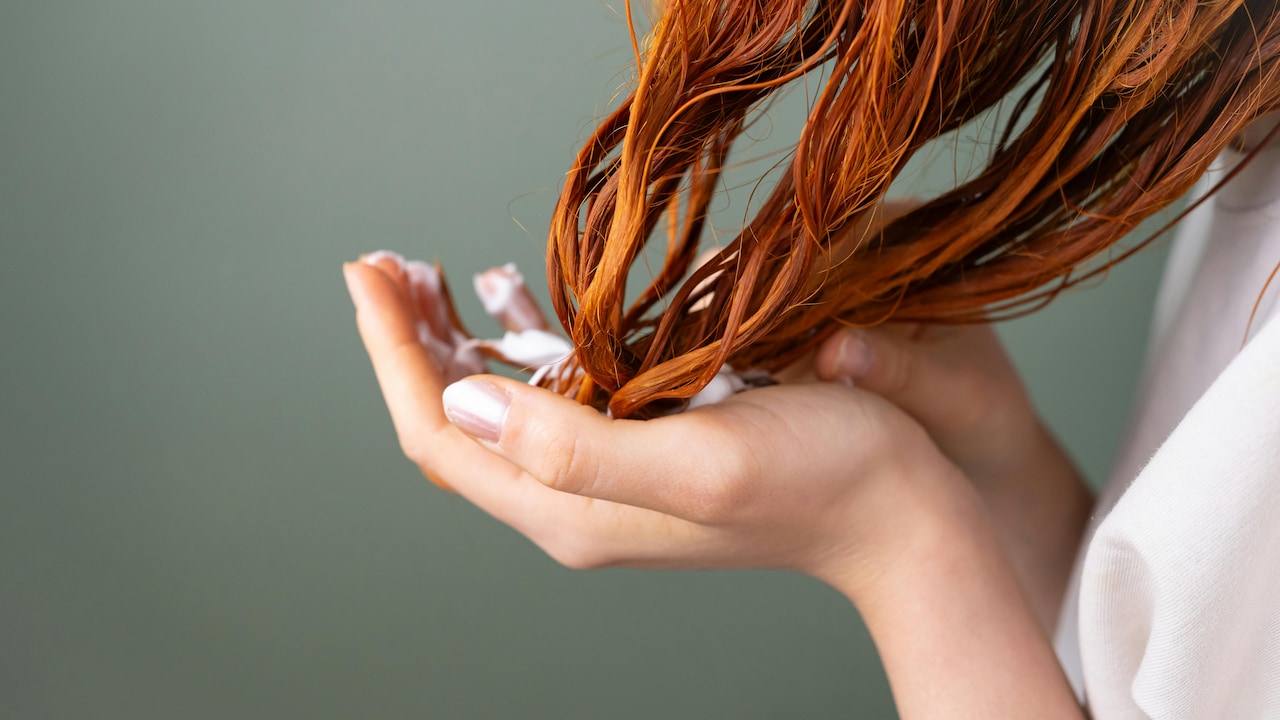
Conditioners Making Hair Limp And Flat? Over-Conditioning And How To Fix It
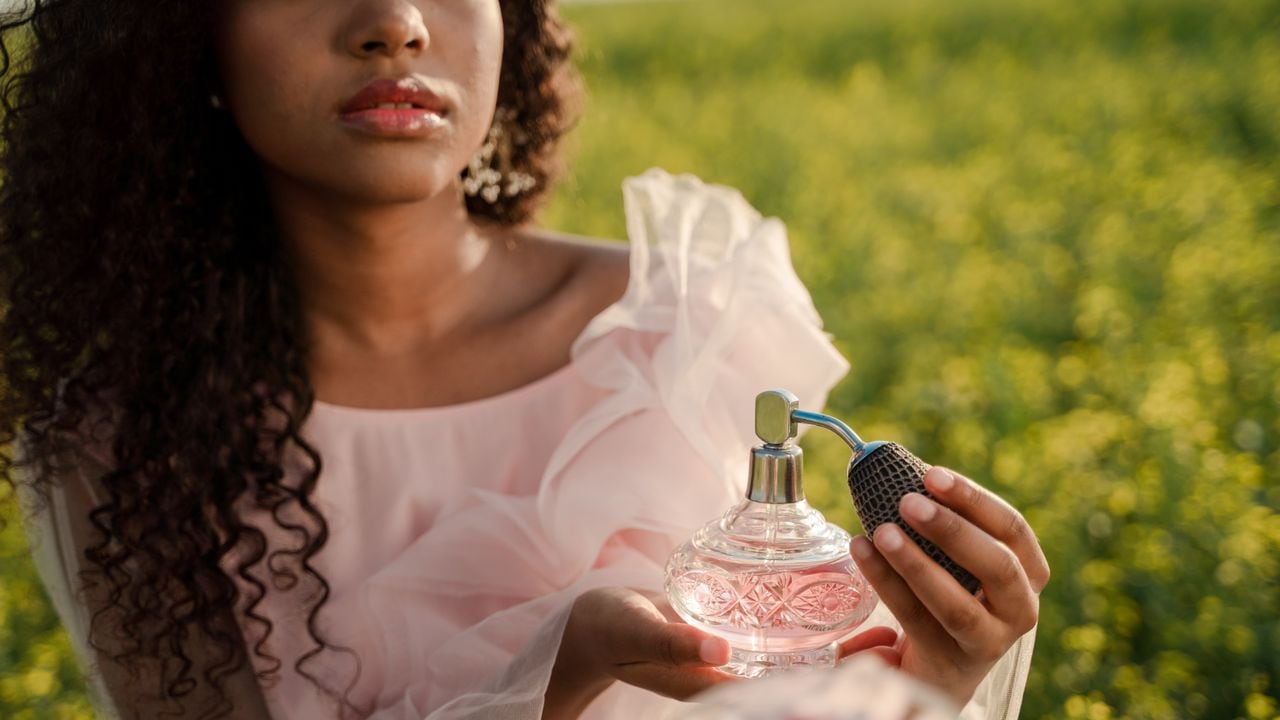
Photo Credit: Pexels
Why Hair Loses Volume And How Over-Conditioning Plays A Role
1. What Over-Conditioning Really Means
Over-conditioning does not equal soft hair. It means hair carries too much product residue or moisture, which weighs strands down. Conditioners coat the hair shaft to reduce friction and dryness. When that coating builds up, hair loses its natural spring.
Hair needs a balance between protein and moisture. Too much moisture makes strands overly elastic. They stretch but do not bounce back. This causes limpness, breakage, and a dull appearance. Hair feels smooth to the touch but looks lifeless.
Many routines unknowingly cause this issue. Daily conditioning, deep masks every week, leave-in creams, and serums all stack up. Each product adds another layer. Over time, hair struggles to breathe.
This problem affects all hair types. Fine hair shows it faster. Curly and textured hair feels heavy and stretched. Even oily scalps suffer, as excess conditioner slides up and collapses roots.
Understanding over-conditioning helps remove guilt. The intention stays good. The execution just needs a reset.
2. Signs That Hair Has Had Too Much Love
Hair sends clear signals when it feels overwhelmed. The trick lies in listening. Limp hair ranks first on the list. Volume disappears within minutes of styling. Roots sit flat even after washing.
Another sign appears during rinsing. Hair feels slimy or overly slick when wet, almost like soap never washed out. This texture hints at excess conditioning agents clinging to strands.
Drying takes longer, too. Over-moisturised hair holds water and refuses to dry quickly. Styling becomes frustrating. Curls drop. Waves lose definition. Straight hair sticks to the scalp.
Greasy ends confuse many people. Hair looks oily despite regular washing. The scalp may feel clean, yet the lengths look coated. This imbalance often comes from conditioner applied too close to the roots.
Hair also snaps easily when stretched. Elastic strands break instead of bouncing back. This shows moisture overload and protein deficiency.
Spotting these signs early prevents long-term damage and saves countless bad hair days.
3. Why Modern Conditioners Feel Too Heavy
Modern conditioners aim to impress quickly. They rely on rich butters, silicones, oils, and polymers that deliver instant smoothness. While effective, these ingredients build up easily.
Many formulas target dry or damaged hair. They suit chemically treated or heat-styled strands. On healthier hair, they feel like a winter coat in summer. Too much, too soon.
Marketing plays a role, too. “Intense repair” and “deep nourishment” sound irresistible. Using such products daily overwhelms hair that only needs light hydration.
Water quality adds another layer. Hard water minerals mix with conditioner residues. This creates a stubborn film that dulls hair and flattens roots.
Climate matters as well. Humid conditions push hair towards moisture overload faster. Hair absorbs water from the air, then receives conditioner on top of that.
Choosing lighter formulas and rotating products helps hair breathe and respond better over time.
4. How Hair Type Changes the Game
Hair type decides how much conditioning feels right. Fine hair needs the least. Lightweight conditioners or even skipping conditioner occasionally keep it buoyant. Heavy creams collapse fine strands instantly.
Medium hair tolerates more flexibility. It benefits from regular conditioning but reacts badly to masks used too often. Balance keeps it healthy and lively.
Thick or coarse hair craves moisture but still reaches a limit. Over-conditioning stretches curls and makes hair feel heavy. Defined textures lose their personality.
Chemically treated hair needs targeted care. Bleached or coloured strands love conditioning but also need protein to maintain strength. Moisture alone causes weakness.
Scalp type matters too. Oily scalps push conditioner down the shaft, increasing limpness. Dry scalps react better to careful, mid-length application.
Understanding hair type removes guesswork. It turns routine into strategy rather than habit.
5. Common Routine Mistakes That Cause Flat Hair
Conditioner habits often sabotage results. Applying conditioner from roots to ends ranks as the biggest mistake. Roots need cleansing, not coating.
Leaving conditioner on too long causes another issue. Most formulas work within two to three minutes. Longer contact does not equal better results. It only increases residue.
Using multiple conditioning products together piles on weight. Conditioner, mask, leave-in, serum, and oil in one routine overwhelms hair.
Skipping clarifying washes worsens build-up. Regular shampoos fail to remove heavy residues completely. Hair gradually suffocates.
Another mistake involves frequency. Daily washing and conditioning suits very few people. Hair rarely needs that level of intervention.
Small changes in routine create dramatic improvements. Less product often delivers better results.
6. How To Fix Over-Conditioned Hair Fast
The quickest fix starts with clarification. A clarifying shampoo removes build-up and resets hair. Using it once every two to three weeks works well for most people.
Next comes a conditioner break. Skipping conditioner for one or two washes helps hair regain balance. Hair may feel slightly rough initially, but bounce returns quickly.
Switching to a lightweight conditioner makes a difference. Look for gel-based or volumising formulas. These hydrate without heaviness.
Applying conditioner only from mid-lengths to ends protects roots. Using a small amount prevents overload.
Cold water rinses help close the cuticle. Hair appears shinier and feels lighter.
These steps revive hair without expensive treatments or salon visits.
7. The Role Of Protein In Restoring Bounce
Protein strengthens hair structure. It fills gaps in the cuticle and improves resilience. Over-conditioned hair often lacks protein.
Adding a protein treatment restores balance. These treatments firm up strands and improve elasticity. Hair regains its ability to hold shape.
Protein treatments should stay occasional. Once every three to four weeks works well. Too much protein makes hair stiff and brittle.
Reading labels helps. Ingredients like keratin, silk protein, or amino acids signal protein content.
Alternating between moisture and protein keeps hair responsive. This balance supports shine, strength, and volume.
Hair feels fuller and livelier when structure returns.
8. Styling Tips That Prevent Flatness
Styling habits influence how hair behaves after conditioning. Avoid heavy creams near the scalp. They weigh hair down instantly.
Choose volumising mousses or sprays for lift. These products support hair without coating it heavily.
Blow-drying technique matters. Lifting roots while drying creates natural volume. Drying hair upside down adds bounce.
Heat tools need moderation. Excess heat damages cuticles and encourages reliance on heavy conditioners later.
Letting hair air-dry occasionally reduces product dependency. Hair learns to behave naturally again.
Simple styling shifts complement improved hair care routines beautifully.
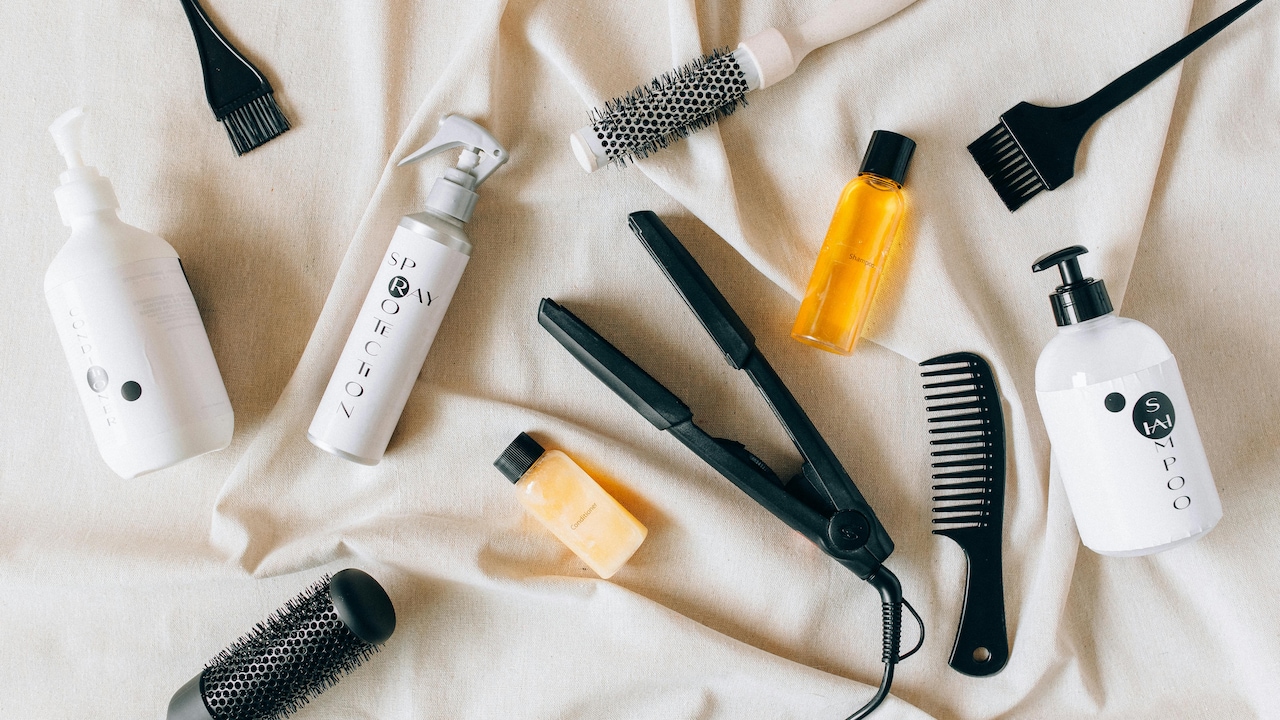
Conditioners Making Hair Limp And Flat? Over-Conditioning And How To Fix It
Photo Credit: Pexels
9. How Diet And Lifestyle Play A Subtle Role
Hair reflects overall health. Diets low in protein affect hair strength and structure. Balanced meals support resilient strands.
Hydration matters too. Dehydrated bodies produce dull hair that overcompensates with heavy products.
Stress influences oil production and hair texture. Stressful weeks often lead to greasy roots and flat hair.
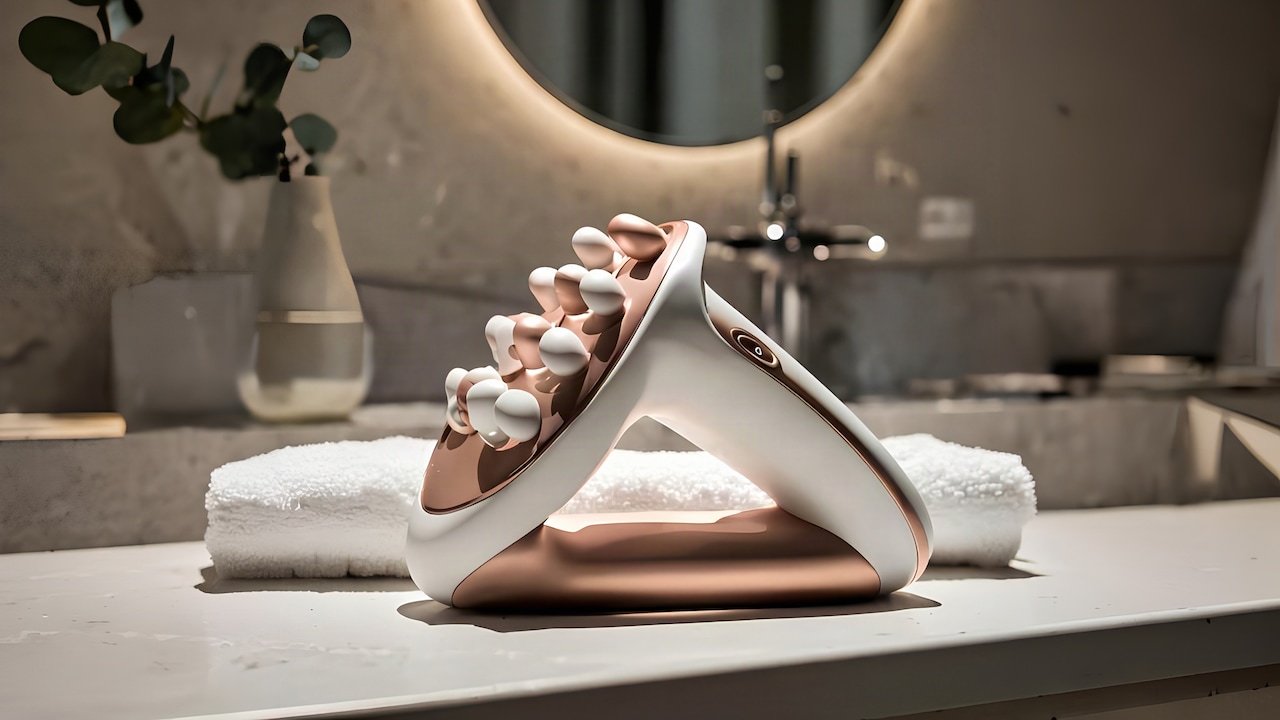
Regular scalp massages improve circulation. They support healthy growth and reduce reliance on heavy conditioners.
Lifestyle tweaks quietly enhance hair quality over time. They support external care rather than fighting it.
10. Building A Balanced Hair Care Routine
Balance keeps hair happy. Start with understanding hair needs and adjust products accordingly. Rotate between light and nourishing formulas.
Limit deep conditioning to when hair truly feels dry or damaged. Treat it as a solution, not a routine step.
Clarify regularly. Resetting hair keeps products effective and predictable.
Listen to hair signals. Flatness, dullness, or breakage indicate imbalance.
A thoughtful routine saves time, money, and frustration. Hair responds with movement, shine, and personality.
Consistency beats complexity every time.
Products Related To This Article
1. L'Oreal Paris Fresh Hyaluron Moisture 72HR Moisture Sealing Conditioner Powered By Hyaluronic Acid
2. Bare Anatomy Anti-Hair Fall Conditioner for Hair Fall with Redensyl
3. Re'equil Damage Repair Conditioner with Murumuru & Pea Protein
4. Moxie Beauty Ultra Hydrating Conditioner - Intense Nourishment with Triple Butter Blend
5. Plum Coconut Milk & Peptides Conditioner for Dull & Rough Hair
Conditioner does not ruin hair. Overuse does. Limp and flat hair signals a need for balance, not abandonment. Understanding how products interact with hair type, routine, and environment changes everything.
Less product often leads to better results. Strategic care restores bounce, definition, and confidence. Hair regains its natural rhythm when allowed to breathe.
A mindful approach transforms hair care from a guessing game into a satisfying ritual. The mirror reflects healthier, happier hair and fewer bad hair days to complain about.
(Disclaimer: This article may include references to or features of products and services made available through affiliate marketing campaigns. NDTV Convergence Limited (“NDTV”) strives to maintain editorial independence while participating in such campaigns. NDTV does not assume responsibility for the performance or claims of any featured products or services.)