Hair Dryers That Do Not Leave Your Hair Frizzy: What Ionic Technology Really Does
Ionic hair dryers promise smoother, frizz-free hair, but how do they work? This guide breaks down the science, benefits and what to look for before buying one.
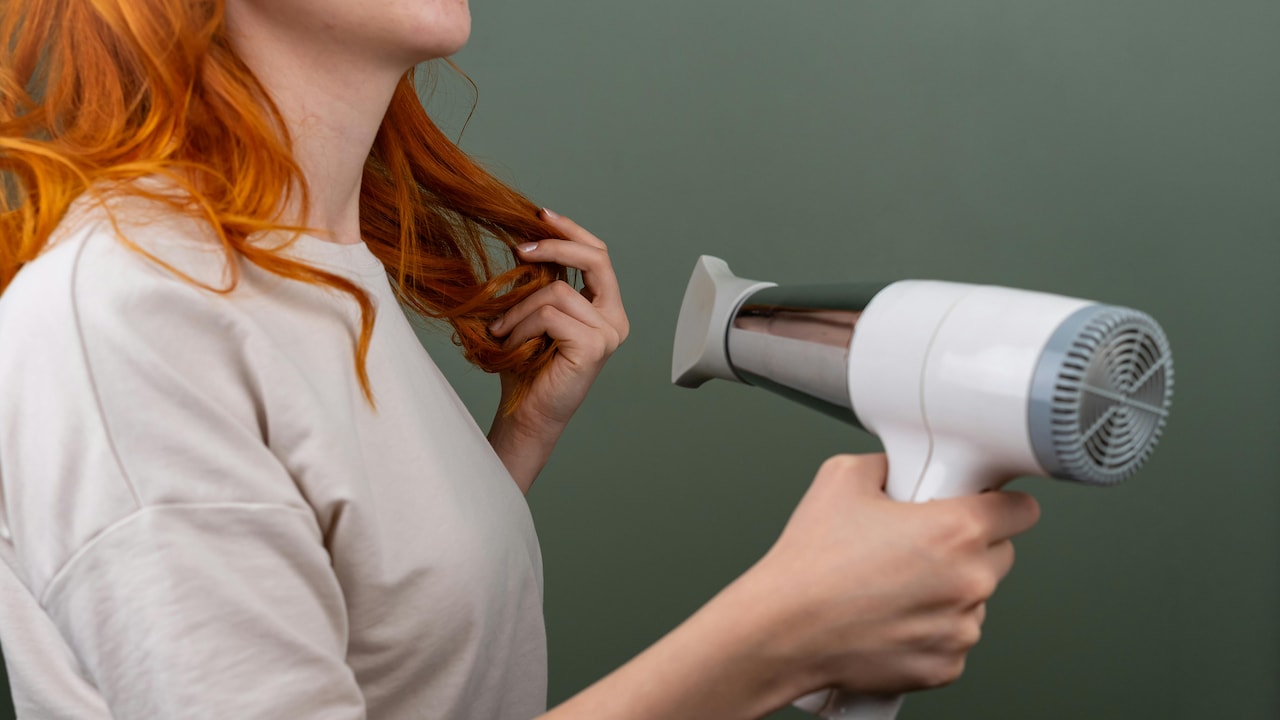
Do Ionic Hair Dryers Reduce Frizz? Benefits, Science, And Buying Guide
Few things test patience quite like stepping out after a careful blow-dry, only to have hair puff up the moment humidity hits. The mirror tells one story at home; the outside world tells another. From rushed weekday mornings before a crowded local train ride to getting ready for a festive evening, hair often refuses to cooperate.
Enter ionic hair dryers, a term that sounds technical, almost futuristic, yet appears on nearly every mid-range to premium styling tool today. Salespeople swear by it. Packaging highlights it. Salon professionals casually mention it as if it's common knowledge. But what does ionic technology really do, and more importantly, does it actually help reduce frizz?
Understanding this technology is less about science class nostalgia and more about making better choices for everyday grooming. Because when the right tool meets the right technique, the difference shows, not just in appearance, but in how hair feels throughout the day.
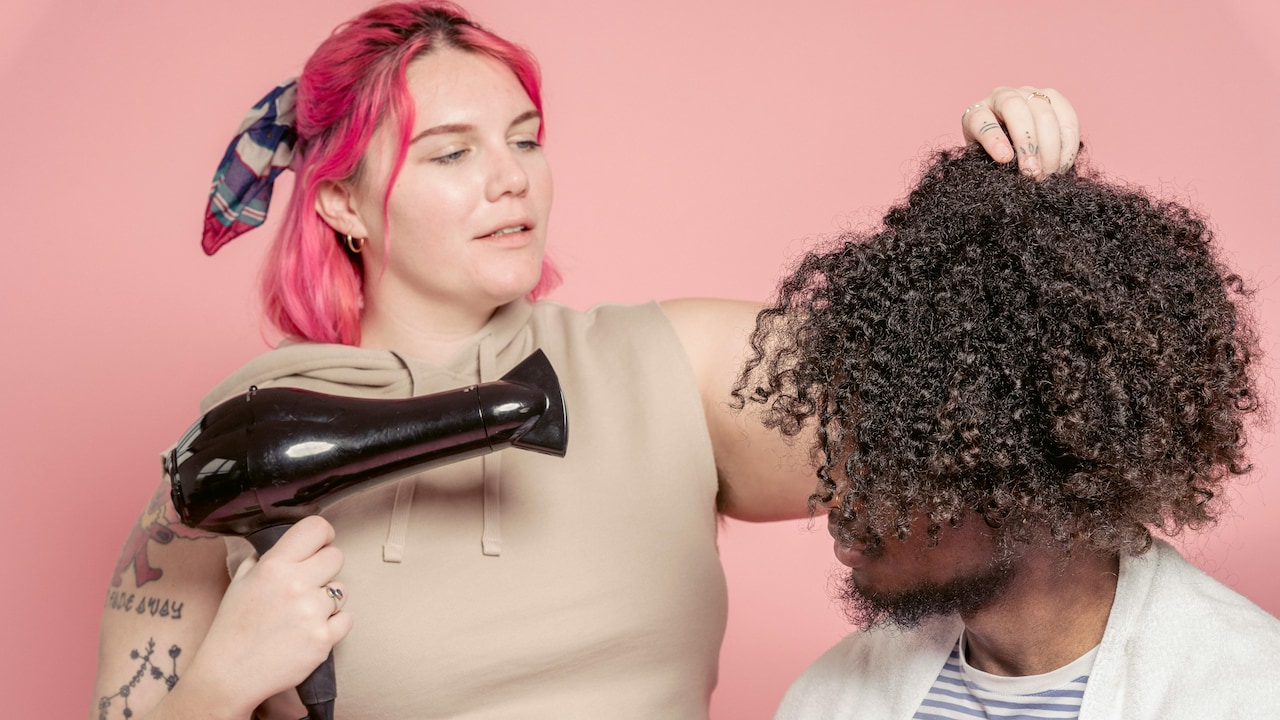
Do Ionic Hair Dryers Reduce Frizz? Benefits, Science, And Buying Guide; Photo Credit: Pexels
Understanding How Ionic Hair Dryers Reduce Frizz
The Science Behind Ionic Technology
At its core, ionic technology revolves around charged particles, specifically negative ions. Hair, especially when wet, carries positive charges. These charges cause strands to repel each other, which results in that familiar halo of frizz.
Ionic dryers release negative ions into the airflow. These ions break down water molecules into smaller droplets, allowing hair to dry faster. At the same time, they neutralise the positive charges in hair. This reduces static and helps strands lie flatter and smoother.
Think of it like calming a room full of restless people. Instead of chaos, there's order. Hair appears sleeker not because it's forced into shape, but because its natural structure aligns better. The effect feels subtle at first, but noticeable over time, especially in humid weather, where frizz tends to thrive.
Why Traditional Hair Dryers Cause Frizz
Older or basic hair dryers rely primarily on heat. They blast hot air onto wet hair, evaporating moisture quickly but unevenly. This process often lifts the hair cuticle, the outer layer of each strand, making it rough and prone to frizz.
When the cuticle remains open, moisture from the air sneaks back in. That's when hair swells and loses its smooth finish. It explains why a neat blow-dry can turn unruly during a short walk outdoors, especially during monsoon season.
Without ionic support, dryers also tend to overdry certain sections while leaving others slightly damp. This imbalance weakens hair over time. The result isn't just frizz but also dullness and breakage. In comparison, ionic dryers aim for a more controlled drying process, reducing these side effects significantly.
Also Read: 5 Best 2000W Hair Dryers For Quick Salon-Style Hair At Home Under ₹2,600
Faster Drying Without Excess Heat
One of the biggest advantages of ionic dryers lies in speed. By breaking water molecules into finer particles, they allow moisture to evaporate more efficiently. This reduces drying time, which indirectly protects hair from prolonged heat exposure.
Less time under heat means less damage. It's a simple equation, yet often overlooked. Hair doesn't just need styling, it needs protection from everyday wear and tear.
Consider a typical morning routine. Between managing breakfast, commuting, and getting ready for work, time always feels short. A dryer that cuts drying time by even five minutes can make a noticeable difference. More importantly, it ensures hair doesn't suffer from unnecessary heat stress, which often leads to dryness and frizz later in the day.
How Ionic Dryers Lock In Moisture
Contrary to what many assume, good hair care isn't about removing all moisture; it's about retaining the right amount. Ionic dryers help achieve this balance by sealing the cuticle layer.
When the cuticle lies flat, it traps moisture inside the hair shaft. This keeps hair hydrated, smooth, and naturally shiny. Instead of feeling straw-like or brittle, hair feels soft and manageable.
This feature proves especially useful for those dealing with dryness caused by frequent washing, heat styling, or environmental exposure. Rather than stripping hair of its natural oils, ionic dryers support a healthier finish. The difference becomes clear when hair remains smooth hours after styling, even in less-than-ideal weather conditions.
The Real Impact On Frizz Control
Frizz often stems from uneven moisture levels and raised cuticles. Ionic technology tackles both issues simultaneously. By ensuring even drying and sealing the hair surface, it reduces the chances of frizz forming in the first place.
The improvement doesn't feel dramatic like a salon treatment, but it builds consistency. Hair behaves better. It holds its shape longer. There's less need for serums or repeated touch-ups throughout the day.
Imagine stepping out for an evening function during peak humidity and not worrying about hair expanding within minutes. That sense of reliability is what makes ionic dryers appealing. They don't promise perfection, but they significantly improve control over everyday styling challenges.
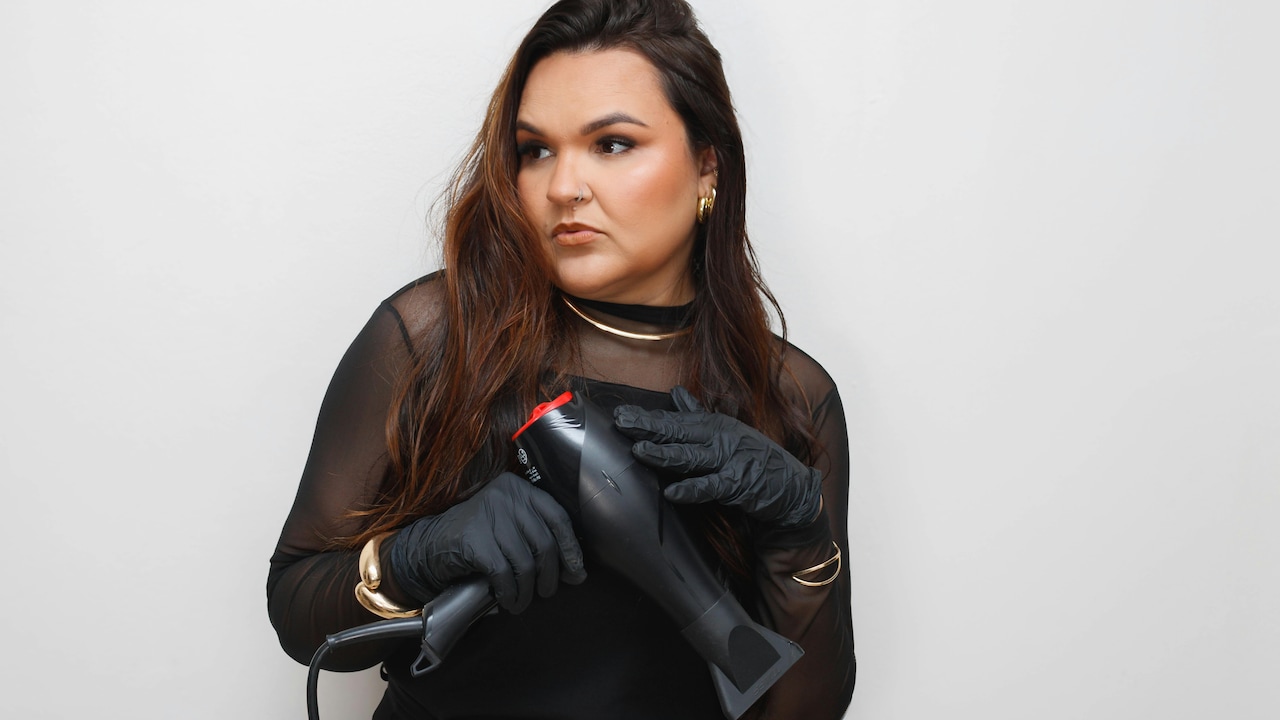
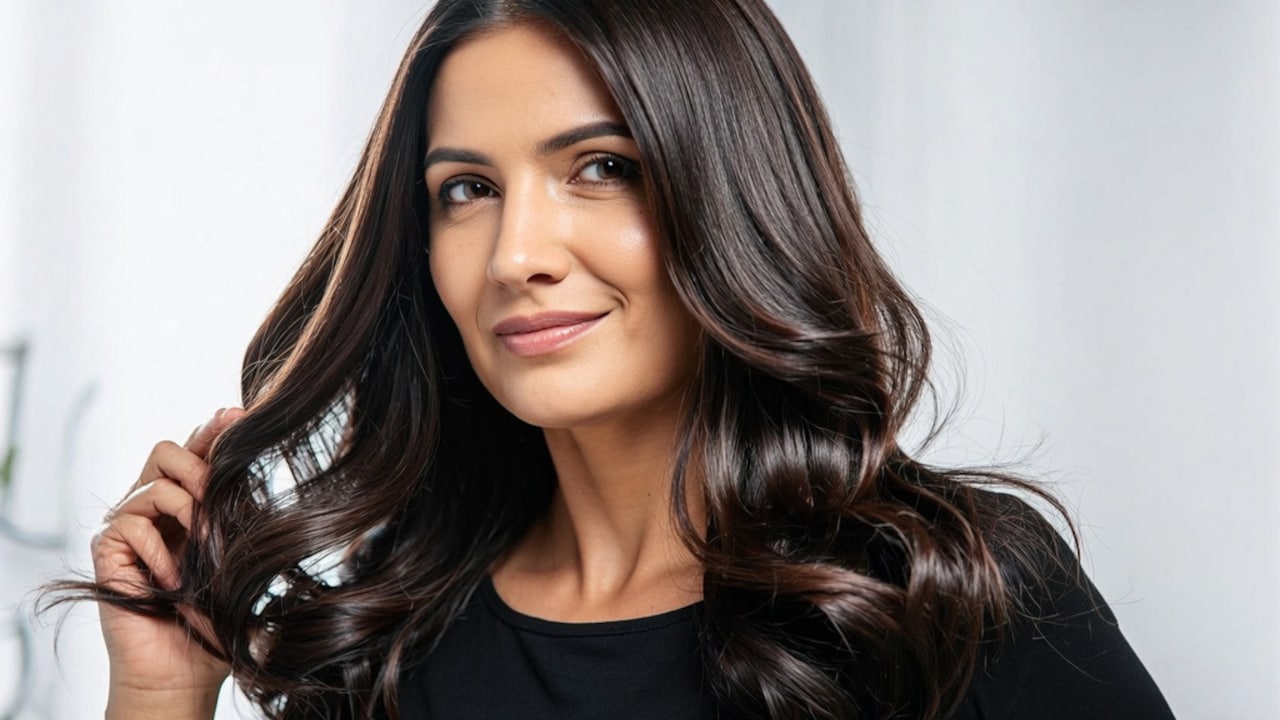
Do Ionic Hair Dryers Reduce Frizz? Benefits, Science, And Buying Guide; Photo Credit: Pexels
Suitability For Different Hair Types
Not all hair reacts the same way to styling tools. Fine hair, thick curls, and chemically treated strands each come with its own set of concerns. Ionic dryers tend to work well across most hair types, but the results vary slightly.
Fine hair benefits from reduced static and smoother texture without looking flat. Thick or curly hair sees faster drying times and better definition. Chemically treated or coloured hair retains more moisture, which helps maintain its condition.
However, those who rely on volume-heavy styles might find ionic dryers slightly flattening. In such cases, adjusting heat settings or using a diffuser attachment can help maintain balance. The key lies in understanding hair's needs rather than expecting a one-size-fits-all solution.
The Role Of Attachments And Settings
Technology alone doesn't guarantee results. How a dryer gets used matters just as much. Ionic dryers often come with attachments like concentrator nozzles and diffusers, each serving a specific purpose.
A concentrator directs airflow precisely, helping achieve sleek styles. A diffuser spreads air evenly, making it ideal for curls or waves. Combined with adjustable heat and speed settings, these features allow better control over styling.
Using high heat indiscriminately can still cause damage, even with ionic support. Lower settings paired with steady airflow often produce better results. It's less about rushing and more about working with the hair's natural texture.
Cost Versus Value: Are Ionic Dryers Worth Money?
Ionic dryers usually cost more than basic models. Prices can range anywhere from ₹1,500 to ₹6,000 or more, depending on brand and features. The question often arises, does the technology justify the price?
For occasional users, a basic dryer might suffice. But for regular styling, the benefits add up quickly. Reduced frizz means less spending on styling products. Faster drying saves time. Healthier hair reduces the need for frequent salon treatments.
Viewed over time, the investment feels more practical than indulgent. It's less about luxury and more about convenience and care. A good dryer becomes part of a routine that supports better hair health without constant effort.
Common Myths Around Ionic Technology
Despite its popularity, ionic technology often gets misunderstood. One common myth suggests it completely eliminates frizz. In reality, it reduces frizz significantly but doesn't replace proper hair care.
Another misconception is that more ions equal better results. While higher ion output can enhance performance, factors like heat control, build quality, and airflow matter just as much.
Some also believe ionic dryers damage hair due to faster drying. The opposite holds true. By reducing exposure time, they actually minimise heat damage. Understanding these nuances helps set realistic expectations and avoid disappointment.
Choosing The Right Ionic Hair Dryer
Selecting the right dryer involves more than picking the most expensive option. Features like multiple heat settings, a cool shot button, and an ergonomic design make a noticeable difference in everyday use.
Lightweight models suit those with longer styling routines. Durable builds ensure longevity. Brand reputation can help, but personal comfort often matters more.
Before buying, it helps to consider how often the dryer will be used and what styling goals matter most. A thoughtful choice ensures the tool becomes a reliable companion rather than another unused gadget tucked away in a drawer.
Products Related To This Article
1. VEGA 1400 Watts Hair Dryer With Ionic Technology & Cool Shot Button
2. Philips ThermoProtect HP8100/60 Hair Dryer Quick Drying 1000W
3. BEARDO Studio Professional Tornado Hair Dryer
4. Ikonic Me Mini Vibe Hair Dryer with Overheat Protection System & Foldable Handle
5. BBLUNT 1400W Hair Dryer With Quick & Powerful Drying
Frizz has long felt like an unavoidable part of hair care, especially in climates where humidity plays spoilsport. Ionic technology doesn't eliminate the problem, but it changes how manageable it becomes.
By working at a structural level, balancing charges, sealing cuticles, and reducing drying time, ionic dryers offer a smarter approach to styling. They don't demand complicated techniques or endless products. Instead, they support hair in behaving closer to its natural best.
The result isn't just smoother hair, but a smoother routine. And sometimes, that's exactly what makes all the difference.
(Disclaimer: This article may include references to or features of products and services made available through affiliate marketing campaigns. NDTV Convergence Limited (“NDTV”) strives to maintain editorial independence while participating in such campaigns. NDTV does not assume responsibility for the performance or claims of any featured products or services.)