Best Niacinamide Serums: Causes Of Breakouts And How To Prevent Skin Irritation
Niacinamide serums promise clear skin, but some trigger breakouts. Discover why reactions happen, how to choose the right formula and simple ways to avoid irritation for healthier, balanced skin.
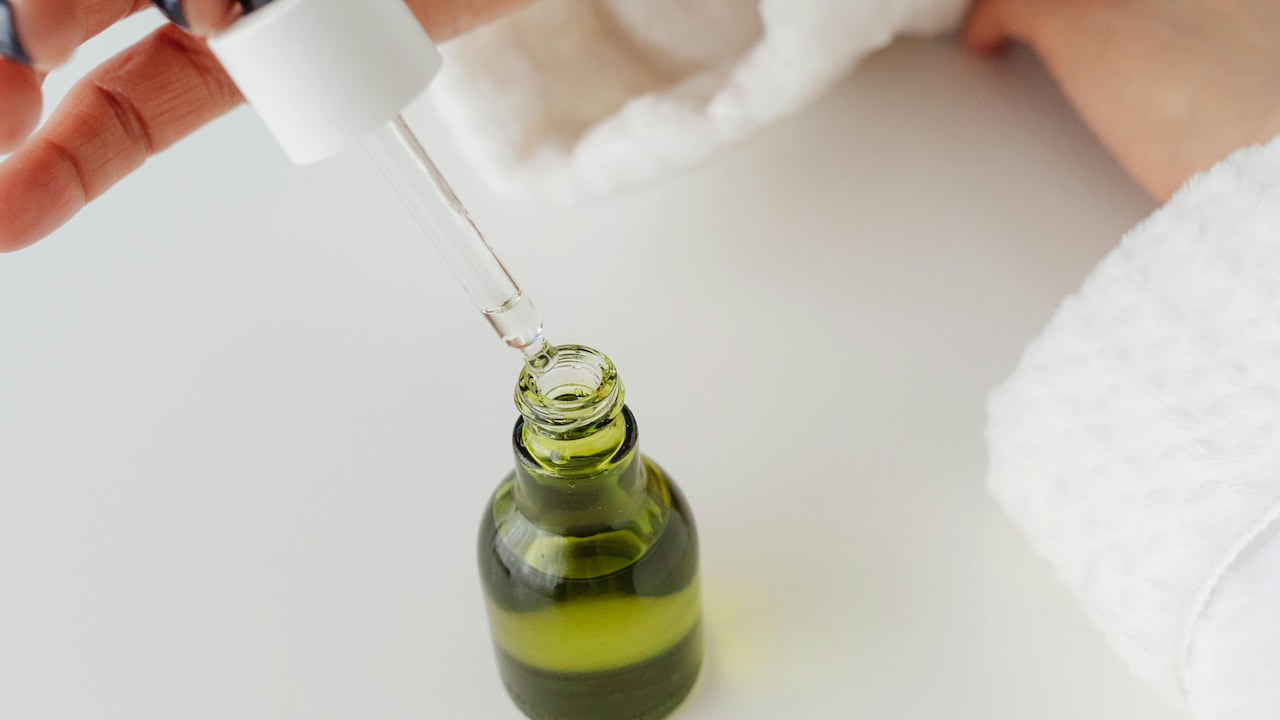
Best Niacinamide Serums: Why Some Cause Breakouts And How To Avoid Skin Irritation.
Niacinamide sits comfortably on the top shelf of skincare favourites. It claims to do everything, control oil, refine pores, brighten dull skin, and even calm angry breakouts. Sounds like a dream, doesn't it? Yet, for many, the experience turns confusing. A new serum enters the routine, and instead of calm, clear skin, the mirror shows tiny bumps, redness, or sudden breakouts.
The confusion deepens because niacinamide itself enjoys a reputation for being gentle and beginner-friendly. So why do some people react badly to it? The answer rarely lies in one simple reason. Skincare, much like cooking, depends on ingredients, proportions, and timing. A pinch too much, or the wrong combination, can change everything.
This piece unpacks the science, the myths, and the practical realities of niacinamide serums. It also offers grounded advice on avoiding irritation without giving up on a powerful ingredient that, when used correctly, can transform skin health.
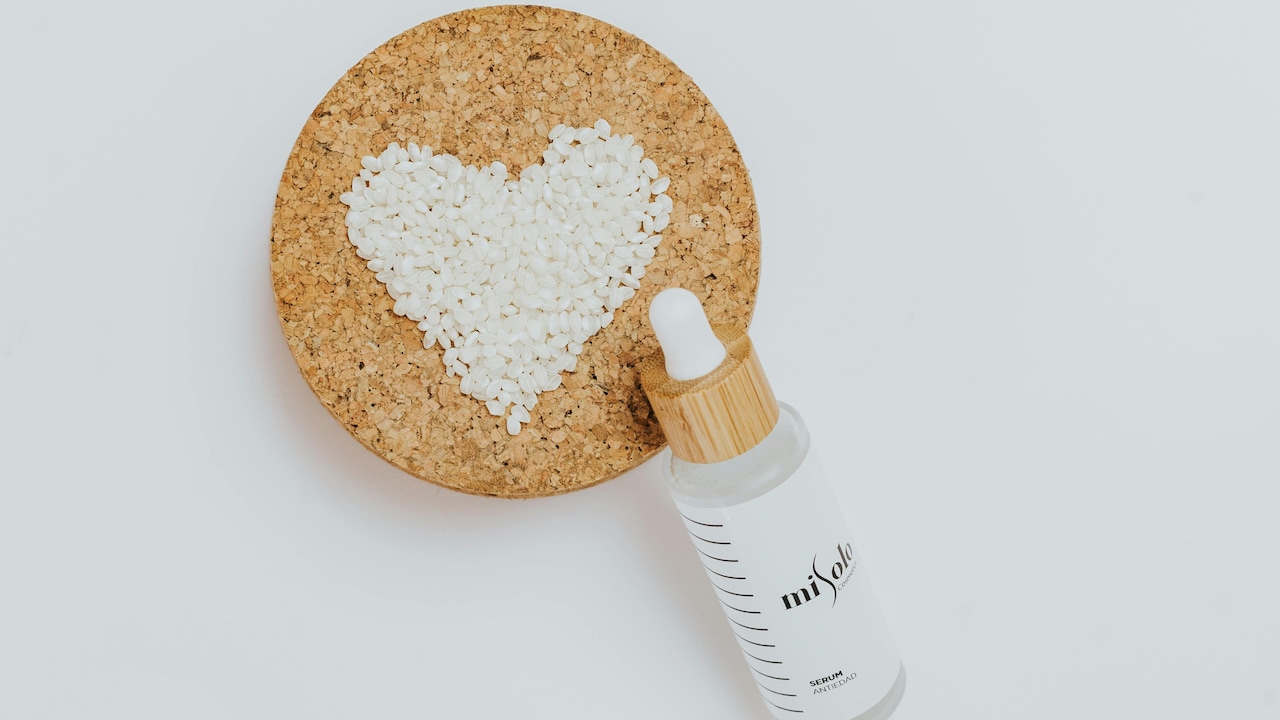
Best Niacinamide Serums: Why Some Cause Breakouts And How To Avoid Skin Irritation
Photo Credit: Pexels
Understanding What Niacinamide Really Does
Niacinamide, a form of Vitamin B3, works quietly but effectively beneath the skin's surface. It strengthens the skin barrier, reduces water loss, and improves overall texture. For anyone dealing with humid weather, pollution, or long days outdoors, this strengthening effect proves invaluable.
Unlike flashy ingredients that promise overnight miracles, niacinamide builds results gradually. It regulates sebum production, which helps those struggling with oily skin and clogged pores. Over time, it also softens the appearance of fine lines and uneven tone.
However, its gentle reputation sometimes leads to overuse. Many assume that because it feels mild, more must be better. That assumption often backfires. Skin thrives on balance, not excess. Niacinamide supports the skin, but it cannot compensate for an overloaded routine filled with active ingredients.
Understanding its role helps set realistic expectations. It works best as a steady companion rather than a dramatic hero. When treated with patience and respect, it rewards the skin with resilience and clarity.
Why Some Niacinamide Serums Trigger Breakouts
A serum labelled “niacinamide” rarely contains only niacinamide. Most formulas include stabilisers, preservatives, and additional actives. Sometimes, these extras, not the niacinamide, trigger breakouts.
High concentrations often cause trouble. Many brands push 10% or higher formulas, assuming stronger equals better. In reality, concentrations around 2–5% often deliver excellent results without overwhelming the skin. A sudden jump to a high percentage can disrupt the skin barrier, leading to irritation or tiny bumps that resemble acne.
Texture also plays a role. Thick, silicone-heavy serums may clog pores, especially in hot and humid climates where sweat already challenges the skin. Add dust and long commutes, and the situation worsens.
There's also the issue of layering. Combining niacinamide with too many actives, like strong acids or retinoids, can create unnecessary stress for the skin. The result often appears as breakouts, even though the root cause lies in overloading rather than the ingredient itself.
The Role Of Skin Type In Niacinamide Reactions
No two skin types behave the same way. What works beautifully for one person might irritate another within days. This becomes especially clear with niacinamide.
Oily skin usually tolerates niacinamide well. It helps regulate excess sebum and reduces shine. However, even oily skin can react if the formula feels too heavy or includes pore-clogging ingredients.
Dry or sensitive skin demands more caution. A high concentration can feel harsh, leading to redness or tightness. These reactions often get mistaken for breakouts, but they stem from irritation rather than acne.
Combination skin presents its own puzzle. A serum may suit the cheeks but trigger congestion around the T-zone. This uneven response makes it tempting to abandon the product altogether, even though a slight adjustment in application could solve the issue.
Understanding one's skin type changes everything. It allows smarter choices, reduces trial-and-error expenses, and prevents frustration. Skincare stops feeling like guesswork and begins to feel like a thoughtful routine.
How Concentration Levels Affect Skin Behaviour
The skincare market loves bold numbers. Labels boasting 10% or even 15% niacinamide grab attention instantly. Yet, skin rarely needs such high doses to benefit.
Lower concentrations often perform better in the long run. Around 2–5% provides enough support for oil control, barrier repair, and brightening without overwhelming the skin. Higher percentages can irritate, especially when introduced suddenly.
Think of it like adding spice to food. A small amount enhances flavour, but too much ruins the dish. Similarly, excess niacinamide can disrupt the skin's natural balance, leading to redness or breakouts.
Many people switch to stronger formulas, hoping for quicker results. Instead, they end up dealing with setbacks that take weeks to calm. A gradual approach works far better. Starting with a lower concentration and observing how the skin responds builds a stable foundation.
Patience might not sound exciting, but it often delivers the most consistent and satisfying results.
The Hidden Impact Of Other Ingredients In The Serum
Niacinamide rarely acts alone. It often shares space with ingredients like zinc, hyaluronic acid, or plant extracts. While these additions can enhance benefits, they can also introduce complications.
Zinc, for instance, helps control oil but may feel drying for some skin types. Fragrance, though appealing, often triggers irritation, especially in sensitive skin. Alcohol-based formulas can strip moisture, leading to rebound oil production.
Even seemingly harmless ingredients like essential oils can cause reactions. A serum may claim to soothe, yet the combination of multiple actives creates the opposite effect.
Reading ingredient lists becomes essential. It may seem tedious at first, but it saves both money and skin health in the long run. A ₹800 serum that suits the skin always beats a ₹1,500 product that causes problems.
Choosing simpler formulations often proves wiser. When fewer variables exist, it becomes easier to identify what works and what doesn't.
Why Over-Layering Skincare Leads To Irritation
Modern skincare routines often resemble elaborate rituals. Toners, essences, serums, ampoules, the list keeps growing. While each step promises benefits, layering too many products can overwhelm the skin.
Niacinamide, when combined with strong exfoliating acids or multiple active serums, can contribute to irritation. The skin struggles to process everything at once. Instead of glowing, it reacts with redness, sensitivity, or breakouts.
The temptation to try everything arises easily. New launches, trending ingredients, and glowing reviews create a sense of urgency. However, skin prefers consistency over complexity.
Simplifying the routine often resolves unexplained irritation. A gentle cleanser, a balanced serum, and a good moisturiser can do far more than an overloaded routine.
Skincare should feel calming, not chaotic. When the routine becomes too complicated, the skin often signals distress. Listening to those signals makes all the difference.
Spotting The Difference Between Purging And Breakouts
Not every reaction signals a problem. Sometimes, the skin undergoes a phase known as purging. This occurs when active ingredients accelerate cell turnover, bringing underlying congestion to the surface.
However, niacinamide does not typically cause purging in the same way as exfoliating acids. So, if new breakouts appear after introducing a niacinamide serum, the product may not suit the skin.
Breakouts linked to irritation often appear as small, uniform bumps or inflamed patches. They may also feel itchy or sensitive. In contrast, purging tends to occur in areas where breakouts usually appear.
Understanding this distinction prevents unnecessary confusion. Many people continue using a product, hoping the skin will “adjust,” only to worsen the condition.
When in doubt, reducing usage or pausing the product helps clarify the situation. Skin rarely lies; it simply needs attention and patience to decode its signals.
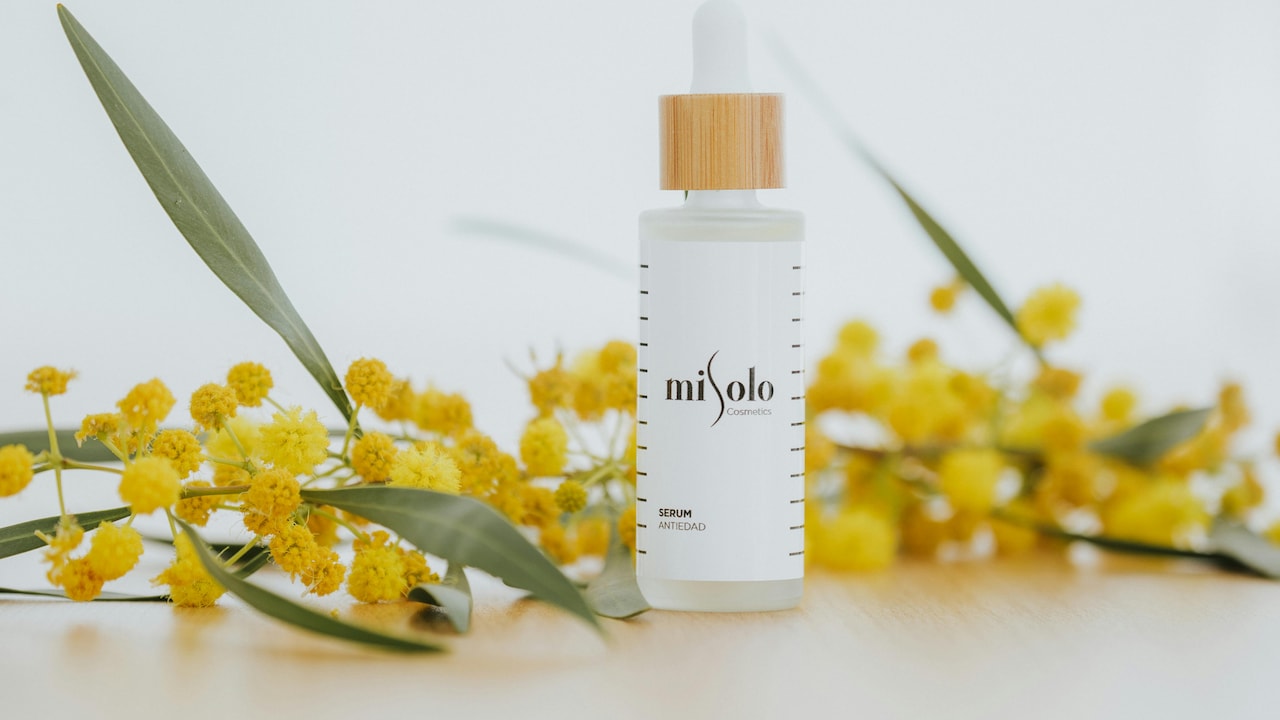
Best Niacinamide Serums: Why Some Cause Breakouts And How To Avoid Skin Irritation
Photo Credit: Pexels
How To Introduce Niacinamide Safely Into A Routine
Introducing a new serum requires a thoughtful approach. Rushing often leads to unnecessary setbacks.
Starting slowly works best. Applying the serum two to three times a week allows the skin to adjust. Gradually increasing frequency ensures better tolerance and reduces the risk of irritation.
Patch testing, though often ignored, proves extremely useful. A small test behind the ear or on the jawline reveals potential reactions before the product reaches the entire face.
Pairing niacinamide with a gentle moisturiser enhances its benefits. A well-hydrated skin barrier responds better and shows fewer signs of irritation.
Timing also matters. Using niacinamide during a calm phase, rather than during active breakouts or sensitivity, improves outcomes. Skin responds better when it feels stable.
A careful introduction may seem slow, but it builds confidence. Instead of guessing, it allows clear observation of how the skin reacts.
Choosing The Right Niacinamide Serum For Your Needs
Not all serums suit every lifestyle or skin concern. Some focus on oil control, while others aim to brighten or hydrate. Choosing the right one requires clarity.
For oily skin, lightweight, water-based formulas work best. They absorb quickly and avoid adding extra heaviness. For dry skin, a serum combined with hydrating ingredients offers better comfort.
Price does not always determine quality. A well-formulated ₹600 serum can outperform a pricier option if it suits the skin's needs. Marketing often highlights percentages and buzzwords, but formulation matters far more.
Packaging also plays a role. Air-tight bottles preserve ingredient stability and reduce contamination. Small details like this often go unnoticed but make a difference over time.
The best serum is not the most popular one. It is the one that works quietly, consistently, and comfortably with the skin.
Products Related To This Article
1. Dermatouch 10% Niacinamide Serum For Acne & Blemishes
2. Proskire Skin Perfecting Niacinamide Serum
3. RELOVE By Revolution Blemish & Pore 10% Niacinamide Serum
4. PLIX THE PLANT FIX Set Of 2 Jamun Sunscreen SPF 50 - 50 g With Moisturizer
5. Smlkh Niacinamide Serum For Acne Marks
Niacinamide remains one of the most versatile and reliable skincare ingredients available today. Yet, its success depends on how it is used, not just what the label claims.
Breakouts and irritation often stem from factors beyond the ingredient itself, high concentrations, complex formulations, or overloaded routines. Understanding these nuances transforms frustration into clarity.
Skincare does not require constant experimentation or expensive products. It thrives on balance, patience, and attention to detail. When approached thoughtfully, niacinamide becomes less of a mystery and more of a dependable ally.
Clear skin rarely arrives overnight. It builds slowly, shaped by consistent choices and a willingness to listen to what the skin truly needs.
(Disclaimer: This article may include references to or features of products and services made available through affiliate marketing campaigns. NDTV Convergence Limited (“NDTV”) strives to maintain editorial independence while participating in such campaigns. NDTV does not assume responsibility for the performance or claims of any featured products or services.)