Rosemary Oil For Hair Growth? Here Is What Science Really Says
Does rosemary oil really help with hair growth? We explore scientific evidence, clinical studies and expert insights, plus where to buy trusted options.

Rosemary oil supports scalp health rather than promising instant regrowth.
Hair loss is rarely just cosmetic. For many people, it is bound up with identity, confidence and long‑term well being, which explains why the search for effective hair‑growth solutions has intensified like never before. In that landscape of serums, supplements and trending treatments, one ingredient keeps resurfacing with unusual persistence: rosemary.

Results with rosemary oil depend on consistency and formulation quality
Photo Credit: Pexels
Unlike viral hair hacks that burn bright and disappear just as quickly, rosemary has something most beauty trends lack, scientific attention spread across decades, not days. From peer‑reviewed studies to controlled human trials, this aromatic herb has gradually shifted from being a kitchen staple to a credible subject of dermatological research.
Also Read: Rihanna Brings Fenty Beauty To India, Hosts A Landmark Cultural Launch In Mumbai
So, can rosemary really help with hair growth? Or is its reputation running ahead of the evidence?
Here is what we actually know so far, grounded in science, stripped of exaggeration, and framed to help you make informed choices.
Why Hair Growth Is So Complex (And Why That Matters)
To understand rosemary's role, it helps to first understand how hair growth works.
Hair grows in cycles:
- Anagen (growth phase)
- Catagen (transitional phase)
- Telogen (resting and shedding phase)
Disruptions to this cycle, whether because of genetics, hormonal imbalance, oxidative stress, inflammation, poor circulation or nutritional deficiencies, can shorten the growth phase and accelerate shedding. This is why modern hair research increasingly focuses on scalp health and follicular environment, rather than the hair strand alone.
Any ingredient positioned as "supporting hair growth" must therefore be evaluated not by overnight results, but by how it interacts with the scalp's biological ecosystem.
This is precisely where rosemary becomes relevant.
Rosemary: A Botanical With Biochemical Depth
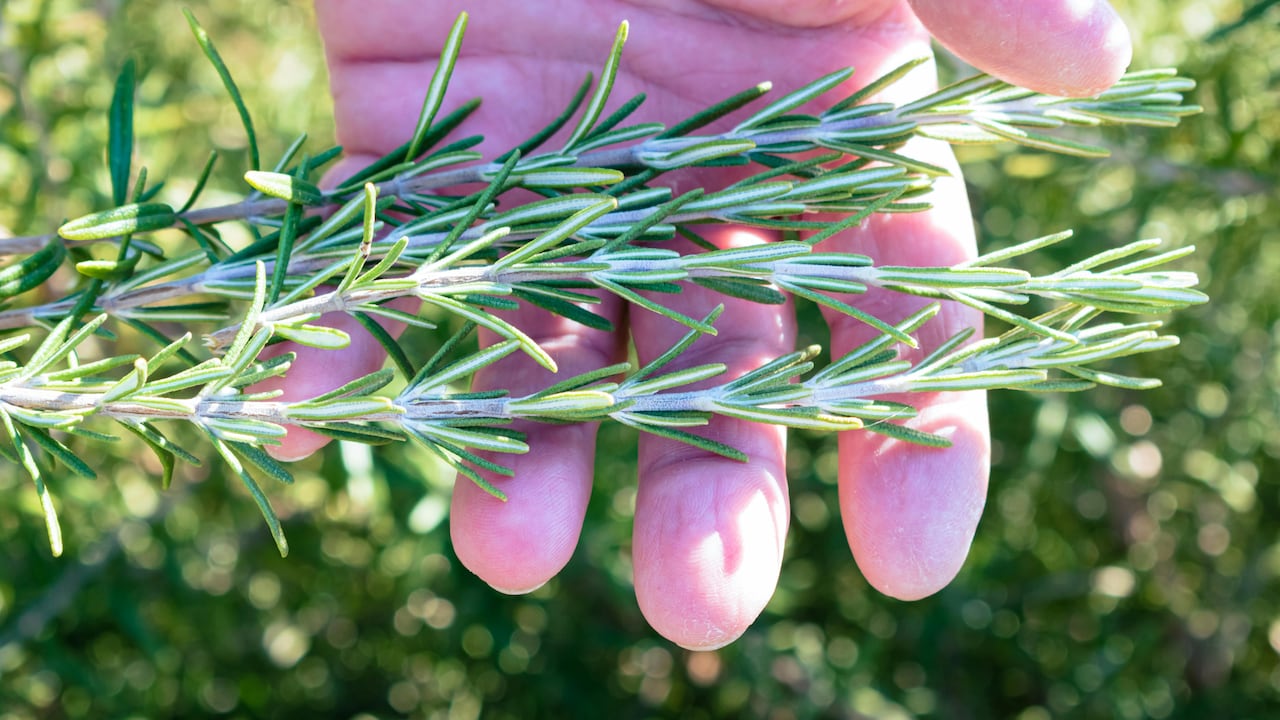
Rosemary works best as part of a long‑term hair‑care routine.
Photo Credit: Pexels
Rosemary is not simply a fragrant herb; it is a chemically complex plant containing several biologically active compounds. Among the most studied are carnosic acid, rosmarinic acid, caffeic acid and ursolic acid.
According to research published on ScienceDirect, these compounds exhibit antioxidant, anti‑inflammatory and antimicrobial properties, all of which are directly relevant to scalp health. Chronic scalp inflammation and oxidative stress are increasingly recognised as contributors to hair‑follicle dysfunction and premature shedding.
Rather than "stimulating" hair growth in a simplistic sense, rosemary appears to support healthier scalp conditions, allowing follicles to function more effectively over time.
The Study That Changed the Conversation: Rosemary vs Minoxidil
Rosemary's credibility in hair‑growth discussions largely stems from a randomised comparative clinical trial published in SKINmed January/February 2015 issue.
In this six‑month study, 100 individuals with androgenetic alopecia were divided into two groups. One group applied rosemary oil, while the other used 2% minoxidil, a widely recognised topical treatment.
At the three‑month mark, neither group showed significant improvement, a reminder that hair growth is inherently slow and cyclical. By the six‑month point, however, both groups demonstrated a statistically significant increase in hair count, with no meaningful difference between them.
An important nuance often overlooked in online summaries: the rosemary group reported significantly less scalp irritation and itching than the minoxidil group.
The takeaway is not that rosemary "beats" minoxidil. Instead, this study places rosemary in a rare category for botanical ingredients, supported by controlled human data, particularly for those seeking gentler long‑term options.
Managing Expectations: What Rosemary Can And Cannot Do
Responsible hair‑care conversations depend on realistic framing.
Based on current evidence, rosemary oil may:
- Support scalp circulation and follicular health
- Help temper inflammatory scalp conditions
- Contribute to improved hair density over consistent, long‑term use
What it does not do:
- Instantly reverse advanced hair loss
- Override genetic predisposition
- Replace medical treatment when clinically indicated
Hair growth is multifactorial, and rosemary performs best as one part of a wider scalp‑care routine, rather than as a standalone miracle solution.
Why Formulation Quality Makes A Difference
Scientific literature repeatedly highlights that efficacy is not only about the ingredient, but also about concentration, formulation and method of delivery.
Pure essential oils require careful dilution to avoid irritation, while professionally formulated hair oils are designed for regular topical use with controlled potency. Stability, sourcing and blending all influence how well rosemary performs on the scalp.
This makes trusted curation particularly important for consumers who want to experiment safely and sensibly.
Choosing Rosemary Hair Oils Wisely With Tira
For those interested in exploring rosemary‑based hair care, Tira offers a thoughtfully curated selection of rosemary oils and treatments from reputed brands, removing much of the guesswork.
From heritage Ayurvedic names like Kama Ayurveda, to cold‑pressed specialists such as Juicy Chemistry, botanical‑first brands like Soulflower, modern formulations from WishCare, and globally recognised names such as Kevin Murphy, Tira brings together options across price points and formulation philosophies.
What unites these products is not exaggerated promise, but an emphasis on ingredient transparency, scalp compatibility and consistent care, qualities that align closely with what hair science actually supports.
The Bottom Line: Rosemary as an Evidence‑Informed Choice
Rosemary's relevance in hair‑growth conversations is not the result of sudden hype. It reflects a broader shift in beauty towards ingredients that can withstand scientific scrutiny, even if they don't offer dramatic overnight transformations.
For individuals dealing with early thinning, scalp inflammation, or simply seeking to improve long‑term hair health, rosemary may represent a measured, research‑supported option worth considering.
And if you are ready to explore high‑quality rosemary hair oils from trusted brands, Tira makes it easy to begin.
Browse Tira's wide range of rosemary hair oils today and place your order, because informed hair care is always the best kind of self‑care.
Top Rosemary Oil And Essential Oil Available On Tira
1. Soulflower Pure And Natural Rosemary Lavender Healthy Hair Oil
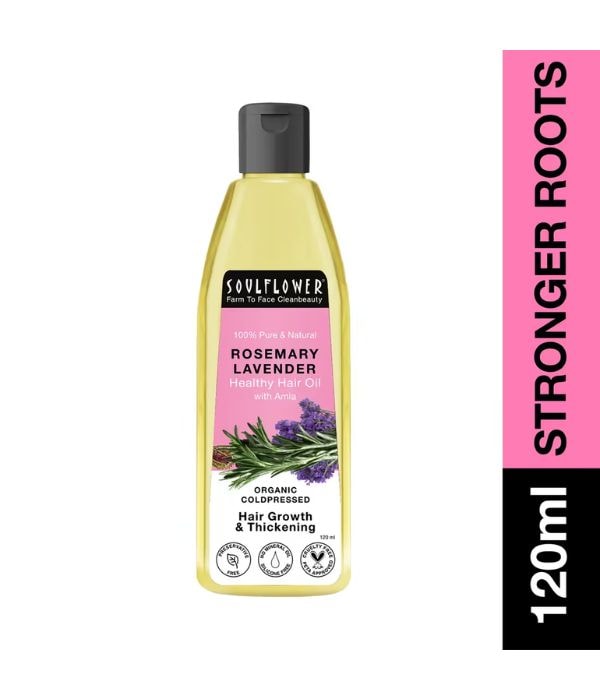
Click To Buy Soulflower Pure And Natural Rosemary Lavender Healthy Hair Oil
Photo Credit: Tira
2. Brillare 10% Rosemary Hair Oil
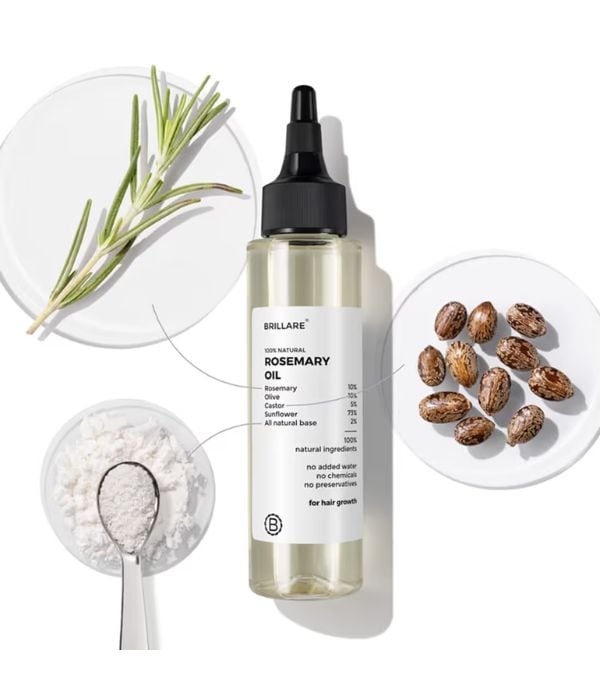
Click To Buy Brillare 10% Rosemary Hair Oil
Photo Credit: Tira
3. WishCare 100% Pure Rosemary Essential Oil
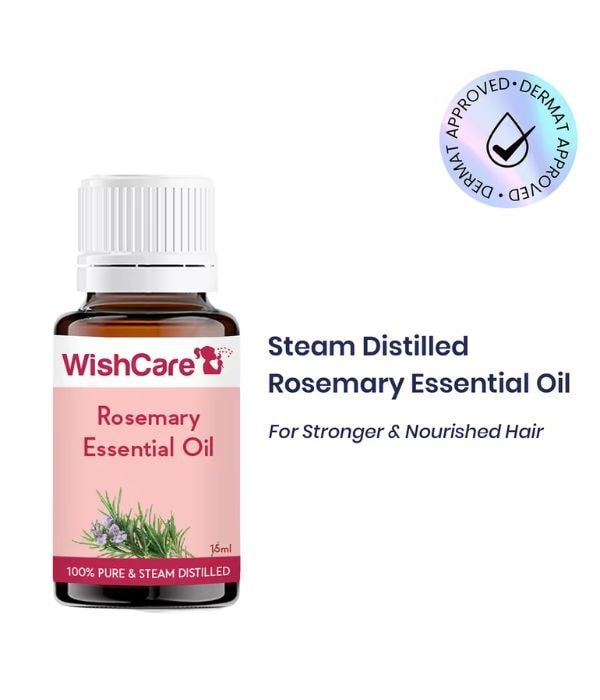
Click To Buy WishCare 100% Pure Rosemary Essential Oil
Photo Credit: Tira
4. Pilgrim Spanish Rosemary And Biotin Hair Growth Oil
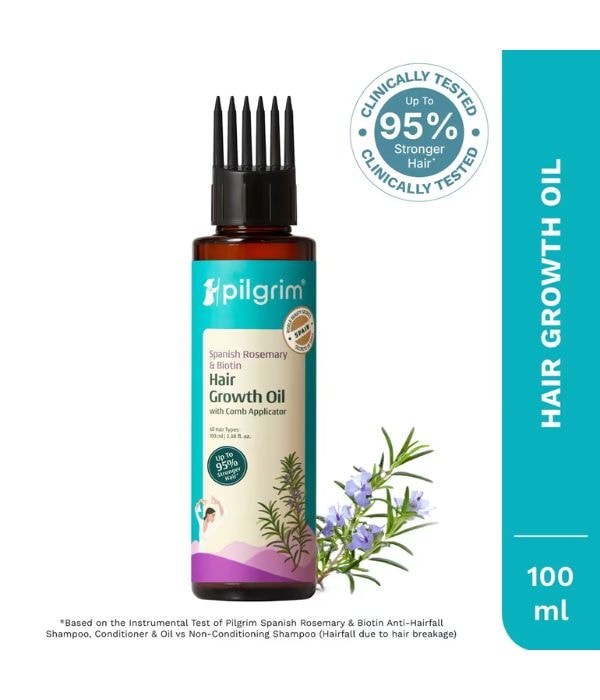
Click To Buy Pilgrim Spanish Rosemary And Biotin Hair Growth Oil
Photo Credit: Tira
5. Aravi Organic Rosemary Essential Oil
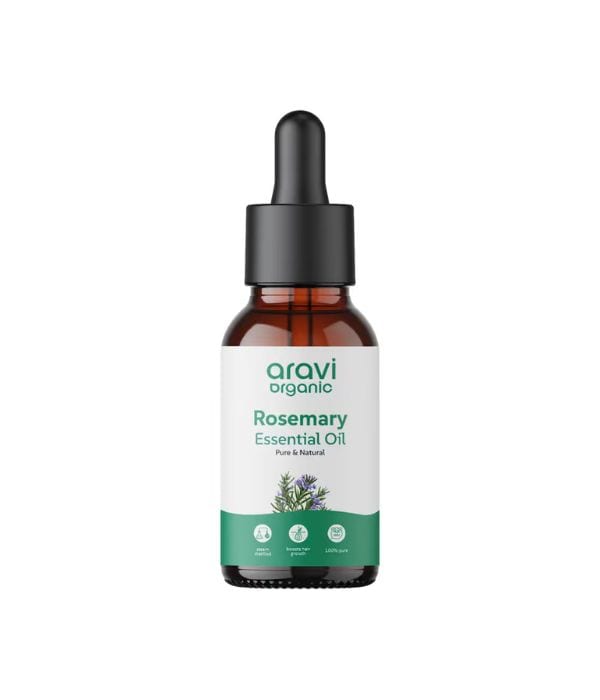
Click To Buy Aravi Organic Rosemary Essential Oil
Photo Credit: Tira
6. Beardo Rosemary Essential Oil
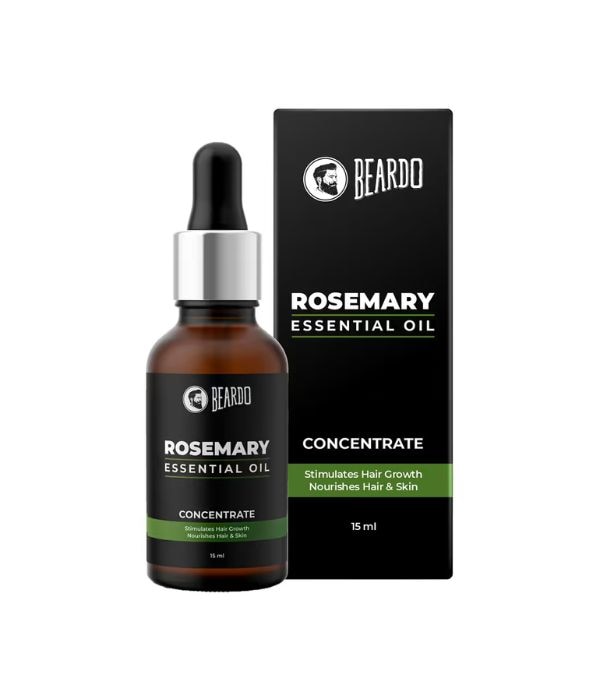
Click To Buy Beardo Rosemary Essential Oil
Photo Credit: Tira
7. Protouch PROGROW Hair Growth Oil With Rosemary And Methi
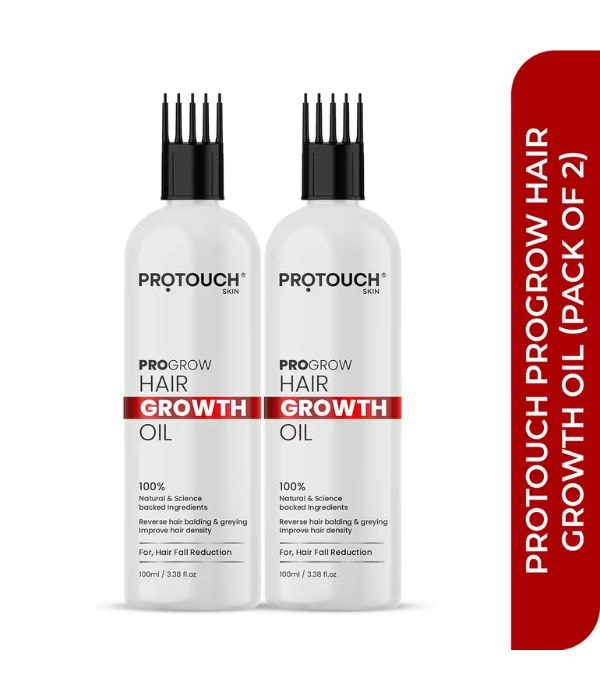
Click To Buy Protouch PROGROW Hair Growth Oil With Rosemary And Methi
Photo Credit: Tira
8. Soulflower Rosemary Redensyl Hair Growth Serum Pack Of 3 Combo
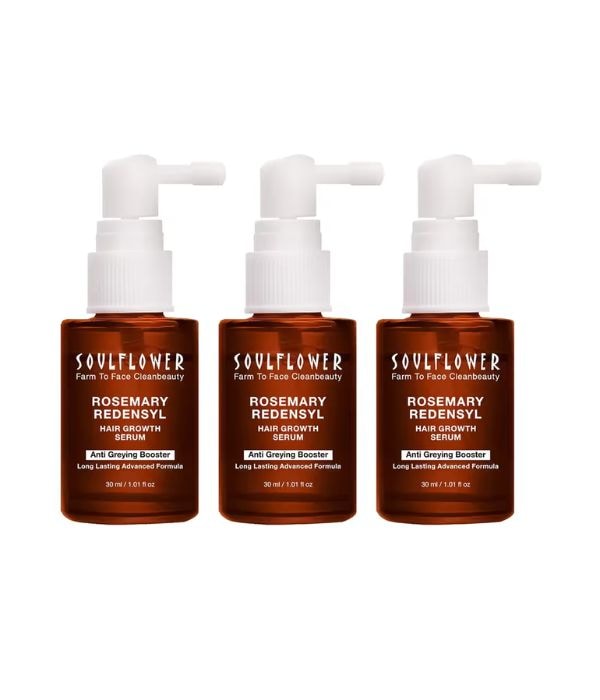
Click To Buy Soulflower Rosemary Redensyl Hair Growth Serum Pack Of 3 Combo
Photo Credit: Tira
Frequently Asked Questions (FAQs)
1. Does rosemary oil actually promote hair growth?
Scientific studies suggest rosemary oil may support hair growth by improving scalp circulation and reducing inflammation, though results vary between individuals.
2. How does rosemary oil compare to minoxidil?
A clinical study found that rosemary oil and 2% minoxidil showed similar hair‑count improvements after six months, with rosemary causing fewer reports of scalp irritation.
3. How long does rosemary oil take to show results?
Hair growth is gradual. Most studies observe changes only after consistent use for at least three to six months.
4. Is rosemary oil suitable for all hair types?
Generally yes, but concentration and formulation matter. Patch testing is recommended, especially for sensitive scalps.
5. Can rosemary oil stop hair loss completely?
No topical ingredient can guarantee complete hair regrowth. Rosemary oil is best viewed as a supportive, not curative, option within a broader hair‑care routine.
(Disclaimer: This article may include references to or features of products and services made available through affiliate marketing campaigns. NDTV Convergence Limited (“NDTV”) strives to maintain editorial independence while participating in such campaigns. NDTV does not assume responsibility for the performance or claims of any featured products or services.)