Summer Skincare Routine: Ingredients That Will Let Your Skin Breathe
A user-friendly guide to a summer skincare routine using breathable, lightweight ingredients that hydrate, protect, and prevent breakouts.

Summer skincare works best when it feels invisible on the skin.
By the time summer truly settles in, your skin often reacts before you do. A once-matte T-zone turns glossy by midday, makeup slides off even before lunch, and products that felt comforting in winter suddenly feel claustrophobic. The instinctive response is to scrub harder or skip moisturiser altogether, but summer skin doesn't want less care. It wants smarter care.
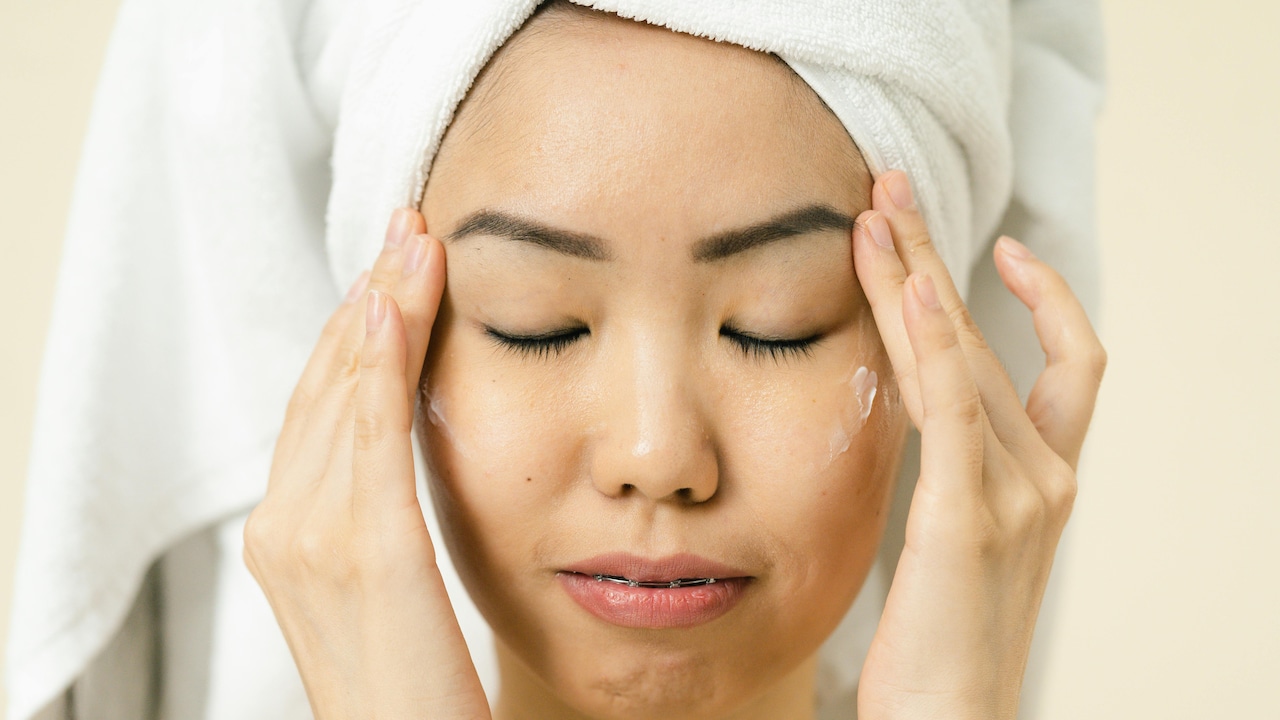
Breathable ingredients help skin regulate itself instead of fighting it.
Photo Credit: Pexels
A summer skincare routine isn't about adding more products; it's about choosing ingredients that understand heat, humidity and the skin's natural rhythm. When temperatures rise, oil production increases, pores remain more active, and sweat, a vital cooling mechanism, needs room to function. Heavy creams, overly rich oils and occlusive formulations can trap heat and congestion, leaving skin irritated, dull or breakout-prone.
Also Read: How To Introduce Peptides In Your Skincare Routine: A Complete Guide To Glowing Skin
The solution lies in breathable, lightweight skincare ingredients that hydrate, protect and support the barrier without weighing skin down. Think ventilation, not insulation.
Why Letting Your Skin Breathe Is Important In Summer
Although skin doesn't literally “breathe”, the term captures something important. In hot and humid weather, the skin's balance becomes fragile. Excess product buildup, compounded by sweat and pollution, can clog pores and disrupt the microbiome.
During summer, skin is also exposed to increased UV radiation, frequent cleansing and higher environmental stress. A breathable skincare routine helps regulate oil, calm inflammation and maintain hydration while allowing the skin to function naturally. This approach reduces the likelihood of heat rashes, fungal acne and sudden breakouts, even in those with typically resilient skin.
The goal isn't squeaky-clean skin or exaggerated glow. It's comfort, balance and resilience.
Lightweight Hydrators For A Summer Skincare Routine
Hydration is non-negotiable, even, and especially, in summer. Dehydrated skin often compensates by producing more oil, leading to congestion. The key is opting for humectants that attract moisture without leaving a heavy residue.
- Glycerin remains one of the most effective lightweight skincare ingredients. It draws water into the skin, works well in humid climates and doesn't feel greasy. Its formula versatility makes it ideal for almost all skin types.
- Aloe vera offers water-based hydration while soothing heat-induced irritation. It's particularly helpful for skin exposed to sun, pollution or frequent cleansing, providing comfort without occlusion.
- Hyaluronic acid, when formulated in gel or serum textures, hydrates without suffocating. Look for low- to mid-molecular weight versions to avoid stickiness in humid weather.
Apply hydrating products on slightly damp skin and follow with a light lotion rather than a heavy cream to lock in moisture without trapping heat.
Barrier Support Without Heavy Occlusives

Hydration doesn't have to mean heaviness, even in humid weather.
Photo Credit: Pexels
Many people associate barrier repair with thick creams, but summer calls for a lighter touch. The skin barrier still needs support, but without heavy occlusives that can trap sweat and bacteria.
- Niacinamide is a cornerstone summer skincare ingredient. At moderate concentrations, it strengthens the barrier, regulates sebum, reduces redness and refines the appearance of pores, all without adding weight. It's particularly beneficial for combination and oily skin types.
- Panthenol (pro‑vitamin B5) improves skin resilience and hydration while calming irritation. It's excellent for skin experiencing sensitivity due to heat or sun exposure.
- Ceramides, when suspended in gel-creams or lotions, reinforce the skin barrier while remaining breathable. Avoid balm-like textures in warmer months; opt for fluid emulsions instead.
Oil Control Ingredients That Don't Strip Skin in Hot Weather
Oil control in summer requires balance. Over-stripping the skin often backfires, triggering even more oil production.
- Green tea extract provides antioxidant protection while helping regulate sebum. Its anti-inflammatory properties make it suitable for acne‑prone or heat-sensitive skin.
- Zinc PCA helps control excess oil and supports the skin's microbial balance without the dryness associated with alcohol-based formulas.
- Willow bark extract, a gentle natural source of beta hydroxy acids, helps keep pores clear while remaining suitable for regular summer use. It offers mild exfoliation without the irritation that stronger acids can cause.
Gentle Exfoliation for Humid Weather
Exfoliation keeps skin fresh but should be approached cautiously in summer. Overdoing it can increase sensitivity and sun damage.
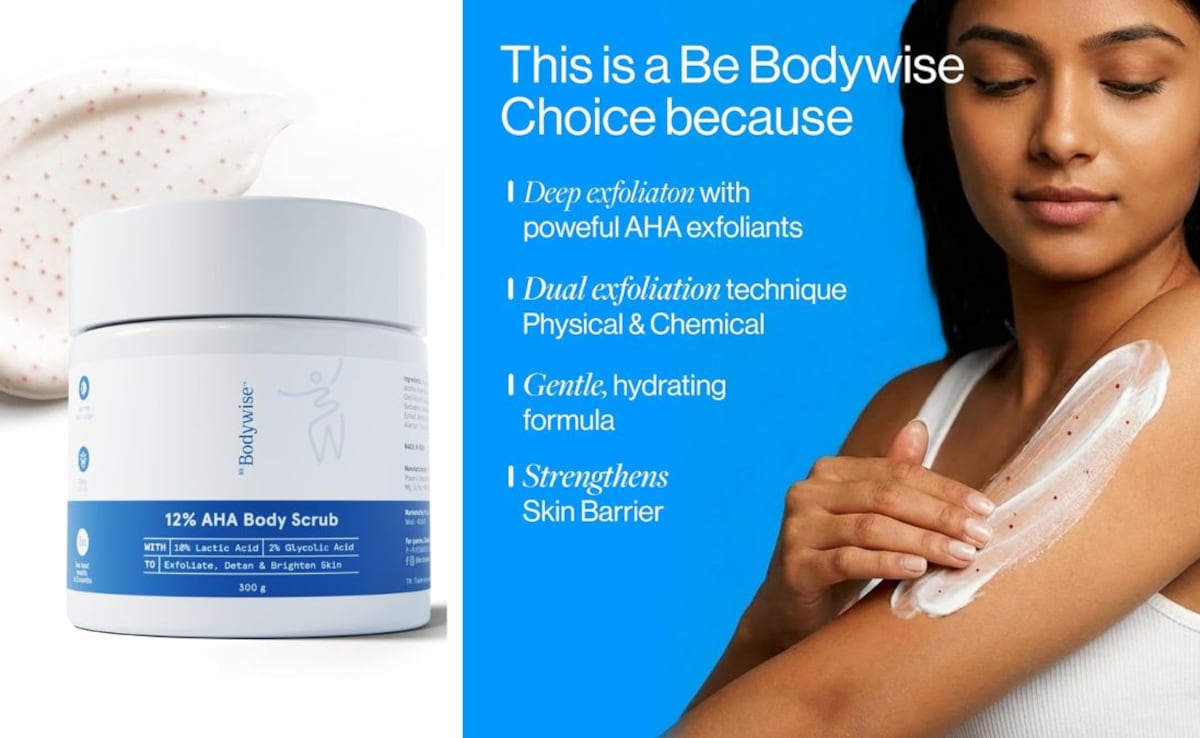
- Lactic acid, in low concentrations, offers gentle exfoliation while maintaining hydration, making it better suited to warm weather than stronger acids.
- Polyhydroxy acids (PHAs) exfoliate the skin's surface with minimal irritation and added hydrating benefits. They're especially appropriate for sensitive or post-sun skin.
Exfoliating once or twice a week is sufficient for most skin types during summer.
Summer Sunscreen That Feels Lightweight and Non‑Comedogenic
Sunscreen is essential year‑round, but texture becomes critical in summer.
- Mineral sunscreens with zinc oxide or titanium dioxide often suit sensitive skin, while newer formulas avoid chalky residues.
- Chemical sunscreens, when alcohol-free or well-balanced, can feel lighter and work well under makeup.
Gel-based or fluid sunscreens labelled non-comedogenic and oil-free integrate more seamlessly into a breathable summer skincare routine, particularly in humid climates.
Ingredients to Avoid or Use Carefully in Summer
Some ingredients perform better in cooler months and may overwhelm skin in heat.
Heavy plant butters, highly occlusive facial oils, and strong essential oils can trap heat and increase irritation. Similarly, high-strength retinoids and aggressive chemical peels increase photosensitivity and should be used cautiously or reduced during summer.
Seasonality matters in skincare, routines should adapt with the climate, not remain static.
A Balanced Skincare Routine for Summer Months
An effective summer skincare routine focuses on fewer layers, breathable textures and responsive choices. Cleansing gently, hydrating intelligently and protecting consistently often delivers better results than complex regimens.
Pay attention to how your skin feels throughout the day. If it becomes slick too quickly, simplify. If it feels tight, increase hydration, not occlusion. Summer skin thrives when given space to regulate itself.
Because ultimately, the best summer skincare routine isn't about chasing trends. It's about understanding what your skin needs when the heat is on, and letting it breathe.
Frequently Asked Questions (FAQs)
1. What ingredients are best for a summer skincare routine?
Lightweight hydrators like glycerin, aloe vera, niacinamide, zinc PCA and gel-based sunscreens are ideal for summer.
2. Can skincare products clog pores in hot weather?
Heavy creams, occlusive oils and rich butters can trap sweat and oil, increasing congestion during summer months.
3. Is gel-based skincare better for summer?
Yes, gel-based products are typically more breathable and better suited to humid weather.
4. Should oily skin skip moisturiser in hot weather?
No. Skipping moisturiser can worsen oiliness. Oily skin still needs hydration, just in lightweight, non-comedogenic formats.
5. How often should I exfoliate my skin in summer?
Most skin types benefit from exfoliating once or twice a week in summer. Over‑exfoliation can increase sun sensitivity and irritation.
(Disclaimer: This article may include references to or features of products and services made available through affiliate marketing campaigns. NDTV Convergence Limited (“NDTV”) strives to maintain editorial independence while participating in such campaigns. NDTV does not assume responsibility for the performance or claims of any featured products or services.)