Can You Use A Facial Steamer Every Day Or Is It Too Much
Can you use a facial steamer every day? Learn the ideal steaming frequency, skincare benefits, side effects, and easy tips to avoid irritation and skin damage.

Can You Use A Facial Steamer Every Day Or Is It Too Much
Facial steamers have slowly become a staple in modern skincare routines. Whether it is influencers showing off their glowing skin online or everyday people trying to recreate spa-like moments at home, face steaming now feels like one of those beauty habits everyone says they want. The warm mist feels calming, the skin seems to look fresher right away, and the whole thing gives this strong impression of a proper deep cleanse.
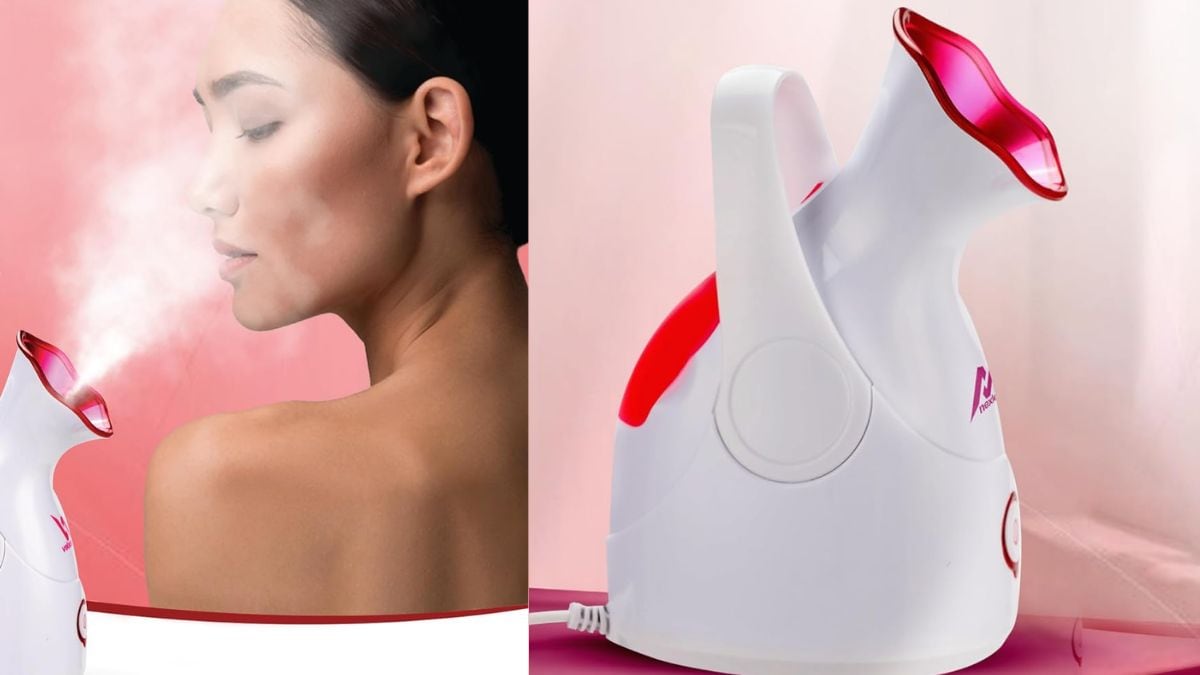
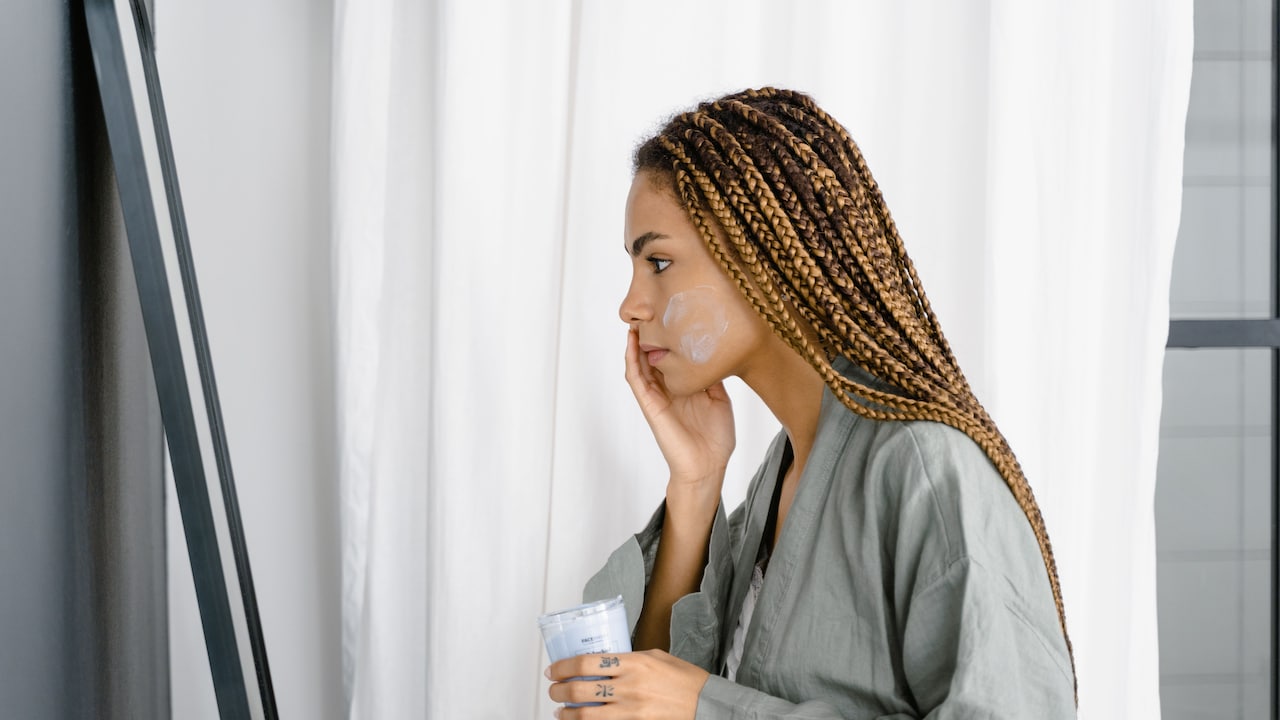
Learn if you should steam your face daily and how to prevent skin damage; Photo Credit: Amazon
But skincare trends usually come with that one big question—how much is too much, really? While facial steam can be soothing and revitalising, using it too often may not be the best for your skin. If you have been asking yourself whether daily facial steaming is safe or if it is quietly irritating your skin barrier, this piece lays out everything you need to know.
Also Read: Clear Acne And Blackheads, Here Are 5 Facial Steamers To Get Glowy Skin
What Does A Facial Steamer Do For Your Skin?
A facial steamer releases warm steam that comes into contact with the skin and creates a softening effect. This warmth helps loosen dirt, oil, and dead skin cells that are sort of just hanging out on the surface of the face. Many people go for steaming before cleansing or before applying skincare products because the skin feels cleaner and smoother afterwards.
1. It Helps Soften Surface Build-Up
Steam can help soften excess oil, dirt, and dead skin that collect on the surface of the skin throughout the day. This makes cleansing feel more effective afterwards.
2. It Creates A Relaxing Skincare Experience
One reason face steaming stays popular is that it feels calming and spa-like, even when you do it at home. Many people add it into their nighttime skincare routine to basically unwind or just lower the noise in their head.
Steaming can also give a temporary bump in blood flow, so the skin may look a bit brighter right after the session. It won't permanently shrink pores or cure acne, but it can help set up your skin for the rest of your routine, like a quiet warm-up first.
Can You Use A Facial Steamer Every Day?
For most people, using a facial steamer every single day is usually sort of too much. Now and then, it may feel helpful, but daily heat exposure can end up irritating the skin slowly, instead of actually making things better.
Your skin already has protective oils; they help keep a steady barrier in place. When you steam too often, it can take away some of that natural moisture, and then the face starts feeling dry, tight, or a bit reactive.
1. Daily Steaming May Weaken The Skin Barrier
The skin barrier guards your face from moisture retention and from all that environmental harm. If you get too much heat exposure, it can slowly weaken that barrier, and then the skin becomes more reactive and easily irritated.
2. Oily Skin And Dry Skin React Differently
People with oily skin might handle steaming a little better than people with dry or very sensitive skin. Even oily skin can end up dehydrated if you keep steaming way too much.
Most skincare experts recommend that facial steaming happens maybe once to three times per week, depending on your skin type. The right frequency really varies from person to person, but in general, moderation is what usually works best.
Who Should Be More Careful With Facial Steaming?
Some skin types seem to react more strongly to heat than others. If you have sensitive skin, you may see redness or irritation after brief steaming sessions.
1. Sensitive Skin Can Become Irritated Quickly
If your skin reacts pretty easily to skincare products or even to weather shifts, facial steaming could make things more irritated and uncomfortable.
2. Rosacea And Eczema May Flare Up
People dealing with rosacea or eczema should do facial steaming carefully, as the heat can end up triggering that redness and inflammation. In general, if you notice that it makes things worse, stop immediately.
Acne-prone skin can be slightly tricky as well. While steam may help loosen oil buildup, excessive heat can sometimes irritate active breakouts and increase redness.
What Happens If You Oversteam Your Face?
Ultimately, overusing a facial steamer can damage the skin barrier, which is essential for retaining moisture and protecting the skin from irritation.
1. Your Skin May Feel Tight And Dry
One of the first signs that you may be overstimulating is dryness. The skin can start to feel stretched and not so comfortable after cleansing.
2. Increased Sensitivity Is Common
Some people notice that their regular skincare products suddenly sting or burn after frequent steaming sessions because the skin becomes more sensitive.
In some cases, oversteaming may even cause the skin to produce more oil to compensate for moisture loss.
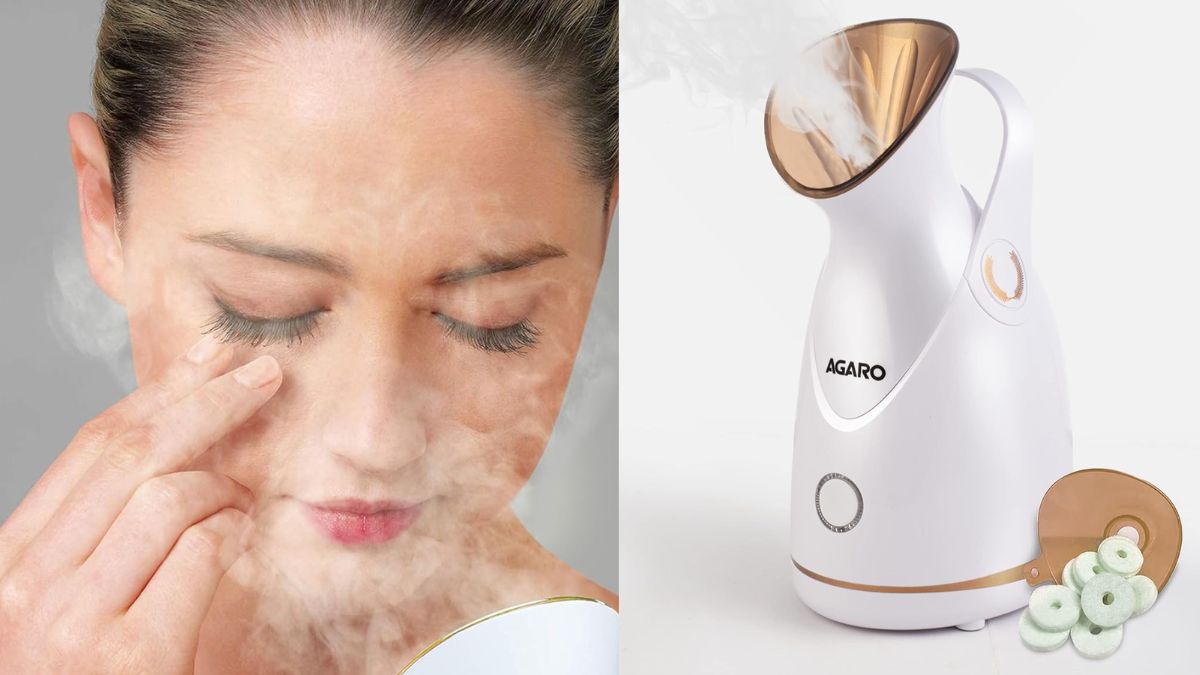
Master the right facial steaming habits for glowing skin without causing irritation or damage; Photo Credit: Amazon
How To Use A Facial Steamer Safely
Step 1: Cleanse Your Face First
Before you steam, take a moment to wash your face with a soft cleanser to remove makeup, sunscreen, dust and the extra oil that builds up throughout the day. Stepping on clean skin first helps keep impurities from staying on the surface while you steam.
Step 2: Keep A Safe Distance
The steam should feel warm and comfortable, not extremely hot. Sitting too close to the steamer may irritate the skin or even cause mild burns.
Step 3: Limit Your Session
Facial steaming does not need to last very long. Around five to ten minutes is usually enough for most people.
Step 4: Moisturise Immediately After
After steaming, put on a hydrating serum or moisturiser while the skin is a bit damp. This helps bring back moisture and it also supports the skin barrier after all the heat exposure.
Some Facial Steamer Products You May Like
1. AGARO Facial Steamer
2. CARESMITH 2 In-1 Face Steamer
3. Dr Trust USA 3-in-1 Nano Ionic Facial Steamer
4. NexLev Steamer
5. CINIDY Facial Steamer
6. HealthSense face steamer
7. Labros Face Steamer
8. Newnik V108 Steam
Facial steamers open up pores and boost hydration for softer, cleaner, and more glowing skin. Use them once or twice a week before masking or serum to help products absorb better. Pick a steamer with nano-ionic mist and safety auto-off for a spa-like experience at home. Make your skincare routine more effective and relaxing. Shop now on Amazon.
Frequently Asked Questions (FAQs)
1. Can facial steaming damage your skin?
Yes, too much face steaming can actually mess up the skin barrier a bit, so you might end up with dryness, redness, or even irritation, particularly when you do it every day.
2. How often should you use a facial steamer?
Most people can safely use a facial steamer one to three times a week, depending on their skin type and sensitivity levels.
3. Is facial steaming beneficial for dry skin?
Occasionally, a bit of steam feels calm and almost soothing on dry skin, but if you steam too much, it can strip the natural oils, and then the dryness tends to get worse over time.
4. Does facial steaming help with blackheads?
Steaming tends to soften that buildup inside your pores, so it can make blackheads a bit easier to lift out while you cleanse. Still, it doesn't really stop them permanently, so you may notice them coming back.
5. Should you wash your face after steaming?
You can gently clean after steaming if needed, but the most important step is applying moisturiser later to keep the skin hydrated.
(Disclaimer: This article may include references to or features of products and services made available through affiliate marketing campaigns. NDTV Convergence Limited (“NDTV”) strives to maintain editorial independence while participating in such campaigns. NDTV does not assume responsibility for the performance or claims of any featured products or services.)