Ceramic vs Titanium Hair Straighteners: Which Damages Less?
Ceramic or titanium, which straightener truly protects your hair? This guide breaks down heat, damage and hair types to help you choose the safer styling tool without compromising shine.
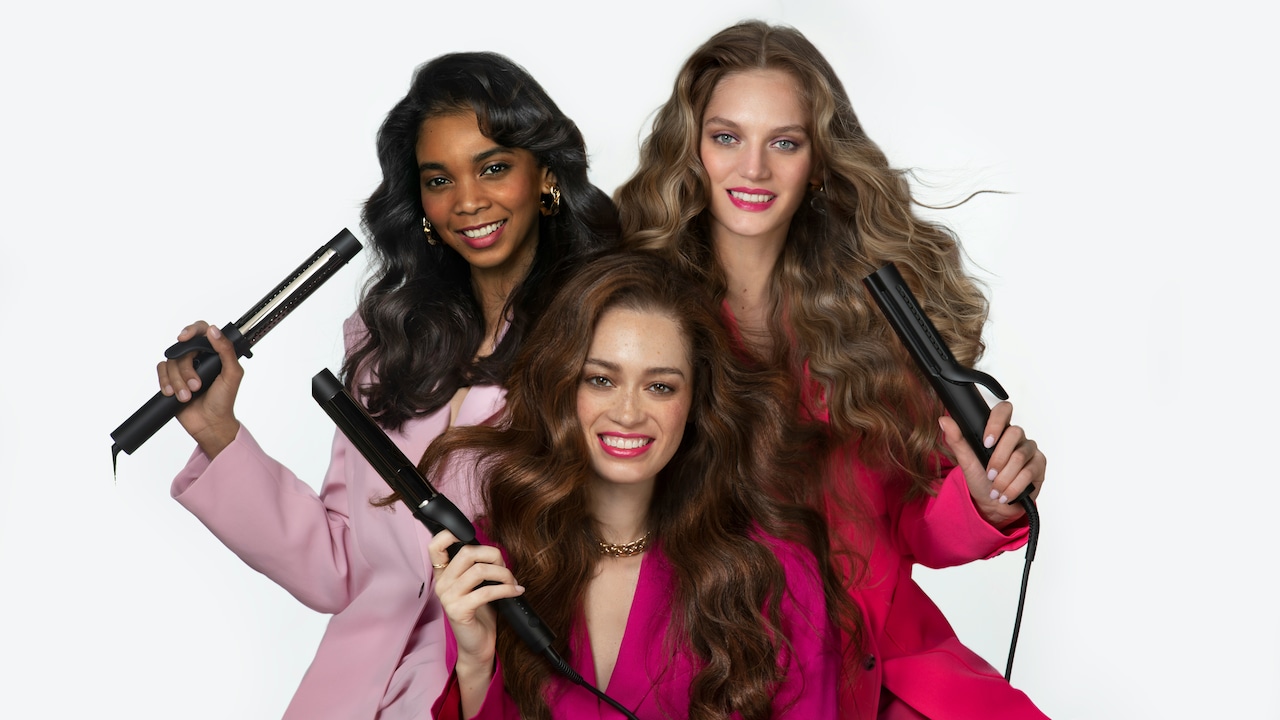
Ceramic vs Titanium Straighteners: Check The Best Choice For Healthy And Damage-Free Hair.
Hair straightening has become as routine as a Sunday oil massage. From college presentations to wedding receptions, sleek hair carries its own quiet confidence. Yet behind every glossy finish lies heat, and heat can either style or scorch.
Walk into any electronics store, and the salesperson will swiftly present two shining options: ceramic or titanium. Prices range from ₹1,500 for basic models to ₹12,000 for premium salon-grade tools. The packaging promises shine, smoothness, and “zero damage”. Reality, however, depends on plate material, temperature control, and how the tool interacts with different hair textures.
Many believe titanium sounds stronger and therefore better. Others trust ceramic for its gentle reputation. The real question remains simple: which one damages hair less over time? The answer sits somewhere between science and styling habits. Understanding how each material behaves under heat makes all the difference between healthy shine and split-end despair.
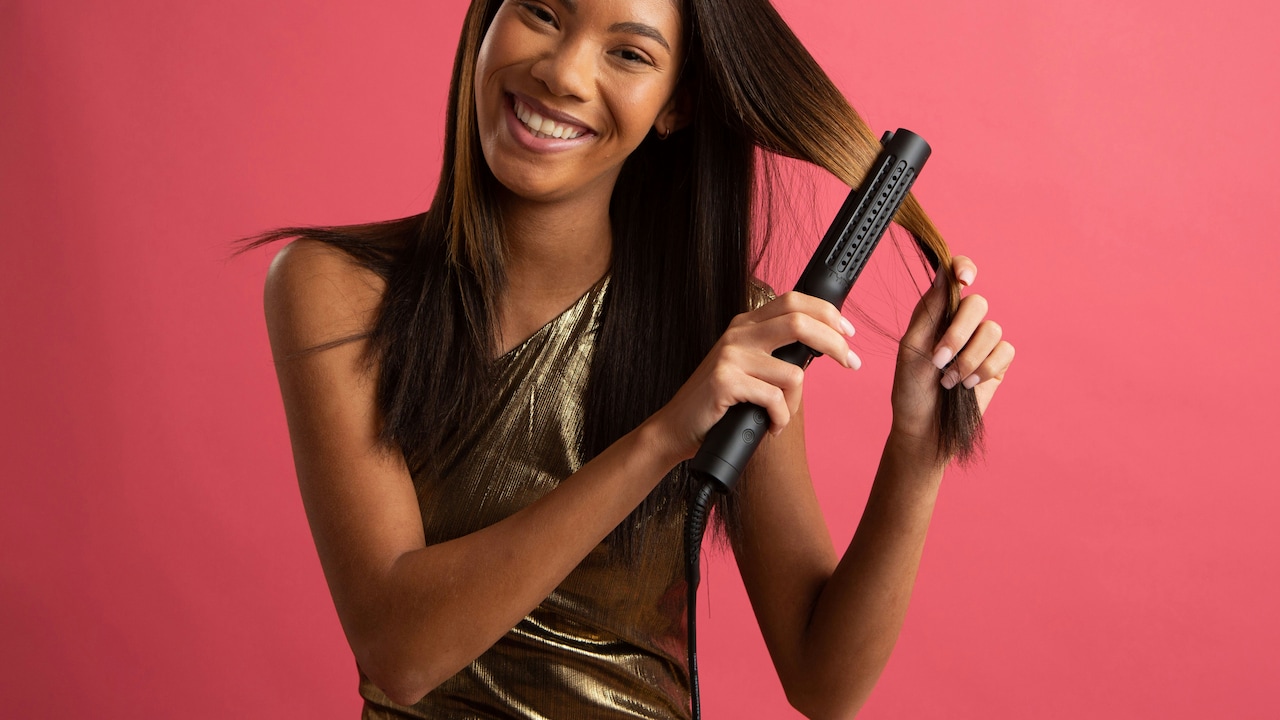
Ceramic vs Titanium Hair Straighteners: Which Damages Less?; Photo Credit: Pexels
Understanding The Real Difference Between Ceramic And Titanium
Ceramic Plates Explained
Ceramic plates win praise for even heat distribution. They warm up steadily and spread heat across the surface without creating harsh hotspots. That consistency reduces the risk of one section overheating while another remains barely styled.
For thick, wavy, or slightly frizzy hair, this balanced heating feels forgiving. Strands glide smoothly without sudden bursts of intense heat. Many stylists recommend ceramic tools for regular home use because they suit a wide range of hair types.
However, not all ceramic straighteners offer pure ceramic plates. Many affordable options use aluminium plates coated with ceramic. Over time, that coating can chip, leading to uneven heating and increased snagging. A chipped plate silently damages hair cuticles.
In terms of damage, ceramic generally treats hair gently when paired with moderate temperatures. It may require a few extra passes on very coarse hair, but the lower intensity heat often protects strands from sudden shock.
Titanium Plates Explained
Titanium plates heat up remarkably fast. Within seconds, they reach high temperatures, making them a favourite in busy salons where time matters. The metal conducts heat efficiently and maintains stable high temperatures throughout styling.
For very thick, curly, or coarse hair, titanium cuts down styling time dramatically. One slow glide often replaces multiple passes required by ceramic tools. Fewer passes can mean less cumulative exposure to heat.
Yet titanium's strength can turn aggressive in inexperienced hands. The plates run hotter than ceramic and transfer heat quickly to the hair shaft. Fine or chemically treated hair may struggle under such intensity.
Titanium does not chip like coated ceramic, which adds durability. However, its high conductivity demands careful temperature control. Used wisely, it reduces repeated passes. Used carelessly, it risks faster moisture loss.
Also Read: Top 5 Hair Straighteners That Minimise Heat Damage
Temperature Control And Hair Safety
Temperature matters more than material. Many people crank the dial to the highest setting, assuming faster styling equals better results. In reality, most hair types respond well to temperatures between 150°C and 180°C.
Ceramic straighteners often operate within a moderate range. This makes them suitable for daily touch-ups. Adjustable digital settings allow more control, especially helpful for coloured or chemically treated hair.
Titanium tools often reach 230°C or higher. While that range benefits thick curls, it proves excessive for fine strands. Hair protein begins to weaken beyond 200°C. Repeated exposure at such levels increases dryness and brittleness.
Straighteners priced above ₹3,000 usually include digital displays and auto shut-off features. Investing in precise temperature control often protects hair more effectively than obsessing over plate material.
When evaluating damage, consistent moderate heat always beats unpredictable extremes. The right temperature setting paired with minimal passes reduces long-term harm regardless of plate type.
Hair Type Compatibility
Different hair textures demand different strategies. Fine, straight hair heats quickly and straightens easily. For this texture, ceramic plates provide adequate smoothing without overwhelming the cuticle.
Wavy or moderately thick hair sits comfortably in the middle. Both ceramic and titanium work well, depending on styling frequency. Occasional users often prefer ceramic's gentle nature. Those who style daily and rush in the mornings may lean towards titanium for speed.
Very thick, coarse, or tightly curled hair often resists ceramic's moderate heat. Multiple passes increase total exposure. In such cases, titanium's higher temperature capability can actually reduce overall damage by completing the job faster.
Chemically treated, bleached, or frequently coloured hair requires caution. Ceramic typically offers safer styling for fragile strands. Pairing it with heat protectant serum priced around ₹350 to ₹800 makes a noticeable difference.
Matching the tool to hair type proves far more important than chasing trends.
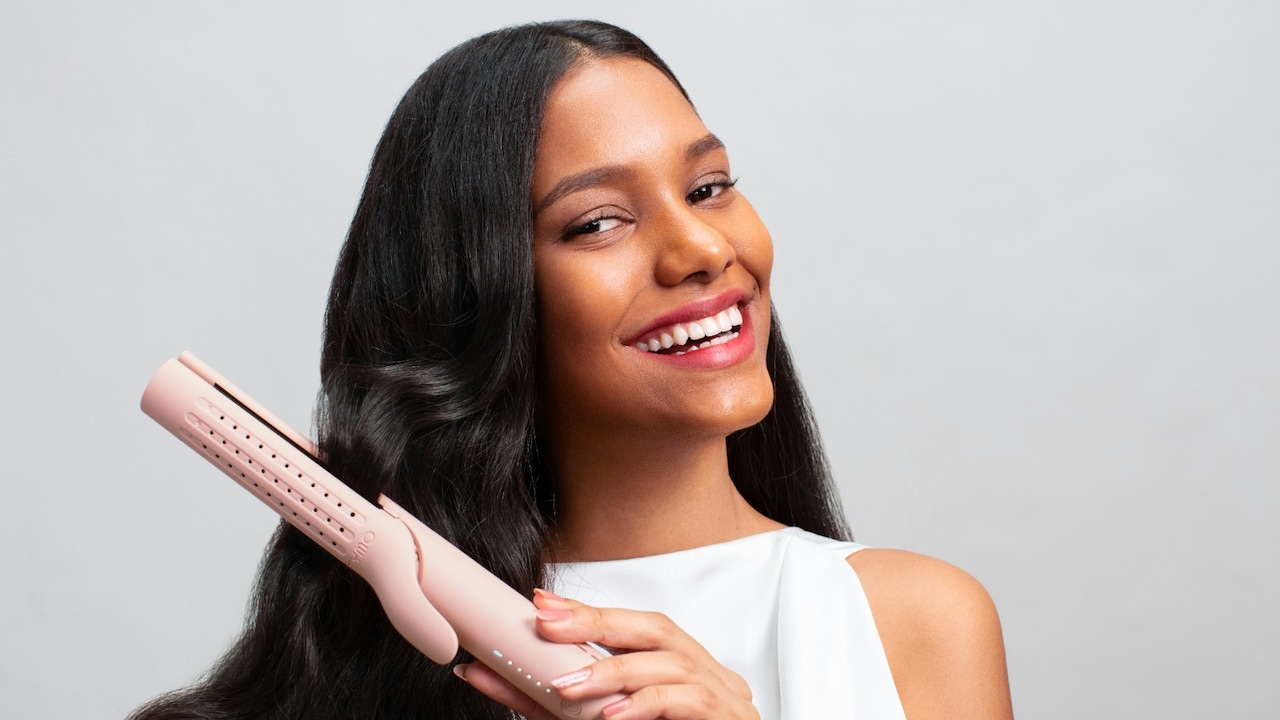
Ceramic vs Titanium Hair Straighteners: Which Damages Less?; Photo Credit: Pexels
Ionic Technology And Frizz Control
Many straighteners, whether ceramic or titanium, include ionic technology. Negative ions break down water molecules on the hair surface, reducing frizz and enhancing shine.
Ceramic plates often combine naturally with ionic features. The result feels smoother and softer, especially in humid weather when frizz behaves like an uninvited guest at a family function.
Titanium models also include ionic generators, though their primary strength lies in heat intensity. When combined, the tool straightens quickly while sealing the cuticle efficiently.
Less frizz means fewer repeated strokes over the same section. That translates to less cumulative heat exposure. Damage often occurs not from one pass, but from repeatedly going over stubborn strands.
Ionic technology does not eliminate heat damage entirely, yet it reduces the need for excessive styling. In humid climates, this feature proves particularly helpful in maintaining sleekness throughout the day.
Durability And Long-Term Investment
Ceramic-coated plates may wear down after two to three years of frequent use. Once the coating chips, performance drops and snagging increases. Replacing the tool then becomes necessary.
Pure ceramic models last longer but usually cost more. Still, they remain more fragile than titanium if dropped.
Titanium stands out for its durability. The metal resists corrosion and maintains structural integrity over time. Professional stylists often favour titanium for this reason alone.
A titanium straightener priced at ₹7,000 may last significantly longer than a ₹2,000 ceramic-coated option. Long-term value often offsets the higher initial cost.
Durability indirectly affects damage. Worn-out plates pull and tug, weakening strands. A well-maintained, high-quality tool protects hair more effectively than a cheap model replaced frequently.
Styling Speed And Daily Wear
Morning routines rarely allow leisurely styling. Faster straightening often reduces stress and saves time before work or events.
Titanium's rapid heating and strong conductivity make it ideal for quick results. Thick hair straightens in fewer passes, reducing total exposure time.
Ceramic takes slightly longer but offers a calmer styling experience. For those who straighten once or twice a week, the extra few minutes hardly matter.
Daily styling increases cumulative heat damage regardless of plate type. Using lower temperatures and limiting frequency plays a larger role in preserving hair health.
Speed matters, but not at the expense of strand integrity. A balance between efficiency and caution delivers the best long-term results.
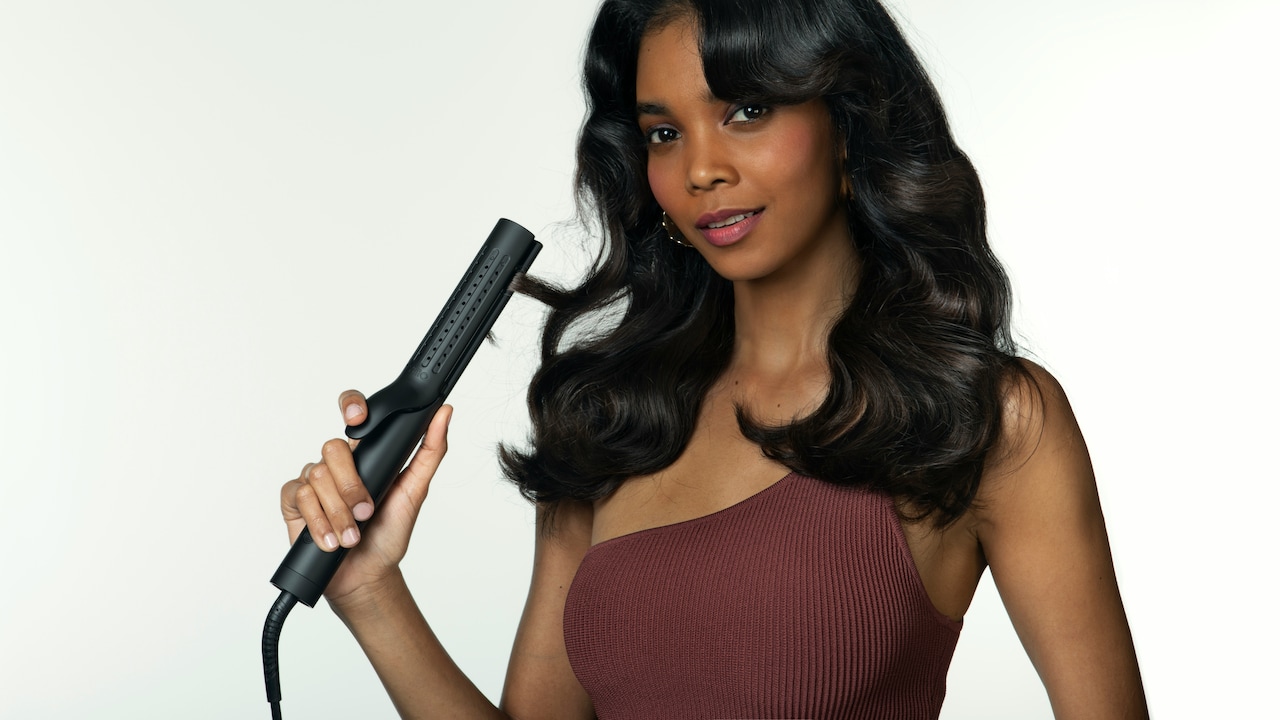
Ceramic vs Titanium Hair Straighteners: Which Damages Less?; Photo Credit: Pexels
Shine And Finish
Ceramic straighteners often produce a smooth, glossy finish. The even heat seals the cuticle gently, creating a natural shine without making hair look flat.
Titanium can produce a sleeker, sharper finish, particularly on thick hair. The high heat locks styles in place, helping them last longer during busy days.
However, excessive shine sometimes masks internal dryness. Hair may appear smooth while losing moisture within the cortex.
Adding a lightweight serum or argan oil enhances shine safely. Products priced around ₹500 often deliver visible improvement without heaviness.
A healthy finish depends more on preparation and aftercare than solely on plate material.
Risk Of Overheating And User Control
Titanium's biggest strength doubles as its biggest risk. The rapid heat transfer demands careful handling. Leaving the plates clamped too long on one section can cause sudden dryness.
Ceramic offers a slight buffer due to its slower heat response. Beginners often feel more comfortable using ceramic tools for this reason.
Modern straighteners now include sensors that regulate temperature automatically. Investing in such features reduces overheating risks significantly.
User technique remains crucial. Moving steadily without pausing prevents concentrated heat damage. Heat protectant sprays form a protective barrier and should never be skipped.
Ultimately, skill and awareness protect hair more effectively than material choice alone.
Cost Versus Hair Health
Budget influences decisions heavily. Entry-level ceramic straighteners cost around ₹1,500 to ₹2,500, making them accessible to students and young professionals.
Titanium models typically start higher, often around ₹4,000 and above. Premium salon-grade versions cross ₹10,000 easily.
Higher cost does not guarantee zero damage. It often reflects build quality, temperature precision, and durability.
Spending wisely on a reliable mid-range straightener and quality heat protectant may serve hair better than buying the most expensive tool available.
Healthy hair results from balanced heat, proper care, and moderation. The straightener acts as one part of a larger routine that includes conditioning, trimming, and occasional heat-free days.
Products Related To This Article
1. BBLUNT Pro Titanium Glide Hair Straightener With Infrared Technology
2. ARSIA Ceramic Hair Straightener With Adjustable Temperature
3. VEGA PROFESSIONAL VPPHS-12 Pro Titanium Magic Hair Straightener
4. NIRVANI NIR-329 Ceramic Plate Hair Straightener
5. Ikonic Professional Black Titanium Slim Hair Straightener
Ceramic and titanium straighteners both carry strengths and weaknesses. Ceramic offers gentle, even heating that suits fine to moderately thick hair and regular home styling. Titanium delivers power, speed, and durability, making it ideal for very thick or coarse textures when used carefully.
When asking which damages less, the honest answer depends on hair type and technique. For fragile or chemically treated strands, ceramic often proves safer. For dense, resistant curls, titanium may reduce damage by completing the job quickly in fewer passes.
Temperature control, frequency of use, and proper heat protection matter far more than marketing labels. Choosing thoughtfully and styling mindfully ensures sleek hair without sacrificing its health.
In the end, the best straightener feels like a trusted companion rather than a risky gamble.
(Disclaimer: This article may include references to or features of products and services made available through affiliate marketing campaigns. NDTV Convergence Limited (“NDTV”) strives to maintain editorial independence while participating in such campaigns. NDTV does not assume responsibility for the performance or claims of any featured products or services.)