Gel Vs Cream Moisturisers In Humid Weather: Which One Prevents Sticky, Greasy Skin?
In sticky, humid weather, the wrong moisturiser can leave skin greasy and uncomfortable. Discover whether gel or cream formulas keep your face fresher, lighter, and shine-free when heat and moisture rise.
Gel vs Cream Moisturisers in Humid Weather: Which Formula Keeps Skin Fresher and Less Sticky?
Humid weather brings its own personality. The air hangs thick, clothes cling a little longer, and even freshly washed hair can lose its discipline before lunchtime. Skin reacts just as dramatically. A moisturiser that worked beautifully in January may suddenly feel suffocating in July. Shine appears within hours, foundation slides away, and that uncomfortable sticky layer refuses to disappear.
Choosing between a gel and a cream moisturiser becomes more than a beauty decision. It turns into a daily survival strategy. Shelves brim with promises of hydration, glow, and radiance, yet few people stop to consider how texture interacts with moisture in the air. Humidity changes the way products sit on the skin, absorb, and even breathe.
Understanding how gel and cream formulas perform in tropical climates helps avoid that dreaded greasy sheen. It also saves money, because nobody enjoys spending ₹800 or ₹1,200 on a jar that ends up gathering dust. The right choice keeps skin balanced, fresh, and comfortable from morning chai to late evening traffic.
Gel vs Cream Moisturisers in Humid Weather: Which Formula Keeps Skin Fresher and Less Sticky?
Photo Credit: Pexels
Understanding Humid Weather And Skin Behaviour
Humidity means there is already a high amount of water vapour in the air. Skin does not live in isolation from this environment. When the atmosphere holds excess moisture, sweat evaporates more slowly. This creates that familiar sticky feeling that refuses to fade even after standing under a fan.
Sebaceous glands often respond to heat by producing more oil. Combine sweat with sebum, and the result can look shiny and feel heavy. Pores may appear larger, and breakouts can show up more frequently. Many people assume skipping moisturiser will solve the problem. In reality, dehydrated skin can produce even more oil to compensate.
The key lies in balance. Skin still needs hydration in humid weather. Air conditioning, pollution, and sun exposure strip moisture away. A lightweight formula can help maintain the skin barrier without adding unnecessary heaviness. The challenge involves choosing a texture that supports hydration while allowing the skin to breathe.
Texture matters more than marketing claims. In muggy conditions, the wrong consistency can turn a glowing complexion into a slippery one within hours.
What Defines A Gel Moisturiser
Gel moisturisers usually contain a high water content and a lightweight base. They feel cool on application and spread easily across the skin. Many people describe the texture as similar to aloe vera gel, quick to glide and quicker to absorb.
Because gels rely more on humectants than heavy oils, they draw moisture into the skin without forming a thick coating. Ingredients such as glycerine and hyaluronic acid often feature prominently. This combination helps the skin retain water without clogging pores.
In humid weather, that rapid absorption becomes a major advantage. The product sinks in, leaving behind little residue. Makeup layers more smoothly, and the face feels less suffocated. For those who step outdoors into blazing sunshine and crowded commutes, this lightness offers welcome relief.
However, gel moisturisers may not provide enough nourishment for very dry or mature skin. They excel at hydration but may lack the occlusive components required to prevent moisture loss in drier zones. Choosing a gel requires an honest assessment of how much support the skin truly needs.
What Defines A Cream Moisturiser
Cream moisturisers present a richer and thicker consistency. They often combine water with oils, emollients, and occlusive ingredients that create a protective layer over the skin. This barrier helps prevent moisture from escaping.
In cooler or dry weather, creams feel comforting. They wrap the skin in softness and provide lasting nourishment. People with dry patches or flaky areas often find relief in this richer formula. The skin looks plumper and smoother after regular use.
In humid conditions, though, creams can feel heavy. The protective layer that works so beautifully in winter may trap sweat and oil during monsoon months. Instead of glowing, the complexion may appear greasy. That sticky sensation can intensify by mid-afternoon, especially during long days outdoors.
This does not mean creams have no place in tropical climates. The trick lies in selecting lighter creams rather than thick, buttery textures. Some modern formulations offer hydration without overwhelming the skin. Understanding ingredient lists and personal skin behaviour helps determine whether a cream can still work when the air feels like warm steam.
How Gel Moisturisers Perform In High Humidity
Gels shine in humid weather for one simple reason: they complement the environment rather than fight it. Since the air already contains moisture, the skin does not require heavy occlusion. A gel hydrates without adding excess oil.
The lightweight texture absorbs swiftly, which reduces that uncomfortable tacky finish. After application, the face feels refreshed rather than coated. This quality proves especially helpful for people who travel by metro, auto-rickshaw, or bike under intense sun. Sweat inevitably appears, but the moisturiser does not mix with it to create a greasy layer.
Gels also suit acne-prone skin in sticky climates. They tend to feel breathable and less likely to clog pores. Breakouts often decrease when heavy products leave the routine. A gel can calm and hydrate without triggering congestion.
Yet, gels may require reapplication in air-conditioned offices. Artificial cooling dries the air and can pull moisture from the skin. Keeping a small tube in a handbag worth ₹500 can save the day, offering a quick refresh without disturbing makeup.
How Cream Moisturisers Perform In High Humidity
Creams in humid weather present a more complicated story. For those with dry or sensitive skin, humidity does not automatically solve dehydration. A cream can provide lasting comfort and reduce tightness after cleansing.
However, rich creams can feel suffocating when temperatures rise above 30 degrees. The thicker texture sits on the surface longer. Sweat struggles to evaporate beneath that layer, which increases stickiness. The face may appear shiny even before noon.
Some lightweight creams strike a better balance. Water-based creams with minimal oils can hydrate without overwhelming the skin. Applying a small amount rather than scooping out a generous dollop also makes a noticeable difference. Moderation matters.
Those who spend most of the day indoors with strong air conditioning might still prefer creams. The artificial dryness indoors contrasts sharply with the heavy air outside. Switching to a cream at night can also support barrier repair without battling daytime humidity.
Creams demand careful selection and mindful application in muggy climates. Without that attention, they can quickly turn comfort into discomfort.
Choosing Based On Skin Type
Oily and combination skin often benefits most from gel moisturisers during humid months. The lighter formula supports hydration without intensifying shine. Skin feels fresher for longer, and makeup tends to stay put.
Dry skin types require a more tailored approach. A gel alone may not provide enough nourishment. In such cases, layering works well. Applying a hydrating gel followed by a very light cream in dry areas can balance comfort and breathability.
Sensitive skin needs gentle ingredients regardless of texture. Fragrance-free gels often feel soothing in the heat. Some creams contain calming agents that help repair the barrier. Reading labels becomes essential.
Age also plays a role. Mature skin may crave richer textures, yet heavy creams can still feel uncomfortable in humidity. Lightweight creams or gel-cream hybrids often provide the ideal compromise.
Ultimately, observing how the skin behaves by mid-afternoon reveals the truth. If the face looks excessively shiny and feels sticky, the formula likely feels too heavy. If tightness and flaking appear, the product may lack sufficient nourishment.
The Role Of Ingredients In Tackling Stickiness
Texture alone does not determine comfort. Ingredients shape how a moisturiser behaves on the skin. Humectants such as hyaluronic acid attract water and work beautifully in humid climates. They draw moisture from the air into the skin.
Emollients smooth the surface and improve softness. In small amounts, they enhance comfort without overwhelming the complexion. Occlusives, however, create a sealing layer. In high humidity, too much occlusion can intensify that sticky sensation.
Lightweight silicones sometimes receive criticism, yet they can create a silky finish that reduces tackiness. They allow the skin to feel smooth without adding oil. On the other hand, heavy butters and dense plant oils may feel luxurious but often struggle in muggy weather.
Checking ingredient order provides clues. If oils dominate the top of the list, the formula may feel richer. If water and humectants lead, the product likely leans lighter.
Smart ingredient choices can transform even a cream into a summer-friendly option. Knowledge empowers better decisions than packaging promises ever could.
Practical Tips For Staying Fresh All Day
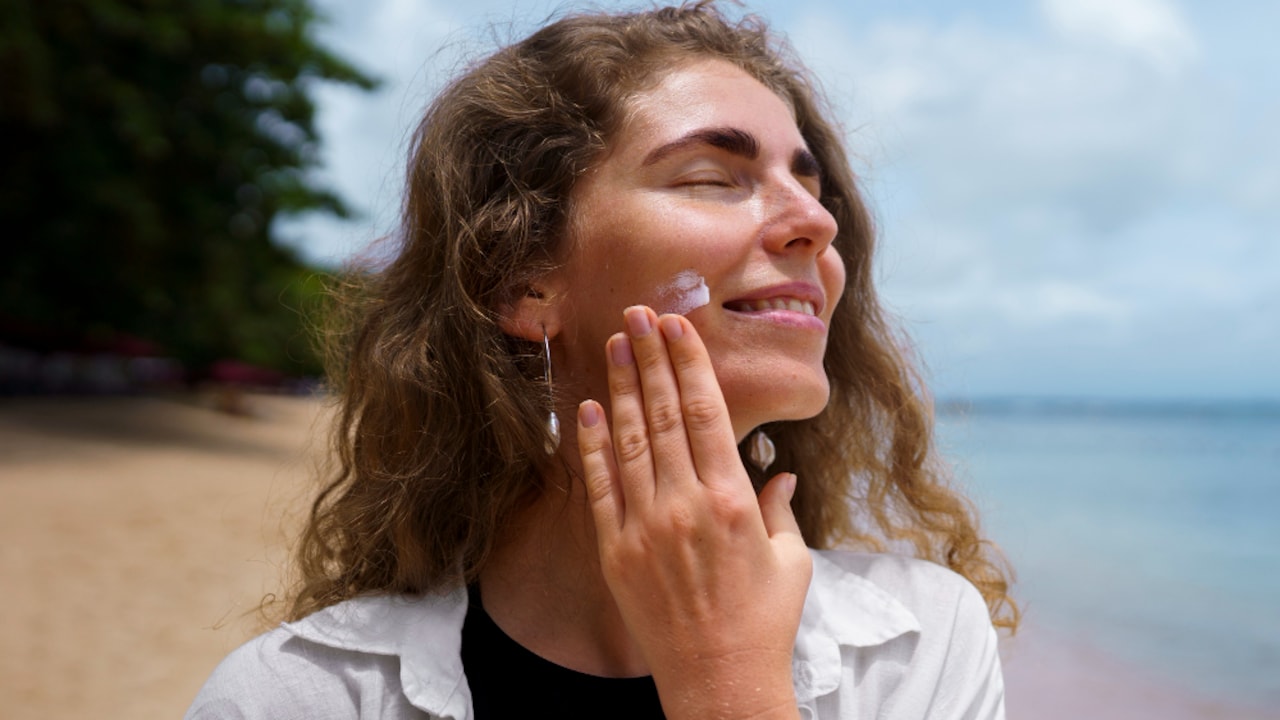
Application technique matters just as much as product choice. Applying moisturiser to slightly damp skin helps lock in hydration without requiring extra quantity. Using too much product often leads to unnecessary stickiness.
Allowing the moisturiser to absorb fully before stepping into the sun also prevents that slippery feel. Rushing through the routine invites discomfort later. A minute of patience can save hours of shine.
Blotting papers prove more effective than layering powder repeatedly. Excess powder mixed with sweat can cake and clog pores. Carrying a small packet costing ₹150 offers a quick fix during long workdays.
Night-time routines deserve attention as well. Using a slightly richer product before bed allows the skin to repair while resting in cooler conditions. By morning, the face feels balanced and ready for a lighter daytime formula.
Consistency builds results. Switching products every week creates confusion. Give each formula time to reveal how it truly performs in humid weather.
Gel vs Cream Moisturisers in Humid Weather: Which Formula Keeps Skin Fresher and Less Sticky?
Photo Credit: Pexels
Finding The Sweet Spot Between Hydration And Comfort
The debate between gel and cream moisturisers rarely has a universal answer. Climate, lifestyle, and skin type all influence the outcome. Humidity complicates matters by amplifying oiliness and stickiness.
For many people in tropical cities, gels feel like a breath of fresh air. They hydrate without heaviness and keep the complexion comfortable through crowded streets and warm evenings. Creams still hold value, especially for dry or mature skin, but require careful selection.
The goal involves maintaining the skin barrier without feeling coated. That balance creates a complexion that looks healthy rather than shiny. Paying attention to texture, ingredients, and personal comfort leads to smarter choices.
Skin communicates clearly when something feels wrong. Listening to those signals makes all the difference. With the right formula, humid weather no longer feels like an enemy. Instead, it becomes just another season, one that the skin can handle with confidence and ease.
Products Related To This Article
1. Conscious Chemist Pigmentation Corrector Moisturiser for Dark Spots & Uneven Tone
2. Gabit Salicylic & Green Tea Face Moisturiser
3. FoxTale Nourishing Ceramide Moisturiser for 100hrs of Hydrated & Glowing Skin
4. Neutrogena Hydro Boost Hyaluronic Acid Water Gel Face Moisturiser 15g
5. Reequil Oil Free Moisturiser for Normal, Oily & Combination Skin
Humid weather challenges even the most disciplined skincare routine. Sweat, oil, and heat combine to test patience and product choices alike. Yet the solution does not require abandoning moisturiser altogether.
Gel formulas often emerge as favourites in sticky climates. Their lightweight texture, fast absorption, and breathable finish keep skin feeling fresher for longer. Creams, while richer, can still work when chosen thoughtfully and applied sparingly.
The real secret lies in understanding personal skin needs rather than chasing trends. Observing how the face feels by afternoon reveals more than any advertisement. A well-chosen moisturiser transforms daily discomfort into effortless comfort.
When the air grows heavy and the sun refuses to relent, the right formula offers quiet reassurance. Fresh, balanced skin boosts confidence whether navigating busy markets or attending evening gatherings. In the end, gel or cream, the winner always aligns with what keeps the skin calm, hydrated, and beautifully at ease.
(Disclaimer: This article may include references to or features of products and services made available through affiliate marketing campaigns. NDTV Convergence Limited (“NDTV”) strives to maintain editorial independence while participating in such campaigns. NDTV does not assume responsibility for the performance or claims of any featured products or services.)