Salicylic Acid Vs Niacinamide: Which Ingredient Clears Acne Faster?
Salicylic acid unclogs pores fast. Niacinamide calms and balances skin over time. But which one clears acne quicker? This is a science-backed breakdown to help you choose the right ingredient for faster, smarter results.

Things to know about salicylic acid and niacinamide serum before applying either one.
Acne affects teenagers cramming for exams and adults juggling deadlines. Humid summers, pollution, stress, sugary chai breaks and late-night snacks do not help. Walk into any chemist or scroll through a beauty app, and two names appear again and again: salicylic acid and niacinamide.
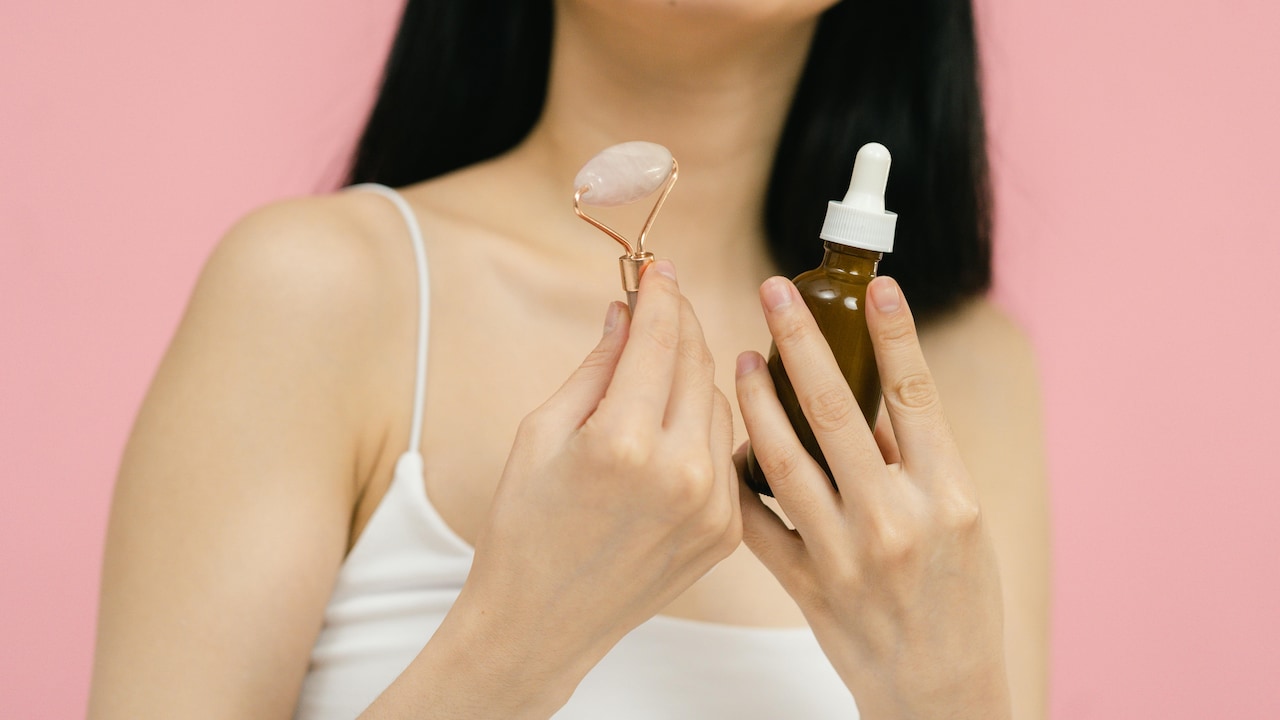
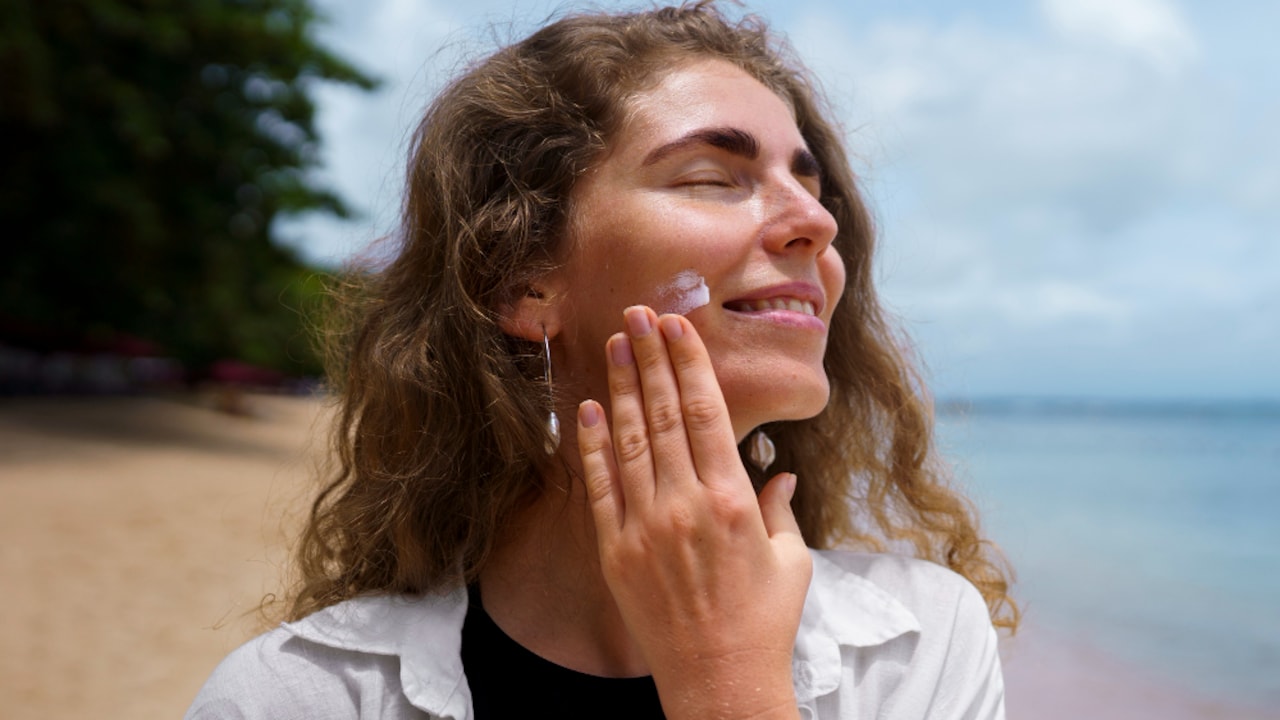
Know important differences between salicylic acid and niacinamide; Photo Credit: Pexels
Beauty influencers praise them. Dermatologists recommend them. Serums priced at ₹399 sit beside ones at ₹2,499, all shouting about clearer skin. Yet confusion lingers. One bottle claims to “unclog pores instantly”. Another promises to “strengthen the skin barrier and reduce redness”.
The real question feels urgent: which ingredient controls acne faster? Speed matters when a painful pimple sits in the centre of the forehead before a big family function. At the same time, skin needs long-term care, not quick fixes that cause more trouble later.
This article unpacks the science and the everyday reality behind these two popular ingredients. Expect straight talk, practical insight and a few relatable truths about the rollercoaster called acne.
Also Read: Which Serum Is Best To Get Clear Skin? Top 5 Recommendations Under ₹500
Breaking Down The Battle Between Salicylic Acid And Niacinamide
Understanding Acne At Its Root
Acne begins quietly. Excess oil mixes with dead skin cells. Pores clog. Bacteria multiply. Inflammation follows. That tiny bump grows into a red, angry visitor that refuses to leave.
Heat, humidity and pollution create the perfect storm for breakouts. Oily skin struggles more, but dry and combination skin also experience flare-ups. Hormones add another layer of drama. Stress hormones increase oil production, which explains those sudden breakouts during exam season or quarterly reviews.
Controlling acne faster depends on where the problem starts. If clogged pores drive the issue, an ingredient that clears them will act quickly. If inflammation and redness dominate, calming the skin may show visible improvement sooner.
Salicylic acid and niacinamide tackle acne from different angles. One dives deep into pores and dissolves oil. The other strengthens the skin barrier and reduces irritation. Understanding this difference makes it easier to predict which one might deliver quicker visible results for a specific skin concern.
How Salicylic Acid Works On Breakouts
Salicylic acid belongs to the beta-hydroxy acid family. It loves oil. That quality allows it to slip inside clogged pores and dissolve the debris trapped within. Think of it as a gentle but determined cleaner clearing blocked drains.
Once inside the pore, salicylic acid loosens dead skin cells and reduces excess sebum. This action helps shrink blackheads and whiteheads. Many people notice smoother skin within a few days of consistent use. Active pimples often look smaller and less inflamed within a week.
Salicylic acid also has mild anti-inflammatory properties. It reduces redness around angry breakouts, though its primary strength lies in unclogging pores. For oily and acne-prone skin, this direct action often feels satisfying. There is a visible change. Skin feels less greasy. The surface appears clearer.
However, overuse can lead to dryness and peeling. That tight feeling after washing the face may signal that the skin barrier needs support. Used wisely, salicylic acid often delivers faster results for clogged pores and surface-level acne.
How Niacinamide Calms And Repairs
Niacinamide, a form of vitamin B3, works differently. Instead of diving deep into pores, it focuses on balance and repair. It strengthens the skin barrier, regulates oil production and reduces inflammation.
Many people with acne also struggle with redness and sensitivity. Harsh treatments can worsen these issues. Niacinamide acts like a soothing companion. It calms irritation and improves overall texture. Over time, it helps reduce the appearance of enlarged pores and post-acne marks.
Unlike salicylic acid, niacinamide does not exfoliate. Results appear more gradually. Skin looks less red and more even within two to four weeks. Oil production becomes more controlled. Breakouts may reduce in frequency rather than disappear overnight.
For those who experience burning or stinging from strong acids, niacinamide feels gentle. It fits easily into both morning and evening routines. While it may not shrink a pimple in two days, it builds resilience. That resilience often leads to fewer dramatic flare-ups in the long run.
Which Shows Faster Visible Results?
Speed depends on the type of acne. For clogged pores, blackheads and small whiteheads, salicylic acid usually works faster. Its exfoliating action clears blockages directly. Many users report visible improvement within a week.
For inflamed, red acne, the picture shifts slightly. Salicylic acid still helps, but niacinamide reduces redness and swelling gently over time. The improvement looks subtle at first, then steady.
If a painful pimple appears before a wedding or festival, a salicylic acid spot treatment often reduces its size more quickly. Niacinamide may not shrink it overnight, but it can prevent the surrounding skin from becoming irritated.
Therefore, salicylic acid often wins the “faster results” race for active breakouts. Niacinamide wins the “steady improvement” marathon. The better choice depends on whether the goal involves urgent damage control or long-term balance.
Suitability For Oily And Humid Conditions
In hot, humid climates, oily skin feels like a constant battle. Makeup melts. Sunscreen slides. Pimples pop up without warning. Salicylic acid suits these conditions well because it controls excess oil and keeps pores clear.
Regular use of a salicylic acid cleanser or serum can reduce that midday shine. Skin feels fresher and less congested. For those commuting through traffic and pollution, this pore-clearing action proves valuable.
Niacinamide also helps regulate oil. It does so more gently. Instead of stripping the skin, it signals the sebaceous glands to produce balanced amounts of sebum. Over time, the skin looks less greasy without feeling tight.
People with very oily skin often notice quicker visible changes with salicylic acid. Those with combination or sensitive skin may prefer niacinamide's calmer approach. The choice often depends on how reactive the skin feels in challenging weather conditions.
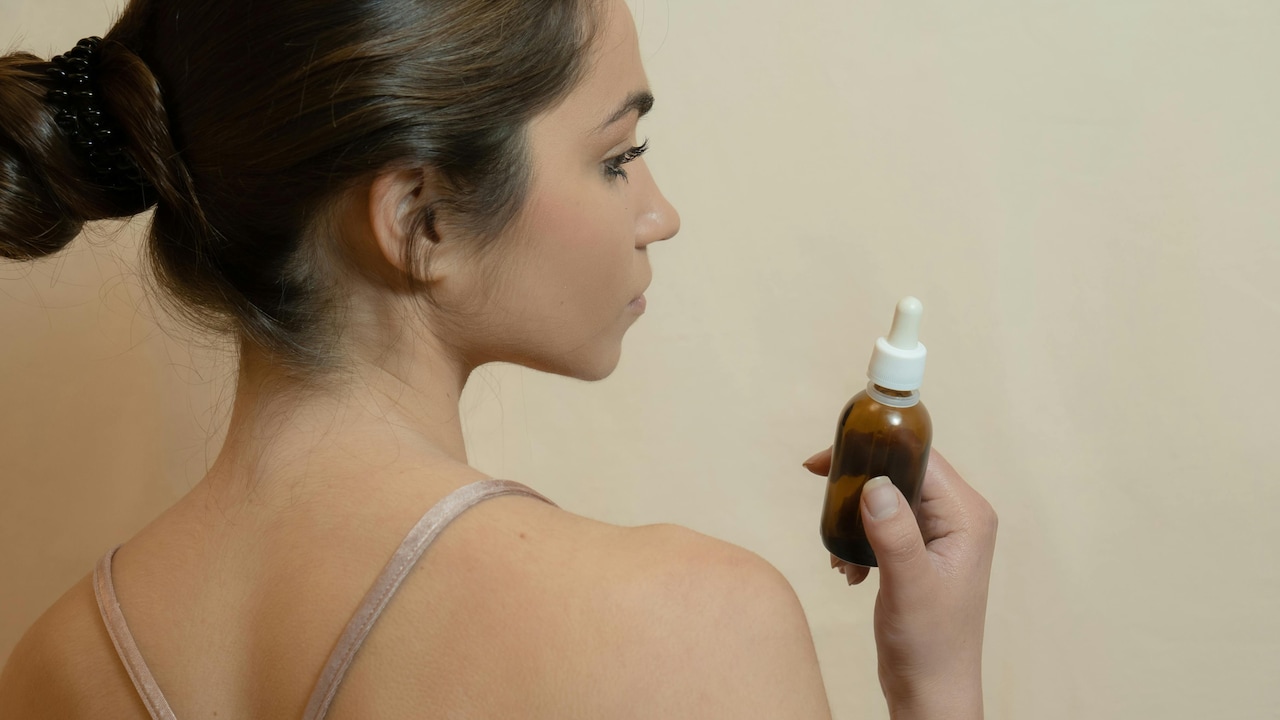
While salicylic acid can benefit people with oily skin, niacinamide may be a better option in other cases; Photo Credit: Pexels
Impact On Acne Marks And Pigmentation
Acne leaves memories behind. Dark spots linger long after pimples fade. These marks can feel more frustrating than the breakout itself.
Salicylic acid helps indirectly by preventing new breakouts. It also promotes gentle exfoliation, which can fade mild pigmentation over time. However, it does not specifically target dark spots.
Niacinamide shines in this area. It reduces the transfer of pigment within the skin. Over several weeks, post-acne marks begin to lighten. The complexion appears more even. Skin tone looks brighter and healthier.
Those dealing with stubborn brown marks from past acne may notice better visible improvement with niacinamide. It does not erase spots overnight, but it supports gradual fading without irritation.
For someone juggling both active acne and leftover pigmentation, combining both ingredients thoughtfully may deliver the most satisfying results.
Risk Of Irritation And Overuse
Fast results often tempt overuse. Applying salicylic acid twice daily and adding exfoliating scrubs on top can backfire. Skin becomes dry, flaky and irritated. Ironically, excessive dryness may trigger more oil production.
Salicylic acid demands respect. Starting with lower concentrations and gradual use reduces the risk of irritation. A mild tingling sensation can occur, but burning or peeling signals a need to pause.
Niacinamide rarely causes irritation. It suits sensitive skin types and pairs well with most ingredients. High concentrations, however, may cause mild redness in some cases. Moderation still matters.
For beginners, niacinamide feels safer. For those with resilient, oily skin, salicylic acid works effectively when used correctly. Listening to the skin proves more important than chasing rapid results.
Can They Be Used Together?
Many skincare enthusiasts wonder whether choosing between them even makes sense. The good news is that these ingredients complement each other beautifully.
Salicylic acid clears pores and tackles active breakouts. Niacinamide repairs the barrier and reduces inflammation. Used together, they create balance. A routine might include salicylic acid in the evening and niacinamide in the morning. Some formulations even combine both.
When layered correctly, niacinamide can reduce the dryness sometimes caused by salicylic acid. This combination often leads to clearer skin without excessive irritation.
However, introducing both at once may confuse beginners. Starting with one ingredient, observing the skin's response, and then adding the second helps maintain control.
For many people, the real answer to faster and healthier acne control lies not in choosing one over the other, but in using them strategically.
Cost, Accessibility And Everyday Use
Skincare once felt like a luxury. Today, effective products exist across price ranges. Salicylic acid cleansers and serums start around ₹300 and climb upward depending on brand reputation and formulation. Niacinamide serums follow a similar pricing pattern.
Affordability makes experimentation easier. However, expensive does not always mean better. Concentration, formulation stability and skin compatibility matter more than glossy packaging.
In daily use, niacinamide feels versatile. It works under sunscreen and makeup without pilling. Salicylic acid sometimes requires careful timing, especially if used as a leave-on treatment.
Consistency drives results more than price. A ₹499 serum used regularly often outperforms a ₹1,999 bottle forgotten in a drawer. Choosing a product that fits comfortably into a daily routine ensures steady improvement.
Final Verdict On Speed And Results
When comparing pure speed in shrinking clogged pores and surface-level pimples, salicylic acid usually acts faster. It targets the root cause of many breakouts directly and visibly.
Niacinamide takes a calmer route. It reduces redness, balances oil and strengthens the skin barrier. Its results appear more gradual but often more sustainable. Over time, skin becomes less reactive and more even-toned.
For sudden flare-ups before important events, salicylic acid may feel like a reliable emergency tool. For long-term skin health and fewer recurring breakouts, niacinamide builds a strong foundation.
The choice does not need to feel dramatic. Skin changes with seasons, stress levels and age. Adjusting products accordingly makes more sense than declaring a single winner forever.
Products Related To This Article
1. THE ORDINARY Salicylic Acid 2% Solution - 30 ml
2. SKIN1004 Madagascar Centella Tone Brightening Capsule Ampoule
3. Minimalist 2% Salicylic Acid Serum with BHA
4. Chemist at Play Daily Exfoliating Body Wash With Vitamin E
5. Hyphen Clarifying Acne Cleanser with Zinc PCA & Salicylic Acid
6. WishCare Niacinamide Oil Balance Fluid Sunscreen SPF 50 PA++++ In-Vivo Tested
7. Deconstruct Salicylic Acid Body Wash
Acne rarely responds to panic. It responds to patience and the right ingredients. Salicylic acid offers quicker visible relief for clogged pores and active pimples. Niacinamide provides steady support, reduces redness and fades lingering marks.
Rather than asking which ingredient reigns supreme, a better question emerges: what does the skin need right now? During humid months with frequent breakouts, salicylic acid may take centre stage. During recovery phases or when sensitivity flares up, niacinamide may deserve the spotlight.
Healthy skin thrives on balance, not extremes. With thoughtful use, both ingredients can work together to create clearer, calmer complexions. The journey may not be instant, but with the right approach, it becomes far less stressful and far more rewarding.
(Disclaimer: This article may include references to or features of products and services made available through affiliate marketing campaigns. NDTV Convergence Limited (“NDTV”) strives to maintain editorial independence while participating in such campaigns. NDTV does not assume responsibility for the performance or claims of any featured products or services.)