Micellar Water vs Cleansing Balm: Which Removes Makeup Faster?
Micellar water or cleansing balm, which removes makeup faster? From quick swipes to deep melts, discover which cleanser saves time while actually getting the job done.
Micellar Water vs Cleansing Balm: Which Removes Makeup Faster?
Makeup removal often sits at the crossroads of convenience and care. Some nights call for a quick swipe before collapsing into bed, while others invite a slower ritual with calming music and a full skincare routine. In this everyday tug-of-war, two products have carved a loyal following: micellar water and cleansing balm.
Both promise to dissolve makeup, cleanse the skin, and leave it fresh. Yet, the experience they offer feels completely different. One leans towards speed and simplicity, while the other invites indulgence and thoroughness. Choosing between them isn't just about preference; it's about understanding how each works and how it fits into real life.
So, which one removes makeup faster? And more importantly, does faster always mean better? Let's dive into the details, one layer of foundation at a time.

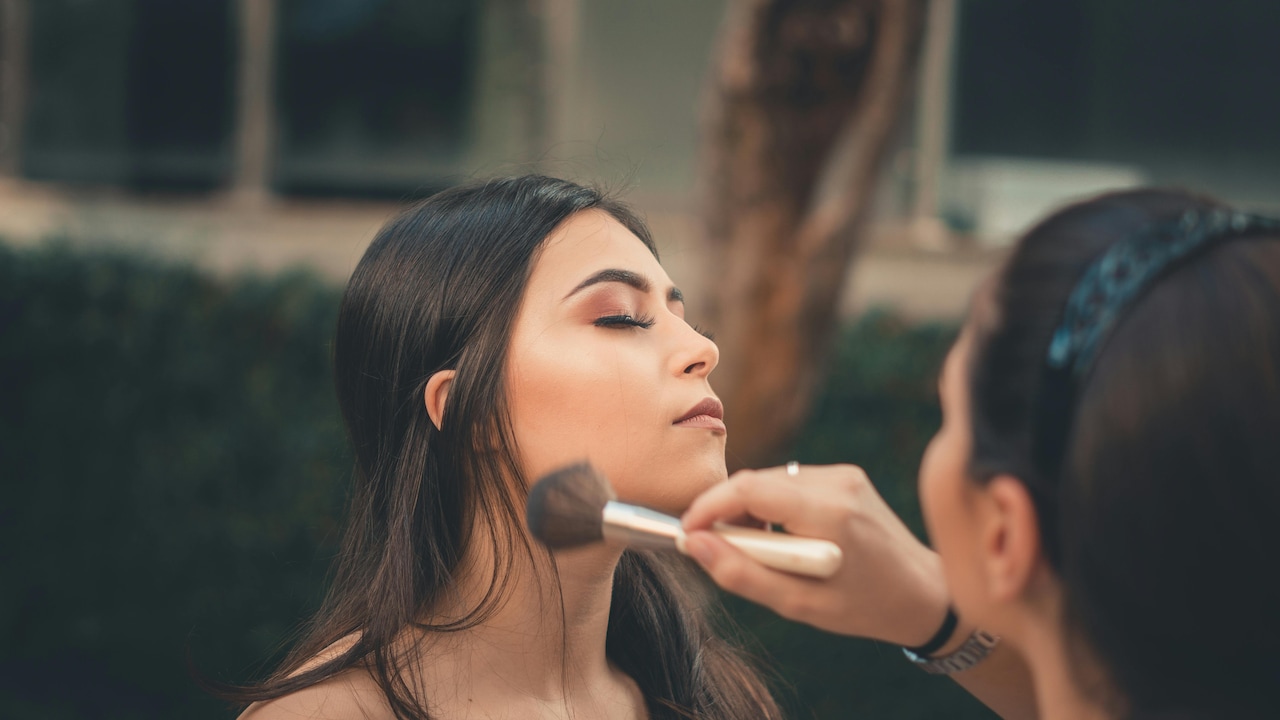
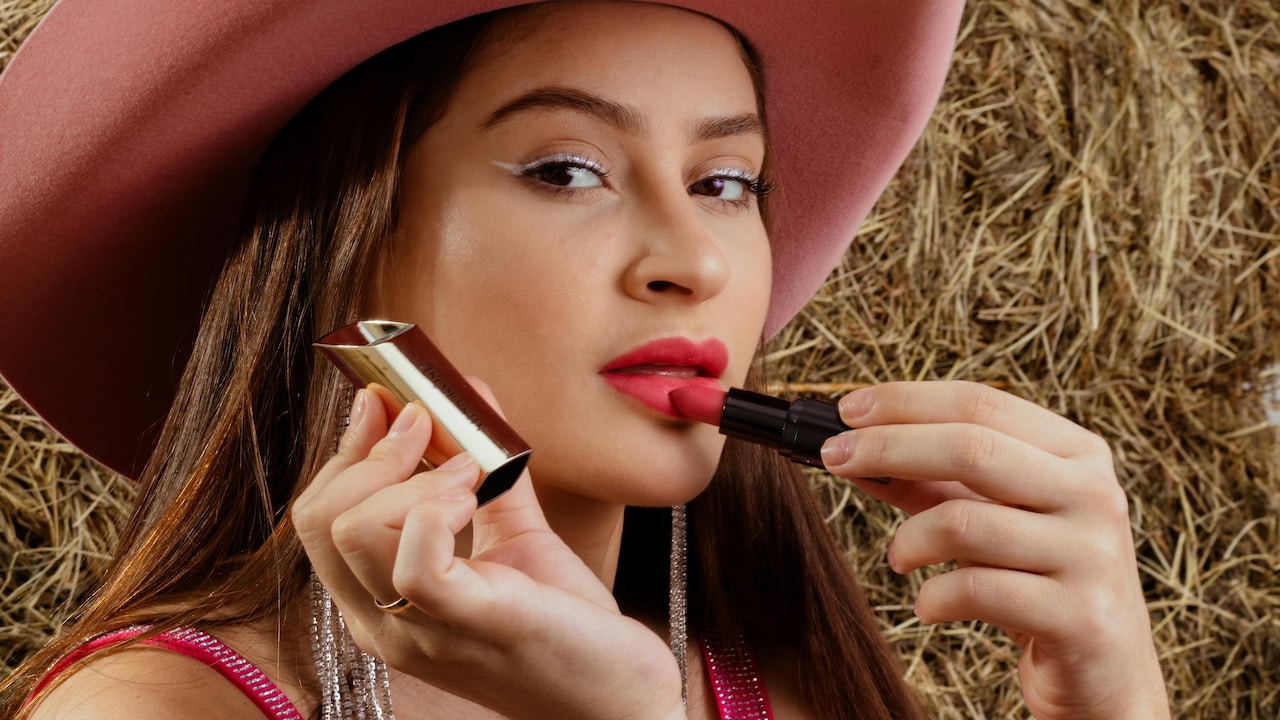
Micellar Water vs Cleansing Balm: Which Removes Makeup Faster?; Photo Credit: Pexels
Key Differences That Impact Makeup Removal Speed
Understanding Micellar Water: The Quick Swipe Hero
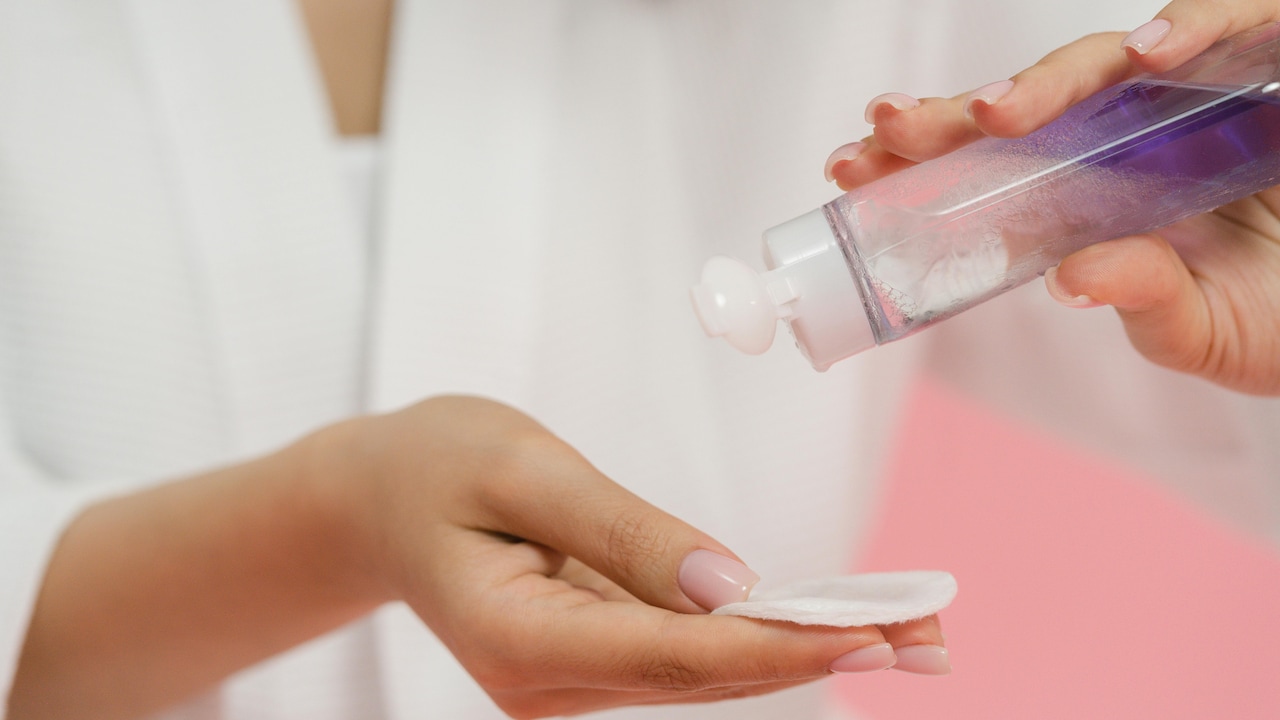
Micellar water has built its reputation as the ultimate no-fuss cleanser. It looks like plain water, feels like water, yet works like a magnet for dirt and makeup. Tiny oil molecules called micelles attract impurities and lift them off the skin without the need for harsh rubbing.
This makes it a favourite for busy mornings, gym bags, and travel kits. A cotton pad, a few drops, and the job begins. No rinsing required, no complicated steps. It fits seamlessly into hectic schedules, especially when every minute counts.
Speed is where micellar water shines. Light makeup, think tinted moisturiser, kajal, and lip balm, comes off within seconds. Even after a long day at work or a quick outing, it handles the basics efficiently.
However, the simplicity can sometimes feel deceptive. While it removes surface-level makeup quickly, stubborn products often demand multiple swipes. That's where the “fast” advantage starts to wobble slightly. Still, for everyday minimal makeup, micellar water feels like a reliable companion.
What Makes Cleansing Balm Different
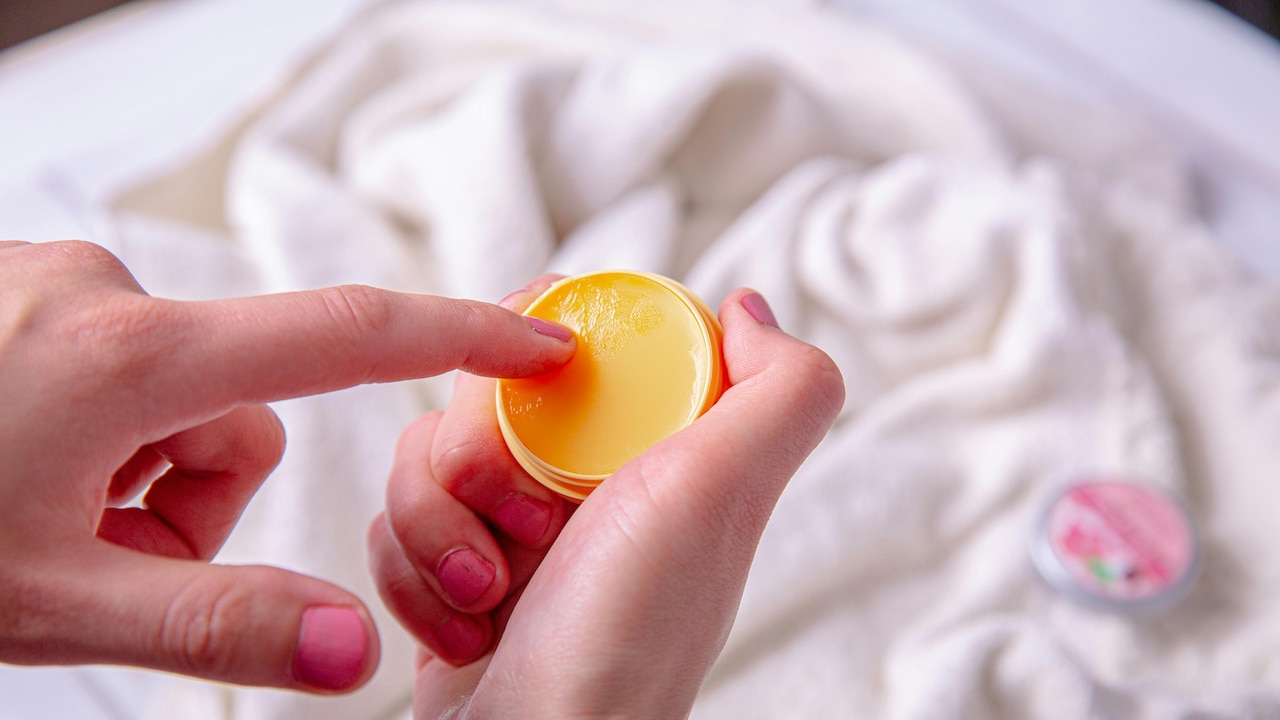
Cleansing balm takes a completely different approach. Instead of a water-like consistency, it comes as a thick, buttery solid that melts into oil upon contact with skin. The transformation itself feels satisfying, almost like watching stress dissolve along with makeup.
Unlike micellar water, cleansing balm works through massage. As fingers glide across the face, the balm breaks down makeup, sunscreen, and excess oil. It turns even the most stubborn products into a silky film that rinses away easily.
This method feels less like a chore and more like a ritual. After a long day, the act of massaging balm into the skin can feel grounding. It encourages slowing down, paying attention, and actually enjoying skincare.
Speed-wise, cleansing balm might seem slower at first glance. It requires application, massage, and rinsing. Yet, when it comes to removing heavy or waterproof makeup, it often completes the task in one go. No repeated rubbing, no extra effort. That efficiency, despite the extra steps, makes it surprisingly competitive.
Also Read: Best Budget-Friendly Makeup-Removing Balms Under Rs. 600
Speed Test: Which One Works Faster In Real Life
The idea of “faster” depends heavily on what sits on the face. For light, everyday makeup, micellar water usually wins. A quick swipe removes most products, making it ideal for rushed schedules or quick clean-ups.
But the situation changes with heavier makeup. Waterproof mascara, long-wear foundation, and matte lipsticks tend to resist micellar water. They require multiple cotton pads and repeated swiping, which slowly eats into time.
Cleansing balm, on the other hand, tackles everything in one round. The initial massage takes a minute or two, but it removes all layers in a single process. No going back for stubborn patches, no tugging at delicate skin.
So, while micellar water feels faster for simple routines, cleansing balm often finishes quicker when dealing with complex makeup. Speed, it turns out, isn't just about seconds; it's about efficiency.
The Effort Factor: Swipe Vs Massage
Effort plays a quiet but important role in how “fast” a product feels. Micellar water relies on cotton pads and gentle swiping. The process feels easy, almost effortless. Yet, repeated swipes can add up, especially around the eyes.
There's also the subtle strain of rubbing. Even gentle pressure, when repeated, can irritate sensitive areas. Over time, this turns a simple step into something slightly tedious.
Cleansing balm shifts the effort from repetition to intention. Instead of swiping, it asks for a gentle massage. The movement feels smoother, more controlled, and often more relaxing.
While it might take a bit longer initially, the process avoids repeated friction. One thorough massage usually does the job. The effort feels more balanced and less exhausting, especially after long days.
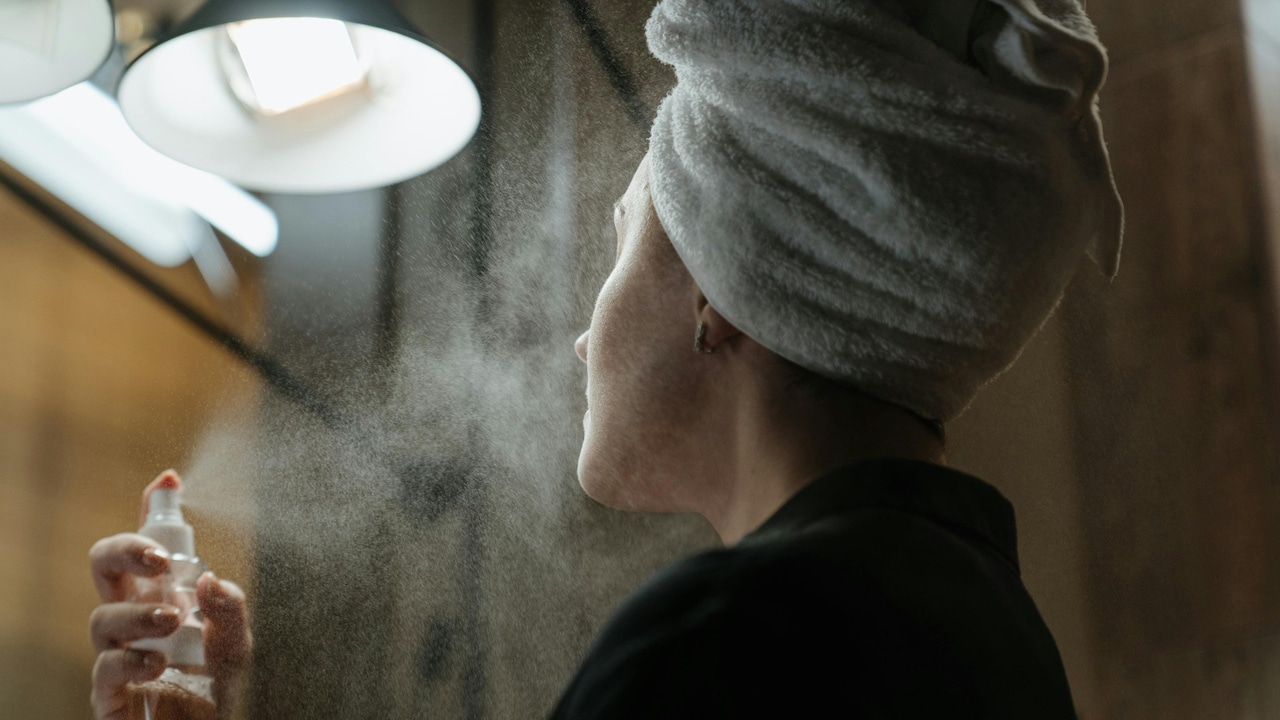
Micellar Water vs Cleansing Balm: Which Removes Makeup Faster?; Photo Credit: Pexels
Effectiveness of Waterproof Makeup
Waterproof makeup changes the game entirely. Products designed to survive sweat, humidity, and long hours rarely come off easily. This is where the real difference between micellar water and cleansing balm becomes obvious.
Micellar water can struggle here. Even specialised formulas often need multiple passes to break down waterproof mascara or liner. The repeated swiping not only takes time but can also feel harsh on the eyes.
Cleansing balm excels in this area. Its oil-based nature dissolves stubborn makeup effortlessly. A gentle massage breaks down even the most resilient products without pulling or rubbing.
The process feels smoother and more effective. Instead of battling the makeup, the balm simply melts it away. For anyone who regularly uses long-wear products, this can make a noticeable difference in both time and comfort.
Skin Feel After Cleansing
How the skin feels after cleansing often influences product choice more than speed itself. Micellar water leaves a clean, fresh sensation. It feels light and non-greasy, which suits those who prefer minimal residue.
However, some people notice a slight tightness, especially if the skin leans towards dryness. The lack of rinsing can also leave behind traces that feel subtle but present.
Cleansing balm offers a completely different finish. After rinsing, the skin feels soft, nourished, and slightly hydrated. There's no tightness, only a smooth, comfortable texture.
This difference matters, especially at night. After a long day, skin often craves something soothing. The balm's gentle, moisturising effect can feel like a reward rather than just another step.
Convenience And Portability
Convenience often decides what ends up in the skincare shelf. Micellar water scores high here. It's easy to carry, simple to use, and doesn't require water. Perfect for travel, office bags, or quick touch-ups.
A small bottle and a few cotton pads fit anywhere. It's the kind of product that works even in less-than-ideal conditions.
Cleansing balm, while effective, requires a bit more setup. It needs water for rinsing and usually works best in a proper skincare routine. Carrying it around isn't as straightforward.
That said, at home, the balm fits beautifully into a structured routine. It turns cleansing into a complete experience rather than just a quick fix.
Cost And Value Over Time
Budget always plays a role, even in skincare choices. Micellar water appears affordable upfront. A bottle can cost anywhere from ₹250 to ₹800, depending on the brand.
However, frequent use means going through bottles quickly. Cotton pads add to the cost as well, even if they seem inexpensive individually.
Cleansing balm tends to cost more initially, often between ₹600 and ₹1,500. Yet, a small amount goes a long way. One tub can last months, making it more economical over time.
The value lies not just in price but in performance. When a product removes everything in one go, it reduces the need for additional steps or products.
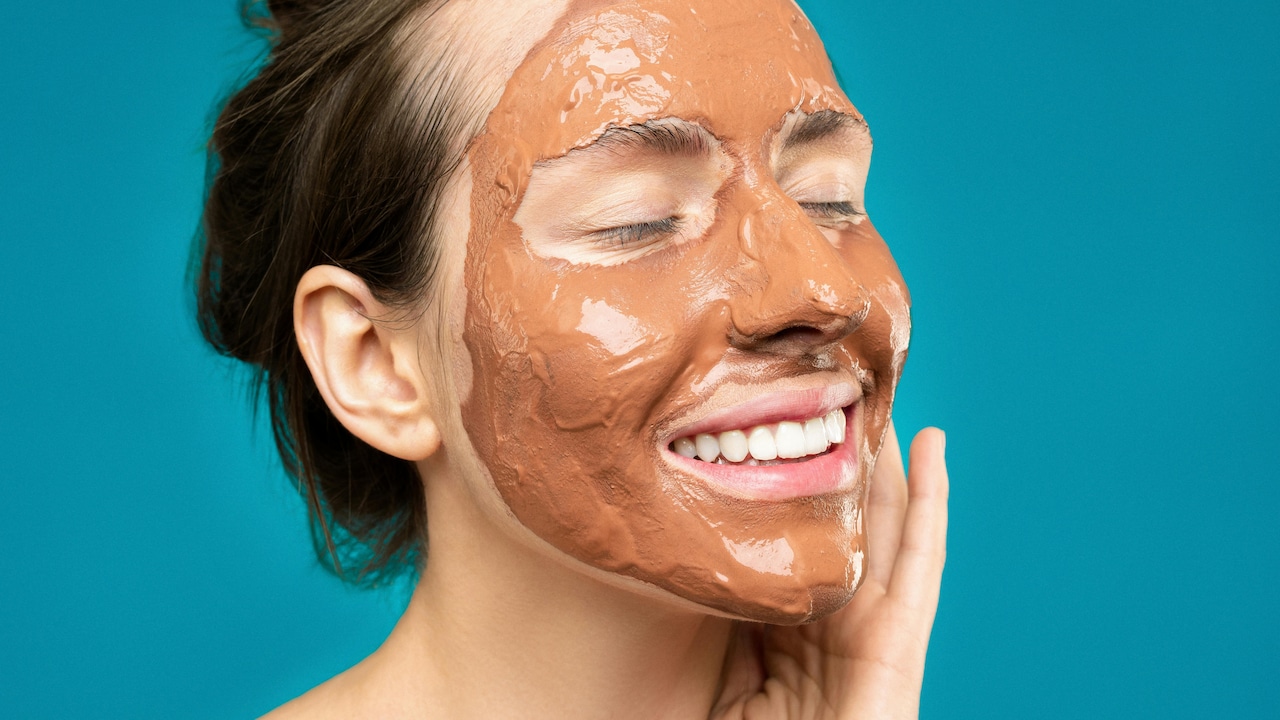
Micellar Water vs Cleansing Balm: Which Removes Makeup Faster?; Photo Credit: Pexels
Suitability For Different Skin Types
Skin type often determines what feels “right.” Micellar water suits oily and sensitive skin well. Its lightweight nature avoids clogging pores and feels refreshing.
However, dry skin may not always enjoy it. The lack of hydration can leave the skin feeling slightly uncomfortable.
Cleansing balm, with its nourishing texture, works beautifully for dry and combination skin. It adds a layer of comfort while cleansing.
Even oily skin can benefit, as oil-based cleansing helps balance natural oils. The key lies in choosing the right formula.
Understanding skin needs makes the decision clearer, often more than speed alone.
The Emotional Experience Of Cleansing
Skincare isn't just functional; it's emotional. Micellar water feels practical, efficient, and no-nonsense. It fits into busy lives without demanding attention.
Cleansing balm feels different. It invites a pause, a moment of calm. The act of massaging, the texture melting into the skin, the gentle rinse, it all feels comforting.
After a long day, that small ritual can make a difference. It turns cleansing into something to look forward to rather than rush through.
Speed matters, but so does how the process feels.
Products Related To This Article
1. Lakmé Micellar Water for Makeup Removal Makeup Remover (100 ml)
2. Dot & Key Strawberry Dew Melt in a Flash Cleansing Balm | Gentle Makeup Remover | Face Wash (70 ml)
3. GARNIER Micellar Cleansing Water, Gentle Cleanser For Everyday Use Makeup Remover (400 ml)
4. Renee Removing Balm 30g Makeup Remover (30 g)
5. Lacto Calamine Micellar Cleansing Water with Aloe Vera, Green Tea, and Niacinamide | Pack of 1 Makeup Remover (100 ml)
So, which removes makeup faster, micellar water or cleansing balm? The answer isn't as straightforward as it seems.
Micellar water wins in quick, everyday scenarios. It's fast, convenient, and perfect for light makeup or rushed routines. But when makeup becomes heavier and more stubborn, its speed advantage fades.
Cleansing balm, despite requiring more steps, often removes everything in one go. It saves time in the long run by being thorough, gentle, and efficient.
Ultimately, the choice depends on lifestyle and needs. For quick fixes, micellar water works beautifully. For deeper cleansing and a more satisfying experience, cleansing balm takes the lead.
In the end, the real winner isn't speed; it's what leaves the skin clean, comfortable, and ready to face another day.
(Disclaimer: This article may include references to or features of products and services made available through affiliate marketing campaigns. NDTV Convergence Limited (“NDTV”) strives to maintain editorial independence while participating in such campaigns. NDTV does not assume responsibility for the performance or claims of any featured products or services.)