How To Choose Between Cleansing Oil, Balm And Micellar Water
Cleansing oil, balm or micellar water? Learn how each works, which skin types they suit, and how to choose the right one for your make-up, sunscreen, climate and routine.

Easy ways to choose the best makeup remover for your daily routine
There is something deeply satisfying about washing away the day. Sunscreen, foundation, dust, sweat and the emotional residue of a crowded commute all deserve a proper farewell before bedtime. Yet choosing a first cleanser can feel oddly complicated. One bottle looks like cooking oil in elegant packaging. Another resembles a tub of fancy butter. Micellar water, meanwhile, appears almost too plain to handle waterproof mascara or stubborn sunscreen. Cleansing oil, cleansing balm and micellar water serve the same broad purpose: they loosen make-up, sunscreen and surface impurities before a regular face wash. However, they differ in texture, application, convenience and comfort. One may leave dry skin feeling soft and calm, while another suits a quick routine after a late dinner or long workday.

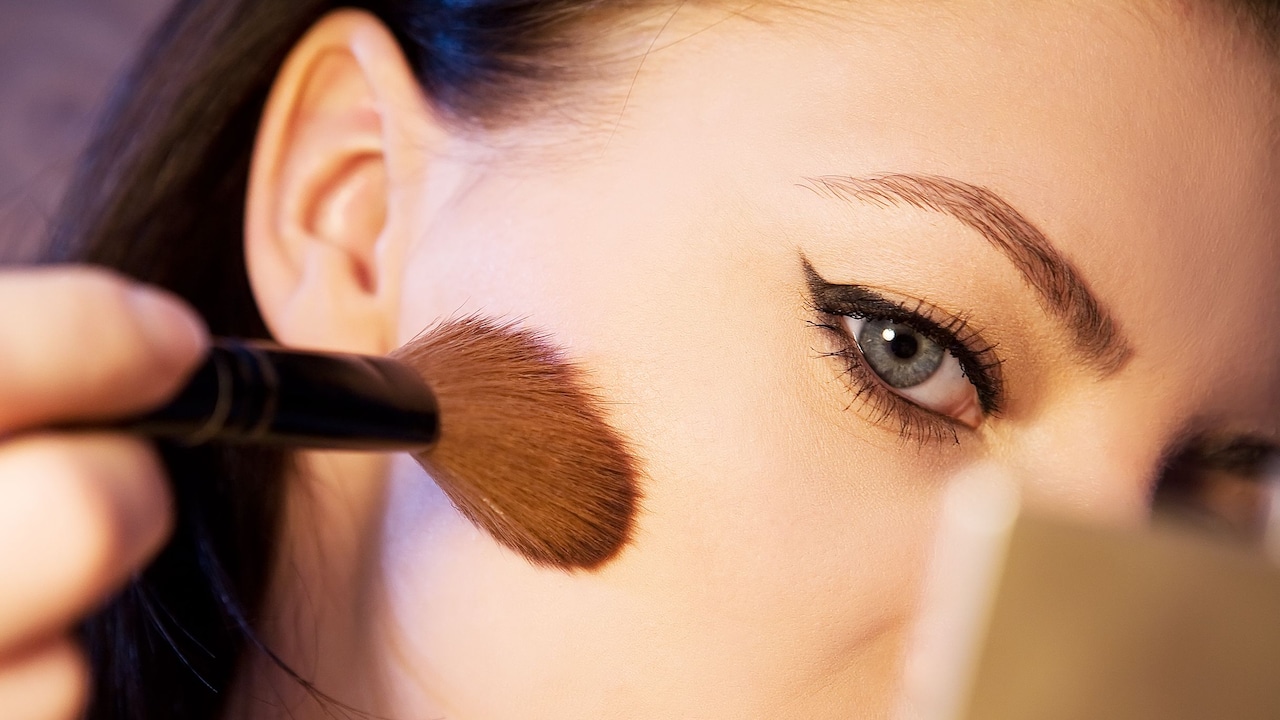
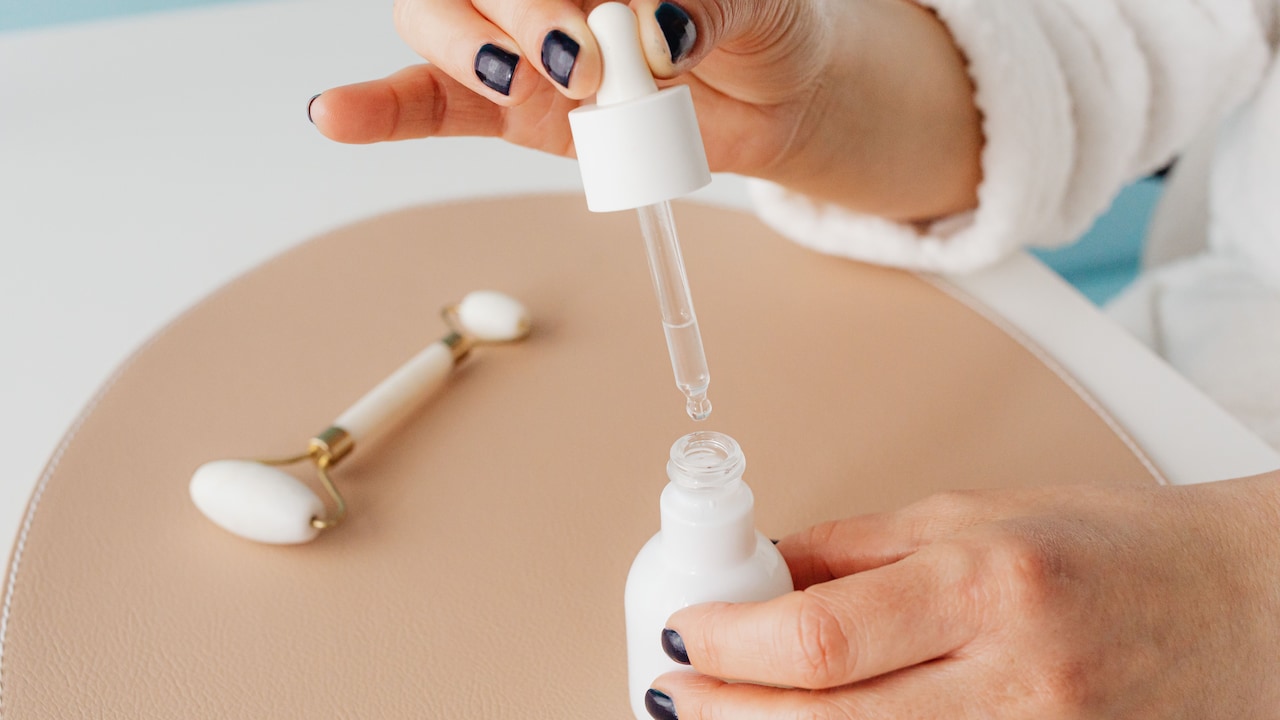
Tips to choose between cleansing oil, balm, and micellar water for removing makeup; Photo Credit: Pexels
The best product is not always the most expensive one or the option currently trending online. It is the cleanser that suits the skin, fits into daily life and gets used consistently. The following ten factors can make that decision much easier.
Also Read: Best Budget-Friendly Makeup-Removing Balms Under Rs. 600
Key Factors To Consider Before Choosing Your Cleanser
1. Understand How Each Cleanser Works
Cleansing oils contain lightweight oils and emulsifying ingredients that dissolve oil-based impurities. They break down sunscreen, sebum and make-up, then turn milky when water is added. This allows the product to rinse away without leaving the face coated like a freshly greased frying pan.
Cleansing balms work in a similar way, but they begin as solid or semi-solid products. The balm melts between the fingers and spreads across dry skin. Its thicker texture gives more control and often makes the cleansing process feel luxurious.
Micellar water uses tiny cleansing molecules called micelles suspended in water. These attract oil and dirt, which can then be lifted away using a cotton pad. It requires less massaging and usually needs no emulsifying step.
All three can remove surface debris effectively when used correctly. The main difference lies in the experience. Oils feel fluid and efficient, balms feel rich and comforting, while micellar water feels light, quick and familiar.
2. Match The Cleanser To Your Skin Type
Skin type offers a useful starting point, although it should not become a rigid rule. Dry or dehydrated skin often responds well to cleansing balms. Their rich texture reduces the tight, stretched feeling that can appear after cleansing. A gentle oil can also work beautifully, especially when it rinses clean and contains no harsh fragrance.
Oily skin may sound incompatible with an oil cleanser, but oil can dissolve excess sebum and heavy sunscreen effectively. The key is choosing a lightweight, emulsifying formula and following it with a mild water-based cleanser. A greasy residue is not a compulsory part of the experience.
Micellar water often suits combination, sensitive or acne-prone skin because it feels light and requires little product. However, repeated wiping can cause irritation, especially when cotton pads are rubbed aggressively.
Sensitive skin needs simplicity above all. Fragrance, essential oils and strong botanical extracts may cause more trouble than the cleanser format itself. A short ingredient list and gentle technique usually matter more than whether the product comes in a bottle, tub or transparent plastic cap.
3. Consider How Much Make-Up You Wear
The amount and type of make-up worn each day should shape the choice. A full face with long-wear foundation, cream contour, waterproof eyeliner and transfer-resistant lipstick needs a cleanser with serious dissolving power. Cleansing oils usually handle such routines efficiently because they spread quickly and reach every corner of the face.
Balms perform equally well on heavy make-up. Their thick texture makes them especially useful around the eyes and lips, where stubborn products tend to linger. The slow melting process can also feel soothing after a long event, wedding function or office celebration.
Micellar water works best for light make-up, such as tinted moisturiser, kajal, brow gel and regular lipstick. It can remove heavier products too, but several cotton pads may be required. By the fourth pad, both patience and the bathroom bin may begin to protest.
Anyone wearing waterproof mascara should hold the cleanser gently over closed eyes before wiping or massaging. Tugging at lashes rarely ends well. The strongest cleanser is not the one that demands the most force; it is the one that loosens make-up with minimal friction.
4. Think About Sunscreen Removal
Daily sunscreen deserves the same attention as make-up. Many modern formulas contain water-resistant filters, silicones and film-forming ingredients designed to stay on the skin through heat, humidity and perspiration. A quick splash of face wash may not remove them completely.
Cleansing oils are particularly effective for breaking down water-resistant sunscreen. Their fluid texture allows them to move easily across the hairline, jaw and sides of the nose, where product often collects unnoticed.
Balms offer similar cleansing power and may feel more comfortable on dry skin. They also travel better than runny oils, although a tub can become messy when used with wet fingers.
Micellar water can remove lighter sunscreens, especially fluid or gel formulas. Thicker, tinted or water-resistant sunscreens may require repeated passes. In such cases, micellar water can serve as the first step, followed by a gentle face wash.
A useful clue appears after cleansing. If the skin still feels slippery, coated or unusually congested over time, the sunscreen may not be coming off fully. The answer is better cleansing, not harsher scrubbing.
5. Look At The Climate And Season
Weather changes the way a cleanser feels. During hot, humid months, rich balms can seem heavy, particularly after a day filled with sweat, traffic fumes and sunscreen reapplication. A lightweight cleansing oil may feel more refreshing because it spreads fast and rinses away easily.
Micellar water also shines in humid weather. It offers a quick clean-up after travelling, exercising or returning home during a power cut when an elaborate routine feels wildly ambitious.
During cooler or drier months, cleansing balms become more appealing. Their cushiony texture can protect the skin from the uncomfortable tightness caused by dry air, indoor cooling and hot showers. Dry skin often appreciates the extra softness.
Seasonal changes do not require an entirely new skincare shelf. Some people keep micellar water for busy mornings and a balm for evening cleansing. Others use an oil throughout the year but massage it for less time during humid weather.
The skin rarely follows a fixed annual calendar. It reacts to temperature, travel, stress and lifestyle. Choosing a cleanser that can adapt to those changes often works better than following strict beauty rules.
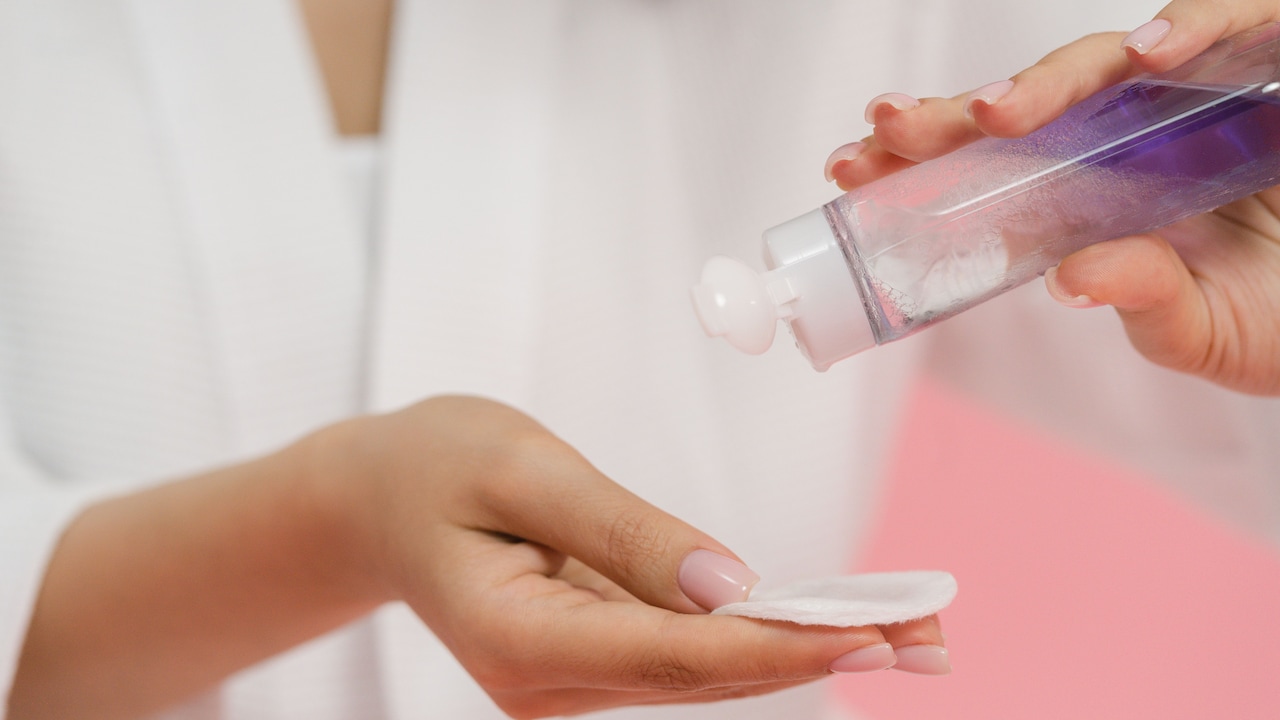
Consider your skin type and weather before finalising a makeup remover
Photo Credit: Pexels
6. Decide How Much Time You Can Spare
The ideal cleanser must fit real life, not a fantasy routine involving candles, silk robes and twenty peaceful minutes before bed. On busy nights, convenience often decides whether the face gets cleansed properly at all.
Micellar water is the fastest option. Pour it onto a cotton pad, press, wipe and continue with a face wash if needed. It suits late workdays, overnight train journeys and moments when standing at the sink feels like an athletic event.
Cleansing oil takes slightly longer. It should be applied to dry skin, massaged, emulsified with water and rinsed. The process remains quick once it becomes familiar.
A cleansing balm requires a little more effort because it needs to be scooped out and melted. Some formulas also come with reusable cloths, adding an extra washing step. However, that slower rhythm can become a pleasant evening ritual rather than a chore.
Consistency matters more than elegance. A beautiful ₹2,000 balm offers little value if it remains untouched because the routine feels tedious. A modest micellar water used every night may deliver far better results.
7. Pay Attention To Texture And Sensory Comfort
Texture can influence skincare habits more than expected. Some people enjoy the slip of cleansing oil and the way it glides across the face. Others dislike runny products that travel towards the elbows before reaching the cheeks.
Balms offer control. They stay where placed, melt gradually and often create a spa-like feeling. However, anyone uncomfortable with rich or buttery textures may find them suffocating rather than soothing.
Micellar water feels familiar because it resembles ordinary water. It leaves little sensory residue and appeals to those who dislike touching their face for too long. Yet the repeated use of cotton pads may feel wasteful or irritating.
Fragrance also affects the experience. A mild scent can feel relaxing, but heavily perfumed cleansers may trigger sensitivity or headaches. Since cleansing products are used around the nose and eyes, a strong fragrance can quickly turn a calming routine into an endurance test.
The right texture should make cleansing easier, not create resistance. When a product feels pleasant, there is a better chance it will be used properly instead of rushed through with the enthusiasm of finishing household paperwork.
8. Check Whether Double Cleansing Is Needed
Double cleansing means using an oil-based cleanser first and a water-based cleanser second. The first step removes make-up, sunscreen and excess sebum. The second clears sweat and remaining residue.
Cleansing oils and balms are designed for this approach. After emulsifying and rinsing them away, a gentle gel, cream or foaming cleanser can complete the process. Double cleansing is especially useful after wearing heavy sunscreen, spending time outdoors or using long-wear cosmetics.
Micellar water can also function as the first step. Although some bottles claim that rinsing is unnecessary, washing the face afterwards often feels more comfortable, particularly for sensitive or acne-prone skin. Residual cleansing agents may cause dryness or irritation for some users.
Double cleansing does not need to happen twice a day. Morning skin usually needs only a mild wash, and some dry skin types may prefer water alone. Over-cleansing can disturb the skin barrier and lead to tightness, flaking or increased oiliness.
The face should feel clean, not squeaky. Squeaky belongs to polished steel utensils, not healthy skin.
9. Compare Hygiene, Packaging And Travel Needs
Packaging can turn a good product into either a daily favourite or a minor household nuisance. Cleansing oils usually come in pump bottles, which keep the product hygienic and easy to dispense. However, poorly secured pumps may leak during travel and decorate an entire toiletry bag.
Balms come in tubs. They travel well because they do not spill easily, but they should be handled with clean, dry fingers or a spatula. Wet hands can introduce water into the container and affect the product over time.
Micellar water usually comes in flip-top or pump bottles. Smaller bottles are convenient for flights, gym bags and weekend visits. Cotton pads are also needed, which adds another item to pack.
Those who travel often may prefer a balm or travel-sized micellar water. At home, a pump oil can be the most practical choice. Packaging also affects value. A jar that encourages oversized scoops may finish much faster than expected.
Before buying, consider where the cleanser will be stored, how often it will travel and whether the packaging suits hurried hands. Bathroom shelves have witnessed enough accidental spills.
10. Balance Price, Ingredients And Long-Term Value
Price does not always reflect cleansing performance. An affordable ₹400 micellar water may suit a light routine better than a premium balm. Similarly, a ₹1,500 cleansing oil may offer good value if one pump removes a full face and the bottle lasts several months.
Look beyond brand claims and examine the ingredient list. Sensitive skin may benefit from fragrance-free formulas. Acne-prone skin should avoid products that repeatedly cause congestion, although individual reactions vary. Plant oils are not automatically nourishing, and synthetic ingredients are not automatically harmful.
The amount needed per use also matters. Micellar water may appear economical, but frequent use with several cotton pads can increase the monthly cost. Balms may last well when measured with a small spatula. Oils often offer predictable usage through a pump dispenser.
Trial sizes can prevent expensive mistakes. A cleanser must be judged by how the skin feels after regular use, not by one glamorous application.
Good value means comfort, effectiveness and consistency. The best purchase is the product that removes the day without creating a new skincare problem by morning.
Products Related To This Article
1. LAVENZA Moonland Balancing Cleansing Balm with Juniper Berries & Lavender
2. TULIPS Premium Micellar Cleansing Water Makeup Remover with Seaweed Extract
3. Earth Rhythm Matcha Green Tea Cleansing Balm
4. Garnier Oil infused Cleansing Water-Waterproof Makeup Remover For All Skin Types
5. Coco Crush Cold Pressed Deep Cleansing Oil With Coconut
6. CasaVeda Deep Cleansing Kumkumadi Oil
7. Olivia Skin Purifying Cleansing Oil
Choosing between cleansing oil, balm and micellar water does not require a beauty degree or a bathroom shelf large enough to qualify as commercial property.
Cleansing oil suits those who want speed, strong make-up removal and easy emulsification. Cleansing balm works well for dry skin, heavy make-up and anyone who enjoys a richer ritual. Micellar water fits light routines, travel and nights when convenience becomes the deciding factor.
Skin type, sunscreen habits, climate, texture preferences and budget all deserve consideration. It may also make sense to use different cleansers for different situations. A micellar water can handle rushed evenings, while an oil or balm can take over after weddings, festive gatherings or long days outdoors.
The right cleanser should leave the skin comfortable, calm and ready for the next step. No burning, no aggressive rubbing and no mysterious film clinging to the jawline.
At the end of the day, cleansing should feel less like a complicated science experiment and more like a small act of closure. The make-up comes off, the dust disappears, and the skin gets a quiet chance to breathe.
(Disclaimer: This article may include references to or features of products and services made available through affiliate marketing campaigns. NDTV Convergence Limited (“NDTV”) strives to maintain editorial independence while participating in such campaigns. NDTV does not assume responsibility for the performance or claims of any featured products or services.)