Why Vitamin C Serum Turns Orange And When You Should Stop Using It
Vitamin C serum turns orange when air, heat and light cause oxidation. Learn which colour changes are harmless, which signal spoilage and when it is safer to stop using the product.
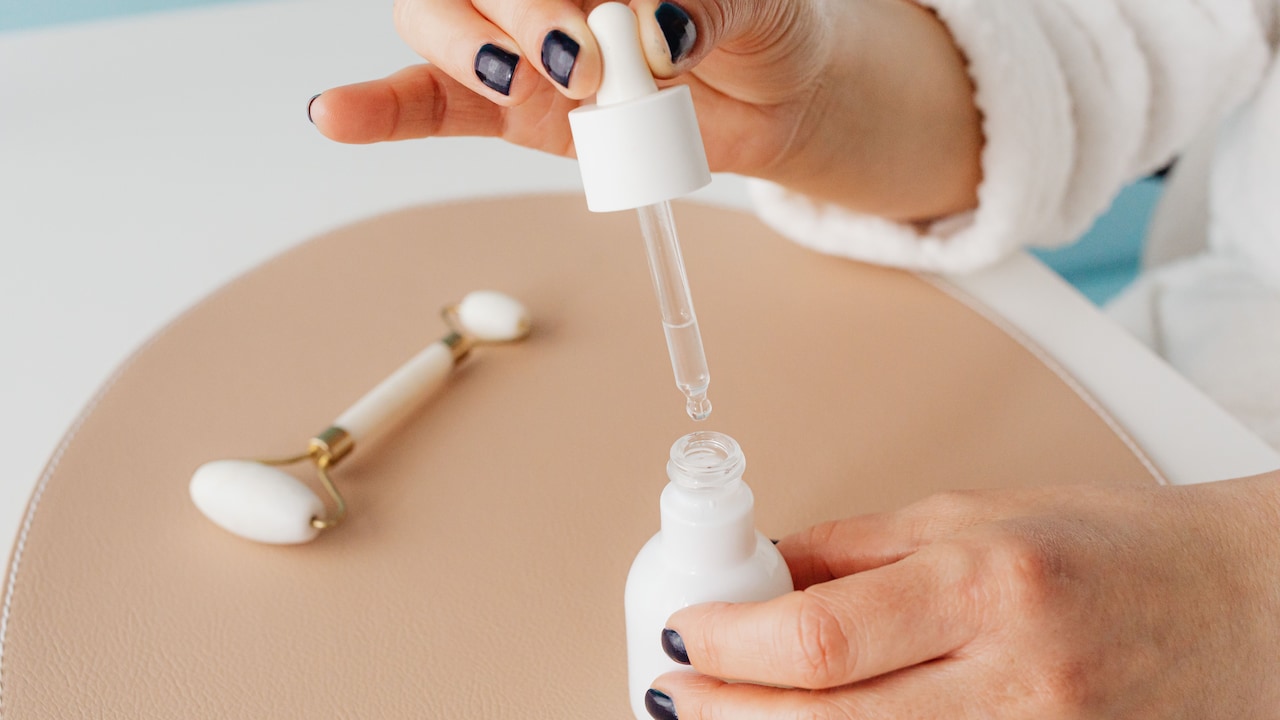
Vitamin C Serum Colour Guide: What Yellow, Orange And Brown Mean
Vitamin C serum enjoys star status in many skincare routines. It promises brighter-looking skin, support against environmental stress, and a more even appearance over time. Naturally, nobody feels cheerful when an expensive little bottle starts resembling orange squash. The change often begins quietly. A serum that looked almost transparent on Monday may appear pale yellow a few weeks later. Leave it beside a sunny bathroom window, and the shade can deepen much faster. Soon, the bottle contains something closer to amber syrup than a fresh skincare treatment.
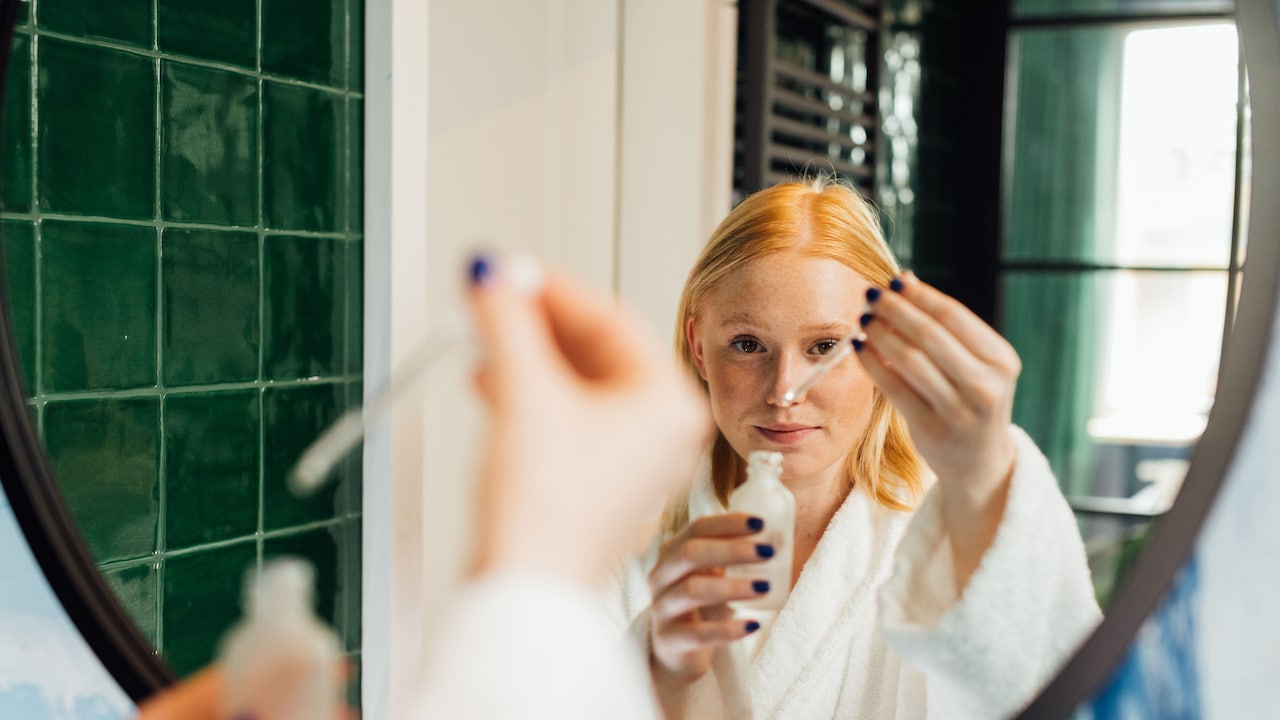
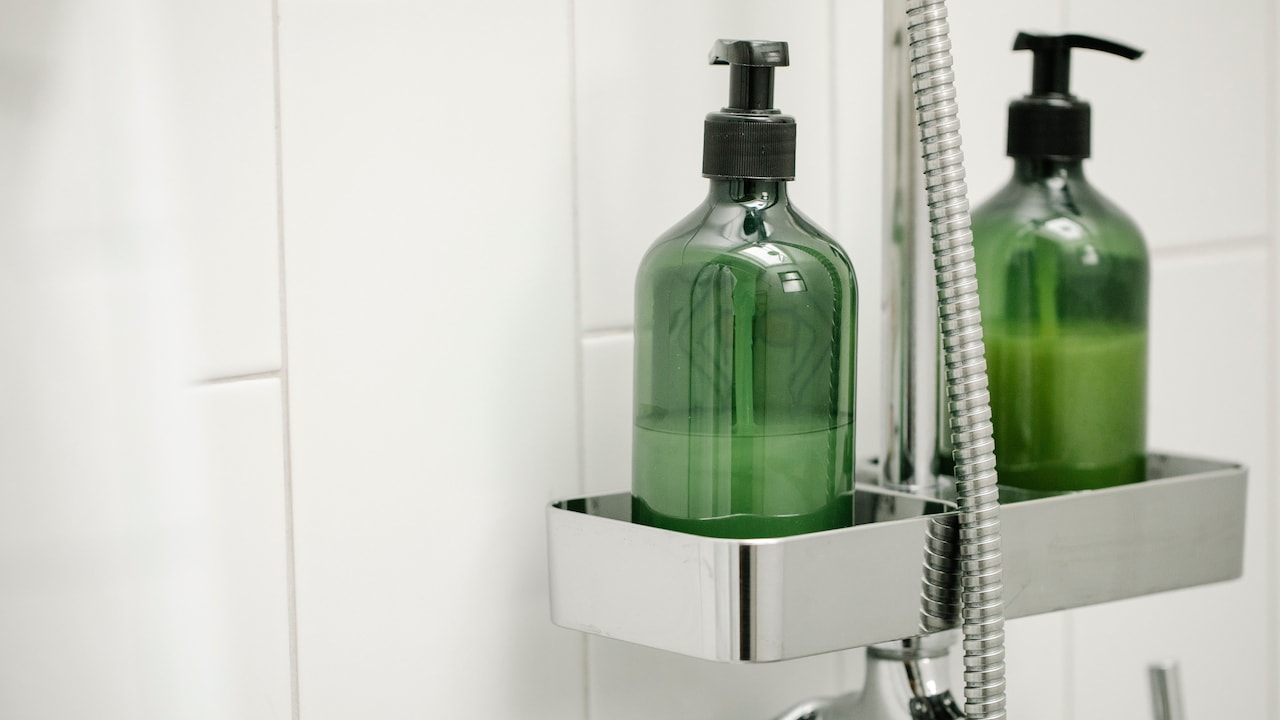
Vitamin C Serum Colour Guide: What Yellow, Orange And Brown Mean; Photo Credit: Pexels
This does not always mean immediate disaster. Some vitamin C formulas naturally have a yellow or golden tint because of their ingredients. However, a noticeable change from the serum's original colour usually points towards oxidation. The active ingredient has started reacting with air, light or heat. Knowing the difference between a harmless tint and a tired formula can save skin, money and unnecessary panic. These ten signs and habits explain why vitamin C serum turns orange, how quickly it can happen, and when continued use stops making sense.
What Your Vitamin C Serum's Colour Is Trying To Tell You
1. Oxidation Changes The Colour Of Vitamin C
Vitamin C, particularly in the form of L-ascorbic acid, has an awkward personality. It can work beautifully in skincare, but it dislikes air, light and heat. Once exposed to these elements, it starts to oxidise. That chemical reaction gradually changes the serum's colour.
A fresh L-ascorbic acid serum often looks clear, colourless or very pale yellow. As oxidation begins, it may turn deeper yellow, then amber and eventually orange or brown. Think of a sliced apple left on the kitchen counter. The fruit darkens after exposure to air, and vitamin C serum goes through a similar visible decline.
Oxidation can also reduce the amount of active vitamin C available to the skin. The serum may still feel normal, but its brightening and antioxidant benefits can become less reliable.
The colour change rarely happens overnight unless storage conditions are poor. It usually develops over several weeks or months. That slow transformation makes regular checks useful. Comparing the serum with an old product photograph can reveal a change that daily use may have made difficult to notice.
Also Read: Top 5 Serums Under ₹1,000 That Actually Show Results In 4 Weeks
2. Air Enters The Bottle Every Time It Opens
Each time a vitamin C bottle opens, a small amount of air enters. That sounds harmless, yet repeated exposure gives oxygen more opportunities to react with the formula. A loose cap, damaged pump or dropper left open during a leisurely skincare routine can speed up the process.
Dropper bottles look elegant on dressing tables, but they often expose the serum to more air than airless pumps. The dropper can also touch fingers or skin, introducing moisture and residue into the bottle. A serum does not need that sort of social life.
To reduce air exposure, close the bottle immediately after dispensing the required amount. Avoid pumping or squeezing more product than necessary. Never leave the cap beside the sink while completing the rest of the routine.
The amount of space inside the bottle also matters. As the serum gets used up, more air occupies the container. Oxidation may then accelerate during the final weeks. Buying a giant bottle may appear economical, but a smaller size often stays fresher because it gets finished sooner. With unstable ingredients, practical packaging can matter more than impressive quantity.

Vitamin C Serum Colour Guide: What Yellow, Orange And Brown Mean; Photo Credit: Pexels
3. Sunlight Can Age The Formula Quickly
Sunlight does not need to fall directly on the serum for hours to cause trouble. Even regular exposure near a window can encourage oxidation, especially when the formula contains pure L-ascorbic acid.
A bathroom ledge may seem like a convenient storage spot, but it can receive bright daylight and frequent temperature changes. A dressing table beside a sunny balcony door creates a similar problem. The bottle may look decorative there, yet skincare works better as a treatment than as interior decoration.
Dark amber, brown or opaque packaging helps protect the formula from light. Clear glass offers far less defence. Even a dark bottle cannot fully protect a serum that sits under strong sunlight every morning.
Store vitamin C serum inside a cupboard, drawer or closed cabinet. Keep it somewhere easy to reach, or the routine may become harder to maintain. A cool bedroom drawer often works better than a bright bathroom shelf.
Sunlight can also heat the bottle, creating two problems at once. The combination of light and warmth may turn a fresh serum yellow or orange long before its expected shelf life ends.
4. Heat Speeds Up Vitamin C Breakdown
Warm conditions can make vitamin C degrade faster. This becomes especially relevant during hot summers, when rooms remain warm even after sunset. A bottle stored near a window, geyser, stove, or frequently used hairdryer may face more heat than expected.
The bathroom can also become hot and steamy during showers. Those repeated changes in temperature may affect an unstable formula. While the serum will not necessarily spoil after one humid morning, months of careless storage can shorten its useful life.
A cool, dark cupboard usually provides enough protection. Some brands recommend refrigeration, although not every formula requires it. Follow the storage instructions printed on the carton or bottle. Placing a serum in the fridge without checking can make some formulas thicker or less pleasant to use.
When refrigeration suits the product, keep it away from food spills and do not place it near the freezer vent. Nobody needs a half-frozen serum rolling around beside a box of peas.
Most importantly, avoid leaving vitamin C serum in a parked car, gym bag or suitcase exposed to heat. A single afternoon inside a hot vehicle can affect delicate skincare far more than several days of normal indoor storage.
5. A Pale Yellow Tint May Still Be Normal
Not every yellow or golden vitamin C serum has oxidised. Some formulas look slightly tinted from the day they arrive. Ferulic acid, botanical extracts and other supporting ingredients can create a natural yellow, amber or even light orange shade.
The key question concerns change. Did the serum always look this way, or has it become noticeably darker? Check the brand's product description, the packaging or a photograph taken when the bottle first opened. The original colour provides a more useful reference than a general rule found online.
A pale yellow serum that remains stable in colour, smell and texture may still be perfectly usable. In contrast, a formula that begins clear and becomes dark orange within a month deserves closer attention.
Lighting can also play tricks. Warm bathroom bulbs may make a pale serum appear deeper in colour. Place one drop on a white ceramic plate or tissue and inspect it in natural indoor light. This simple check gives a clearer picture.
Do not judge the product only by how it looks through tinted glass. Amber packaging can disguise colour changes, so examining a drop outside the bottle offers a more accurate answer.

Vitamin C Serum Colour Guide: What Yellow, Orange And Brown Mean; Photo Credit: Pexels
6. Dark Orange Or Brown Signals Advanced Oxidation
A slight move from clear to pale yellow may indicate early oxidation, but dark orange or brown usually suggests that the process has progressed much further. At that stage, the serum may no longer deliver the benefits promised on the label.
Continuing to apply a heavily oxidised formula rarely makes financial sense. Using every last drop may feel thrifty, especially after paying ₹1,000 or more for a small bottle, but weak or irritating skincare offers poor value. The money has already left the account; the skin should not pay an additional fee.
Advanced oxidation may also produce compounds that irritate some complexions. Not everyone will experience redness or discomfort, but reactive or acne-prone skin may object sooner. A dark serum can sometimes leave temporary orange or brownish staining on the skin as well.
When the liquid resembles strong tea, dark honey or cola despite starting almost clear, stop using it. Do not try to rescue it by refrigerating it at that point. Cold storage can slow future reactions, but it cannot reverse chemical changes that have already happened.
Dispose of the formula and clean the bottle before recycling it where local facilities allow.
7. Smell And Texture Offer Extra Warning Signs
Colour gives the most obvious clue, but smell and texture can reveal further changes. A fresh vitamin C serum may have a faint acidic, metallic or unusual scent. That alone does not make it faulty. The concern arises when the smell becomes stronger, unpleasant or distinctly different from the original.
An oxidised serum may smell sour, stale or oddly metallic. Some people compare it with old coins or overripe fruit. The exact scent varies by formula, so familiarity with the fresh product matters.
Texture deserves attention too. A serum that becomes unusually sticky, grainy, separated or thick may have deteriorated. Crystals around the bottle neck can sometimes form when water evaporates from an L-ascorbic acid formula, particularly when the cap stays loose. Minor residue outside the bottle may not ruin the entire product, but changes throughout the liquid require caution.
Never shake a questionable serum and hope for the best. Mixing separated ingredients may disguise the problem without solving it.
Stop using the product when colour, smell and texture all change together. That combination strongly suggests instability, contamination or age-related breakdown rather than an innocent variation in appearance.
8. Skin Irritation Means The Serum Should Rest
A vitamin C serum can cause mild tingling when first introduced, particularly at higher concentrations. However, persistent burning, itching, swelling or redness does not count as proof that the product is “working”. Skin does not need to suffer for a serum to earn its place on the shelf.
Stop using the formula when irritation appears after it has changed colour, smell or texture. Wash the product off gently and avoid applying strong exfoliating acids, retinoids or scrubs until the skin feels calm. A plain moisturiser can help support the skin barrier.
Even a fresh serum may irritate sensitive skin. Concentration, acidity and interactions with other products all influence tolerance. Introduce vitamin C gradually and patch-test it before applying it across the face. Trying a new serum the night before a wedding function or important photograph remains an unnecessarily brave experiment.
Seek advice from a qualified dermatologist when irritation becomes severe, spreads, causes swelling or fails to settle. Skincare should improve confidence, not turn the morning mirror into a suspense thriller.
A changed formula plus a changed skin reaction offers a clear message: retire the bottle rather than negotiating with it for another week.
9. Expiry Dates And Opening Dates Both Matter
The expiry date on the packaging matters, but it does not tell the whole story. Many skincare products also display a small open-jar symbol with a number such as 3M, 6M or 12M. This indicates how many months the product should remain suitable after opening under proper storage conditions.
Vitamin C serums often have a shorter useful life than basic cleansers or moisturisers. L-ascorbic acid formulas may start deteriorating within a few months, particularly when they face frequent air, heat or light exposure.
Write the opening date on the bottle or carton with a permanent marker. That tiny habit prevents the familiar bathroom mystery: “Was this opened in March, or was it during last year's festive sale?”
An unopened serum can also degrade if stored badly or kept beyond its expiry date. Check for leaks, bulging packaging or an unusual colour when opening an older bottle.
Do not rely on the date alone when the formula shows obvious signs of deterioration. A serum can oxidise before its printed expiry if storage conditions are poor. Likewise, a properly stored product may look stable for months, but it should still stay within the manufacturer's recommended usage period.
10. Better Buying And Storage Habits Prevent Waste
Freshness begins before the first application. Buy vitamin C serum from a trusted seller with reliable stock rotation. Deep discounts on old or poorly stored inventory may not feel like a bargain when the product arrives dark orange.
Choose opaque or dark packaging, a secure cap and, where possible, an airless pump. Smaller bottles often suit occasional users better. Finishing 15 ml while it remains effective beats discarding half of a 30 ml bottle.
Store the serum in a cool, dark place and close it promptly after use. Keep the dropper clean, avoid touching it to the face and never add water or another serum to the bottle. Combining products in the palm works better than creating a home laboratory inside the container.
Apply only the amount recommended by the brand. More serum does not create faster results; it simply empties the bottle and may annoy the skin.
Check the liquid every week or two. Notice its shade, scent, and consistency rather than waiting for a dramatic transformation. These habits take seconds, yet they protect both the formula and the money spent on it. Good skincare storage may lack glamour, but it delivers something better: fewer disappointing orange surprises.
Products Related To This Article
1. Garnier Vitamin C + Face Serum for Skin Brightening & Anti-Dark Spots
2. Himalaya Brightening Vitamin C Orange Face Serum, 15 mL
3. Cos-IQ 23% Vitamin C Face Serum for Glowing Skin
4. The Derma Co 10% Vitamin C Face Serum with 5% Niacinamide
5. Chemist At Play 10% Vitamin C Serum for Glowing Skin
6. Pilgrim 10% Vitamin C Face Serum 10 ml for Glowing Skin with Niacinamide
7. Minimalist 10% Advanced Vitamin C Serum for Glowing Skin
Vitamin C serum turns orange mainly because oxidation changes the active ingredient after exposure to air, light, and heat. A mild yellow tint does not automatically make a formula unusable, especially when it looked that way from the beginning. A major colour shift, however, deserves attention.
The safest judgement comes from several clues rather than colour alone. Compare the serum with its original appearance. Check its smell, texture, age, packaging and effect on the skin. When a once-clear formula becomes dark orange or brown, develops an unpleasant scent, separates or causes new irritation, stop using it.
Prevention remains easier than replacement. Store the bottle in a cool, dark place, close it quickly, keep the applicator clean, and choose a size that can be finished within the recommended period.
A vitamin C serum should brighten a routine, not become a weekly chemistry puzzle. When the bottle starts looking more like masala chai than skincare, sentimentality can step aside. Retiring it may feel wasteful, but protecting the skin matters more than winning an argument with the final few drops.
(Disclaimer: This article may include references to or features of products and services made available through affiliate marketing campaigns. NDTV Convergence Limited (“NDTV”) strives to maintain editorial independence while participating in such campaigns. NDTV does not assume responsibility for the performance or claims of any featured products or services.)