Should You Use A Toner If You Already Use A Face Serum
Already using a face serum? Here is whether you actually need a toner too, what each one does, and how to use them together without overdoing it.

Easy way to use face toner and serum together for best results
Somewhere between cleanser and serum sits the toner, a step that half the skincare community swears by and the other half quietly skips. If you already use a serum, you've probably wondered whether adding a toner is necessary or just another bottle on the shelf. It depends on what each product does. Sometimes they overlap, sometimes they complement, and occasionally the wrong combination causes irritation. This guide covers when adding a toner actually helps and how to layer both without confusing the skin.

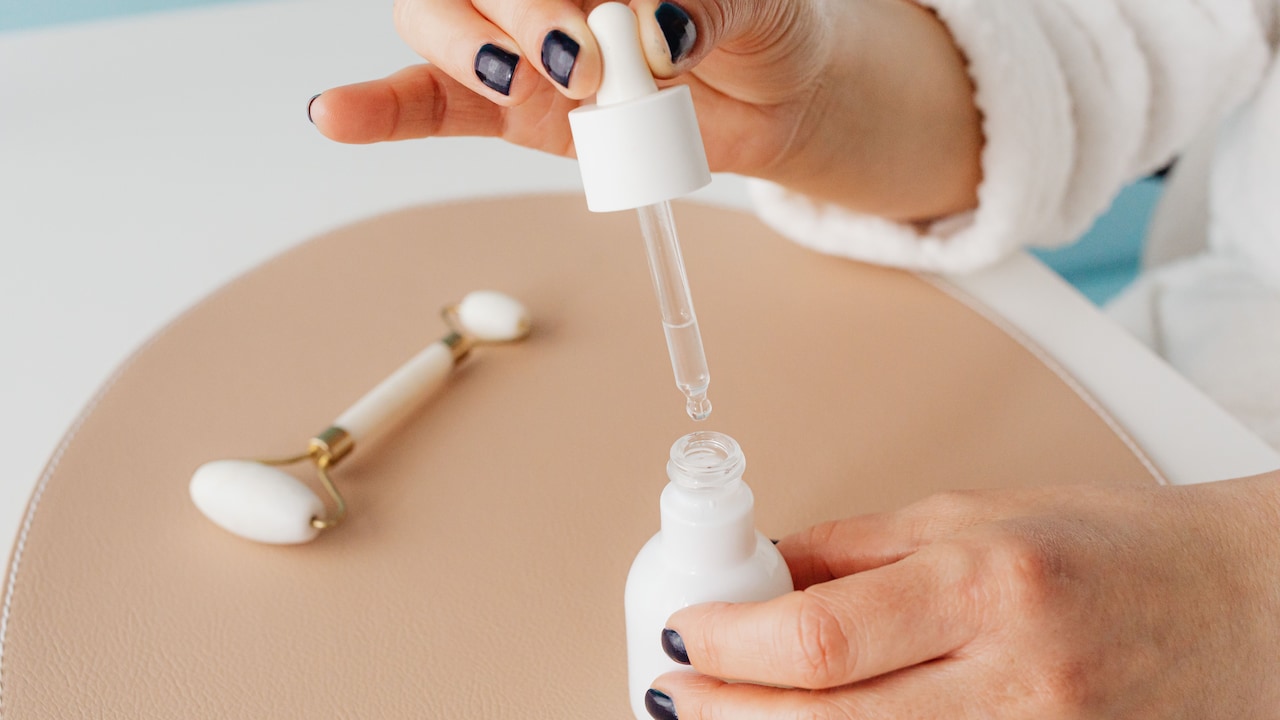
Discover if your skincare routine actually requires both a toner and a targeted face serum.
Photo Credit: iStock
What A Toner Actually Does
Modern toners have almost nothing in common with the astringent, high-alcohol formulas from twenty years ago. Today's toners are largely hydrating, pH-balancing, or exfoliating, and each type does a different job.
Also Read: Top 5 Oil Control Toners For Monsoon Skin Under ₹500
A hydrating toner adds moisture and helps the skin absorb what follows. An exfoliating toner clears dead cells and pores. A pH-balancing toner helps the skin return to its slightly acidic state after cleansing, which makes subsequent actives work better. Different products, different functions.
What A Face Serum Does
A serum is a concentrated treatment product with smaller molecules that penetrate deeper than a moisturiser. It is the active-delivery step in most routines: vitamin C for brightening, retinol for cell turnover, niacinamide for pores and barrier support, and hyaluronic acid for hydration. The serum is typically where the work happens.
Because serums go deeper, the state of the skin when they land matters. A dehydrated surface after cleansing can reduce penetration, which is where a hydrating toner earns its place.
Where They Overlap And Where They Don't
The overlap question is the most important one to answer before adding a toner to an existing routine:
1. When They Overlap
If your serum already contains hyaluronic acid or niacinamide and you're considering a toner with the same ingredients, you are layering the same actives twice. This is not dangerous, but it is often unnecessary. The better approach is to choose a toner that does something your serum doesn't, such as pH preparation, surface exfoliation, or a different category of hydration.
2. When They Complement Each Other
A glycolic acid toner followed by a vitamin C serum is a genuinely effective pairing. The exfoliating toner clears the dead skin layer so the vitamin C lands on fresh cells. Similarly, a hydrating toner before a retinol serum creates a buffer layer that reduces the chance of irritation, which is one of the more practical applications of the sandwich method.
3. When They Can Conflict
Two exfoliating actives in the same routine at the same time is the most common mistake. A glycolic acid toner followed immediately by a high-concentration salicylic acid or retinol serum creates a cumulative acid load the skin barrier may not handle well, especially on sensitive skin. The solution is to alternate, using the exfoliating toner in the morning and the active serum at night, or on different days entirely.
If your serum handles treatment and your moisturiser handles the barrier, a toner is optional. Where it adds clear value: skin needing surface exfoliation the serum doesn't provide chronically dehydrated skin that needs that extra prep layer or skin types where pH balance after cleansing makes a visible difference.
4. The Case For Skipping It
Skip it if skin feels comfortable after cleansing, the serum absorbs well, and the routine is working. Adding a step to a working routine increases cost and the risk of interaction. If it isn't broken, the toner is optional.
5. The Case For Adding It
It earns its place when cleansing leaves skin tight, when serums sit rather than soak in, when you want light exfoliation without a separate product, or when your skin needs a buffer before strong actives.
How To Use A Toner And Serum Together
Step 1: Cleanser First, Always
Toner goes on clean skin. It is not a replacement for cleansing and should not be used on sunscreen or makeup residue. Cleanse, pat damp, then apply toner.
Step 2: Toner Before Serum
Toner goes on slightly damp skin immediately after cleansing. Let it absorb for thirty to sixty seconds, then apply the serum. Lighter formulas go before denser ones: this is the standard thin-to-thick layering rule.
Step 3: Don't Stack Two Exfoliating Actives
If both exfoliate, use them at different times of the day or on different days. The barrier needs space between acid applications.
Step 4: Let Each Layer Absorb
Thirty seconds between layers is usually enough. Applying serum on still-wet toner can dilute it.
Step 5: Adjust For Your Skin's Response
If you introduce a toner and your skin becomes more reactive, dial back the frequency. Three times a week is often enough for exfoliating toners, while hydrating toners can be used daily without concern.
Step 6: Check The Ingredient Order
Ingredients listed first in a formula are present in higher concentrations. If both your toner and serum list the same active ingredient among the first three ingredients, you are using a product that your skin may not need in duplicate.
Step 7: Reassess After Four Weeks
Four weeks is enough time to see whether the toner addition has made a visible difference. If the skin looks brighter, more even, or absorbs the serum better, keep it. If nothing has changed, the step may be unnecessary for your specific skin.
Step 8: SPF Closes Every Daytime Routine
Toner, serum, moisturiser, SPF. In that order. This is especially important if your toner contains AHA or BHA acids, as these ingredients can increase photosensitivity. Skipping SPF with an exfoliating toner in the routine actively works against the results you are trying to achieve.
The Honest Answer
A toner is not a shortcut. It fills a specific gap, and the gap has to exist before it is worth adding. If your serum is working and your skin feels balanced after cleansing, the toner is optional.
It earns its place in routines with a specific gap: needing exfoliation, prepping before a dense active, or buffering sensitive skin. Match the toner to the gap, check ingredient overlap, and the two work better together than either does alone.

Understand the different benefits of toners and serums to build your perfect daily routine.
Photo Credit: iStock
Some Toners Worth Trying
1. Minimalist 8% Glycolic Acid Toner
2. Plum 3% Niacinamide Alcohol-Free Toner With Rice Water
3. Conscious Chemist Blackhead Melting Water With Glycolic Acid
4. Skin1004 Madagascar Centella Hyalu-Cica Brightening Toner
5. Hyphen Hydrating Ceramide Toner Essence With 5% White Nectar
6. Conscious Chemist 7% Ceramide Milky Toner With Niacinamide
7. Pilgrim Alcohol-Free Face Mist & Toner With White Lotus & Camelia
8. Suroskie Glow Up Juice SPF 35 With Rose & Rice
Frequently Asked Questions (FAQs)
1. Should toner come before or after serum?
Before. Toner primes the skin surface, then the serum goes in. The reliable layering rule is to apply lighter products before denser ones.
2. Can I use glycolic acid toner with vitamin C serum?
Yes. The toner clears the surface so the vitamin C lands on fresher skin. Use the toner first, wait a minute, then apply the serum. This pairing is one of the more effective options available.
3. Is toner necessary for oily skin?
In fact, toner is more necessary for oily skin than for dry skin. An exfoliating toner keeps pores clearer and reduces the dead skin buildup that contributes to congestion. A niacinamide toner also reduces sebum over time.
4. What happens if I skip the toner?
Nothing dramatic. The serum will still work. If your skin is comfortable after cleansing and absorbs the serum well, skipping the toner costs you very little. It is an enhancement, not a foundation.
5. Can I use toner twice a day?
Hydrating toners, yes. Exfoliating toners with AHA or BHA, no. Once a day in the evening or every other day is enough for exfoliating formulas. Daily acid toning gradually weakens the barrier.
(Disclaimer: This article may include references to or features of products and services made available through affiliate marketing campaigns. NDTV Convergence Limited (“NDTV”) strives to maintain editorial independence while participating in such campaigns. NDTV does not assume responsibility for the performance or claims of any featured products or services.)