Common Reasons Tinted Sunscreens Look Grey, Orange Or Patchy And How To Fix Them
Tinted sunscreen can look grey, orange or patchy when the shade, undertone, mineral filters or texture do not match your skin. Here’s why it happens and how to pick a formula that blends better.

Discover the common reasons behind patchy-looking tinted sunscreens and how to fix
Tinted sunscreen sounds like a clever beauty shortcut. One tube, two jobs. It protects the skin from the sun and softens the look of marks, redness and uneven tone. In theory, it should make mornings easier, especially when the weather already feels like a steamer before breakfast. Then reality arrives. A sunscreen that looked promising under store lights turns ashy near the jaw. Another shade looks fine for ten minutes, then becomes orange by lunchtime. Some formulas cling around the nose, collect near the eyebrows or form pale streaks after a rickshaw ride through humid traffic. Suddenly, the “natural finish” feels more like a bad filter.

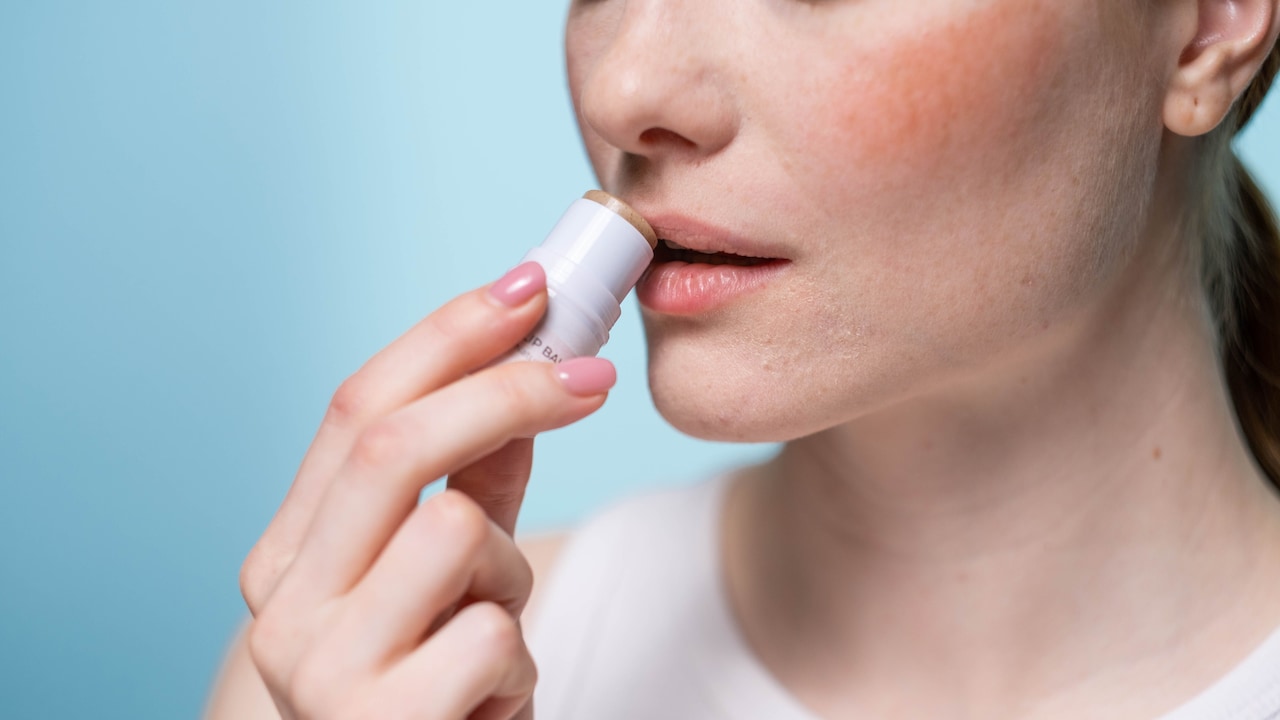
Common reasons that make tinted sunscreens look patchy post application; Photo Credit: Pexels
The truth is simple. Tinted sunscreen does not fail because deeper or medium skin tones are difficult. It fails because many formulas still treat tint like an afterthought. They often lean too pink, too peach, too beige or too pale. Add mineral filters, sweat, skincare layers and undertones into the mix, and the result can look grey, orange or patchy.
Also Read: Best 5 Tinted Sunscreens For Even Skin Tone Under ₹700
Why Your Tinted Sunscreen Does Not Blend Properly
The Tint Is Too Light For The Skin
The most common reason tinted sunscreen turns grey is shade mismatch. Many tints come in one “universal” colour, which sounds convenient but rarely works across real faces. A single beige tint may suit a narrow range of skin tones, then sit visibly on everyone else. On medium, tan and deeper complexions, that pale base can create a dusty film.
This grey cast often appears around the mouth, jawline and forehead first. These areas may naturally have more depth, so a light tint stands out there. Under indoor lighting, it may look manageable. Step into daylight, and the mismatch becomes obvious.
The problem grows when brands call a shade “medium” but build it around a light beige undertone. A person who buys a ₹899 tube may expect a soft, healthy finish. Instead, the face looks slightly powdered, as though talcum has joined the skincare routine uninvited.
A good tint should blend into the skin, not sit above it like a polite but awkward guest.
Mineral Filters Can Leave A White Base
Many tinted sunscreens use mineral filters such as zinc oxide or titanium dioxide. These ingredients help block and scatter ultraviolet rays. They also bring a natural whiteness that can show through the tint, especially when the pigment level does not balance it well.
Think of it like adding a spoon of cocoa to a glass of milk. The drink changes colour, but the milk still controls the base. In the same way, a little pigment may not fully cover the pale mineral layer beneath it. On deeper skin tones, this can create a grey or lavender haze.
This does not mean mineral sunscreen is bad. Many people prefer it because it feels gentle and suits sensitive skin. The issue lies in the blend. A well-made tinted mineral sunscreen uses enough iron oxides and balanced pigments to soften the white cast.
When the formula skimps on pigment, the face can look chalky. The sunscreen may protect well, yet the finish may not feel wearable enough for daily life.
The Undertone Does Not Match
Skin depth matters, but undertone matters just as much. Two people can share a similar skin tone and still need different tints. One may have golden undertones. Another may lean olive. Someone else may carry neutral, red or peach notes. When sunscreen ignores this variety, trouble begins.
A tint with too much pink can turn dull or grey on golden and olive skin. A peach-heavy tint can look orange on neutral brown skin. A yellow tint can look strange on skin with cooler depth. The face may not look darker or lighter, but it looks “off”.
This explains why a friend's favourite sunscreen can look lovely on her and odd on another person. The formula has not changed. The undertone match has.
Store lighting can make this harder. Bright counters and bathroom mirrors often flatter the shade. Natural daylight tells the full story. The cheek, neck and jaw usually reveal whether the undertone works. When the undertone fails, the sunscreen looks like makeup borrowed in a hurry.
Orange Tints Come From Too Much Warm Pigment
Orange sunscreen usually points to excess warm pigment. Many brands add peach, red or yellow tones to cancel the white cast from mineral filters. That can help, but too much warmth creates a different problem. The face starts to look sunburnt, muddy or oddly tanned.
This often happens with shades labelled “warm beige”, “honey” or “bronze”. They may look rich in the tube, but once spread thinly, the warmth can dominate. On skin with olive, neutral or muted undertones, the orange becomes even more visible.
Oxidation can add to the drama. Some formulas deepen after contact with air, sweat, sebum or skincare underneath. A shade that seemed fine at 9 am may look rustier by 1 pm. In peak summer, that change can feel faster.
Orange tones also show around the hairline and mouth, where blending gets tricky. The sunscreen may not look terrible from far away, but close up it can seem like the face and neck belong to different weather reports.
Applying Too Little Creates Uneven Colour
Sunscreen needs a proper amount to protect well. Tinted sunscreen complicates this because people often treat it like makeup. They dab a little on the cheeks, blend quickly and hope for coverage. That approach may look neat at first, but it can create uneven protection and uneven colour.
When too little product goes on, some areas receive more tint than others. The cheeks may look smooth, while the upper lip, temples and jaw remain patchy. The colour can gather in spots where fingers first placed it, then fade where the product got stretched too far.
A proper sunscreen amount can look heavy with a tinted formula. That is why texture matters. A thick tint may feel mask-like when applied generously. A runny one may slip before it settles. Both can frustrate users who want protection without a full makeup look.
The goal is not to cake on product. The better approach is to apply in thin layers, blend each layer gently and cover the face evenly.

Not applying enough tinted sunscreen can also give a patchy, uneven appearance to your skin; Photo Credit: Pexels
Skincare Layers Can Make It Pill Or Separate
Patchiness often starts before sunscreen even touches the face. A rich moisturiser, sticky serum, facial oil or silicone-heavy primer can interfere with the sunscreen film. When products do not sit well together, the top layer may ball up, streak or separate.
This pilling can look like tiny crumbs around the cheeks and chin. Separation can create bare patches where sunscreen refuses to stay smooth. The result feels especially annoying after spending ₹1,200 on a product that promised a “skin-like finish”.
Texture clashes cause many of these issues. A watery gel under a thick mineral sunscreen may not get enough time to dry. A heavy cream may leave a slippery base. An oil can break the sunscreen layer apart. Even rubbing too much can disturb everything underneath.
A calmer routine helps. Lightweight moisturiser, a short settling time and gentle application can change the finish. Tinted sunscreen performs best when it does not have to wrestle with five skincare steps before 8 am.
Sweat And Humidity Can Disturb The Finish
Heat has a talent for exposing weak formulas. In humid weather, tinted sunscreen faces sweat, sebum and constant movement. A product that looked smooth at home may shift during a metro ride, school run or walk to the office.
Sweat can break the even film on the skin. Once that happens, pigment may collect in some areas and disappear from others. The nose, upper lip and forehead usually show it first. These zones produce more oil and sweat, so the tint can slide, crease or turn shiny.
Some sunscreens claim water resistance, but that does not always mean the tint will look flawless through the day. Water resistance focuses on protection under test conditions. Daily life adds handkerchief dabbing, mask friction, helmet straps and pollution.
This explains why patchiness can appear even with a decent shade match. The colour may suit the skin, but the formula may not handle the climate. A matte or semi-matte texture often lasts better in humid months, though comfort still matters.
Texture On The Skin Changes The Result
No face has perfectly flat texture, and sunscreen knows it. Dry patches, acne marks, peach fuzz, open pores and fine lines can all affect how tint sits. A formula may glide across smooth areas, then cling to flaky skin near the nose or mouth.
This clinging makes grey or orange tones more noticeable. Pigment builds where the skin feels dry and thins out where the skin turns oily. The finish then looks uneven, even when the shade itself is not completely wrong.
Exfoliation can help, but aggressive scrubbing creates a new problem. Over-exfoliated skin may sting, peel or produce more oil. A gentle routine works better. Hydrated skin gives tinted sunscreen a smoother base, like a wall before paint. The paint still matters, but the wall matters too.
Texture does not need hiding or fixing as a moral duty. Real skin has marks and movement. The aim is comfort and even wear, not plastic perfection. A good formula respects that reality.
Blending Technique Makes A Big Difference
Tinted sunscreen can punish rushed blending. Many people rub it in like regular sunscreen, then wonder why streaks remain. Since it contains pigment, it behaves partly like base makeup. It needs even spreading and soft edges.
Fingers work well for many formulas because warmth helps the product move. The trick is to spread, press and pat rather than drag endlessly. Too much rubbing can lift the layer underneath or create tiny rolls of product. A damp sponge can soften a heavy tint, though it may absorb some product. A brush can give polish, but it may leave lines with thicker formulas.
The neck also deserves attention. A face that looks warm and a neck that looks natural can make the mismatch obvious. Blending along the jaw prevents that floating-face effect seen in harsh daylight.
Corners need patience too. Around the nose, eyebrows and hairline, sunscreen can collect and look patchy. A quick final check near a window often saves the day.
The Formula Tries To Do Too Much
Tinted sunscreen often tries to act as skincare, sun protection, primer and foundation in one tube. That sounds efficient, but too many promises can weaken the final experience. A formula that feels moisturising may turn greasy. One that aims for matte perfection may cling to dry patches. One that offers coverage may feel too pigmented for the required sunscreen amount.
This balancing act becomes harder across varied skin tones. Brands must manage filters, iron oxides, texture, undertones, coverage and comfort. When they design only a few shades, many users end up between options. One shade looks grey. The next looks orange. Neither feels quite right.
This does not mean tinted sunscreen has no place. It can help soften the look of pigmentation and may offer visible-light protection when it contains iron oxides. That matters for many people dealing with tanning or dark spots.
Still, no product can suit everyone just because the label says “universal”. Skin deserves more nuance than one beige tube and a hopeful marketing line.
Products Related To This Article
1. Pilgrim Korean White Lotus Tinted Sunscreen SPF 50+ PA++++ - 50 ml
2. WishCare Daily Fluid Tinted Sunscreen SPF50PA++++ - 50 ml
3. FoxTale Tinted Sunscreen SPF50 PA++++ to Blur Pores & Non-Oily Glow 50ml
4. Quench 2% Niacinamide Daily Defense Tinted Sunscreen SPF 50 PA+++ - Light 50ml
5. QUREZ Mattifying Tinted Sunscreen SPF 50 PA++++ Blue Light Protection 50g
6. Oshea Herbals Rice Water Tinted Sunscreen SPF 50 ++++ - 50 ml
7. Novology SPF 50 PA++++ Tinted Sunscreen for Pigmentation for All Skin Types
Tinted sunscreen turns grey, orange or patchy for many reasons, and none of them means the skin is the problem. The real culprits usually include pale mineral filters, poor undertone matching, excess warm pigment, weak blending, sweat, skincare clashes and formulas that promise more than they can deliver.
The best tinted sunscreen should disappear comfortably while still giving reliable protection. It should not make the face look dusty, rusty or uneven by lunchtime. Shade range matters. Undertone matters. Texture matters. So does the way the product behaves in heat, humidity and real daily routines.
A patch test near the jaw in daylight can prevent many regrets. Applying thin layers can also improve the finish. Letting skincare settle before sunscreen helps more than most people expect. When a tint still looks wrong after all that, the product simply does not suit the skin.
The right sunscreen is the one that gets used every day. It should feel like a helpful habit, not a morning negotiation with a mirror.
(Disclaimer: This article may include references to or features of products and services made available through affiliate marketing campaigns. NDTV Convergence Limited (“NDTV”) strives to maintain editorial independence while participating in such campaigns. NDTV does not assume responsibility for the performance or claims of any featured products or services.)