How Often Should You Wash Hair? Best Shampoo Routine For Every Scalp And Hair Type
Confused about how often you should wash your hair? This guide breaks down the ideal shampoo routine for oily, dry and normal scalps, covering every hair type with practical advice that fits real lifestyles.

How Often Should You Wash Your Hair? A Complete Shampoo Guide For Every Scalp Type.
Hair has moods. Some days it shines like a shampoo advert. Other days, it sulks, turns greasy by noon or feels dry enough to squeak. Most confusion around hair care starts with one question: how often should hair be washed?
Advice online swings wildly. One expert suggests washing daily, another warns against it like a horror story. Friends add to the chaos with strong opinions on hair care products and home remedies passed down like family secrets. The truth sits somewhere in the middle.
Hair washing has no universal rule. A good routine respects the scalp first and hair second. Oil production, sweat, pollution, styling habits and water quality all matter. A person who travels by bike daily needs a different routine from someone who works from home in air conditioning.
This article simplifies the noise. It explains how often hair needs washing, based on scalp type and hair texture, without guilt or complicated rules. Expect clarity, balance and realistic routines that fit real lives, not just salon shelves.
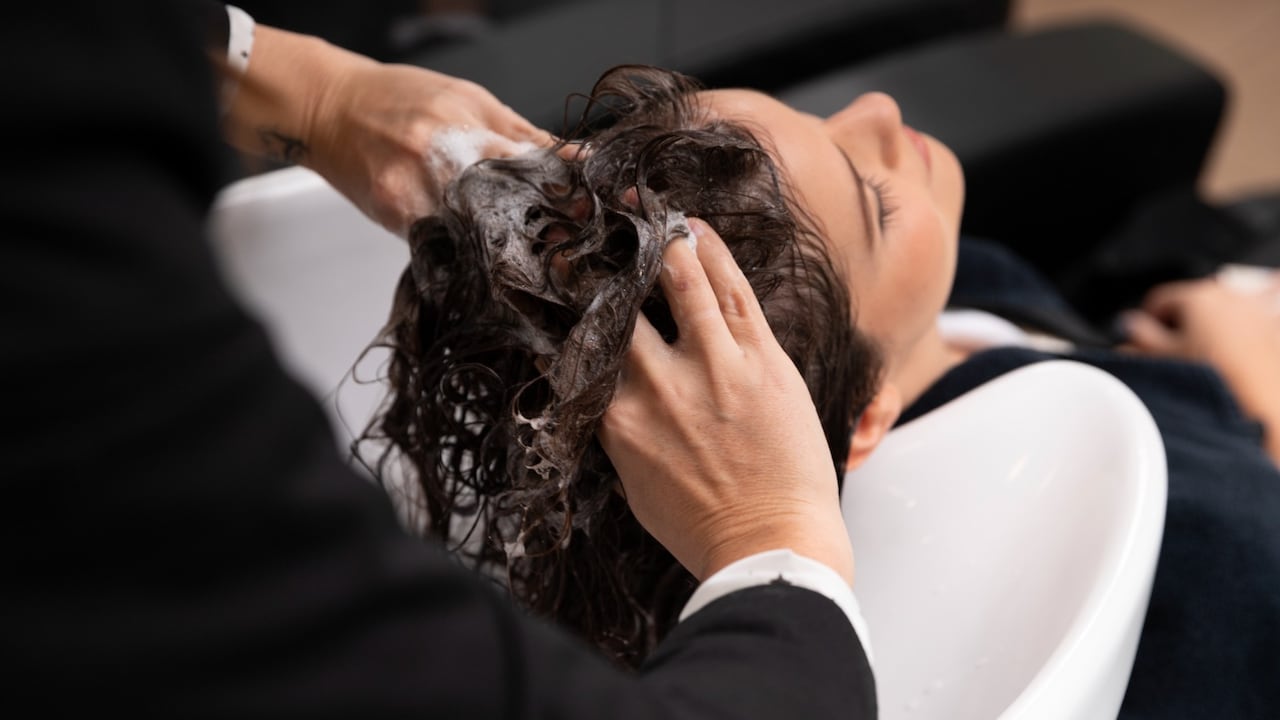
How Often Should You Wash Your Hair Based On Your Scalp And Hair Type; Photo Credit: Pexels
A Shampoo Guide Based on Scalp Type, Hair Texture And Daily Habits
1. Oily Scalp: When Grease Shows Up Too Soon
An oily scalp feels like an uninvited guest that arrives early and refuses to leave. Hair looks flat within a day, sometimes within hours. This happens when sebaceous glands overproduce oil, often due to genetics, hormones or heat.
For oily scalps, washing every day or every other day works well. Skipping washes rarely “trains” the scalp to behave. Instead, it often leads to itchy roots and limp hair. Sweat, dust and city pollution add to the mess, especially during summer.
A gentle, sulphate-free shampoo designed for oily scalps keeps oil under control without stripping the skin. Focus shampoo on the scalp, not the lengths. Conditioner belongs only on the ends, never near the roots.
Dry shampoo helps on rushed mornings, but should not replace regular washing. Overuse can clog follicles. Think of it as a quick fix, not a lifestyle.
An oily scalp does not mean dirty habits. It simply means the scalp works overtime. Treat it kindly, keep washing regularly and avoid heavy oils near the roots.
2. Dry Scalp: When Washing Feels Like a Punishment
A dry scalp often sends clear distress signals. Flakes appear, tightness follows, and itching becomes hard to ignore. Unlike dandruff, which links to oil and yeast, dryness comes from a lack of moisture.
Hair washing two times a week suits a dry scalp. More frequent washing strips natural oils and worsens the problem. Hot water also adds to dryness, so lukewarm water works better.
Choose a moisturising shampoo with ingredients like aloe vera, glycerin or mild oils. Avoid strong clarifying formulas unless product build-up becomes obvious. Massage the scalp gently instead of scrubbing like a kitchen sink.
A nourishing conditioner or hair mask once a week helps restore comfort. Light scalp oils applied before washing can also help, especially during winter.
Dry scalp needs patience. Gentle care, fewer washes, and hydration often bring relief within weeks. Comfort returns when the scalp stops feeling under attack.
Also Read: Monsoon-Proof Hair: Top 10 Anti-Frizz Shampoos And Tips For Indian Weather
3. Normal Scalp: The Lucky Middle Ground
A normal scalp behaves predictably. Oil shows up after two or three days. Hair feels balanced, without itch or excessive greasiness. This scalp type enjoys flexibility.
Washing two to three times a week keeps things fresh. Some prefer alternate-day washing, others stretch to every third day. Both work as long as the hair stays comfortable and clean.
A mild, balanced shampoo suits this scalp. No need for aggressive treatments or heavy repair formulas. Regular conditioner on the lengths keeps hair soft and manageable.
This scalp type allows experimentation. Switching shampoos based on seasons works well. Lighter formulas feel better in summer, richer ones help during colder months.
The key lies in listening to subtle changes. Stress, diet or weather can shift scalp behaviour slightly. Adjusting the routine keeps hair happy without overthinking.
4. Curly Hair: When Texture Changes the Rules
Curly hair follows different rules. Natural oils struggle to travel down spirals and coils. This leaves curls dry at the ends, even when the scalp feels fine.
Most curly hair types thrive on washing once or twice a week. Overwashing leads to frizz, dryness and loss of curl definition. Co-washing, which uses conditioner instead of shampoo, works well between washes.
A sulphate-free, hydrating shampoo keeps curls clean without stripping moisture. Conditioner becomes a best friend, not an optional extra. Leave-in products help maintain shape and softness.
Detangling works best during conditioning, not after washing. Fingers or wide-tooth combs reduce breakage and tears, both literal and emotional.
Curly hair rewards gentle routines. Less washing, more moisture and patience create curls that bounce instead of rebel.

How Often Should You Wash Your Hair Based On Your Scalp And Hair Type; Photo Credit: Pexels
5. Straight Hair: When Oil Travels Fast
Straight hair shows oil faster than any other texture. Sebum slides easily from scalp to the ends, making hair look greasy sooner.
Washing every alternate day suits most straight hair types. Some manage daily washes, especially with fine hair that collapses quickly. Others stretch to every third day with dry shampoo support.
A lightweight shampoo prevents flatness. Heavy conditioners or masks can weigh hair down, so apply them sparingly on the ends.
Heat styling increases oiliness by stimulating the scalp. Reducing excessive blow-drying helps extend the time between washes.
Straight hair benefits from simplicity. Clean roots, light products and a consistent routine keep it fresh without drama.
6. Fine Hair: Volume Versus Oil Balance
Fine hair often feels like a balancing act. It turns oily fast yet breaks easily. Too much washing dries it out, too little makes it limp.
Washing every alternate day works for most. Daily washing suits those who sweat heavily or use styling products often. Gentle formulas protect fragile strands.
Volumising shampoos help lift roots without heavy residue. Conditioner stays away from the scalp to prevent greasiness.
Avoid over-brushing, which spreads oil quickly. Minimal handling keeps hair cleaner for longer.
Fine hair loves light care and regular cleansing. Treat it gently, and it rewards you with movement and shine.
7. Thick and Coarse Hair: When Moisture Matters Most
Thick or coarse hair rarely looks oily. It often feels dry, especially at the ends. Natural oils struggle to coat every strand.
Washing once or twice a week suits this hair type. More frequent washing strips moisture and increases roughness.
Rich, nourishing shampoos and conditioners work well. Deep conditioning once a week improves softness and manageability.
Protective hairstyles reduce friction and moisture loss. Avoiding excessive heat also keeps hair healthier.
Thick hair needs moisture more than frequent cleansing. Fewer washes and richer care make a visible difference.

How Often Should You Wash Your Hair Based On Your Scalp And Hair Type; Photo Credit: Pexels
8. Active Lifestyle: Sweat Changes Everything
Exercise changes hair needs. Sweat, dirt and bacteria build up faster, especially on the scalp. This affects even dry or normal scalps.
Those who work out daily may need to wash their hair more often. Gentle shampoos allow frequent washing without damage. Rinsing with water between washes also helps.
Scalp hygiene matters more than perfect hair days. Leaving sweat to dry increases itch and odour.
Quick routines fit busy schedules. A mild shampoo, fast conditioner and air-drying keep things manageable.
An active lifestyle demands flexibility. A clean scalp always beats strict washing rules.
9. Seasonal Shifts: Summer Versus Winter Hair Care
Weather changes everything. Summer brings sweat, humidity and dust. Hair feels greasy faster. Winter brings dryness, static and dullness.
During the summer, washing frequency often increases. Lightweight shampoos and anti-frizz products help manage humidity. Rinsing hair after outdoor exposure reduces pollution build-up.
In winter, washing less often helps retain moisture. Rich conditioners and masks prevent dryness. Lukewarm water protects the scalp.
Listening to seasonal needs prevents common hair complaints. A routine that adapts works better than rigid rules.
Hair reacts to the weather just like skin. Adjusting care keeps it comfortable year-round.
10. Water Quality and Lifestyle Habits: The Hidden Factors
Hard water affects hair more than expected. Minerals leave residue, making hair dull and rough. Frequent washing in hard water worsens dryness.
Using a clarifying shampoo once a month removes build-up. Filtered water attachments also help, especially in urban homes.
Diet, sleep and stress influence scalp health. Poor habits show up as hair fall, oil imbalance or dullness.
Simple changes improve results. Drinking enough water, managing stress and eating balanced meals support healthy hair.
Hair care extends beyond shampoo bottles. Every day habits shape how often hair needs washing and how it behaves.
Products Related To This Article
1. Minimalist Anti-Dandruff Shampoo 3.5% with Piroctone Olamine & Salicylic Acid
2. Bare Anatomy 5X Hair Fall Control Shampoo Hair Growth
3. Love Beauty & Planet Argan Oil & Lavender Sulfate Free Smooth and Serene Shampoo
4. Pilgrim Australian Tea Tree Anti-Dandruff Shampoo With Salicylic Acid
5. Park Avenue Anti-Dandruff Beer Shampoo for Dandruff Prone Hair
6. PLIX THE PLANT FIX Neem Anti Dandruff Advanced Shampoo
7. Dove Unisex Daily Shine Shampoo For Dull Hair
Hair washing has no universal timetable. The right frequency depends on scalp type, hair texture, lifestyle and environment. Daily washing suits some, weekly routines suit others. Neither deserves judgment.
Healthy hair starts with a comfortable scalp. Greasy roots, itching or dryness signal the need for change. Listening to those signs matters more than following trends.
A good shampoo routine feels sustainable, not stressful. It fits daily life, weather changes and personal comfort. When hair feels clean, soft and manageable, the routine works.
Forget strict rules. Trust observation, adjust when needed and keep care simple. Hair behaves better when treated with understanding rather than obsession.
(Disclaimer: This article may include references to or features of products and services made available through affiliate marketing campaigns. NDTV Convergence Limited (“NDTV”) strives to maintain editorial independence while participating in such campaigns. NDTV does not assume responsibility for the performance or claims of any featured products or services.)