Why Hair Steaming Causes Frizz: 10 Common Mistakes and the Right Way to Steam Hair
Hair steaming can hydrate strands or leave them frizzy when done wrong. From timing errors to product misuse, discover the top hair steaming mistakes and learn how to steam hair correctly for smoother results.
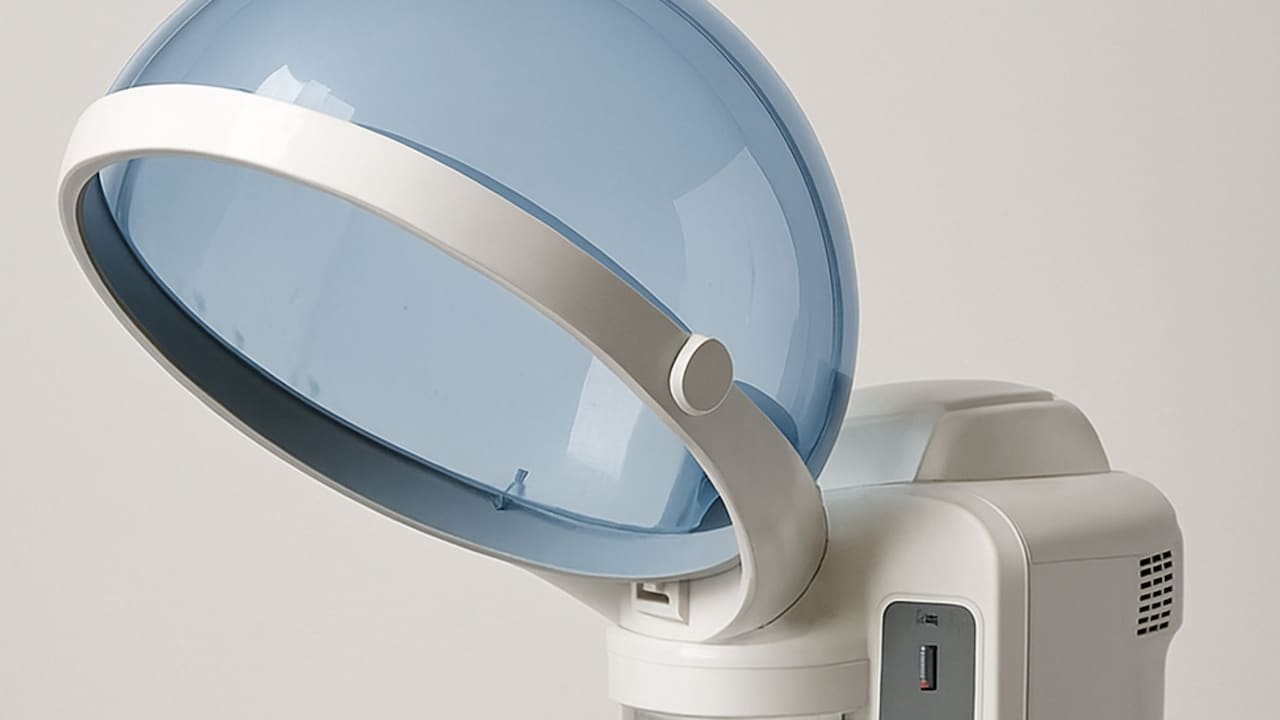
Check Out The Top 10 Hair Steaming Mistakes That Cause Frizz And How To Steam Hair Correctly.
Hair steaming has earned a loyal following in salons and homes alike. The process opens the hair cuticle, allowing moisture and nutrients to penetrate more deeply. When done well, hair feels softer, looks shinier, and stays manageable for days. When done badly, the mirror tells a different story: puffy lengths, unruly ends, and a texture that feels off.
Many people treat steaming like a magic switch. Switch it on, sit back, and expect salon-level results. Hair care rarely works that way. Climate, water quality, lifestyle habits, and product choices all influence outcomes. Add a few common mistakes into the mix, and frizz shows up uninvited, especially during humid months.
This article walks through the top 10 hair-steaming mistakes that cause frizz and explains how to steam hair correctly. The tips stay practical, honest, and easy to follow, with real-life scenarios that feel familiar. No jargon. No lectures. Just clear guidance for better hair days ahead.
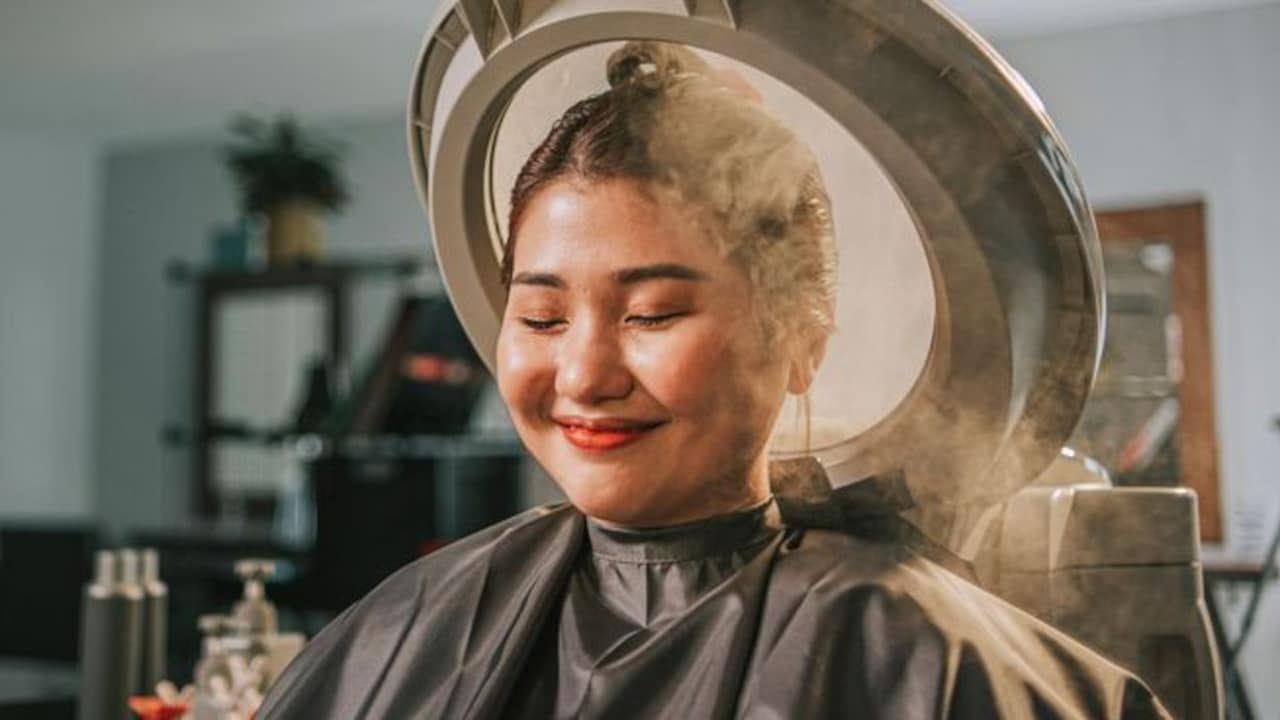
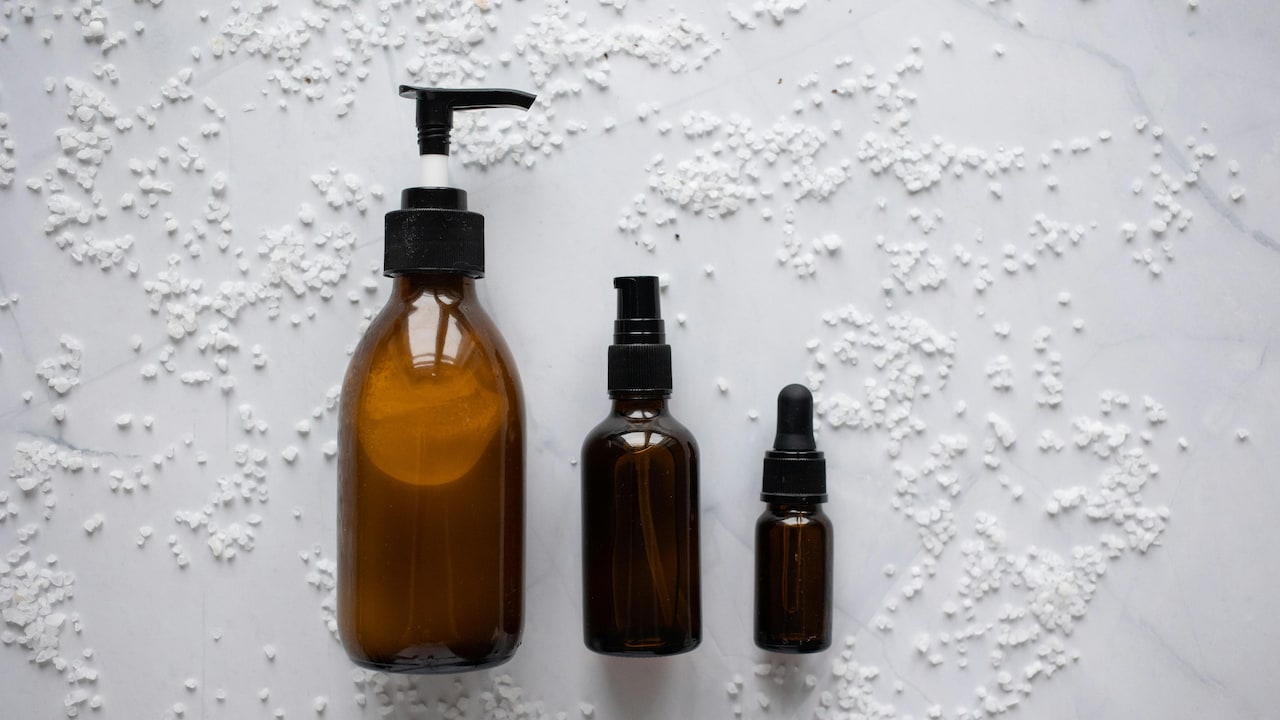
10 Hair Steaming Mistakes Causing Frizz And How To Steam Hair Correctly; Photo Credit: Pexels
Why Hair Steaming Often Backfires And How to Get It Right
1. Steaming Dry Hair Instead of Damp Hair
One of the most common missteps begins before the steamer even warms up. Steaming dry hair sounds harmless, yet it invites frizz faster than a sudden drizzle ruins a blow-dry. Hair needs water to benefit from steam. Without moisture, steam lifts the cuticle but offers nothing to seal inside.
Damp hair works like a sponge. It absorbs warmth and hydration evenly, allowing the steam to do its job. Dry hair, on the other hand, swells unevenly. The cuticles open abruptly, moisture escapes, and frizz takes over.
The fix stays simple. Always start with freshly washed hair or lightly mist strands with clean water. Hair should feel damp, not dripping. Think of the texture after towel-drying on a rushed weekday morning. That level works perfectly.
This step matters even more in hard-water areas, where hair already struggles with dryness. Skipping moisture before steaming leads to roughness that styling products cannot fully tame later.
2. Steaming Hair for Too Long
More steam does not equal better hair. This myth causes more damage than most care routines combined. Sitting under steam for extended periods weakens hair fibres and overstimulates the cuticle. Hair becomes soft at first, then loses structure, leading to limp strands and frizz once dry.
Hair thrives on balance. Excess heat and moisture disrupt protein bonds, especially in fine or chemically treated hair. Think of overcooked rice, soft initially, mushy soon after.
The ideal steaming time ranges between 10 and 15 minutes. Thick or coarse hair may handle up to 20 minutes, but anything beyond that pushes limits. A kitchen timer helps avoid guesswork.
Shorter, consistent sessions outperform occasional marathon steaming. Hair responds better to routine care than dramatic treatments. Keeping sessions controlled preserves elasticity and keeps frizz under control.
Also Read: How To Revitalize Dry, Frizzy Hair: Oiling Not Enough, Hair Steamer Delivers Salon-Like Smoothness
3. Using the Wrong Products Before Steaming
Steam acts like a delivery service. Whatever sits on the hair before steaming gets driven deeper into the strand. Using the wrong products invites trouble. Heavy silicones, alcohol-based serums, or random DIY mixes can clog cuticles and trap residue.
This mistake often leads to sticky hair that frizzes as it dries. The steam amplifies product buildup rather than moisture. Many experience hair that feels coated instead of nourished.
Choose lightweight, water-based conditioners or hair masks designed for hydration. Ingredients like aloe vera, glycerin, honey, and plant oils work beautifully with steam. Avoid layering multiple products at once.
Applying a small amount evenly makes a noticeable difference. Hair should feel coated lightly, not weighed down. Think nourishment, not suffocation.
4. Skipping a Deep Clean Before Steaming
Steaming over dirty hair equals locking in problems. Pollution, sweat, oil, and styling residue create a barrier that steam cannot penetrate effectively. Instead of hydration, hair traps impurities, leading to dullness and frizz.
Many skip cleansing to save time, especially during busy weeks. Unfortunately, this shortcut backfires. Steaming unclean hair often results in greasy roots and dry ends.
A gentle shampoo before steaming clears the path for moisture. Focus on the scalp and rinse thoroughly. Follow with a light conditioner before steaming, if needed.
Clean hair absorbs benefits better and behaves more predictably once dry. This step also improves scalp health, reducing itchiness and flakes that often worsen frizz over time.
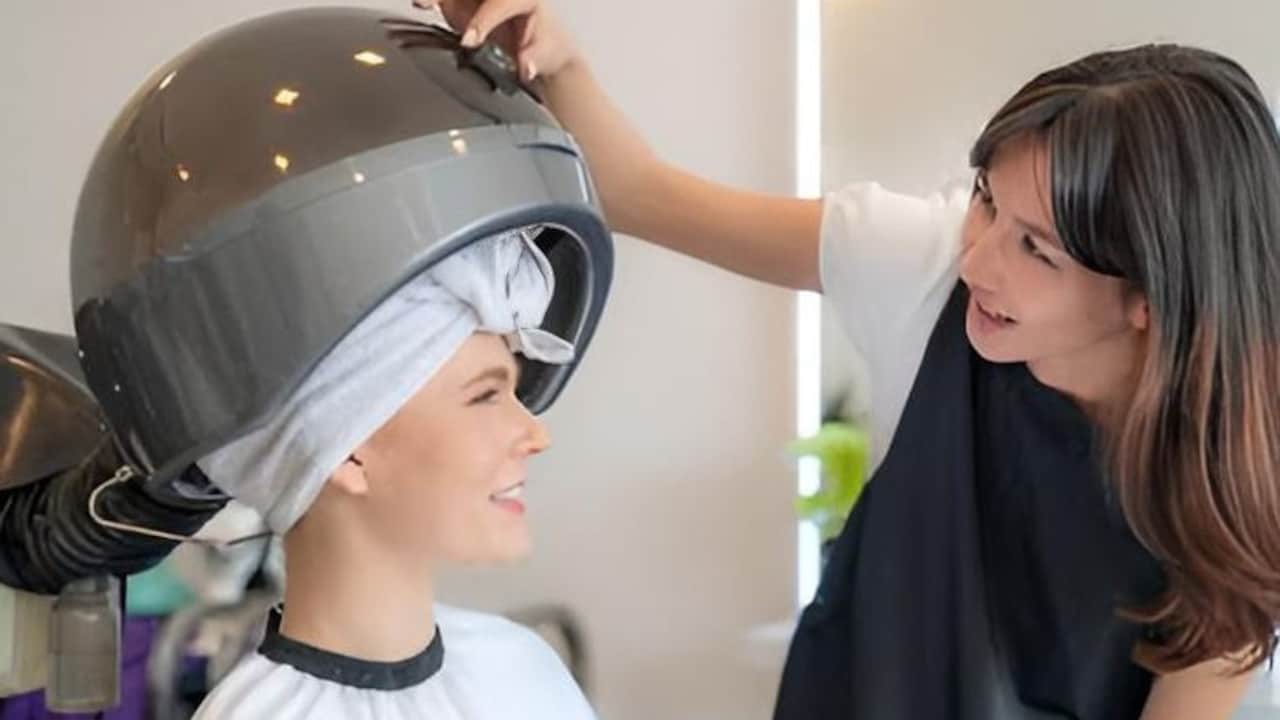
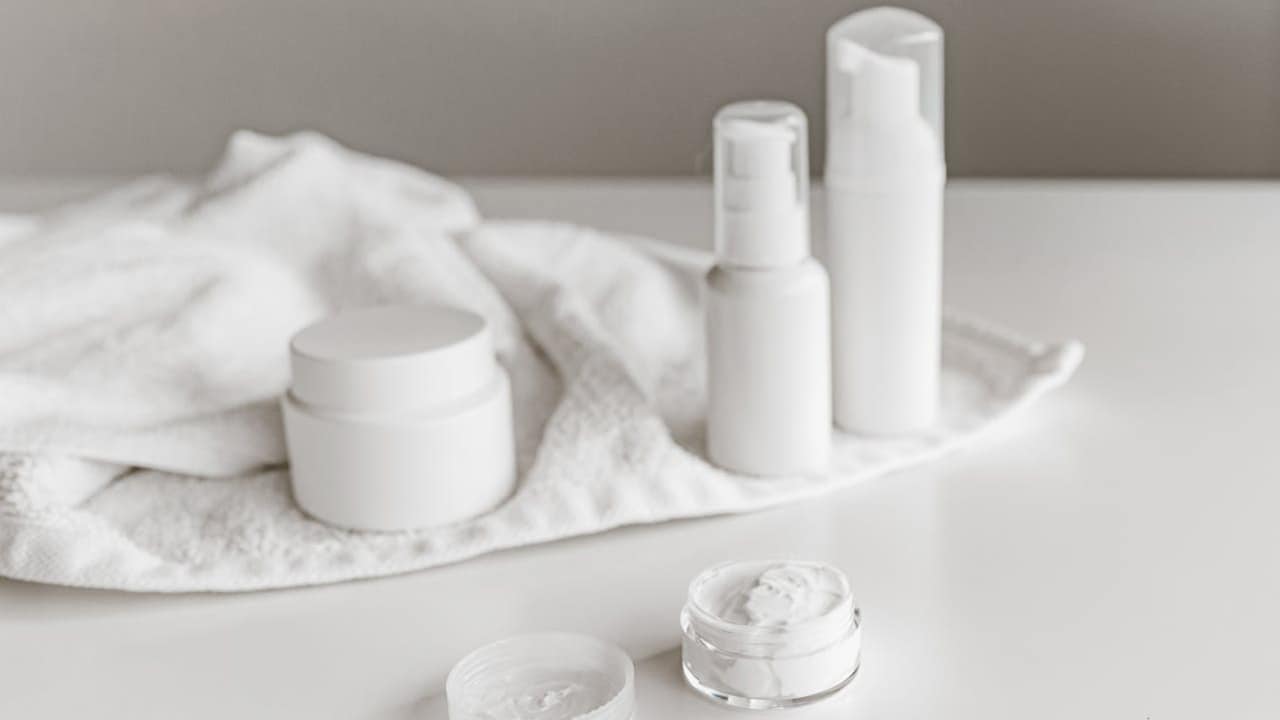
10 Hair Steaming Mistakes Causing Frizz And How To Steam Hair Correctly; Photo Credit: Pexels
5. Steaming Too Frequently
Consistency helps hair, but excess enthusiasm causes setbacks. Steaming too often weakens hair structure, making strands overly porous. Highly porous hair absorbs moisture quickly but loses it just as fast, leading to frizz that refuses to settle.
Daily steaming might sound luxurious, yet hair needs recovery time. Moisture overload causes hair to feel stretchy, dull, and unmanageable.
Once a week works well for most hair types. Very dry or curly textures may benefit from twice-weekly sessions, but moderation remains key.
Pay attention to how hair feels between sessions. Softness with strength signals success. Limpness or excessive frizz signals a need to scale back.
6. Ignoring Hair Type and Texture
Hair steaming advice often sounds one-size-fits-all. Hair rarely agrees. Fine hair reacts differently from thick curls. Straight strands behave unlike coily textures. Ignoring these differences leads to unpredictable frizz.
Fine hair needs lighter products and shorter steam sessions. Heavy masks flatten volume and cause flyaways later. Curly and textured hair often welcomes richer creams and slightly longer steaming.
Understanding hair's natural pattern helps tailor the process. Observing how hair responds after steaming offers clues. Does it feel bouncy or weighed down? Smooth or fuzzy?
Adjusting techniques based on hair type transforms steaming from frustrating to rewarding. Personalised care always wins over generic routines.
7. Not Sealing the Cuticle After Steaming
Steaming opens the hair cuticle. Leaving it open invites frizz. Many forget the crucial final step, sealing moisture inside.
Once steaming ends, hair remains vulnerable. Exposure to air causes cuticles to lift further, especially in humid conditions. Frizz sneaks in before styling even begins.
A cool rinse helps close the cuticle. Alternatively, applying a lightweight oil or leave-in conditioner while hair remains warm locks in hydration. Oils like argan or almond work well without greasiness.
This step acts like closing windows before a storm. Hair stays smoother, shinier, and protected throughout the day.
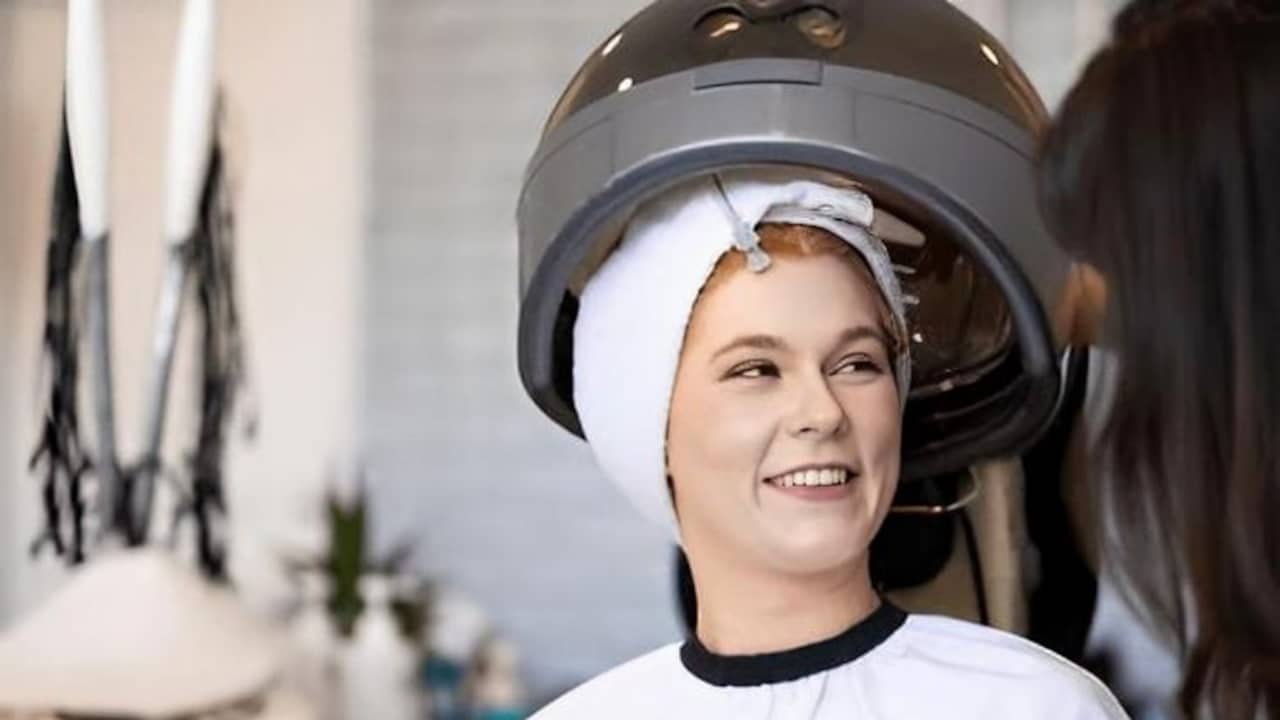
10 Hair Steaming Mistakes Causing Frizz And How To Steam Hair Correctly; Photo Credit: Pexels
8. Using Unclean or Faulty Steaming Equipment
Steaming devices need care too. Mineral deposits, mould, or dirty water turn steaming into a recipe for scalp issues and frizz. Many overlook this detail until their hair starts misbehaving.
Hard water residue inside steamers releases impurities into the steam. Hair absorbs them directly, leading to rough texture and dullness.
Cleaning the steamer regularly prevents buildup. Using filtered or distilled water improves results noticeably. This small habit protects hair and scalp health.
Well-maintained tools deliver consistent steam and reduce unexpected damage. Clean equipment equals clean results.
9. Steaming Without Protecting the Scalp
The scalp plays a major role in hair health. Direct heat and steam without protection irritate the scalp, triggering excess oil production or dryness. Both conditions contribute to frizz along the lengths.
Some experience itchiness or sensitivity after steaming. This reaction often stems from unprotected skin rather than the hair itself.
Applying a light scalp serum or oil before steaming creates a barrier. Massaging gently improves circulation and comfort. Avoid heavy products that clog pores.
A calm, nourished scalp supports smoother hair growth and better steaming outcomes overall.
10. Expecting Instant Results Without Consistency
Hair care rewards patience, not impatience. Steaming once and expecting a dramatic transformation sets unrealistic expectations. Frizz often persists when routines lack consistency.
Healthy hair builds over time through regular care. Steaming supports hydration, but diet, stress, styling habits, and weather also play roles.
Maintaining a balanced routine with steaming, gentle handling, and proper nutrition yields lasting improvements. Think marathon, not sprint.
Celebrating little progress keeps motivation high. Smoother ends, easier detangling, and improved shine signal success long before dramatic changes appear.
Products Related To This Article
1. UNIQUE ENTERPRISE professional hair steamer
2. Saloon K33S Hair Steamer
3. Calpix Garment Steamer Rz Hair Steamer
4. Bonbella hair steamer hair spa cap thermal spa steam cap Hair Steamer
5. Tanushka Spa Cap for Hair Men and Women Hair Steamer
Hair steaming holds genuine potential when done right. Frizz rarely appears without reason. More often, it signals small missteps that quietly undo good intentions. From steaming dry hair to ignoring the sealing step, these common mistakes explain why results fall short.
Correcting these habits transforms steaming into a reliable ally rather than a frustrating experiment. The process does not demand expensive tools or complex routines. It asks for awareness, moderation, and a little patience.
With the right approach, hair steaming becomes less about chasing perfection and more about nurturing hair through everyday care. Smooth, manageable hair then feels less like luck and more like a well-earned reward.
(Disclaimer: This article may include references to or features of products and services made available through affiliate marketing campaigns. NDTV Convergence Limited (“NDTV”) strives to maintain editorial independence while participating in such campaigns. NDTV does not assume responsibility for the performance or claims of any featured products or services.)